Things to do in Bogota based on NeemTime research from most popular to just popular.
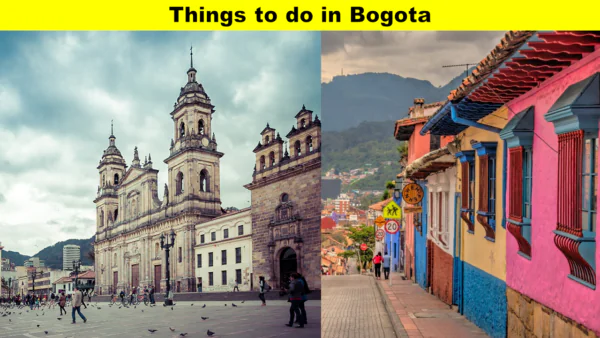
Plaza de Bolívar, Bogotá
Overview: Plaza de Bolívar is the historic and political heart of Bogotá, surrounded by iconic landmarks including the Cathedral, Capitol, and Palace of Justice.
History: The square has been the center of civic, religious, and political life since the Spanish colonial period.
Since When: Plaza de Bolívar has existed since 1539, following the founding of Bogotá.
Review: Visitors praise the plaza for its historical significance, grand architecture, and vibrant public atmosphere.
When to Go: The best time to visit is during daytime hours, especially in the morning for clearer weather and safety.
How to Go: The plaza is easily accessible by public transport, taxi, or walking within Bogotá’s historic center.
What to Do: Visitors can admire historic buildings, take photos, feed pigeons, and explore nearby museums.
Free or Paid: Visiting Plaza de Bolívar is completely free.
Titan Plaza Shopping Mall, Bogotá
Overview: Titan Plaza Shopping Mall is a large modern mall offering shopping, dining, entertainment, and family-friendly facilities in Bogotá.
History: The mall was developed to serve the growing residential and commercial areas in western Bogotá.
Since When: Titan Plaza opened to the public in 2012.
Review: Shoppers appreciate its spacious layout, variety of brands, and convenient services.
When to Go: Weekday mornings are quieter, while weekends are livelier and more crowded.
How to Go: The mall can be reached by TransMilenio, bus, or taxi from different parts of the city.
What to Do: Visitors can shop, dine, watch movies, and enjoy family entertainment areas.
Free or Paid: Entry is free, while shopping and entertainment are paid.
Parque Metropolitano Simón Bolívar, Bogotá
Overview: Parque Metropolitano Simón Bolívar is Bogotá’s largest urban park, offering green spaces, lakes, and cultural event venues.
History: The park was created as part of urban development plans to provide recreational space for residents.
Since When: The park has been open to the public since the late 20th century.
Review: Visitors enjoy its open spaces, peaceful environment, and suitability for outdoor activities.
When to Go: Early mornings or late afternoons are ideal for pleasant weather and fewer crowds.
How to Go: The park is accessible by public transport, bicycle, or taxi within central Bogotá.
What to Do: Visitors can walk, jog, picnic, rent bikes, or attend concerts and festivals.
Free or Paid: Entry to the park is free.
Andino Shopping Mall, Bogotá
Overview: Andino Shopping Mall is an upscale shopping destination known for luxury brands, dining, and elegant surroundings.
History: It was developed to cater to Bogotá’s growing demand for high-end retail and lifestyle experiences.
Since When: Andino Shopping Mall opened in the mid-1990s.
Review: Visitors praise its premium stores, cleanliness, and excellent dining options.
When to Go: Weekday afternoons are ideal to avoid crowds, while evenings offer a lively atmosphere.
How to Go: The mall is easily accessible by taxi or public transport in the Zona Rosa area.
What to Do: Visitors can shop for international brands, dine at fine restaurants, and relax in cafes.
Free or Paid: Entry is free, but purchases and dining are paid.
Parque del Café, Colombia
Overview: Parque del Café is a popular theme park celebrating Colombian coffee culture through rides, attractions, and cultural exhibits.
History: The park was created to promote coffee heritage and tourism in Colombia’s coffee-growing region.
Since When: Parque del Café opened in 1995.
Review: Visitors highly rate the park for its unique theme, variety of rides, and educational value.
When to Go: The best time to visit is during dry seasons and weekdays to avoid long queues.
How to Go: The park is reached by car or bus from major cities, typically via Armenia in Quindío.
What to Do: Visitors can enjoy roller coasters, cultural shows, coffee exhibits, and scenic views.
Free or Paid: Entry is paid, with ticket options for rides and attractions.
Santafé Mall, Bogotá
Overview: Santafé Mall is one of the largest shopping centers in Bogotá, offering a wide range of retail stores, restaurants, and entertainment options.
History: The mall was developed to support the rapid commercial growth of northern Bogotá and modern shopping needs.
Since When: Santafé Mall opened to the public in 2006.
Review: Visitors appreciate its spacious design, variety of brands, and family-friendly environment, though it can be crowded on weekends.
When to Go: Weekday mornings or early afternoons are best to avoid heavy crowds.
How to Go: The mall is easily accessible by TransMilenio, bus, or taxi from most parts of the city.
What to Do: Visitors can shop, dine, watch movies, and enjoy children’s play areas.
Free or Paid: Entry is free, while shopping and entertainment are paid.
Jardín Botánico de Bogotá José Celestino Mutis, Bogotá
Overview: The Jardín Botánico de Bogotá is a peaceful green space showcasing Colombia’s diverse plant species and ecological landscapes.
History: The garden was established to promote botanical research, conservation, and environmental education.
Since When: It has been open to the public since 1955.
Review: Visitors praise its tranquility, educational value, and well-maintained gardens.
When to Go: Morning visits are ideal for cooler weather and guided tours.
How to Go: The garden can be reached by public transport, taxi, or bicycle within Bogotá.
What to Do: Visitors can explore themed gardens, attend workshops, and enjoy nature walks.
Free or Paid: Entry requires a small paid ticket.
Salitre Mágico Amusement Park, Bogotá
Overview: Salitre Mágico is a popular amusement park offering rides, games, and attractions for families and thrill-seekers.
History: The park was developed to provide a dedicated entertainment space within the city.
Since When: Salitre Mágico has been operating since the late 1970s, with continuous expansions.
Review: Visitors enjoy the variety of rides and festive atmosphere, though queues can be long on busy days.
When to Go: Weekdays or non-holiday periods are best for shorter wait times.
How to Go: The park is accessible by bus, TransMilenio, or taxi in the Salitre area.
What to Do: Visitors can enjoy roller coasters, family rides, arcade games, and shows.
Free or Paid: Entry and rides require paid tickets or passes.
Plazoleta Chorro de Quevedo, Bogotá
Overview: Plazoleta Chorro de Quevedo is a small historic square known as one of the founding spots of Bogotá and a lively cultural meeting point.
History: The area dates back to the early colonial period and is associated with the city’s original settlement.
Since When: It has been historically significant since the 16th century.
Review: Visitors enjoy its bohemian vibe, street art, and local storytelling traditions.
When to Go: Evenings are ideal for experiencing live performances and social atmosphere.
How to Go: The square is easily accessible on foot within La Candelaria or by taxi.
What to Do: Visitors can watch street performances, enjoy local snacks, and explore nearby streets.
Free or Paid: Visiting the square is free.
Gold Museum, Bogotá
Overview: The Gold Museum is one of Bogotá’s most famous museums, displaying the world’s largest collection of pre-Hispanic gold artifacts.
History: The museum was established to preserve and showcase Colombia’s indigenous cultural heritage.
Since When: It opened to the public in 1939.
Review: Visitors consistently rate it as a must-see attraction for its impressive exhibits and educational depth.
When to Go: Weekday mornings are best for a quieter and more immersive experience.
How to Go: The museum is easily reachable by public transport or taxi in downtown Bogotá.
What to Do: Visitors can explore exhibitions, learn about indigenous cultures, and view ceremonial gold pieces.
Free or Paid: Entry is paid, with free admission on certain days.
Imperial Plaza Shopping Center, Bogotá
Overview: Imperial Plaza Shopping Center is a modern retail and entertainment complex serving western Bogotá with a mix of shops, dining, and services.
History: The mall was developed to support the commercial growth and urban development of its surrounding neighborhoods.
Since When: Imperial Plaza opened to the public in the early 2010s.
Review: Visitors appreciate its convenience, cleanliness, and family-oriented environment, though it is less upscale than central malls.
When to Go: Weekday mornings or early afternoons are best for a relaxed shopping experience.
How to Go: The mall is accessible by TransMilenio, local buses, or taxi from different areas of Bogotá.
What to Do: Visitors can shop, eat at food courts, watch movies, and run daily errands.
Free or Paid: Entry is free, while shopping and entertainment are paid.
Parque de la 93, Bogotá
Overview: Parque de la 93 is a popular urban park surrounded by restaurants, cafes, offices, and cultural venues in northern Bogotá.
History: The park was developed as part of city planning to create a social and cultural gathering space.
Since When: Parque de la 93 has been open to the public since the late 20th century.
Review: Visitors enjoy its lively atmosphere, safety, and frequent cultural events.
When to Go: Evenings and weekends are ideal for dining, events, and socializing.
How to Go: The park is easily reachable by taxi, bus, or TransMilenio in the Chicó area.
What to Do: Visitors can relax in the park, attend outdoor events, dine nearby, and people-watch.
Free or Paid: Access to the park is free.
Mundo Aventura, Bogotá
Overview: Mundo Aventura is a large amusement park offering rides, games, and attractions for families and thrill-seekers in Bogotá.
History: The park was established to provide affordable entertainment and recreational activities for residents.
Since When: Mundo Aventura has been operating since the 1990s.
Review: Visitors like the variety of attractions and value for money, though queues can be long on busy days.
When to Go: Weekdays or non-holiday periods are best to avoid crowds.
How to Go: The park is accessible by TransMilenio, bus, or taxi near the Kennedy area.
What to Do: Visitors can enjoy roller coasters, family rides, arcade games, and themed attractions.
Free or Paid: Entry and rides are paid, with different ticket packages available.
Paloquemao Fruit Market, Bogotá
Overview: Paloquemao Fruit Market is a vibrant traditional market famous for its wide variety of fresh fruits, flowers, and local produce.
History: The market has long served as a central distribution point for agricultural goods from across Colombia.
Since When: Paloquemao Market has been operating since the mid-20th century.
Review: Visitors love the colorful displays, authentic atmosphere, and chance to taste exotic fruits.
When to Go: Early mornings are ideal for the freshest produce and lively market activity.
How to Go: The market is accessible by bus, taxi, or TransMilenio from central Bogotá.
What to Do: Visitors can shop for fruits, sample local foods, take photos, and experience daily local life.
Free or Paid: Entry to the market is free, while purchases are paid.
Parque La Colina Shopping Mall, Bogotá
Overview: Parque La Colina Shopping Mall is a modern shopping center offering retail, dining, and entertainment in a residential area of Bogotá.
History: The mall was developed to meet the lifestyle and shopping needs of northern Bogotá residents.
Since When: Parque La Colina opened in 2016.
Review: Visitors appreciate its modern design, variety of stores, and comfortable atmosphere.
When to Go: Weekday afternoons are ideal to avoid weekend crowds.
How to Go: The mall is accessible by taxi, bus, or private car from different parts of the city.
What to Do: Visitors can shop, dine, watch movies, and relax in cafes.
Free or Paid: Entry is free, while shopping and entertainment are paid.
Museo Nacional de Colombia, Bogotá
Overview: Museo Nacional de Colombia is the country’s oldest and most important museum, showcasing art, history, and cultural heritage from pre-Columbian times to the present.
History: The museum was originally housed in a former prison building and later transformed into a national cultural institution.
Since When: Museo Nacional de Colombia has been open to the public since 1823.
Review: Visitors highly appreciate its extensive collections, informative exhibits, and well-organized galleries.
When to Go: Weekday mornings are ideal for a quieter and more immersive visit.
How to Go: The museum is easily accessible by public transport, taxi, or walking from central Bogotá.
What to Do: Visitors can explore permanent and temporary exhibitions, learn about Colombian history, and enjoy guided tours.
Free or Paid: Entry is paid, with free admission on designated days.
Monserrate Sanctuary, Bogotá
Overview: Monserrate Sanctuary is a famous hilltop religious site offering breathtaking panoramic views of Bogotá and a peaceful spiritual atmosphere.
History: The sanctuary was established as a pilgrimage site during the colonial period and has long been a symbol of the city.
Since When: Religious devotion at Monserrate dates back to the 17th century.
Review: Visitors praise the views and spiritual experience, though it can be crowded on weekends and holidays.
When to Go: Early mornings or weekdays are best to avoid crowds and enjoy clear views.
How to Go: Visitors can reach Monserrate by cable car, funicular, or hiking trail from downtown Bogotá.
What to Do: Visitors can attend mass, enjoy city views, hike, dine, and explore the sanctuary grounds.
Free or Paid: Access to the hill is paid via cable car or funicular, while hiking is free.
Parque de los Novios, Bogotá
Overview: Parque de los Novios is a scenic urban park known for lakes, green spaces, and recreational activities in Bogotá.
History: The park was designed as part of urban development to provide leisure and social spaces for residents.
Since When: Parque de los Novios has been open to the public since the mid-20th century.
Review: Visitors enjoy its peaceful environment, walking paths, and suitability for couples and families.
When to Go: Late afternoons and weekends are ideal for pleasant weather and social activities.
How to Go: The park is accessible by public transport, bicycle, or taxi near central Bogotá.
What to Do: Visitors can walk, jog, rent pedal boats, picnic, and relax by the lake.
Free or Paid: Entry to the park is free.
54 Square Mall, Bogotá
Overview: 54 Square Mall is a contemporary lifestyle and entertainment complex combining shopping, dining, and cultural spaces.
History: The mall was developed to introduce a modern, open-concept commercial space in the city.
Since When: 54 Square Mall opened in the late 2010s.
Review: Visitors appreciate its modern design, dining options, and relaxed atmosphere.
When to Go: Evenings and weekends are ideal for dining and socializing.
How to Go: The mall is accessible by taxi or public transport in the Chapinero area.
What to Do: Visitors can dine at restaurants, shop at boutiques, and attend events.
Free or Paid: Entry is free, while food and shopping are paid.
Hacienda Santa Bárbara Mall, Bogotá
Overview: Hacienda Santa Bárbara Mall is a unique shopping center blending modern retail with preserved colonial-style architecture.
History: The mall was built around a restored historic hacienda, preserving its original structures and charm.
Since When: Hacienda Santa Bárbara Mall opened in 1988.
Review: Visitors praise its elegant atmosphere, upscale shops, and distinctive architectural style.
When to Go: Weekday afternoons are ideal for a calm shopping and dining experience.
How to Go: The mall is easily reachable by taxi, bus, or TransMilenio in northern Bogotá.
What to Do: Visitors can shop, dine, explore historic courtyards, and relax in cafes.
Free or Paid: Entry is free, while shopping and dining are paid.
Parque Jaime Duque, Bogotá
Overview: Parque Jaime Duque is a large family-oriented theme park offering rides, cultural exhibits, animal encounters, and entertainment in Bogotá.
History: The park was created to provide educational and recreational experiences celebrating Colombian culture and heritage.
Since When: Parque Jaime Duque has been open to the public since 1983.
Review: Visitors praise its mix of fun attractions, cultural displays, and well-maintained facilities, though it can be crowded on holidays.
When to Go: Weekdays or mornings are ideal to avoid long queues and enjoy a quieter visit.
How to Go: The park is accessible by private car or organized tour buses from Bogotá.
What to Do: Visitors can enjoy amusement rides, visit the cultural pavilions, see animals, and attend shows.
Free or Paid: Entry is paid, with additional fees for certain attractions.
Parque Nacional Natural Tayrona, Bogotá (Note: Tayrona is in the Caribbean region of Colombia, not Bogotá, but often visited from Bogotá)
Overview: Parque Nacional Natural Tayrona is a protected coastal park famous for its pristine beaches, tropical forests, and biodiversity.
History: The park was established to preserve Colombia’s Caribbean ecosystems and indigenous heritage.
Since When: Tayrona National Park has been protected since 1969.
Review: Visitors consistently rate it highly for natural beauty, wildlife, and beach landscapes, though hiking and heat can be challenging.
When to Go: The best time to visit is during the dry season, from December to March.
How to Go: Visitors usually travel by bus or car from Santa Marta, with domestic flights from Bogotá available to reach the region faster.
What to Do: Visitors can hike trails, swim on beaches, spot wildlife, and explore indigenous archaeological sites.
Free or Paid: Entry is paid, with fees for park access and guided tours.
ParkWay, Bogotá
Overview: ParkWay is a modern urban park and shopping area offering green spaces, restaurants, and entertainment in Bogotá.
History: The area was developed to combine recreational greenery with commercial and dining facilities for city residents.
Since When: ParkWay has been open since the 2010s.
Review: Visitors enjoy the modern landscaping, relaxed atmosphere, and variety of restaurants and shops.
When to Go: Evenings and weekends are ideal for socializing and enjoying dining options.
How to Go: The park is accessible by taxi or private transport within northern Bogotá.
What to Do: Visitors can walk, dine, shop, and attend events or outdoor activities.
Free or Paid: Entry is free, while shopping and dining are paid.
Botero Museum, Bogotá
Overview: The Botero Museum is an art museum dedicated to the works of Fernando Botero, showcasing his signature oversized figures alongside international art collections.
History: The museum was created to display Botero’s private collection and donated works of Colombian and international art.
Since When: The Botero Museum has been open to the public since 2000.
Review: Visitors highly appreciate its unique collection, free admission, and accessible location in La Candelaria.
When to Go: Weekday mornings are ideal for a quieter visit.
How to Go: The museum is accessible on foot, by taxi, or via TransMilenio in Bogotá’s historic district.
What to Do: Visitors can view Botero’s artwork, explore temporary exhibits, and photograph sculptures.
Free or Paid: Entry is free.
Parque Nacional Enrique Olaya Herrera, Bogotá
Overview: Parque Nacional Enrique Olaya Herrera is a historic urban park in Bogotá featuring sports facilities, walking paths, and green spaces.
History: The park was created to provide a central recreational area for residents and promote outdoor activities.
Since When: The park has been open to the public since the mid-20th century.
Review: Visitors enjoy its open spaces, sports courts, and peaceful environment, though some areas are busier on weekends.
When to Go: Mornings and weekdays are best for jogging, walking, and quiet relaxation.
How to Go: The park is accessible by public transport, taxi, or bicycle from central Bogotá.
What to Do: Visitors can walk, jog, play sports, picnic, and relax in shaded areas.
Free or Paid: Entry is free.
Centro Comercial Nuestro Bogotá, Bogotá
Overview: Centro Comercial Nuestro Bogotá is a modern shopping mall offering retail stores, restaurants, and entertainment facilities for local residents and visitors.
History: The mall was developed to serve the growing population of southern Bogotá and provide a convenient commercial hub.
Since When: Centro Comercial Nuestro Bogotá has been open since the early 2010s.
Review: Visitors enjoy its variety of stores, spacious layout, and family-friendly amenities, though it can be crowded on weekends.
When to Go: Weekday mornings or early afternoons are best for a quieter shopping experience.
How to Go: The mall is accessible by taxi, TransMilenio, or private car from nearby neighborhoods.
What to Do: Visitors can shop, dine at the food court, watch movies, and enjoy children’s play areas.
Free or Paid: Entry is free, while shopping and entertainment are paid.
Parque Timiza, Bogotá
Overview: Parque Timiza is a community park in Bogotá offering green spaces, playgrounds, and recreational areas for families and locals.
History: The park was created as part of urban development plans to provide public leisure spaces in residential neighborhoods.
Since When: Parque Timiza has been open since the late 20th century.
Review: Visitors appreciate its playgrounds, shaded areas, and suitability for family outings.
When to Go: Mornings and late afternoons are ideal for walking, jogging, and outdoor activities.
How to Go: The park is accessible by local bus, taxi, or on foot within its neighborhood.
What to Do: Visitors can walk, jog, picnic, play in playgrounds, and relax outdoors.
Free or Paid: Entry is free.
Catedral de Sal de Zipaquirá Salt, Bogotá
Overview: The Catedral de Sal de Zipaquirá is a unique underground cathedral built within a salt mine, known for its architecture and religious significance.
History: The cathedral was constructed to honor Colombia’s mining heritage and provide a spiritual site deep within the salt mines.
Since When: The current cathedral has been open to the public since 1995, replacing an older structure.
Review: Visitors are amazed by the underground ambiance, impressive lighting, and artistic design.
When to Go: Morning or early afternoon visits are ideal for guided tours and photography.
How to Go: The cathedral is accessible by bus or car from Bogotá, approximately 50 kilometers north.
What to Do: Visitors can take guided tours, explore salt sculptures, attend religious services, and photograph the interior.
Free or Paid: Entry is paid, with additional fees for guided tours.
Hippies Park, Bogotá
Overview: Hippies Park is a small cultural and recreational park in Bogotá, popular for street art, informal performances, and youth gatherings.
History: The park emerged as a creative and social space where local artists and performers gather.
Since When: Hippies Park has been active since the early 2000s.
Review: Visitors enjoy its relaxed, bohemian atmosphere, although facilities are minimal.
When to Go: Evenings and weekends are best to experience live performances and social activities.
How to Go: The park is accessible by taxi or public transport within Bogotá.
What to Do: Visitors can watch street performances, view murals, socialize, and take photos.
Free or Paid: Entry is free.
Journalists’ Park Gabriel García Márquez, Bogotá
Overview: Journalists’ Park Gabriel García Márquez is a commemorative urban park dedicated to the legacy of the Nobel laureate, featuring sculptures, greenery, and cultural displays.
History: The park was established to honor Gabriel García Márquez and promote literary and journalistic culture in Bogotá.
Since When: The park has been open since 2007.
Review: Visitors appreciate its peaceful environment, artistic installations, and literary significance.
When to Go: Morning or late afternoon visits are ideal for walking and enjoying the park.
How to Go: The park is accessible by taxi or public transport in central Bogotá.
What to Do: Visitors can walk, read, admire sculptures, and learn about García Márquez’s contributions.
Free or Paid: Entry is free.
Virrey Park, Bogotá
Overview: Virrey Park is a long urban park along a canal in Bogotá, offering walking and cycling paths, green spaces, and recreational areas.
History: The park was developed as part of the city’s urban planning to provide natural corridors and leisure spaces for residents.
Since When: Virrey Park has been open to the public since the late 20th century.
Review: Visitors enjoy its clean environment, well-maintained paths, and suitability for jogging, walking, and outdoor exercise.
When to Go: Early mornings or late afternoons are ideal for exercise and avoiding crowds.
How to Go: The park is accessible by TransMilenio, taxi, or bicycle along its length.
What to Do: Visitors can walk, jog, cycle, have picnics, and enjoy the greenery.
Free or Paid: Entry is free.
Usaquén Park, Bogotá
Overview: Usaquén Park is a historic square surrounded by colonial architecture, restaurants, and shops, serving as a cultural and social hub.
History: The park was originally part of the colonial town of Usaquén and has retained its historic charm over centuries.
Since When: Usaquén Park has been a public gathering place since the colonial period.
Review: Visitors love its lively atmosphere, weekend markets, and picturesque streets.
When to Go: Weekends are ideal for visiting the flea market, while weekdays are quieter.
How to Go: The park is accessible by taxi or bus from northern Bogotá.
What to Do: Visitors can explore the market, dine in nearby restaurants, and take photos of colonial architecture.
Free or Paid: Entry is free, while shopping and dining are paid.
Multiparque, Bogotá
Overview: Multiparque is an entertainment and leisure park offering rides, games, and recreational spaces for families and children in Bogotá.
History: The park was created to provide urban recreational options for families and youth.
Since When: Multiparque has been operating since the early 2000s.
Review: Visitors enjoy the variety of rides, family-friendly environment, and vibrant atmosphere, though it can be crowded on holidays.
When to Go: Weekdays or mornings are best to avoid large crowds.
How to Go: The park is accessible by bus, taxi, or private car depending on its location in Bogotá.
What to Do: Visitors can enjoy amusement rides, games, outdoor activities, and food stalls.
Free or Paid: Entry is paid, with additional charges for rides.
Plaza de Lourdes, Bogotá
Overview: Plaza de Lourdes is a central square in Bogotá featuring a historic church, local vendors, and a hub for social gatherings.
History: The plaza grew around the Church of Nuestra Señora de Lourdes and has long served as a community meeting point.
Since When: The plaza has been active since the early 20th century.
Review: Visitors appreciate its cultural significance, lively street activity, and charming surroundings.
When to Go: Late afternoons are ideal for observing local life and vendors.
How to Go: The plaza is accessible by taxi, bus, or walking from nearby neighborhoods.
What to Do: Visitors can explore the church, enjoy street food, photograph the area, and interact with locals.
Free or Paid: Visiting the plaza is free.
Atlantis Plaza Shopping Mall, Bogotá
Overview: Atlantis Plaza Shopping Mall is a modern retail and entertainment center offering shopping, dining, and leisure facilities in Bogotá.
History: The mall was developed to meet the growing commercial and lifestyle needs of residents in its neighborhood.
Since When: Atlantis Plaza opened in the 2010s.
Review: Visitors appreciate its convenience, variety of stores, and family-friendly atmosphere.
When to Go: Weekday mornings or early afternoons are best to avoid weekend crowds.
How to Go: The mall is accessible by taxi, bus, or TransMilenio from nearby areas.
What to Do: Visitors can shop, dine, watch movies, and enjoy children’s play zones.
Free or Paid: Entry is free, while shopping and entertainment are paid.
Mount Monserrate, Bogotá
Overview: Mount Monserrate is a prominent hill overlooking Bogotá, famous for its religious sanctuary, panoramic city views, and hiking trails.
History: The site has been a pilgrimage destination since the colonial period, with the sanctuary built to honor El Señor Caído.
Since When: Religious devotion and visitation at Monserrate have existed since the 17th century.
Review: Visitors praise the breathtaking views, spiritual atmosphere, and scenic hiking opportunities, though it can be crowded on weekends.
When to Go: Early mornings or weekdays are ideal for avoiding crowds and enjoying clear views.
How to Go: The mountain can be accessed by cable car, funicular, or hiking from the base in Bogotá.
What to Do: Visitors can hike, attend mass, photograph panoramic views, dine at hilltop restaurants, and explore the sanctuary.
Free or Paid: Access via cable car or funicular is paid, while hiking is free.
Pasaje Rivas, Bogotá
Overview: Pasaje Rivas is a charming pedestrian alley in La Candelaria known for artisan shops, souvenirs, and vibrant local culture.
History: The alley developed during the colonial period as a small commercial street in the historic center of Bogotá.
Since When: Pasaje Rivas has been a public shopping and cultural area since the 19th century.
Review: Visitors enjoy its colorful storefronts, handcrafted goods, and authentic historical ambiance.
When to Go: Mornings or early afternoons are best for browsing shops and avoiding crowds.
How to Go: The alley is accessible on foot within La Candelaria or by taxi from other parts of Bogotá.
What to Do: Visitors can shop for crafts, take photos, enjoy local snacks, and experience Bogotá’s historic streets.
Free or Paid: Entry is free, while shopping and food are paid.
Parque de la Independencia, Bogotá
Overview: Parque de la Independencia is a historic urban park in Bogotá featuring green spaces, monuments, and recreational areas.
History: The park was created to commemorate Colombia’s independence and provide a public leisure space for citizens.
Since When: The park has been open to the public since the early 20th century.
Review: Visitors enjoy its open spaces, peaceful atmosphere, and suitability for walking, jogging, and family activities.
When to Go: Early mornings or weekends are ideal for recreational activities and sightseeing.
How to Go: The park is accessible by taxi, bus, or walking from nearby neighborhoods.
What to Do: Visitors can walk, jog, picnic, photograph monuments, and relax outdoors.
Free or Paid: Entry is free.
Museo del Oro, Bogotá
Overview: Museo del Oro is Bogotá’s renowned gold museum, housing the world’s largest collection of pre-Columbian gold artifacts.
History: The museum was established to preserve Colombia’s indigenous heritage and promote cultural education.
Since When: Museo del Oro has been open to the public since 1939.
Review: Visitors highly praise its extensive collections, educational value, and impressive exhibition design.
When to Go: Weekday mornings are ideal for a quieter and more immersive experience.
How to Go: The museum is accessible by taxi, TransMilenio, or on foot in Bogotá’s historic district.
What to Do: Visitors can explore permanent and temporary exhibitions, learn about indigenous cultures, and photograph select displays.
Free or Paid: Entry is paid, with free admission on designated days.
Tequendama Falls, Bogotá
Overview: Tequendama Falls is a spectacular waterfall on the Bogotá River, famous for its scenic beauty and nearby historical hotel-turned-museum.
History: The site has long been a natural landmark, with legends and cultural significance for local indigenous communities.
Since When: The waterfall and surrounding area have been visited since pre-Columbian times, with the hotel-museum opening in the 20th century.
Review: Visitors admire the dramatic waterfall, lush surroundings, and panoramic viewpoints, though access roads can be steep.
When to Go: Mornings and weekdays are ideal to avoid crowds and enjoy misty views.
How to Go: Tequendama Falls is accessible by car or organized tour from Bogotá, approximately 30 kilometers southwest.
What to Do: Visitors can photograph the falls, explore the museum, hike nearby trails, and enjoy scenic vistas.
Free or Paid: Entry to the falls viewpoint and museum is paid.
Maloka Museo Interactivo, Bogotá
Overview: Maloka Museo Interactivo is an interactive science and technology museum in Bogotá designed to engage visitors with hands-on exhibits and educational activities.
History: The museum was established to promote science, innovation, and experiential learning among children and adults.
Since When: Maloka has been open to the public since 2000.
Review: Visitors praise its engaging exhibits, interactive displays, and family-friendly educational experience.
When to Go: Weekdays are best for a quieter visit, while weekends attract more families and school groups.
How to Go: The museum is accessible by TransMilenio, taxi, or private car in the Suba area.
What to Do: Visitors can explore hands-on science exhibits, attend workshops, and watch interactive shows.
Free or Paid: Entry is paid, with discounts for students and groups.
Mercado De Las Pulgas De San Alejo, Bogotá
Overview: Mercado De Las Pulgas De San Alejo is a vibrant flea market in Bogotá offering antiques, collectibles, crafts, and second-hand goods.
History: The market developed as a traditional trading hub for local artisans and antique dealers.
Since When: The market has been active since the mid-20th century.
Review: Visitors enjoy its eclectic mix of items, lively atmosphere, and treasure-hunting experience.
When to Go: Sundays are best when the market is fully active and stalls are most abundant.
How to Go: The market is accessible by taxi, bus, or on foot from nearby historic neighborhoods.
What to Do: Visitors can browse antiques, shop for souvenirs, sample street food, and photograph the colorful stalls.
Free or Paid: Entry is free, while purchases are paid.
La Perseverancia Distrital Marketplace, Bogotá
Overview: La Perseverancia Distrital Marketplace is a local market offering fresh produce, meats, fish, and everyday goods to Bogotá residents.
History: The marketplace was created to provide a central location for vendors and support community commerce.
Since When: It has been serving the community since the late 20th century.
Review: Visitors appreciate its authentic local vibe, fresh products, and affordability.
When to Go: Early mornings are best for the freshest produce and active market atmosphere.
How to Go: The market is accessible by taxi, bus, or walking from surrounding neighborhoods.
What to Do: Visitors can shop for fruits, vegetables, and meats, interact with local vendors, and taste regional foods.
Free or Paid: Entry is free, while purchases are paid.
Grand Hyatt Bogotá, Bogotá
Overview: Grand Hyatt Bogotá is a luxury hotel offering upscale accommodations, fine dining, event spaces, and modern amenities in the city.
History: The hotel was developed to cater to business travelers, tourists, and international guests seeking luxury in Bogotá.
Since When: Grand Hyatt Bogotá opened in 2018.
Review: Visitors praise its modern design, excellent service, comfortable rooms, and prime location.
When to Go: Any time of year is suitable, with business weekdays being busiest and weekends quieter.
How to Go: The hotel is accessible by taxi, private car, or airport shuttle from El Dorado International Airport.
What to Do: Guests can stay in luxury rooms, dine at on-site restaurants, attend events, or relax in spa and wellness facilities.
Free or Paid: Access is paid for stays and hotel services.
Divine Child Parish Sanctuary, Bogotá
Overview: Divine Child Parish Sanctuary is a historic Catholic church in Bogotá known for its religious services, architecture, and community significance.
History: The sanctuary was built to serve the spiritual needs of its local parishioners and has hosted religious ceremonies for decades.
Since When: The church has been active since the mid-20th century.
Review: Visitors appreciate its serene atmosphere, architectural details, and central role in community worship.
When to Go: Weekdays outside major mass hours are ideal for peaceful visits and photography.
How to Go: The sanctuary is accessible by taxi, bus, or on foot within its neighborhood.
What to Do: Visitors can attend mass, admire religious art, pray, and explore the church interior.
Free or Paid: Entry is free, with donations optional.
Nemocón Salt Mine, Bogotá
Overview: Nemocón Salt Mine is an underground attraction near Bogotá featuring impressive salt formations, tunnels, and a unique museum showcasing mining history.
History: The mine has been historically used for salt extraction and later developed as a tourist site highlighting Colombian mining heritage.
Since When: Nemocón Salt Mine opened to visitors in the late 20th century after restoration for tourism.
Review: Visitors praise its fascinating underground landscapes, guided tours, and informative exhibits, though some areas can feel cool and damp.
When to Go: Morning visits are ideal to avoid crowds and fully enjoy guided tours.
How to Go: The mine is accessible by car or organized tour buses from Bogotá, approximately 60 kilometers northeast.
What to Do: Visitors can explore tunnels, learn about salt mining, photograph unique formations, and visit the small museum.
Free or Paid: Entry is paid, with guided tours included in the ticket.
Museos del Banco de la República, Bogotá
Overview: Museos del Banco de la República is a network of museums in Bogotá featuring art, history, and cultural exhibitions including pre-Columbian, modern, and contemporary works.
History: The museums were established to preserve and promote Colombia’s cultural and artistic heritage through public exhibitions.
Since When: The museums have been open since 1959, expanding over the decades to multiple specialized locations.
Review: Visitors appreciate the extensive collections, informative displays, and free access, making it a top cultural attraction.
When to Go: Weekday mornings are best to enjoy the exhibitions with fewer crowds.
How to Go: The museums are accessible by taxi, TransMilenio, or on foot in central Bogotá.
What to Do: Visitors can view art collections, attend temporary exhibitions, participate in workshops, and explore cultural heritage.
Free or Paid: Entry is free.