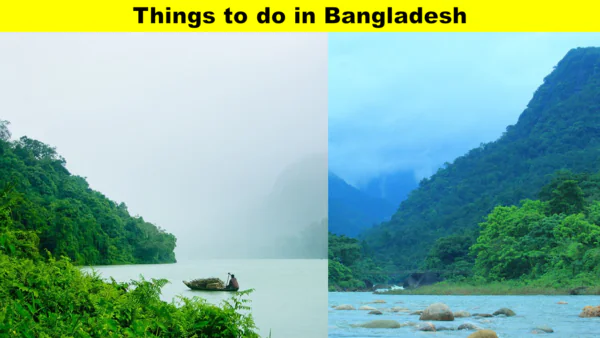
Things to do in Bangladesh based on NeemTime research from most popular to just popular.
Dhaka New Market, Bangladesh
Overview: Dhaka New Market is a bustling shopping complex in the heart of Dhaka offering a wide variety of clothing, electronics, and local goods.
History: Established to provide organized retail space and cater to the growing urban population of Dhaka.
Since When: Opened in 1954.
Review: Visitors enjoy its variety of products, vibrant atmosphere, and affordability.
When to Go: Morning or evening to avoid heavy crowds and heat.
How to Go: Accessible by rickshaw, taxi, or local bus from different parts of Dhaka.
What to Do: Shop for clothes, souvenirs, electronics, and experience local market culture.
Free or Paid: Free entry; shopping is paid.
Jamuna Future Park, Bangladesh
Overview: Jamuna Future Park is the largest shopping mall in Bangladesh, featuring retail outlets, entertainment zones, and dining options.
History: Developed to provide a modern shopping and entertainment experience for Dhaka residents and tourists.
Since When: Opened in 2013.
Review: Visitors praise its modern infrastructure, wide range of shops, and leisure facilities.
When to Go: Weekdays or mornings for a quieter experience, weekends for full entertainment options.
How to Go: Reachable by car, taxi, or ride-sharing services from central Dhaka.
What to Do: Shop, dine, enjoy amusement zones, cinemas, and indoor recreation.
Free or Paid: Free entry; activities and shopping are paid.
Robindro Sorobor, Bangladesh
Overview: Robindro Sorobor is a cultural hub in Dhaka featuring sculptures, open spaces, and monuments dedicated to Rabindranath Tagore.
History: Developed to honor the legacy of Rabindranath Tagore and promote cultural awareness.
Since When: Established in the early 2000s.
Review: Visitors admire the cultural significance, peaceful environment, and artistic installations.
When to Go: Morning or late afternoon for comfortable visits and photography.
How to Go: Accessible by taxi, rickshaw, or local transport within Dhaka.
What to Do: Walk, explore sculptures, learn about Tagore, and enjoy the open spaces.
Free or Paid: Free.
Ramna Park, Bangladesh
Overview: Ramna Park is a large urban park in Dhaka featuring lush greenery, walking paths, lakes, and recreational areas.
History: Developed as a green oasis in the heart of the city to promote recreation and leisure.
Since When: Established in the early 20th century.
Review: Visitors enjoy jogging, picnicking, boating, and the calm natural surroundings.
When to Go: Early morning or late afternoon for a pleasant experience.
How to Go: Accessible by taxi, rickshaw, or local transport from anywhere in Dhaka.
What to Do: Walk, jog, picnic, photography, and boat on the park’s lakes.
Free or Paid: Free entry; boating may require payment.
Bangladesh National Zoo, Bangladesh
Overview: Bangladesh National Zoo is the country’s largest zoo, home to a variety of exotic and native animals for education and conservation.
History: Established to promote wildlife awareness and provide a recreational space for families.
Since When: Opened in 1974.
Review: Visitors appreciate the diversity of animals, spacious enclosures, and family-friendly environment.
When to Go: Morning or weekdays to avoid heavy crowds and ensure better animal viewing.
How to Go: Accessible by car, taxi, or local bus from central Dhaka.
What to Do: Observe animals, take guided tours, and enjoy recreational facilities.
Free or Paid: Paid entry.
Lalbagh Fort, Bangladesh
Overview: Lalbagh Fort is a historic Mughal-era fort complex in Dhaka known for its architecture, gardens, and cultural significance.
History: Commissioned by Mughal governor Muhammad Azam Shah in the 17th century and left incomplete after his death.
Since When: Construction began in 1678.
Review: Visitors admire its Mughal architecture, serene gardens, and historical importance.
When to Go: Morning or late afternoon to enjoy cooler temperatures and good photography.
How to Go: Accessible by rickshaw, taxi, or local transport from central Dhaka.
What to Do: Explore the fort, gardens, museums, and capture historical photographs.
Free or Paid: Paid entry.
Sohrawardy Udyan, Bangladesh
Overview: Sohrawardy Udyan is a large public park and historical site in Dhaka featuring open spaces, monuments, and walking paths.
History: Originally named Ramna Racecourse, it became a site of historical importance during Bangladesh’s liberation movement.
Since When: Established as a park in the mid-20th century.
Review: Visitors enjoy its greenery, historical significance, and peaceful walking areas.
When to Go: Early morning or evening for leisure walks and photography.
How to Go: Accessible by car, rickshaw, or public transport within Dhaka.
What to Do: Walk, jog, picnic, and visit historical monuments.
Free or Paid: Free.
Chandrima Udyan, Bangladesh
Overview: Chandrima Udyan is a recreational park in Dhaka offering landscaped gardens, walking paths, and leisure facilities.
History: Developed to provide urban green space and promote outdoor recreation.
Since When: Established in the late 20th century.
Review: Visitors appreciate the park’s serene environment, playgrounds, and family-friendly atmosphere.
When to Go: Morning or late afternoon for a pleasant experience.
How to Go: Reachable by car, rickshaw, or local transport from Dhaka city.
What to Do: Walk, relax, picnic, and enjoy outdoor leisure activities.
Free or Paid: Free.
Shimanto Square, Bangladesh
Overview: Shimanto Square is a modern shopping complex in Dhaka offering retail stores, restaurants, and entertainment facilities.
History: Developed to provide a contemporary shopping and leisure destination for residents and tourists.
Since When: Opened in the 2010s.
Review: Visitors enjoy the variety of shops, eateries, and comfortable shopping environment.
When to Go: Weekdays or evenings for a quieter shopping experience.
How to Go: Accessible by car, taxi, or ride-sharing services.
What to Do: Shop, dine, and enjoy leisure activities within the mall.
Free or Paid: Free entry; shopping and dining are paid.
National Martyrs’ Monument, Bangladesh
Overview: The National Martyrs’ Monument in Dhaka commemorates those who sacrificed their lives in the Bangladesh Liberation War of 1971.
History: Designed as a symbol of national pride and remembrance for the war heroes.
Since When: Completed in 1973.
Review: Visitors praise its powerful symbolism, architectural design, and serene surrounding park.
When to Go: Morning or late afternoon for visits and photography.
How to Go: Reachable by car, taxi, or local transport from Dhaka city center.
What to Do: Pay respects, take photographs, and learn about Bangladesh’s history.
Free or Paid: Free.
Central Shaheed Minar, Bangladesh
Overview: Central Shaheed Minar is an iconic national monument in Dhaka dedicated to the martyrs of the Bengali Language Movement.
History: Built to commemorate the lives lost during the 1952 language protests and symbolize the importance of the Bengali language.
Since When: Originally erected in 1952 and rebuilt in 1963 after demolition.
Review: Visitors admire its striking architecture, cultural significance, and the solemn atmosphere it provides.
When to Go: Early morning or around February 21 during Language Movement Day for special ceremonies.
How to Go: Accessible by rickshaw, taxi, or public transport within central Dhaka.
What to Do: Observe the monument, participate in cultural commemorations, and take photographs.
Free or Paid: Free.
Ahsan Manzil Museum, Bangladesh
Overview: Ahsan Manzil is a historical palace-turned-museum in Dhaka showcasing the lifestyle of Dhaka’s Nawabs and Mughal architecture.
History: Originally the residence of the Nawab family of Dhaka and later restored as a museum.
Since When: Built in 1872 and converted to a museum in 1992.
Review: Visitors appreciate its grand architecture, rich history, and well-preserved artifacts.
When to Go: Morning or afternoon for a guided tour and photography.
How to Go: Reachable via taxi, rickshaw, or public transport from Dhaka city.
What to Do: Explore the palace, view exhibits, and learn about Dhaka’s Nawabi heritage.
Free or Paid: Paid entry.
Bangladesh Military Museum, Bangladesh
Overview: Bangladesh Military Museum in Dhaka displays historical military artifacts and educates visitors about the country’s armed forces.
History: Established to honor Bangladesh’s military history and preserve its artifacts.
Since When: Opened in 1987.
Review: Visitors value its informative exhibits, historical weapons, and interactive displays.
When to Go: Weekdays for a quieter experience or during national holidays for events.
How to Go: Accessible via taxi, car, or public transport from central Dhaka.
What to Do: View exhibits, learn about military history, and photograph displays.
Free or Paid: Paid entry.
Bangladesh National Museum, Bangladesh
Overview: Bangladesh National Museum in Dhaka is the country’s largest museum, housing collections on history, art, and culture.
History: Established to preserve Bangladesh’s cultural and historical heritage and promote education.
Since When: Founded in 1913 (as Dhaka Museum) and renamed Bangladesh National Museum in 1983.
Review: Visitors enjoy its extensive collections, informative displays, and cultural programs.
When to Go: Morning or weekdays to avoid crowds.
How to Go: Accessible by taxi, rickshaw, or bus from Dhaka city.
What to Do: Explore exhibitions, attend educational programs, and photograph artifacts.
Free or Paid: Paid entry.
Sajek Valley, Bangladesh
Overview: Sajek Valley is a scenic hill station in the Chittagong Hill Tracts known for panoramic views, rivers, and tribal culture.
History: Traditionally inhabited by indigenous communities and developed as a tourist destination over recent decades.
Since When: Became a popular tourist spot in the 2000s.
Review: Visitors praise its natural beauty, serene environment, and photo-worthy landscapes.
When to Go: October to March for clear skies and pleasant weather.
How to Go: Reachable by bus or car from Khagrachari or Rangamati, followed by local transport to the valley.
What to Do: Trekking, photography, explore tribal villages, and enjoy panoramic sunsets.
Free or Paid: Free entry; transportation costs apply.
Shyamoli Park, Bangladesh
Overview: Shyamoli Park is a popular urban recreational park in Dhaka offering open green spaces, walking paths, and leisure facilities.
History: Developed to provide city residents with a serene environment for relaxation and outdoor activities.
Since When: Established in the late 20th century.
Review: Visitors appreciate the clean, well-maintained grounds and family-friendly atmosphere.
When to Go: Early morning or late afternoon for cooler temperatures and peaceful walks.
How to Go: Accessible by rickshaw, taxi, or local public transport within Dhaka.
What to Do: Walk, jog, picnic, and enjoy outdoor recreation.
Free or Paid: Free.
Sadarghat Launch Terminal, Bangladesh
Overview: Sadarghat Launch Terminal is a major river port in Dhaka serving as a hub for water transport along the Buriganga River.
History: Established to facilitate riverine trade and passenger transport for Dhaka and surrounding regions.
Since When: Operational since the early 20th century.
Review: Visitors find it bustling and vibrant, offering an authentic experience of river life in Dhaka.
When to Go: Morning or early afternoon for smoother travel and vibrant activity.
How to Go: Accessible by taxi, rickshaw, or local bus from central Dhaka.
What to Do: Take a river cruise, watch boats, and photograph the busy waterfront.
Free or Paid: Free to enter; boat rides are paid.
Zinda Park, Bangladesh
Overview: Zinda Park is a scenic eco-tourism spot near Dhaka featuring gardens, walking trails, and outdoor activities.
History: Developed to promote recreational tourism and environmental awareness among visitors.
Since When: Opened in the 2000s.
Review: Visitors enjoy its natural beauty, peaceful environment, and family-friendly facilities.
When to Go: Weekdays or weekends during the cooler months for the best experience.
How to Go: Reachable by car or taxi from Dhaka, located in Gazipur district.
What to Do: Walk, picnic, photography, and enjoy nature-based activities.
Free or Paid: Paid entry.
Dream Holiday Park, Bangladesh
Overview: Dream Holiday Park is a recreational resort near Dhaka offering amusement rides, green spaces, and leisure facilities.
History: Established to provide urban residents with an all-in-one leisure and amusement destination.
Since When: Opened in the 2010s.
Review: Visitors find it entertaining, especially for families with children seeking fun outdoor activities.
When to Go: Weekends and public holidays for full amusement access.
How to Go: Accessible by car, taxi, or private transport from Dhaka city.
What to Do: Enjoy rides, picnic, play outdoor games, and relax.
Free or Paid: Paid entry.
Gazipur Safari Park, Bangladesh
Overview: Gazipur Safari Park is a wildlife park near Dhaka offering safari tours, exotic animals, and natural habitats.
History: Developed to promote wildlife conservation and eco-tourism near Dhaka.
Since When: Established in the 2000s.
Review: Visitors enjoy close encounters with animals, educational experiences, and family-friendly adventure.
When to Go: Morning or afternoon to see animals active in natural light.
How to Go: Reachable by car or taxi from Dhaka, located in Gazipur district.
What to Do: Safari tours, photography, feeding animals, and educational activities.
Free or Paid: Paid entry.
Bahadur Shah Park, Bangladesh
Overview: Bahadur Shah Park is a historic urban park in Dhaka, known for its colonial-era architecture, lush greenery, and monuments.
History: Named after Bahadur Shah Zafar, it was originally designed during the British colonial period and served as a central public space.
Since When: Established in the 19th century.
Review: Visitors appreciate its tranquil environment, historical significance, and well-maintained lawns.
When to Go: Early morning or late afternoon for a peaceful experience.
How to Go: Accessible by taxi, rickshaw, or public transport from central Dhaka.
What to Do: Walk, relax, take photographs, and enjoy the historic ambiance.
Free or Paid: Free.
Bangladesh Shilpakala Academy, Bangladesh
Overview: Bangladesh Shilpakala Academy is the national cultural center in Dhaka promoting arts, music, theater, and cultural education.
History: Established to preserve and promote Bangladesh’s cultural heritage and support local artists.
Since When: Founded in 1974.
Review: Visitors praise its cultural programs, art exhibitions, and performances.
When to Go: Attend scheduled events or exhibitions, typically in the evenings or weekends.
How to Go: Reachable via taxi, rickshaw, or public buses from central Dhaka.
What to Do: Attend art exhibitions, theater performances, workshops, and cultural events.
Free or Paid: Free to visit the campus; events may have paid entry.
Dhakeshwari National Temple, Bangladesh
Overview: Dhakeshwari Temple is the national Hindu temple of Bangladesh and a prominent religious site in Dhaka.
History: Believed to have been built in the 12th century, it has long been a center of Hindu worship and cultural activities.
Since When: Since the 12th century, with renovations over the centuries.
Review: Visitors admire its spiritual ambiance, architecture, and religious significance.
When to Go: Early morning or during religious festivals for the best experience.
How to Go: Accessible by taxi, rickshaw, or private transport within Dhaka.
What to Do: Worship, attend rituals, and explore the temple grounds.
Free or Paid: Free.
Gulshan Central Masjid, Bangladesh
Overview: Gulshan Central Masjid is a major mosque in Dhaka serving as a central place of worship and community gathering.
History: Constructed to cater to the growing Muslim population in Gulshan and nearby areas.
Since When: Built in the late 20th century.
Review: Visitors appreciate its serene environment, beautiful design, and spiritual atmosphere.
When to Go: During prayer times or Islamic festivals for community experience.
How to Go: Accessible by taxi, rickshaw, or public transport in the Gulshan area.
What to Do: Attend prayers, experience Islamic architecture, and participate in community events.
Free or Paid: Free.
Bhawal National Park, Bangladesh
Overview: Bhawal National Park is a protected forest area near Dhaka, offering rich biodiversity, wildlife, and natural scenery.
History: Established to preserve the local flora and fauna and provide recreational space for visitors.
Since When: Established in 1974.
Review: Visitors enjoy nature walks, wildlife spotting, and the park’s serene environment.
When to Go: Early morning or late afternoon for wildlife sightings and cooler weather.
How to Go: Reachable by car or taxi from Dhaka city.
What to Do: Trekking, wildlife observation, photography, and picnicking.
Free or Paid: Free entry; fees may apply for guided tours.