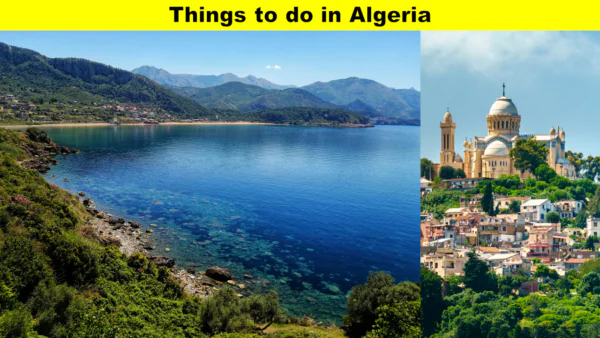
Things to do in Algeria based on NeemTime research from most popular to just popular.
Martyrs Memorial, Algeria
Overview: The Martyrs Memorial is a monumental concrete structure overlooking Algiers that symbolizes Algeria’s struggle and sacrifice for independence.
History: It was built to honor the millions of Algerians who lost their lives during the Algerian War of Independence against French colonial rule.
Since When: The memorial was inaugurated in 1982 to mark the 20th anniversary of Algeria’s independence.
Review: Visitors often describe the site as powerful and emotional, appreciating its symbolism, architecture, and panoramic city views.
When to Go: The best time to visit is late afternoon or early evening when temperatures are cooler and the lighting enhances the monument.
How to Go: The memorial can be reached by taxi, car, or public transport from central Algiers.
What to Do: Visitors can walk around the monument, view the Eternal Flame, and reflect on Algeria’s national history.
Free or Paid: Entry to the Martyrs Memorial is free.
Great Mosque of Algeria, Algeria
Overview: The Great Mosque of Algeria is Africa’s largest mosque, known for its modern Islamic architecture and towering minaret.
History: It was constructed as a national cultural and religious landmark representing Algeria’s Islamic identity and modern development.
Since When: The mosque officially opened to the public in 2020 after several years of construction.
Review: Visitors are impressed by the scale, design, and serenity of the mosque, though access may be limited during prayer times.
When to Go: The best time to visit is outside of peak prayer hours, preferably in the morning.
How to Go: The mosque is accessible by car, taxi, or public transport along the eastern coastline of Algiers.
What to Do: Visitors can admire the architecture, explore designated visitor areas, and learn about Islamic art and culture.
Free or Paid: Entry is generally free, with modest dress required.
Botanical Garden Hamma, Algeria
Overview: Botanical Garden Hamma is a historic urban garden in Algiers featuring diverse plant species and scenic walking paths.
History: The garden was established during the French colonial period as a scientific and recreational green space.
Since When: Botanical Garden Hamma has existed since 1832, making it one of the oldest gardens in Africa.
Review: Visitors enjoy the peaceful atmosphere, exotic plants, and shaded areas, though some areas may need maintenance.
When to Go: Spring and early summer are ideal times to visit when plants are in full bloom.
How to Go: The garden is easily reachable by metro, bus, or taxi within Algiers.
What to Do: Visitors can stroll through themed gardens, relax under palm trees, and enjoy nature photography.
Free or Paid: Entry requires a small paid ticket.
Park Mall Setif, Algeria
Overview: Park Mall Setif is a modern shopping and entertainment complex serving as a social hub in the city of Setif.
History: The mall was developed as part of Setif’s urban modernization to provide contemporary retail and leisure facilities.
Since When: Park Mall Setif opened in the mid-2010s.
Review: Shoppers appreciate the clean environment, brand variety, and dining options, especially compared to traditional markets.
When to Go: Evenings and weekends are popular, while weekday mornings are quieter for shopping.
How to Go: The mall can be reached by taxi or local transport within Setif city.
What to Do: Visitors can shop, dine, watch movies, and relax in cafes.
Free or Paid: Entry to the mall is free, but shopping and entertainment are paid.
Martyrs’ Square, Algeria
Overview: Martyrs’ Square is a historic public square in central Algiers surrounded by important cultural and colonial-era landmarks.
History: The square has evolved from a colonial gathering place into a symbolic space reflecting Algeria’s national identity.
Since When: The square has existed since the Ottoman period, with its modern name adopted after independence in 1962.
Review: Visitors enjoy the lively atmosphere, historical surroundings, and proximity to the Casbah.
When to Go: Late afternoon and early evening are ideal times to experience local life and pleasant weather.
How to Go: The square is accessible by metro, bus, or walking from central Algiers.
What to Do: Visitors can explore nearby historical sites, people-watch, and take photos of surrounding architecture.
Free or Paid: Visiting Martyrs’ Square is completely free.
Marina Mall, Algeria
Overview: Marina Mall is a modern waterfront shopping and leisure destination in Algiers combining retail, dining, and sea views in a contemporary setting.
History: The mall was developed as part of the coastal urban renewal projects aimed at enhancing tourism and lifestyle facilities in Algiers.
Since When: Marina Mall has been operating since the late 2010s.
Review: Visitors appreciate the clean environment, international brands, and pleasant marina atmosphere, though prices are considered slightly high.
When to Go: Evenings and weekends are ideal for enjoying shopping, dining, and the seaside ambiance.
How to Go: The mall is accessible by taxi, private car, or local transport from central Algiers.
What to Do: Visitors can shop, dine at sea-view restaurants, relax at cafes, and take waterfront walks.
Free or Paid: Entry to Marina Mall is free, while shopping and dining are paid.
Garden City Mall, Algeria
Overview: Garden City Mall is a large, modern shopping complex offering retail stores, restaurants, and family entertainment in Algiers.
History: It was built to meet the growing demand for organized retail and leisure spaces in the expanding urban areas of the city.
Since When: Garden City Mall opened in the late 2010s.
Review: Shoppers praise the spacious layout, variety of shops, and family-friendly environment.
When to Go: Weekday mornings are quieter, while weekends are best for a lively shopping experience.
How to Go: The mall can be reached by taxi or private vehicle from most parts of Algiers.
What to Do: Visitors can shop for local and international brands, dine, and enjoy entertainment facilities.
Free or Paid: Entry is free, but purchases and activities are paid.
Sheraton Club des Pins Resort, Algeria
Overview: Sheraton Club des Pins Resort is a luxury beachfront hotel offering upscale accommodation, private beach access, and resort-style amenities near Algiers.
History: The resort was developed to provide international-standard hospitality and host diplomatic, business, and leisure travelers.
Since When: Sheraton Club des Pins Resort has been operating since the late 1990s.
Review: Guests rate the resort highly for its service, security, beach setting, and spacious facilities.
When to Go: The best time to visit is from late spring to early autumn for beach and outdoor activities.
How to Go: The resort is accessible by taxi or private car, about 30–40 minutes from central Algiers.
What to Do: Guests can enjoy the private beach, swimming pools, spa services, fine dining, and fitness facilities.
Free or Paid: Access is paid, requiring hotel booking or authorized entry.
Teri Park, Algeria
Overview: Teri Park is a recreational amusement park offering rides, games, and outdoor fun for families and children.
History: The park was created to provide a dedicated entertainment space for families and young visitors.
Since When: Teri Park has been operating since the early 2000s.
Review: Visitors enjoy the family-friendly atmosphere and rides, though facilities are considered basic.
When to Go: Late afternoons and weekends are best, especially during mild weather.
How to Go: The park can be reached by local transport or taxi depending on its city location.
What to Do: Visitors can enjoy amusement rides, children’s games, and casual outdoor recreation.
Free or Paid: Entry is usually paid, with separate charges for rides.
Church of Notre Dame d’Afrique, Algeria
Overview: The Church of Notre Dame d’Afrique is a famous hilltop basilica overlooking the Mediterranean Sea, blending Byzantine and Moorish architectural styles.
History: Built during the French colonial era, the church served as an important Christian landmark in North Africa.
Since When: The church was completed and opened in 1872.
Review: Visitors admire the stunning views, unique architecture, and peaceful spiritual atmosphere.
When to Go: Morning or late afternoon is ideal for comfortable weather and beautiful sea views.
How to Go: The church can be reached by taxi, bus, or cable car from central Algiers.
What to Do: Visitors can explore the interior, enjoy panoramic views, and attend services or quiet reflection.
Free or Paid: Entry is free, with donations welcomed.
5 July 1962 Stadium, Algeria
Overview: 5 July 1962 Stadium is Algeria’s largest sports stadium, primarily used for major football matches, national events, and large-scale celebrations.
History: The stadium was constructed to symbolize national pride and host international and domestic sporting events after independence.
Since When: It officially opened in 1972 and was named after Algeria’s Independence Day.
Review: Visitors and fans praise its massive capacity and energetic atmosphere, though facilities are considered basic by modern standards.
When to Go: The best time to visit is during major football matches or national celebrations.
How to Go: The stadium can be reached by taxi, bus, or private car from central Algiers.
What to Do: Visitors can watch football matches, attend concerts, or experience large public events.
Free or Paid: Entry is paid during events and restricted at other times.
Algerian Society of Fairs and Exports – Algiers Fair, Algeria
Overview: The Algiers Fairgrounds is a major exhibition and convention complex hosting trade fairs, cultural events, and international expos.
History: It was established to promote Algerian industry, commerce, and international trade relations.
Since When: The fairgrounds have been operating since the mid-20th century.
Review: Visitors appreciate the variety of exhibitions and events, though infrastructure varies by pavilion.
When to Go: The best time to visit is during major annual fairs such as the Algiers International Fair.
How to Go: The complex is accessible by tramway, bus, or taxi within Algiers.
What to Do: Visitors can attend exhibitions, explore trade pavilions, and participate in cultural and business events.
Free or Paid: Entry fees vary depending on the event and exhibition.
Mostaland, Algeria
Overview: Mostaland is a large amusement and leisure park in Mostaganem offering rides, entertainment, and family attractions.
History: The park was developed as part of coastal tourism development to enhance recreational options in western Algeria.
Since When: Mostaland opened to the public in the 2010s.
Review: Families enjoy the variety of rides and seaside location, although peak seasons can be crowded.
When to Go: Summer evenings and weekends are ideal, especially during holiday seasons.
How to Go: Mostaland can be reached by taxi or private car within Mostaganem.
What to Do: Visitors can enjoy amusement rides, games, food stalls, and entertainment shows.
Free or Paid: Entry is paid, with additional charges for rides.
Aquafortland Pool, Algeria
Overview: Aquafortland Pool is a popular water park and swimming complex designed for family fun and leisure.
History: It was created to provide modern aquatic recreation facilities for locals and tourists.
Since When: Aquafortland has been operating since the early 2010s.
Review: Visitors like the water slides and pools, though crowding is common during summer.
When to Go: The best time to visit is on weekdays or early mornings in summer.
How to Go: The park is accessible by taxi or private transport depending on its city location.
What to Do: Visitors can swim, enjoy water slides, relax in pools, and spend time with family.
Free or Paid: Entry is paid, usually with time-based tickets.
Sablette, Algeria
Overview: Sablette is a long coastal promenade and recreational area in Algiers offering beaches, walkways, and leisure spaces.
History: It was developed as part of a major coastal redevelopment project to revitalize Algiers’ waterfront.
Since When: Sablette opened to the public in the mid-2010s.
Review: Visitors praise its clean environment, sea views, and suitability for families and outdoor activities.
When to Go: Late afternoons and evenings are ideal, especially during warmer months.
How to Go: Sablette can be reached by car, taxi, or public transport from central Algiers.
What to Do: Visitors can walk, cycle, relax by the sea, enjoy cafes, and watch sunsets.
Free or Paid: Access to Sablette is free, while some activities and facilities are paid.
Beni Add Ain Fezza Caves, Algeria
Overview: Beni Add Ain Fezza Caves are spectacular limestone caves near Tlemcen featuring vast chambers, stalactites, and dramatic underground formations.
History: The caves were formed naturally over millions of years through water erosion and later developed as a tourist attraction due to their geological value.
Since When: The caves have been open to visitors since the mid-20th century.
Review: Visitors are impressed by the scale, natural beauty, and lighting of the caves, though the interior can feel cool and damp.
When to Go: The best time to visit is spring or summer when access roads and weather conditions are most comfortable.
How to Go: The caves can be reached by car or taxi from Tlemcen, followed by a short walk to the entrance.
What to Do: Visitors can explore guided cave routes, admire rock formations, and learn about geological processes.
Free or Paid: Entry is paid, usually at an affordable rate.
Animal Park – Kissir El Aouana, Algeria
Overview: Animal Park in Kissir El Aouana is a family-friendly attraction showcasing various animal species in a natural coastal setting.
History: The park was created to promote recreation, environmental awareness, and wildlife appreciation.
Since When: The animal park has been operating since the early 2000s.
Review: Families enjoy the relaxed environment and animal diversity, though facilities are considered modest.
When to Go: Morning visits are ideal, especially during mild weather seasons.
How to Go: The park can be accessed by car or taxi from Jijel or nearby towns.
What to Do: Visitors can observe animals, take photos, and enjoy outdoor family time.
Free or Paid: Entry is usually paid, with low admission fees.
Archaeological Site of Dougga, (Tunisia – often visited from Algeria)
Overview: The Archaeological Site of Dougga is a remarkably preserved ancient city featuring Roman, Numidian, and Byzantine ruins set on a scenic hilltop.
History: Dougga flourished as a Numidian settlement before becoming a major Roman city with temples, theaters, and baths.
Since When: The site dates back to at least the 6th century BCE and has been a UNESCO World Heritage Site since 1997.
Review: Visitors consistently rate Dougga as one of North Africa’s most impressive archaeological sites due to its preservation and scale.
When to Go: Spring and autumn are the best times to visit because of pleasant temperatures and clear views.
How to Go: Dougga is reached by car or guided tour from northwestern Tunisia, often included in regional heritage itineraries.
What to Do: Visitors can explore ancient ruins, walk the Roman theater, and photograph panoramic landscapes.
Free or Paid: Entry is paid, with tickets required for site access.
Cascades Kefrida, Algeria
Overview: Cascades Kefrida is a beautiful natural waterfall area surrounded by greenery, offering a peaceful escape into nature.
History: The site has long been a local natural attraction shaped by mountain water flows and erosion.
Since When: Cascades Kefrida has been known and visited by locals for decades as a leisure and picnic spot.
Review: Visitors appreciate the refreshing scenery and calm environment, especially during warmer months.
When to Go: The best time to visit is spring when water flow is strong and vegetation is lush.
How to Go: The waterfalls are accessible by car or taxi from nearby towns, followed by light walking.
What to Do: Visitors can enjoy picnics, photography, short hikes, and relaxation by the water.
Free or Paid: Access is generally free.
Kiffan Club, Algeria
Overview: Kiffan Club is a seaside leisure and entertainment venue offering beach access, dining, and recreational activities.
History: The club was developed as part of coastal tourism initiatives to enhance leisure infrastructure.
Since When: Kiffan Club has been operating since the late 20th century.
Review: Visitors enjoy the sea views, relaxed ambiance, and social atmosphere, though services vary by season.
When to Go: Summer afternoons and evenings are ideal for enjoying the beach and facilities.
How to Go: The club can be reached by car or taxi from nearby coastal cities.
What to Do: Visitors can swim, relax by the sea, dine, and participate in club activities.
Free or Paid: Entry is usually paid, depending on access type and services used.
Dream Park, Algeria
Overview: Dream Park is a popular amusement and water park offering rides, pools, and family-friendly entertainment near Algiers.
History: The park was developed as a modern recreational destination to meet the growing demand for leisure and entertainment facilities.
Since When: Dream Park has been operating since the early 2010s.
Review: Visitors enjoy the variety of attractions and family atmosphere, though crowds are common during peak seasons.
When to Go: The best time to visit is on weekdays or early mornings during summer.
How to Go: Dream Park can be reached by taxi or private car from central Algiers and nearby suburbs.
What to Do: Visitors can enjoy amusement rides, water slides, swimming pools, and children’s play areas.
Free or Paid: Entry is paid, with separate fees for certain attractions.
Amir Abdel Kader Mosque, Algeria
Overview: Amir Abdel Kader Mosque is a grand Islamic landmark in Constantine known for its elegant architecture and spiritual significance.
History: The mosque was built to honor national hero Emir Abdelkader and to serve as a major religious and cultural center.
Since When: The mosque was completed and opened in 1994.
Review: Visitors admire its impressive design, peaceful atmosphere, and prominent position overlooking the city.
When to Go: The best time to visit is outside prayer hours, preferably in the morning.
How to Go: The mosque is easily accessible by taxi or local transport within Constantine.
What to Do: Visitors can explore the mosque interior, admire Islamic art, and enjoy city views from the surroundings.
Free or Paid: Entry is free, with respectful dress required.
Nelson Mandela Stadium, Algeria
Overview: Nelson Mandela Stadium is a modern, state-of-the-art sports venue designed to host international football matches and major events.
History: The stadium was constructed as part of Algeria’s sports infrastructure development and named in honor of Nelson Mandela.
Since When: It officially opened in 2022.
Review: Visitors praise its modern facilities, seating comfort, and organization compared to older stadiums.
When to Go: The best time to visit is during major football matches, tournaments, or concerts.
How to Go: The stadium can be reached by car, taxi, or organized transport from Algiers.
What to Do: Visitors can watch sports events, attend concerts, and experience large-scale celebrations.
Free or Paid: Entry is paid during events and restricted otherwise.
Sablettes Beach, Algeria
Overview: Sablettes Beach is a long urban beach and leisure area offering sea views, promenades, and recreational spaces in Algiers.
History: The beach area was redeveloped as part of a major coastal revitalization project to enhance public access to the sea.
Since When: Sablettes Beach opened to the public in the mid-2010s.
Review: Visitors appreciate the clean surroundings, safety, and suitability for families and evening walks.
When to Go: Late afternoons and evenings are ideal, especially during summer months.
How to Go: The beach is accessible by car, taxi, or public transport from central Algiers.
What to Do: Visitors can walk along the promenade, relax by the sea, enjoy cafes, and watch sunsets.
Free or Paid: Access to Sablettes Beach is free, while some facilities are paid.
Sidi M’Cid Bridge, Algeria
Overview: Sidi M’Cid Bridge is an iconic suspension bridge in Constantine offering dramatic views over deep gorges and the city skyline.
History: The bridge was built during the French colonial period to connect different parts of the city across the Rhumel Gorge.
Since When: Sidi M’Cid Bridge was inaugurated in 1912.
Review: Visitors find the bridge thrilling and scenic, though those afraid of heights may feel uneasy.
When to Go: The best time to visit is during daylight hours for clear views and photography.
How to Go: The bridge is easily reachable on foot or by taxi from central Constantine.
What to Do: Visitors can walk across the bridge, take photos, and admire panoramic city views.
Free or Paid: Crossing and visiting the bridge is free.
Bouchaoui Park, Algeria
Overview: Bouchaoui Park is a large forested urban park near Algiers offering walking trails, picnic areas, and natural scenery for relaxation.
History: The park was developed during the colonial era and later expanded as a public green space for recreation and conservation.
Since When: Bouchaoui Park has been open to the public since the early 20th century.
Review: Visitors enjoy its fresh air, shaded paths, and family-friendly environment, though maintenance varies by area.
When to Go: Spring and early summer mornings are ideal for pleasant weather and greenery.
How to Go: The park can be reached by car, taxi, or local bus from central Algiers.
What to Do: Visitors can walk, jog, picnic, enjoy nature, and relax away from city noise.
Free or Paid: Entry to Bouchaoui Park is free.
Chréa National Park, Algeria
Overview: Chréa National Park is a mountainous protected area known for cedar forests, wildlife, hiking trails, and winter snow activities.
History: The park was established to protect the unique ecosystems of the Blida Atlas Mountains.
Since When: Chréa National Park has been officially protected since 1983.
Review: Visitors praise its cool climate, scenic views, and biodiversity, especially as a summer escape from heat.
When to Go: Summer is best for hiking, while winter attracts visitors for snow and cold-weather scenery.
How to Go: The park is accessible by car or taxi from Blida or Algiers, followed by mountain roads.
What to Do: Visitors can hike, observe wildlife, enjoy picnics, and experience seasonal snow activities.
Free or Paid: Entry is generally free, though some facilities may charge fees.
Brise de Mer, Algeria
Overview: Brise de Mer is a seaside leisure and dining complex in Algiers known for sea views and relaxed coastal ambiance.
History: It was developed as part of the city’s effort to enhance waterfront leisure and tourism infrastructure.
Since When: Brise de Mer has been operating since the late 20th century.
Review: Visitors enjoy the atmosphere and views, though prices are considered higher than average.
When to Go: Evenings are ideal for dining and enjoying cooler sea breezes.
How to Go: The complex is easily accessible by taxi or car along Algiers’ coastal road.
What to Do: Visitors can dine, relax by the sea, enjoy cafes, and socialize.
Free or Paid: Entry is free, while food and services are paid.
Ketchaoua Mosque, Casbah, Algeria
Overview: Ketchaoua Mosque is a historic religious monument in the Casbah of Algiers, blending Ottoman and Moorish architectural styles.
History: Originally built during Ottoman rule, it was converted into a cathedral during French colonization and later restored as a mosque after independence.
Since When: The mosque dates back to the 17th century, with its reconversion in 1962.
Review: Visitors admire its historical significance, architecture, and restored interior, though access may be limited.
When to Go: Morning visits outside prayer times are best for sightseeing.
How to Go: The mosque is accessible on foot within the Casbah or by taxi to nearby points.
What to Do: Visitors can admire the exterior, explore the interior when open, and learn about its layered history.
Free or Paid: Entry is free, with respectful dress required.
Emir Abdelkader Square, Algeria
Overview: Emir Abdelkader Square is a central public square in Algiers featuring a prominent statue and lively urban atmosphere.
History: The square was named to honor Emir Abdelkader, a national hero and leader of resistance against colonial rule.
Since When: The square has existed since the colonial period and was renamed after independence in 1962.
Review: Visitors enjoy the vibrant surroundings, historic buildings, and central location.
When to Go: Late afternoons and evenings are ideal for people-watching and strolling.
How to Go: The square is easily accessible by metro, bus, or taxi in central Algiers.
What to Do: Visitors can relax, take photos, explore nearby streets, and observe local life.
Free or Paid: Visiting Emir Abdelkader Square is free.