Renaud based on NeemTime research
Who is Renaud (Biography / Personal Details)
Renaud turned the language of Parisian streets into songs that became part of France’s cultural memory across five decades.
Born Renaud Pierre Manuel Séchan on May 11, 1952, in Paris, France, he is known professionally by his first name.
He became famous for combining sharp social criticism, humour, working-class characters and deeply emotional storytelling in French popular music.
His early breakthrough came with “Laisse béton,” a 1977 hit that showcased his distinctive slang and rebellious Parisian persona.
Songs such as “Mistral gagnant,” “Morgane de toi,” “Manu” and “Dès que le vent soufflera” later established him as a major French singer-songwriter.
His lyrics often explore childhood, friendship, inequality, political disillusionment, family relationships and the contradictions of everyday life.
Renaud also became known for his outspoken political opinions, environmental concerns and opposition to war, earning the nickname “le chanteur énervant,” or the irritating singer.
His career has included periods of enormous commercial success alongside struggles with depression and alcohol dependence, which he has discussed publicly.
In May 2026, he celebrated 50 years of recording with three anniversary concerts at Paris’s Zénith, joined by prominent French-speaking artists.
His lasting appeal rests on the combination of streetwise humour, social conscience and emotional honesty that makes his songs recognisable across generations.
Renaud Height, Appearance, Fitness & How to Get a Body Like Renaud
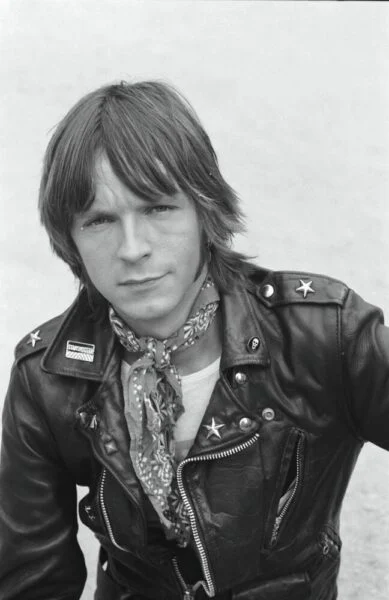
Renaud’s instantly recognisable image has always been built around his rebellious musician persona rather than conventional celebrity glamour.
His familiar look has included a red bandana, leather jackets, casual shirts and the slightly dishevelled style associated with his early Parisian street character.
Some entertainment databases list his height at approximately 5 feet 10 inches, or 1.78 metres, but this should be treated as a reported figure rather than an officially confirmed measurement.
During the 1970s, his appearance helped distinguish him from more polished French pop performers and reinforced the working-class characters in his songs.
His visual identity became closely associated with the Paris streets, cafés and everyday settings that frequently appear in his lyrics.
In later decades, changes in his appearance were sometimes discussed alongside his publicly acknowledged struggles with alcohol dependence and periods of poor health.
Renaud has spoken about stopping alcohol consumption, and in November 2025 he told television audiences that he had been abstinent for four years.
There is no reliable public record establishing a specific personal workout routine, bodybuilding plan or weight-management programme.
Anyone seeking better fitness should focus on sustainable exercise, balanced nutrition, sufficient rest and professional medical advice where appropriate.
Renaud’s story is not a body-transformation blueprint; his public image reflects artistic individuality, personal challenges and a long relationship with music.
Renaud Family
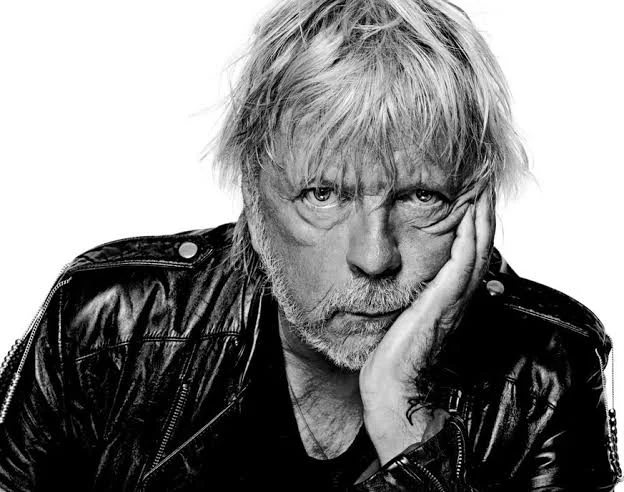
Renaud Family 4
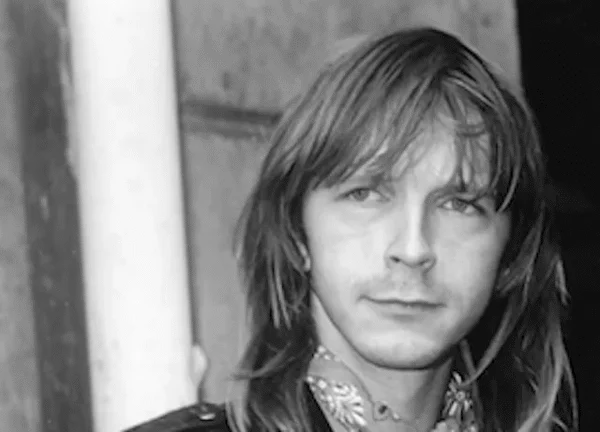
Renaud Family 3
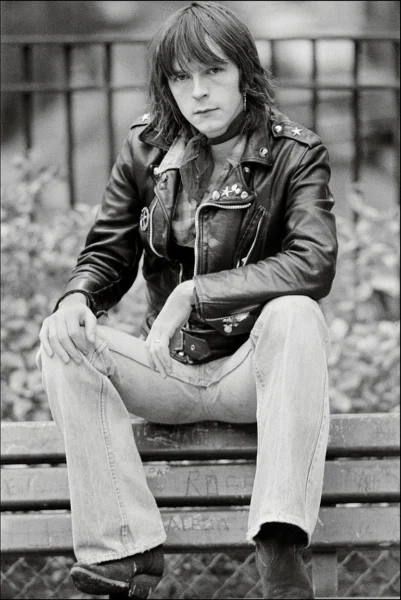
Renaud Family 2
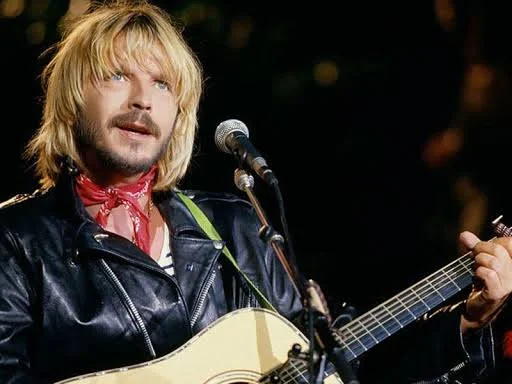
Renaud Family
Renaud Family 5
Early Life, Childhood, Education & Family Background of Renaud
Renaud’s childhood in Paris placed him in a family where literature, education and cultural debate were important influences.
He was born on May 11, 1952, in Paris and grew up in the city’s 14th arrondissement.
His father, Olivier Séchan, was a teacher of German and a writer of detective novels, giving the household a strong connection to books and language.
His mother, Solange Mériaux, came from a working-class northern French background, creating a family environment that combined different social and cultural influences.
Renaud grew up among several siblings, including his twin brother David and his older brother Thierry, who became a writer and journalist.
Although his father valued education, Renaud struggled with conventional schooling and developed a strong interest in politics, music and youth culture.
As a teenager, he was drawn to the student and labour unrest that transformed France during the events of May 1968.
He wrote “Crève, salope,” an early protest song associated with the rebellious mood of those demonstrations.
Rather than following a conventional academic path, he left school and took various jobs while exploring performance and songwriting.
His experiences of Parisian streets, political protest and working life later became essential ingredients in the characters, slang and social observations of his music.
Personal Life Highlights of Renaud (Family Members)
Renaud’s personal story includes two marriages, two children and a complicated family history that he has discussed publicly through music and interviews.
His daughter, Lolita Séchan, was born on August 9, 1980, during his first marriage to Dominique, and later became a writer and illustrator.
Lolita has developed her own creative career, including books and illustrated works, rather than relying solely on her father’s musical reputation.
Renaud’s son, Malone, was born in 2006 from his relationship with singer Romane Serda.
His relationship with Malone became a subject of public reflection when Renaud acknowledged that his struggles with alcohol had affected his presence as a father.
In interviews in 2025, both Renaud and Lolita spoke about the family’s efforts to rebuild relationships after difficult years.
Lolita also became involved in managing her father’s professional affairs, helping organise his later career and public commitments.
Renaud has a twin brother, David Séchan, and an older brother, Thierry Séchan, who wrote about music and contributed to public understanding of the family.
Thierry died in 2019, a loss that came during a period when Renaud was also dealing with the deaths of close family members.
Family relationships remain an important part of Renaud’s public story because his songs often explore parenthood, regret, affection and the passage of time.
Renaud Partners, Relationships & Dating History
Renaud’s publicly documented romantic history includes his marriages to Dominique and Romane Serda, both of which coincided with different periods of his musical life.
He married Dominique in 1980, and they had a daughter, Lolita, born in August of that year.
The marriage ended in divorce in 1999, after a period during which Renaud’s career and personal struggles had become increasingly difficult.
He later formed a relationship with singer Romane Serda, whose own musical career brought them together within the French entertainment world.
Renaud and Serda married on August 5, 2005, and welcomed their son Malone in 2006.
During the mid-2000s, Renaud publicly discussed his intention to spend more time with his family and even considered moving to London.
Their marriage ended in divorce in 2011, after years in which Renaud had spoken about depression and alcohol dependence.
In later interviews, he acknowledged that his personal difficulties had affected his relationships and his ability to be consistently present as a father.
His daughter Lolita has since described the family’s efforts to reconnect and establish a more peaceful relationship with him.
No reliable public evidence establishes a subsequent marriage or a confirmed new long-term partner, so claims about later romances should be treated cautiously.
Renaud Career Journey, Breakthroughs, Achievements & Awards
Renaud’s career began with street performances and small theatrical opportunities before his songs brought him national recognition.
In the early 1970s, he became involved with the Café de la Gare theatrical scene in Paris, where he encountered performers including Coluche and Miou-Miou.
His first album, Amoureux de Paname, appeared in 1975 and introduced his distinctive mixture of Parisian slang, humour and social commentary.
The 1977 single “Laisse béton” became his major breakthrough, turning his informal street language into a mainstream musical success.
Albums such as Ma Gonzesse, Marche à l’ombre and Le Retour de Gérard Lambert strengthened his reputation during the late 1970s and early 1980s.
His 1985 album Mistral gagnant included the deeply nostalgic title song, which became one of his most enduring works.
In 2002, he returned to major commercial success with Boucan d’enfer, featuring “Manhattan-Kaboul,” his acclaimed duet with Belgian singer Axelle Red.
He won several Victoires de la Musique in 2003, including male artist of the year, album of the year for Boucan d’enfer and original song for “Manhattan-Kaboul.”
His honours have also included the Grand Prix de l’Académie Charles-Cros, the Grande Médaille de la chanson française and the Grand Prix de la SACEM.
In 2026, three anniversary concerts at the Zénith celebrated his 50-year recording career and demonstrated the continuing influence of his songwriting.
Current Life Highlights of Renaud (Career / Other Work)
Renaud’s recent career has focused on celebrating his musical legacy while returning to the stage for selected performances.
In November 2025, he announced three anniversary concerts at Paris’s Zénith to mark 50 years of recording.
The concerts took place on May 14, 15 and 16, 2026, with numerous artists performing songs from his extensive catalogue.
Guests included Francis Cabrel, Alain Souchon, Pascal Obispo, Axelle Red, Jean-Louis Aubert, Olivia Ruiz, Vianney and Nicola Sirkis.
Rather than relying on a conventional solo concert format, the anniversary shows brought several generations of performers together to reinterpret his best-known songs.
The concerts revisited classics including “Mistral gagnant,” “Laisse béton,” “Manhattan-Kaboul” and “Dès que le vent soufflera.”
In September 2026, France Télévisions announced a broadcast titled Renaud, 50 ans de chansons, scheduled for October 7 on France 4 and its streaming platform.
The programme was recorded during the May anniversary concerts and featured Renaud alongside 23 invited artists.
His daughter Lolita has also taken a more active role in managing his professional affairs and supporting his public projects.
As of October 13, 2026, these anniversary performances and their television presentation are among the most significant recent developments in his career.
Renaud Most Popular Movies, TV Shows, Media Appearances & Other Work
Although Renaud is best known as a singer-songwriter, his career also includes acting, television appearances and music connected with film.
He began exploring performance in the early 1970s through the Café de la Gare theatre scene, which brought together comedians and actors in Paris.
His film roles include Marche à l’ombre (1984), a French comedy associated with his music and the urban world that inspired his early songs.
One of his most notable acting performances came in Claude Berri’s Germinal (1993), an adaptation of Émile Zola’s novel about mining communities and industrial exploitation.
He later appeared in the crime comedy Crime Spree (2003), known in French as Wanted, which featured an international cast.
His television appearances have included interviews, music programmes and retrospective broadcasts examining his long career.
In 2003, “Manhattan-Kaboul,” his duet with Axelle Red, received major recognition and became one of his best-known collaborations.
The song’s themes of war, civilian suffering and contrasting perspectives helped it reach audiences beyond his established fan base.
His songs have also appeared in concert recordings, documentaries and programmes exploring French popular music and social history.
The 2026 television special Renaud, 50 ans de chansons revisited his repertoire through performances with established stars and younger artists.
Renaud Most Popular News, Controversies, Career Debates / Why Renaud Is Popular
Renaud’s popularity has endured partly because his music confronts political and social issues that have often divided French audiences.
His 1975 song “Hexagone” criticised French society and national traditions, establishing his reputation as a provocative songwriter.
The song’s sharp political language attracted attention because it challenged patriotic conventions and the behaviour of public institutions.
His anti-militarist and anti-war views became recurring themes in songs such as “Déserteur” and “La Ballade Nord-Irlandaise.”
His political positions have shifted over time, and his public endorsements or criticisms of political figures have sometimes disappointed sections of his audience.
Renaud has also faced intense public scrutiny over alcohol dependence, depression and periods when his health made performing difficult.
He has spoken openly about these struggles rather than presenting them as rumours, and his later interviews have described efforts to remain abstinent.
In November 2025, he said he had stopped drinking alcohol four years earlier, describing the change as an important personal achievement.
His voice and physical condition drew mixed reactions during the May 2026 anniversary concerts, with critics noting the limitations of his singing while audiences celebrated the songs themselves.
The concerts nevertheless demonstrated how strongly his repertoire remains embedded in French popular culture, even when his live performance is no longer the same as during his peak years.
Renaud Known Unknown Facts, Trivia + People Also Ask / Search & Answers
Renaud wrote “Crève, salope” as a teenager during the political unrest surrounding France’s May 1968 student demonstrations.
His early album Amoureux de Paname was released in 1975, the starting point of the recording career celebrated at his 2026 anniversary concerts.
He was closely associated with the Café de la Gare theatre scene, which also helped launch the careers of prominent French comedians and actors.
His song “Mistral gagnant” is widely remembered for its tender reflection on childhood, memory and the passing of time.
The 2002 song “Manhattan-Kaboul,” recorded with Axelle Red, approaches war through the imagined perspectives of people caught in its consequences.
Who is Renaud? He is a French singer-songwriter and occasional actor known for socially conscious lyrics and distinctive Parisian slang.
How old is Renaud? Born on May 11, 1952, he is 74 years old as of October 13, 2026.
What is Renaud’s most famous song? “Mistral gagnant,” “Laisse béton” and “Manhattan-Kaboul” are among his best-known songs.
Was Renaud married? Yes, he was married to Dominique and later to singer Romane Serda; both marriages ended in divorce.
Is Renaud still performing in 2026? Yes, he appeared in three anniversary concerts at Paris’s Zénith in May 2026 to celebrate 50 years of recording.