Ahmad Faraz based on NeemTime research
Who is Ahmad Faraz (Biography / Personal Details)
Ahmad Faraz became one of Urdu literature’s most celebrated voices by writing about love, heartbreak and resistance in language ordinary readers could understand.
Born Syed Ahmad Shah in 1931, he became internationally recognised by his literary pen name, Ahmad Faraz.
He was a Pakistani Urdu poet, lecturer, writer and influential cultural administrator.
He was born in Kohat, in present-day Khyber Pakhtunkhwa, although some biographical accounts also identify nearby Nowshera as his birthplace.
His poetry combined the traditional beauty of the ghazal with modern concerns about injustice, political oppression and human dignity.
Faraz gained particular popularity among younger readers because his romantic verses expressed emotions with remarkable simplicity.
His association with the Progressive Writers Movement strengthened his reputation as a poet who connected literature with social realities.
He also held important positions in Pakistan’s literary institutions, including the Pakistan Academy of Letters and the National Book Foundation.
His best-known collections include Tanha Tanha, Dard-e-Ashob, Janan Janan and Shab Khoon.
He died in Islamabad on August 25, 2008, leaving a literary legacy that continues to influence Urdu poetry and popular music.
Ahmad Faraz Height, Appearance, Fitness & How to Get a Body Like Ahmad Faraz
Ahmad Faraz was recognised for his literary presence and distinctive public personality rather than a celebrity-style physical image.
Reliable biographical records do not establish an officially confirmed height for the Pakistani poet.
Some online celebrity-profile pages publish physical measurements, but these figures are not supported by dependable documentation.
He was frequently photographed at literary gatherings, poetry readings, interviews and cultural events.
His public appearance was generally associated with the traditional intellectual and literary circles in which he worked.
There is no reliable public record of a personal bodybuilding programme, gym routine or specialised fitness regimen.
Faraz’s professional life centred on writing, teaching, public speaking and cultural administration rather than physical entertainment.
It would therefore be misleading to recommend a celebrity fitness routine supposedly copied from his lifestyle.
Readers interested in maintaining general fitness can follow ordinary principles of regular physical activity, balanced nutrition and adequate sleep.
His enduring public identity rests on his poetry, political convictions and contribution to Urdu literature, not on physical measurements.
Ahmad Faraz Family
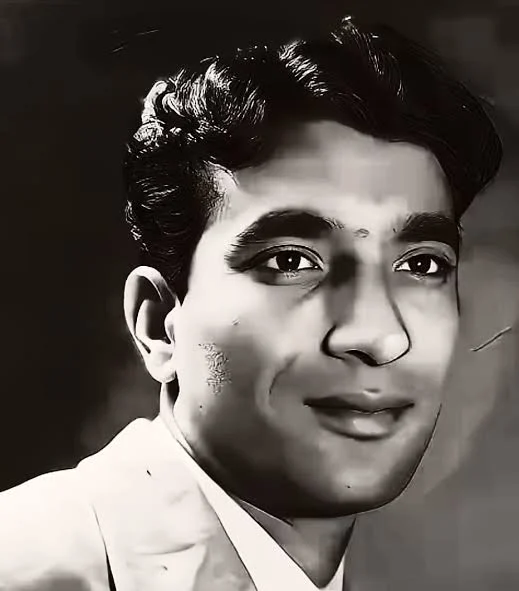
Ahmad Faraz Family 5
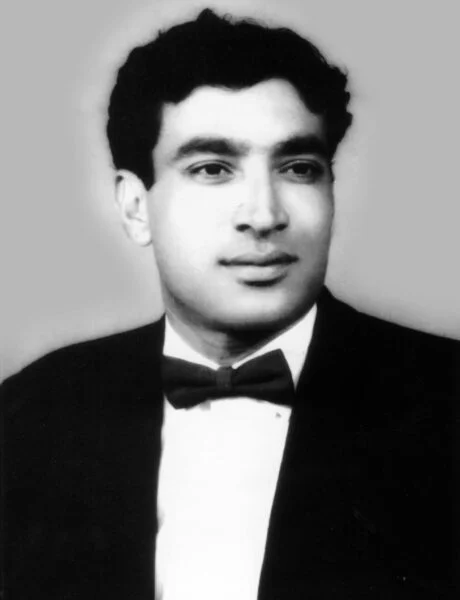
Ahmad Faraz Family 4
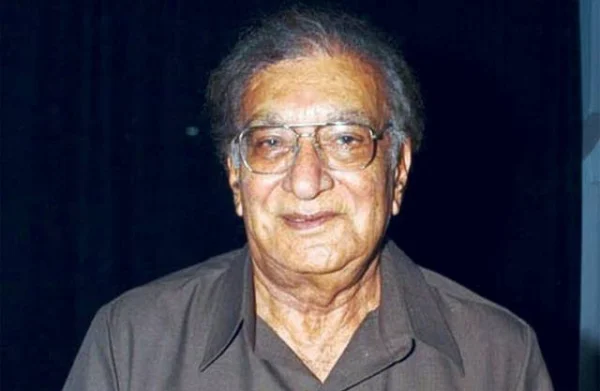
Ahmad Faraz Family 3
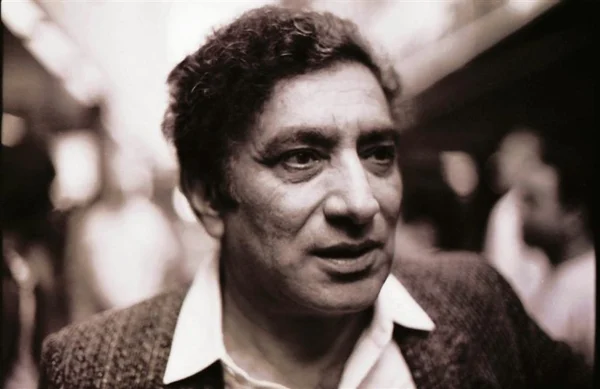
Ahmad Faraz Family 2
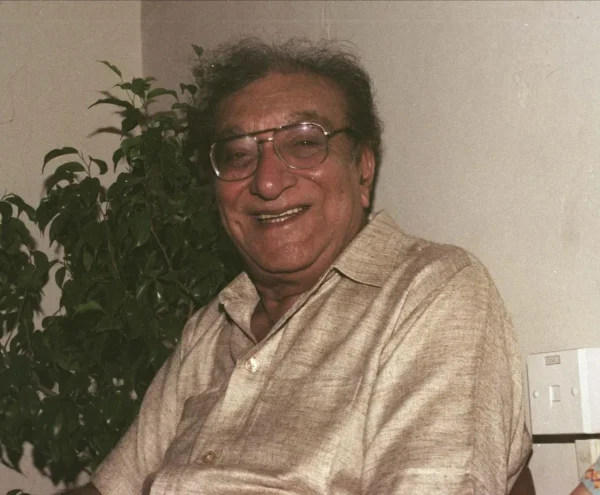
Ahmad Faraz Family
Early Life, Childhood, Education & Family Background of Ahmad Faraz
Ahmad Faraz grew up in a family environment where literature and language were familiar parts of everyday life.
His birth name was Syed Ahmad Shah, and his father was Syed Muhammad Shah Barq, who was also a poet.
He was born in 1931 in the Kohat region of the former North-West Frontier Province of British India.
His family background is commonly described as Pashtun-Syed, with Hindko among the languages associated with his home environment.
He received his early education in Peshawar and developed an interest in poetry while still a student.
He attended Islamia College and Edwardes College in Peshawar before pursuing higher studies at the University of Peshawar.
He completed postgraduate studies in Urdu and Persian literature, subjects that shaped his command of classical poetic traditions.
During his student years, he admired the work of Faiz Ahmad Faiz and poet Ali Sardar Jafri.
He initially wrote under the name Ahmad Shah Kohati before adopting the pen name Faraz, reportedly on Faiz’s advice.
His early literary success began with Tanha Tanha, published while he was still a college student.
Personal Life Highlights of Ahmad Faraz (Family Members)
Ahmad Faraz maintained a family life that was less publicly documented than his literary and political career.
He was married and was survived by his wife and three sons when he died in August 2008.
His son Syed Shibli Faraz became a prominent Pakistani politician and later served as federal Minister for Information and Broadcasting.
Shibli publicly spoke about his father’s literary principles and described his poetry as a voice for humanity and the oppressed.
His other two sons were named Saadi and Sarmad in published family biographies.
His father, Syed Muhammad Shah Barq, was a poet whose literary interests helped shape the family’s cultural environment.
His brother, Barrister Masood Kausar, became a public figure and served as Governor of Khyber Pakhtunkhwa.
The connection between Faraz’s family and public life continued through Shibli’s political career and Masood Kausar’s provincial service.
Faraz’s family attended literary tributes and commemorations organised after his death.
Beyond these established details, information about his wife’s private life and the personal activities of his other sons remains limited in reliable public accounts.
Ahmad Faraz Partners, Relationships & Dating History
Ahmad Faraz’s best-documented personal relationship was his marriage, although he rarely made his romantic life a major subject of public attention.
He was married and had three sons, according to contemporary reporting at the time of his death.
His wife survived him when he died in Islamabad in August 2008.
Reliable biographical sources do not consistently provide his wife’s full name or a detailed account of their courtship.
Faraz’s poetry frequently explored love, longing, separation and emotional vulnerability, but these themes should not automatically be treated as autobiographical accounts.
His romantic ghazals became popular partly because readers could relate their own experiences to the emotions expressed in his writing.
He kept the distinction between his private relationships and his public literary identity relatively clear.
No well-documented public record establishes additional marriages or a series of romantic partners.
Online claims about private relationships should be treated cautiously when they are not supported by credible biographies or direct statements.
His lasting romantic reputation comes primarily from his poetry rather than publicly documented details of his dating history.
Ahmad Faraz Career Journey, Breakthroughs, Achievements & Awards
Ahmad Faraz began his professional career in broadcasting and literary writing before becoming a leading Urdu poet.
He worked as a scriptwriter and producer for Radio Pakistan in Peshawar, gaining experience in communication and cultural programming.
He later became a lecturer at Islamia College and taught Urdu at the University of Peshawar.
His early collection Tanha Tanha established his literary reputation while he was still a student.
His second major collection, Dard-e-Ashob, brought him the Adamjee Literary Award in 1966.
He became associated with the Progressive Writers Movement and developed a distinctive voice combining romance with political resistance.
In 1976, he became the first head of the Pakistan Academy of Letters, which later became an important national literary institution.
He subsequently held senior cultural positions, including leadership roles at the National Book Foundation and other literary organisations.
His honours included the Sitara-e-Imtiaz, Hilal-e-Imtiaz and the Kamal-e-Fun Award, recognising his contribution to Urdu literature.
The Government of Pakistan later conferred the Hilal-e-Pakistan posthumously in recognition of his enduring literary contribution.
Current Life Highlights of Ahmad Faraz (Career / Other Work)
Ahmad Faraz died in 2008, but his poetry remains widely read, performed and discussed across Urdu-speaking communities.
His ghazals continue to circulate through poetry collections, literary events, recordings and digital platforms.
The celebrated ghazal Ranjish Hi Sahi, particularly associated with Mehdi Hassan’s rendition, remains one of the best-known musical interpretations of his writing.
His poetry is frequently discussed in universities and literary gatherings because it connects classical Urdu expression with modern social and political concerns.
The Pakistan Academy of Letters, an institution he helped establish and lead, remains part of the country’s literary landscape.
His son Shibli Faraz has participated in commemorations and spoken publicly about the principles behind his father’s work.
Birth and death anniversaries continue to be marked by literary organisations, newspapers and cultural institutions.
His books, including Tanha Tanha, Dard-e-Ashob and Janan Janan, remain important entry points for new readers.
His influence extends beyond Pakistan through translations, performances and the popularity of Urdu poetry in India and other countries.
Faraz’s continuing cultural presence demonstrates how a poet’s work can remain influential long after his lifetime.
Ahmad Faraz Most Popular Movies, TV Shows, Media Appearances & Other Work
Ahmad Faraz was not primarily a film or television personality; his lasting fame came from poetry, broadcasting and literary performances.
His early work with Radio Pakistan in Peshawar introduced him to scriptwriting, production and public communication.
He became particularly admired for his ghazals, which were recited at mushairas and literary gatherings across South Asia.
One of his most famous works, Ranjish Hi Sahi, gained enormous recognition through the singing of Mehdi Hassan.
The ghazal later reached wider audiences through other musical interpretations, including performances by contemporary singers.
His poetry collections Tanha Tanha and Dard-e-Ashob helped establish his reputation during his early literary career.
Other important books include Shab Khoon, Janan Janan, Mere Khwab Reza Reza and Pasandaz Mausam.
His collection Sab Awazein Meri Hain also reflects his wider literary interests and engagement with poetry.
Television interviews, recorded mushairas and public recitations helped introduce his writing to audiences beyond traditional book readers.
Rather than a filmography, his most significant body of work is the collection of poems and performances that made him a household name.
Ahmad Faraz Most Popular News, Controversies, Career Debates / Why Ahmad Faraz Is Popular
Ahmad Faraz’s political courage became almost as important to his reputation as his romantic poetry.
During General Zia-ul-Haq’s military rule, he criticised authoritarianism through poems and public recitations.
His outspoken writing led to arrest, making him one of the literary figures targeted for challenging the military government.
After his release, he chose self-imposed exile and spent approximately six years abroad, including periods in Britain, Canada and Europe.
His absence from Pakistan became a defining chapter in his personal and professional history.
After returning, he resumed important cultural responsibilities and continued writing about political freedom and social justice.
In 2004, he received the Hilal-e-Imtiaz, one of Pakistan’s major civilian honours, for his literary contribution.
In 2006, he returned the award in protest against the policies and governance of the Pervez Musharraf administration.
The decision strengthened his public image as a poet unwilling to separate artistic expression from political conscience.
His popularity endures because his work speaks simultaneously to private heartbreak, public injustice and the desire for human dignity.
Ahmad Faraz Known Unknown Facts, Trivia + People Also Ask / Search & Answers
Ahmad Faraz initially used the literary name Ahmad Shah Kohati before adopting the pen name Faraz, reportedly following Faiz Ahmad Faiz’s advice.
His first collection, Tanha Tanha, appeared while he was still a college student.
He was influenced by both Faiz Ahmad Faiz and Ali Sardar Jafri, two major figures in modern Urdu literature.
His famous ghazal Ranjish Hi Sahi became widely recognised through Mehdi Hassan’s memorable musical rendition.
He returned the Hilal-e-Imtiaz in 2006, turning a prestigious national honour into a public statement of political protest.
What was Ahmad Faraz’s real name? His birth name was Syed Ahmad Shah, and Faraz was his literary pen name.
When was Ahmad Faraz born? He was born in 1931, with January 12 widely recorded, although some sources give January 14.
When did Ahmad Faraz die? He died on August 25, 2008, in Islamabad, following kidney failure.
Who was Ahmad Faraz’s son? His best-known son is Syed Shibli Faraz, a Pakistani politician and former federal minister.
What is Ahmad Faraz’s most famous ghazal? Ranjish Hi Sahi, famously sung by Mehdi Hassan, is among his best-known works.