Vinod Khanna based on NeemTime research
Who is Vinod Khanna (Biography / Personal Details)
Vinod Khanna was one of Hindi cinema’s most charismatic leading men, yet he shocked the film industry by abandoning stardom at the height of his success to pursue spirituality.
Born on October 6, 1946, in Peshawar, then part of British India, he became an acclaimed Indian actor, film producer and politician.
His film career began with Man Ka Meet in 1968, where he initially played a supporting role.
He gained recognition for powerful performances in Mere Apne (1971), Mera Gaon Mera Desh (1971) and Achanak (1973).
During the 1970s, his rugged appearance, screen confidence and commanding performances established him as one of Bollywood’s leading stars.
His successful films included Amar Akbar Anthony (1977), Muqaddar Ka Sikandar (1978), Qurbani (1980) and Dayavan (1988).
In 1982, he stepped away from acting to follow spiritual teacher Osho Rajneesh, spending time at the guru’s community in the United States.
He returned to Hindi cinema in 1987 and successfully rebuilt his career with films including Insaaf and Satyamev Jayate.
Khanna later entered politics with the Bharatiya Janata Party and represented Gurdaspur in the Lok Sabha on multiple occasions.
He died in Mumbai on April 27, 2017, aged 70, leaving behind a legacy that combines celebrated film performances, spiritual exploration and public service.
Vinod Khanna Height, Appearance, Fitness & How to Get a Body Like Vinod Khanna
Vinod Khanna’s athletic build and understated style helped him become one of the most admired male screen personalities of his generation.
His height is commonly listed at approximately 5 feet 11¾ inches, although this figure comes from published entertainment profiles rather than a publicly documented official measurement.
His broad shoulders, muscular physique and confident posture distinguished him in action films and romantic dramas alike.
During the 1970s and 1980s, he often appeared in fitted shirts, flared trousers and understated outfits that reflected the era’s popular masculine fashion.
His appearance complemented physically demanding roles in films such as Mera Gaon Mera Desh, Qurbani and Jurm.
He also demonstrated a different kind of screen presence in spiritual and introspective roles, where stillness and expression mattered more than physical action.
Although photographs show that he maintained an athletic appearance during much of his career, no single verified personal workout programme explains his physique.
His spiritual interests later became a significant part of his life, but they should not be confused with evidence of a particular fitness or dietary regimen.
Anyone seeking a similarly athletic build can focus on progressive strength training, regular cardiovascular exercise, balanced nutrition and sufficient recovery.
A realistic fitness plan should suit individual health and ability rather than attempt to reproduce a celebrity’s appearance or an undocumented routine.
Vinod Khanna Family
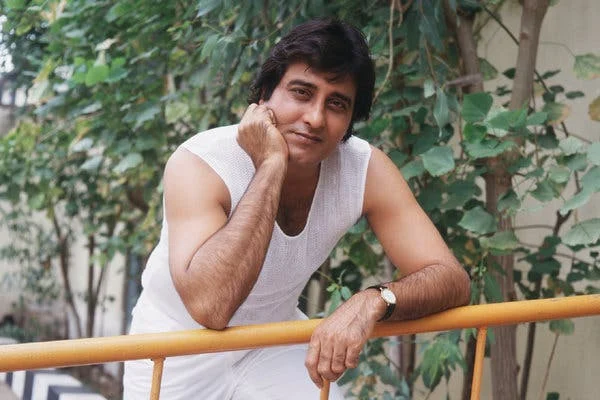
Vinod Khanna Family 5
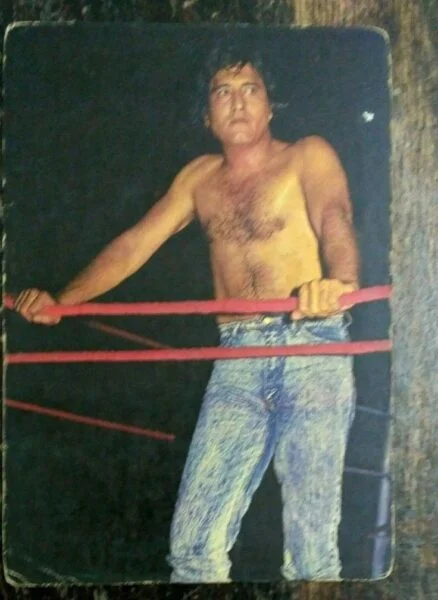
Vinod Khanna Family 4
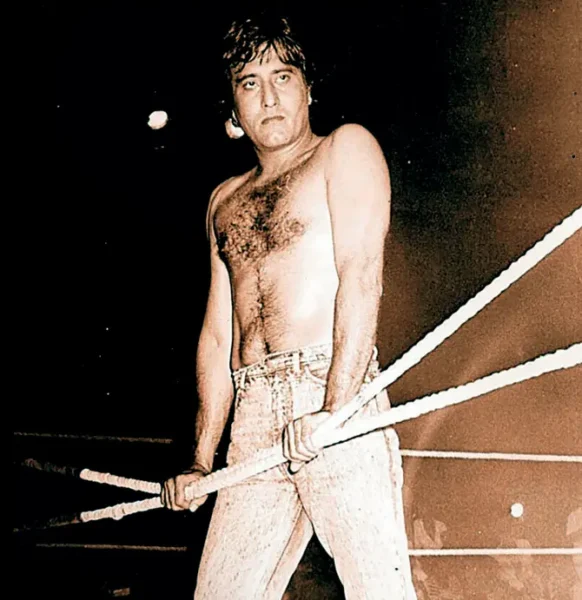
Vinod Khanna Family 3
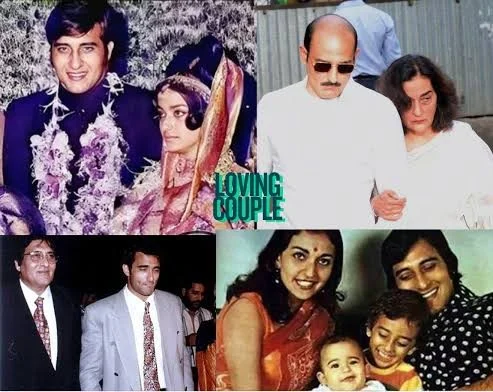
Vinod Khanna Family 2
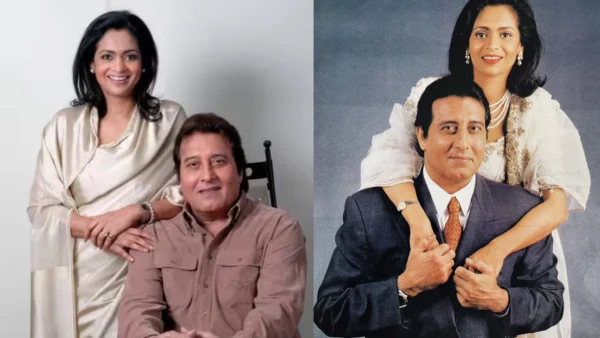
Vinod Khanna Family
Early Life, Childhood, Education & Family Background of Vinod Khanna
Vinod Khanna’s journey from a business family to Bollywood stardom began in a childhood shaped by frequent changes and a strong interest in performance.
He was born on October 6, 1946, in Peshawar, which is now in Pakistan but was then part of British India.
His father, Krishan Chand Khanna, was a businessman involved in the textiles, dyes and chemicals trade.
His mother was Kamla Devi Khanna, and he grew up with siblings, including his brother Pramod Khanna.
Following the Partition of India in 1947, his family moved from Peshawar to India and eventually settled in Bombay, now Mumbai.
He attended St Mary’s School in Mumbai before continuing his education at Delhi Public School after his family relocated to Delhi.
He later studied commerce at Sydenham College in Bombay, where he developed interests beyond the business career his family might have expected.
His interest in acting strengthened after watching films and discovering the emotional power of cinema during his younger years.
Despite coming from a business-oriented household, he pursued opportunities in the film industry rather than following a conventional commercial career.
His educational background and early family experiences preceded a professional journey that would eventually take him from Bollywood sets to Parliament and a spiritual community in Oregon.
Personal Life Highlights of Vinod Khanna (Family Members)
Vinod Khanna’s family life included two marriages, four children and relationships that remained part of public interest throughout his film career.
His first wife was Geetanjali Taleyarkhan, whom he married in 1971 after they met during their younger years.
Their sons, Rahul Khanna and Akshaye Khanna, both entered the entertainment industry and established careers as actors.
Rahul became known for films and television work, while Akshaye earned recognition for performances in movies including Dil Chahta Hai, Gandhi, My Father and Drishyam 2.
Vinod and Geetanjali separated and divorced in 1985, during a period when his spiritual pursuits had significantly changed his personal life.
In 1990, he married Kavita Daftary, who later spoke publicly about his spiritual inclinations and decision to leave mainstream cinema.
They had two children, a daughter named Sakshi and a son named Shraddha’s younger sibling, often identified in public profiles as Sakshi and Shraddha Khanna.
His family life was shaped by the demands of acting, political responsibilities and his periods of spiritual retreat.
Although his children have occasionally appeared in public discussions about his legacy, they have maintained different levels of visibility in entertainment and private life.
After his death in 2017, his family continued to be associated with tributes and recollections of his career and personal journey.
Vinod Khanna Partners, Relationships & Dating History
Vinod Khanna’s publicly documented relationship history centres on his two marriages rather than a confirmed list of celebrity romances.
He married Geetanjali Taleyarkhan in 1971, beginning a relationship that coincided with his rise through the Hindi film industry.
Their sons, Rahul and Akshaye, were born during the marriage and later developed their own careers in acting.
The couple divorced in 1985 after Khanna’s decision to leave Bollywood and devote himself to Osho’s spiritual community had changed his priorities.
His departure from family life and cinema became a major public talking point because he was then one of India’s most successful film stars.
In 1990, he married Kavita Daftary, who remained his wife until his death in 2017.
Kavita later discussed his spiritual background and explained in interviews that his interest in meditation had begun long before he joined Osho’s community.
In February 2026, she revisited his decision to leave films, describing his spiritual interests and experiences in interviews covered by Indian entertainment media.
Their marriage continued through his return to acting, his political career and his later years away from the peak of Bollywood stardom.
No reliable public record establishes a complete dating history beyond these documented relationships, so unverified romantic rumours should not be treated as fact.
Vinod Khanna Career Journey, Breakthroughs, Achievements & Awards
Vinod Khanna’s career was marked by an unusual combination of rapid stardom, a dramatic spiritual retreat and a successful return to cinema.
He made his film debut in Man Ka Meet in 1968, initially taking supporting and negative roles.
His performances in Mere Apne and Mera Gaon Mera Desh, both released in 1971, established him as a compelling screen presence.
In Achanak (1973), directed by Gulzar, he delivered a memorable performance as an army officer facing the consequences of a murder case.
He won the Filmfare Award for Best Supporting Actor for Haath Ki Safai at the 1975 awards.
His leading roles in Muqaddar Ka Sikandar, Amar Akbar Anthony and Qurbani helped make him a major box-office star.
At the peak of his career, he left films in 1982 to pursue spirituality under Osho Rajneesh, surprising colleagues and audiences.
He returned in 1987 with Insaaf and Satyamev Jayate, proving that audiences still welcomed him as a leading actor.
He later won a Filmfare Lifetime Achievement Award in 2000 and continued performing in films including Wanted, Dabangg and Dilwale.
In 2018, after his death, he was awarded the Dadasaheb Phalke Award, India’s highest recognition for lifetime contribution to cinema.
Current Life Highlights of Vinod Khanna (Career / Other Work)
Vinod Khanna died on April 27, 2017, but his career and spiritual journey continue to attract attention through retrospectives and family interviews.
His final years included work in films such as Dilwale (2015), where he appeared alongside Shah Rukh Khan, Kajol and Varun Dhawan.
His death was widely mourned across Indian cinema and politics, reflecting his influence in both fields.
The Government of India posthumously honoured him with the Dadasaheb Phalke Award in 2018 for his contribution to Indian cinema.
In February 2026, his second wife, Kavita Khanna, discussed his spiritual life and explained why he had left films at the height of his popularity.
Her recollections renewed interest in his connection with Osho Rajneesh and the time he spent at the spiritual community in Oregon.
The interviews also revisited his early interest in spirituality, including his encounter with Paramahansa Yogananda’s book Autobiography of a Yogi.
His political legacy remains part of his public record, including his years representing Gurdaspur in the Lok Sabha and serving as a minister.
Film channels and streaming catalogues continue to make his performances accessible to viewers discovering classic Hindi cinema.
As of October 2026, his lasting public presence comes through his films, political record, family recollections and the continuing debate about his extraordinary decision to leave stardom for spiritual life.
Vinod Khanna Most Popular Movies, TV Shows, Media Appearances & Other Work
Vinod Khanna’s filmography includes some of Hindi cinema’s most memorable action dramas, multi-star blockbusters and emotionally complex performances.
His early breakthrough in Mere Apne (1971) introduced audiences to his ability to convey anger, vulnerability and intensity.
Mera Gaon Mera Desh (1971) strengthened his reputation as a powerful performer in action-oriented storytelling.
His role in Gulzar’s Achanak (1973) demonstrated his dramatic range through a story inspired by the K. M. Nanavati case.
In Hera Pheri (1976), he shared the screen with Amitabh Bachchan and helped create a memorable partnership in Hindi cinema.
Amar Akbar Anthony (1977), featuring Amitabh Bachchan and Rishi Kapoor, became a major commercial success and remains a classic ensemble film.
His performance in Muqaddar Ka Sikandar (1978) added to his popularity, while Qurbani (1980) became one of his best-known action films.
In Chandni (1989), directed by Yash Chopra, he appeared in a romantic drama that marked a different phase of his career after his return.
He also earned attention for Dayavan (1988), Jurm (1990) and Lekin… (1991), which showcased varied dramatic styles.
Later audiences encountered him in popular films such as Wanted (2009), Dabangg (2010), Dabangg 2 (2012) and Dilwale (2015).
Vinod Khanna Most Popular News, Controversies, Career Debates / Why Vinod Khanna Is Popular
Vinod Khanna remains a compelling figure in Indian entertainment because his biggest career decision was to walk away from extraordinary success.
In 1982, he left mainstream cinema to follow Osho Rajneesh, choosing a spiritual path while many observers expected his stardom to continue growing.
The decision sparked widespread discussion because he was a major star whose films competed successfully with those of Amitabh Bachchan.
His second wife, Kavita Khanna, revisited the decision in February 2026, explaining that spirituality had interested him since childhood.
Reports about his time with Osho included meditation, communal living and work as a gardener at the Oregon settlement.
His spiritual retreat also coincided with major changes in his personal life, including the breakdown of his first marriage.
After returning to films in 1987, he successfully rebuilt his career, challenging the idea that leaving the industry permanently destroys a star’s commercial appeal.
His transition into politics brought another dimension to his public image, as he served as a BJP parliamentarian and held ministerial responsibilities.
His political record attracted scrutiny like that of other elected representatives, but his public legacy extends beyond any single electoral controversy.
The combination of cinematic achievements, spiritual choices, political service and a successful comeback explains why his life continues to inspire debate years after his death.
Vinod Khanna Known Unknown Facts, Trivia + People Also Ask / Search & Answers
Vinod Khanna was born in Peshawar, a city now in Pakistan, before his family relocated to India following Partition.
He began his film career in villainous and supporting roles before becoming one of Hindi cinema’s most prominent leading men.
His decision to leave films in 1982 came when he was at the height of his popularity, making it one of Bollywood’s most unusual career breaks.
He followed Osho Rajneesh to the United States and reportedly worked as a gardener at the spiritual community in Oregon.
His interest in spirituality was influenced in part by Autobiography of a Yogi, the well-known book by Paramahansa Yogananda.
Both his sons, Rahul and Akshaye Khanna, became actors, although they developed different screen identities from their father.
He moved from film stardom into electoral politics and represented Gurdaspur in Parliament over multiple terms.
How tall was Vinod Khanna? His height is commonly listed at approximately 5 feet 11¾ inches, but this is a published estimate rather than an independently confirmed measurement.
When did Vinod Khanna die? He died in Mumbai on April 27, 2017, aged 70, after battling bladder cancer.
Which award did Vinod Khanna receive after his death? He was posthumously awarded the Dadasaheb Phalke Award in 2018, India’s highest cinematic honour.