Rajesh Khanna based on NeemTime research
Who is Rajesh Khanna (Biography / Personal Details)
Rajesh Khanna became such a phenomenon in Indian cinema that fans reportedly gathered outside his home, turning a film star’s popularity into a cultural movement.
Born Jatin Khanna on December 29, 1942, in Amritsar, he rose to become one of Hindi cinema’s most celebrated romantic heroes.
Audiences came to know him as the industry’s first widely recognised superstar, a title associated with his extraordinary run of successful films between 1969 and 1971.
His performances combined expressive eyes, understated gestures, emotional dialogue delivery and a distinctive screen presence that helped define an era.
Films such as Aradhana, Anand, Amar Prem and Kati Patang established his reputation as an actor capable of balancing romance with profound emotional drama.
Unlike many stars identified with action or physical spectacle, Khanna often captivated audiences through intimate expressions and memorable conversations.
Beyond acting, he worked as a film producer and entered electoral politics as a member of the Indian National Congress.
He represented New Delhi in the Lok Sabha from 1992 to 1996, bringing his celebrity into the political arena.
Khanna received several major film honours during his lifetime and was posthumously awarded the Padma Bhushan in 2013.
He died in Mumbai on July 18, 2012, aged 69, but his films and enduring popularity continue to shape discussions about Hindi cinema’s golden era.
Rajesh Khanna Height, Appearance, Fitness & How to Get a Body Like Rajesh Khanna
Rajesh Khanna proved that a leading man’s appeal did not depend on an exceptionally muscular physique or an action-hero image.
His height is commonly reported as approximately 5 feet 8 inches, although a definitive official measurement is not widely documented.
He became famous for his expressive eyes, gently animated eyebrows, warm smile and ability to communicate complicated feelings through small gestures.
His distinctive head movements, pauses and conversational delivery became recognisable elements of his acting style.
During his romantic-hero years, his appearance often combined carefully styled hair, fitted shirts, wide collars and fashionable jackets that reflected changing trends in Hindi cinema.
Films such as Aradhana and Kati Patang helped establish a screen image that mixed youthful charm with emotional vulnerability.
Unlike later action-oriented stars, Khanna rarely relied on visible muscularity as the defining feature of his screen persona.
There is no reliable basis for attributing his appearance to a particular workout, diet or fitness programme, so claims about a signature routine should be treated cautiously.
Anyone inspired by his general appearance can focus on regular physical activity, balanced nutrition, sufficient sleep and clothing that suits their own build.
The most distinctive part of Khanna’s appeal was his expressive performance style, which cannot be reproduced simply by copying a hairstyle or physique.
Rajesh Khanna Family
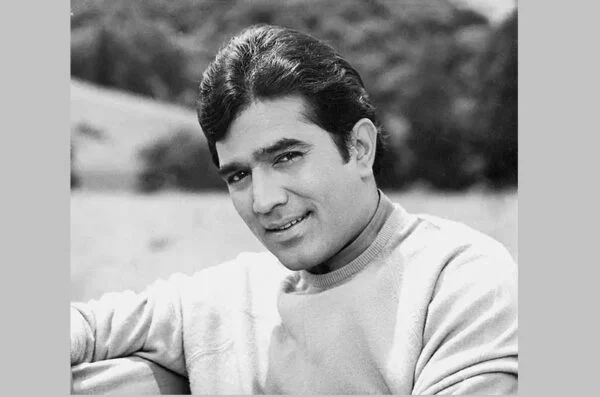
Rajesh Khanna Family 5
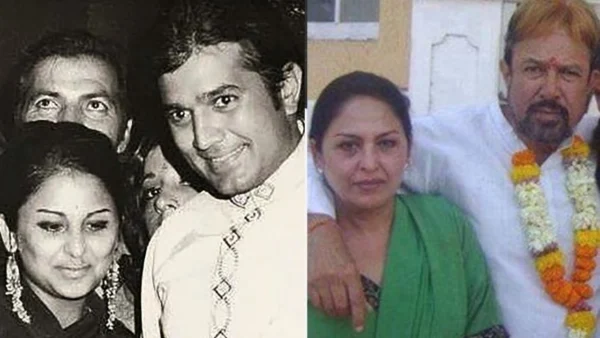
Rajesh Khanna Family 4
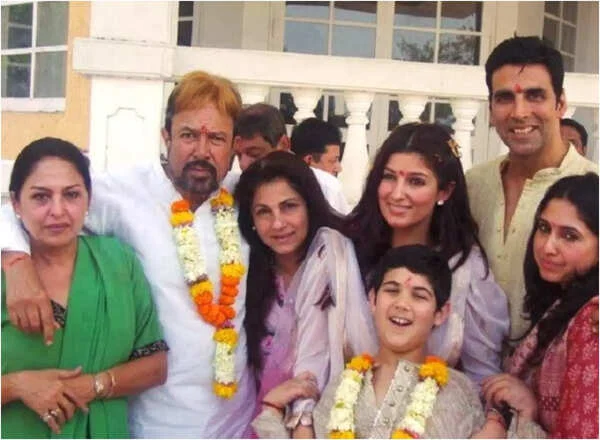
Rajesh Khanna Family 3
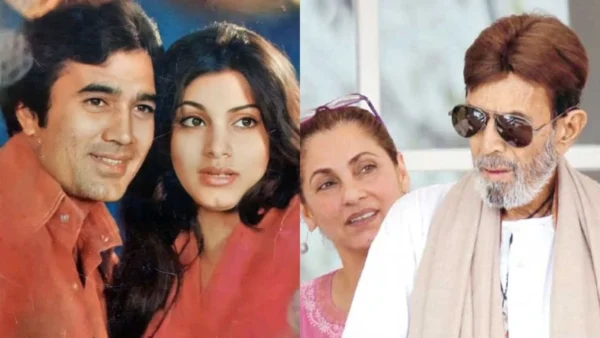
Rajesh Khanna Family 2
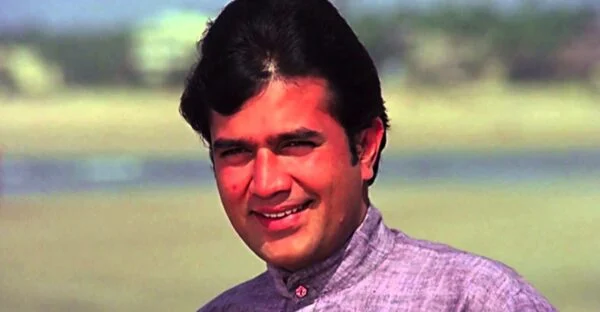
Rajesh Khanna Family
Early Life, Childhood, Education & Family Background of Rajesh Khanna
Rajesh Khanna’s journey from Jatin Khanna to Hindi cinema’s first superstar began long before the screaming crowds and celebrated film premieres.
He was born on December 29, 1942, in Amritsar, in what was then British India.
He was raised by adoptive parents, Leelawati and Chunnilal Khanna, who were relatives of his biological parents.
His upbringing took place in Mumbai, where he developed an interest in performance and the possibilities of a career in entertainment.
Khanna attended St. Sebastian’s Goan High School in Mumbai, where he studied alongside future actor Ravi Kapoor, later known as Jeetendra.
He subsequently attended Kishinchand Chellaram College, commonly known as K.C. College, in Mumbai.
His interest in acting grew during his student years, when he participated in theatrical activities and developed confidence in front of audiences.
His family initially faced the uncertainty of his chosen profession, but he continued pursuing opportunities in the film industry.
In 1965, he won the United Producers Filmfare Talent Contest, a major early break that helped introduce him to filmmakers.
That competition led to screen opportunities and helped launch a career that would transform him from an aspiring performer into one of India’s most recognisable film stars.
Personal Life Highlights of Rajesh Khanna (Family Members)
Rajesh Khanna’s family life connected a celebrated film career with relationships that remained important throughout his later years.
He married actress Dimple Kapadia in March 1973, before the release of her breakthrough film Bobby.
The couple had two daughters, Twinkle Khanna and Rinke Khanna, both of whom later entered the entertainment industry.
Twinkle became an actress before establishing a second career as a writer, columnist and producer.
She married actor Akshay Kumar in 2001, making him Khanna’s son-in-law and linking two generations of Hindi film stardom.
Rinke also acted in Hindi films, including Pyaar Mein Kabhi Kabhi and Jis Desh Mein Ganga Rehta Hain, before largely stepping away from the spotlight.
Rajesh and Dimple separated in the early 1980s but did not formally divorce, and their relationship became more cordial over time.
Dimple and their daughters were among the family members who remained closely associated with Khanna during his final illness.
Khanna’s passing on July 18, 2012, brought tributes from colleagues, political figures and admirers who remembered both his films and his public persona.
His family connections continue to keep his name visible in entertainment news, particularly through Twinkle Khanna’s writing and Akshay Kumar’s career.
Rajesh Khanna Partners, Relationships & Dating History
Rajesh Khanna’s romantic life attracted almost as much public attention as his films, with several relationships becoming part of Bollywood history.
Before his marriage, he had a long relationship with actress and fashion designer Anju Mahendru, whom he met during the 1960s.
Their relationship lasted several years and ended before Khanna married Dimple Kapadia in 1973.
Reports about the breakup have described differences over career choices, expectations and personal priorities, although accounts of the relationship vary.
Khanna’s marriage to Dimple began when she was 16 and he was 30, an age difference that attracted attention even at the time.
Dimple had not yet released Bobby, the film that made her a major star, when they married.
The couple had two daughters, Twinkle and Rinke, but separated in the early 1980s while remaining legally married.
During the 1980s, Khanna was also closely associated with actress Tina Munim, with whom he appeared in several films.
In later years, Anita Advani said she had shared a long personal relationship with Khanna and described herself as his partner; aspects of their relationship were publicly disputed.
Despite the attention surrounding his romantic history, Dimple and Khanna maintained a more amicable relationship later in life, and she was present with family members during his final illness.
Rajesh Khanna Career Journey, Breakthroughs, Achievements & Awards
Rajesh Khanna’s career is remembered for an extraordinary run of success that established a new model of stardom in Hindi cinema.
He entered the film industry after winning the United Producers Filmfare Talent Contest in 1965.
His early films included Aakhri Khat and Raaz, but widespread fame arrived with Aradhana in 1969.
The success of Aradhana, particularly its romantic songs and emotional storyline, helped make him a household name across India.
From 1969 to 1971, he starred in an exceptional succession of box-office successes that cemented his reputation as the country’s first superstar.
He demonstrated his dramatic range in Anand (1971), playing a terminally ill man whose warmth and humour profoundly affect those around him.
His performance in Sachaa Jhutha earned him the Filmfare Award for Best Actor, followed by another win for Anand.
He later won the same Filmfare honour for Avishkaar (1975), a quieter film exploring the complexities of marriage.
Khanna also received the Filmfare Lifetime Achievement Award in 2005 and numerous other honours recognising his contribution to cinema.
In 2013, he was posthumously awarded the Padma Bhushan, one of India’s highest civilian honours, confirming the enduring national significance of his legacy.
Current Life Highlights of Rajesh Khanna (Career / Other Work)
Although Rajesh Khanna died in 2012, his work continues to attract new audiences through television broadcasts, streaming catalogues and retrospectives celebrating Hindi cinema.
His final years included appearances in films such as Wafaa (2008), Do Dilon Ke Khel Mein (2010) and Riyasat, which was released after his death.
He also made television appearances, including roles in serials that introduced him to viewers beyond his original film audience.
Khanna’s political career remains another important part of his legacy, particularly his election as a Congress MP from New Delhi in 1992.
He served in the Lok Sabha until 1996, showing that his public influence extended beyond the entertainment industry.
In 2013, the Government of India posthumously awarded him the Padma Bhushan in recognition of his contribution to Indian cinema.
His name is regularly revisited in discussions about stardom, fan culture and the transformation of Hindi film audiences during the late 1960s and early 1970s.
His performance in Anand continues to be praised for combining humour, tenderness and an awareness of mortality without relying on melodramatic excess.
Interest in his personal life also persists, particularly through interviews with people who knew him and through coverage of his family and relationships.
In 2026, renewed news coverage surrounding a legal dispute over a claimed relationship highlighted how public interest in his private life has continued long after his death.
Rajesh Khanna Most Popular Movies, TV Shows, Media Appearances & Other Work
Rajesh Khanna’s filmography includes some of Hindi cinema’s most memorable romantic dramas, emotional character studies and enduring musical hits.
Aradhana (1969) transformed his career, with its romantic storyline and songs helping establish him as a major star.
In Ittefaq (1969), he demonstrated his ability to hold a suspense-driven film together through a performance built around mystery and psychological tension.
Kati Patang (1971) strengthened his romantic-hero reputation, while giving him a dramatic role shaped by mistaken identity and emotional conflict.
His performance as Anand in the 1971 film of the same name became one of his signature roles, celebrated for its warmth and emotional depth.
Haathi Mere Saathi (1971) became a major commercial success and showed his ability to lead a family-oriented story built around the bond between a man and elephants.
In Amar Prem (1972), he played a man whose relationship with a courtesan develops into a compassionate story about loneliness and human dignity.
Bawarchi (1972) showcased a gentler comic side, with Khanna portraying a cook who changes the atmosphere of a troubled household.
Avishkaar (1973) and Namak Haraam (1973) further demonstrated his range, from intimate marital drama to a story about friendship and class divisions.
Beyond films, he appeared on television and in interview programmes, while his later political career and public appearances kept him in the national spotlight.
Rajesh Khanna Most Popular News, Controversies, Career Debates / Why Rajesh Khanna Is Popular
Rajesh Khanna’s fame remains inseparable from the extraordinary fan following that made him a defining figure in the history of Hindi cinema.
Between 1969 and 1971, he starred in a remarkable run of commercially successful films, creating a level of stardom rarely seen in the industry.
Stories of fans gathering outside his home and sending letters expressing devotion became part of the public mythology surrounding his popularity.
His career later faced a downturn as audience tastes changed and action-driven films gained prominence, allowing a new generation of stars to take centre stage.
The contrast between his unprecedented rise and subsequent decline has become a recurring subject in discussions about celebrity, changing film trends and the pressures of fame.
His relationship with Anju Mahendru attracted attention for years, while his 1973 marriage to Dimple Kapadia and their later separation became major entertainment stories.
His relationship with Tina Munim also drew media interest, although some stories about his romantic life remain based on accounts and reports rather than independently established details.
Another significant controversy emerged after Anita Advani sought legal recognition of her relationship with Khanna as a marriage following his death.
In April 2026, the Bombay High Court dismissed her appeal seeking that recognition, with the dispute involving Khanna’s legally subsisting marriage to Dimple Kapadia.
His lasting popularity rests on more than gossip or controversy: audiences continue to remember his performances, memorable songs, emotional roles and unprecedented influence on Indian film stardom.
Rajesh Khanna Known Unknown Facts, Trivia + People Also Ask / Search & Answers
Rajesh Khanna’s original name was Jatin Khanna, but he became known professionally by the name that would later define an era of Indian cinema.
His debut film, Aakhri Khat (1966), was selected as India’s official entry for the Best Foreign Language Film category at the Academy Awards, although it did not receive a nomination.
Khanna entered politics after his film career had already made him a household name, winning a New Delhi parliamentary by-election for the Indian National Congress in 1992.
He received the Filmfare Lifetime Achievement Award in 2005, recognising a career that had influenced several generations of actors and filmmakers.
His bungalow, Aashirwad, in Mumbai became closely associated with his fame and was frequently mentioned in stories about the extraordinary attention he received from fans.
Why was Rajesh Khanna called the first superstar of Bollywood? His exceptional run of hit films between 1969 and 1971, combined with intense fan devotion, helped establish a new level of Hindi film stardom.
How many Filmfare Best Actor Awards did Rajesh Khanna win? He won three, for Sachaa Jhutha, Anand and Avishkaar.
Who was Rajesh Khanna’s wife? He married actress Dimple Kapadia in 1973, and they remained legally married despite separating in the early 1980s.
How many children did Rajesh Khanna have? He had two daughters, Twinkle Khanna and Rinke Khanna.
When did Rajesh Khanna die, and what was his age? He died in Mumbai on July 18, 2012, at the age of 69.