Kiran Bedi based on NeemTime research
Who is Kiran Bedi (Biography / Personal Details)
Kiran Bedi made history by entering a profession where women were rarely seen in senior positions, then became known for reforming policing and prison administration in India.
Born Kiran Peshawaria on June 9, 1949, in Amritsar, Punjab, she became India’s first woman officer in the Indian Police Service in 1972.
Her career included traffic management in Delhi, community policing, anti-drug initiatives and reforms at Tihar Jail.
She gained international recognition after introducing programmes at Tihar that emphasised education, work, meditation and rehabilitation for prisoners.
In 1994, she received the Ramon Magsaysay Award for Government Service for her work in making policing more responsive to communities.
In 2003, she became the first woman to serve as the United Nations’ Police Adviser, working on international policing and peacekeeping.
She later entered electoral politics and joined the Bharatiya Janata Party before being appointed Lieutenant Governor of Puducherry in 2016.
Her five-year tenure in Puducherry brought her into frequent public debate over the division of authority between the Lieutenant Governor and the elected government.
Bedi is also an author and social activist who founded Navjyoti India Foundation and the India Vision Foundation to support disadvantaged communities.
In 2026, she returned to headlines through public commentary on women’s experiences of marriage and a legal effort connected with safety concerns after a deadly building collapse in Delhi.
Kiran Bedi Height, Appearance, Fitness & How to Get a Body Like Kiran Bedi
Kiran Bedi’s public image has been shaped by discipline, competitive sport and decades of demanding professional work rather than celebrity-style fitness trends.
Her height is not consistently confirmed in authoritative public sources, so commonly repeated online measurements should be treated as estimates rather than verified facts.
She is often seen in simple sarees or formal Indian clothing, reflecting her public roles in policing, administration and civic advocacy.
Her upright posture and direct speaking style became recognisable features during press conferences, interviews and public addresses.
Before her police career, Bedi was a competitive tennis player who reached national and Asian-level competition.
She has often credited sport with helping develop the self-discipline, resilience and competitive mindset she later applied to professional challenges.
There is no reliable public record establishing a current, detailed workout plan or diet routine that she follows.
It would therefore be misleading to attribute her appearance to a specific exercise programme or nutritional strategy without a direct, credible statement.
Anyone seeking better fitness can draw a general lesson from her sporting background by building regular movement, consistency and realistic goals into daily life.
Exercise should be adapted to personal health, age and ability, rather than copying an individual public figure’s routine.
Kiran Bedi Family
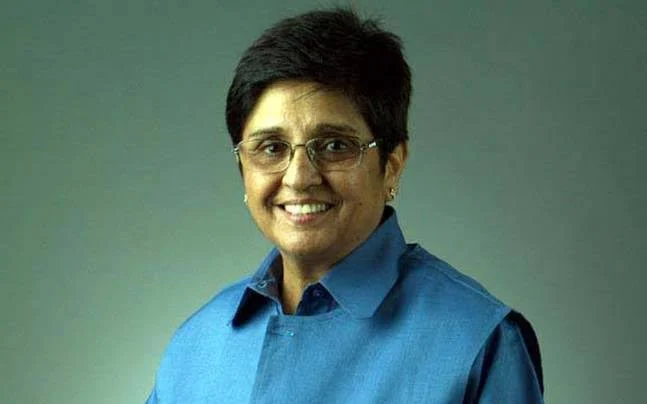
Kiran Bedi Family 5
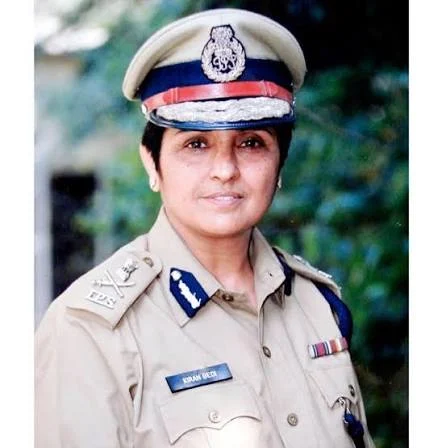
Kiran Bedi Family 4
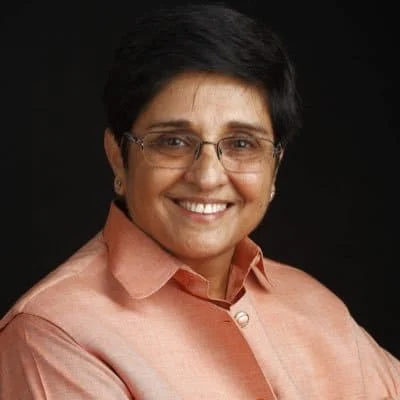
Kiran Bedi Family 3
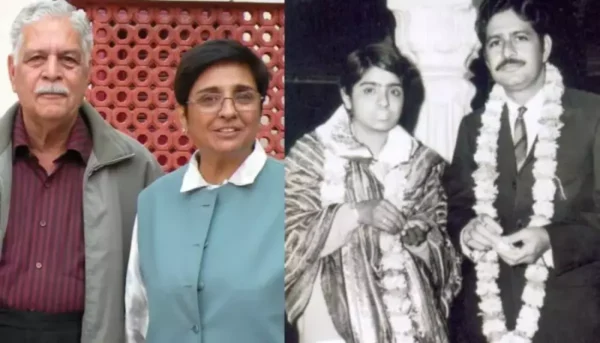
Kiran Bedi Family 2
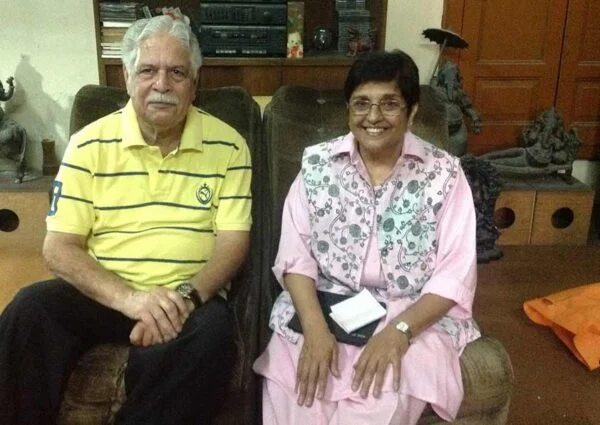
Kiran Bedi Family
Early Life, Childhood, Education & Family Background of Kiran Bedi
Kiran Bedi’s early life combined competitive sport, strong family encouragement and academic ambition, helping prepare her for a career that challenged traditional expectations.
She was born on June 9, 1949, in Amritsar, Punjab, and grew up in a family that encouraged its daughters to pursue education and sport.
Her parents, Prakash Lal Peshawaria and Prem Lata, supported the education and sporting interests of their four daughters.
Bedi attended Sacred Heart Convent School and later Cambridge College in Amritsar, where she continued developing her academic interests.
She began playing tennis at about nine years old, training alongside her sisters under their father’s guidance.
She graduated with a Bachelor of Arts in English from Government College for Women, Amritsar, in 1968.
She completed a master’s degree in political science at Panjab University in Chandigarh in 1970 and later taught the subject at Khalsa College in Amritsar.
After joining the Indian Police Service, she earned a law degree from the University of Delhi in 1988.
In 1993, she completed a doctorate in social sciences at the Indian Institute of Technology Delhi, adding advanced academic study to her policing experience.
Her combination of sport, teaching, law and public administration helped shape a career that crossed traditional boundaries between education, law enforcement and social reform.
Personal Life Highlights of Kiran Bedi (Family Members)
Kiran Bedi’s family has played a prominent role in her story, particularly through the encouragement she received to pursue sport and a demanding public-service career.
Her parents, Prakash Lal Peshawaria and Prem Lata, raised four daughters and encouraged them to pursue education and competitive tennis.
Bedi has spoken about the importance of her father’s support in developing her sporting discipline from childhood.
Her sisters include Shashi, Reeta and Anu, who have been mentioned in biographical accounts of the family.
She married Brij Bedi, a social activist and entrepreneur from Amritsar, in 1972.
The couple had one daughter, Saina, who has generally maintained a more private profile than her mother.
Brij Bedi was known for his work in social causes and died in 2016, the same year Kiran began serving as Lieutenant Governor of Puducherry.
Family support remained a theme in Bedi’s public reflections on how she managed a demanding career in policing and administration.
Her family life has usually received less attention than her professional decisions, public controversies and social-service work.
The most consistently documented family details concern her parents, sisters, husband and daughter, rather than private matters that have not been publicly confirmed.
Kiran Bedi Partners, Relationships & Dating History
Kiran Bedi’s publicly documented relationship history centres on her marriage to Brij Bedi, a social activist and entrepreneur.
The couple married in 1972, the year she entered the Indian Police Service.
Their marriage began as she embarked on a career that required transfers, demanding hours and postings across different parts of India.
Brij Bedi was involved in community and social-service initiatives in Amritsar, including work connected with education and public welfare.
The couple had one daughter, Saina, who has largely kept her personal life away from the public spotlight.
Kiran’s professional life frequently placed her in the national media, while her husband’s public work was more closely associated with community service.
Brij Bedi died in January 2016 after a period of illness, months before Kiran’s appointment as Lieutenant Governor of Puducherry.
She has occasionally discussed the pressures faced by women balancing marriage, family responsibilities and professional expectations.
In August 2026, she made headlines after commenting that marriage can be traumatic for Indian women when they are expected to prioritise their husband’s family over their own needs.
That comment reflected her broader public discussion of women’s independence and social expectations, rather than evidence of an additional relationship or a change in her documented marital history.
Kiran Bedi Career Journey, Breakthroughs, Achievements & Awards
Kiran Bedi’s career changed the representation of women in Indian policing and brought international attention to prison reform and community-based public service.
She joined the Indian Police Service in 1972, becoming the first woman to enter its officer ranks.
In 1979, she received the President’s Police Medal for Gallantry for courage displayed in the line of duty.
Her traffic-management work during the 1982 Asian Games in Delhi brought her widespread recognition for tackling a major logistical challenge.
As a senior police officer, she promoted community participation and initiatives addressing drug abuse and crime.
In 1993, she became Inspector General of Prisons in Delhi and introduced educational, vocational and wellbeing programmes at Tihar Jail.
Her prison reforms earned her the Ramon Magsaysay Award for Government Service in 1994.
In 2003, she became the first woman appointed United Nations Police Adviser, a landmark in international policing and peacekeeping.
She retired from the Indian Police Service in 2007 after serving in several senior administrative and policing roles.
Her later career included leading two social-service foundations, writing books and serving as Lieutenant Governor of Puducherry from 2016 to 2021.
Current Life Highlights of Kiran Bedi (Career / Other Work)
Kiran Bedi remains active in public discussion through writing, speaking, social-service work and commentary on governance after retiring from formal government office.
Her official career record identifies her term as Lieutenant Governor of Puducherry as ending on February 16, 2021.
She continues to be associated with Navjyoti India Foundation and India Vision Foundation, organisations working in areas such as education, rehabilitation and community support.
Her books, including Fearless Governance, draw on her experiences in policing, prison administration and public leadership.
In December 2025, she called for basic institutional reforms to address India’s air-pollution crisis, arguing that better implementation and accountability were essential.
In May 2026, she criticised an eviction notice involving the Delhi Gymkhana Club, prompting news coverage of her public comment.
In September 2026, she sought to join public-interest litigation related to the Satya Niketan building collapse in Delhi, which killed seven people, including five Delhi University students.
She said she wanted to place information about unsafe paying-guest accommodation and alleged administrative lapses before the court.
The Centre and Delhi government opposed her application, arguing that she was prejudging issues connected with the case.
These developments show that Bedi continues to use her public profile to comment on governance and civic safety, although her application to join the case was a legal request rather than a final court finding.
Kiran Bedi Most Popular Movies, TV Shows, Media Appearances & Other Work
Kiran Bedi is best known for public-service leadership rather than acting, but her life and work have been the subject of documentaries, interviews and television programmes.
The documentary Yes Madam, Sir, directed by Australian filmmaker Megan Doneman, follows Bedi’s career and the challenges she faced as a woman in Indian policing.
The film brought international attention to her policing methods, personal convictions and efforts to reform Tihar Jail.
She has appeared in numerous television interviews discussing law enforcement, prison management, women’s safety and public administration.
Her work as a United Nations Police Adviser also led to appearances and discussions at international forums on peacekeeping and policing.
Bedi has hosted or participated in radio and television programmes focused on social issues, public accountability and personal development.
Her books, including I Dare, It’s Always Possible and Fearless Governance, extend her public message beyond broadcast media.
She has also written about her experience in public office, including the challenges of implementing administrative reforms.
Through Navjyoti India Foundation and India Vision Foundation, she has supported public-awareness initiatives and educational programmes.
Her media profile remains closely connected to policing and governance rather than a conventional film or entertainment career.
Kiran Bedi Most Popular News, Controversies, Career Debates / Why Kiran Bedi Is Popular
Kiran Bedi’s reputation combines historic achievements in policing with public disputes over political conduct, administrative authority and her outspoken comments.
Her appointment as Lieutenant Governor of Puducherry in 2016 brought her into a prolonged disagreement with the territory’s elected government over the scope of her powers.
Chief Minister V. Narayanasamy and his administration repeatedly challenged her interventions, turning the dispute into a wider debate about the relationship between appointed administrators and elected representatives.
In 2021, the central government removed Bedi from the post, ending her five-year tenure without a publicly announced detailed explanation at the time.
In June 2022, a controversy erupted after she shared a joke about Sikhs that drew complaints that it hurt community sentiments.
The National Commission for Minorities sought a report from the Delhi administration following the complaint.
Bedi apologised publicly, saying she sought forgiveness, as the episode generated criticism from Sikh representatives and others.
In May 2026, she attracted attention for her comments about an eviction notice involving the Delhi Gymkhana Club.
In September 2026, she sought to join litigation concerning the fatal Satya Niketan building collapse, but the Centre and Delhi government opposed her request.
Her public standing remains debated because supporters emphasise her reform record, while critics question some of her administrative choices, political interventions and public remarks.
Kiran Bedi Known Unknown Facts, Trivia + People Also Ask / Search & Answers
Kiran Bedi’s career includes several less familiar details that reveal how sport, education and public service intersected in her life.
She began playing tennis at around nine years old and went on to compete at national and Asian levels.
Her father trained his daughters in tennis, making sport a shared family activity rather than simply an individual hobby.
She completed a law degree after entering the Indian Police Service, demonstrating that her formal education continued alongside her career.
Her doctorate in social sciences was awarded by the Indian Institute of Technology Delhi in 1993.
At Tihar Jail, she supported education, vocational activity and meditation as part of a broader approach to prison management.
She became the first woman appointed United Nations Police Adviser in 2003, extending her influence beyond India’s policing system.
How old is Kiran Bedi in 2026? Born on June 9, 1949, she is 77 years old as of October 2026.
Who is Kiran Bedi’s husband? She married social activist Brij Bedi in 1972, and he died in January 2016.
What is Kiran Bedi famous for? She is known for becoming India’s first woman IPS officer, reforming Tihar Jail and receiving the 1994 Ramon Magsaysay Award for Government Service.