Jayalalitha based on NeemTime research
Who is Jayalalithaa (Biography / Personal Details)
Jayalalithaa Jayaram rose from a celebrated South Indian film star to one of India’s most influential and fiercely debated political leaders.
Born on 24 February 1948 in Melukote, in the former Mysore State, she later became widely known across Tamil Nadu as “Amma,” meaning mother.
She served as Chief Minister of Tamil Nadu in several terms between 1991 and 2016, building a political identity that combined welfare programmes, personal authority and an intensely loyal support base.
Before entering politics, she acted in films across several South Indian languages and appeared in Hindi and English productions.
Her screen partnership with actor and political leader M. G. Ramachandran, popularly known as MGR, helped connect her with audiences who would later become important to her political career.
In 1982, she joined the All India Anna Dravida Munnetra Kazhagam, the party founded by MGR, and rapidly emerged as a prominent speaker and organiser.
After MGR’s death in 1987, she fought to establish her leadership within the party and eventually became its undisputed central figure.
She made history in 1989 by becoming the first woman to serve as Leader of the Opposition in the Tamil Nadu Legislative Assembly.
Her governments became associated with popular welfare initiatives, including subsidised food, public assistance schemes and the widely recognised Amma brand of services.
Jayalalithaa died on 5 December 2016 in Chennai, leaving behind a legacy that continues to shape debates about leadership, welfare politics, celebrity influence and accountability in public life.
Jayalalithaa Height, Appearance, Fitness & How to Get a Body Like Jayalalithaa
Jayalalithaa’s public image changed dramatically over the decades, from a glamorous leading actress to a recognisable political figure known for her distinctive formal appearance.
Her height is commonly reported by biographical websites at around 5 feet 5 inches, although a reliably verified official measurement is difficult to establish.
During her film career, she was known for expressive eyes, carefully styled hair, elegant costumes and the poised screen presence expected of a major leading lady.
She performed classical dance, including Bharatanatyam, and also trained in other dance forms, giving her early public appearances a strong performance-based foundation.
As a politician, she increasingly became associated with sarees, neatly arranged hair and a composed public demeanour that helped make her instantly identifiable.
Her appearance at party events and government functions was carefully formal, reinforcing the image of authority she cultivated over many years.
There is no reliable public record establishing a specific personal fitness routine or diet that can be attributed to her throughout her life.
Her classical dance training involved balance, coordination, posture and repeated physical practice, but it should not be treated as proof of a particular exercise regimen in adulthood.
Anyone inspired by her stage poise can develop better posture and coordination through suitable dance classes, mobility exercises and regular, individually appropriate physical activity.
The most responsible way to approach her appearance is to take inspiration from her confidence and presentation rather than pursue an identical body shape or copy an unverified diet.
Jayalalitha Family
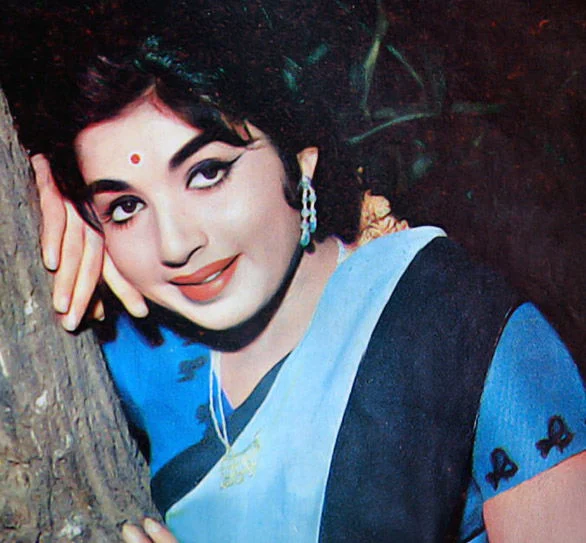
Jayalalitha Family 5
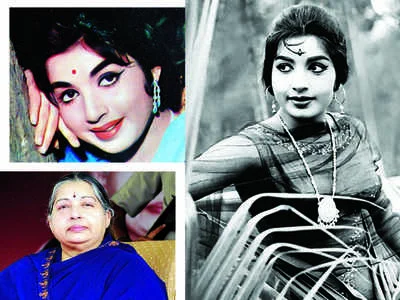
Jayalalitha Family 4
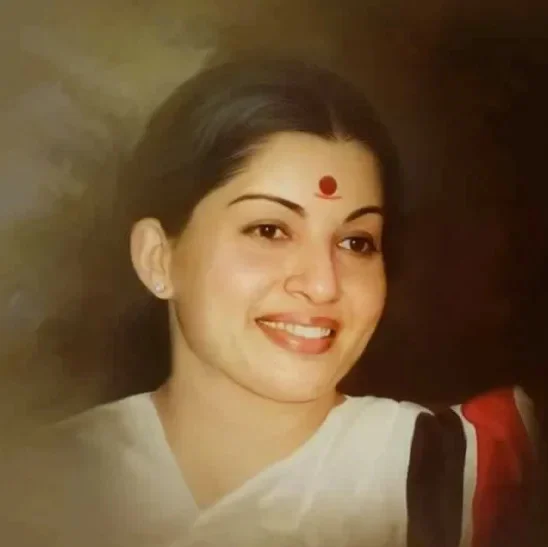
Jayalalitha Family 3
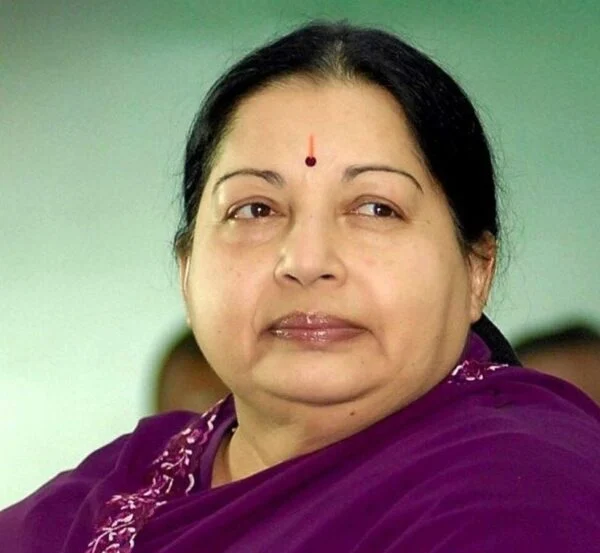
Jayalalitha Family 2
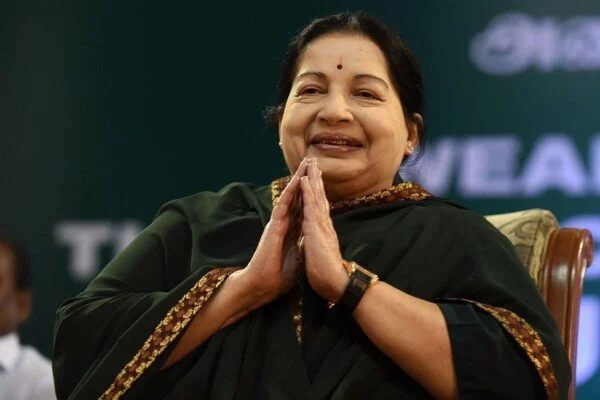
Jayalalitha Family
Early Life, Childhood, Education & Family Background of Jayalalithaa
Jayalalithaa’s path to public life began with family upheaval, academic promise and an early introduction to performance.
She was born on 24 February 1948 into a Tamil Iyengar family in Melukote, then part of the princely state of Mysore.
Her father, Jayaram, died when she was young, leaving her mother, Vedavalli, to help support the family.
Her mother later entered the film industry under the screen name Sandhya, a decision that influenced Jayalalithaa’s own early exposure to cinema.
Jayalalithaa studied at Bishop Cotton Girls’ School in Bengaluru and later attended the Presentation Convent, Church Park, in Madras, now Chennai.
She was remembered as a strong student and received a scholarship after completing her schooling, reflecting her academic ability.
Although she initially had ambitions beyond acting, family circumstances helped push her towards film work while she was still young.
She studied classical music and dance, developing performance skills that later supported her work in cinema and public life.
Her film debut came in the Kannada movie Chinnada Gombe in 1964, while she was still a teenager.
The combination of education, discipline, early family responsibility and rapid professional success helped shape the self-contained public personality she later presented as a politician.
Personal Life Highlights of Jayalalithaa (Family Members)
Although Jayalalithaa lived much of her life in the public eye, she kept many aspects of her private world closely guarded.
Her mother, Vedavalli, became a film actress under the name Sandhya and played an important role in introducing her daughter to the cinema industry.
Her father, Jayaram, died during her childhood, and the family’s circumstances changed significantly after his death.
Jayalalithaa had an elder brother, Jayakumar, who remained outside the public spotlight compared with his famous sister.
Her family background combined traditional Tamil Iyengar roots with the demands of a mother working in the film industry.
As her acting career grew, Jayalalithaa became financially successful at a relatively young age and took on responsibilities uncommon for many teenagers.
Her later life was closely associated with her Poes Garden residence in Chennai, which became a symbol of her political stature and inner circle.
V. K. Sasikala, a long-time companion and confidante, became one of the most prominent people in her personal and political orbit.
Jayalalithaa never publicly established a conventional family life with a spouse and children, and she had no publicly recognised children.
Her carefully controlled private life, close circle of trusted associates and powerful public persona helped create an enduring image of a leader whose personal world remained largely separate from public access.
Jayalalithaa Partners, Relationships & Dating History
Jayalalithaa never married, and no spouse or publicly recognised children formed part of her documented personal history.
Her relationship with M. G. Ramachandran, known as MGR, was one of the most discussed associations of her life because it connected cinema with politics.
The two appeared together in numerous films, building a popular screen partnership that helped strengthen their shared public recognition.
MGR later became the founder of the AIADMK and a Chief Minister of Tamil Nadu, creating a political connection that extended well beyond their film collaborations.
Public commentary frequently speculated about the nature of their personal bond, but speculation should not be treated as confirmation of a romantic relationship.
Jayalalithaa herself maintained a carefully guarded private life and did not publicly establish a marriage with MGR.
After MGR’s death in December 1987, she fought to secure her position within the party he had founded and eventually became its leading figure.
V. K. Sasikala was a close companion who lived with or stayed closely connected to Jayalalithaa for many years and became a central presence in her household.
Their association attracted intense political scrutiny, particularly during legal proceedings concerning assets and allegations against Jayalalithaa and people around her.
The reliable public record supports describing Jayalalithaa as unmarried, while claims about secret romances or unconfirmed relationships should remain outside a factual biography.
Jayalalithaa Career Journey, Breakthroughs, Achievements & Awards
Jayalalithaa’s career stands out because she achieved major success in two highly competitive arenas: South Indian cinema and electoral politics.
She began acting as a teenager, making her Kannada film debut in Chinnada Gombe in 1964 before becoming a prominent Tamil cinema star.
Her 1965 Tamil film Vennira Aadai helped establish her screen presence and marked an important early step in her regional career.
She became a leading actress opposite M. G. Ramachandran, with whom she appeared in many commercially successful films.
Her performance in Pattikada Pattanama earned major recognition, including a National Film Award for Best Feature Film in Tamil for the production.
She also received Filmfare recognition and the Tamil Nadu government’s Kalaimamani award in 1972 for her contribution to the arts.
After gradually moving away from acting, she entered the AIADMK in 1982 and became a prominent campaigner and party spokesperson.
In 1984, she was elected to the Rajya Sabha, gaining national parliamentary experience before becoming a leading figure in state politics.
Her political breakthrough continued in 1989, when she became the first woman Leader of the Opposition in the Tamil Nadu Assembly.
She first became Chief Minister in 1991 and returned to the office in later terms, cementing a career defined by electoral victories, welfare initiatives, fierce rivalries and legal controversies.
Current Life Highlights of Jayalalithaa (Career / Other Work)
Jayalalithaa is no longer alive, but her political legacy remains a major part of Tamil Nadu’s modern history.
She died on 5 December 2016 at Apollo Hospital in Chennai after a prolonged period of hospitalisation.
Her final term as Chief Minister began in May 2015, following her return to office after a Karnataka High Court acquitted her in a disproportionate-assets case.
During her years in government, her administration promoted welfare schemes associated with the “Amma” name, including subsidised canteens, bottled water and other low-cost public services.
The Amma Unavagam canteens became particularly well known for offering affordable meals, especially to lower-income residents and workers.
Her governments also supported initiatives involving women’s welfare, public distribution and assistance for selected household needs, though the effectiveness and long-term costs of individual schemes remain subjects of debate.
Her political organisation, the AIADMK, continued after her death but faced leadership disputes and factional divisions that underscored how strongly the party had centred on her personal authority.
Her Poes Garden residence and public memorial in Chennai became enduring symbols of her political life and the devotion of many supporters.
Jayalalithaa’s career is still examined through biographies, documentaries, news retrospectives and dramatic portrayals, including the film Thalaivii.
Today, her legacy remains contested: supporters emphasise welfare and decisive leadership, while critics focus on centralised power, political confrontation and corruption cases.
Jayalalithaa Most Popular Movies, TV Shows, Media Appearances & Other Work
Jayalalithaa’s film career helped create the public recognition that later became a significant advantage in politics.
Her Kannada debut, Chinnada Gombe (1964), introduced her to cinema before she became one of Tamil film’s most prominent leading actresses.
In Vennira Aadai (1965), she delivered a performance that helped establish her reputation in Tamil cinema.
Ayirathil Oruvan (1965), starring M. G. Ramachandran, became one of the memorable films in their long-running screen partnership.
The historical adventure Adimai Penn (1969), also featuring MGR, further strengthened her popularity with audiences.
In Engirundho Vandhaal (1970), she appeared alongside Sivaji Ganesan, demonstrating her ability to work with another major star of Tamil cinema.
Pattikada Pattanama (1972) was a significant career achievement and received major national recognition as a Tamil-language production.
Her filmography extended beyond Tamil cinema to Telugu, Kannada and Malayalam productions, as well as the Hindi film Izzat (1968), opposite Dharmendra.
She also appeared in the English-language film Epistle, making her screen career broader than many audiences may realise.
After leaving acting, Jayalalithaa’s major public appearances shifted to political rallies, legislative debates, party conferences and government announcements, while later screen portrayals such as Thalaivii introduced her life story to new audiences.
Jayalalithaa Most Popular News, Controversies, Career Debates / Why Jayalalithaa Is Popular
Jayalalithaa remains a compelling public figure because her story combines extraordinary political success, popular welfare policies and serious legal controversy.
In September 2014, a special court convicted her in a disproportionate-assets case and sentenced her to four years in prison, forcing her to leave the Chief Minister’s office.
In May 2015, the Karnataka High Court overturned that conviction, allowing her to return as Chief Minister later that month.
In February 2017, after her death, the Supreme Court restored the trial court’s convictions against her co-accused in the case, but proceedings against Jayalalithaa herself had abated because she had died.
The Supreme Court therefore did not issue a final conviction against her in that appeal, an important legal distinction when describing the case.
Her governments also faced other legal and political controversies, including cases concerning public decisions and alleged misuse of authority, which contributed to intense partisan debate.
Supporters often credit her with welfare programmes that offered low-cost food and other assistance, while critics question the fiscal sustainability of some initiatives and the concentration of power around her leadership.
Her relationship with close aide V. K. Sasikala attracted scrutiny because of Sasikala’s influence within Jayalalithaa’s personal and political circle.
Jayalalithaa’s illness and death in December 2016 also generated public questions about the information released during her hospitalisation, although speculation should not be presented as proven wrongdoing.
Her popularity grew from a combination of screen fame, political symbolism, welfare measures and a carefully cultivated image of strength, while her controversies ensure that her record remains debated rather than universally celebrated.
Jayalalithaa Known Unknown Facts, Trivia + People Also Ask / Search & Answers
Jayalalithaa was more than a film star turned politician; her education, artistic training and multilingual career reveal a broader story.
She was a strong student and received a scholarship after completing her schooling, but family circumstances helped direct her into acting at a young age.
She trained in classical dance forms, including Bharatanatyam, Mohiniyattam, Kathak and Manipuri, according to the Government of India’s official biographical account.
She acted in films in several languages, including Tamil, Telugu, Kannada, Malayalam and Hindi, and also appeared in an English-language production.
Unlike many screen stars who rely entirely on playback singers, she sang some songs herself during her film career.
She wrote columns and other pieces for magazines, showing an interest in writing beyond her work as an actress and politician.
Her public nickname, “Amma,” became closely associated with her welfare programmes and the political loyalty she inspired among supporters.
Was Jayalalithaa married? No, Jayalalithaa never married and had no publicly recognised children.
How tall was Jayalalithaa? Her height is commonly reported at around 5 feet 5 inches, but a reliable official measurement is not readily established.
When did Jayalalithaa become Chief Minister? She first became Chief Minister of Tamil Nadu in 1991 and held the office during several later terms.
When did Jayalalithaa die? She died on 5 December 2016 in Chennai at the age of 68.
Why was Jayalalithaa called Amma? “Amma” means “mother” and became a political and public nickname associated with her leadership and welfare schemes.
What was Jayalalithaa famous for before politics? She was a leading South Indian film actress, particularly known for Tamil films and her screen partnership with M. G. Ramachandran.