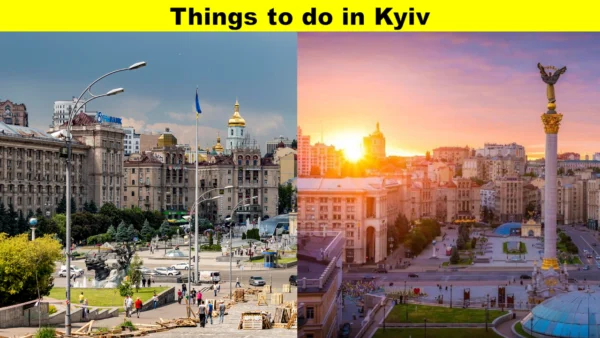
Things to do in Kyiv based on NeemTime research from most popular to just popular.
Kiev Zoo, Kyiv
Overview: Kyiv Zoo is one of Ukraine’s largest zoological parks, featuring hundreds of animal species, botanical areas, educational exhibits, and family-friendly recreational spaces.
History: The zoo was founded by scientists, educators, and nature enthusiasts to promote wildlife conservation, scientific research, and public education in Kyiv.
Since when: Kyiv Zoo was established in 1908 and has grown from a small animal collection into a major urban wildlife center.
Review: Visitors appreciate its large territory, diverse animals, renovated habitats, green surroundings, and suitability for families with children.
When to go: The best time to visit is during spring and summer when animals are more active and outdoor areas are most enjoyable.
How to go: The zoo is located near Kyiv city center and can be reached by metro, bus, taxi, or private vehicle.
What to do: Visitors can observe animals, explore themed zones, visit educational exhibits, enjoy walking paths, and participate in family activities.
Free or Paid: Paid entry required.
Kyiv-Pechersk Lavra, Kyiv
Overview: Kyiv Pechersk Lavra is a historic Orthodox Christian monastery complex famous for golden-domed churches, underground caves, religious treasures, and UNESCO World Heritage significance.
History: Founded by monks Anthony and Theodosius of Pechersk, the monastery became a major center of Eastern Orthodox Christianity, culture, and learning in Eastern Europe.
Since when: Kyiv-Pechersk Lavra was founded in 1051 during the era of Kyivan Rus and has remained an important spiritual landmark for nearly a millennium.
Review: Visitors admire its impressive architecture, peaceful religious atmosphere, ancient caves, museums, and deep historical importance.
When to go: The best time is from late spring to early autumn when the weather is pleasant for exploring the large monastery grounds.
How to go: It is located in central Kyiv and can be reached by metro, bus, taxi, or walking from nearby attractions.
What to do: Visitors can explore churches, visit underground caves, view religious artifacts, enjoy panoramic city views, and learn about Ukrainian history.
Free or Paid: Some outdoor areas are free, while museums and certain sections require paid tickets.
Володимирська Гірка, Kyiv
Overview: Volodymyrska Hill is a historic hillside park overlooking the Dnipro River, known for scenic viewpoints, walking paths, monuments, and peaceful green landscapes.
History: The hill has been an important cultural and spiritual location for centuries and became associated with the monument of Prince Volodymyr the Great.
Since when: The modern landscaped park was developed in the 19th century, while the area itself has been significant since the medieval period of Kyivan Rus.
Review: Visitors love its breathtaking views, relaxing atmosphere, photography opportunities, and location near Kyiv’s historic landmarks.
When to go: The best time is during spring, summer, and autumn when the gardens are colorful and the viewpoints are especially beautiful.
How to go: The park is located near Kyiv’s city center and can be reached by metro, funicular, bus, taxi, or walking.
What to do: Visitors can walk through the park, visit the Volodymyr Monument, enjoy Dnipro River views, relax, and take photographs.
Free or Paid: Free entry.
Sophia Square, Kyiv
Overview: Sofiyska Square is one of Kyiv’s most important historic squares, surrounded by landmarks including Saint Sophia Cathedral and famous for cultural events and public gatherings.
History: The square has played a central role in Ukraine’s political, religious, and cultural history, serving as a gathering place for major national events.
Since when: Sophia Square has existed since the medieval period after the construction of Saint Sophia Cathedral in the 11th century.
Review: Visitors appreciate its historic atmosphere, impressive architecture, open spaces, monuments, and importance in Ukrainian heritage.
When to go: The best time is during spring and summer when outdoor events, festivals, and walking conditions are most enjoyable.
How to go: It is located in central Kyiv and can easily be reached by metro, bus, taxi, or walking from nearby attractions.
What to do: Visitors can explore Saint Sophia Cathedral, admire monuments, attend cultural events, photograph historic buildings, and enjoy the square’s atmosphere.
Free or Paid: Free entry to the square (nearby attractions may require payment).
Золоті ворота, Kyiv
Overview: Golden Gate of Kyiv is a reconstructed medieval city gate that once served as a major entrance to Kyiv and is now a symbol of the city’s ancient heritage.
History: Built during the reign of Grand Prince Yaroslav the Wise, the Golden Gate was part of Kyiv’s defensive fortifications and represented the power of Kyivan Rus.
Since when: The original Golden Gate was constructed around 1037, while the present museum structure was reconstructed in the 1980s.
Review: Visitors enjoy its unique architecture, historical exhibitions, central location, and connection to Kyiv’s medieval past.
When to go: The best time is during spring, summer, or early autumn when visitors can comfortably explore the surrounding historic district.
How to go: The landmark is located in central Kyiv and can be reached easily by metro, bus, taxi, or walking.
What to do: Visitors can explore the museum, view ancient fortification remains, photograph the gate, and discover nearby historic streets and cafés.
Free or Paid: Outdoor viewing is free, while museum access requires a paid ticket.
Arka Svobody Ukrayinsʹkoho Narodu, Kyiv
Overview: Arch of Freedom of the Ukrainian People is a large landmark arch in central Kyiv created as a symbol of unity and friendship, located in a scenic area overlooking the Dnipro River.
History: The monument was originally built during the Soviet era to represent the reunification of Ukraine with Russia and later became associated with changing national identities and historical interpretations.
Since when: The arch was officially opened in 1982 as part of celebrations marking the 60th anniversary of Soviet Ukraine and the 1,500th anniversary of Kyiv.
Review: Visitors appreciate its impressive size, riverside location, panoramic views, and importance as a place reflecting Ukraine’s complex modern history.
When to go: The best time is during spring, summer, and early autumn when the surrounding park areas and Dnipro views are most enjoyable.
How to go: It is located near Khreshchatyi Park and can be reached by metro, bus, taxi, or walking from central Kyiv attractions.
What to do: Visitors can view the arch, enjoy Dnipro River panoramas, walk through nearby parks, photograph the city skyline, and explore surrounding landmarks.
Free or Paid: Free entry.
A.V. Fomin Botanical Garden, Kyiv
Overview: A.V. Fomin Botanical Garden is one of Kyiv’s oldest botanical gardens, featuring rare plants, greenhouses, walking paths, and peaceful natural spaces in the heart of the city.
History: The garden was created as part of Kyiv University’s scientific development and became an important center for botanical research, plant conservation, and education.
Since when: A.V. Fomin Botanical Garden was established in 1839 and has developed into one of Eastern Europe’s significant botanical collections.
Review: Visitors enjoy its quiet atmosphere, beautiful plant collections, historic greenhouses, seasonal flowers, and escape from the busy city environment.
When to go: The best time is spring and summer when flowers bloom and outdoor gardens are at their most attractive.
How to go: The garden is located near Kyiv University and can be reached by metro, bus, taxi, or walking from the city center.
What to do: Visitors can explore plant collections, visit greenhouses, photograph flowers, relax in nature, and enjoy educational botanical displays.
Free or Paid: Some outdoor areas are free, while certain exhibitions and greenhouses may require paid tickets.
Independence Square, Kyiv
Overview: Maidan Nezalezhnosti, also known as Independence Square, is Kyiv’s central public square famous for monuments, fountains, cultural events, and major moments in Ukrainian history.
History: The square has been the site of important political demonstrations and national movements, including the Orange Revolution and the Revolution of Dignity.
Since when: The area has served as a city square for centuries, while its current identity as Independence Square developed after Ukraine gained independence in 1991.
Review: Visitors value its historical importance, lively atmosphere, impressive architecture, and role as a symbol of Ukrainian national identity.
When to go: The best time is during evenings, weekends, and warmer months when the square is lively with visitors and public activities.
How to go: It is located in central Kyiv and can be reached easily by metro, bus, taxi, or walking from nearby attractions.
What to do: Visitors can explore monuments, photograph landmarks, visit nearby streets and cafés, and learn about Ukraine’s modern history.
Free or Paid: Free entry.
National Museum of the History of Ukraine in the Second World War, Kyiv
Overview: National Museum of the History of Ukraine in the Second World War is a major historical museum complex dedicated to Ukraine’s experiences during World War II, featuring exhibitions, artifacts, military equipment, and memorial spaces.
History: The museum was created to preserve memories of the war, document the experiences of Ukrainians, and honor those affected by the conflict.
Since when: The museum opened in 1981 and replaced earlier wartime memorial exhibitions developed during the Soviet period.
Review: Visitors appreciate its powerful exhibitions, large outdoor displays, historical documents, emotional memorial areas, and impressive city views.
When to go: The best time is during spring through autumn when visitors can comfortably explore both indoor galleries and outdoor exhibits.
How to go: It is located in the Pechersk district near the Motherland Monument and can be reached by metro, bus, taxi, or walking.
What to do: Visitors can explore historical exhibitions, view military vehicles, visit memorial halls, photograph monuments, and learn about wartime history.
Free or Paid: Paid admission required for museum exhibitions.
Ukrainian Motherland Monument, Kyiv
Overview: Mother Ukraine Monument is a monumental steel statue overlooking Kyiv, representing strength, resilience, and remembrance of Ukraine’s wartime history.
History: The monument was created as part of the National Museum complex dedicated to World War II remembrance and originally reflected Soviet-era memorial traditions.
Since when: The monument was officially opened in 1981 and became one of Kyiv’s most recognizable landmarks, with later updates reflecting Ukraine’s national identity.
Review: Visitors admire its enormous scale, engineering achievement, panoramic views from the observation platforms, and symbolic importance.
When to go: The best time is during clear mornings or evenings when visitors can enjoy city views and comfortable outdoor conditions.
How to go: It is located within the National Museum complex in Kyiv and can be reached by metro, bus, taxi, or guided tour.
What to do: Visitors can view the monument, visit observation decks, explore the nearby museum, photograph Kyiv panoramas, and learn about Ukrainian history.
Free or Paid: Viewing the monument from outside is free, while museum visits and observation decks require paid tickets.
Holosiivskyi National Natural Park, Kyiv
Overview: Holosiivskyi National Natural Park is a vast protected urban nature park featuring forests, lakes, walking trails, monasteries, wildlife, and peaceful green landscapes within Kyiv.
History: The park area has long been valued for its forests and natural resources, while conservation efforts were developed to protect its unique ecosystems and recreational importance.
Since when: Holosiivskyi National Natural Park was officially established in 2007 as one of Ukraine’s important protected natural areas within a capital city.
Review: Visitors appreciate its fresh air, beautiful forests, hiking paths, lakes, peaceful atmosphere, and opportunity to escape the busy city.
When to go: The best time is from late spring to early autumn when forests are green, trails are comfortable, and outdoor activities are enjoyable.
How to go: The park is located in southern Kyiv and can be reached by metro, bus, taxi, or private vehicle.
What to do: Visitors can hike, cycle, enjoy picnics, photograph nature, visit monasteries, observe wildlife, and relax near lakes.
Free or Paid: Free entry.
Mezhyhirya Residence, Kyiv
Overview: Mezhyhirya Residence is a large former government residence known for its luxurious grounds, gardens, museums, forests, and historical connection to Ukrainian politics.
History: The estate became widely known as the former private residence of Ukrainian President Viktor Yanukovych and became a public site after the 2014 Revolution of Dignity.
Since when: The Mezhyhirya estate has existed since the 18th century, while it opened for public visits after 2014 following major political changes in Ukraine.
Review: Visitors enjoy its enormous landscaped grounds, unusual architecture, lake views, museums, and insight into Ukraine’s recent political history.
When to go: The best time is during spring and summer when gardens, walking paths, and outdoor areas are at their most attractive.
How to go: It is located north of Kyiv near Vyshhorod and can be reached by car, taxi, bus, or guided tour.
What to do: Visitors can explore the estate, walk through gardens, visit exhibitions, see historic buildings, and enjoy outdoor recreation.
Free or Paid: Paid entry required.
Mama Manana, Kyiv
Overview: Mama Manana is a popular Georgian restaurant in Kyiv known for traditional Georgian cuisine, including khachapuri, khinkali, grilled dishes, and warm hospitality.
History: The restaurant was established to introduce authentic Georgian flavors and dining traditions to Kyiv’s food scene.
Since when: Mama Manana opened in Kyiv in 2014 and became recognized as one of the city’s favorite Georgian dining destinations.
Review: Visitors praise its delicious food, generous portions, cozy atmosphere, friendly service, and authentic Georgian recipes.
When to go: The best time is during lunch or evening hours, with reservations recommended during weekends and busy periods.
How to go: The restaurant has a central Kyiv location and can be reached by metro, taxi, bus, or walking depending on the branch.
What to do: Visitors can enjoy Georgian meals, taste traditional wines, share dishes with friends, and experience Georgian culinary culture.
Free or Paid: Free entry (food and drinks are paid).
Bessarabian Market, Kyiv
Overview: Bessarabian Market is Kyiv’s historic indoor food market famous for fresh produce, meat, seafood, delicacies, local products, and a lively traditional atmosphere.
History: The market was built to create a modern trading center for Kyiv residents and became an important commercial landmark in the city.
Since when: Bessarabian Market officially opened in 1912 and has operated as one of Kyiv’s most famous markets for more than a century.
Review: Visitors enjoy its historic architecture, colorful food stalls, local atmosphere, and opportunity to experience traditional Ukrainian market culture.
When to go: The best time is in the morning when vendors are active and fresh products are most abundant.
How to go: It is located in central Kyiv near Khreshchatyk Street and can be reached by metro, bus, taxi, or walking.
What to do: Visitors can explore food stalls, buy local specialties, try Ukrainian delicacies, take photographs, and experience daily city life.
Free or Paid: Free entry (food and products are paid).
Park of Eternal Glory, Kyiv
Overview: Park of Eternal Glory is a historic memorial park overlooking the Dnipro River, featuring monuments, memorial sites, walking paths, and panoramic views of Kyiv.
History: The park was created as a place of remembrance honoring soldiers and victims connected with Ukraine’s wartime history and national struggles.
Since when: The park was officially opened in 1957 and later expanded with additional memorial features.
Review: Visitors appreciate its peaceful environment, emotional memorial atmosphere, river views, and importance as a historical site.
When to go: The best time is during spring, summer, and autumn when the weather is comfortable for walking and sightseeing.
How to go: It is located in the Pechersk district of Kyiv and can be reached by metro, bus, taxi, or walking from nearby landmarks.
What to do: Visitors can visit memorials, walk through landscaped areas, enjoy Dnipro River views, photograph monuments, and reflect on history.
Free or Paid: Free entry.
St. Michael’s Golden-Domed Monastery, Kyiv
Overview: St. Michael’s Golden-Domed Monastery is a historic Ukrainian Orthodox monastery famous for its striking blue walls, golden domes, religious artwork, and important spiritual role in Kyiv.
History: The monastery was founded during the medieval period of Kyivan Rus and has experienced destruction, reconstruction, and restoration reflecting Ukraine’s religious and national history.
Since when: St. Michael’s Golden-Domed Monastery was originally founded in 1108, while the current reconstructed complex was reopened in 2000 after its Soviet-era destruction.
Review: Visitors admire its beautiful architecture, peaceful atmosphere, colorful frescoes, golden domes, and significance as one of Kyiv’s most iconic landmarks.
When to go: The best time is during spring, summer, and early autumn when visitors can enjoy the monastery grounds and nearby historic areas comfortably.
How to go: It is located in central Kyiv near Independence Square and can be reached by metro, bus, taxi, or walking.
What to do: Visitors can explore the cathedral, admire religious art, visit the bell tower, attend services, and photograph the monastery complex.
Free or Paid: Free entry to the monastery grounds (museum areas may require payment).
St. Andrew’s Church, Kyiv
Overview: St. Andrew’s Church is an elegant Baroque church built on Kyiv’s historic Andriyivskyi Descent, known for its turquoise façade, golden details, and hilltop views.
History: Designed by Italian architect Bartolomeo Rastrelli, the church was built as part of imperial Russian architectural projects and became one of Kyiv’s most recognizable monuments.
Since when: St. Andrew’s Church was constructed between 1747 and 1754 and has remained a major cultural and religious landmark.
Review: Visitors appreciate its magnificent Baroque design, artistic interiors, historic importance, and scenic location above the old city streets.
When to go: The best time is during spring and autumn when the surrounding historic neighborhood is especially pleasant for walking and photography.
How to go: The church is located at the top of Andriyivskyi Descent and can be reached by walking, funicular, metro, bus, or taxi.
What to do: Visitors can admire the architecture, explore the interior, enjoy city views, visit nearby art markets, and walk through the historic district.
Free or Paid: Paid entry may apply for interior visits and exhibitions.
National Opera of Ukraine, Kyiv
Overview: National Opera of Ukraine is one of Ukraine’s premier cultural institutions, presenting opera, ballet, classical performances, and internationally recognized artistic productions.
History: The opera house was established after Kyiv’s original city theater was destroyed by fire, becoming a major center for Ukrainian and European performing arts.
Since when: The National Opera of Ukraine was founded in 1867, while the current Renaissance-style building opened in 1901.
Review: Visitors praise its grand architecture, excellent acoustics, talented performers, elegant interiors, and affordable access to high-quality performances.
When to go: The best time is during the main performance seasons from autumn to spring when the schedule is usually most active.
How to go: It is located in central Kyiv near the Golden Gate area and can be reached by metro, bus, taxi, or walking.
What to do: Visitors can attend opera or ballet performances, admire the historic building, enjoy classical music, and experience Ukrainian performing arts.
Free or Paid: Paid tickets required for performances (outside viewing is free).
Musafir, Kyiv
Overview: Musafir is a popular Crimean Tatar restaurant in Kyiv known for traditional dishes such as chebureki, lagman, pilaf, and authentic Central Asian flavors.
History: The restaurant was created to preserve and promote Crimean Tatar culinary traditions while introducing Kyiv residents and visitors to this unique cuisine.
Since when: Musafir opened its Kyiv location in 2014 and quickly became one of the city’s most recognized ethnic restaurants.
Review: Visitors enjoy its flavorful food, welcoming atmosphere, generous portions, cultural authenticity, and excellent value for money.
When to go: The best time is during lunch or dinner hours, with reservations recommended during weekends and busy evenings.
How to go: The restaurant is located in central Kyiv and can be reached by metro, bus, taxi, or walking depending on the branch.
What to do: Visitors can taste Crimean Tatar specialties, enjoy traditional tea, experience regional cuisine, and relax in a cozy dining setting.
Free or Paid: Free entry (food and drinks are paid).
National Museum of Folk Architecture and Life of Ukraine, Kyiv
Overview: National Museum of Folk Architecture and Life of Ukraine is an open-air museum showcasing traditional Ukrainian villages, wooden churches, houses, crafts, costumes, and rural life across different historical regions.
History: The museum was created to preserve Ukraine’s folk traditions, architecture, and cultural heritage by collecting authentic buildings and artifacts from across the country.
Since when: The museum was established in 1969 and opened to visitors in 1976 as one of Europe’s largest open-air museums.
Review: Visitors appreciate its peaceful countryside setting, authentic buildings, cultural demonstrations, festivals, and educational experiences.
When to go: The best time is during spring through autumn when outdoor exhibitions, gardens, and walking paths are most enjoyable.
How to go: It is located in the Pyrohiv area of southern Kyiv and can be reached by bus, taxi, or private vehicle.
What to do: Visitors can explore traditional homes, watch folk performances, learn crafts, photograph historic buildings, and enjoy Ukrainian cultural events.
Free or Paid: Paid admission required.
St. Volodymyr’s Cathedral, Kyiv
Overview: St. Volodymyr’s Cathedral is a magnificent Ukrainian Orthodox cathedral known for its bright yellow exterior, blue domes, impressive frescoes, and important religious significance in Kyiv.
History: The cathedral was built to honor Prince Volodymyr the Great, who introduced Christianity to Kyivan Rus, and became a major center of Ukrainian Orthodox tradition.
Since when: Construction began in 1862, and St. Volodymyr’s Cathedral was officially completed and consecrated in 1896.
Review: Visitors admire its stunning interior paintings, peaceful spiritual atmosphere, historic importance, and beautiful neo-Byzantine architecture.
When to go: The best time is during spring and summer when visitors can enjoy the surrounding parks and explore central Kyiv comfortably.
How to go: The cathedral is located near Taras Shevchenko Park and can be reached by metro, bus, taxi, or walking from central Kyiv.
What to do: Visitors can admire religious artwork, explore the interior, attend services, photograph the architecture, and learn about Ukrainian religious history.
Free or Paid: Free entry (donations are welcome).
VDNG, Kyiv
Overview: VDNG (Expocenter of Ukraine) is a large cultural and recreational complex featuring parks, exhibitions, museums, restaurants, entertainment areas, and family attractions.
History: The complex was created during the Soviet period as an exhibition center showcasing achievements in agriculture, industry, science, and culture.
Since when: VDNG was opened in 1958 and has transformed into one of Kyiv’s most popular leisure and event destinations.
Review: Visitors enjoy its spacious green areas, historic architecture, seasonal events, outdoor activities, cafés, and family-friendly atmosphere.
When to go: The best time is during spring, summer, and early autumn when outdoor attractions, festivals, and walking areas are most enjoyable.
How to go: VDNG is located in southern Kyiv and can be reached by metro, bus, taxi, or private vehicle.
What to do: Visitors can walk through the grounds, attend exhibitions, enjoy amusement activities, rent bicycles, visit cafés, and participate in seasonal events.
Free or Paid: Free entry to the grounds (some attractions and exhibitions require payment).
Kiev Funicular, Kyiv
Overview: Kyiv Funicular is a historic inclined railway connecting Kyiv’s Upper Town with the Podil district while offering scenic views of the Dnipro River and city landscape.
History: The funicular was created to improve transportation between Kyiv’s hilly upper and lower areas and became an important part of the city’s public transport system.
Since when: Kyiv Funicular officially opened in 1905 and has been operating for more than a century with several renovations.
Review: Visitors enjoy the short but scenic ride, historic character, affordable price, and beautiful views during the journey.
When to go: The best time is during clear weather in spring, summer, or autumn when the surrounding scenery is most attractive.
How to go: The lower station is near Poshtova Ploshcha metro station, while the upper station is near St. Michael’s Golden-Domed Monastery.
What to do: Visitors can enjoy the ride, take photographs, experience historic transport, and combine it with sightseeing in Podil and central Kyiv.
Free or Paid: Paid ticket required.
The Oceanarium «Sea Fairy Tale», Kyiv
Overview: Oceanarium Sea Fairy Tale is a family-friendly aquarium attraction featuring marine animals, underwater tunnels, colorful fish, sharks, rays, and educational displays.
History: The oceanarium was developed to introduce visitors to marine ecosystems and provide educational experiences about underwater life.
Since when: The Oceanarium Sea Fairy Tale opened in Kyiv in 2012 and became a popular indoor attraction for families and children.
Review: Visitors appreciate its entertaining exhibits, colorful marine life, educational value, and suitability for children and rainy-day activities.
When to go: The best time is during weekdays or mornings when crowds are smaller and visitors can explore exhibits comfortably.
How to go: It is located inside the Dream Town shopping and entertainment complex area and can be reached by metro, bus, taxi, or car.
What to do: Visitors can observe marine animals, walk through aquarium displays, learn about ocean ecosystems, and enjoy family entertainment.
Free or Paid: Paid admission required.
St. Sophia’s Cathedral, Kyiv
Overview: Saint Sophia Cathedral is one of Kyiv’s most important historic landmarks, famous for its golden domes, ancient mosaics, frescoes, and UNESCO World Heritage status.
History: The cathedral was built during the reign of Yaroslav the Wise as a religious, cultural, and educational center of Kyivan Rus.
Since when: St. Sophia’s Cathedral was founded in 1037 and has survived centuries of political changes, restoration, and historical events.
Review: Visitors praise its breathtaking Byzantine architecture, ancient artwork, historical importance, museum collections, and peaceful atmosphere.
When to go: The best time is during spring and early autumn when the weather is ideal for exploring the cathedral complex and nearby historic sites.
How to go: It is located in central Kyiv near Sophia Square and can be reached by metro, bus, taxi, or walking.
What to do: Visitors can explore the cathedral interior, view ancient mosaics and frescoes, climb the bell tower, and visit museum exhibitions.
Free or Paid: Paid admission required for the cathedral complex and museum areas.
Gorodetsky House, Kyiv
Overview: House with Chimaeras, also known as Gorodetsky House, is a unique Art Nouveau mansion famous for its unusual animal sculptures, mythical creatures, and remarkable architectural design.
History: The building was designed by Polish architect Vladislav Gorodetsky as his private residence and became one of Kyiv’s most distinctive architectural landmarks.
Since when: The House with Chimaeras was constructed between 1901 and 1903 and has served as a major cultural attraction for more than a century.
Review: Visitors admire its creative sculptures, artistic details, historical importance, and rare architectural style unlike other buildings in Kyiv.
When to go: The best time is during spring and autumn when the weather is comfortable for exploring central Kyiv on foot.
How to go: It is located near the Presidential Administration area in central Kyiv and can be reached by metro, bus, taxi, or walking.
What to do: Visitors can photograph the exterior, join guided tours, learn about Art Nouveau architecture, and explore nearby government and historic areas.
Free or Paid: Exterior viewing is free, while interior tours require paid tickets.
Galaxy Family Amusement Park, Kyiv
Overview: Galaxy Family Amusement Park is an indoor entertainment center offering rides, arcade games, children’s activities, play zones, and family-friendly attractions.
History: The amusement park was developed as part of Kyiv’s modern entertainment industry to provide recreational activities for children, families, and visitors.
Since when: Galaxy Family Amusement Park opened in the 21st century as part of the growth of indoor entertainment complexes in Kyiv.
Review: Visitors appreciate its variety of activities, safe environment, colorful design, and suitability for children of different ages.
When to go: The best time is on weekdays or mornings when the park is usually less crowded and easier to enjoy.
How to go: It can be reached by public transport, metro, taxi, or private vehicle depending on its shopping and entertainment complex location.
What to do: Visitors can enjoy amusement rides, arcade games, children’s play areas, birthday activities, and family entertainment.
Free or Paid: Entry may be free, but attractions and games require payment.
Kyiv River Port, Kyiv
Overview: Kyiv River Port is a historic passenger port on the Dnipro River offering river cruises, sightseeing boats, waterfront walks, and views of Kyiv’s skyline.
History: The port was developed as an important transportation and trade facility connecting Kyiv with other cities along the Dnipro River.
Since when: River navigation from Kyiv has existed for centuries, while the modern river port building opened in 1961.
Review: Visitors enjoy the relaxing river atmosphere, boat trips, scenic views, and unique perspective of Kyiv from the water.
When to go: The best time is from late spring to early autumn when river cruises operate regularly and weather conditions are pleasant.
How to go: It is located near Poshtova Ploshcha in Podil district and can be reached by metro, bus, taxi, or walking.
What to do: Visitors can take river cruises, enjoy waterfront views, photograph landmarks, relax by the Dnipro, and explore nearby Podil streets.
Free or Paid: Visiting the port area is free, while cruises and activities require payment.
Ostannya Barykada, Kyiv
Overview: Ostannya Barykada is a cultural restaurant and creative space in Kyiv known for Ukrainian cuisine, national history themes, exhibitions, and artistic events.
History: The venue was created as a place celebrating Ukrainian identity, culture, music, literature, and important moments in modern Ukrainian history.
Since when: Ostannya Barykada opened in 2016 and quickly became a notable cultural meeting place in Kyiv.
Review: Visitors appreciate its unique atmosphere, traditional dishes, cultural programs, creative interior, and connection to Ukrainian heritage.
When to go: The best time is during evening hours when the restaurant atmosphere, events, and performances are often most active.
How to go: It is located near Independence Square and can be reached by metro, bus, taxi, or walking.
What to do: Visitors can enjoy Ukrainian cuisine, attend cultural events, explore exhibitions, listen to music, and experience local traditions.
Free or Paid: Free entry (food, drinks, and special events are paid).
Favorite Uncle, Kyiv
Overview: Favorite Uncle is a popular Kyiv restaurant offering Middle Eastern and Mediterranean-inspired cuisine with a modern atmosphere and creative menu.
History: The restaurant was established as part of Kyiv’s growing contemporary dining scene, combining international flavors with stylish urban hospitality.
Since when: Favorite Uncle opened in the 2010s and became recognized among Kyiv’s modern culinary venues.
Review: Visitors enjoy its flavorful dishes, attractive interior, friendly service, and relaxed atmosphere suitable for casual meals and gatherings.
When to go: The best time is during lunch or evening hours when guests can enjoy the full dining experience and atmosphere.
How to go: The restaurant is located in Kyiv city areas accessible by metro, taxi, bus, or walking depending on the branch location.
What to do: Visitors can taste international dishes, enjoy drinks, meet friends, and experience Kyiv’s contemporary restaurant culture.
Free or Paid: Free entry (food and drinks are paid).