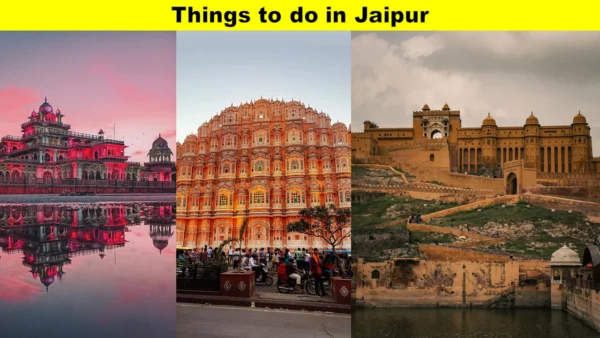
Things to do in Jaipur based on NeemTime research from most popular to just popular.
Amber Palace, Jaipur
Overview: Amber Fort is a magnificent hilltop fortress and palace complex near Jaipur renowned for its Rajput architecture, ornate courtyards, mirror work, and panoramic views of Maota Lake.
History: The fort was commissioned by Raja Man Singh I and expanded by successive rulers of the Kachwaha dynasty, becoming one of Rajasthan’s most important royal residences.
Since when: Construction began in 1592 and the complex remained a principal seat of the Kachwaha rulers until Jaipur became the new capital in the 18th century.
Review: Visitors consistently praise its grand architecture, intricate interiors, and spectacular hilltop setting, though it can become crowded during peak tourist seasons.
When to go: The best time to visit is from October to March when Jaipur enjoys pleasant weather suitable for sightseeing.
How to go: The fort is located about 11 kilometers from central Jaipur and can be reached by taxi, auto-rickshaw, bus, or guided tour.
What to do: Visitors can explore Sheesh Mahal, walk through royal courtyards, admire Rajput art, enjoy light-and-sound shows, and photograph scenic views.
Free or Paid: Entry is paid, with separate charges for certain attractions and activities.
Hawa Mahal, Jaipur
Overview: Hawa Mahal is Jaipur’s iconic five-story pink sandstone palace famous for its honeycomb façade featuring hundreds of intricately designed windows.
History: It was built by Maharaja Sawai Pratap Singh to allow royal women to observe street life and processions while remaining unseen.
Since when: The palace was completed in 1799 and has remained one of Jaipur’s most recognizable landmarks ever since.
Review: Visitors admire its unique architecture, historical significance, and excellent photography opportunities, though interior spaces are relatively modest compared to its exterior.
When to go: The best time to visit is early morning when sunlight beautifully illuminates the façade and crowds are smaller.
How to go: It is centrally located in Jaipur’s old city and easily accessible by taxi, auto-rickshaw, bus, or walking tours.
What to do: Visitors can explore the palace chambers, enjoy city views from upper levels, and learn about Jaipur’s royal history.
Free or Paid: Entry is paid with discounted rates available for some visitor categories.
Nahargarh Fort, Jaipur
Overview: Nahargarh Fort is a historic hilltop fort overlooking Jaipur and offering some of the most spectacular panoramic views of the Pink City.
History: The fort was constructed by Maharaja Sawai Jai Singh II as part of Jaipur’s defensive ring along with Amber Fort and Jaigarh Fort.
Since when: It was built in 1734 and later expanded with residential structures and royal retreat facilities.
Review: Visitors enjoy its scenic viewpoints, sunset vistas, and historic architecture, though reaching the fort involves a winding uphill journey.
When to go: The best time to visit is late afternoon and sunset when temperatures are cooler and views are most dramatic.
How to go: The fort can be reached by taxi, private vehicle, motorcycle, or organized sightseeing tours from Jaipur city center.
What to do: Visitors can explore palace rooms, enjoy photography, visit museums, and watch the sunset over Jaipur.
Free or Paid: Entry is paid and additional charges may apply for certain museum sections.
Albert Hall Museum, Jaipur
Overview: Albert Hall Museum is Rajasthan’s oldest museum, housing extensive collections of paintings, sculptures, textiles, metalwork, and historical artifacts.
History: The museum was designed by Sir Samuel Swinton Jacob during the British colonial era and named after Prince Albert Edward.
Since when: The building was completed in 1887 and has served as a museum for well over a century.
Review: Visitors appreciate its diverse collections, Indo-Saracenic architecture, and educational exhibits, though a full visit may require several hours.
When to go: The best time to visit is during cooler months from October to March and during evening illumination sessions.
How to go: It is located in Ram Niwas Garden and is easily accessible by taxi, auto-rickshaw, bus, or private vehicle.
What to do: Visitors can explore galleries, view ancient artifacts, study regional history, and photograph the illuminated exterior.
Free or Paid: Entry is paid with separate fees for photography in some sections.
Pratap Celebrity Wax Museum, Jaipur
Overview: Pratap Celebrity Wax Museum is an entertainment attraction featuring wax statues of famous personalities from India and around the world.
History: The museum was created to provide visitors with an interactive attraction showcasing celebrities, historical figures, and cultural icons through realistic wax sculptures.
Since when: It opened in the 2010s and quickly became a popular family-friendly attraction in Jaipur.
Review: Visitors enjoy the lifelike figures, interactive photo opportunities, and variety of exhibits, though it is primarily designed for entertainment rather than historical study.
When to go: The best time to visit is throughout the year, particularly during weekday afternoons when crowds are lighter.
How to go: It is located near Nahargarh Fort and can be reached by taxi, private vehicle, or sightseeing tour services.
What to do: Visitors can take photographs with wax figures, explore themed galleries, and enjoy interactive exhibits.
Free or Paid: Entry is paid with ticket prices varying by visitor category.
The City Palace, Jaipur
Overview: City Palace Jaipur is a magnificent royal palace complex in the heart of Jaipur combining Rajput, Mughal, and European architectural styles with courtyards, museums, and royal residences.
History: The palace was commissioned by Maharaja Sawai Jai Singh II when he founded Jaipur and served as the administrative and ceremonial center of the Kachwaha dynasty.
Since when: Construction began in 1727 and continued over subsequent centuries with additions by successive rulers.
Review: Visitors praise its grand architecture, well-preserved royal artifacts, and cultural significance, though premium-access sections can be relatively expensive.
When to go: The best time to visit is from October to March when Jaipur experiences pleasant weather for outdoor exploration.
How to go: It is centrally located in Jaipur and easily accessible by taxi, auto-rickshaw, bus, or guided heritage tours.
What to do: Visitors can explore royal courtyards, museums, galleries, historic gates, and collections of royal costumes and weapons.
Free or Paid: Entry is paid, with additional charges for special-access palace sections and guided tours.
Raj Mandir Cinema, Jaipur
Overview: Raj Mandir Cinema is Jaipur’s most famous movie theater, celebrated for its grand interior design, elegant architecture, and iconic status in Indian cinema culture.
History: The cinema was built to provide a luxurious movie-going experience and quickly became one of India’s most recognized theaters.
Since when: It has been operating since 1976 and remains a major entertainment landmark in Jaipur.
Review: Visitors appreciate its unique ambience, impressive auditorium design, and nostalgic charm, though popular movie screenings can sell out quickly.
When to go: The best time to visit is during evening shows when the theater atmosphere is most vibrant.
How to go: It is conveniently located in central Jaipur and can be reached by taxi, auto-rickshaw, bus, or private vehicle.
What to do: Visitors can watch Bollywood films, admire the theater’s architecture, and experience a classic Indian cinema atmosphere.
Free or Paid: Entry is paid through movie ticket purchases.
Jantar Mantar, Jaipur
Overview: Jantar Mantar Jaipur is a UNESCO World Heritage astronomical observatory featuring giant stone instruments designed for precise celestial observations.
History: It was built by Maharaja Sawai Jai Singh II, who was deeply interested in astronomy and scientific measurement.
Since when: The observatory was completed in 1734 and remains one of the best-preserved historic astronomical sites in the world.
Review: Visitors admire its scientific ingenuity, historical importance, and unique architectural forms, though understanding the instruments is enhanced by a guide.
When to go: The best time to visit is during the morning when sunlight allows clear observation of the instruments and shadows.
How to go: It is located near City Palace in central Jaipur and is easily accessible by taxi, auto-rickshaw, bus, or walking tours.
What to do: Visitors can study astronomical instruments, learn about ancient science, and explore UNESCO-listed heritage structures.
Free or Paid: Entry is paid, with separate fees for foreign visitors and camera usage in some cases.
Jal Mahal, Jaipur
Overview: Jal Mahal is a stunning water palace situated in the middle of Man Sagar Lake, creating one of Jaipur’s most photographed and picturesque landmarks.
History: The palace was constructed as a royal retreat and hunting lodge for the rulers of Jaipur amid the scenic lake environment.
Since when: The structure dates primarily to the 18th century and has undergone restoration efforts to preserve its beauty.
Review: Visitors love its tranquil setting and scenic views, though access inside the palace is generally restricted to the public.
When to go: The best time to visit is during sunrise or sunset when the palace reflects beautifully on the lake waters.
How to go: It is located along the road between Jaipur city and Amber Fort and can be reached by taxi, auto-rickshaw, or sightseeing bus.
What to do: Visitors can admire the palace from viewing points, photograph the lake scenery, and enjoy nearby local markets and cafés.
Free or Paid: Viewing the palace from the lakeside is free.
Jaigarh Fort, Jaipur
Overview: Jaigarh Fort is a massive hilltop fortress overlooking Amber Fort, renowned for its military architecture and the famous Jaivana Cannon.
History: The fort was built to protect Amber Fort and safeguard the royal treasury of the Kachwaha rulers.
Since when: Construction was completed in 1726 during the reign of Maharaja Sawai Jai Singh II.
Review: Visitors appreciate its impressive fortifications, panoramic views, and historical exhibits, though exploring the large complex requires considerable walking.
When to go: The best time to visit is from October to March, particularly during mornings when temperatures are comfortable.
How to go: It is accessible by taxi, private vehicle, or guided tour from Jaipur and is often combined with visits to Amber Fort and Nahargarh Fort.
What to do: Visitors can explore defensive structures, view the Jaivana Cannon, tour museums, and enjoy sweeping views of the Aravalli Hills.
Free or Paid: Entry is paid with separate charges for certain photography and museum facilities.
Pink Square Mall, Jaipur
Overview: Pink Square Mall is a modern shopping and entertainment destination in Jaipur featuring retail stores, restaurants, cafés, multiplex cinemas, and family-friendly leisure facilities.
History: The mall was developed as part of Jaipur’s expanding commercial sector to provide contemporary shopping and entertainment experiences for residents and tourists.
Since when: It has been operating since the early 2010s and has become a popular urban leisure destination.
Review: Visitors appreciate its variety of brands, dining choices, and entertainment options, though it can become crowded during weekends and holidays.
When to go: The best time to visit is on weekday afternoons when shopping areas are less crowded and more comfortable to explore.
How to go: It is easily accessible by taxi, auto-rickshaw, bus, or private vehicle from most parts of Jaipur.
What to do: Visitors can shop, dine, watch movies, enjoy gaming zones, and spend time with family and friends.
Free or Paid: Entry is free, while shopping, dining, and entertainment activities are paid.
Jai Niwas Garden, Jaipur
Overview: Jai Niwas Garden is a historic landscaped garden within the City Palace complex known for its elegant design, fountains, greenery, and royal ambience.
History: The garden was developed by the Jaipur royal family as part of the City Palace grounds to provide a peaceful recreational and ceremonial space.
Since when: It has existed since the 18th century alongside the development of the City Palace complex.
Review: Visitors enjoy its tranquil atmosphere, manicured landscapes, and heritage surroundings, though access may depend on palace admission policies.
When to go: The best time to visit is during the cooler months from October to March when outdoor exploration is most pleasant.
How to go: It can be reached through the City Palace complex in central Jaipur by taxi, auto-rickshaw, or guided city tours.
What to do: Visitors can stroll through landscaped pathways, admire royal architecture, relax in green surroundings, and take photographs.
Free or Paid: Access is generally included with paid City Palace admission.
Central Park, Jaipur
Overview: Central Park Jaipur is the largest public park in Jaipur, featuring extensive walking tracks, gardens, fountains, and one of India’s tallest national flags.
History: The park was developed by the Jaipur Development Authority to create a major green recreational space within the city.
Since when: It has served the public since the early 21st century and remains one of Jaipur’s most visited parks.
Review: Visitors appreciate its clean environment, jogging paths, birdlife, and peaceful atmosphere, though it can be busy during mornings and evenings.
When to go: The best time to visit is early morning or around sunset when temperatures are cooler and the park is most scenic.
How to go: It is centrally located and easily accessible by taxi, auto-rickshaw, bus, or private vehicle.
What to do: Visitors can walk, jog, relax in gardens, watch birds, and enjoy outdoor recreation.
Free or Paid: Entry is free.
PUNO Jaipur – Trampoline Park | Adventure Park | Gaming Zone | Bowling in Jaipur | VR Games, Jaipur
Overview: PUNO Jaipur is a large indoor entertainment center offering trampolines, bowling, adventure activities, VR experiences, arcade games, and family attractions.
History: The facility was established to introduce international-style indoor adventure and gaming experiences to Jaipur’s entertainment sector.
Since when: It has been operating since the 2020s and has quickly become a popular destination for families and groups.
Review: Visitors praise its variety of activities, modern facilities, and energetic atmosphere, though weekends can be crowded and require advance booking.
When to go: The best time to visit is on weekdays when queues are shorter and attractions are easier to access.
How to go: It is accessible by taxi, auto-rickshaw, or private vehicle from different parts of Jaipur.
What to do: Visitors can enjoy trampolining, bowling, VR games, arcade activities, obstacle courses, and family entertainment.
Free or Paid: Entry and activities are paid through tickets and activity packages.
Shri Khole Ke Hanuman Ji Temple, Jaipur
Overview: Khole Ke Hanuman Ji Temple is a renowned Hindu temple nestled among the Aravalli Hills in Jaipur and dedicated to Lord Hanuman.
History: The temple gained prominence after the discovery and restoration of the sacred Hanuman idol and subsequently became an important pilgrimage destination.
Since when: The modern temple complex has attracted devotees since the mid-20th century and continues to expand its facilities.
Review: Visitors appreciate its spiritual atmosphere, scenic hill surroundings, and well-maintained premises, though religious festivals can bring very large crowds.
When to go: The best time to visit is early morning, evening aarti hours, or Tuesdays and Saturdays, which are especially significant for Hanuman devotees.
How to go: It can be reached by taxi, auto-rickshaw, private vehicle, or local transport from central Jaipur.
What to do: Visitors can offer prayers, attend religious ceremonies, enjoy hill views, and experience the temple’s peaceful environment.
Free or Paid: Entry is free, though voluntary donations are welcomed.
THIKANA MANDIR SRI GOVINDDEVJI, Jaipur
Overview: Govind Dev Ji Temple is one of Jaipur’s most revered Hindu temples, dedicated to Lord Krishna and attracting thousands of devotees daily for worship and darshan.
History: The sacred idol of Govind Dev Ji was originally associated with Vrindavan and was brought to Jaipur under the patronage of Maharaja Sawai Jai Singh II to protect it during a turbulent period.
Since when: The temple has been an important religious center since the early 18th century following the establishment of Jaipur.
Review: Visitors highly appreciate its spiritual atmosphere, devotional music, and grand aarti ceremonies, though the temple can become extremely crowded during major festivals.
When to go: The best time to visit is during the morning or evening darshan sessions when devotional activities are at their peak.
How to go: The temple is located within the City Palace complex area and can be reached by taxi, auto-rickshaw, bus, or walking from central Jaipur.
What to do: Visitors can attend aarti ceremonies, offer prayers, participate in devotional singing, and experience traditional Krishna worship.
Free or Paid: Entry is free, though voluntary donations are accepted.
Masala Chowk, Jaipur
Overview: Masala Chowk is a popular open-air food court offering a wide variety of authentic Jaipur and Rajasthani street food from numerous local vendors.
History: The venue was established by tourism authorities to provide visitors with a single location where they could safely sample Jaipur’s diverse culinary traditions.
Since when: It has been operating since the late 2010s and has become a favorite destination for food enthusiasts.
Review: Visitors praise the extensive food selection and lively atmosphere, though seating can become limited during evenings and weekends.
When to go: The best time to visit is during the evening when most food stalls are fully operational and the atmosphere is vibrant.
How to go: It is located near Ram Niwas Garden and can be reached by taxi, auto-rickshaw, bus, or private vehicle.
What to do: Visitors can sample local snacks, enjoy regional specialties, and experience Jaipur’s street-food culture in one place.
Free or Paid: Entry generally requires a small admission fee, while food purchases are paid separately.
JAWAHAR KALA KENDRA, Jaipur
Overview: Jawahar Kala Kendra is a major arts and cultural center dedicated to promoting visual arts, theater, music, literature, and cultural heritage.
History: The institution was designed by renowned architect Charles Correa and established to preserve and promote Rajasthan’s artistic traditions.
Since when: It has been functioning since 1993 as one of Rajasthan’s leading cultural institutions.
Review: Visitors appreciate its architecture, exhibitions, and cultural programs, though event availability varies throughout the year.
When to go: The best time to visit is during cultural festivals, exhibitions, or performance seasons when activities are most diverse.
How to go: It is located in central Jaipur and is easily accessible by taxi, auto-rickshaw, bus, or private vehicle.
What to do: Visitors can attend exhibitions, watch theatrical performances, explore galleries, and participate in cultural workshops.
Free or Paid: Entry to the complex is often free, though specific exhibitions and performances may require tickets.
Ajmeri Gate, Jaipur
Overview: Ajmeri Gate is one of the historic gateways of Jaipur’s walled city, known for its distinctive architecture and role in the city’s urban design.
History: The gate was constructed as part of Jaipur’s fortified city plan under Maharaja Sawai Jai Singh II and served as the entrance toward Ajmer.
Since when: It has existed since the 18th century as an integral component of Jaipur’s original city fortifications.
Review: Visitors admire its heritage value and architectural beauty, though it is primarily viewed as part of a broader old-city exploration.
When to go: The best time to visit is during the morning or evening while touring Jaipur’s historic walled city.
How to go: It is centrally located and can be reached easily by taxi, auto-rickshaw, bus, or walking tours.
What to do: Visitors can photograph the gateway, explore nearby markets, and learn about Jaipur’s urban history.
Free or Paid: Entry and viewing are free.
Ranthambore National Park, Jaipur
Overview: Ranthambore National Park is a world-famous wildlife reserve known for Bengal tiger sightings, rich biodiversity, and historic ruins within a dramatic forest landscape.
History: The area served as a royal hunting ground before being protected as a wildlife sanctuary and later becoming one of India’s most celebrated tiger reserves.
Since when: It became a wildlife sanctuary in 1955 and was included in Project Tiger in 1973 before being declared a national park in 1980.
Review: Visitors highly value the opportunity to observe tigers in the wild and enjoy the park’s natural beauty, though wildlife sightings can never be guaranteed.
When to go: The best time to visit is from October to June, with summer months often offering higher chances of tiger sightings near water sources.
How to go: The park is located in Sawai Madhopur, approximately 180 kilometers from Jaipur, and can be reached by train, road, taxi, or organized safari tours.
What to do: Visitors can join jeep or canter safaris, observe wildlife, photograph landscapes, and explore the historic Ranthambore Fort.
Free or Paid: Entry is paid and safari permits require advance booking.
New Hawai-Jahaj Waterpark, Jaipur
Overview: New Hawai Jahaj Water Park is a family-friendly water park in Jaipur offering slides, pools, rides, and recreational water attractions for visitors of all ages.
History: It was developed as part of Jaipur’s leisure and tourism entertainment expansion to provide affordable recreational water-based activities for families.
Since when: The water park has been operating since the 2010s and has grown as a local summer attraction.
Review: Visitors enjoy its fun slides, cooling pools, and family atmosphere, though maintenance and crowd levels can vary during peak summer days.
When to go: The best time to visit is during summer months when water attractions are most enjoyable and weekday mornings for fewer crowds.
How to go: It is accessible by taxi, auto-rickshaw, or private vehicle from various parts of Jaipur.
What to do: Visitors can enjoy water slides, swimming pools, wave pools, and family recreational activities.
Free or Paid: Entry is paid with ticket-based access.
Sanganeri Gate, Jaipur
Overview: Sanganeri Gate is a historic gateway in Jaipur’s old city wall system marking the route toward Sanganer and featuring traditional Rajasthani architectural design.
History: The gate was built as part of Jaipur’s original walled city defense and transportation network under the rule of Maharaja Sawai Jai Singh II.
Since when: It has existed since the 18th century as one of the key access points of Jaipur’s fortified city layout.
Review: Visitors appreciate its heritage charm and historical significance, though it is mainly viewed as part of old city exploration rather than a standalone attraction.
When to go: The best time to visit is early morning or evening during a heritage walk through Jaipur’s old city streets.
How to go: It is centrally located in Jaipur and easily accessible by taxi, auto-rickshaw, or walking from nearby areas.
What to do: Visitors can admire the architecture, take photographs, and explore nearby bazaars and heritage streets.
Free or Paid: Entry and viewing are free.
Amar Jawan Jyoti, Jaipur
Overview: Amar Jawan Jyoti Jaipur is a war memorial in Jaipur dedicated to the soldiers of Rajasthan who sacrificed their lives in service to the nation.
History: The memorial was built to honor martyrs and reflects India’s tradition of remembering fallen soldiers through eternal flame monuments.
Since when: It has existed since the late 20th century as part of Jaipur’s civic and national remembrance spaces.
Review: Visitors find it solemn, respectful, and symbolic, though it is primarily a contemplative rather than recreational site.
When to go: The best time to visit is during evening hours when the eternal flame and lighting create a peaceful atmosphere.
How to go: It is located near Vidhan Sabha in Jaipur and is easily accessible by taxi, bus, or private vehicle.
What to do: Visitors can pay respects, observe the memorial structure, and reflect on historical sacrifices.
Free or Paid: Entry is free.
Jaipur Zoo, Jaipur
Overview: Jaipur Zoo is a wildlife park located in Ram Niwas Garden featuring various animal species, reptiles, and bird enclosures for educational and recreational visits.
History: It was established during the British colonial period to support wildlife education and public awareness in Jaipur.
Since when: The zoo has existed since 1877 and is one of the oldest zoological parks in India.
Review: Visitors appreciate its historic value and variety of animals, though some enclosures may appear outdated compared to modern zoos.
When to go: The best time to visit is during winter months from October to March when animals are more active and weather is pleasant.
How to go: It is located in central Jaipur within Ram Niwas Garden and is easily reachable by taxi, auto-rickshaw, or bus.
What to do: Visitors can view wildlife species, learn about conservation, and explore nearby museum attractions.
Free or Paid: Entry is paid with separate fees for photography.
Celebration by House of Play (HOP), Jaipur
Overview: House of Play Jaipur is an indoor entertainment and trampoline park in Jaipur offering gaming zones, adventure activities, and kids’ party facilities.
History: It was established as part of Jaipur’s growing indoor entertainment industry focused on family recreation and youth activities.
Since when: It has been operating since the 2020s as a modern leisure and birthday party destination.
Review: Visitors enjoy its fun trampoline areas, gaming options, and child-friendly environment, though peak hours can be busy with party bookings.
When to go: The best time to visit is on weekdays or early hours of weekends to avoid crowding.
How to go: It is accessible by taxi, auto-rickshaw, or private transport across Jaipur city.
What to do: Visitors can enjoy trampoline jumping, arcade games, kids’ play zones, and birthday party events.
Free or Paid: Entry and activities are paid based on packages and time slots.
Trident, Jaipur, Jaipur
Overview: Trident Jaipur is a luxury lakeside hotel in Jaipur offering heritage-style architecture, landscaped gardens, and views of Mansagar Lake and Aravalli Hills.
History: The hotel was developed by the Oberoi Group as part of Jaipur’s premium hospitality expansion to blend royal Rajasthani aesthetics with modern luxury services.
Since when: It has been operating since the early 1990s as one of Jaipur’s leading high-end hospitality destinations.
Review: Guests appreciate its serene lake views, excellent service, and peaceful ambiance, though it is relatively expensive compared to other city hotels.
When to go: The best time to stay is from October to March when Jaipur’s weather is pleasant and outdoor views are most enjoyable.
How to go: It is located near Amber Road and is easily reachable by taxi, private car, or hotel-arranged transfers from Jaipur city center.
What to do: Guests can enjoy luxury stays, pool relaxation, lake views, fine dining, and easy access to nearby attractions like Jal Mahal.
Free or Paid: Accommodation and services are paid as a luxury hotel experience.
Zoreko – Original Gamers, Jaipur
Overview: Zoreko Jaipur is a modern gaming and entertainment center in Jaipur offering console gaming, VR experiences, and multiplayer esports activities for youth and gamers.
History: It was created as part of Jaipur’s rising esports and indoor entertainment culture catering to gaming enthusiasts.
Since when: The center has been operating since the 2020s with a focus on modern digital entertainment.
Review: Visitors enjoy its high-quality gaming setups, competitive atmosphere, and VR experiences, though peak hours may require waiting time.
When to go: The best time to visit is weekday afternoons when gaming stations are more available and less crowded.
How to go: It is accessible by taxi, auto-rickshaw, or private vehicle within Jaipur city limits.
What to do: Visitors can play console games, enjoy VR zones, participate in esports matches, and socialize with other gamers.
Free or Paid: Entry and gameplay are paid based on hourly or package rates.
Hawa Mahal – The Palace of Breeze, Jaipur
Overview: Hawa Mahal is an iconic five-story pink sandstone palace in Jaipur known for its unique honeycomb façade and hundreds of small windows designed for royal observation.
History: It was built by Maharaja Sawai Pratap Singh to allow royal women to observe street festivals and daily life without being seen.
Since when: The palace was completed in 1799 and has remained a defining symbol of Jaipur’s architectural identity.
Review: Visitors admire its intricate façade, historical importance, and excellent photography opportunities, though interior space is relatively limited.
When to go: The best time to visit is early morning when sunlight enhances the pink sandstone glow and crowds are smaller.
How to go: It is centrally located in Jaipur’s old city and easily accessible by taxi, auto-rickshaw, bus, or walking tours.
What to do: Visitors can explore upper floors, enjoy street views, and photograph one of Jaipur’s most famous landmarks.
Free or Paid: Entry is paid with separate fees for photography.
Rambagh Palace, Jaipur, Jaipur
Overview: Rambagh Palace is a historic luxury palace hotel in Jaipur known as the former royal residence of the Maharaja of Jaipur and now operated as a world-class heritage hotel.
History: Originally built as a royal guesthouse and later converted into the principal residence of Jaipur’s royal family before becoming a luxury hotel.
Since when: It has functioned as a hotel since 1957 under the Taj Group, preserving its royal heritage and architecture.
Review: Guests praise its royal ambiance, exceptional service, and lush gardens, though it is among the most expensive stays in Jaipur.
When to go: The best time to visit is during winter months from October to March for pleasant weather and outdoor experiences.
How to go: It is centrally located in Jaipur and easily reachable by taxi, private car, or hotel-arranged transfers.
What to do: Guests can enjoy luxury accommodation, royal dining, spa services, guided palace tours, and cultural experiences.
Free or Paid: Stay and services are paid as a premium luxury experience.
Blackout Club in Jaipur, Jaipur
Overview: Blackout Jaipur is a popular nightlife venue in Jaipur offering DJ music, dance floors, cocktails, and a vibrant party atmosphere.
History: It was established as part of Jaipur’s growing nightlife and entertainment scene catering to young adults and tourists.
Since when: The club has been operating since the late 2010s and quickly became a well-known party destination.
Review: Visitors enjoy its energetic music, modern interiors, and lively crowd, though entry rules and cover charges may apply on peak nights.
When to go: The best time to visit is Friday and Saturday nights when events and DJ performances are at their peak.
How to go: It is accessible by taxi, cab services, or private vehicle from different parts of Jaipur.
What to do: Visitors can dance, enjoy live DJ sets, socialize, and experience Jaipur’s nightlife culture.
Free or Paid: Entry is usually paid, and drinks are separately charged.