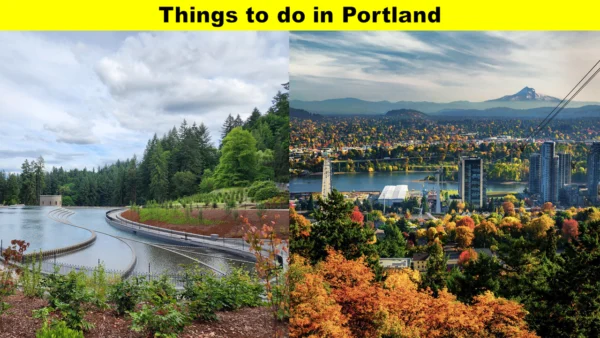
Things to do in Portland based on NeemTime research from most popular to just popular.
Powell’s City of Books, Portland
Overview: Powell’s City of Books is the world’s largest independent bookstore occupying an entire city block and offering new, used, and rare books across multiple color-coded rooms.
History: It was founded as a family bookstore and gradually expanded into a massive multi-level literary landmark in downtown Portland.
Since When: Established in 1971.
Review: Visitors praise its vast selection, cozy reading corners, and unique maze-like layout that makes browsing feel like an adventure.
When to Go: Weekday mornings or early afternoons to avoid weekend crowds.
How to Go: Located in downtown Portland, accessible by MAX Light Rail, bus, or walking.
What to Do: Browse rare books, attend author events, and explore themed rooms.
Free or Paid: Free entry; purchases are paid.
Oregon Zoo, Portland
Overview: Oregon Zoo is a large conservation-focused zoo featuring animals from around the world, including elephants, bears, and native Pacific Northwest species.
History: It began as a small animal collection and evolved into a modern zoo focused on wildlife conservation and education.
Since When: Established in 1888.
Review: Visitors appreciate its clean facilities, engaging exhibits, and strong conservation programs.
When to Go: Spring and summer for active animals and outdoor exhibits.
How to Go: Located in Washington Park, accessible via MAX Light Rail and shuttle services.
What to Do: View animal exhibits, attend educational talks, and explore themed habitats.
Free or Paid: Paid entry.
Voodoo Doughnut, Portland
Overview: Voodoo Doughnut is a quirky Portland bakery famous for its colorful, unconventional doughnuts and playful pop-culture-inspired designs.
History: It started as a small downtown shop and quickly became a symbol of Portland’s eccentric food culture.
Since When: Opened in 2003.
Review: Visitors love its creative flavors, fun atmosphere, and iconic pink box packaging.
When to Go: Early morning or late night for shorter lines.
How to Go: Located in downtown Portland and other city spots, accessible by walking or public transit.
What to Do: Try unique doughnuts, take photos, and enjoy the quirky vibe.
Free or Paid: Paid food purchase.
Washington Park, Portland
Overview: Washington Park is a large urban park in Portland offering gardens, museums, trails, and family attractions including the zoo and Japanese Garden.
History: It was developed as one of Portland’s earliest public parks to preserve green space and cultural attractions.
Since When: Established in 1909.
Review: Visitors appreciate its natural beauty, variety of attractions, and peaceful forested trails.
When to Go: Spring for blooming gardens and summer for outdoor activities.
How to Go: Accessible via MAX Light Rail directly into Washington Park stations and shuttle services.
What to Do: Visit gardens, hike trails, explore museums, and relax outdoors.
Free or Paid: Free park entry; some attractions are paid.
Columbia River Gorge National Scenic Area, Portland
Overview: Columbia River Gorge National Scenic Area is a breathtaking natural region near Portland known for waterfalls, cliffs, hiking trails, and dramatic river views.
History: It was designated to protect the unique geological and ecological landscape carved by the Columbia River.
Since When: Established in 1986 as a protected scenic area.
Review: Visitors describe it as stunning, adventurous, and one of the most beautiful natural destinations in the Pacific Northwest.
When to Go: Spring for waterfalls and autumn for colorful foliage.
How to Go: Accessible by car via the Historic Columbia River Highway or guided tours from Portland.
What to Do: Hike trails, visit waterfalls like Multnomah Falls, and enjoy scenic viewpoints.
Free or Paid: Free entry to scenic area; some parking or tours may be paid.
Moda Center, Portland
Overview: Moda Center is Portland’s major indoor arena hosting NBA games, concerts, and large entertainment events in the Rose Quarter district.
History: It was built to replace the aging Memorial Coliseum and became the home arena of Portland’s professional basketball team.
Since When: Opened in 1995.
Review: Visitors highlight its energetic game-day atmosphere, modern seating, and strong concert acoustics.
When to Go: Evenings for games and concerts, especially during basketball season.
How to Go: Located in the Rose Quarter, accessible by MAX Light Rail, bus, or walking from downtown Portland.
What to Do: Watch basketball games, attend concerts, and enjoy live entertainment events.
Free or Paid: Paid entry for events.
Oregon Museum of Science and Industry (OMSI), Portland
Overview: Oregon Museum of Science and Industry (OMSI) is a hands-on science museum offering interactive exhibits, a planetarium, and educational programs for all ages.
History: It was established to promote science education and later expanded into one of the leading science museums in the United States.
Since When: Founded in 1944.
Review: Visitors praise its interactive exhibits, submarine tours, and engaging family-friendly learning experiences.
When to Go: Weekdays or mornings to avoid school groups and crowds.
How to Go: Located along the Willamette River, accessible by bus, bike, or walking from central Portland.
What to Do: Explore exhibits, visit the submarine USS Blueback, and attend planetarium shows.
Free or Paid: Paid entry.
International Rose Test Garden, Portland
Overview: International Rose Test Garden is a famous rose garden in Washington Park featuring thousands of rose varieties with panoramic views of downtown Portland.
History: It was created as a testing ground for new rose varieties and became a symbol of Portland’s nickname “City of Roses.”
Since When: Established in 1917.
Review: Visitors love its fragrant blooms, scenic views, and peaceful walking paths.
When to Go: Late spring through early summer for peak rose bloom.
How to Go: Located in Washington Park, accessible via MAX Light Rail and park shuttle.
What to Do: Walk among rose beds, take photos, and enjoy city views.
Free or Paid: Free entry.
Pioneer Courthouse Square, Portland
Overview: Pioneer Courthouse Square is Portland’s central public plaza known as the city’s “living room,” hosting events, concerts, and public gatherings.
History: It was built on the site of a former parking garage as part of urban redevelopment efforts.
Since When: Opened in 1984.
Review: Visitors appreciate its lively atmosphere, central location, and frequent cultural events.
When to Go: Year-round, especially during festivals and public events.
How to Go: Located in downtown Portland, accessible by MAX Light Rail and bus.
What to Do: Attend events, relax, and explore nearby shops and cafés.
Free or Paid: Free entry.
Escape Games PDX, Portland
Overview: Escape Games PDX is an immersive escape room attraction offering themed puzzle adventures designed for teamwork and problem-solving.
History: It was created as part of the global rise in interactive entertainment experiences and escape room culture.
Since When: Opened in the mid-2010s.
Review: Visitors enjoy its creative storylines, challenging puzzles, and immersive set designs.
When to Go: Evenings or weekends for group entertainment.
How to Go: Located in Portland city area, accessible by car, rideshare, or public transport.
What to Do: Solve puzzles, unlock clues, and complete themed escape missions.
Free or Paid: Paid entry.
Pittock Mansion, Portland
Overview: Pittock Mansion is a historic hilltop estate overlooking Portland that showcases early 20th-century architecture, period furnishings, and panoramic city views.
History: It was built as the residence of newspaper publisher Henry Pittock and his wife Georgiana, reflecting Portland’s early economic growth and elite lifestyle.
Since When: Completed in 1914.
Review: Visitors praise its preserved interiors, scenic views of Mount Hood, and rich historical storytelling.
When to Go: Clear days in spring or summer for best mountain and city visibility.
How to Go: Located in West Hills, accessible by car, bus, or hiking trails from Washington Park.
What to Do: Tour historic rooms, explore gardens, and enjoy panoramic viewpoints.
Free or Paid: Paid entry.
Portland Japanese Garden, Portland
Overview: Portland Japanese Garden is a serene cultural garden designed in authentic Japanese style featuring koi ponds, tea houses, and landscaped walking paths.
History: It was created to promote cultural exchange between Japan and the United States after World War II.
Since When: Opened in 1967.
Review: Visitors describe it as peaceful, beautifully maintained, and one of the most authentic Japanese gardens outside Japan.
When to Go: Spring for cherry blossoms and autumn for colorful foliage.
How to Go: Located in Washington Park, accessible via MAX Light Rail and park shuttle.
What to Do: Walk scenic paths, visit tea house, and enjoy seasonal landscapes.
Free or Paid: Paid entry.
Oaks Amusement Park, Portland
Overview: Oaks Amusement Park is one of the oldest amusement parks in the United States offering rides, roller skating, games, and family entertainment along the Willamette River.
History: It was developed as a traditional riverside amusement destination for local families and has operated for over a century.
Since When: Established in 1905.
Review: Visitors enjoy its nostalgic charm, affordable rides, and relaxed family-friendly atmosphere.
When to Go: Summer months when all rides and attractions are fully open.
How to Go: Located in southeast Portland, accessible by car, bus, or seasonal streetcar.
What to Do: Ride attractions, skate, play games, and enjoy riverside picnics.
Free or Paid: Paid entry and ride tickets.
Mt. Tabor Park, Portland
Overview: Mt. Tabor Park is a volcanic cinder cone park in Portland offering forest trails, reservoirs, and panoramic views of the city skyline.
History: It was developed around ancient volcanic formations and later converted into a public park and water reservoir site.
Since When: Established as a park in 1909.
Review: Visitors love its hiking trails, peaceful atmosphere, and excellent sunset viewpoints.
When to Go: Spring and summer for hiking or clear evenings for sunsets.
How to Go: Located in southeast Portland, accessible by bus, bike, or car.
What to Do: Hike trails, picnic, and enjoy city viewpoints.
Free or Paid: Free entry.
Tom McCall Waterfront Park, Portland
Overview: Tom McCall Waterfront Park is a scenic urban park along the Willamette River featuring walking paths, fountains, and event spaces in downtown Portland.
History: It was created after removing a highway to reconnect the city with its waterfront.
Since When: Established in 1978.
Review: Visitors appreciate its open spaces, river views, and frequent festivals and markets.
When to Go: Spring and summer for festivals and outdoor activities.
How to Go: Located in downtown Portland, accessible by walking, MAX Light Rail, or bus.
What to Do: Walk, cycle, attend festivals, and relax by the river.
Free or Paid: Free entry.
Ground Kontrol Classic Arcade and Bar, Portland
Overview: Ground Kontrol Classic Arcade and Bar is a retro gaming arcade in downtown Portland featuring vintage arcade machines, pinball games, and a full bar atmosphere.
History: It was created to preserve classic arcade gaming culture while combining it with modern nightlife entertainment.
Since When: Opened in 2003.
Review: Visitors love its nostalgic games, energetic vibe, and well-maintained retro machines.
When to Go: Evenings and weekends for the full arcade-and-bar experience.
How to Go: Located in downtown Portland, easily accessible by MAX Light Rail and walking.
What to Do: Play arcade games, enjoy pinball, and relax with drinks.
Free or Paid: Paid gameplay and purchases.
Portland Art Museum, Portland
Overview: Portland Art Museum is a major cultural institution showcasing Native American art, contemporary works, and international exhibitions.
History: It was founded to bring fine arts and cultural education to the Pacific Northwest region.
Since When: Established in 1892.
Review: Visitors appreciate its diverse collections, rotating exhibitions, and quiet gallery spaces.
When to Go: Weekdays or mornings for a calmer experience.
How to Go: Located in downtown Portland, accessible by MAX Light Rail and bus.
What to Do: Explore art galleries, attend exhibitions, and join guided tours.
Free or Paid: Paid entry (some free days available).
Providence Park, Portland
Overview: Providence Park is a multi-purpose stadium in Portland primarily hosting soccer matches, including Major League Soccer games, and major events.
History: It has served as a central sports venue in Portland for over a century and has undergone multiple modern renovations.
Since When: Opened in 1926.
Review: Fans praise its intense atmosphere, close-to-field seating, and passionate supporters.
When to Go: Match days, especially during soccer season.
How to Go: Located in downtown Portland, accessible by MAX Light Rail and walking.
What to Do: Watch soccer games and attend live sporting events.
Free or Paid: Paid entry for events.
Pioneer Place, Portland
Overview: Pioneer Place is an upscale shopping mall in downtown Portland featuring luxury brands, restaurants, and retail stores.
History: It was developed as part of downtown revitalization to bring modern retail shopping to the city center.
Since When: Opened in 1990.
Review: Visitors enjoy its central location, variety of shops, and clean indoor environment.
When to Go: Weekdays or evenings to avoid peak shopping crowds.
How to Go: Located in downtown Portland, accessible by MAX Light Rail and bus.
What to Do: Shop, dine, and explore nearby city attractions.
Free or Paid: Free entry; shopping is paid.
Arlene Schnitzer Concert Hall, Portland
Overview: Arlene Schnitzer Concert Hall is a historic performing arts venue in Portland known for its elegant interior and hosting symphony, concerts, and cultural performances.
History: It was originally built as a movie palace before being converted into a premier concert hall.
Since When: Opened in 1928.
Review: Visitors admire its stunning architecture, excellent acoustics, and cultural performances.
When to Go: Evenings during scheduled performances.
How to Go: Located in downtown Portland’s cultural district, accessible by MAX Light Rail.
What to Do: Attend concerts, symphony performances, and cultural events.
Free or Paid: Paid entry for events.
Portland Saturday Market, Portland
Overview: Portland Saturday Market is a large open-air arts and crafts market in downtown Portland featuring handmade goods, food stalls, and live performances.
History: It was created to support local artisans and strengthen Portland’s creative community through a dedicated public marketplace.
Since When: Established in 1974.
Review: Visitors enjoy its lively atmosphere, unique handmade products, and diverse street food options.
When to Go: Weekends from spring through fall when the market is fully active.
How to Go: Located under the Burnside Bridge, accessible by MAX Light Rail and walking.
What to Do: Shop for crafts, enjoy live music, and try local food.
Free or Paid: Free entry; purchases are paid.
Hopscotch Portland, Portland
Overview: Hopscotch Portland is an immersive digital art experience featuring large-scale interactive installations and light-based artworks.
History: It was developed as a modern experiential art venue blending technology, creativity, and interactive storytelling.
Since When: Opened in the early 2020s.
Review: Visitors praise its immersive visuals, creative installations, and highly Instagrammable environments.
When to Go: Evenings for enhanced lighting effects.
How to Go: Located in central Portland, accessible by public transit and walking.
What to Do: Explore interactive art rooms, take photos, and experience digital installations.
Free or Paid: Paid entry.
The Grotto, Portland
Overview: The Grotto is a peaceful Catholic sanctuary and botanical garden built into a cliffside featuring chapels, gardens, and meditation spaces.
History: It was created as a place of spiritual reflection and pilgrimage for visitors seeking peace and religious devotion.
Since When: Established in 1924.
Review: Visitors describe it as serene, spiritually uplifting, and beautifully maintained.
When to Go: Spring and early summer for blooming gardens or Christmas for special light displays.
How to Go: Located in northeast Portland, accessible by bus or car.
What to Do: Walk gardens, visit chapels, and attend religious services or events.
Free or Paid: Free for gardens; chapel access and events may be paid or donation-based.
Roseland Theater, Portland
Overview: Roseland Theater is a popular live music venue in Portland hosting concerts ranging from rock and electronic to hip-hop performances.
History: It was established as part of Portland’s evolving music scene and became a key stop for touring artists.
Since When: Opened in 1982.
Review: Visitors appreciate its energetic concerts, good sound quality, and central location.
When to Go: Evenings during scheduled concerts.
How to Go: Located in downtown Portland, accessible by MAX Light Rail and walking.
What to Do: Attend live concerts and music events.
Free or Paid: Paid entry for events.
Lan Su Chinese Garden, Portland
Overview: Lan Su Chinese Garden is a classical Chinese garden in downtown Portland featuring traditional architecture, koi ponds, and peaceful walking paths.
History: It was built as a cultural collaboration between Portland and Suzhou, China to reflect authentic Ming Dynasty garden design.
Since When: Opened in 2000.
Review: Visitors praise its tranquility, detailed landscaping, and cultural authenticity.
When to Go: Spring and autumn for pleasant weather and scenic beauty.
How to Go: Located in Old Town Chinatown, accessible by MAX Light Rail and walking.
What to Do: Explore gardens, enjoy tea house, and attend cultural events.
Free or Paid: Paid entry.
Powell Butte Nature Park, Portland
Overview: Powell Butte Nature Park is a large volcanic butte park in southeast Portland offering forested hiking trails, meadows, and panoramic views of Mount Hood and the Cascade Range.
History: It was preserved from agricultural and development use to protect its natural ecosystem and provide public green space within the city.
Since When: Opened as a public park in 1987.
Review: Visitors appreciate its peaceful trails, wildlife sightings, and expansive viewpoints over Portland.
When to Go: Spring and summer for clear views and comfortable hiking conditions.
How to Go: Accessible by bus, bike, or car from southeast Portland neighborhoods.
What to Do: Hike trails, observe wildlife, and enjoy scenic viewpoints.
Free or Paid: Free entry.
Oregon Humane Society Portland Campus, Portland
Overview: Oregon Humane Society Portland Campus is a major animal shelter and adoption center providing rescue, rehabilitation, and rehoming services for animals.
History: It was established to improve animal welfare standards and provide humane care and adoption services in Oregon.
Since When: Founded in 1868.
Review: Visitors and adopters praise its well-organized facility, compassionate staff, and successful adoption programs.
When to Go: During adoption hours or scheduled visit times.
How to Go: Located in northwest Portland, accessible by car or public transit.
What to Do: Visit adoptable animals, attend events, or volunteer.
Free or Paid: Free entry; adoption fees apply.
Forest Park, Portland
Overview: Forest Park is one of the largest urban forests in the United States, offering dense woodland trails, wildlife habitats, and extensive hiking opportunities.
History: It was preserved to protect Portland’s natural forest ecosystem and provide a large recreational green space.
Since When: Established in 1948.
Review: Visitors love its immersive nature experience, long hiking trails, and peaceful forest atmosphere.
When to Go: Spring and summer for dry trails and fall for colorful foliage.
How to Go: Accessible by car or bus from northwest Portland trailheads.
What to Do: Hike the Wildwood Trail, observe wildlife, and explore forest routes.
Free or Paid: Free entry.
Helium Comedy Club, Portland
Overview: Helium Comedy Club is a popular stand-up comedy venue in Portland hosting national touring comedians and local performances in an intimate setting.
History: It was established to bring professional comedy entertainment and live performance culture to Portland’s nightlife scene.
Since When: Opened in 2003.
Review: Visitors enjoy the high-quality acts, energetic atmosphere, and good food and drink service.
When to Go: Evenings, especially weekends when headliners perform.
How to Go: Located in southeast Portland, accessible by car, rideshare, or bus.
What to Do: Watch stand-up comedy shows and enjoy food and drinks.
Free or Paid: Paid entry.
Peninsula Park, Portland
Overview: Peninsula Park is a historic neighborhood park in North Portland featuring a famous rose garden, playgrounds, and sports facilities.
History: It was designed as one of Portland’s earliest public parks with a focus on community recreation and garden beauty.
Since When: Established in 1909.
Review: Visitors appreciate its beautiful rose garden, family-friendly environment, and peaceful atmosphere.
When to Go: Late spring and summer for rose blooms.
How to Go: Located in North Portland, accessible by bus or car.
What to Do: Walk rose gardens, picnic, and enjoy recreational activities.
Free or Paid: Free entry.