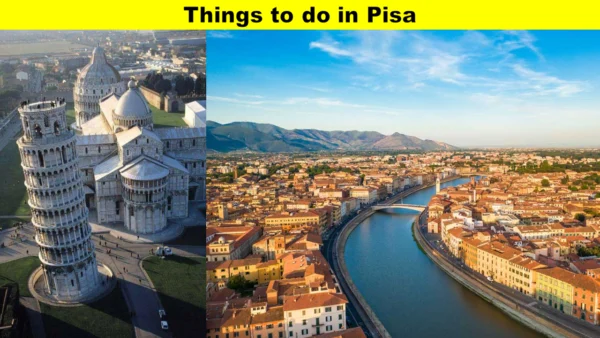
Things to do in Pisa based on NeemTime research from most popular to just popular.
Tower of Pisa, Pisa
Overview: Tower of Pisa is the world-famous leaning bell tower located in Pisa, known for its unintended tilt and architectural beauty within the Piazza dei Miracoli complex.
History: It was constructed over nearly two centuries and began leaning shortly after construction due to unstable foundation soil.
Since When: Construction started in 1173.
Review: Visitors find it iconic, visually stunning, and one of the most photographed landmarks in Italy.
When to Go: Spring and early autumn for pleasant weather and smaller crowds.
How to Go: Located in Pisa city center and accessible by train to Pisa Centrale followed by a short bus or walk.
What to Do: Climb the tower, take photos, and explore surrounding monuments.
Free or Paid: Paid entry for tower access; surrounding area is free.
Piazza del Duomo, Pisa
Overview: Piazza del Duomo is a UNESCO World Heritage square in Pisa housing the city’s most important religious and architectural monuments.
History: It developed as the religious center of Pisa during its medieval maritime republic era.
Since When: Established in the 11th century.
Review: Visitors admire its open green lawns, historic buildings, and architectural harmony.
When to Go: Morning or late afternoon for softer lighting and fewer tourists.
How to Go: Located in Pisa city center, reachable by walking from Pisa Centrale station.
What to Do: Explore monuments, take photos, and visit museums and cathedral complex.
Free or Paid: Free entry to the square; individual monuments may be paid.
Cathedral of Santa Maria del Fiore, Florence (not Pisa)
Overview: The Cathedral of Santa Maria del Fiore is Florence’s iconic Gothic cathedral famous for its massive dome designed by Brunelleschi, and it is NOT located in Pisa.
History: It was built as Florence’s main cathedral to symbolize the city’s wealth and artistic power during the Renaissance.
Since When: Construction began in 1296.
Review: Visitors consider it one of the most magnificent churches in the world for its architecture and dome climb views.
When to Go: Early morning or off-peak seasons to avoid long queues.
How to Go: Located in Florence city center near Piazza del Duomo, accessible by train and walking.
What to Do: Explore the cathedral, climb the dome, and visit the baptistery and museum.
Free or Paid: Cathedral entry is free; dome and museum access are paid.
Cattedrale di Pisa, Pisa
Overview: Cattedrale di Pisa (Pisa Cathedral) is a Romanesque masterpiece located in Piazza dei Miracoli and serves as the city’s main religious building.
History: It was built during Pisa’s medieval golden age as a symbol of its maritime power and religious devotion.
Since When: Construction began in 1063.
Review: Visitors appreciate its marble façade, ornate interior, and historical significance.
When to Go: Morning hours for quieter visits and better photography light.
How to Go: Located in Piazza del Duomo, Pisa, accessible by walking from central Pisa.
What to Do: Visit the interior, admire art and architecture, and explore nearby monuments.
Free or Paid: Free entry to cathedral; some nearby attractions are paid.
Leaning Tower of Pisa, Pisa
Overview: Leaning Tower of Pisa is the freestanding bell tower of Pisa Cathedral, globally famous for its unintended tilt caused by unstable foundation soil.
History: It was designed as a bell tower for the cathedral complex and began leaning during construction due to soft ground conditions.
Since When: Construction started in 1173.
Review: Visitors find it one of the most iconic and fascinating architectural landmarks in the world.
When to Go: Early morning or late afternoon to avoid peak crowds.
How to Go: Located in Piazza dei Miracoli, Pisa, reachable by train and short walk or bus.
What to Do: Climb the tower, take photos, and explore the cathedral complex.
Free or Paid: Paid entry for tower climb; surrounding area is free.
Piazza dei Cavalieri, Pisa
Overview: Piazza dei Cavalieri is a historic square in Pisa known for its Renaissance architecture and as the former political center of medieval and Renaissance Pisa.
History: It was redesigned during the Renaissance under the Medici influence to symbolize political control and academic prestige.
Since When: The square took its current form in the 16th century.
Review: Visitors appreciate its elegant buildings, quiet atmosphere, and cultural significance away from tourist crowds.
When to Go: Daytime for walking and photography, especially in spring and autumn.
How to Go: Located in central Pisa, accessible by walking from Pisa Centrale station and Piazza dei Miracoli.
What to Do: Explore historic palaces, admire architecture, and visit nearby university buildings.
Free or Paid: Free entry.
Parco Naturale Migliarino San Rossore Massaciuccoli, Pisa
Overview: Parco Naturale Migliarino San Rossore Massaciuccoli is a large coastal natural park near Pisa featuring forests, wetlands, dunes, and wildlife habitats.
History: It was established to protect the unique coastal ecosystem and royal hunting grounds that once belonged to Italian nobility.
Since When: Established as a protected park in 1979.
Review: Visitors love its peaceful landscapes, cycling routes, and opportunities for wildlife observation.
When to Go: Spring and autumn for mild weather and active wildlife.
How to Go: Accessible by car, bike, or train from Pisa to San Rossore station.
What to Do: Walk, cycle, birdwatch, and explore natural trails.
Free or Paid: Mostly free entry; some guided tours are paid.
Piazza dei Miracoli, Pisa
Overview: Piazza dei Miracoli is a UNESCO World Heritage site in Pisa housing the Leaning Tower, cathedral, baptistery, and cemetery in a stunning architectural complex.
History: It was developed as the religious and cultural heart of medieval Pisa during its maritime republic era.
Since When: Construction began in the 11th century.
Review: Visitors describe it as breathtaking, iconic, and one of the most beautiful squares in the world.
When to Go: Early morning or late afternoon for fewer crowds and better lighting.
How to Go: Located in Pisa city center, reachable by train to Pisa Centrale and walking or bus.
What to Do: Visit monuments, climb the tower, and explore museums and churches.
Free or Paid: Square is free; individual monuments are paid.
Natural History Museum of the University of Pisa, Pisa
Overview: The Natural History Museum of the University of Pisa is a scientific museum showcasing zoological, geological, and anatomical collections in a historic monastery setting.
History: It originated from academic collections of the University of Pisa used for teaching natural sciences.
Since When: Established in the 16th century in various forms, with modern museum development later.
Review: Visitors appreciate its vast collections, fossil exhibits, and educational value.
When to Go: Weekdays or mornings for quieter visits.
How to Go: Located in Calci near Pisa, accessible by bus or car from city center.
What to Do: Explore fossils, skeletons, and natural science exhibits.
Free or Paid: Paid entry.
Palazzo Blu, Pisa
Overview: Palazzo Blu is a cultural center and art museum in Pisa known for its blue façade and rotating exhibitions of art and history.
History: It was restored from a historic noble residence and transformed into a modern exhibition space.
Since When: Opened as a museum in 2008.
Review: Visitors enjoy its elegant interiors, high-quality exhibitions, and riverside location.
When to Go: Any time of year, especially during special art exhibitions.
How to Go: Located along the River Arno in central Pisa, accessible by walking.
What to Do: View art exhibitions, explore historic rooms, and attend cultural events.
Free or Paid: Paid entry (some exhibitions may vary).
Duomo di Pisa, Pisa
Overview: Duomo di Pisa is the main cathedral of Pisa located in Piazza dei Miracoli and is a masterpiece of Romanesque architecture with richly decorated marble façades and historic artworks.
History: It was built during Pisa’s medieval maritime power era to demonstrate the city’s wealth and religious devotion.
Since When: Construction began in 1063.
Review: Visitors admire its grand interior, historical artworks, and architectural harmony with the surrounding monuments.
When to Go: Early morning or late afternoon to avoid crowds and enjoy better lighting.
How to Go: Located in Piazza dei Miracoli, reachable by train to Pisa Centrale followed by bus or a 20-minute walk.
What to Do: Visit the interior, admire mosaics and frescoes, and explore the cathedral complex.
Free or Paid: Free entry to the cathedral; nearby monuments are paid.
Orto e Museo Botanico, Pisa
Overview: Orto e Museo Botanico is Pisa’s historic botanical garden and museum showcasing diverse plant species, medicinal plants, and scientific collections.
History: It was established by the University of Pisa as one of the earliest botanical gardens in Europe for scientific study.
Since When: Founded in 1544.
Review: Visitors enjoy its peaceful atmosphere, rare plant collections, and educational exhibits.
When to Go: Spring and early summer when plants are in full bloom.
How to Go: Located in central Pisa near Via Luca Ghini, accessible by walking.
What to Do: Explore gardens, visit greenhouses, and learn about plant science.
Free or Paid: Paid entry.
Battistero di San Giovanni, Pisa
Overview: Battistero di San Giovanni is the largest baptistery in Italy, located in Piazza dei Miracoli and known for its unique acoustics and circular Romanesque-Gothic design.
History: It was constructed to serve as the baptistery for Pisa Cathedral and reflects the city’s medieval religious importance.
Since When: Construction began in 1152.
Review: Visitors are impressed by its acoustics, detailed sculptures, and architectural elegance.
When to Go: Morning hours for fewer crowds and better experience of acoustics.
How to Go: Located in Piazza dei Miracoli, accessible by walking from Pisa Centrale station.
What to Do: Explore interior, experience acoustic demonstrations, and admire sculptures.
Free or Paid: Paid entry.
Church of Saint Mary of the Thorn, Pisa
Overview: Church of Saint Mary of the Thorn (Santa Maria della Spina) is a small Gothic church located on the banks of the River Arno in Pisa with intricate marble decoration.
History: It was built to house a thorn believed to be from Christ’s crown, making it an important religious relic site.
Since When: Originally constructed in 1230.
Review: Visitors love its delicate Gothic architecture and scenic riverside location.
When to Go: Sunset for beautiful river views and photography.
How to Go: Located along the Arno River in central Pisa, accessible by walking.
What to Do: View architecture, take photos, and enjoy riverside scenery.
Free or Paid: Free entry exterior; interior access may be restricted or occasionally open.
Pisa Tower Parking, Pisa
Overview: Pisa Tower Parking is a designated parking area near Piazza dei Miracoli providing convenient access for visitors to the Leaning Tower and surrounding monuments.
History: It was developed to manage increasing tourism traffic to Pisa’s historic center.
Since When: Modern parking facilities expanded in the late 20th century.
Review: Visitors find it convenient but often crowded during peak tourist seasons.
When to Go: Early morning or late afternoon to secure parking easily.
How to Go: Located near Piazza dei Miracoli and accessible by driving into Pisa city center.
What to Do: Park vehicles and walk to nearby monuments like the Leaning Tower and cathedral complex.
Free or Paid: Paid parking.
Porto di Pisa, Pisa
Overview: Porto di Pisa is a modern marina and seaside port area near the mouth of the Arno River offering boating facilities, restaurants, and coastal leisure spaces.
History: It was developed to support tourism and maritime recreation along the Tuscan coast rather than traditional commercial shipping.
Since When: Developed in the late 20th century with modern expansions continuing into the 21st century.
Review: Visitors appreciate its relaxed seaside atmosphere, yachts, and scenic dining spots.
When to Go: Summer months for beach weather and active marina life.
How to Go: Located in Marina di Pisa, accessible by bus or car from Pisa city center.
What to Do: Walk along the marina, dine at waterfront restaurants, and enjoy coastal views.
Free or Paid: Free entry; activities and dining are paid.
Tuttomondo (Keith Haring), Pisa
Overview: Tuttomondo is a vibrant mural by artist Keith Haring located in Pisa depicting themes of peace, harmony, and human connection.
History: It was one of the last public works created by Keith Haring before his death, commissioned as a symbol of cultural unity.
Since When: Painted in 1989.
Review: Visitors admire its colorful style, social message, and unique place in modern street art history.
When to Go: Daytime for clear visibility and photography.
How to Go: Located near Sant’Antonio Abate church in central Pisa, accessible by walking.
What to Do: View and photograph the mural and explore surrounding streets.
Free or Paid: Free entry (public artwork).
Sunlight Park, Pisa
Overview: Sunlight Park is a leisure and entertainment area near Pisa offering seasonal attractions, outdoor activities, and family-friendly recreational spaces.
History: It was developed as a modern leisure destination to complement coastal tourism in the Pisa region.
Since When: Established in the early 21st century.
Review: Visitors enjoy its relaxed environment and family-oriented activities, though offerings vary seasonally.
When to Go: Summer season when most attractions and outdoor activities are open.
How to Go: Located near Marina di Pisa, accessible by car or bus from Pisa city center.
What to Do: Enjoy rides, outdoor recreation, and seasonal entertainment.
Free or Paid: Paid entry for activities.
Safestay Pisa Centrale, Pisa
Overview: Safestay Pisa Centrale is a budget-friendly hostel located near Pisa Centrale station offering dorms and private rooms for travelers.
History: It was established as part of a modern European hostel chain catering to backpackers and budget tourists.
Since When: Operating in Pisa since the 2010s.
Review: Guests appreciate its convenient location, affordability, and social atmosphere.
When to Go: Year-round, especially useful for short city stays.
How to Go: Located next to Pisa Centrale train station, accessible by walking.
What to Do: Stay overnight, explore Pisa city, and use it as a travel base.
Free or Paid: Paid accommodation.
Arena Garibaldi – Stadio Romeo Anconetani, Pisa
Overview: Arena Garibaldi – Stadio Romeo Anconetani is Pisa’s main football stadium and home to Pisa Sporting Club, known for its passionate atmosphere.
History: It has served as the city’s primary football venue for decades and was renamed to honor former club president Romeo Anconetani.
Since When: Opened in 1919.
Review: Fans highlight its intense match-day energy and strong local football culture.
When to Go: On match days or during guided stadium tours.
How to Go: Located in northern Pisa, accessible by bus or taxi from the city center.
What to Do: Watch football matches, take stadium tours, and visit club facilities.
Free or Paid: Paid entry for matches and tours.
Il Ristoro della Pe’, Pisa
Overview: Il Ristoro della Pe’ is a traditional Tuscan restaurant in Pisa known for homemade pasta, local meats, and rustic regional cuisine in a casual setting.
History: It developed as a family-style eatery reflecting Pisa’s long culinary tradition of simple, seasonal Tuscan cooking.
Since When: Operating since the early 2000s.
Review: Diners praise its authentic flavors, generous portions, and warm local atmosphere.
When to Go: Lunch or dinner hours, especially weekdays for fewer crowds.
How to Go: Located in Pisa city center, accessible by walking from Pisa Centrale or Piazza dei Miracoli.
What to Do: Enjoy traditional Tuscan meals and local wines.
Free or Paid: Paid dining.
Camposanto, Pisa
Overview: Camposanto Monumentale is a historic cemetery in Pisa famous for its cloistered Gothic architecture and medieval frescoes.
History: It was built to serve as a sacred burial ground for Pisa’s elite and contains important medieval artworks.
Since When: Construction began in 1278.
Review: Visitors find it atmospheric, artistic, and deeply historical with impressive fresco restoration work.
When to Go: Morning hours for quieter visits and better lighting.
How to Go: Located in Piazza dei Miracoli, accessible by walking from Pisa Centrale station.
What to Do: Explore cloisters, view frescoes, and learn medieval history.
Free or Paid: Paid entry (often included in monument tickets).
Pisa Centrale, Pisa
Overview: Pisa Centrale is the main railway station of Pisa connecting the city to Florence, Rome, and other major Italian destinations.
History: It developed during the expansion of Italy’s national railway network in the 19th century.
Since When: Opened in 1861.
Review: Travelers find it convenient, busy, and well-connected to major tourist attractions.
When to Go: Any time of day depending on travel schedules.
How to Go: Located in southern Pisa, easily reachable by city buses or walking.
What to Do: Arrive, depart, and use it as a hub to explore Tuscany.
Free or Paid: Free access to station; tickets required for travel.
We Love Pasta – Pisa, Pisa
Overview: We Love Pasta is a casual dining restaurant in Pisa specializing in freshly prepared pasta dishes with customizable sauces and ingredients.
History: It was created as a modern fast-casual concept to offer quick but authentic Italian pasta experiences.
Since When: Opened in the 2010s.
Review: Visitors enjoy its fresh pasta, quick service, and affordable prices.
When to Go: Lunch or early dinner for quick service.
How to Go: Located in central Pisa, accessible by walking from major tourist areas.
What to Do: Choose pasta dishes, customize sauces, and dine casually.
Free or Paid: Paid dining.
Museum of Ancient Ships of Pisa, Pisa
Overview: Museum of Ancient Ships of Pisa showcases Roman-era shipwrecks and maritime archaeology discoveries found near Pisa.
History: It was created after the excavation of ancient Roman ships discovered during construction works near the city.
Since When: Opened in the 2010s after archaeological discoveries in the 1990s.
Review: Visitors are impressed by the preserved ship remains and immersive archaeological presentation.
When to Go: Weekdays for quieter museum exploration.
How to Go: Located near Pisa San Rossore area, accessible by train or bus from Pisa Centrale.
What to Do: Explore shipwreck exhibits and learn about ancient maritime trade.
Free or Paid: Paid entry.
La Pergoletta, Pisa
Overview: La Pergoletta is a cozy traditional Tuscan restaurant in Pisa known for its homemade pasta, rustic interiors, and authentic local recipes.
History: It developed as a small family-run trattoria serving classic Pisa and Tuscan dishes using seasonal ingredients.
Since When: Operating since the late 20th century.
Review: Guests praise its warm atmosphere, excellent pasta dishes, and consistently authentic flavors.
When to Go: Evenings and weekends for full dining experience or weekday lunch for quieter visits.
How to Go: Located in central Pisa, reachable by walking from Pisa Centrale or Piazza dei Miracoli.
What to Do: Enjoy traditional Tuscan meals and local wines in a relaxed setting.
Free or Paid: Paid dining.
San Piero a Grado, Pisa
Overview: San Piero a Grado is an ancient Romanesque basilica located outside Pisa known for its unique architecture and early Christian heritage.
History: It was built on the site believed to be where Saint Peter first landed in Italy, making it an important religious landmark.
Since When: Construction began in the 10th–11th century.
Review: Visitors appreciate its peaceful location, frescoes, and historical significance away from tourist crowds.
When to Go: Daytime for easy access and quiet exploration.
How to Go: Located west of Pisa near the coast, accessible by bus or car from the city center.
What to Do: Explore the basilica interior, view frescoes, and enjoy the tranquil surroundings.
Free or Paid: Free entry.
Stow Your Bags – Luggage Storage – Centrale Train Station, Pisa
Overview: Stow Your Bags at Pisa Centrale is a luggage storage service offering secure short-term storage for travelers near the main train station.
History: It was introduced as part of modern travel convenience services supporting tourism in Pisa.
Since When: Operating since the 2010s.
Review: Travelers find it convenient, secure, and useful for exploring Pisa hands-free.
When to Go: Anytime during travel layovers or day trips.
How to Go: Located inside or near Pisa Centrale station, accessible on foot from train platforms.
What to Do: Store luggage safely and explore Pisa without carrying bags.
Free or Paid: Paid service.
Logge dei Banchi, Pisa
Overview: Logge dei Banchi is a historic arcade building in Pisa used today for markets, cultural events, and public gatherings.
History: It was built under Medici rule as a commercial exchange area for silk and wool merchants.
Since When: Constructed in 1605.
Review: Visitors appreciate its elegant Renaissance architecture and lively market atmosphere.
When to Go: During daytime markets or local events.
How to Go: Located near the River Arno in central Pisa, accessible by walking.
What to Do: Explore markets, attend events, and admire architecture.
Free or Paid: Free entry.
Rocca di Vicopisano, Pisa
Overview: Rocca di Vicopisano is a medieval fortress near Pisa designed by architect Filippo Brunelleschi featuring defensive towers and panoramic views.
History: It was built to strengthen Pisa’s defensive network during Renaissance conflicts in Tuscany.
Since When: Constructed in 1438.
Review: Visitors enjoy its well-preserved structure, historical depth, and scenic hilltop views.
When to Go: Spring and autumn for comfortable climbing conditions.
How to Go: Located in Vicopisano, accessible by car or bus from Pisa.
What to Do: Climb towers, explore fortifications, and enjoy panoramic views.
Free or Paid: Paid entry (often low-cost).