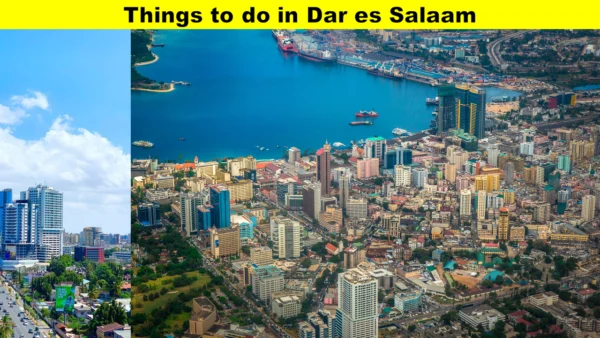
Things to do in Dar es Salaam based on NeemTime research from most popular to just popular.
Mlimani City Shopping Mall, Dar es Salaam
Overview: Mlimani City Shopping Mall is one of the largest retail and entertainment complexes in Dar es Salaam featuring international stores, supermarkets, cinemas, and dining options.
History: It was developed as part of modern commercial expansion to serve the growing urban population and university district nearby.
Since When: Opened in 2006.
Review: Visitors appreciate its wide variety of shops, clean environment, and convenient entertainment facilities.
When to Go: Afternoon or evening for shopping and cinema visits.
How to Go: Located in Ubungo area, accessible by taxi, bus, or private car.
What to Do: Shop, dine, watch movies, and relax in cafés.
Free or Paid: Free entry; shopping and services are paid.
Mikumi National Park, Dar es Salaam
Overview: Mikumi National Park is a major wildlife reserve near Dar es Salaam known for safaris featuring elephants, lions, giraffes, and open savannah landscapes.
History: It was established to protect Tanzania’s wildlife and provide accessible safari experiences close to major cities.
Since When: Established in 1964.
Review: Visitors love its rich wildlife sightings, scenic plains, and affordable safari experience.
When to Go: Dry season (June to October) for best wildlife viewing.
How to Go: Reachable by road or short flight from Dar es Salaam.
What to Do: Go on safari drives, watch wildlife, and enjoy nature photography.
Free or Paid: Paid entry and safari fees.
Magufuli Bus Terminal, Dar es Salaam
Overview: Magufuli Bus Terminal is a modern transport hub in Dar es Salaam handling long-distance and regional bus services with organized passenger facilities.
History: It was built to modernize and centralize Tanzania’s intercity transport system.
Since When: Opened in 2020.
Review: Travelers appreciate its cleanliness, organization, and improved transport efficiency.
When to Go: Morning or daytime for long-distance travel departures.
How to Go: Located in Mbezi area, accessible by taxi, bus, or private transport.
What to Do: Board buses, buy tickets, and travel to other cities.
Free or Paid: Free entry; transport tickets are paid.
City Mall Dar es Salaam, Dar es Salaam
Overview: City Mall Dar es Salaam is a retail center offering shops, restaurants, and essential services in a convenient urban location.
History: It was developed to support growing commercial activity in the city center.
Since When: Opened in the 2000s.
Review: Visitors find it convenient for shopping and quick dining, though smaller than major malls.
When to Go: Afternoon for shopping or casual dining.
How to Go: Located in central Dar es Salaam, accessible by bus, taxi, or walking.
What to Do: Shop, eat, and run errands.
Free or Paid: Free entry; purchases are paid.
Benjamin Mkapa Stadium, Dar es Salaam
Overview: Benjamin Mkapa Stadium is Tanzania’s national football stadium hosting major sports events, concerts, and international matches.
History: It was constructed to provide a modern sports facility for national and international competitions.
Since When: Opened in 2007.
Review: Visitors praise its large capacity, modern design, and exciting match-day atmosphere.
When to Go: During football matches or scheduled events.
How to Go: Located in Chang’ombe area, accessible by taxi or bus.
What to Do: Watch football matches, attend events, and enjoy stadium atmosphere.
Free or Paid: Paid entry for events.
Dar Fish Market Dar es Salaam, Dar es Salaam
Overview: Dar Fish Market is a bustling coastal seafood market in Dar es Salaam known for its fresh catch, lively bargaining atmosphere, and traditional Swahili seafood culture.
History: It developed as a key trading point for fishermen along the Indian Ocean coast supplying fresh seafood to the city.
Since When: It has been active since the late 20th century as an informal but major fish trading hub.
Review: Visitors enjoy its energetic vibe, fresh seafood variety, and authentic local experience, though it can be crowded and chaotic.
When to Go: Early morning for the freshest fish and active market trading.
How to Go: Located near the city waterfront, accessible by taxi or local transport.
What to Do: Buy seafood, watch fish auctions, and try freshly grilled fish nearby.
Free or Paid: Free entry; purchases are paid.
Hyatt Regency Dar es Salaam, The Kilimanjaro, Dar es Salaam
Overview: Hyatt Regency Dar es Salaam, The Kilimanjaro is a luxury five-star waterfront hotel offering premium rooms, fine dining, spa services, and ocean views.
History: It was developed as part of international hotel expansion to serve business travelers and tourists in Tanzania’s commercial capital.
Since When: Opened in 2003.
Review: Guests praise its elegant service, prime location, and high-end comfort standards.
When to Go: Year-round for business or luxury stays.
How to Go: Located in central Dar es Salaam along the harbor, accessible by taxi or airport transfer.
What to Do: Stay, dine, relax at spa, and enjoy ocean views.
Free or Paid: Paid accommodation.
Azam Marine Kilimanjaro Fast Ferries, Dar es Salaam
Overview: Azam Marine Kilimanjaro Fast Ferries provides high-speed passenger ferry services between Dar es Salaam and Zanzibar across the Indian Ocean.
History: It was introduced to improve fast, safe, and comfortable sea transport between mainland Tanzania and Zanzibar.
Since When: Operating since the 2000s.
Review: Travelers appreciate its speed, comfort, and reliable schedule.
When to Go: Morning or midday departures for smoother sea conditions.
How to Go: Located at the Dar es Salaam ferry terminal, accessible by taxi or bus.
What to Do: Travel to Zanzibar, enjoy ocean views, and relax onboard.
Free or Paid: Paid tickets required.
Old Fort, Dar es Salaam
Overview: Old Fort is a historic stone fort in Dar es Salaam known for its cultural exhibitions, craft shops, and open-air events showcasing Swahili heritage.
History: It was built during the late 17th century and later used by different colonial powers for defense and administration.
Since When: Constructed around 1860 (modern reconstruction phase).
Review: Visitors enjoy its historical charm, cultural activities, and artisan market atmosphere.
When to Go: Afternoon or evening during cultural events.
How to Go: Located in central Dar es Salaam near the waterfront, accessible by walking or taxi.
What to Do: Explore crafts, attend events, and learn local history.
Free or Paid: Free entry; shopping is paid.
Ngorongoro Conservation Area, Dar es Salaam
Overview: Ngorongoro Conservation Area is a UNESCO World Heritage Site known for its volcanic crater, dense wildlife population, and breathtaking safari landscapes.
History: It was established to protect wildlife and allow coexistence between conservation and the Maasai people.
Since When: Declared a conservation area in 1959.
Review: Visitors praise its incredible wildlife density, stunning crater views, and unique ecosystem.
When to Go: June to October for dry season wildlife viewing.
How to Go: Reachable by flight or road from Dar es Salaam to Arusha, then by safari vehicle.
What to Do: Go on safari drives, view wildlife, and explore the crater.
Free or Paid: Paid entry and safari permits required.
White Sands Resort & Conference Centre, Dar es Salaam
Overview: White Sands Resort & Conference Centre is a beachfront luxury resort in Dar es Salaam offering private beach access, conference facilities, pools, and water sports along the Indian Ocean coast.
History: It was developed to serve both leisure tourists and international business conferences in Tanzania’s growing coastal tourism sector.
Since When: Operating since the early 2000s.
Review: Guests appreciate its spacious beach, peaceful environment, and strong hospitality services.
When to Go: June to October for dry weather and calm seas.
How to Go: Located in Kunduchi area, accessible by taxi or private car from the city center.
What to Do: Swim, relax on the beach, enjoy water sports, and attend events.
Free or Paid: Paid accommodation and resort access.
Karambezi Cafe, Dar es Salaam
Overview: Karambezi Cafe is a popular oceanfront restaurant in Dar es Salaam known for seafood, grilled dishes, and sunset dining with panoramic Indian Ocean views.
History: It was established as part of the Slipway complex to offer premium waterfront dining experiences in the city.
Since When: Operating since the early 2000s.
Review: Visitors love its fresh seafood, romantic views, and relaxed upscale atmosphere.
When to Go: Evening for sunset dining and cooler sea breeze.
How to Go: Located at The Slipway in Masaki, accessible by taxi or car.
What to Do: Dine on seafood, enjoy sunset views, and relax by the waterfront.
Free or Paid: Paid dining.
Ramada Resort by Wyndham Dar es Salaam, Dar es Salaam
Overview: Ramada Resort by Wyndham Dar es Salaam is a modern beachfront hotel offering luxury rooms, pools, dining, and conference facilities along the Indian Ocean.
History: It was developed as part of Wyndham’s global hospitality expansion into East Africa’s tourism and business market.
Since When: Opened in the 2010s.
Review: Guests appreciate its clean facilities, ocean views, and professional service.
When to Go: Year-round, especially during dry season for beach activities.
How to Go: Located in Jangwani Beach area, accessible by taxi or private car.
What to Do: Stay, swim, dine, and enjoy beach relaxation.
Free or Paid: Paid accommodation.
Mkuki House, Dar es Salaam
Overview: Mkuki House is a commercial and office building in Dar es Salaam housing businesses, offices, and service companies in a central urban location.
History: It was developed as part of the city’s commercial infrastructure expansion to support growing corporate activity.
Since When: Established in the 2000s.
Review: Visitors and tenants appreciate its convenient location and functional office spaces.
When to Go: Weekdays during business hours for office-related visits.
How to Go: Located in central Dar es Salaam, accessible by taxi or public transport.
What to Do: Attend meetings, conduct business, or visit offices.
Free or Paid: Free entry; services are paid.
Jozani Forest, Dar es Salaam
Overview: Jozani Forest is a protected rainforest in Zanzibar known for its rare red colobus monkeys, mangrove ecosystems, and guided nature trails.
History: It was established as a conservation area to protect Zanzibar’s unique biodiversity and endemic species.
Since When: Protected since the 1960s and officially part of Jozani-Chwaka Bay National Park in 2004.
Review: Visitors love its lush greenery, unique wildlife, and peaceful walking trails.
When to Go: Morning for cooler weather and active wildlife viewing.
How to Go: Accessible from Stone Town in Zanzibar by taxi or guided tour.
What to Do: Walk forest trails, see monkeys, and explore mangroves.
Free or Paid: Paid entry.
Sabasaba International Trade Fair, Dar es Salaam
Overview: Sabasaba International Trade Fair is Tanzania’s largest annual trade exhibition in Dar es Salaam showcasing local and international businesses, innovations, and industrial products.
History: It was established to promote trade, industrial development, and international business partnerships in Tanzania.
Since When: First organized in 1963.
Review: Visitors appreciate its wide variety of exhibitors, business networking opportunities, and vibrant fair atmosphere.
When to Go: Annually in early July during the official fair period.
How to Go: Held at Mwalimu J.K. Nyerere Trade Fair Grounds in Temeke, accessible by taxi or bus.
What to Do: Explore exhibitions, attend business booths, and discover new products and services.
Free or Paid: Paid entry.
Vijana Mall, Dar es Salaam
Overview: Vijana Mall is a local shopping center in Dar es Salaam offering retail shops, food outlets, and essential services for everyday needs.
History: It was developed to serve the growing urban population with convenient neighborhood shopping facilities.
Since When: Established in the 2010s.
Review: Visitors find it convenient for quick shopping, though smaller compared to major malls.
When to Go: Afternoon for shopping and errands.
How to Go: Located in Dar es Salaam city, accessible by bus, taxi, or walking.
What to Do: Shop, eat fast food, and run daily errands.
Free or Paid: Free entry; purchases are paid.
Best Western Jangwani Sea Breeze Resort, Dar es Salaam
Overview: Best Western Jangwani Sea Breeze Resort is a beachfront hotel offering accommodation, swimming pools, dining, and conference facilities in a relaxing coastal environment.
History: It was developed as part of Best Western’s international hospitality expansion in East Africa’s tourism sector.
Since When: Operating since the 2000s.
Review: Guests appreciate its peaceful beach setting, friendly service, and comfortable rooms.
When to Go: June to October for dry weather and beach relaxation.
How to Go: Located in Jangwani Beach area, accessible by taxi or private car.
What to Do: Stay, swim, dine, and enjoy beach leisure activities.
Free or Paid: Paid accommodation.
Kunduchi Wet ‘N’ Wild Water Park, Dar es Salaam
Overview: Kunduchi Wet ‘N’ Wild Water Park is a large water amusement park in Dar es Salaam featuring slides, pools, and family-friendly aquatic attractions.
History: It was developed to provide modern recreational water entertainment for locals and tourists in the coastal city.
Since When: Opened in the 1990s.
Review: Visitors enjoy its fun water slides, large pools, and lively family atmosphere.
When to Go: Weekends or school holidays, especially during hot weather.
How to Go: Located in Kunduchi area, accessible by taxi or bus from city center.
What to Do: Swim, enjoy water slides, and relax in pools.
Free or Paid: Paid entry.
Mkombozi vitambaa, Dar es Salaam
Overview: Mkombozi vitambaa is a textile and fabric shop in Dar es Salaam known for selling colorful African fabrics, tailoring materials, and traditional clothing textiles.
History: It developed as part of Tanzania’s vibrant textile trade market supporting local tailoring and fashion industries.
Since When: Operating since the late 20th century.
Review: Customers appreciate its wide fabric selection, affordable prices, and authentic African designs.
When to Go: Morning or afternoon for best fabric selection.
How to Go: Located in Dar es Salaam commercial areas, accessible by taxi or daladala.
What to Do: Buy fabrics, select tailoring materials, and explore textile designs.
Free or Paid: Free entry; purchases are paid.
Four Points by Sheraton Dar es Salaam New Africa, Dar es Salaam
Overview: Four Points by Sheraton Dar es Salaam New Africa is a well-known upscale hotel in the city center offering comfortable rooms, dining, meeting spaces, and views of the harbor.
History: It originally operated under different management before being rebranded under Marriott’s Four Points brand to modernize its hospitality services.
Since When: Operating under the Four Points brand since 2017.
Review: Guests appreciate its central location, reliable service, and good business facilities.
When to Go: Year-round, especially for business trips and city stays.
How to Go: Located in central Dar es Salaam near the port, accessible by taxi or airport transfer.
What to Do: Stay, dine, attend meetings, and explore nearby city attractions.
Free or Paid: Paid accommodation.
Holiday Inn Dar Es Salaam City Centre by IHG, Dar es Salaam
Overview: Holiday Inn Dar Es Salaam City Centre by IHG is a modern business hotel offering comfortable rooms, conference facilities, and city skyline views.
History: It was developed as part of IHG’s global expansion into East Africa’s business travel market.
Since When: Opened in the 2010s.
Review: Visitors praise its clean rooms, good service, and convenient central location.
When to Go: Year-round for business or leisure stays.
How to Go: Located in central Dar es Salaam, accessible by taxi or public transport.
What to Do: Stay, attend meetings, and explore downtown attractions.
Free or Paid: Paid accommodation.
Dar Free Market Mall, Dar es Salaam
Overview: Dar Free Market Mall is a local commercial center offering retail shops, small businesses, clothing, and everyday goods in Dar es Salaam.
History: It developed as part of informal-to-formal retail transformation in the city’s growing urban economy.
Since When: Operating since the 2000s.
Review: Visitors find it affordable and practical for daily shopping needs.
When to Go: Morning or afternoon for shopping convenience.
How to Go: Located in Dar es Salaam urban area, accessible by taxi or daladala.
What to Do: Shop for clothes, groceries, and household items.
Free or Paid: Free entry; purchases are paid.
Coco Beach, Dar es Salaam
Overview: Coco Beach is a popular public beach in Dar es Salaam known for its lively atmosphere, street food, music, and ocean views along the Indian Ocean.
History: It has long served as a social gathering spot for locals and visitors enjoying coastal recreation.
Since When: Popular since the late 20th century as a public beach area.
Review: Visitors enjoy its vibrant vibe, affordable food stalls, and sunset views.
When to Go: Evenings and weekends for social atmosphere and sunset.
How to Go: Located in Oysterbay area, accessible by taxi or public transport.
What to Do: Relax, swim, eat street food, and enjoy beach entertainment.
Free or Paid: Free entry; food and activities are paid.
Quality Center Mall, Dar es Salaam
Overview: Quality Center Mall is a shopping and entertainment complex in Dar es Salaam featuring retail stores, supermarkets, cinemas, and restaurants.
History: It was developed to modernize retail shopping experiences in the city.
Since When: Opened in the 2000s.
Review: Visitors appreciate its convenience, variety of shops, and entertainment options.
When to Go: Afternoon or evening for shopping and cinema visits.
How to Go: Located along Nyerere Road, accessible by taxi or bus.
What to Do: Shop, dine, and watch movies.
Free or Paid: Free entry; shopping and services are paid.
The Slipway, Dar es Salaam
Overview: The Slipway is a popular waterfront shopping and entertainment complex in Dar es Salaam featuring boutiques, restaurants, craft shops, boat tours, and ocean-view dining.
History: It was developed as a leisure and commercial marina space to promote tourism and coastal lifestyle experiences in the city.
Since When: Operating since the early 2000s.
Review: Visitors love its sunset views, relaxed atmosphere, and variety of dining and shopping options.
When to Go: Evening for sunset views and nightlife dining.
How to Go: Located in Msasani Peninsula, accessible by taxi or private car.
What to Do: Shop, dine, take boat rides, and relax by the waterfront.
Free or Paid: Free entry; shopping and activities are paid.
Village Museum, Dar es Salaam
Overview: Village Museum is an open-air cultural museum showcasing traditional Tanzanian huts, crafts, music, and tribal lifestyles from different ethnic groups.
History: It was created to preserve and display Tanzania’s diverse cultural heritage in a single educational site.
Since When: Established in 1967.
Review: Visitors appreciate its cultural performances, authentic village setups, and educational value.
When to Go: Morning or early afternoon for guided tours and performances.
How to Go: Located in Kijitonyama area, accessible by taxi or bus.
What to Do: Explore traditional huts, watch dances, and learn about tribal cultures.
Free or Paid: Paid entry.
MWENGE WOODCAVERS MARKET, Dar es Salaam
Overview: Mwenge Woodcarvers Market is a famous artisan market in Dar es Salaam known for handmade wooden carvings, sculptures, and traditional Tanzanian crafts.
History: It was established to support local artisans and preserve traditional Makonde woodcarving skills.
Since When: Operating since the 1970s.
Review: Visitors love its authentic crafts, bargaining experience, and artistic displays.
When to Go: Morning or afternoon for best selection and cooler weather.
How to Go: Located in Mwenge area, accessible by taxi or public transport.
What to Do: Buy carvings, watch artisans at work, and explore crafts.
Free or Paid: Free entry; purchases are paid.
National Museum and House of Culture, Dar es Salaam
Overview: National Museum and House of Culture is Tanzania’s main museum showcasing archaeological artifacts, historical exhibits, and cultural heritage displays.
History: It was established to preserve Tanzania’s national history and promote cultural education.
Since When: Founded in 1940.
Review: Visitors appreciate its historical artifacts, educational exhibits, and well-organized galleries.
When to Go: Morning or weekdays for quiet exploration.
How to Go: Located in Shaaban Robert Street, accessible by taxi or walking from city center.
What to Do: Explore exhibits, learn history, and view archaeological findings.
Free or Paid: Paid entry.
Jakaya M. Kikwete Youth Park, Dar es Salaam
Overview: Jakaya M. Kikwete Youth Park is a modern recreational park in Dar es Salaam offering green spaces, sports areas, playgrounds, and community event facilities.
History: It was developed to provide youth-friendly recreational infrastructure and promote outdoor activities in the city.
Since When: Opened in the 2010s.
Review: Visitors enjoy its clean environment, sports facilities, and family-friendly atmosphere.
When to Go: Evening or weekends for recreational activities.
How to Go: Located in central Dar es Salaam, accessible by taxi or public transport.
What to Do: Jog, play sports, relax, and attend community events.
Free or Paid: Free entry.