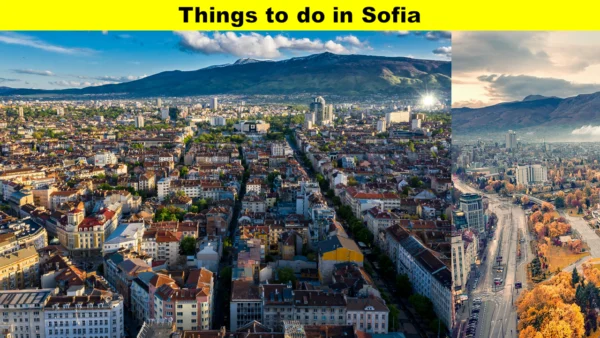
Things to do in Sofia based on NeemTime research from most popular to just popular
South Park, Sofia
Overview: South Park is one of Sofia’s largest urban parks featuring green lawns, walking paths, playgrounds, and recreational spaces popular with locals and tourists.
History: It was developed during Sofia’s urban expansion to provide modern green recreational areas for the growing city population.
Since When: Established in the late 20th century.
Review: Visitors appreciate its relaxing atmosphere, clean environment, and family-friendly facilities.
When to Go: Spring and summer for outdoor activities and pleasant weather.
How to Go: Located in southern Sofia, accessible by metro, bus, taxi, or walking.
What to Do: Walk, picnic, jog, cycle, and relax in nature.
Free or Paid: Free entry.
National Palace of Culture Park, Sofia
Overview: National Palace of Culture Park is a landscaped public park surrounding Sofia’s famous cultural and convention complex with fountains and open spaces.
History: It was created together with the National Palace of Culture as part of Sofia’s modernization and cultural development projects.
Since When: Opened in 1981.
Review: Visitors enjoy its central location, evening fountains, and lively city atmosphere.
When to Go: Evening for illuminated fountains and cooler temperatures.
How to Go: Located in central Sofia, accessible by metro, tram, bus, or walking.
What to Do: Relax, attend cultural events, and explore nearby cafes and landmarks.
Free or Paid: Free entry.
Borisova Gradina, Sofia
Overview: Borisova Gradina is Sofia’s oldest and most famous park featuring gardens, lakes, sports facilities, and shaded walking areas.
History: It was designed by Swiss landscape architects as Sofia’s first organized public park during Bulgaria’s modernization period.
Since When: Established in 1884.
Review: Visitors praise its natural beauty, spacious layout, and peaceful atmosphere.
When to Go: Spring and autumn for comfortable weather and scenic greenery.
How to Go: Located near central Sofia, accessible by metro, tram, bus, or walking.
What to Do: Walk, picnic, exercise, visit sports venues, and enjoy outdoor relaxation.
Free or Paid: Free entry.
Patriarchal Cathedral St. Alexander Nevsky, Sofia
Overview: Patriarchal Cathedral St. Alexander Nevsky is Sofia’s iconic Orthodox cathedral famous for its golden domes and grand Neo-Byzantine architecture.
History: It was built to honor Russian soldiers who died during the Russo-Turkish War that helped liberate Bulgaria from Ottoman rule.
Since When: Completed in 1912.
Review: Visitors admire its magnificent architecture, spiritual atmosphere, and impressive interior frescoes.
When to Go: Morning or late afternoon for sightseeing and quieter visits.
How to Go: Located in central Sofia, accessible by metro, tram, bus, or walking.
What to Do: Explore the cathedral interior, admire religious art, and attend services.
Free or Paid: Free entry; donations are welcomed.
Serdika Center, Sofia
Overview: Serdika Center is a modern shopping mall in Sofia offering international fashion brands, restaurants, cinemas, and entertainment facilities.
History: It was developed as one of Sofia’s major retail and lifestyle destinations during the city’s commercial expansion.
Since When: Opened in 2010.
Review: Visitors appreciate its modern design, wide shopping variety, and entertainment options.
When to Go: Afternoon or evening for shopping and dining.
How to Go: Located in central Sofia, accessible by bus, taxi, or car.
What to Do: Shop, watch movies, dine, and enjoy leisure activities.
Free or Paid: Free entry; shopping and entertainment are paid.
Mall of Sofia, Sofia
Overview: Mall of Sofia is a popular urban shopping and entertainment center featuring fashion stores, restaurants, offices, and a cinema complex.
History: It was developed as one of Sofia’s early large-scale modern malls during the city’s retail expansion era.
Since When: Opened in 2006.
Review: Visitors appreciate its convenient central location, shopping variety, and entertainment options.
When to Go: Afternoon or evening for shopping, dining, and movies.
How to Go: Located in central Sofia, accessible by metro, tram, bus, taxi, or walking.
What to Do: Shop, dine, watch films, and relax at cafes.
Free or Paid: Free entry; shopping and entertainment are paid.
Sofia Ring Mall, Sofia
Overview: Sofia Ring Mall is a large modern shopping complex near Vitosha Mountain offering international brands, restaurants, and leisure attractions.
History: It was created as part of Sofia’s suburban commercial development to provide upscale shopping and lifestyle experiences.
Since When: Opened in 2014.
Review: Visitors praise its spacious design, wide retail selection, and mountain views.
When to Go: Weekends or evenings for shopping and dining outings.
How to Go: Located on Sofia’s ring road, accessible by car, bus, or taxi.
What to Do: Shop, eat, enjoy entertainment, and relax in cafes.
Free or Paid: Free entry; purchases and entertainment are paid.
Rila Monastery, Sofia
Overview: Rila Monastery is Bulgaria’s most famous Orthodox monastery known for its colorful frescoes, mountain setting, and spiritual importance.
History: It was founded by Saint Ivan of Rila and became a major religious and cultural center preserving Bulgarian identity during Ottoman rule.
Since When: Established in the 10th century.
Review: Visitors admire its stunning architecture, peaceful surroundings, and historical significance.
When to Go: Spring and summer for clear mountain weather and scenic views.
How to Go: Located about two hours from Sofia, accessible by car, bus, or guided tours.
What to Do: Explore the monastery complex, admire frescoes, and enjoy mountain scenery.
Free or Paid: Entry to the monastery grounds is free; museum sections are paid.
Sofia Zoo, Sofia
Overview: Sofia Zoo is the largest zoo in Bulgaria featuring a wide variety of animals, educational exhibits, and family-friendly attractions.
History: It was founded by the Bulgarian royal family and gradually expanded into a major zoological institution.
Since When: Opened in 1888.
Review: Visitors enjoy its spacious grounds, diverse animal species, and family-oriented atmosphere.
When to Go: Spring or summer mornings for pleasant weather and active animals.
How to Go: Located in southern Sofia, accessible by bus, taxi, or car.
What to Do: Observe animals, explore exhibits, and enjoy family outings.
Free or Paid: Paid entry.
The City Garden, Sofia
Overview: The City Garden is Sofia’s oldest public park located in the city center near major cultural landmarks and theaters.
History: It was created shortly after Bulgaria’s liberation from Ottoman rule as part of Sofia’s urban beautification projects.
Since When: Established in the late 19th century.
Review: Visitors appreciate its peaceful atmosphere, fountains, and central location.
When to Go: Evening or late afternoon for relaxing walks and city views.
How to Go: Located in central Sofia, accessible by metro, tram, bus, or walking.
What to Do: Relax, stroll through gardens, and enjoy nearby cultural attractions.
Free or Paid: Free entry.
National Palace of Culture (NDK), Sofia
Overview: National Palace of Culture (NDK) is the largest multifunctional conference and cultural center in Southeastern Europe hosting concerts, exhibitions, and international events.
History: It was constructed to celebrate the 1300th anniversary of the Bulgarian state and became a symbol of Sofia’s modern cultural development.
Since When: Opened in 1981.
Review: Visitors admire its grand architecture, cultural importance, and diverse entertainment events.
When to Go: Evening during concerts, exhibitions, or festivals.
How to Go: Located in central Sofia, accessible by metro, tram, bus, taxi, or walking.
What to Do: Attend concerts, exhibitions, conferences, and cultural performances.
Free or Paid: Building access is free for some areas; events are usually paid.
Central Market Hall of Sofia, Sofia
Overview: Central Market Hall of Sofia is a historic covered marketplace featuring food stalls, local products, cafes, and retail shops.
History: It was built in Neo-Renaissance style to modernize Sofia’s commercial trade infrastructure in the early 20th century.
Since When: Opened in 1911.
Review: Visitors enjoy its architectural beauty, local food options, and convenient central location.
When to Go: Morning or lunchtime for fresh products and lively market activity.
How to Go: Located in central Sofia near Serdika, accessible by metro, tram, or walking.
What to Do: Shop for local foods, enjoy snacks, and explore historic architecture.
Free or Paid: Free entry; purchases are paid.
Zaimov Park, Sofia
Overview: Zaimov Park is a peaceful urban park in Sofia known for tree-lined paths, playgrounds, and nearby cultural venues.
History: It was named after General Vladimir Zaimov and developed as part of Sofia’s urban green space planning.
Since When: Established during the 20th century.
Review: Visitors appreciate its calm atmosphere, greenery, and relaxing environment.
When to Go: Spring and summer for outdoor walks and relaxation.
How to Go: Located in central Sofia, accessible by tram, bus, taxi, or walking.
What to Do: Walk, relax, enjoy playgrounds, and visit nearby theaters.
Free or Paid: Free entry.
Women’s Market, Sofia
Overview: Women’s Market is Sofia’s oldest and busiest open-air market offering fresh produce, spices, clothing, and multicultural street food.
History: It developed as a traditional commercial hub where women historically sold goods and agricultural products.
Since When: Operating since the late 19th century.
Review: Visitors enjoy its authentic local atmosphere, affordable shopping, and vibrant multicultural character.
When to Go: Morning for the freshest produce and busiest market activity.
How to Go: Located near central Sofia, accessible by metro, tram, bus, or walking.
What to Do: Shop for local foods, spices, souvenirs, and traditional products.
Free or Paid: Free entry; shopping is paid.
Jumbo, Sofia
Overview: Jumbo is a large retail store chain in Sofia known for toys, home goods, seasonal decorations, and affordable household products.
History: The Greek retail brand expanded into Bulgaria and became popular for budget-friendly shopping and family products.
Since When: Operating in Sofia since the 2010s.
Review: Visitors appreciate its huge product variety, low prices, and family-friendly shopping experience.
When to Go: Weekdays or mornings for less crowded shopping.
How to Go: Accessible by car, bus, or taxi from different parts of Sofia.
What to Do: Shop for toys, decorations, gifts, and household items.
Free or Paid: Free entry; purchases are paid.
Eagles’ Bridge, Sofia
Overview: Eagles’ Bridge is a famous historic bridge and traffic landmark in Sofia recognized for its four bronze eagle sculptures symbolizing freedom and protection.
History: It was constructed to commemorate Bulgarians returning from Ottoman exile after national liberation movements.
Since When: Built in 1891.
Review: Visitors admire its symbolic importance, elegant design, and central city location.
When to Go: Evening for illuminated city views and photography.
How to Go: Located in central Sofia, accessible by metro, tram, bus, taxi, or walking.
What to Do: Take photos, explore nearby parks, and enjoy city sightseeing.
Free or Paid: Free entry.
Belogradchik Fortress, Sofia
Overview: Fortress “Belogradchik” is a dramatic ancient fortress integrated into massive natural rock formations and considered one of Bulgaria’s top historical landmarks.
History: Originally built by the Romans and later expanded by the Ottomans, the fortress protected important regional trade routes.
Since When: Earliest construction dates back to Roman times in the 1st–3rd centuries.
Review: Visitors praise its breathtaking scenery, historical significance, and panoramic mountain views.
When to Go: Spring or autumn for mild weather and clear views.
How to Go: Located several hours from Sofia, accessible by car, bus, or organized tours.
What to Do: Explore fortress walls, hike among rock formations, and enjoy photography.
Free or Paid: Paid entry.
North Park, Sofia
Overview: North Park is a large green recreational area in Sofia featuring walking paths, playgrounds, sports areas, and open lawns.
History: It was developed during Sofia’s urban expansion to provide recreational and environmental spaces for local residents.
Since When: Established during the 20th century.
Review: Visitors appreciate its peaceful atmosphere, greenery, and family-friendly environment.
When to Go: Spring and summer for outdoor recreation and relaxation.
How to Go: Located in northern Sofia, accessible by bus, tram, taxi, or car.
What to Do: Walk, jog, picnic, cycle, and enjoy outdoor leisure.
Free or Paid: Free entry.
Ivan Vazov National Theatre, Sofia
Overview: Ivan Vazov National Theatre is Bulgaria’s most prestigious theater known for its grand architecture and high-quality dramatic performances.
History: It was established as the country’s national theater and named after celebrated Bulgarian writer Ivan Vazov.
Since When: Opened in 1907.
Review: Visitors admire its elegant design, cultural importance, and impressive theatrical productions.
When to Go: Evening for live performances and illuminated exterior views.
How to Go: Located in central Sofia near the City Garden, accessible by metro, tram, or walking.
What to Do: Attend theater performances, admire architecture, and relax in nearby gardens.
Free or Paid: Exterior viewing is free; performances are paid.
Church of Saint Sophia, Sofia
Overview: Church of Saint Sophia is one of Sofia’s oldest and most historically important churches, giving the Bulgarian capital its name.
History: Built during the Byzantine era, the church survived invasions, earthquakes, and centuries of political change.
Since When: Constructed in the 6th century.
Review: Visitors appreciate its ancient architecture, spiritual atmosphere, and historical significance.
When to Go: Morning or late afternoon for peaceful exploration.
How to Go: Located in central Sofia near Alexander Nevsky Cathedral, accessible by walking or public transport.
What to Do: Explore the church interior, archaeological remains, and surrounding historic area.
Free or Paid: Free entry; some museum sections may be paid.
Top Rent A Car Sofia Head Office, Sofia
Overview: Top Rent A Car Sofia Head Office is a major car rental service hub in Sofia offering vehicle rentals for city travel, business trips, and tourism across Bulgaria.
History: It was established as part of Bulgaria’s growing tourism and mobility services industry to support both international and domestic travelers.
Since When: Operating since the early 2010s.
Review: Customers appreciate its reliable vehicles, wide selection, and efficient booking service.
When to Go: Anytime during travel planning or arrival in Sofia.
How to Go: Located near Sofia Airport and city access roads, reachable by taxi, shuttle, or bus.
What to Do: Rent cars, arrange travel services, and plan road trips across Bulgaria.
Free or Paid: Paid service.
Park Center Sofia, Sofia
Overview: Park Center Sofia is a modern shopping mall offering international brands, dining options, entertainment facilities, and a cinema complex.
History: It was developed to expand Sofia’s retail landscape and provide a central lifestyle shopping destination.
Since When: Opened in 2006.
Review: Visitors like its convenient location, variety of shops, and relaxed atmosphere.
When to Go: Afternoon or evening for shopping and entertainment.
How to Go: Located near South Park, accessible by metro, tram, bus, or walking.
What to Do: Shop, dine, watch movies, and relax in cafes.
Free or Paid: Free entry; shopping and entertainment are paid.
Rila National Park, Sofia
Overview: Rila National Park is Bulgaria’s largest protected natural area featuring alpine landscapes, glacial lakes, forests, and hiking trails.
History: It was established to protect the biodiversity and natural beauty of the Rila Mountains.
Since When: Declared a national park in 1992.
Review: Visitors praise its breathtaking scenery, clean air, and excellent hiking opportunities.
When to Go: Summer for hiking and winter for snowy mountain views.
How to Go: Located about 1.5–2 hours from Sofia, accessible by car, bus, or guided tours.
What to Do: Hike, explore lakes, enjoy nature photography, and wildlife spotting.
Free or Paid: Park access is free; tours and activities may be paid.
Holy Trinity Park, Sofia
Overview: Holy Trinity Park is a quiet neighborhood green space in Sofia offering walking paths, benches, and small recreational areas.
History: It was developed as part of urban landscaping projects to improve residential living environments.
Since When: Established during the late 20th century.
Review: Visitors appreciate its peaceful environment and local community feel.
When to Go: Daytime for walking and relaxation.
How to Go: Located in residential districts of Sofia, accessible by bus or car.
What to Do: Walk, relax, and enjoy local greenery.
Free or Paid: Free entry.
Prince’s Garden, Sofia
Overview: Prince’s Garden is a historic urban park in Sofia known for its greenery, cultural surroundings, and proximity to major landmarks.
History: It was developed during the royal period of Bulgaria as part of landscaped gardens near the royal palace area.
Since When: Established in the late 19th century.
Review: Visitors enjoy its calm atmosphere, historical setting, and central location.
When to Go: Spring and summer for pleasant outdoor walks.
How to Go: Located in central Sofia, accessible by walking, metro, tram, or bus.
What to Do: Walk, relax, and explore nearby cultural attractions.
Free or Paid: Free entry.
Lions’ Bridge, Sofia
Overview: Lions’ Bridge is a historic stone bridge in central Sofia decorated with four bronze lion statues symbolizing strength and protection.
History: It was built to replace an older wooden bridge that served as a key crossing point over the Vladayska River during Sofia’s urban modernization.
Since When: Constructed in 1889.
Review: Visitors like its central location, symbolic design, and connection to city history.
When to Go: Evening for illuminated views and cooler walking conditions.
How to Go: Located in central Sofia, accessible by metro, tram, bus, taxi, or walking.
What to Do: Take photos, explore nearby markets, and enjoy city sightseeing.
Free or Paid: Free entry.
Doctors’ Garden, Sofia
Overview: Doctors’ Garden is a small historic park in Sofia dedicated to medical professionals who died during wars, featuring monuments and statues.
History: It was created as a memorial space honoring doctors and medical workers who served during the Russo-Turkish War.
Since When: Established in 1884.
Review: Visitors appreciate its quiet atmosphere, historical importance, and shaded green space.
When to Go: Daytime for peaceful walks and reflection.
How to Go: Located near Sofia University and central districts, accessible by metro or walking.
What to Do: Walk, reflect at memorials, and relax in a calm environment.
Free or Paid: Free entry.
Boyana Church, Sofia
Overview: Boyana Church is a UNESCO World Heritage medieval Orthodox church famous for its exceptionally well-preserved 13th-century frescoes.
History: It was built in multiple stages across centuries, with its most significant artistic additions made during the Second Bulgarian Empire.
Since When: Earliest structure dates to the 10th century, with major frescoes from 1259.
Review: Visitors admire its artistic value, historical depth, and intimate size.
When to Go: Morning or weekdays to avoid crowds and enjoy guided tours.
How to Go: Located at the foot of Vitosha Mountain, accessible by bus or taxi from central Sofia.
What to Do: View frescoes, explore church grounds, and learn about medieval Bulgarian art.
Free or Paid: Paid entry.
Russian Monument, Sofia
Overview: The Russian Monument in Sofia is a historic obelisk commemorating Russian soldiers who fought for Bulgaria’s liberation from Ottoman rule.
History: It was built to honor the sacrifices of Russian troops during the Russo-Turkish War.
Since When: Erected in 1882.
Review: Visitors value its historical symbolism and central urban location.
When to Go: Daytime for sightseeing and photography.
How to Go: Located along Tsar Osvoboditel Boulevard, accessible by metro, tram, or walking.
What to Do: Take photos and explore nearby historic landmarks.
Free or Paid: Free entry.
West Park, Sofia
Overview: West Park is a large urban park in Sofia offering green landscapes, walking paths, sports areas, and recreational zones.
History: It was developed as part of Sofia’s post-war urban planning to expand public green spaces in western districts.
Since When: Developed during the mid-20th century.
Review: Visitors enjoy its open spaces, peaceful environment, and family-friendly atmosphere.
When to Go: Spring and summer for outdoor activities and picnics.
How to Go: Located in western Sofia, accessible by bus, tram, or car.
What to Do: Walk, cycle, picnic, and enjoy outdoor recreation.
Free or Paid: Free entry.