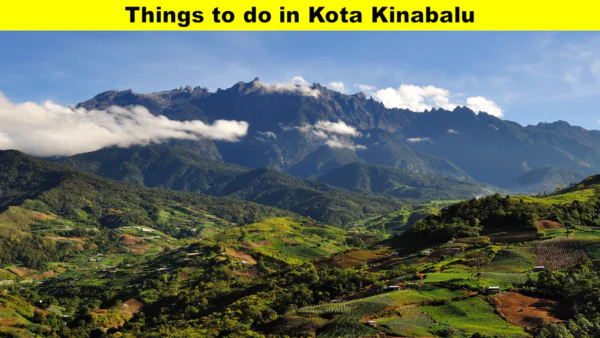
Things to do in Kota Kinabalu based on NeemTime research from most popular to just popular.
Imago Shopping Mall, Kota Kinabalu
Overview: Imago Shopping Mall is a modern lifestyle mall in Kota Kinabalu featuring international brands, dining outlets, and entertainment spaces.
History: It was developed as part of the city’s urban expansion to create a premium retail and leisure destination.
Since When: Opened in 2015.
Review: Visitors appreciate its clean design, variety of shops, and family-friendly environment.
When to Go: Weekdays or evenings to avoid peak crowds.
How to Go: Located in central Kota Kinabalu, accessible by taxi, Grab, or bus.
What to Do: Shop, dine, watch movies, and relax indoors.
Free or Paid: Free entry; shopping and activities are paid.
Tanjung Aru Beach, Kota Kinabalu
Overview: Tanjung Aru Beach is a popular seaside destination known for its golden sunsets, relaxed atmosphere, and local food stalls.
History: It has long been a recreational coastal area for locals and later became a key tourist attraction.
Since When: Popular since the mid-20th century.
Review: Visitors love its stunning sunsets and laid-back beach vibe.
When to Go: Evening for the famous sunset views.
How to Go: Located near Kota Kinabalu airport, accessible by taxi or bus.
What to Do: Watch sunsets, enjoy street food, and relax by the sea.
Free or Paid: Free entry.
Handicraft Market Kota Kinabalu, Kota Kinabalu
Overview: The Handicraft Market is a local market selling traditional Sabahan crafts, souvenirs, and handmade goods.
History: It was established to promote local artisans and cultural heritage products.
Since When: Operating since the late 20th century.
Review: Visitors enjoy authentic souvenirs and friendly bargaining experiences.
When to Go: Morning or late afternoon for best selection.
How to Go: Located near the waterfront in Kota Kinabalu, accessible by walking or taxi.
What to Do: Shop for handicrafts, souvenirs, and local artwork.
Free or Paid: Free entry; purchases are paid.
Shangri-La Tanjung Aru Resort, Kota Kinabalu
Overview: Shangri-La Tanjung Aru is a luxury beachfront resort offering premium rooms, private beaches, and sunset views.
History: It was developed by the Shangri-La group as a high-end hospitality destination in Sabah.
Since When: Operating since 1983 with major renovations over time.
Review: Guests praise its luxury amenities, beautiful sunsets, and excellent service.
When to Go: Year-round, especially during dry season for beach activities.
How to Go: Located near the airport, accessible by taxi or hotel transfer.
What to Do: Relax on the beach, enjoy spa services, and watch sunsets.
Free or Paid: Paid stay.
Gaya Street Market, Kota Kinabalu
Overview: Gaya Street Market is a vibrant Sunday market in Kota Kinabalu offering food, souvenirs, plants, and local goods.
History: It originated as a colonial-era trading street and evolved into a weekly cultural market.
Since When: Established as a Sunday market tradition since the late 20th century.
Review: Visitors enjoy its lively atmosphere, street food, and diverse stalls.
When to Go: Sunday morning for the full market experience.
How to Go: Located in downtown Kota Kinabalu, accessible by walking or taxi.
What to Do: Shop, eat street food, and explore local culture.
Free or Paid: Free entry; purchases are paid.
Poring Hot Spring, Kota Kinabalu
Overview: Poring Hot Spring is a natural thermal spring area surrounded by rainforest offering relaxing sulphur baths and canopy walks.
History: It was developed during the Japanese occupation in World War II and later expanded as part of Kinabalu Park tourism.
Since When: Opened to visitors in the mid-20th century.
Review: Visitors enjoy its natural setting, hot baths, and nearby jungle attractions, though facilities can be basic.
When to Go: Morning for fewer crowds and cooler exploration of surrounding trails.
How to Go: Located about 40 km from Kota Kinabalu near Ranau, accessible by car or tour.
What to Do: Soak in hot springs, walk canopy bridges, and explore nearby waterfalls.
Free or Paid: Paid entry.
Kota Kinabalu Central Market, Kota Kinabalu
Overview: Kota Kinabalu Central Market is a bustling waterfront market offering fresh seafood, local produce, and traditional foods.
History: It has long served as a central trading hub for fishermen and local vendors in Sabah.
Since When: Operating for decades as a key local marketplace.
Review: Visitors appreciate its authenticity, variety of goods, and lively local atmosphere.
When to Go: Morning for fresh produce and seafood selection.
How to Go: Located near the waterfront, accessible by walking or taxi.
What to Do: Shop for local food, try street dishes, and experience local culture.
Free or Paid: Free entry; purchases are paid.
Kundasang War Memorial, Kota Kinabalu
Overview: Kundasang War Memorial is a peaceful site honoring prisoners of war who died during the Sandakan Death Marches in World War II.
History: It was built to commemorate the Australian and British soldiers who suffered and died during the marches.
Since When: Established in 1962.
Review: Visitors find it moving, well-maintained, and historically important.
When to Go: Morning or late afternoon for a quiet and reflective visit.
How to Go: Located in Kundasang, about 2 hours from Kota Kinabalu by car.
What to Do: Walk through memorial gardens, learn history, and reflect.
Free or Paid: Small entry fee.
Sabah State Museum, Kota Kinabalu
Overview: Sabah State Museum showcases the cultural, historical, and natural heritage of Sabah through exhibits and artifacts.
History: It was established to preserve and promote the diverse heritage of Sabah’s indigenous communities and environment.
Since When: Opened in 1984.
Review: Visitors appreciate its informative displays and cultural insights, though some areas may feel dated.
When to Go: Morning for a relaxed and informative visit.
How to Go: Located in Kota Kinabalu, accessible by car or taxi.
What to Do: Explore galleries, learn about local culture, and view artifacts.
Free or Paid: Paid entry.
Tamparuli Suspension Bridge, Kota Kinabalu
Overview: Tamparuli Suspension Bridge is a traditional hanging bridge spanning the Tuaran River, known for its cultural significance and scenic charm.
History: It was originally built to connect rural communities and became famous through local folklore and songs.
Since When: Existing in various forms since the early 20th century.
Review: Visitors enjoy its rustic appeal, scenic river views, and cultural importance.
When to Go: Daytime for safe crossing and better views.
How to Go: Located in Tamparuli town, about 30 km from Kota Kinabalu, accessible by car.
What to Do: Walk across the bridge, take photos, and explore the surrounding village.
Free or Paid: Free entry.
Lok Kawi Wildlife Park, Kota Kinabalu
Overview: Lok Kawi Wildlife Park is a family-friendly zoo and conservation center showcasing Bornean wildlife such as orangutans, proboscis monkeys, and elephants.
History: It was established to support wildlife conservation and environmental education in Sabah.
Since When: Opened in 2007.
Review: Visitors enjoy its clean environment, animal variety, and educational value, especially for children.
When to Go: Morning for active animals and cooler temperatures.
How to Go: Located about 20 km from Kota Kinabalu, accessible by car or taxi.
What to Do: Observe wildlife, explore botanical gardens, and attend feeding sessions.
Free or Paid: Paid entry.
Teluk Likas Beach, Kota Kinabalu
Overview: Teluk Likas Beach is a calm coastal area in Kota Kinabalu known for jogging paths, sunsets, and relaxed seaside views.
History: It developed as part of the city’s coastal recreational zone for public leisure activities.
Since When: Popular since the late 20th century.
Review: Visitors appreciate its peaceful atmosphere and scenic sunset views, though swimming is limited.
When to Go: Evening for sunset walks and jogging.
How to Go: Located near Likas Bay, accessible by car, bus, or taxi.
What to Do: Jog, walk, enjoy sunsets, and relax by the coast.
Free or Paid: Free entry.
Mari Mari Cultural Village, Kota Kinabalu
Overview: Mari Mari Cultural Village is a living museum showcasing Sabah’s indigenous tribes, traditions, and traditional houses.
History: It was created to preserve and demonstrate the cultural heritage of Sabah’s ethnic communities.
Since When: Opened in 2008.
Review: Visitors love the immersive cultural performances, traditional food, and guided storytelling.
When to Go: Morning or afternoon guided tour sessions.
How to Go: Located near Kota Kinabalu, accessible by taxi or tour packages.
What to Do: Experience tribal culture, watch performances, and try traditional food.
Free or Paid: Paid entry (guided tours).
Nexus Resort & Spa Karambunai, Kota Kinabalu
Overview: Nexus Resort & Spa Karambunai is a luxury beachfront resort surrounded by rainforest, golf courses, and private beaches.
History: It was developed as a high-end eco-resort to promote luxury tourism in Sabah.
Since When: Operating since the 1990s.
Review: Guests praise its spacious beaches, peaceful environment, and premium amenities.
When to Go: Dry season for beach and outdoor activities.
How to Go: Located about 30 km from Kota Kinabalu, accessible by car or hotel transfer.
What to Do: Relax, golf, enjoy spa treatments, and explore nature.
Free or Paid: Paid stay.
Upside Down House Sabah, Kota Kinabalu
Overview: Upside Down House Sabah is a quirky attraction where an entire house is built inverted, creating fun photo opportunities.
History: It was built as a novelty attraction to promote tourism and creative architecture in Sabah.
Since When: Opened in 2012.
Review: Visitors enjoy its unique concept, fun experience, and photo-friendly design.
When to Go: Daytime for better lighting and photos.
How to Go: Located near Tamparuli, about 40 km from Kota Kinabalu, accessible by car.
What to Do: Take creative photos and explore the upside-down interiors.
Free or Paid: Paid entry.
Hyatt Regency Kinabalu, Kota Kinabalu
Overview: Hyatt Regency Kinabalu is a waterfront luxury hotel in the city center offering sea views, modern rooms, and premium hospitality services.
History: It was developed as part of Hyatt’s global expansion to serve business and leisure travelers in Sabah.
Since When: Operating since 1979 with multiple renovations over time.
Review: Guests praise its central location, comfortable rooms, and excellent service standards.
When to Go: Year-round, especially during dry season for sightseeing.
How to Go: Located in central Kota Kinabalu, accessible by taxi or airport shuttle.
What to Do: Stay in luxury rooms, enjoy dining, and explore the waterfront nearby.
Free or Paid: Paid stay.
Shangri-La Rasa Ria Resort, Kota Kinabalu
Overview: Shangri-La Rasa Ria is a luxury beachfront resort surrounded by rainforest offering private beaches, golf, and nature experiences.
History: It was developed as part of Shangri-La’s expansion into eco-luxury tourism in Sabah.
Since When: Opened in 1996.
Review: Visitors love its spacious grounds, wildlife reserve, and high-end facilities.
When to Go: Dry season for beach and outdoor activities.
How to Go: Located about 30–40 minutes from Kota Kinabalu by car.
What to Do: Relax on the beach, explore nature reserve, and enjoy spa and golf.
Free or Paid: Paid stay.
Kinabalu Park Headquarters, Kota Kinabalu
Overview: Kinabalu Park Headquarters is the main entry point to Mount Kinabalu National Park, featuring visitor centers, trails, and botanical gardens.
History: It was established to manage conservation efforts around Mount Kinabalu, a UNESCO World Heritage Site.
Since When: Established in 1964.
Review: Visitors appreciate its cool climate, biodiversity, and well-maintained trails.
When to Go: Early morning for hiking and clear mountain views.
How to Go: Located in Kundasang area, about 2 hours from Kota Kinabalu by car.
What to Do: Explore gardens, start hikes, and learn about flora and fauna.
Free or Paid: Paid entry to park.
Kokol Haven Resort, Kota Kinabalu
Overview: Kokol Haven Resort is a hilltop retreat offering panoramic views of Kota Kinabalu, the sea, and surrounding mountains.
History: It was developed as an eco-resort to showcase Sabah’s highland scenery.
Since When: Operating since the 2010s.
Review: Visitors enjoy its cool climate, sunset views, and peaceful environment.
When to Go: Sunset for spectacular city and sea views.
How to Go: Located in Kokol Hill, accessible by car from Kota Kinabalu.
What to Do: Relax, take photos, and enjoy sunset dining.
Free or Paid: Paid stay or entry for guests.
Polumpung Melangkap View Camp Site, Kota Kinabalu
Overview: Polumpung Melangkap View Camp Site is a scenic riverside camping area offering views of Mount Kinabalu and natural river activities.
History: It was developed as a community-based eco-tourism site to promote rural tourism in Sabah.
Since When: Opened in the 2010s.
Review: Visitors love its natural beauty, river bathing spots, and camping experience.
When to Go: Dry season for camping and clear mountain views.
How to Go: Located about 1.5–2 hours from Kota Kinabalu by car.
What to Do: Camp, swim in the river, and enjoy mountain views.
Free or Paid: Paid entry or camping fee.
The Spa at Shangri-La Rasa Ria, Kota Kinabalu
Overview: The Spa at Shangri-La Rasa Ria is a luxury wellness spa set within a rainforest resort offering traditional Asian treatments and modern therapies.
History: It was created as part of the Shangri-La Rasa Ria resort’s wellness and eco-luxury concept in Sabah.
Since When: Operating since the mid-1990s alongside the resort.
Review: Guests praise its serene rainforest setting, skilled therapists, and relaxing atmosphere.
When to Go: Morning or late afternoon for a calm spa experience.
How to Go: Located inside Shangri-La Rasa Ria Resort, about 30–40 minutes from Kota Kinabalu by car.
What to Do: Enjoy massages, aromatherapy, and holistic wellness treatments.
Free or Paid: Paid services.
Night Food Market Kota Kinabalu, Kota Kinabalu
Overview: Night Food Market in Kota Kinabalu is a lively evening street food hub offering fresh seafood, grilled dishes, and local Malaysian cuisine.
History: It developed as part of the city’s waterfront transformation into a popular night dining destination.
Since When: Popular since the early 2000s.
Review: Visitors love the vibrant atmosphere, affordable seafood, and variety of local dishes.
When to Go: Evening after sunset for full market activity.
How to Go: Located along the waterfront in central Kota Kinabalu, accessible by walking or taxi.
What to Do: Eat street food, try seafood BBQ, and enjoy seaside views.
Free or Paid: Free entry; food is paid.
Signal Hill Observatory Tower, Kota Kinabalu
Overview: Signal Hill Observatory Tower is a viewpoint offering panoramic views of Kota Kinabalu city, the coastline, and nearby islands.
History: It was developed as a public observation point to showcase the city’s landscape.
Since When: Opened in the late 20th century.
Review: Visitors appreciate its stunning sunset views and easy access to the city skyline.
When to Go: Sunset or early evening for best lighting.
How to Go: Located near downtown Kota Kinabalu, accessible by car or a short walk uphill.
What to Do: Enjoy panoramic views, take photos, and relax at the viewing deck.
Free or Paid: Free entry.
The Tip of Borneo, Kota Kinabalu
Overview: The Tip of Borneo is the northernmost point of Sabah known for dramatic cliffs, ocean views, and peaceful surroundings.
History: It has long been a geographical landmark and later developed as a tourism attraction.
Since When: Opened to tourism in the early 2000s.
Review: Visitors love its breathtaking ocean views and tranquil, untouched environment.
When to Go: Sunset for spectacular sea views.
How to Go: Located in Kudat, about 3–4 hours from Kota Kinabalu by car.
What to Do: Enjoy views, take photos, and explore coastal landscapes.
Free or Paid: Free entry.
Sapi Island, Kota Kinabalu
Overview: Sapi Island is a tropical island near Kota Kinabalu famous for snorkeling, clear waters, and coral reefs.
History: It is part of Tunku Abdul Rahman Marine Park, established to protect marine biodiversity.
Since When: Protected as a marine park since 1974.
Review: Visitors enjoy its crystal-clear water, marine life, and water sports activities.
When to Go: Dry season for best snorkeling and beach conditions.
How to Go: Accessible by boat from Jesselton Point Ferry Terminal in Kota Kinabalu.
What to Do: Snorkel, swim, relax on the beach, and enjoy water sports.
Free or Paid: Paid ferry and park entry fees.
Arnab Village Ranau, Kota Kinabalu
Overview: Arnab Village Ranau is a small rabbit-themed attraction in the highlands where visitors can interact with rabbits in a family-friendly rural setting.
History: It was created as a community-based tourism spot to attract visitors to Ranau’s highland area.
Since When: Opened in the 2010s as part of local eco-tourism development.
Review: Visitors enjoy the cute animal interactions and peaceful countryside atmosphere, though it is a simple attraction.
When to Go: Morning or late afternoon for cooler weather and active animals.
How to Go: Located in Ranau, about 2 hours from Kota Kinabalu by car.
What to Do: Feed rabbits, take photos, and enjoy rural scenery.
Free or Paid: Paid entry.
Mercure Kota Kinabalu City Centre, Kota Kinabalu
Overview: Mercure Kota Kinabalu City Centre is a modern hotel offering comfortable accommodation with city and sea views in a central location.
History: It was developed as part of Accor’s Mercure brand expansion in Sabah’s capital.
Since When: Opened in the late 2010s.
Review: Guests appreciate its clean rooms, good service, and convenient location near attractions.
When to Go: Year-round for business or leisure stays.
How to Go: Located in central Kota Kinabalu, accessible by taxi or airport transfer.
What to Do: Stay in modern rooms, enjoy dining, and explore the city center.
Free or Paid: Paid stay.
Kinabalu Geopark, Kota Kinabalu
Overview: Kinabalu Geopark is a UNESCO-recognized area surrounding Mount Kinabalu known for its geological diversity, biodiversity, and cultural heritage.
History: It was designated to protect the geological significance and ecological richness of the Mount Kinabalu region.
Since When: Recognized as a UNESCO Global Geopark in 2022.
Review: Visitors admire its natural beauty, hiking trails, and ecological importance.
When to Go: Dry season for hiking and mountain views.
How to Go: Located around Kinabalu Park, accessible by car from Kota Kinabalu.
What to Do: Hike, explore nature, and learn about geology and biodiversity.
Free or Paid: Paid park entry in certain zones.
Manukan Island, Kota Kinabalu
Overview: Manukan Island is one of the most popular islands near Kota Kinabalu offering beaches, snorkeling, and marine activities.
History: It is part of the Tunku Abdul Rahman Marine Park established to protect coral reefs and marine life.
Since When: Protected since 1974.
Review: Visitors love its clear waters, sandy beaches, and water sports options.
When to Go: Dry season for best beach and snorkeling conditions.
How to Go: Accessible by boat from Jesselton Point Ferry Terminal.
What to Do: Swim, snorkel, relax, and enjoy beach activities.
Free or Paid: Paid ferry and park fees.
Tanjung Aru Perdana Park, Kota Kinabalu
Overview: Tanjung Aru Perdana Park is a seaside recreational park offering jogging paths, playgrounds, and sunset viewing areas.
History: It was developed to enhance public recreational spaces along the Tanjung Aru coastline.
Since When: Opened in the early 2000s.
Review: Visitors enjoy its family-friendly environment and beautiful sunset views.
When to Go: Evening for sunset and cooler weather.
How to Go: Located near Tanjung Aru Beach, accessible by taxi or bus.
What to Do: Jog, relax, picnic, and watch sunsets.
Free or Paid: Free entry.