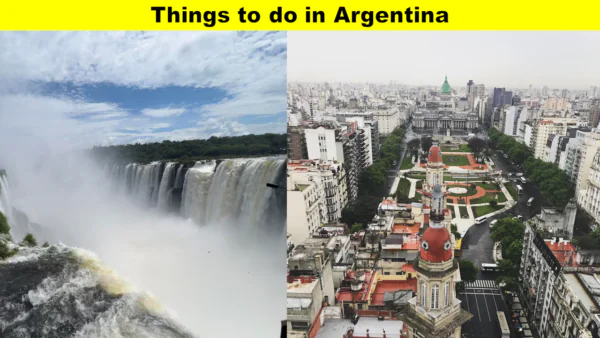
Things to do in Argentina based on NeemTime research from most popular to just popular.
Plaza de Mayo, Argentina
Overview: Plaza de Mayo, Argentina is the historic central square of Buenos Aires and a key site of political and social gatherings.
History: It has been the political heart of Argentina since the colonial era, witnessing revolutions and protests.
Since When: Established in 1580 during the founding of Buenos Aires.
Review: Visitors admire its historical significance, central location, and surrounding iconic buildings.
When to Go: Year-round, especially during national holidays or demonstrations for local culture.
How to Go: Accessible via Buenos Aires metro (Subte) to Plaza de Mayo station.
What to Do: Take photos, explore nearby government buildings, and attend public events.
Free or Paid: Free entry.
Jardín Japonés, Argentina
Overview: Jardín Japonés, Argentina is a serene Japanese-style garden featuring koi ponds, bonsai trees, and traditional architecture.
History: Built to celebrate Japanese-Argentine friendship and cultural exchange.
Since When: Opened in 1967.
Review: Visitors enjoy its peaceful environment, beautiful landscaping, and cultural exhibits.
When to Go: Spring and autumn for the most vibrant foliage.
How to Go: Accessible via Buenos Aires metro to Palermo Station and a short walk.
What to Do: Walk through gardens, relax by ponds, and enjoy tea ceremonies.
Free or Paid: Paid entry.
Iguazu Falls, Argentina
Overview: Iguazu Falls, Argentina is one of the largest and most spectacular waterfall systems in the world, spanning the border with Brazil.
History: Discovered by Europeans in 1541 and considered sacred by local Guarani people.
Since When: Recognized as a major tourist destination in the 20th century.
Review: Visitors are amazed by its sheer scale, natural beauty, and the roar of the cascades.
When to Go: Best during the rainy season from December to March for maximum flow.
How to Go: Reachable via flights to Puerto Iguazú followed by a short drive.
What to Do: Walk the viewing trails, take boat tours, and photograph Devil’s Throat.
Free or Paid: Paid entry.
Iguazú National Park, Argentina
Overview: Iguazú National Park, Argentina is a UNESCO World Heritage site protecting the rainforest surrounding Iguazu Falls.
History: Established to preserve the unique biodiversity and natural heritage of the region.
Since When: Created in 1934.
Review: Visitors praise the lush environment, wildlife sightings, and well-maintained trails.
When to Go: Year-round, with spring and summer being ideal for water volume.
How to Go: Accessible via Puerto Iguazú by car, taxi, or organized tours.
What to Do: Hike trails, observe wildlife, and explore visitor centers.
Free or Paid: Paid entry.
El Ateneo Grand Splendid, Argentina
Overview: El Ateneo Grand Splendid, Argentina is a stunning bookstore housed in a historic theater, renowned for its architectural beauty.
History: Originally opened as a theater in 1919 before conversion into a bookstore in 2000.
Since When: Became a bookstore in 2000.
Review: Visitors are impressed by its ornate ceilings, grand stage, and cozy reading areas.
When to Go: Open daily; mornings and weekdays are less crowded.
How to Go: Accessible via Buenos Aires metro to Callao Station and a short walk.
What to Do: Browse books, enjoy coffee in the café, and photograph the interior.
Free or Paid: Free entry; purchases are paid.
Reserva Ecológica Costanera Sur, Argentina
Overview: Reserva Ecológica Costanera Sur, Argentina is a large urban ecological reserve offering walking trails, wetlands, and wildlife in the heart of Buenos Aires.
History: Created to protect native flora and fauna and provide a natural retreat for city residents.
Since When: Opened in 1986.
Review: Visitors appreciate the peaceful environment, abundant bird species, and scenic riverside views.
When to Go: Early morning or late afternoon to enjoy wildlife and avoid crowds.
How to Go: Accessible by public bus or taxi from Buenos Aires city center.
What to Do: Walk or bike along trails, bird-watch, and take photos of the wetlands.
Free or Paid: Free entry.
Puente de la Mujer, Argentina
Overview: Puente de la Mujer, Argentina is a modern pedestrian swing bridge and iconic landmark in the Puerto Madero district of Buenos Aires.
History: Designed by Spanish architect Santiago Calatrava as a symbol of modern Buenos Aires.
Since When: Completed and opened in 2001.
Review: Visitors admire its unique design, elegance, and views of the waterfront.
When to Go: Evening for illuminated views or during daytime for photos.
How to Go: Reachable by walking from Puerto Madero metro stations or by taxi.
What to Do: Walk across the bridge, photograph its structure, and explore nearby restaurants.
Free or Paid: Free to access.
Teatro Colón, Argentina
Overview: Teatro Colón, Argentina is one of the world’s most famous opera houses, known for its exquisite architecture and acoustics.
History: Built to replace the original 1857 theater, showcasing European opera traditions in Argentina.
Since When: Opened in 1908.
Review: Visitors are awed by the ornate interior, historical significance, and guided tours.
When to Go: Guided tours are best during daytime; evening shows require ticket reservations.
How to Go: Accessible via Buenos Aires metro or taxi to the downtown area.
What to Do: Attend a performance, take a guided tour, and admire the grand architecture.
Free or Paid: Paid entry for tours and performances.
Jardín Botánico Carlos Thays, Argentina
Overview: Jardín Botánico Carlos Thays, Argentina is a botanical garden in Buenos Aires featuring themed plant collections, sculptures, and fountains.
History: Named after the French-Argentine landscape architect Carlos Thays who designed the city’s parks.
Since When: Opened in 1898.
Review: Visitors enjoy the serene environment, variety of plants, and artistic elements.
When to Go: Spring and summer for flowering displays.
How to Go: Accessible via Buenos Aires metro to Plaza Italia and a short walk.
What to Do: Stroll through themed gardens, photograph exotic plants, and relax on benches.
Free or Paid: Free entry.
Hito Tres Fronteras (Argentina), Argentina
Overview: Hito Tres Fronteras (Argentina), Argentina is a landmark marking the meeting point of Argentina, Brazil, and Paraguay along the Iguazu and Paraná rivers.
History: Erected to commemorate the tri-border area and its cultural significance.
Since When: Opened in 1903 and renovated for tourism purposes.
Review: Visitors appreciate the panoramic river views and photo opportunities at this international point.
When to Go: Early morning or late afternoon for the best lighting and cooler temperatures.
How to Go: Accessible by car or local bus from Puerto Iguazú town center.
What to Do: Walk along the viewpoint, take photographs, and enjoy riverside scenery.
Free or Paid: Free entry.
República de los Niños, Argentina
Overview: República de los Niños, Argentina is a family-friendly theme park featuring miniature buildings, playgrounds, and cultural exhibits for children in La Plata.
History: Built as an educational amusement park to teach children about civic life and history.
Since When: Opened in 1951.
Review: Visitors enjoy its charming architecture, safe environment, and interactive exhibits for kids.
When to Go: Weekdays to avoid crowds, or weekends for a lively atmosphere.
How to Go: Accessible by bus or car from La Plata city center.
What to Do: Explore miniature replicas, ride attractions, and enjoy cultural activities.
Free or Paid: Paid entry.
El Rosedal Garden, Argentina
Overview: El Rosedal Garden, Argentina is a famous rose garden in Palermo with thousands of rose bushes, a lake, and walking paths.
History: Designed to showcase a variety of rose species in a scenic public park setting.
Since When: Opened in 1914.
Review: Visitors praise its beauty, romantic ambiance, and peaceful walking paths.
When to Go: Spring for blooming roses, early morning for fewer crowds.
How to Go: Accessible by taxi or metro to Palermo and a short walk.
What to Do: Stroll among roses, take photos, and rent a rowboat on the lake.
Free or Paid: Free entry.
Puerto Madero, Argentina
Overview: Puerto Madero, Argentina is a revitalized waterfront district in Buenos Aires known for modern architecture, dining, and nightlife.
History: Redeveloped from former docks into an upscale urban neighborhood.
Since When: Redevelopment started in the 1990s.
Review: Visitors enjoy its sleek skyline, trendy restaurants, and scenic river walks.
When to Go: Evening for dining and nightlife or daytime for walking tours.
How to Go: Reachable by taxi, bus, or metro from central Buenos Aires.
What to Do: Walk along the waterfront, dine in restaurants, and photograph modern buildings.
Free or Paid: Free to explore; dining is paid.
Tres de Febrero Park, Argentina
Overview: Tres de Febrero Park, Argentina is a large urban park in Palermo featuring lakes, rose gardens, monuments, and sports facilities.
History: Created to provide green spaces for recreation and cultural events in Buenos Aires.
Since When: Opened in the late 19th century.
Review: Visitors enjoy its expansive green areas, walking paths, and serene lake views.
When to Go: Spring and summer for flowers and outdoor activities.
How to Go: Accessible by bus, metro, or taxi from Buenos Aires city center.
What to Do: Stroll, picnic, rent a rowboat, and visit the rose garden.
Free or Paid: Free entry.
Nacional Museum of Fine Arts, Argentina
Overview: Nacional Museum of Fine Arts, Argentina houses an extensive collection of Argentine and international artwork in Buenos Aires.
History: Established to promote art appreciation and preserve artistic heritage.
Since When: Opened in 1895.
Review: Visitors admire its diverse collections, from European masters to modern Argentine art.
When to Go: Weekdays for fewer crowds; special exhibitions are held year-round.
How to Go: Accessible by bus or metro to the Recoleta area.
What to Do: View permanent and temporary exhibitions, and attend guided tours.
Free or Paid: Free entry.
Plaza Dorrego, Argentina
Overview: Plaza Dorrego, Argentina is a historic square in Buenos Aires’ San Telmo neighborhood, famous for tango performances and antique markets.
History: Developed as a central meeting point for commerce and social gatherings in the colonial era.
Since When: Established in the 17th century.
Review: Visitors love its vibrant street performances, weekend antique fairs, and authentic Argentine atmosphere.
When to Go: Weekends for the antique market and live tango shows.
How to Go: Reachable by metro or taxi to San Telmo.
What to Do: Shop for antiques, watch tango performances, and enjoy local cafés.
Free or Paid: Free to explore; purchases and performances may be paid.
Palacio Barolo, Argentina
Overview: Palacio Barolo, Argentina is a historic office building in Buenos Aires inspired by Dante’s Divine Comedy with unique architectural details.
History: Commissioned by Luis Barolo and designed by architect Mario Palanti.
Since When: Completed in 1923.
Review: Visitors admire its symbolism, stunning interior, and panoramic views from the lighthouse.
When to Go: Weekdays for guided tours, mornings for better photography.
How to Go: Accessible by metro or taxi in central Buenos Aires.
What to Do: Take guided tours, learn the building’s history, and enjoy city views from the top.
Free or Paid: Paid guided tours.
Floralis Generica, Argentina
Overview: Floralis Generica, Argentina is a giant steel and aluminum flower sculpture in Buenos Aires that opens and closes its petals daily.
History: Created by Argentine architect Eduardo Catalano as a symbol of hope and renewal.
Since When: Installed in 2002.
Review: Visitors enjoy its striking design and the daily petal movement, which fascinates photographers and tourists alike.
When to Go: Early morning or late afternoon for best lighting and to see petal movement.
How to Go: Accessible by taxi or bus in the Palermo neighborhood.
What to Do: Photograph the sculpture, relax in surrounding gardens, and enjoy nearby walking paths.
Free or Paid: Free entry.
La Recoleta Cemetery, Argentina
Overview: La Recoleta Cemetery, Argentina is a famous historic cemetery in Buenos Aires known for elaborate mausoleums and notable burials.
History: Designed to honor prominent Argentine figures and European-style funerary architecture.
Since When: Opened in 1822.
Review: Visitors are impressed by its artistic tombs, statues, and peaceful atmosphere.
When to Go: Morning or early afternoon for fewer crowds.
How to Go: Accessible by metro or taxi to the Recoleta area.
What to Do: Explore the tombs, learn about Argentine history, and take photographs.
Free or Paid: Free entry.
Teatro Colon, Argentina
Overview: Teatro Colon, Argentina is the premier opera house of Buenos Aires, renowned for its exceptional acoustics and stunning architecture.
History: Built to host world-class opera and ballet performances in Argentina.
Since When: Opened in 1908.
Review: Visitors praise its grandeur, guided tours, and exceptional performances.
When to Go: Attend a performance or tour during weekdays for fewer crowds.
How to Go: Accessible by taxi or metro to the city center.
What to Do: Attend opera or ballet shows, take guided tours, and admire the architecture.
Free or Paid: Paid for performances and guided tours.
Recoleta, Argentina
Overview: Recoleta, Argentina is an upscale Buenos Aires neighborhood known for its historic architecture, cultural landmarks, and chic cafés.
History: The area developed as a prestigious residential district during the 19th century, influenced by French and European styles.
Since When: Established in the early 1800s.
Review: Visitors admire its elegant streets, boutique shopping, and cultural attractions like La Recoleta Cemetery.
When to Go: Daytime for walking tours and afternoons for café experiences.
How to Go: Accessible via metro, bus, or taxi in Buenos Aires.
What to Do: Explore museums, relax in parks, shop at boutiques, and visit Recoleta Cemetery.
Free or Paid: Free to stroll; museums and cemeteries may have entry fees.
Perito Moreno Glacier, Argentina
Overview: Perito Moreno Glacier, Argentina is a massive and dynamic glacier in Los Glaciares National Park, famous for its ice calving events.
History: Named after explorer Francisco Moreno, it has long been a significant natural landmark in Patagonia.
Since When: Recognized as a major tourist site since the early 20th century.
Review: Visitors are awed by its sheer size, striking blue ice, and dramatic icefalls.
When to Go: Summer months (December to February) for milder weather and better access.
How to Go: Reachable by bus or guided tours from El Calafate.
What to Do: Walk on designated viewing platforms, take a boat tour, and hike on glacier trails with guides.
Free or Paid: Paid entry for park access and guided tours.
Garganta del Diablo, Argentina
Overview: Garganta del Diablo, Argentina is the largest and most dramatic waterfall within Iguazú National Park, forming a U-shaped cliff where enormous volumes of water cascade.
History: Known to indigenous Guarani people and later explored by European travelers in the 16th century.
Since When: Protected as part of Iguazú National Park since 1934.
Review: Visitors are mesmerized by its thunderous roar, mist, and surrounding rainforest beauty.
When to Go: Early morning to avoid crowds and capture the best photography.
How to Go: Accessible by park shuttles, walking trails, and catwalks from the main entrance.
What to Do: Walk the catwalks, take boat rides under the falls, and enjoy nature trails.
Free or Paid: Paid park entrance.
Parque Nacional Tierra del Fuego, Argentina
Overview: Parque Nacional Tierra del Fuego, Argentina is a vast national park at the southern tip of the continent, featuring forests, mountains, lakes, and coastal landscapes.
History: Established to preserve the unique ecosystems and biodiversity of Tierra del Fuego.
Since When: Created in 1960.
Review: Visitors love its hiking trails, scenic vistas, and rich wildlife.
When to Go: Summer months (December to March) for safer hiking conditions.
How to Go: Accessible by car or bus from Ushuaia, the nearest city.
What to Do: Hike trails, photograph landscapes, spot wildlife, and enjoy nature walks.
Free or Paid: Paid park entrance fee.
Calle Defensa, Argentina
Overview: Calle Defensa, Argentina is a historic street in Buenos Aires’ San Telmo district, famous for antique shops, tango performances, and cultural vibrancy.
History: Dates back to colonial times as a central trade and residential street in the city.
Since When: Established in the 18th century.
Review: Visitors enjoy the lively street market, cultural ambiance, and historic architecture.
When to Go: Sundays for the famous San Telmo antique market.
How to Go: Reachable via metro, bus, or taxi to San Telmo neighborhood.
What to Do: Shop for antiques, watch tango shows, dine at local cafés, and explore art galleries.
Free or Paid: Free to walk; purchases at shops or market stalls are paid.
Torres del Paine National Park, Argentina
Overview: Torres del Paine National Park, Argentina is a spectacular park in Patagonia, known for its jagged mountains, glaciers, and vibrant wildlife.
History: Established to protect the region’s unique ecosystems and natural beauty, it has become a premier destination for ecotourism.
Since When: Created in 1959.
Review: Visitors are awed by its dramatic landscapes, trekking routes, and opportunities for wildlife spotting.
When to Go: Southern Hemisphere summer (December to February) for the best hiking conditions.
How to Go: Accessible via flights to Punta Arenas or Puerto Natales followed by bus or car.
What to Do: Hike trails, photograph landscapes, camp under the stars, and spot guanacos, condors, and pumas.
Free or Paid: Paid entry for park access.
Casa Rosada, Argentina
Overview: Casa Rosada, Argentina is the iconic pink presidential palace located in Buenos Aires, serving as the seat of the Argentine executive branch.
History: Constructed in the late 19th century, it has been the site of many historic events and political demonstrations.
Since When: Completed in 1898.
Review: Visitors admire its unique architecture, historical significance, and the balcony where famous leaders addressed crowds.
When to Go: Weekdays for guided tours and public viewing areas.
How to Go: Accessible by metro, bus, or walking from central Buenos Aires.
What to Do: Take guided tours, photograph the palace, and explore the adjoining museum.
Free or Paid: Free for some museum areas; guided tours may be paid.
Buenos Aires Free Walks, Argentina
Overview: Buenos Aires Free Walks, Argentina offers guided tours of the city’s cultural, historical, and architectural highlights at no mandatory cost.
History: Established to promote tourism and cultural awareness among visitors.
Since When: Operating since 2010.
Review: Visitors praise the knowledgeable guides, engaging stories, and convenient city coverage.
When to Go: Daily tours, best during mornings or afternoons.
How to Go: Meeting points in central Buenos Aires are accessible by metro, bus, or walking.
What to Do: Join walking tours, learn city history, and explore neighborhoods like San Telmo and Recoleta.
Free or Paid: Free, though tipping the guide is customary.
Museo de Arte Latinoamericano de Buenos Aires, Argentina
Overview: Museo de Arte Latinoamericano de Buenos Aires, Argentina is a leading museum showcasing modern and contemporary Latin American art.
History: Founded to promote regional artists and cultural exchange.
Since When: Established in 2001.
Review: Visitors appreciate its diverse collection, temporary exhibitions, and contemporary installations.
When to Go: Weekdays or weekends during museum hours to avoid large crowds.
How to Go: Reachable via metro, bus, or taxi in Buenos Aires.
What to Do: Explore exhibitions, attend workshops, and view modern art pieces.
Free or Paid: Paid admission; some special exhibitions may have extra fees.
Bosques de Palermo, Argentina
Overview: Bosques de Palermo, Argentina is a large urban park in Buenos Aires featuring lakes, rose gardens, and recreational spaces.
History: Developed in the 19th century to provide a green retreat for city residents.
Since When: Opened in 1877.
Review: Visitors enjoy its scenic walking paths, boating lakes, and peaceful environment.
When to Go: Spring and summer for blooming flowers and outdoor activities.
How to Go: Accessible by metro, bus, or taxi in Buenos Aires.
What to Do: Walk, jog, picnic, rent boats, and photograph gardens and monuments.
Free or Paid: Free entry; some attractions inside the park may have fees.