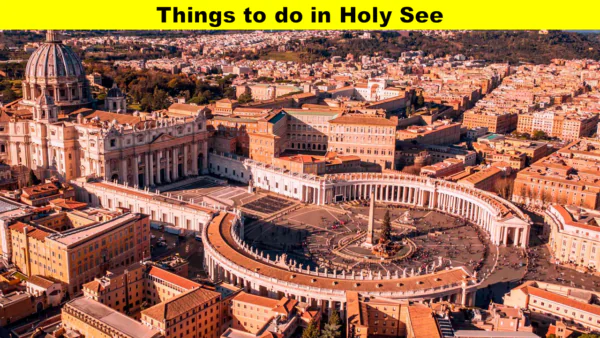
Things to do in Holy See based on NeemTime research from most popular to just popular.
Vatican Museums, Holy See
Overview: The Vatican Museums are a vast complex of art galleries and historical collections showcasing works from the Renaissance, classical antiquity, and beyond.
History: Established by Pope Julius II to display the papal collection, the museums grew over centuries under successive popes.
Since When: The museums have been open to the public since 1771.
Review: Visitors describe them as breathtaking, with highlights including the Sistine Chapel and Raphael Rooms, though they can be crowded.
When to Go: Early mornings on weekdays are best to avoid large crowds and long lines.
How to Go: Accessible via Vatican City entrances from Rome, often reached by metro or bus to Ottaviano–San Pietro station.
What to Do: Guests can explore art galleries, admire masterpieces, take guided tours, and visit the Sistine Chapel.
Free or Paid: Entry requires a paid ticket, with some free days for residents of the Holy See or specific groups.
Saint Peter’s Basilica, Holy See
Overview: Saint Peter’s Basilica is the grand Renaissance church at the heart of Vatican City, renowned for its monumental dome and artistic treasures.
History: Commissioned by Pope Julius II and designed by architects including Michelangelo, it has been a central site of Catholic worship and pilgrimage for centuries.
Since When: Construction began in 1506 and the basilica was consecrated in 1626.
Review: Visitors describe it as awe-inspiring, with breathtaking interiors, Michelangelo’s Pietà, and the majestic Bernini-designed square.
When to Go: Early mornings are ideal to avoid crowds and enjoy a more contemplative visit.
How to Go: Accessible via St. Peter’s Square entrances, often reached by metro to Ottaviano–San Pietro station or by bus.
What to Do: Guests can attend mass, explore chapels, climb the dome for panoramic views, and admire Renaissance and Baroque art.
Free or Paid: Entry to the basilica is free, though the dome and guided tours require payment.
Sistine Chapel, Holy See
Overview: The Sistine Chapel is a world-famous chapel within the Vatican Museums, celebrated for Michelangelo’s ceiling frescoes and The Last Judgment.
History: Commissioned by Pope Sixtus IV in the 15th century, it has been the site of papal ceremonies and conclaves for electing popes.
Since When: Completed in 1483, it has served both as a religious and artistic landmark ever since.
Review: Visitors describe it as breathtaking and awe-inspiring, with unparalleled Renaissance art, though often crowded.
When to Go: Early mornings or late afternoons on weekdays are best to avoid peak crowds.
How to Go: Accessible via the Vatican Museums entrance, typically reached by metro or bus to Ottaviano–San Pietro station.
What to Do: Guests can admire the frescoes, take guided tours, and learn about the chapel’s religious and artistic significance.
Free or Paid: Entry is included with a Vatican Museums ticket, which requires payment.
Saint Peter’s Square, Holy See
Overview: Saint Peter’s Square is the grand elliptical plaza in front of St. Peter’s Basilica, famous for its colonnades and central obelisk.
History: Designed by Gian Lorenzo Bernini in the 17th century, it was built to accommodate pilgrims and symbolize the Catholic Church’s universality.
Since When: Completed in 1667, it has served as the main gathering place for papal audiences and ceremonies.
Review: Visitors admire its architectural grandeur, vast open space, and symbolic significance.
When to Go: Mornings are best for photographs and quieter visits, while Wednesdays host the papal audience.
How to Go: Accessible on foot from surrounding Vatican City streets or via metro to Ottaviano–San Pietro station.
What to Do: Guests can admire the colonnades, take photos, attend papal events, and enjoy the view of the basilica.
Free or Paid: Visiting the square is completely free.
St. Peter’s Basilica, Holy See
Overview: Saint Peter’s Basilica is the central church of Vatican City, renowned for its Renaissance architecture, Michelangelo’s Pietà, and Bernini’s interior designs.
History: Constructed over the site of Saint Peter’s tomb, it was commissioned by Pope Julius II and completed under several master architects including Michelangelo.
Since When: Construction began in 1506 and the basilica was consecrated in 1626.
Review: Visitors describe it as awe-inspiring, spiritually moving, and architecturally monumental.
When to Go: Early morning is ideal to avoid large crowds.
How to Go: Accessible via St. Peter’s Square entrances, easily reached by metro or bus.
What to Do: Guests can attend mass, explore chapels, climb the dome for panoramic views, and admire art masterpieces.
Free or Paid: Entry is free, while dome access and guided tours require payment.
St. Peter Square Obelisk, Holy See
Overview: The St. Peter Square Obelisk is a 25-meter ancient Egyptian obelisk at the center of Saint Peter’s Square, serving as a focal point of the plaza.
History: Originally brought from Heliopolis to Rome by Emperor Caligula, it was moved to its current position in front of St. Peter’s Basilica by Pope Sixtus V in 1586.
Since When: It has stood in St. Peter’s Square since 1586 as a symbolic and architectural landmark.
Review: Visitors admire its historical significance, striking symmetry within the square, and impressive engineering feat.
When to Go: Morning or late afternoon offers the best light for photography without heavy crowds.
How to Go: Accessible on foot from surrounding Vatican City streets or via metro to Ottaviano–San Pietro station.
What to Do: Guests can photograph the obelisk, learn about its history, and explore the surrounding Saint Peter’s Square.
Free or Paid: Visiting the obelisk is free.
St. Peter’s Square, Holy See
Overview: Saint Peter’s Square is the monumental elliptical plaza in front of St. Peter’s Basilica, framed by Bernini’s sweeping colonnades.
History: Designed by Gian Lorenzo Bernini in the 17th century to accommodate pilgrims and enhance the grandeur of the basilica.
Since When: Completed in 1667, it has been the main gathering place for papal audiences and ceremonies.
Review: Visitors admire its architectural elegance, spiritual significance, and symbolic representation of the Catholic Church.
When to Go: Mornings are best for fewer crowds and photography, while Wednesdays host the papal audience.
How to Go: Accessible on foot within Vatican City or via metro to Ottaviano–San Pietro station.
What to Do: Guests can attend papal events, photograph the colonnades, and enjoy views of the basilica.
Free or Paid: Visiting the square is free.
Città del Vaticano, Holy See
Overview: Città del Vaticano (Vatican City) is the independent city-state and spiritual center of the Catholic Church, housing iconic religious and cultural landmarks.
History: Established as an independent sovereign state with the Lateran Treaty in 1929, though its religious significance dates back to the early Christian era.
Since When: Officially recognized as a sovereign state since 1929.
Review: Visitors describe it as historically rich, spiritually inspiring, and culturally unparalleled in art and architecture.
When to Go: Early mornings are best to avoid crowds, particularly around major attractions like the basilica and museums.
How to Go: Accessible via metro, bus, or walking from surrounding Rome areas.
What to Do: Guests can explore St. Peter’s Basilica, the Vatican Museums, Sistine Chapel, and Saint Peter’s Square.
Free or Paid: Access to public areas like St. Peter’s Square is free; museums and guided tours require payment.
La Pietà, Holy See
Overview: La Pietà is Michelangelo’s iconic Renaissance sculpture depicting Mary cradling the dead Jesus, housed inside St. Peter’s Basilica.
History: Sculpted by Michelangelo in 1498–1499, it was commissioned by a French cardinal and remains one of the most celebrated artworks in history.
Since When: On display in St. Peter’s Basilica since 1499.
Review: Visitors consider it a masterpiece of artistry and emotional expression, often described as breathtaking and deeply moving.
When to Go: Early morning is ideal to view it with fewer crowds inside the basilica.
How to Go: Accessible inside St. Peter’s Basilica via St. Peter’s Square entrances.
What to Do: Guests can admire the sculpture, take photographs, and reflect on its historical and religious significance.
Free or Paid: Viewing La Pietà inside the basilica is free.
Cupola di San Pietro, Holy See
Overview: The Cupola di San Pietro (St. Peter’s Dome) is Michelangelo’s architectural masterpiece crowning St. Peter’s Basilica, offering panoramic views of Vatican City and Rome.
History: Designed by Michelangelo in the 16th century and completed by Giacomo della Porta, it remains a symbol of Renaissance architecture and Catholic grandeur.
Since When: Completed in 1590, it has stood as the central dome of St. Peter’s Basilica.
Review: Visitors describe it as awe-inspiring for both its artistic brilliance and the breathtaking views from the top.
When to Go: Early morning is ideal to avoid long queues and capture morning light over the city.
How to Go: Accessible via the interior of St. Peter’s Basilica with stairs or elevator to reach the upper levels.
What to Do: Guests can climb the dome, admire frescoes up close, and enjoy panoramic photography of Vatican City.
Free or Paid: Dome access requires a paid ticket.
Gardens of Vatican City, Holy See
Overview: The Gardens of Vatican City are beautifully landscaped green spaces within the Vatican, featuring fountains, sculptures, and serene walking paths.
History: Created and expanded over centuries by successive popes for private contemplation, agriculture, and artistic display.
Since When: Access for guided tours has been available to the public since the early 20th century.
Review: Visitors praise the tranquility, manicured gardens, and historic monuments scattered throughout.
When to Go: Spring and early autumn are best for pleasant weather and blooming plants.
How to Go: Accessible via guided tours departing from Vatican Museums entrances.
What to Do: Guests can stroll through themed gardens, admire sculptures, and photograph fountains and greenery.
Free or Paid: Entry requires a paid guided tour.
Chiesa di Sant’Anna dei Palafrenieri, Holy See
Overview: Chiesa di Sant’Anna dei Palafrenieri is a small Baroque church located near St. Peter’s Basilica, historically serving the papal stable attendants and local community.
History: Built in the 16th century and later redesigned in Baroque style, it has been associated with papal ceremonial functions.
Since When: The current Baroque structure has stood since the 17th century.
Review: Visitors admire its ornate interior, elegant artworks, and quiet atmosphere away from the main basilica crowds.
When to Go: Morning visits are ideal for a peaceful experience before the surrounding Vatican crowds arrive.
How to Go: Accessible on foot from St. Peter’s Square entrances.
What to Do: Guests can admire Baroque architecture, religious artworks, and the historical significance of the papal association.
Free or Paid: Entry is free.
Stanze di Raffaello, Holy See
Overview: The Stanze di Raffaello (Raphael Rooms) are a series of papal chambers in the Vatican Museums decorated with Raphael’s frescoes, showcasing Renaissance artistry.
History: Commissioned by Pope Julius II and painted by Raphael and his workshop, they served as papal apartments and ceremonial rooms.
Since When: Frescoes were completed between 1508 and 1524.
Review: Visitors describe the rooms as masterful, vibrant, and essential for understanding Renaissance art and papal history.
When to Go: Early morning or late afternoon for fewer crowds and better viewing.
How to Go: Accessible via the Vatican Museums entrance, reachable by metro or bus to Ottaviano–San Pietro station.
What to Do: Guests can admire frescoes, take guided tours, and study Renaissance artistic techniques.
Free or Paid: Entry is included with a Vatican Museums ticket, which requires payment.
Giardini Vaticani, Holy See
Overview: The Giardini Vaticani (Vatican Gardens) are expansive green areas featuring fountains, sculptures, and manicured landscapes within the Vatican walls.
History: Developed over centuries by successive popes for private meditation, decoration, and agricultural purposes.
Since When: Public guided tours have been offered since the early 20th century.
Review: Visitors praise the serenity, beauty, and hidden historical treasures throughout the gardens.
When to Go: Spring and early autumn are the best seasons for comfortable weather and vibrant foliage.
How to Go: Access is only via guided tours departing from the Vatican Museums.
What to Do: Guests can stroll the paths, admire sculptures, and photograph fountains and greenery.
Free or Paid: Entry requires a paid guided tour.
Apostolic Palace, Holy See
Overview: The Apostolic Palace is the official residence of the Pope, containing private apartments, chapels, and administrative offices of the Holy See.
History: Built and expanded over centuries, it houses the papal collection, Vatican Museums, and the Raphael Rooms.
Since When: The palace has been in continuous use as the papal residence since the 14th century.
Review: Visitors consider it historically and spiritually significant, with extraordinary art and architecture.
When to Go: Tours are available during museum visiting hours; early arrival helps avoid crowds.
How to Go: Accessible via the Vatican Museums or St. Peter’s Square entrances.
What to Do: Guests can explore museum galleries, chapels, and papal apartments via guided tours.
Free or Paid: Entry is included with a Vatican Museums ticket, which requires payment.
Baldacchino di San Pietro, Di Bernini, Holy See
Overview: The Baldacchino di San Pietro is Bernini’s monumental bronze canopy over the high altar of St. Peter’s Basilica, marking the tomb of Saint Peter.
History: Commissioned by Pope Urban VIII and completed by Gian Lorenzo Bernini in the Baroque era, it serves as both religious and artistic centerpiece.
Since When: Completed in 1634, it has been a focal point for liturgical ceremonies in the basilica.
Review: Visitors describe it as awe-inspiring, with intricate details and a powerful sense of scale and presence.
When to Go: Morning visits are ideal to appreciate lighting and avoid large crowds inside the basilica.
How to Go: Accessible inside St. Peter’s Basilica via St. Peter’s Square entrances.
What to Do: Guests can admire the bronze canopy, study Baroque craftsmanship, and attend services at the high altar.
Free or Paid: Viewing is free with access to St. Peter’s Basilica.