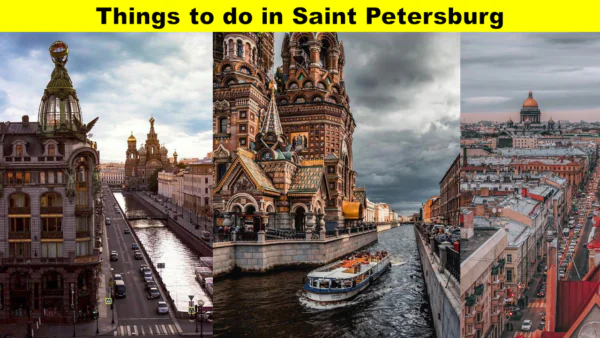
Things to do in Saint Petersburg based on NeemTime research from most popular to just popular.
Palace Square, Saint Petersburg
Overview: Palace Square is the central city square of Saint Petersburg, renowned for its vast open space, neoclassical architecture, and historical significance as the site of major public events.
History: Designed in the 18th century by architect Carlo Rossi, it served as the main ceremonial square connecting the Winter Palace with governmental and cultural buildings.
Since When: The square has been a focal point of public life in Saint Petersburg since the 1810s after the completion of Rossi’s architectural ensemble.
Review: Visitors praise its grandeur, historical monuments, and photogenic vistas, especially the view of the Alexander Column and surrounding palaces.
When to Go: Spring through early autumn offers comfortable weather for sightseeing and outdoor photography.
How to Go: Palace Square is accessible on foot from Nevsky Prospekt or via the Admiralteyskaya metro station.
What to Do: Guests can stroll the square, admire historic architecture, take photos, and attend cultural or ceremonial events when available.
Free or Paid: Access to the square is free, though entry to surrounding museums may require tickets.
Peterhof Palace, Saint Petersburg
Overview: Peterhof Palace is a grand imperial palace complex famous for its elaborate gardens, fountains, and ornate Baroque architecture, often called the “Russian Versailles.”
History: Commissioned by Peter the Great in the early 18th century to celebrate Russia’s naval victories and as a luxurious summer residence for the Tsars.
Since When: Peterhof Palace has been a major cultural and tourist site since the early 1700s, with reconstruction after World War II restorations.
Review: Visitors rave about the majestic fountains, intricate palace interiors, and beautifully landscaped gardens, though summer crowds can be large.
When to Go: Late spring to early autumn is ideal for enjoying the full operation of the fountains and gardens.
How to Go: Accessible by hydrofoil, bus, or car from central Saint Petersburg, with the hydrofoil offering scenic views along the Gulf of Finland.
What to Do: Guests can tour the palace interiors, stroll gardens, photograph the fountains, and explore surrounding parks.
Free or Paid: Entry requires a paid ticket, with separate fees for palace interiors and park areas.
State Hermitage Museum, Saint Petersburg
Overview: The State Hermitage Museum is one of the world’s largest and most prestigious art museums, housing millions of works including paintings, sculptures, and decorative arts.
History: Founded by Catherine the Great in 1764 as a private collection, it gradually expanded to a public museum showcasing international masterpieces.
Since When: It has been open to the public as a major museum since the 19th century.
Review: Visitors admire the extensive art collections, opulent architecture, and historical significance, though navigating the museum’s vast halls can be overwhelming.
When to Go: Early mornings or weekdays are best to avoid long queues, with spring and autumn providing comfortable sightseeing weather.
How to Go: Located on Palace Square, it is easily accessible by metro, bus, or on foot from central Saint Petersburg.
What to Do: Guests can tour galleries, view famous works such as da Vinci and Rembrandt, attend guided tours, and explore historical palace interiors.
Free or Paid: Entry requires a paid ticket, with additional charges for temporary exhibitions and guided tours.
Winter Palace, Saint Petersburg
Overview: The Winter Palace is the former imperial residence of Russian Tsars and a key part of the Hermitage complex, noted for its extravagant Baroque architecture and historical importance.
History: Constructed in the mid-18th century under Empress Elizabeth and designed by Bartolomeo Rastrelli, it served as the main residence of the Russian monarchy.
Since When: It has stood as a monumental architectural landmark since 1762 and has been part of the State Hermitage Museum since the early 20th century.
Review: Visitors praise the palace’s opulent interiors, historical artifacts, and architectural grandeur, though it can be crowded during peak tourist seasons.
When to Go: Spring and summer are ideal for touring the palace and surrounding gardens, with early mornings recommended to avoid crowds.
How to Go: Located on Palace Square, it is accessible on foot, by metro, or via guided city tours.
What to Do: Guests can explore the royal apartments, visit the Hermitage galleries housed within, take guided tours, and photograph the exterior façades.
Free or Paid: Entry requires a paid ticket, with additional fees for guided tours or special exhibitions.
St. Isaac’s Cathedral, Saint Petersburg
Overview: St. Isaac’s Cathedral is a monumental Russian Orthodox cathedral famous for its gilded dome, elaborate interior, and panoramic views from its colonnade.
History: Constructed between 1818 and 1858 under architect Auguste de Montferrand, it was built as the main church of Saint Petersburg to reflect the grandeur of the Russian Empire.
Since When: The cathedral has dominated Saint Petersburg’s skyline since 1858 and has served as both a religious site and tourist attraction.
Review: Visitors are impressed by the massive dome, intricate mosaics, and historical significance, though elevator lines to the observation deck can be long.
When to Go: Spring through early autumn provides ideal weather for both interior visits and panoramic city views from the colonnade.
How to Go: Located near St. Isaac’s Square, it is accessible on foot, by metro, or by city bus from central Saint Petersburg.
What to Do: Guests can tour the cathedral interior, climb the colonnade for panoramic views, admire mosaics, and photograph the gilded dome.
Free or Paid: Entry requires a paid ticket, with separate fees for colonnade access.
Peter and Paul Fortress, Saint Petersburg
Overview: The Peter and Paul Fortress is a historic citadel on Zayachy Island, featuring military structures, churches, and museums that mark the founding of Saint Petersburg.
History: Constructed by Peter the Great in 1703 to protect the city from Swedish attacks, it also served as a political prison and military base.
Since When: The fortress has stood since 1703 and remains a central historical and cultural landmark in Saint Petersburg.
Review: Visitors admire its well-preserved bastions, the cathedral with the tombs of Russian emperors, and panoramic views, though some indoor areas can feel crowded.
When to Go: Spring through early autumn is ideal for exploring the grounds, with milder weather for walking tours.
How to Go: Accessible via Neva embankments or by metro and bus to Gorkovskaya or Chernyshevskaya stations, followed by a short walk.
What to Do: Guests can tour the Peter and Paul Cathedral, visit museums, walk the fortress walls, and photograph the Neva River views.
Free or Paid: Entry to the grounds is free, though individual museums and cathedral access require paid tickets.
Park 300-Letiya Sankt-Peterburga, Saint Petersburg
Overview: Park 300-Letiya Sankt-Peterburga is a large urban park featuring walking paths, playgrounds, lakes, sports facilities, and landscaped green areas.
History: The park was developed to commemorate the 300th anniversary of Saint Petersburg, highlighting recreational spaces for residents and tourists.
Since When: It has been a public park since 2003 and is one of the city’s largest contemporary green spaces.
Review: Visitors enjoy its wide open spaces, recreational facilities, and family-friendly atmosphere, though it can be busy on weekends.
When to Go: Spring to early autumn provides the best weather for outdoor activities and scenic walks.
How to Go: Accessible by bus, metro, or taxi from central Saint Petersburg, with entrances on multiple sides of the park.
What to Do: Guests can walk, jog, picnic, visit playgrounds, enjoy lakeside views, and participate in seasonal events.
Free or Paid: Access to the park is free.
Savior on the Spilled Blood, Saint Petersburg
Overview: The Church of the Savior on the Spilled Blood is a landmark Russian Orthodox cathedral famous for its ornate mosaics, colorful onion domes, and historic significance.
History: Built between 1883 and 1907 on the site where Emperor Alexander II was assassinated, it commemorates his life and reign.
Since When: It has stood as a major architectural and religious monument since 1907, surviving periods of damage and restoration.
Review: Visitors are impressed by the vibrant mosaics and historical significance, though lines for entry can be long during peak tourist season.
When to Go: Spring through early autumn, especially mornings, are best to avoid crowds and capture photography.
How to Go: Located along the Griboedov Canal, it is accessible by metro, bus, or on foot from Nevsky Prospekt.
What to Do: Guests can admire the interior mosaics, photograph the exterior, learn about Alexander II, and attend religious services.
Free or Paid: Entry to the church interior requires a paid ticket.
New Holland, Saint Petersburg
Overview: New Holland is a historic island in central Saint Petersburg, now transformed into a cultural, recreational, and art space featuring events, exhibitions, and cafés.
History: Originally developed in the 18th century as a naval storage and shipbuilding area, it has been revitalized for public and cultural use.
Since When: It has been a public cultural hub since 2013 following extensive redevelopment and restoration projects.
Review: Visitors enjoy its innovative mix of architecture, art installations, and recreational areas, though weekends can be crowded.
When to Go: Spring through early autumn is best to enjoy outdoor events, exhibitions, and open-air cafés.
How to Go: Located near the Admiralty and Palace Bridge, it is easily accessible on foot from central Saint Petersburg or via public transport.
What to Do: Guests can explore exhibitions, attend events, dine at cafés, relax by the canals, and take photographs of historic architecture.
Free or Paid: Entry to the island is free, while specific exhibitions or activities may require tickets.
Cruiser Aurora, Saint Petersburg
Overview: The Cruiser Aurora is a historic Russian naval ship, preserved as a museum and symbol of the October Revolution of 1917.
History: Launched in 1900, Aurora played a key role in the Russo-Japanese War and fired the blank shot signaling the start of the Bolshevik revolution.
Since When: It has been preserved as a museum ship on the Neva River since 1957.
Review: Visitors appreciate its historical significance, restored decks, and guided tours, though some interior sections are narrow and crowded.
When to Go: Late spring to early autumn offers the most comfortable weather for exploring the ship and nearby embankments.
How to Go: Located on the Neva River near the Petrogradskaya embankment, it is accessible by bus, taxi, or on foot from nearby metro stations.
What to Do: Guests can tour the decks, learn about naval history, explore exhibits, and photograph the ship against the Neva River backdrop.
Free or Paid: Entry to the museum ship requires a paid ticket.
Summer Garden, Saint Petersburg
Overview: Summer Garden is a historic landscaped garden in central Saint Petersburg, renowned for its geometric layouts, fountains, and classical statues.
History: Established by Peter the Great in 1704, the garden was inspired by European formal gardens and served as a place of leisure for the Russian aristocracy.
Since When: It has existed since the early 18th century and has undergone multiple restorations to preserve its original design.
Review: Visitors praise the serene atmosphere, artistic sculptures, and meticulously maintained greenery, though some fountains operate seasonally.
When to Go: Late spring to early autumn provides the best conditions for walking tours and photography.
How to Go: Located near the Fontanka River and accessible from Nevsky Prospekt, it can be reached on foot or via metro and bus.
What to Do: Guests can stroll along tree-lined avenues, admire sculptures, relax by fountains, and enjoy seasonal flower displays.
Free or Paid: Entry to the Summer Garden requires a paid ticket.
Нижний парк (Lower Park), Saint Petersburg
Overview: Нижний парк (Lower Park) is a historic and scenic park forming part of the Peterhof Palace complex, featuring landscaped gardens, fountains, and tree-lined promenades.
History: Designed in the early 18th century under Peter the Great as part of his imperial residence, it became the main public area of Peterhof Palace gardens.
Since When: The Lower Park has been open since the early 1700s and continues to be a major attraction within the Peterhof grounds.
Review: Visitors admire the grandeur of the fountains, manicured gardens, and walking paths, though it can become crowded during peak tourist seasons.
When to Go: Spring to early autumn is best for experiencing the fountains at full operation.
How to Go: Accessible from central Saint Petersburg by hydrofoil, bus, or car, as part of a Peterhof visit.
What to Do: Guests can walk among fountains, explore landscaped gardens, photograph palace views, and enjoy seasonal events.
Free or Paid: Access requires a paid ticket for the Lower Park, with additional fees for palace interiors.
Диво-Остров (Divo-Ostrov), Saint Petersburg
Overview: Диво-Остров (Divo-Ostrov) is a large indoor and outdoor amusement park featuring roller coasters, rides, interactive attractions, and family-friendly entertainment.
History: Developed to provide a modern recreational space for families and tourists, the park integrates both thrill rides and educational attractions.
Since When: The park has been operating since 2007 and is one of Saint Petersburg’s largest amusement destinations.
Review: Visitors enjoy the variety of rides, indoor attractions for rainy days, and lively atmosphere, though weekends are particularly crowded.
When to Go: Weekdays or early mornings are ideal for a quieter experience, while weekends offer full entertainment.
How to Go: Located on Krestovsky Island, it is accessible by metro, bus, or taxi from central Saint Petersburg.
What to Do: Guests can ride roller coasters, participate in interactive attractions, enjoy carnival games, and dine at on-site eateries.
Free or Paid: Entry and ride tickets require payment.
Catherine Palace, Saint Petersburg
Overview: Catherine Palace is a grand Baroque palace located in Pushkin, famous for its opulent interiors, the Amber Room, and extensive landscaped gardens.
History: Originally built in the early 18th century and redesigned by Bartolomeo Rastrelli in the mid-1700s, it served as the summer residence of Russian Tsars.
Since When: The palace has been a cultural and tourist site since the early 20th century, following restoration from wartime damages.
Review: Visitors admire the lavish interiors, detailed artwork, and beautifully landscaped gardens, though large crowds are common during peak seasons.
When to Go: Spring and summer offer the best conditions to tour both the palace and gardens comfortably.
How to Go: Located in Pushkin, about 25 km south of central Saint Petersburg, it is accessible by train, bus, or guided tour.
What to Do: Guests can tour the palace rooms, view the Amber Room, stroll the formal gardens, and photograph the palace façade.
Free or Paid: Entry requires a paid ticket for the palace and gardens.
Primorskiy Park Pobedy, Saint Petersburg
Overview: Primorskiy Park Pobedy is a large coastal park along the Gulf of Finland, offering walking paths, playgrounds, sports facilities, and scenic seaside views.
History: Developed as a public recreational area to commemorate military history and provide a space for outdoor leisure in northern Saint Petersburg.
Since When: The park has been open since the late 20th century and continues to serve as a popular local and tourist destination.
Review: Visitors appreciate its spacious greenery, coastal views, and recreational facilities, though it can be windy along the shore.
When to Go: Late spring through early autumn provides the most pleasant weather for walking, picnics, and sports activities.
How to Go: Accessible by bus, car, or taxi from central Saint Petersburg, with multiple entrances along the coastline.
What to Do: Guests can walk, jog, cycle, picnic, use playgrounds and sports areas, and enjoy views of the Gulf of Finland.
Free or Paid: Entry is free.
The State Hermitage Museum, Saint Petersburg
Overview: The State Hermitage Museum is one of the world’s largest and most prestigious art museums, housing millions of works including paintings, sculptures, and decorative arts from across the globe.
History: Founded by Catherine the Great in 1764 as a private collection, it gradually expanded to a public museum showcasing masterpieces of European and Russian art.
Since When: The museum has been open to the public since the 19th century and has continuously grown its collection and influence.
Review: Visitors admire the vast and diverse collections, the opulent interiors, and the historical significance, though navigating its enormous halls can be overwhelming.
When to Go: Early mornings or weekdays are best to avoid long queues, with spring and autumn offering the most comfortable visiting conditions.
How to Go: Located on Palace Square, it is accessible on foot, by metro, or by bus from central Saint Petersburg.
What to Do: Guests can tour galleries, view iconic masterpieces, attend guided tours, and explore the historic palace interiors.
Free or Paid: Entry requires a paid ticket, with additional fees for temporary exhibitions or guided tours.
Grand Maket Russia, Saint Petersburg
Overview: Grand Maket Russia is an interactive miniature museum featuring detailed scale models of Russian cities, landscapes, and cultural landmarks.
History: Established to provide both educational and entertaining insights into Russia’s geography, architecture, and culture through detailed miniature replicas.
Since When: It has been open to the public since 2012 as one of Saint Petersburg’s unique and family-friendly attractions.
Review: Visitors enjoy the intricate details, interactive elements, and realistic models, though younger children may need guidance to appreciate all displays.
When to Go: Weekdays or mornings are ideal to avoid crowds, while weekends are livelier for family visits.
How to Go: Located near the city center, it is accessible by metro, bus, or taxi.
What to Do: Guests can explore miniature cities, operate interactive features, learn about Russian geography, and photograph detailed models.
Free or Paid: Entry requires a paid ticket.
Kunstkamera, Saint Petersburg
Overview: Kunstkamera is the first museum in Russia, established to display a vast collection of ethnographic, anatomical, and natural curiosities from around the world.
History: Founded by Peter the Great in 1714 to promote science and education, it houses rare artifacts and anthropological exhibits.
Since When: Kunstkamera has been open to the public since 1727, making it Russia’s oldest museum.
Review: Visitors appreciate its historical collections, scientific value, and unique exhibits, though some displays are densely arranged and require careful viewing.
When to Go: Spring and summer mornings are best to enjoy the exhibits with fewer crowds.
How to Go: Located on Universitetskaya Embankment, it is accessible by metro, bus, or on foot from central Saint Petersburg.
What to Do: Guests can explore ethnographic and scientific collections, view preserved specimens, attend guided tours, and learn about Peter the Great’s contributions to science.
Free or Paid: Entry requires a paid ticket.
Bronze Horseman, Saint Petersburg
Overview: The Bronze Horseman is an iconic equestrian statue of Peter the Great, symbolizing his vision for Saint Petersburg and Russia’s modernization.
History: Commissioned by Catherine the Great in 1768 and sculpted by Étienne Falconet, it became a symbol of the city and Russian imperial power.
Since When: The monument has stood in Senate Square since its unveiling in 1782.
Review: Visitors admire the artistic mastery, historical significance, and dramatic location overlooking the Neva River, though the area can be crowded with tourists.
When to Go: Early mornings or late afternoons provide the best lighting for photography and fewer crowds.
How to Go: Located in Senate Square, it is accessible on foot from Nevsky Prospekt or via nearby metro stations.
What to Do: Guests can photograph the statue, learn about Peter the Great’s legacy, and explore the surrounding historic square.
Free or Paid: Access to view the monument is free.
Church Of The Savior On Spilled Blood, Saint Petersburg
Overview: The Church of the Savior on Spilled Blood is a Russian Orthodox cathedral famed for its ornate mosaics, onion domes, and location on the site of Emperor Alexander II’s assassination.
History: Constructed between 1883 and 1907 to honor Alexander II, it showcases traditional Russian architectural styles in contrast to contemporary buildings of the time.
Since When: It has been a major architectural and religious landmark since 1907, surviving periods of neglect and restoration.
Review: Visitors are captivated by the vibrant mosaics, historical context, and exterior beauty, though lines for entry can be long during peak tourist season.
When to Go: Spring through early autumn, particularly in the mornings, is ideal to avoid crowds and enjoy clear views.
How to Go: Located along the Griboedov Canal, it is accessible by metro, bus, or on foot from Nevsky Prospekt.
What to Do: Guests can admire interior mosaics, photograph the cathedral, learn about Alexander II, and attend religious services if desired.
Free or Paid: Entry to the interior requires a paid ticket.
Catherine Park, Saint Petersburg
Overview: Catherine Park is an expansive landscaped park surrounding the Catherine Palace, featuring ponds, bridges, pavilions, and manicured gardens in formal and English styles.
History: Developed alongside Catherine Palace in the 18th century under Empress Catherine I and expanded by subsequent rulers to complement the imperial residence.
Since When: It has been open to the public since the 19th century, following its use as a private imperial garden.
Review: Visitors praise its scenic beauty, tranquil walking paths, and picturesque vistas, though it can be crowded during summer.
When to Go: Spring through early autumn is ideal for enjoying the gardens, ponds, and seasonal flower displays.
How to Go: Located in Pushkin, it is accessible by train, bus, or taxi from central Saint Petersburg.
What to Do: Guests can stroll the tree-lined paths, photograph pavilions and bridges, relax by the ponds, and explore nearby palace grounds.
Free or Paid: Entry to the park is paid, with additional charges for palace access.
Pavlovskiy Park, Saint Petersburg
Overview: Pavlovskiy Park is a historic landscaped park surrounding Pavlovsk Palace, featuring wide avenues, lakes, classical sculptures, and forested areas.
History: Commissioned by Empress Catherine the Great and designed in the late 18th century, it was intended as the summer residence of her son, Emperor Paul I.
Since When: The park has been open to visitors since the 19th century and remains a key example of Russian landscape design.
Review: Visitors enjoy the combination of manicured gardens and natural landscapes, though some areas require substantial walking.
When to Go: Spring to early autumn is best for exploring gardens, lakes, and forested paths.
How to Go: Accessible by train, bus, or taxi from central Saint Petersburg to Pavlovsk town.
What to Do: Guests can walk or cycle along park trails, visit ponds, enjoy sculptures, picnic, and explore Pavlovsk Palace nearby.
Free or Paid: Entry to the park is paid, with additional fees for the palace.
Mariinsky Theatre, Saint Petersburg
Overview: Mariinsky Theatre is a world-renowned opera and ballet theatre, hosting performances by the Mariinsky Ballet, Opera, and Orchestra.
History: Founded in 1860 and historically associated with Tsarist Russia, it has premiered works by composers such as Tchaikovsky and Rimsky-Korsakov.
Since When: The theatre has been operating since 1860 and continues to be a cultural centerpiece of Saint Petersburg.
Review: Visitors praise the exceptional performances, historic architecture, and acoustics, though tickets for popular shows sell out quickly.
When to Go: Evenings for performances, with the cultural season peaking in spring and autumn.
How to Go: Located near Nevsky Prospekt, it is accessible by metro, bus, or on foot from central Saint Petersburg.
What to Do: Guests can attend opera or ballet performances, tour the historic building, and photograph the ornate interior.
Free or Paid: Entry requires purchasing tickets for performances or guided tours.
The Dalí Museum, Saint Petersburg
Overview: The Dalí Museum is a contemporary museum dedicated to the surrealist works of Salvador Dalí, featuring paintings, sculptures, and multimedia exhibits.
History: Established to bring international modern art to Saint Petersburg and provide access to Dalí’s distinctive surrealist collections.
Since When: It has been operating since the 2010s as one of the city’s premier contemporary art attractions.
Review: Visitors admire the imaginative exhibits, interactive installations, and unique presentation, though some may find the surrealist themes unusual.
When to Go: Weekdays or mornings are best to avoid crowds and fully enjoy the exhibits.
How to Go: Located in central Saint Petersburg, it is accessible by metro, bus, or on foot from Nevsky Prospekt.
What to Do: Guests can explore Dalí’s paintings and sculptures, experience multimedia displays, and photograph surrealist installations.
Free or Paid: Entry requires a paid ticket.
Piterland, Saint Petersburg
Overview: Piterland is an indoor water and amusement park featuring water slides, pools, and family-friendly entertainment suitable for all ages.
History: Developed as part of Saint Petersburg’s recreational infrastructure to provide year-round indoor water-based entertainment.
Since When: Piterland has been operating since the early 2010s and is popular with families and tourists alike.
Review: Visitors enjoy the variety of slides, pools, and attractions, though weekends and holidays can be crowded.
When to Go: Weekdays or off-peak hours are best for a more relaxed experience.
How to Go: Located in the southern part of the city, it is accessible by car, taxi, or public transport from central Saint Petersburg.
What to Do: Guests can swim, use water slides, relax in leisure areas, and participate in family-friendly activities.
Free or Paid: Entry requires a paid ticket for access to all facilities.
Лофт Проект Этажи (Loft Project Etazhi), Saint Petersburg
Overview: Лофт Проект Этажи (Loft Project Etazhi) is a contemporary cultural center and art space housed in a historic industrial building, featuring galleries, exhibitions, and creative workshops.
History: The space was converted from a former warehouse in 2007 to serve as a hub for contemporary art, cultural events, and community projects.
Since When: It has been operating as an art and cultural center since 2007, attracting both local and international artists.
Review: Visitors praise the innovative exhibits, diverse events, and vibrant atmosphere, though some exhibitions may change frequently.
When to Go: Weekdays or early afternoons are ideal for exploring galleries and workshops with fewer crowds.
How to Go: Located on Ligovsky Prospekt, it is accessible by metro, bus, or taxi from central Saint Petersburg.
What to Do: Guests can view contemporary art, attend workshops, visit exhibitions, enjoy pop-up cafes, and participate in cultural events.
Free or Paid: Entry is free for general access, with specific exhibitions and workshops requiring paid tickets.
Oceanarium, Saint Petersburg
Overview: Oceanarium is a marine-themed attraction featuring aquariums, exotic sea creatures, interactive exhibits, and educational displays for children and adults.
History: Established to provide both entertainment and educational opportunities about marine life for families and tourists visiting Saint Petersburg.
Since When: It has been operating since the 2010s as a major aquatic attraction in the city.
Review: Visitors enjoy the wide variety of marine animals, interactive exhibits, and family-friendly design, though weekends can be crowded.
When to Go: Weekdays and mornings are best to avoid crowds and enjoy the exhibits at a relaxed pace.
How to Go: Located near central Saint Petersburg, it is accessible by metro, bus, or taxi.
What to Do: Guests can observe marine life, participate in interactive exhibits, attend feeding shows, and take photos of aquariums.
Free or Paid: Entry requires a paid ticket.
St. Pete Pier, Saint Petersburg
Overview: St. Pete Pier is a waterfront destination featuring parks, restaurants, shops, observation decks, and cultural spaces along Tampa Bay.
History: Developed as a community and cultural hub, it has evolved to provide recreational, dining, and entertainment options for locals and tourists.
Since When: The pier has operated in its current revitalized form since 2020 after a major redevelopment project.
Review: Visitors praise its scenic waterfront views, family-friendly activities, and vibrant dining options, though weekends can be busy.
When to Go: Early mornings or weekdays are ideal for walking and sightseeing without crowds.
How to Go: Accessible by car, bus, or bike paths from Saint Petersburg city center.
What to Do: Guests can stroll the pier, dine in waterfront restaurants, shop, enjoy cultural spaces, and take photographs of the bay.
Free or Paid: Access to the pier is free, while dining and special attractions require payment.
Erarta, Saint Petersburg
Overview: Erarta is Russia’s largest private contemporary art museum, showcasing a diverse collection of modern Russian artworks across multiple media.
History: Founded in 2010 by Boris Minnikhanov to provide a platform for contemporary Russian artists and promote cultural education.
Since When: The museum has been open to the public since 2010, becoming a major destination for contemporary art in Saint Petersburg.
Review: Visitors appreciate the vibrant exhibits, innovative curation, and immersive spaces, though some contemporary styles may not appeal to all audiences.
When to Go: Weekdays or early afternoons are best for a quiet and relaxed viewing experience.
How to Go: Located on Vasilyevsky Island, it is accessible by metro, bus, or taxi from central Saint Petersburg.
What to Do: Guests can explore modern art exhibitions, attend workshops, visit the museum café, and participate in cultural programs.
Free or Paid: Entry requires a paid ticket.
Tsentral’nyy Park Kul’tury I Otdykha Im. S. M. Kirova, Saint Petersburg
Overview: Tsentral’nyy Park Kul’tury I Otdykha Im. S. M. Kirova is a large urban park with playgrounds, walking paths, sports facilities, lakes, and cultural attractions.
History: Established during the Soviet era to provide public recreational space, it has grown into one of the city’s major leisure destinations.
Since When: The park has been serving the public since the mid-20th century, maintaining both green spaces and recreational amenities.
Review: Visitors enjoy the open spaces, variety of activities, and cultural landmarks, though certain areas can be crowded during holidays.
When to Go: Spring to early autumn offers the best conditions for outdoor recreation, walking, and sports.
How to Go: Accessible by metro, bus, or taxi from central Saint Petersburg, with multiple park entrances.
What to Do: Guests can walk, jog, picnic, play sports, enjoy playgrounds, and attend seasonal events or cultural programs.
Free or Paid: Access to the park is free, while some attractions or sports facilities may require payment.
The State Russian Museum, Mikhailovsky Palace, Saint Petersburg
Overview: The State Russian Museum in Mikhailovsky Palace is a premier institution showcasing Russian fine art from the 10th century to contemporary works in a historic Baroque palace.
History: Founded by Emperor Alexander III in 1895, the museum was intended to preserve and exhibit Russian art heritage for public education and cultural enrichment.
Since When: The museum has been open since 1898, gradually expanding with additional buildings and collections.
Review: Visitors praise the extensive collection, elegant palace architecture, and curated exhibitions, though navigating all galleries can be time-consuming.
When to Go: Weekdays and early mornings are best to avoid crowds, with spring and autumn providing comfortable conditions.
How to Go: Located near the Mikhailovsky Garden, it is accessible by metro, bus, or on foot from Nevsky Prospekt.
What to Do: Guests can explore Russian paintings, sculptures, and decorative arts, attend guided tours, and photograph the palace interior.
Free or Paid: Entry requires a paid ticket, with additional charges for temporary exhibitions or guided tours.
Pyshechnaya, Saint Petersburg
Overview: Pyshechnaya is a traditional Saint Petersburg café famous for its fresh Russian doughnuts (pyshechki), coffee, and nostalgic Soviet-era ambiance.
History: Established in the 1950s, it became a cultural icon of the city, retaining its original menu and décor style for generations.
Since When: It has been serving locals and tourists continuously since the mid-20th century.
Review: Visitors enjoy the fluffy doughnuts, authentic coffee, and old-world charm, though seating is limited and lines can form during peak hours.
When to Go: Early mornings or weekdays are ideal to enjoy fresh doughnuts with minimal waiting.
How to Go: Located near Nevsky Prospekt, it is easily reachable by metro, bus, or on foot from central Saint Petersburg.
What to Do: Guests can taste traditional doughnuts, enjoy coffee, soak in the nostalgic atmosphere, and photograph the vintage interior.
Free or Paid: Food and drinks require payment.
Faberge Museum, Saint Petersburg
Overview: The Fabergé Museum houses a world-class collection of Imperial Fabergé eggs, jewelry, and decorative arts in the historic Shuvalov Palace.
History: Established to preserve the legacy of Peter Carl Fabergé and showcase Russian decorative art treasures, including treasures from the Romanov family.
Since When: The museum has been open to the public since 2013, quickly gaining international recognition.
Review: Visitors are captivated by the intricate craftsmanship of Fabergé works, elegant palace interiors, and curated exhibitions, though guided tours are recommended for full context.
When to Go: Weekdays and mornings are best to avoid long queues and enjoy a quieter experience.
How to Go: Located on the Fontanka River embankment, it is accessible by metro, bus, or on foot from central Saint Petersburg.
What to Do: Guests can admire Fabergé eggs and decorative art, explore the Shuvalov Palace, take guided tours, and photograph the exhibits.
Free or Paid: Entry requires a paid ticket.
Grand Peterhof Palace, Saint Petersburg
Overview: Grand Peterhof Palace is an opulent imperial residence famed for its Baroque architecture, grand halls, and extensive gardens with cascading fountains.
History: Commissioned by Peter the Great in the early 18th century, it was intended as the summer residence for Russian monarchs and a symbol of imperial power.
Since When: The palace has been a public tourist destination since the early 20th century, following post-revolution and post-war restorations.
Review: Visitors rave about the grandeur, ornate interiors, and spectacular fountain system, though summer crowds can be heavy.
When to Go: Late spring through early autumn is ideal for full enjoyment of the palace interiors and gardens.
How to Go: Accessible by hydrofoil, bus, or car from central Saint Petersburg.
What to Do: Guests can tour palace halls, explore Lower and Upper Gardens, photograph fountains, and learn about Russian imperial history.
Free or Paid: Entry requires a paid ticket, with separate fees for palace interiors and garden areas.
Peter and Paul Cathedral, Saint Petersburg
Overview: Peter and Paul Cathedral is a historic Russian Orthodox church located within the Peter and Paul Fortress, famous for its golden spire and royal tombs.
History: Built between 1712 and 1733 under the direction of Domenico Trezzini, it served as the burial site for Russian emperors and empresses.
Since When: The cathedral has stood since 1733, marking it as one of Saint Petersburg’s oldest landmarks.
Review: Visitors admire the striking Baroque architecture, royal tombs, and serene interior, though guided tours are recommended for full historical context.
When to Go: Spring to early autumn mornings are best for avoiding crowds and enjoying the fortress grounds.
How to Go: Located on Zayachy Island within the Peter and Paul Fortress, accessible by metro, bus, or on foot from central Saint Petersburg.
What to Do: Guests can explore the cathedral interior, view royal tombs, learn about Russian imperial history, and photograph the fortress and spire.
Free or Paid: Entry to the cathedral requires a paid ticket, though the fortress grounds may be partially free to access.
Yusupov Palace, Saint Petersburg
Overview: Yusupov Palace is a historic aristocratic residence famous for its lavish interiors, grand halls, and the site of Rasputin’s assassination.
History: Built in the 18th century and extensively renovated by the wealthy Yusupov family, it served as a private noble residence and social hub.
Since When: The palace has been open to the public since the 1990s following extensive restoration work.
Review: Visitors praise the opulent rooms, historic significance, and guided tours, though the palace can feel crowded during peak tourist times.
When to Go: Weekdays or early mornings are ideal for a quieter visit and better photographic opportunities.
How to Go: Located on the Moika River embankment, it is accessible by metro, bus, or on foot from central Saint Petersburg.
What to Do: Guests can tour the palace halls, view period interiors, learn about Rasputin’s story, and photograph the historic rooms.
Free or Paid: Entry requires a paid ticket.
Yuzhno-Primorskiy Park, Saint Petersburg
Overview: Yuzhno-Primorskiy Park is a large urban green space offering walking paths, sports areas, playgrounds, and seaside views along the Gulf of Finland.
History: Developed as a recreational area for local residents to provide leisure opportunities and coastal scenery.
Since When: The park has been serving the public since the late 20th century.
Review: Visitors enjoy the open space, scenic views, and family-friendly facilities, though some areas can be windy along the coast.
When to Go: Spring to early autumn is ideal for walking, picnics, and outdoor sports.
How to Go: Accessible by bus, metro, or car from central Saint Petersburg, with several entrances along the shoreline.
What to Do: Guests can walk, jog, cycle, enjoy playgrounds, picnic, and photograph the coastal scenery.
Free or Paid: Access is free.
Yusupovskiy Sad (Yusupov Garden), Saint Petersburg
Overview: Yusupovskiy Sad is a historic landscaped garden adjacent to the Yusupov Palace, featuring decorative fountains, tree-lined paths, and flowerbeds.
History: Designed in the 18th century as part of the Yusupov family estate, it served as a private garden for nobility and social events.
Since When: The garden has been open to the public since the late 20th century following restoration efforts.
Review: Visitors appreciate the peaceful atmosphere, historic charm, and well-maintained pathways, though it is smaller than other Saint Petersburg parks.
When to Go: Spring and summer are ideal for enjoying flower displays and outdoor walks.
How to Go: Located near the Moika River, it is accessible on foot from central Saint Petersburg or via metro and bus.
What to Do: Guests can stroll the garden paths, photograph fountains, relax on benches, and admire the historical landscape.
Free or Paid: Entry is free.
Sfinksy, Saint Petersburg
Overview: Sfinksy is a popular café and restaurant known for its cozy atmosphere, international menu, and specialty coffee drinks.
History: Established in the 2010s to offer a relaxed café environment blending modern cuisine with a welcoming ambiance.
Since When: Sfinksy has been serving locals and tourists since the 2010s.
Review: Visitors praise the quality of food, comfortable interior, and attentive service, though it can be busy during weekends.
When to Go: Weekdays or early afternoons are best to enjoy a quieter dining experience.
How to Go: Located in central Saint Petersburg, it is accessible by metro, bus, or on foot from Nevsky Prospekt.
What to Do: Guests can enjoy meals, specialty coffee, desserts, and relax in a cozy café setting.
Free or Paid: Dining requires payment.
St. Isaac’s Cathedral, Saint Petersburg
Overview: St. Isaac’s Cathedral is a monumental Russian Orthodox cathedral famous for its gilded dome, elaborate interior, and panoramic city views.
History: Constructed between 1818 and 1858 under architect Auguste de Montferrand, it was designed as the main church of Saint Petersburg to reflect imperial grandeur.
Since When: The cathedral has dominated the skyline since 1858 and serves as both a religious site and a major tourist attraction.
Review: Visitors are impressed by the massive dome, mosaics, and historical significance, though elevator lines to the observation deck can be long.
When to Go: Spring through early autumn is ideal for visiting both the interior and the observation deck.
How to Go: Located near St. Isaac’s Square, it is accessible by metro, bus, or walking from central Saint Petersburg.
What to Do: Guests can tour the interior, climb the colonnade for panoramic views, admire mosaics, and photograph the gilded dome.
Free or Paid: Entry requires a paid ticket, with additional charges for the observation deck.
MazaPark, Saint Petersburg
Overview: MazaPark is an indoor amusement center offering go-karting, arcade games, climbing walls, and family-friendly entertainment.
History: Developed as a modern recreational facility for children, teens, and adults seeking indoor sports and fun activities.
Since When: The park has been operating since the late 2010s and is a popular destination for local families.
Review: Visitors enjoy the variety of attractions, safe environment, and interactive games, though weekends can be crowded.
When to Go: Weekdays or early afternoons are ideal for a quieter experience.
How to Go: Located in central Saint Petersburg, it is accessible by metro, bus, or taxi.
What to Do: Guests can race go-karts, play arcade games, climb walls, and participate in group activities.
Free or Paid: Entry and activity participation require a paid ticket.