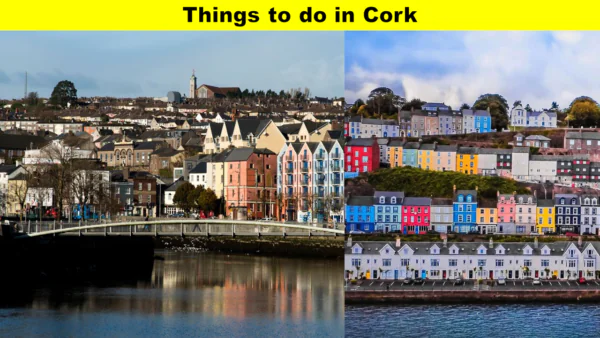
Things to do in Cork based on NeemTime research from most popular to just popular.
Rock of Cashel, Cork
Overview: The Rock of Cashel is a historic fortress complex perched on a limestone hill, featuring medieval architecture, cathedral ruins, and round towers.
History: It was once the seat of the Kings of Munster and later became an important ecclesiastical center.
Since When: The site has been prominent since the 4th century, with major constructions from the 12th and 13th centuries.
Review: Visitors are impressed by its dramatic setting, rich history, and panoramic views over the surrounding countryside.
When to Go: Morning or late afternoon is ideal for cooler weather and photography.
How to Go: Accessible by car or bus from Cork city, approximately 80 km away.
What to Do: Explore the cathedral, round tower, and medieval carvings, and take in the views.
Free or Paid: Entry is paid.
Fota Wildlife Park, Cork
Overview: Fota Wildlife Park is a large, open-range zoo where animals roam freely and visitors walk through naturalistic habitats.
History: Established to combine wildlife conservation, education, and tourism in a family-friendly environment.
Since When: The park has been open since 1983.
Review: Visitors enjoy seeing animals up close in spacious enclosures and value the educational programs.
When to Go: Spring and summer mornings are ideal to see more active animals.
How to Go: The park is accessible by car or train via Fota Station near Carrigtwohill.
What to Do: Walk the trails, observe exotic and native species, and enjoy picnic areas.
Free or Paid: Entry is paid.
Blarney Castle & Gardens, Cork
Overview: Blarney Castle is a medieval fortress famous for the Blarney Stone, which is said to bestow eloquence on those who kiss it.
History: Built in the 15th century, the castle has a rich history tied to Irish nobility and legends.
Since When: The current structure dates to 1446.
Review: Visitors love the iconic Blarney Stone experience, lush gardens, and scenic views from the castle battlements.
When to Go: Morning or early afternoon is best to avoid large crowds.
How to Go: The castle is accessible by car, bus, or guided tours from Cork city, about 8 km away.
What to Do: Kiss the Blarney Stone, explore gardens, climb the towers, and photograph the surroundings.
Free or Paid: Entry is paid.
The English Market, Cork
Overview: The English Market is a historic indoor food market offering fresh produce, artisanal goods, and local specialties.
History: Established in 1788, it has been a central hub for Cork’s food culture for over two centuries.
Since When: Open continuously since 1788.
Review: Visitors praise its vibrant atmosphere, variety of local products, and historic architecture.
When to Go: Morning is ideal to find the freshest produce and avoid crowds.
How to Go: The market is located in central Cork and accessible on foot or by local transport.
What to Do: Browse stalls, taste local foods, and buy souvenirs or specialty items.
Free or Paid: Entry is free, while purchases are paid.
Mahon Point Shopping Centre, Cork
Overview: Mahon Point Shopping Centre is a large retail complex featuring high-street brands, restaurants, and entertainment facilities.
History: Developed to provide modern shopping and leisure options for Cork’s residents and tourists.
Since When: It has been operating since 2005.
Review: Visitors appreciate the variety of shops, convenience, and family-friendly environment.
When to Go: Afternoon or weekends are busiest, while weekday mornings are quieter.
How to Go: The centre is accessible by car, bus, or taxi from Cork city.
What to Do: Shop, dine, watch movies, or enjoy entertainment facilities.
Free or Paid: Entry is free, while shopping and dining are paid.