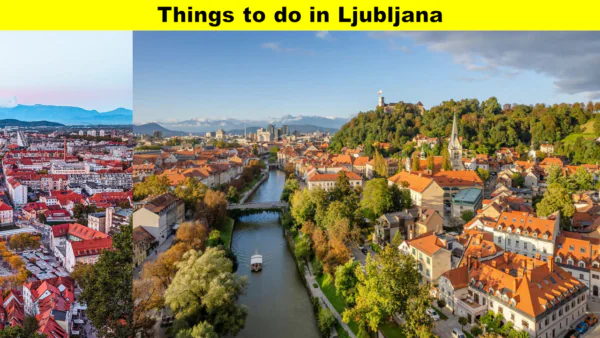
Things to do in Ljubljana

by NeemTime.com Editors
0 comments 22 minutes read
Things to do in Ljubljana


Things to do in Ljubljana based on NeemTime research from most popular to just popular.

Postojna Cave, Ljubljana

Overview: Postojna Cave is a world-famous karst cave system featuring dramatic stalactites, underground halls, and a unique electric train ride deep beneath Slovenia.

History: The cave has been explored and visited since the early 19th century and became one of Europe’s earliest show caves.

Since when: It has been open to organized visitors since 1819.

Review: Visitors consistently rate it highly for its scale, guided experience, and awe-inspiring natural formations.

When to go: The best time to visit is from April to October when tours are frequent and travel conditions are ideal.

How to go: It is easily reached by car or bus from Ljubljana, approximately a one-hour journey.

What to do: Take the guided train-and-walking tour, observe rare cave creatures like the olm, and visit the nearby exhibition areas.

Free or paid: Paid entry is required.

Ljubljana Castle, Ljubljana

Overview: Ljubljana Castle is a medieval fortress perched on a hilltop offering panoramic views of the city and cultural exhibitions.

History: The castle dates back to the 11th century and has served as a fortress, residence, prison, and cultural site.

Since when: It has been open to the public as a tourist attraction since the mid-20th century.


Review: Visitors praise the views, museums, and well-preserved historic structures.

When to go: Late spring to early autumn is ideal for clear views and outdoor exploration.

How to go: Reachable by funicular, on foot via forest paths, or by bicycle from the city center.

What to do: Explore the castle museum, climb the watchtower, attend cultural events, and enjoy the viewpoints.

Free or paid: Paid entry applies, with some areas accessible for free.

Bled Castle, Ljubljana

Overview: Bled Castle is Slovenia’s oldest castle, dramatically situated on a cliff overlooking Lake Bled.

History: First mentioned in 1011, the castle has evolved over centuries into a symbol of Slovenian heritage.

Since when: It has been open to visitors as a heritage site for several decades.

Review: Visitors love the breathtaking lake views, museum displays, and historic atmosphere.

When to go: Summer and early autumn are best for lake views and outdoor sightseeing.

How to go: Accessible by car or bus from Ljubljana in about one hour, followed by a short uphill walk.

What to do: Visit the museum, enjoy the viewpoints, see the chapel, and try traditional printing demonstrations.

Free or paid: Paid entry is required.

Predjama Castle, Ljubljana

Overview: Predjama Castle is a unique Renaissance fortress built into the mouth of a towering cave cliff.


History: Constructed in the 13th century, it is famous for its association with the knight Erazem of Predjama.

Since when: It has been open to the public as a historic attraction since the 20th century.

Review: Visitors find it fascinating due to its dramatic setting and blend of natural and man-made architecture.

When to go: Late spring to early autumn is ideal, especially when combined with a Postojna Cave visit.

How to go: Easily reachable by car or tour bus from Ljubljana or Postojna.

What to do: Explore the castle rooms, learn medieval history, and visit the cave passages beneath the fortress.

Free or paid: Paid entry is required.

Dragon Bridge, Ljubljana

Overview: Dragon Bridge is an iconic Art Nouveau bridge adorned with dragon statues, symbolizing the city of Ljubljana.

History: Built in 1901, it was one of the first reinforced concrete bridges in Europe.

Since when: The bridge has been in continuous public use since its completion in 1901.

Review: Visitors appreciate its distinctive design, photo opportunities, and central location.

When to go: Anytime of day, though early morning or evening offers the best lighting for photos.

How to go: Located in the city center and easily accessible on foot from most attractions.


What to do: Walk across the bridge, take photographs, and explore the nearby old town.

Free or paid: Free to visit.

Triglav National Park, Ljubljana

Overview: Triglav National Park is Slovenia’s only national park, renowned for its dramatic Alpine landscapes, pristine lakes, rivers, and Mount Triglav, the country’s highest peak.

History: The park was established to protect the Julian Alps’ natural and cultural heritage, rooted in early 20th-century conservation movements.

Since when: It has officially existed as a protected area since 1924, with its current form established in 1981.

Review: Visitors highly rate the park for its untouched nature, hiking trails, and breathtaking scenery.

When to go: Late spring to early autumn is ideal for hiking and sightseeing, while winter suits snow activities.

How to go: Accessible by car or bus from Ljubljana to nearby towns like Bled, Bohinj, or Kranjska Gora.

What to do: Hike, camp, photograph landscapes, visit Lake Bohinj, and explore Alpine valleys.

Free or paid: Entry to the park is free, though some attractions and parking areas are paid.

Tivoli Park, Ljubljana

Overview: Tivoli Park is Ljubljana’s largest and most beautiful green space, connecting the city center with nature through landscaped gardens and tree-lined paths.

History: The park was designed in the early 19th century, blending former gardens and promenades into a unified urban park.


Since when: It has existed as a public park since around 1813.

Review: Visitors love its peaceful atmosphere, art exhibitions, and proximity to the city center.

When to go: Spring and summer are best for outdoor walks and events, though it’s pleasant year-round.

How to go: Easily reachable on foot from the city center or by local buses.

What to do: Walk, jog, visit Tivoli Castle, attend outdoor exhibitions, or relax on the lawns.

Free or paid: Free to enter.

Škocjan Caves, Ljubljana

Overview: Škocjan Caves are a UNESCO World Heritage Site featuring vast underground chambers, dramatic gorges, and one of the world’s largest subterranean canyons.

History: The caves have been known since antiquity and scientifically explored from the 19th century onward.

Since when: Open to visitors in an organized manner since the late 1800s.

Review: Visitors consistently praise the caves for their awe-inspiring scale and guided tour quality.

When to go: Spring to autumn is ideal, with stable weather and full tour availability.

How to go: Reachable by car or train from Ljubljana to Divača, followed by a short local transfer.

What to do: Join guided cave tours, walk scenic trails, and visit the visitor center.

Free or paid: Paid entry is required.


Ljubljana Zoo, Ljubljana

Overview: Ljubljana Zoo is a family-friendly attraction set within a forested hillside, featuring animals from Europe and around the world.

History: The zoo was created to promote wildlife education, conservation, and recreation.

Since when: It has been open to the public since 1951.

Review: Visitors enjoy the natural setting, well-kept enclosures, and educational programs.

When to go: Spring and summer are best when animals are most active.

How to go: Accessible by bus, car, or a pleasant walk from Tivoli Park.

What to do: Observe animals, attend feeding sessions, and enjoy family-friendly activities.

Free or paid: Paid entry is required.

Prešernov trg, Ljubljana

Overview: Prešernov Square is the vibrant central square of Ljubljana, serving as a cultural, social, and meeting point for locals and tourists.

History: Named after Slovenia’s national poet France Prešeren, the square developed alongside the city’s historic core.

Since when: It has functioned as a key public square since the 17th century.

Review: Visitors appreciate its lively atmosphere, historic architecture, and proximity to major attractions.

When to go: Any time of year, especially evenings and weekends for city life and events.

How to go: Located in the city center and easily reachable on foot or by public transport.

What to do: Admire architecture, people-watch, visit nearby cafés, and explore old town streets.


Free or paid: Free to visit.

Shopping Center Citypark, Ljubljana

Overview: Shopping Center Citypark is the largest shopping mall in Slovenia, offering a wide range of international brands, dining options, and entertainment facilities under one modern roof.

History: The mall was developed as part of Ljubljana’s commercial expansion to provide a contemporary retail hub for both locals and visitors.

Since When: Citypark has been operating since 2002, gradually expanding and modernizing its retail and leisure offerings.

Review: Visitors generally praise Citypark for its spacious layout, variety of stores, and convenient amenities suitable for families and tourists alike.

When to Go: The best time to visit is on weekday mornings or early afternoons to avoid weekend crowds.

How to Go: Citypark is easily accessible by city buses, taxi, or car via the eastern ring road, with ample parking available.

What to Do: Shoppers can browse fashion and electronics, enjoy cafés and restaurants, watch movies, or attend seasonal events and sales.

Free or Paid: Entry to the mall is free, while shopping, dining, and entertainment activities are paid.

Congress Square (Kongresni trg), Ljubljana

Overview: Congress Square is a historic and elegant public square in central Ljubljana, surrounded by significant cultural buildings and green spaces.

History: The square was laid out in 1821 to host the Congress of Laibach, an important diplomatic meeting of European powers.


Since When: It has existed in its original form since the early 19th century, with renovations enhancing its modern usability.

Review: Tourists appreciate the square’s open atmosphere, architectural beauty, and its role as a cultural and social gathering place.

When to Go: Late spring to early autumn is ideal, especially during events, festivals, or pleasant evening walks.

How to Go: Congress Square is centrally located and easily reachable on foot from Old Town or by city bus.

What to Do: Visitors can relax on the lawns, admire nearby landmarks, attend public events, or use it as a starting point for city exploration.

Free or Paid: Access to the square is completely free.

Ljubljana Old Town, Ljubljana

Overview: Ljubljana Old Town is a charming historic district filled with medieval streets, colorful buildings, cafés, and cultural landmarks along the Ljubljanica River.

History: The area developed in the Middle Ages beneath Ljubljana Castle and has preserved its historic character over centuries.

Since When: Old Town has been continuously inhabited since medieval times, evolving into the cultural heart of the city.

Review: Visitors consistently rate it highly for its romantic atmosphere, walkability, and vibrant street life.

When to Go: The best time to visit is from late spring to early autumn, particularly in the evenings when the area comes alive.


How to Go: It is best reached on foot from central Ljubljana or by public transport to nearby stops.

What to Do: Travelers can explore historic streets, dine by the river, shop for souvenirs, and visit museums and galleries.

Free or Paid: Entry is free, while dining, shopping, and attractions are paid.

AKC Metelkova mesto, Ljubljana

Overview: AKC Metelkova mesto is an alternative cultural center known for its street art, music venues, and unconventional creative spaces.

History: The complex was originally military barracks that were occupied by artists and activists in the 1990s and transformed into a cultural hub.

Since When: Metelkova has functioned as an autonomous cultural zone since 1993.

Review: Visitors describe it as vibrant, edgy, and unique, especially appealing to those interested in alternative art and nightlife.

When to Go: Evenings and nights are best, particularly on weekends when events and concerts take place.

How to Go: Metelkova is within walking distance from the city center or accessible by bus and taxi.

What to Do: Guests can enjoy live music, explore graffiti art, attend exhibitions, and experience Ljubljana’s alternative scene.

Free or Paid: Entry to the area is generally free, though concerts and events may require paid tickets.

ALEJA, Ljubljana

Overview: ALEJA is a modern lifestyle shopping center combining retail, dining, entertainment, and outdoor rooftop activities.


History: It was developed to introduce a new-generation shopping and leisure concept to Ljubljana’s urban landscape.

Since When: ALEJA officially opened in 2020, making it one of the newest malls in the city.

Review: Visitors appreciate its contemporary design, family-friendly atmosphere, and innovative rooftop spaces.

When to Go: Weekday afternoons or evenings are ideal for a relaxed visit, while weekends are livelier.

How to Go: ALEJA is accessible by city bus, car, or taxi, with convenient parking facilities available.

What to Do: Visitors can shop, dine, enjoy entertainment zones, and relax or play sports on the rooftop area.

Free or Paid: Entry is free, while shopping, dining, and activities are paid.

House of Illusions, Ljubljana

Overview: House of Illusions in Ljubljana is an interactive indoor attraction filled with mind-bending rooms, optical illusions, and hands-on exhibits designed to challenge perception and entertain visitors of all ages.

History: The museum was established as part of a global House of Illusions concept to bring educational entertainment through science, psychology, and visual trickery to city centers.

Since when: House of Illusions Ljubljana has been operating since the mid-2010s, becoming a popular stop for families and curious travelers.

Review: Visitors generally praise it for being fun, surprising, and highly engaging, though many note that it is relatively small and best enjoyed without rushing.


When to go: The best time to visit is on weekdays or early in the day to avoid crowds, especially during weekends and school holidays.

How to go: It is easily reachable on foot from Ljubljana Old Town or by local buses stopping near the city center.

What to do: Explore illusion rooms, take creative photos, solve puzzles, and interact with exhibits that test balance, vision, and logic.

Free or paid: This attraction is paid, with tickets required for entry.

WOOP! Fun Park Ljubljana (Trampoline Park), Ljubljana

Overview: WOOP! Fun Park Ljubljana is a large indoor entertainment complex featuring trampolines, obstacle courses, foam pits, and active play zones for kids and adults alike.

History: The park was developed as a modern recreational concept promoting active fun and fitness through trampoline-based activities.

Since when: WOOP! Fun Park has been operating since the late 2010s and has quickly grown popular among families and youth groups.

Review: Reviews highlight its energetic atmosphere, clean facilities, and friendly staff, although advance booking is recommended during peak hours.

When to go: Weekdays and mornings are ideal for a less crowded experience, while weekends are lively and busy.

How to go: The park is accessible by car or public transport, with buses connecting it to central Ljubljana.


What to do: Jump on trampolines, try obstacle courses, play trampoline games, and enjoy fitness-focused fun sessions.

Free or paid: This is a paid attraction with time-based entry fees.

Nebotičnik – Skyscraper, Ljubljana

Overview: Nebotičnik is a historic skyscraper in central Ljubljana offering panoramic city views along with cafés, shops, and a rooftop terrace.

History: Built in 1933, Nebotičnik was once among the tallest buildings in Europe and symbolized modern urban progress in Slovenia.

Since when: The building has been open to the public since its completion in 1933 and remains an architectural landmark.

Review: Visitors appreciate the views and nostalgic charm, though some feel the interior facilities are modest compared to modern towers.

When to go: Late afternoon or sunset is the best time to visit for scenic views and photography.

How to go: It is centrally located and easily reached on foot from Prešeren Square or by city buses.

What to do: Enjoy coffee or drinks, take photos from the viewing terrace, and admire Ljubljana from above.

Free or paid: Access to the rooftop café is generally free, but food and drinks are paid.

Triple Bridge (Tromostovje), Ljubljana

Overview: Triple Bridge is an iconic architectural complex of three bridges connecting Ljubljana Old Town with the modern city center over the Ljubljanica River.


History: Originally a single stone bridge from the 19th century, it was redesigned by architect Jože Plečnik in the 1930s into its current triple form.

Since when: The Triple Bridge has existed in its present design since 1932.

Review: Tourists admire its elegance, historical significance, and central location, often calling it one of Ljubljana’s must-see landmarks.

When to go: Early morning or evening is ideal to enjoy the bridge without heavy foot traffic and to capture photos.

How to go: Located in the heart of the city, it is easily accessible on foot from most central attractions.

What to do: Walk across, take photos, admire the river views, and observe daily city life.

Free or paid: The bridge is completely free to visit.

Central Market, Ljubljana

Overview: Central Market in Ljubljana is a vibrant open-air and covered market offering fresh produce, local foods, crafts, and traditional Slovenian flavors.

History: Designed by Jože Plečnik in the 1940s, the market became a central hub for local trade and social interaction.

Since when: The market has been operating in its current architectural form since the mid-20th century.

Review: Visitors love its lively atmosphere, authentic local products, and riverside setting, though it can be crowded on weekends.


When to go: Morning hours are best for fresh produce and fewer crowds, especially on weekdays.

How to go: It is located near the Old Town and can be reached easily on foot or by public transport.

What to do: Shop for local food, try street snacks, browse souvenirs, and experience everyday Ljubljana life.

Free or paid: Entry is free, but purchases are paid.

Dragon Bridge (Zmajski Most), Ljubljana

Overview: Dragon Bridge is an iconic Art Nouveau bridge guarded by dragon statues that symbolize Ljubljana’s strength and identity while spanning the Ljubljanica River in the historic city center.

History: Built in the early 20th century, the bridge replaced an older wooden structure and became one of the first reinforced concrete bridges of its kind in Europe.

Since When: The bridge has been open to the public since 1901, serving both pedestrians and vehicles for over a century.

Review: Visitors praise Dragon Bridge for its striking dragon sculptures, photogenic views, and central location near Old Town attractions.

When to Go: The best time to visit is early morning or evening when crowds are lighter and lighting enhances the statues and river views.

How to Go: It is easily reachable on foot from Prešeren Square or by city bus stopping near the central market area.


What to Do: Walk across the bridge, take photos with the dragon statues, and enjoy views of the river and nearby market stalls.

Free or Paid: Visiting Dragon Bridge is completely free.

Saint Nicholas’ Cathedral, Ljubljana

Overview: Saint Nicholas’ Cathedral is a grand Baroque church known for its green dome, twin towers, and richly decorated interior in the heart of Ljubljana.

History: The cathedral was rebuilt in the 18th century on the site of earlier churches, reflecting Baroque architectural influence in Slovenia.

Since When: The current structure has served as Ljubljana’s main cathedral since its completion in 1706.

Review: Visitors admire the ornate frescoes, bronze doors, and peaceful atmosphere despite its central location.

When to Go: Late morning or early afternoon is ideal to see the interior clearly while avoiding service times.

How to Go: The cathedral is a short walk from Dragon Bridge and Prešeren Square in the Old Town.

What to Do: Explore the interior artwork, attend a service, or quietly observe the architecture and history.

Free or Paid: Entry is generally free, though donations are appreciated.

Preseren Square, Ljubljana

Overview: Prešeren Square is Ljubljana’s main public square, acting as a lively meeting point surrounded by historic buildings and cultural landmarks.

History: The square developed in the 19th century and was named after Slovenia’s national poet France Prešeren.


Since When: It has functioned as the city’s central square since the late 1800s.

Review: Travelers enjoy its vibrant atmosphere, street performers, cafés, and excellent connectivity to major attractions.

When to Go: Evening hours are best to experience the lively social scene and illuminated surroundings.

How to Go: The square is accessible by foot from anywhere in the city center and by multiple bus routes.

What to Do: Relax at a café, watch street performances, and use it as a base to explore nearby bridges and Old Town.

Free or Paid: Visiting Prešeren Square is free.

National Gallery of Slovenia, Ljubljana

Overview: The National Gallery of Slovenia houses the country’s most important collection of fine art from the Middle Ages to the 20th century.

History: Established in the early 20th century, the gallery was created to preserve and showcase Slovenia’s artistic heritage.

Since When: The gallery has been open to the public since 1925.

Review: Art lovers highly rate the museum for its well-curated exhibitions and peaceful viewing environment.

When to Go: Weekday mornings are ideal for a quieter and more immersive experience.

How to Go: It is easily reached by walking from Tivoli Park or by public transport to the city center.

What to Do: Explore permanent collections, temporary exhibitions, and learn about Slovenian art history.


Free or Paid: Entry is paid, with discounted or free days available on special occasions.

Botanični vrt Univerze v Ljubljani, Ljubljana

Overview: The Botanical Garden of the University of Ljubljana is a serene green space showcasing native and exotic plant species along the Ljubljanica River.

History: Founded in the early 19th century, it is one of the oldest botanical gardens in Southeast Europe.

Since When: The garden has been open to visitors since 1810.

Review: Visitors appreciate its tranquility, educational value, and beautiful seasonal plant displays.

When to Go: Spring and summer are the best times when most plants are in bloom.

How to Go: The garden can be reached by walking from the Old Town or by bus to the nearby stop.

What to Do: Stroll through themed sections, learn about plant species, and enjoy a peaceful break from the city.

Free or Paid: Entry is paid, with reduced fees for students and children.

Park Špica, Ljubljana

Overview: Park Špica is a scenic riverside green space at the confluence of the Ljubljanica and Gruber Canal, popular for relaxing walks, sunsets, and views of the old city waterway.

History: The area historically functioned as a port and boat landing zone before being redesigned into a modern urban park as part of Ljubljana’s river revitalization project.


Since when: Park Špica has existed in its current landscaped public park form since its redevelopment and reopening in 2015.

Review: Visitors generally praise the park for its calm atmosphere, clean design, river views, and suitability for both locals and tourists seeking a peaceful break.

When to go: The best time to visit is late afternoon or early evening in spring and summer when the weather is pleasant and sunsets over the river are most beautiful.

How to go: Park Špica is easily reachable on foot or by bicycle from Ljubljana Old Town, or by local bus stopping near Trnovo district.

What to do: You can stroll along the river, sit on the steps by the water, enjoy photography, or relax with a coffee from nearby cafés.

Free or paid: Entry to Park Špica is completely free for all visitors.

Ljubljana Castle Funicular, Ljubljana

Overview: The Ljubljana Castle Funicular is a short cable railway that conveniently connects the Old Town with Ljubljana Castle atop Castle Hill.

History: The funicular was introduced to improve access to the historic castle, blending modern transport with the city’s medieval heritage.

Since when: The Ljubljana Castle Funicular has been operating since 2006.

Review: Travelers appreciate it for saving time, offering smooth rides, and providing great views of the city during the ascent.


When to go: It operates year-round, but mornings and weekdays are ideal to avoid queues during peak tourist hours.

How to go: The lower station is located at Krekov trg in the Old Town, easily accessible by walking or public transport.

What to do: Use the funicular to reach Ljubljana Castle, explore museums, enjoy panoramic views, or attend castle events.

Free or paid: The funicular ride is paid, with ticket prices depending on one-way or return trips.

Roundabout Travel, Ljubljana

Overview: Roundabout Travel is a well-known tour operator offering guided day trips and excursions across Slovenia from Ljubljana.

History: It was established to promote Slovenia’s natural and cultural attractions through small-group and personalized tours.

Since when: Roundabout Travel has been operating since the early 2010s.

Review: Customers frequently highlight professional guides, well-organized itineraries, and informative experiences.

When to go: Tours are available year-round, though late spring to early autumn offers the best weather for outdoor excursions.

How to go: Their office and pickup points are centrally located in Ljubljana, reachable by foot or public transport.

What to do: Join guided tours to Lake Bled, Postojna Cave, Triglav National Park, and other major Slovenian highlights.

Free or paid: All tours offered by Roundabout Travel are paid experiences.


To Do In Slovenia, Ljubljana

Overview: To Do In Slovenia is a travel activity provider specializing in guided tours, adventure trips, and cultural experiences starting from Ljubljana.

History: The company was created to offer immersive travel experiences and promote lesser-known Slovenian destinations.

Since when: It has been active since the mid-2010s.

Review: Visitors commend the friendly guides, flexible scheduling, and engaging storytelling during tours.

When to go: The best time is from May to September when most tours and outdoor activities are fully available.

How to go: Tours usually start from central Ljubljana pickup points, easily accessible by walking or taxi.

What to do: Participate in city tours, wine tastings, hiking trips, and day excursions across Slovenia.

Free or paid: Experiences provided by To Do In Slovenia are paid and vary by tour type.

Union Experience, Ljubljana

Overview: Union Experience is an interactive brewery tour showcasing the history and production of Slovenia’s famous Union beer.

History: It is linked to the long-standing Union Brewery, which has been a key part of Ljubljana’s industrial heritage.

Since when: The Union Experience visitor center opened to the public in 2020.

Review: Guests enjoy the modern exhibits, tasting sessions, and engaging multimedia storytelling.

When to go: It is best visited year-round, with evenings and weekends being popular for tastings.


How to go: The brewery is accessible by city bus, taxi, or a short walk from the city center.

What to do: Explore interactive displays, learn about brewing, and sample different Union beers.

Free or paid: The Union Experience is a paid attraction, with ticket prices including beer tastings.


Subscribe
Notify of
guest
0 Comments
Newest
Oldest Most Voted
Inline Feedbacks
View all comments

This website uses cookies to improve your experience. We'll assume you're ok with this, but you can opt-out if you wish. Accept Read More

Adblock Detected

Please support us by disabling your AdBlocker extension from your browsers for our website.