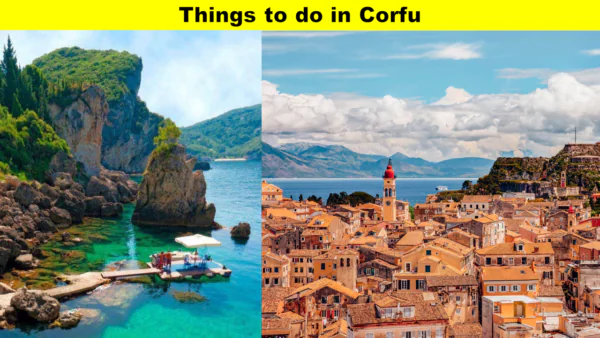
Things to do in Corfu based on NeemTime research from most popular to just popular.
The Achilleion Palace, Corfu
Overview: The Achilleion Palace is a grand neoclassical palace dedicated to Achilles, offering panoramic views, ornate statues, and lush gardens reflecting imperial elegance.
History: It was built in the late 19th century for Empress Elisabeth of Austria (Sisi) as a summer retreat inspired by Greek mythology.
Since When: The palace has been open to the public as a museum since the mid-20th century.
Review: Visitors praise its impressive sculptures, scenic terraces, and historical atmosphere, though some note limited interior exhibits.
When to Go: The best time to visit is spring or early autumn to enjoy mild weather and fewer crowds.
How to Go: Located in Gastouri village, it can be reached by car, taxi, or local bus from Corfu Town.
What to Do: Explore the palace interiors, walk through the gardens, admire statues of Achilles, and enjoy coastal views.
Free or Paid: Paid entry.
Butrint National Archaeological Park, Corfu
Overview: Butrint National Archaeological Park is a UNESCO World Heritage Site featuring remarkably preserved ruins from Greek, Roman, Byzantine, and Venetian periods.
History: The ancient city of Butrint flourished over centuries as a major cultural and trading center in the Mediterranean.
Since When: The site has been protected and open to visitors as an archaeological park since the 20th century.
Review: Visitors highly rate its historical depth, natural setting, and well-preserved ruins, making it a cultural highlight.
When to Go: Best visited in spring or autumn to avoid summer heat and crowds.
How to Go: Accessible from Corfu by ferry to Sarandë (Albania) and then by road transport.
What to Do: Walk among ancient theaters, basilicas, city walls, and enjoy the surrounding wetlands and landscapes.
Free or Paid: Paid entry.
Kanali tou Erota, Corfu
Overview: Kanali tou Erota, also known as the Canal d’Amour, is a unique coastal formation with sculpted sandstone cliffs and turquoise waters.
History: The formations were naturally created over centuries by wind and sea erosion along Corfu’s northern coast.
Since When: It has been a popular natural attraction for visitors for several decades.
Review: Visitors love its romantic atmosphere, clear waters, and swimming spots, though it can be crowded in peak season.
When to Go: Early morning or late afternoon in summer, or during spring for a quieter experience.
How to Go: Located in Sidari, accessible by car, bus, or taxi from Corfu Town.
What to Do: Swim, sunbathe, explore rock formations, take photos, and enjoy seaside cafés.
Free or Paid: Free access.
Old Fortress, Corfu
Overview: The Old Fortress is a historic hilltop citadel offering sweeping views of Corfu Town and the Ionian Sea.
History: Built by the Venetians on earlier Byzantine foundations, it served as a key defensive stronghold.
Since When: The fortress has been accessible to the public as a historical site since the modern era.
Review: Visitors appreciate the panoramic views, preserved fortifications, and insight into Corfu’s military past.
When to Go: Best visited in the morning or late afternoon to avoid heat and enjoy sunset views.
How to Go: Located in Corfu Town, easily reachable on foot from the old town area.
What to Do: Walk the ramparts, visit historic buildings, attend cultural events, and enjoy scenic viewpoints.
Free or Paid: Paid entry.
Corfu, Corfu
Overview: Corfu is a picturesque Greek island known for its lush landscapes, historic old town, beautiful beaches, and rich cultural heritage.
History: The island has been influenced by Greek, Roman, Byzantine, Venetian, French, and British rule, shaping its unique identity.
Since When: Corfu has been inhabited since ancient times and developed into a major tourist destination in the 20th century.
Review: Travelers consistently praise its blend of history, nature, beaches, and vibrant local culture.
When to Go: The best time to visit is from May to October, with spring and early autumn offering ideal weather.
How to Go: Accessible by international flights, ferries from mainland Greece, and local transportation across the island.
What to Do: Explore Corfu Old Town, relax on beaches, visit historical sites, hike trails, and enjoy local cuisine.
Free or Paid: Free to explore, with paid attractions and activities.
Holy Monastery of the Virgin Mary at Paleokastritsa, Corfu
Overview: The Holy Monastery of the Virgin Mary at Paleokastritsa is a serene hilltop monastery offering panoramic sea views, religious art, and a peaceful spiritual atmosphere.
History: The monastery dates back to the 13th century and has been an important religious and cultural center in Corfu for centuries.
Since When: The monastery has been actively functioning since the medieval period, with major restorations in later centuries.
Review: Visitors praise its calm ambiance, beautiful icons, small museum, and breathtaking views over Paleokastritsa bays.
When to Go: The best time to visit is from April to October, preferably in the morning to avoid crowds and heat.
How to Go: It is accessible by car or bus from Corfu Town, followed by a short uphill walk.
What to Do: Explore the church and museum, admire religious artifacts, enjoy scenic views, and take photographs.
Free or Paid: Entry is free, though modest dress is required.
Aqualand, Corfu
Overview: Aqualand is one of Europe’s largest water parks, featuring numerous water slides, pools, and family-friendly attractions.
History: The park was developed in the late 1990s to expand Corfu’s family tourism offerings.
Since When: Aqualand has been operating since 1995 as a major entertainment destination on the island.
Review: Visitors highlight the wide variety of slides, cleanliness, and suitability for all age groups.
When to Go: Best visited between June and September on warm days, ideally arriving early to avoid queues.
How to Go: Located near Agios Ioannis, accessible by car or shuttle buses from Corfu Town.
What to Do: Enjoy water slides, wave pools, lazy rivers, and relaxation areas.
Free or Paid: Paid entry with ticket-based access.
Spianada Square, Corfu
Overview: Spianada Square is the largest public square in Greece, offering open green spaces, historic surroundings, and vibrant city life.
History: The square was developed during French rule in the early 19th century and reflects European urban planning influences.
Since When: Spianada has existed in its current form since the early 1800s.
Review: Visitors love its spacious layout, views of the Old Fortress, and lively atmosphere.
When to Go: Ideal year-round, especially in the evening or during cultural events and festivals.
How to Go: Located in Corfu Town, easily reachable on foot from most central areas.
What to Do: Walk, relax, attend events, enjoy cafes, and watch local cricket matches.
Free or Paid: Free to access.
Castello Bizantino di Angelokastro, Corfu
Overview: Angelokastro is a dramatic Byzantine castle perched on a steep cliff, offering stunning views and historical significance.
History: Built in the 13th century, the fortress played a crucial defensive role against invasions.
Since When: The castle has stood since the Byzantine era and remains a symbol of Corfu’s resilience.
Review: Visitors appreciate the breathtaking views and historical atmosphere, though the climb can be challenging.
When to Go: Best visited in spring or autumn during cooler weather and clear skies.
How to Go: Accessible by car or bus to the parking area, followed by a steep walk uphill.
What to Do: Explore ruins, learn about medieval history, and enjoy panoramic photography.
Free or Paid: Free entry.
Holy Monastery of Panagia Vlacherna, Corfu
Overview: The Holy Monastery of Panagia Vlacherna is a picturesque white monastery located on a small islet connected by a narrow causeway.
History: Founded in the 17th century, it has become one of Corfu’s most iconic landmarks.
Since When: The monastery has been active since the 1600s and continues to serve religious functions.
Review: Visitors admire its unique setting, peaceful atmosphere, and proximity to Kanoni viewpoint.
When to Go: Best visited early morning or at sunset for serene views and photography.
How to Go: Located near Corfu Airport, easily reachable by bus, car, or taxi.
What to Do: Visit the chapel, enjoy views, take photos, and walk around the islet.
Free or Paid: Free entry.
Paleokastritsa Beach, Corfu
Overview: Paleokastritsa Beach is a stunning coastal area famous for its turquoise waters, dramatic cliffs, and multiple small coves ideal for swimming and snorkeling.
History: The area has long been associated with ancient Corfu traditions and is believed to be linked to Homer’s descriptions of Scheria, the land of the Phaeacians.
Since When: Paleokastritsa has been a known settlement and natural harbor since ancient Greek times, with tourism developing strongly in the 20th century.
Review: Visitors consistently praise the crystal-clear sea, scenic views, and peaceful atmosphere, making it one of Corfu’s top-rated beaches.
When to Go: The best time to visit is from May to September when the weather is warm and sea conditions are calm.
How to Go: Paleokastritsa is accessible by car, taxi, or public bus from Corfu Town, about a 30-minute drive.
What to Do: Swim, snorkel, take boat tours to nearby caves, or relax at seaside tavernas overlooking the bay.
Free or Paid: Access to the beach is free, though sunbeds, umbrellas, and boat tours are paid.
La Grotta Bar, Corfu
Overview: La Grotta Bar is a unique cliffside bar built into the rocks, offering breathtaking sea views and direct access to the water.
History: Originally a natural cave, the site was transformed into a bar in the late 20th century as Corfu’s tourism grew.
Since When: La Grotta has operated as a beach bar since the 1990s, becoming an iconic spot in Paleokastritsa.
Review: Guests love the dramatic setting, refreshing drinks, and the thrill of diving straight into the sea.
When to Go: Visit during summer afternoons or at sunset for cooler temperatures and spectacular views.
How to Go: It is reachable by car or bus to Paleokastritsa, followed by a short walk down steps to the bar.
What to Do: Enjoy drinks, sunbathe on platforms, swim, or cliff-dive into the deep blue water.
Free or Paid: Entry is free, but food, drinks, and sunbeds are paid.
Kaiser William II Observatory, Corfu
Overview: Kaiser William II Observatory is a historic viewpoint offering panoramic views over Corfu’s coastline and lush landscapes.
History: It was built for Kaiser Wilhelm II of Germany in the early 20th century during his visits to Corfu.
Since When: The observatory dates back to the early 1900s and remains a historical landmark today.
Review: Visitors appreciate the scenic vistas and historical significance, though it is quieter than major attractions.
When to Go: Late afternoon is ideal for cooler weather and beautiful sunset views.
How to Go: The site is best reached by car from Corfu Town, with limited public transport nearby.
What to Do: Take photos, enjoy the views, and learn about the site’s imperial history.
Free or Paid: Access is generally free.
Glyfada Beach, Corfu
Overview: Glyfada Beach is a long sandy beach known for its golden sand, clear waters, and lively beach atmosphere.
History: Once a quiet coastal area, Glyfada developed into a popular resort beach during Corfu’s tourism expansion.
Since When: It has been a recognized beach destination since the mid-20th century.
Review: Tourists rate it highly for swimming, sunsets, and beach facilities, though it can be busy in peak season.
When to Go: June to September is best for warm water and full beach services.
How to Go: Glyfada Beach is easily accessible by car, taxi, or bus from Corfu Town.
What to Do: Swim, sunbathe, try water sports, or relax at beach bars and restaurants.
Free or Paid: Beach access is free, while sunbeds, umbrellas, and activities are paid.
Porto Timoni Beach, Corfu
Overview: Porto Timoni Beach is a spectacular double beach separated by a narrow strip of land, offering dramatic views and clear waters.
History: The area remained largely untouched for centuries due to its remote location and rugged terrain.
Since When: It gained popularity in recent decades through social media and hiking tourism.
Review: Visitors describe it as breathtaking and unique, though the hike can be challenging.
When to Go: Visit in late spring or early autumn to avoid extreme heat and crowds.
How to Go: Reachable by car to Afionas village, followed by a downhill hike to the beach.
What to Do: Swim on both sides of the beach, snorkel, hike, and enjoy panoramic photography.
Free or Paid: Access is free, with no paid facilities directly on the beach.
Castle of Kassiopi, Corfu
Overview: Castle of Kassiopi is a dramatic Byzantine fortress overlooking the Ionian Sea, offering sweeping coastal views and atmospheric ruins.
History: The castle was originally fortified during the Byzantine era and later strengthened by the Venetians to defend Corfu from invasions.
Since When: The site has existed in some defensive form since around the 6th century AD.
Review: Visitors praise its scenic location, peaceful ambiance, and panoramic photo opportunities despite limited facilities.
When to Go: The best time to visit is spring or early autumn when temperatures are mild and crowds are fewer.
How to Go: It is accessible by car or bus from Corfu Town to Kassiopi village followed by a short uphill walk.
What to Do: Explore the ruins, walk along the ramparts, and enjoy sunset views over the sea and nearby Albania.
Free or Paid: Entry to the castle is free of charge.
Achilleion Museum, Corfu
Overview: Achilleion Museum is a neoclassical palace dedicated to Achilles, famed for its statues, gardens, and imperial history.
History: The palace was built in 1890 for Empress Elisabeth of Austria and later used by Kaiser Wilhelm II.
Since When: It has been open to the public as a museum since the mid-20th century.
Review: Travelers admire its elegant architecture, mythological sculptures, and views, though some note partial restorations.
When to Go: Visit in the morning during spring or summer to enjoy the gardens before peak crowds.
How to Go: The museum can be reached by car, taxi, or local bus from Corfu Town to Gastouri village.
What to Do: Tour the palace interiors, admire Achilles statues, and stroll through landscaped gardens.
Free or Paid: Entry is paid, with ticket fees required for museum access.
Canal D’Amour, Corfu
Overview: Canal D’Amour is a unique coastal formation of sculpted sandstone cliffs and turquoise waters near Sidari.
History: The formations were naturally shaped over centuries by wind and sea erosion.
Since When: It has been a popular natural attraction for visitors since the 20th century.
Review: Visitors love its romantic legend, clear waters, and unusual rock formations, though it can be crowded.
When to Go: Early morning or late afternoon in summer offers better light and fewer visitors.
How to Go: It is easily accessible by bus or car from Corfu Town to Sidari.
What to Do: Swim through the channels, relax on nearby beaches, and take photos of the cliffs.
Free or Paid: Access to Canal D’Amour is completely free.
Agios Spiridon Beach, Corfu
Overview: Agios Spiridon Beach is a family-friendly sandy beach with shallow waters and mountain backdrops.
History: The beach developed alongside nearby villages as tourism expanded in northern Corfu.
Since When: It has been welcoming visitors for several decades as a recreational beach.
Review: Tourists appreciate its calm waters, cleanliness, and nearby tavernas, ideal for relaxation.
When to Go: Summer months from June to September are ideal for swimming and sunbathing.
How to Go: Reachable by car or bus from Corfu Town toward Perithia or Kassiopi areas.
What to Do: Swim, sunbathe, enjoy water sports, or dine at seaside restaurants.
Free or Paid: The beach itself is free, with optional paid sunbeds and umbrellas.
Corfu Old Town, Corfu
Overview: Corfu Old Town is a UNESCO World Heritage Site known for Venetian architecture, narrow streets, and lively squares.
History: The town developed under Venetian rule from the 14th to 18th centuries, avoiding Ottoman occupation.
Since When: It has been continuously inhabited for over a thousand years.
Review: Visitors consistently praise its charm, history, cafes, and vibrant atmosphere.
When to Go: Spring and autumn are ideal for sightseeing with pleasant weather and fewer crowds.
How to Go: Easily accessible on foot or by public transport from anywhere in Corfu Town.
What to Do: Wander the alleys, visit museums, shop, dine, and explore fortresses.
Free or Paid: Exploring the Old Town is free, though attractions and museums may charge entry fees.
Corfu Aquarium, Corfu
Overview: Corfu Aquarium is a small but engaging marine attraction showcasing Mediterranean sea life in family-friendly exhibits near Paleokastritsa.
History: It was developed as a private initiative to educate visitors about local marine biodiversity and conservation through accessible displays.
Since When: The aquarium has been operating since the early 2010s as a modern educational attraction.
Review: Visitors generally praise it for being informative and ideal for children, though some note it is compact in size.
When to Go: The best time to visit is during spring and summer mornings when the nearby beaches and attractions are most lively.
How to Go: It is easily reached by car or bus from Corfu Town to Paleokastritsa, followed by a short walk uphill.
What to Do: Explore tanks of native fish, reptiles, and small sharks while learning about Ionian Sea ecosystems.
Free or Paid: Entry is paid, with affordable ticket prices for adults and children.
Corfu Museum of Asian Art, Corfu
Overview: The Corfu Museum of Asian Art is a unique cultural institution displaying extensive Asian collections inside the Palace of St. Michael and St. George.
History: The museum was established from the private collection of diplomat Gregorios Manos and expanded through donations from Asian countries.
Since When: It has been open to the public since 1928, making it one of Europe’s oldest museums dedicated to Asian art.
Review: Visitors highly rate it for its rare exhibits, elegant setting, and peaceful atmosphere.
When to Go: Late spring and early autumn are ideal for combining the museum visit with walks around Corfu Old Town.
How to Go: The museum is centrally located in Corfu Old Town and easily accessible on foot from Liston Promenade.
What to Do: Admire Chinese, Japanese, Indian, and Southeast Asian artworks including sculptures, ceramics, and samurai armor.
Free or Paid: Entry is paid, with discounted tickets for students and combined museum passes available.
Issos Beach, Corfu
Overview: Issos Beach is a long sandy beach famous for its dunes, clear waters, and natural scenery on Corfu’s southwest coast.
History: Traditionally a quiet fishing and local recreation area, it later gained popularity for its unspoiled landscape and wind conditions.
Since When: The beach has been known to travelers since the late 20th century as tourism expanded in southern Corfu.
Review: Visitors love its natural beauty and space, though amenities are limited compared to resort beaches.
When to Go: Summer months from June to September are best for swimming, while spring is ideal for peaceful walks.
How to Go: Issos Beach is accessible by car or bus to Agios Georgios, followed by a short walk across dunes.
What to Do: Swim, sunbathe, try windsurfing, or enjoy scenic walks across the sand dunes.
Free or Paid: The beach is free to access, with optional paid sunbeds and umbrellas.
Old Fortress Corfu, Corfu
Overview: The Old Fortress of Corfu is a dramatic Venetian citadel offering panoramic views over Corfu Town and the Ionian Sea.
History: Built by the Venetians on Byzantine foundations, it played a key role in defending Corfu from Ottoman invasions.
Since When: The fortress has existed in various forms since the 6th century, with major Venetian construction from the 15th century onward.
Review: Visitors consistently praise the views, historical atmosphere, and well-preserved fortifications.
When to Go: Visit in the morning or late afternoon to avoid heat and enjoy softer light for photography.
How to Go: It is easily reachable on foot from Corfu Old Town near Spianada Square.
What to Do: Walk the ramparts, visit the small museum, and climb to the top for sweeping coastal views.
Free or Paid: Entry is paid, with reduced rates for students and combined heritage tickets available.
Old Peritheia, Corfu
Overview: Old Peritheia is a preserved mountain village offering a glimpse into Corfu’s traditional rural life and architecture.
History: Founded in the 14th century, it was established inland to protect residents from pirate attacks along the coast.
Since When: The village has existed for over 600 years and was largely abandoned in the mid-20th century before restoration efforts began.
Review: Travelers appreciate its quiet charm, stone houses, and authentic tavernas, calling it a hidden gem.
When to Go: Spring and autumn are best for exploring comfortably and enjoying village festivals and local food.
How to Go: Old Peritheia is best reached by car from Corfu Town, heading toward Mount Pantokrator.
What to Do: Wander cobbled streets, dine at traditional tavernas, and explore nearby hiking trails.
Free or Paid: The village is free to visit, with costs only for food, drinks, or guided tours.
Agios Georgios Beach, Corfu
Overview: Agios Georgios Beach is a long, sandy shoreline on Corfu’s west coast known for its clear shallow waters, relaxed atmosphere, and scenic sunsets ideal for families and couples alike.
History: Historically a quiet fishing and farming area, Agios Georgios gradually developed into a beach resort in the late 20th century while retaining its natural charm.
Since When: The beach has been recognized as a tourist destination since the 1970s, when Corfu began expanding coastal tourism infrastructure.
Review: Visitors consistently praise Agios Georgios for its cleanliness, calm sea conditions, and less crowded feel compared to Corfu’s more commercial beaches.
When to Go: The best time to visit is from May to October, with June and September offering warm weather and fewer crowds.
How to Go: Agios Georgios can be reached by car or taxi from Corfu Town in about 45 minutes, or by local bus services operating during the tourist season.
What to Do: Activities include swimming, sunbathing, paddleboarding, beachside dining, and enjoying sunset views over the Ionian Sea.
Free or Paid: Access to the beach is free, while sunbeds, umbrellas, and water sports are available for a fee.
Anemomilos Windmill, Corfu
Overview: Anemomilos Windmill is a historic stone windmill near Corfu Town that offers a picturesque coastal setting and insight into the island’s agricultural past.
History: Built during the Venetian period, the windmill was used to grind grain and reflects Corfu’s reliance on wind-powered technology centuries ago.
Since When: The windmill has existed since at least the 18th century and is now preserved as a cultural landmark rather than a working structure.
Review: Travelers appreciate its photogenic location by the sea and its proximity to Corfu Town, making it a quick yet meaningful stop.
When to Go: Early morning or late afternoon is ideal to avoid heat and enjoy softer light for photography.
How to Go: It is easily accessible on foot, by bicycle, or by car from Corfu Town, located near the Mon Repos area.
What to Do: Visitors typically explore the exterior, take photos, enjoy coastal walks, and combine the visit with nearby historical sites.
Free or Paid: Viewing the windmill from outside is free, as there is no paid entrance or interior exhibition.
Barbati Beach, Corfu
Overview: Barbati Beach is a narrow pebble beach on Corfu’s northeast coast, famous for its turquoise waters, dramatic mountain backdrop, and excellent swimming conditions.
History: Once a small coastal settlement, Barbati gained popularity after World War II as Corfu’s tourism industry expanded along the eastern coastline.
Since When: The beach has been a known holiday spot since the mid-20th century, with gradual development of resorts and beach facilities.
Review: Visitors frequently rate Barbati Beach highly for water clarity, snorkeling opportunities, and its upscale yet peaceful vibe.
When to Go: June to September is best for swimming, while May and October are ideal for quieter visits and mild weather.
How to Go: Barbati Beach is about 20 minutes by car from Corfu Town and is also served by regular local buses.
What to Do: Popular activities include swimming, snorkeling, sunbathing, enjoying seaside cafés, and boat trips along the coast.
Free or Paid: Entry to the beach is free, with optional paid sunbeds, umbrellas, and water sports rentals.
Cape Drastis, Corfu
Overview: Cape Drastis is a dramatic natural landmark in northern Corfu featuring white cliffs, sculpted rock formations, and panoramic sea views.
History: Formed over thousands of years by wind and sea erosion, Cape Drastis has remained largely untouched due to its remote terrain.
Since When: It has been known locally for centuries but gained international attention in recent decades through travel photography and social media.
Review: Travelers describe Cape Drastis as breathtaking and unique, though often note that access can be challenging but rewarding.
When to Go: The best time to visit is early morning or late afternoon from May to October, avoiding strong midday sun and crowds.
How to Go: The cape is reached by car followed by a short walk on unpaved roads, or by boat from nearby beaches such as Sidari.
What to Do: Visitors enjoy sightseeing, photography, short hikes, and boat excursions to view the cliffs from the sea.
Free or Paid: Access to Cape Drastis is completely free, with no entrance or activity fees.
Paralía Sidári (Sidari Beach), Corfu
Overview: Paralía Sidári is a lively beach resort area in northern Corfu, famous for sandy beaches, shallow waters, and nearby rock formations like Canal d’Amour.
History: Originally a quiet village, Sidari developed rapidly in the 1980s as tourism increased in northern Corfu.
Since When: Sidari has been a popular tourist destination for over four decades, particularly among families and young travelers.
Review: Reviews highlight its fun atmosphere, variety of restaurants and bars, and suitability for children due to calm sea conditions.
When to Go: The ideal visiting period is from June to September, with peak activity during July and August.
How to Go: Sidari is approximately 40 km from Corfu Town and can be reached by car, taxi, or frequent bus services.
What to Do: Activities include swimming, boat trips, exploring Canal d’Amour, shopping, dining, and nightlife.
Free or Paid: Beach access is free, while sun loungers, boat tours, and water sports are paid services.