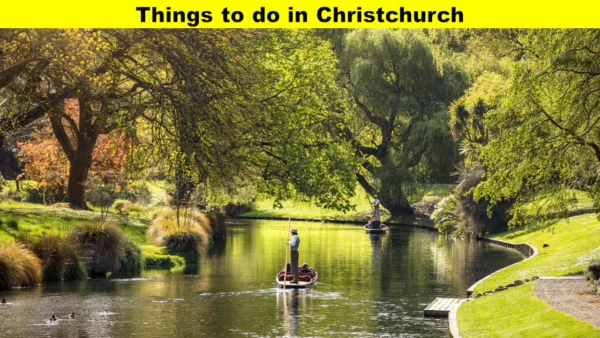
Things to do in Christchurch based on NeemTime research from most popular to just popular.
Christchurch Botanic Gardens, Christchurch
Overview: Christchurch Botanic Gardens is a beautifully landscaped riverside garden showcasing diverse plant collections, themed gardens, and tranquil walking paths in the heart of the city.
History: The gardens were established in 1863 to commemorate the marriage of Prince Albert Edward and Princess Alexandra and gradually expanded into one of New Zealand’s most significant botanical sites.
Since When: The Christchurch Botanic Gardens have been officially open to the public since 1863, evolving continuously over more than a century.
Review: Visitors consistently praise the gardens for their peaceful atmosphere, seasonal floral displays, and well-maintained grounds suitable for all ages.
When to Go: The best time to visit is spring and summer (September to February) when flowers are in full bloom and the weather is pleasant.
How to Go: The gardens are easily accessible by walking from the city center, public buses, cycling paths, or car with nearby parking.
What to Do: Visitors can enjoy leisurely walks, guided tours, picnics, photography, and learning about native and exotic plants.
Free or Paid: Entry to Christchurch Botanic Gardens is completely free.
Westfield Riccarton, Christchurch
Overview: Westfield Riccarton is Christchurch’s largest shopping mall, offering a wide range of retail stores, dining options, and entertainment facilities.
History: Originally opened in 1965, the mall has undergone several major renovations and expansions to become a modern shopping destination.
Since When: Westfield Riccarton has been serving shoppers since 1965 as a central retail hub in Christchurch.
Review: Shoppers appreciate the mall’s variety of brands, clean layout, and convenient facilities, though it can get busy on weekends.
When to Go: Weekday mornings or early afternoons are ideal to avoid crowds, while evenings are popular for dining.
How to Go: The mall is accessible by car, bus routes from across the city, and taxis or ride-sharing services.
What to Do: Visitors can shop, dine, watch movies nearby, and enjoy cafés and seasonal events.
Free or Paid: Entry to Westfield Riccarton is free, with costs only for shopping and dining.
Riverside Market, Christchurch
Overview: Riverside Market is a vibrant indoor food and lifestyle market featuring local eateries, fresh produce, artisan goods, and riverfront views.
History: The market opened in 2019 as part of Christchurch’s post-earthquake revitalization of the central city.
Since When: Riverside Market has been operating since 2019 as a modern hub for food lovers and social gatherings.
Review: Visitors love the lively atmosphere, diverse food choices, and relaxed communal seating by the river.
When to Go: Lunchtime and early evenings are popular, while mornings are quieter for browsing stalls.
How to Go: The market is easily reached on foot from the CBD, by bus, or via nearby parking facilities.
What to Do: Guests can eat local and international food, shop for specialty items, and enjoy riverside views.
Free or Paid: Entry to Riverside Market is free, but food and purchases are paid.
Hagley Park North, Christchurch
Overview: Hagley Park North is a vast urban green space offering open lawns, tree-lined paths, and recreational areas near the Avon River.
History: Established in the mid-19th century, Hagley Park was set aside as public land for recreation and preservation.
Since When: Hagley Park has been open to the public since the 1850s as a central recreational area of Christchurch.
Review: Locals and tourists enjoy its spaciousness, scenic beauty, and suitability for outdoor activities.
When to Go: The park is best visited during daylight hours, especially in spring and summer for outdoor enjoyment.
How to Go: It is easily accessible by walking, cycling, public transport, or car from the city center.
What to Do: Visitors can picnic, jog, cycle, play sports, or relax by the river.
Free or Paid: Hagley Park North is completely free to access.
The Margaret Mahy Family Playground, Christchurch
Overview: The Margaret Mahy Family Playground is a large, modern playground designed for children of all ages with creative play structures and water features.
History: Opened in 2015, the playground was developed as part of Christchurch’s recovery and named after beloved author Margaret Mahy.
Since When: The playground has been welcoming families since 2015 as one of the largest in the Southern Hemisphere.
Review: Families highly rate it for its safety, imaginative design, and variety of play options for children.
When to Go: Late mornings or early evenings are ideal, especially during warmer months, to avoid peak crowds.
How to Go: It is centrally located and accessible by walking, cycling, public transport, or car with nearby parking.
What to Do: Children can climb, splash, swing, and explore interactive play zones while adults relax nearby.
Free or Paid: Entry to The Margaret Mahy Family Playground is completely free.
Willowbank Wildlife Reserve, Christchurch
Overview: Willowbank Wildlife Reserve is an intimate, family-friendly wildlife park in Christchurch that focuses on close-up encounters with native New Zealand animals, including kiwi, tuatara, and farm species.
History: Established as a privately run conservation and education center, Willowbank has long aimed to showcase and protect New Zealand’s unique fauna in naturalistic habitats.
Since When: Willowbank Wildlife Reserve has been operating since the late 1970s, gradually expanding its enclosures and conservation programs over the decades.
Review: Visitors generally praise Willowbank for its relaxed atmosphere, informative staff, and rare opportunity to see kiwi birds in a nocturnal house.
When to Go: The best time to visit is during spring and summer mornings when animals are more active and the weather is pleasant.
How to Go: The reserve is easily accessible by car or bus from central Christchurch, with clear signage and on-site parking available.
What to Do: Guests can enjoy guided animal encounters, attend feeding sessions, walk shaded trails, and learn about conservation initiatives.
Free or Paid: Entry to Willowbank Wildlife Reserve is paid, with ticket prices varying for adults, children, and families.
Canterbury Museum, Christchurch
Overview: Canterbury Museum is a major cultural institution in Christchurch showcasing natural history, Māori heritage, Antarctic exploration, and regional stories.
History: Founded in the 19th century, the museum was created to preserve and display artifacts reflecting Canterbury’s scientific, cultural, and colonial past.
Since When: The museum first opened to the public in 1870, making it one of New Zealand’s oldest museums.
Review: Visitors often commend the museum for its diverse exhibits, educational value, and engaging displays for all age groups.
When to Go: Weekdays or early mornings are ideal times to visit to avoid crowds, especially during school holidays.
How to Go: Located near the Botanic Gardens, the museum is easily reached on foot, by bicycle, or via public transport from the city center.
What to Do: Explore permanent and temporary exhibitions, interactive displays, and learn about Antarctic expeditions and Māori culture.
Free or Paid: Entry is generally free, though donations and fees may apply for special exhibitions.
The Tannery, Christchurch
Overview: The Tannery is a stylish boutique shopping and dining precinct in Christchurch, known for its heritage-inspired architecture and artisanal atmosphere.
History: Built on the site of a former industrial tannery, the complex was redeveloped to preserve its historic character while creating a modern retail hub.
Since When: The Tannery officially opened in 2013 as part of Christchurch’s post-earthquake urban revival.
Review: Visitors appreciate The Tannery for its unique shops, quality eateries, and relaxed, European-style ambiance.
When to Go: Late mornings and afternoons are popular, especially on weekends when cafes and boutiques are most lively.
How to Go: The Tannery is accessible by car, bus, or bike, located a short drive southeast of central Christchurch.
What to Do: Shop for local crafts, enjoy specialty coffee and meals, attend events, or simply relax in the courtyard.
Free or Paid: Entry to The Tannery is free, with costs only for shopping, dining, or events.
Little High Eatery, Christchurch
Overview: Little High Eatery is a vibrant indoor food hall in Christchurch offering a wide range of international cuisines under one roof.
History: Developed as part of the city’s regeneration, Little High Eatery was designed to bring diverse food vendors together in a communal space.
Since When: The eatery opened in 2016 and quickly became a popular dining destination for locals and tourists.
Review: Diners frequently praise the variety of food options, lively atmosphere, and central location.
When to Go: Evenings and weekends are busiest, while lunchtime on weekdays offers a more relaxed experience.
How to Go: Situated in central Christchurch, it is easily reached on foot, by bus, or via nearby parking facilities.
What to Do: Sample different cuisines, meet friends, enjoy casual dining, and experience Christchurch’s modern food scene.
Free or Paid: Entry is free, but all food and drinks are paid individually.
Orana Wildlife Park, Christchurch
Overview: Orana Wildlife Park is New Zealand’s only open-range zoo, offering spacious enclosures and immersive wildlife experiences near Christchurch.
History: Established as a conservation-focused park, Orana was created to educate the public while promoting animal welfare and breeding programs.
Since When: The park opened in 1976 and has since expanded to include a wide range of international and native species.
Review: Visitors often highlight the park’s large habitats, interactive experiences, and commitment to conservation.
When to Go: Spring and summer are the best seasons to visit, with mild weather and active animals throughout the day.
How to Go: Orana Wildlife Park is located about 15 minutes from central Christchurch and is accessible by car or shuttle services.
What to Do: Enjoy animal encounters, watch feeding sessions, take guided tours, and learn about global conservation efforts.
Free or Paid: Entry to Orana Wildlife Park is paid, with different ticket options available for individuals and families.
Christchurch Casino
Overview: Christchurch Casino is a central-city entertainment complex offering gaming floors, bars, restaurants, and live entertainment within a modern indoor venue.
History: It opened in the mid-1990s as New Zealand’s first purpose-built casino, marking a significant shift in Christchurch’s nightlife scene.
Since When: The casino has been operating since 1994, becoming a long-standing part of the city’s entertainment landscape.
Review: Visitors often praise its lively atmosphere, variety of games, and central location, though some note it can be busy on weekends.
When to Go: Evenings and late nights are ideal for experiencing the full energy, while weekdays are quieter for relaxed gaming.
How to Go: It is easily reached on foot from the city centre or by local buses that stop nearby on Colombo and Victoria Streets.
What to Do: Guests can play table games and slots, enjoy dining and cocktails, or attend occasional live shows and events.
Free or Paid: Entry is free, but gaming, food, and drinks are paid activities.
Christchurch Gondola
Overview: The Christchurch Gondola offers a scenic cable car ride to the Port Hills, providing panoramic views over the city, Canterbury Plains, and Lyttelton Harbour.
History: Built as a tourism attraction in the 1990s, it was designed to showcase Christchurch’s unique coastal and alpine geography.
Since When: The gondola has been operating since 1995 and remains one of the city’s most popular viewpoints.
Review: Travelers consistently rate it highly for its views, smooth ride, and informative summit facilities.
When to Go: Clear days in the morning or late afternoon are best for visibility and photography.
How to Go: You can drive to the gondola base or take public buses from the city centre toward Heathcote Valley.
What to Do: Ride the gondola, explore the summit walking tracks, watch the history ride, and enjoy café refreshments with views.
Free or Paid: This is a paid attraction with ticketed entry.
TranzAlpine Train
Overview: The TranzAlpine Train is a world-famous scenic railway journey crossing the Southern Alps between Christchurch and the West Coast.
History: Originally developed to connect Canterbury and the West Coast, it later gained international recognition for its dramatic landscapes.
Since When: Scenic passenger services have operated in their modern form since the late 20th century.
Review: Passengers frequently describe it as one of the most beautiful train journeys in the world due to mountains, gorges, and rivers.
When to Go: Spring and summer offer lush scenery, while winter provides snow-covered alpine views.
How to Go: The train departs directly from Christchurch Railway Station, easily accessible by taxi or bus.
What to Do: Relax in panoramic carriages, take photos, listen to onboard commentary, and enjoy the journey itself.
Free or Paid: This is a fully paid experience requiring advance ticket purchase.
Christchurch Art Gallery Te Puna o Waiwhetū
Overview: Christchurch Art Gallery Te Puna o Waiwhetū is a major cultural institution showcasing national and international art in a striking riverside building.
History: Established to serve as the city’s primary art space, the current building opened in the early 2000s.
Since When: The gallery has operated in its present form since 2003, with earlier roots in local art exhibitions.
Review: Visitors appreciate its free entry, diverse exhibitions, and modern architecture integrated with public spaces.
When to Go: Weekdays and mornings are quieter, while weekends are lively with families and events.
How to Go: It is centrally located and easily reached on foot, bicycle, or by bus from anywhere in the city.
What to Do: View rotating exhibitions, attend talks or workshops, relax at the café, and browse the gift shop.
Free or Paid: General entry is free, with some special exhibitions requiring paid tickets.
International Antarctic Centre
Overview: The International Antarctic Centre offers an immersive experience into Antarctic exploration, science, and extreme environments near Christchurch Airport.
History: It was created to reflect Christchurch’s role as a gateway city to Antarctica for international research missions.
Since When: The centre opened in 1996 and has since expanded its exhibits and interactive experiences.
Review: Families and travelers enjoy the hands-on attractions, realistic simulations, and educational value.
When to Go: Year-round visits are suitable, but mornings are best to avoid crowds, especially during school holidays.
How to Go: It is located near the airport and easily accessed by car, shuttle, or public bus services.
What to Do: Experience the Antarctic storm room, ride the Hägglund, visit penguins, and learn about polar research.
Free or Paid: This is a paid attraction with ticketed entry.
Christchurch Tramway, Christchurch
Overview: Christchurch Tramway is a historic tram service offering scenic rides through the heart of Christchurch, showcasing the city’s heritage and architecture.
History: The tramway was originally established to provide public transport in Christchurch and later revived as a tourist attraction after modernization of the city’s transport system.
Since When: The modern heritage tram service has been operating since 1995 after restoration projects.
Review: Visitors often praise the tramway for its nostalgic charm, informative commentary, and convenient city route for sightseeing.
When to Go: The tramway operates daily, with the best experience during daylight hours to enjoy full views of the city.
How to Go: Accessible from multiple central city stops including Cathedral Square, tickets can be purchased online or at tram stops.
What to Do: Ride the tram to explore historic sites, enjoy guided commentary, take photographs, and experience Christchurch’s cityscape from a vintage tram.
Free or Paid: Paid attraction with ticket prices varying depending on route and duration.
New Brighton Pier, Christchurch
Overview: New Brighton Pier is an iconic seaside landmark in Christchurch offering panoramic ocean views, fishing opportunities, and a relaxing promenade.
History: The pier was originally built to support shipping and leisure activities and has undergone restoration after earthquake damage in 2011.
Since When: The pier has been a major attraction since its reopening in 2018 following restoration.
Review: Visitors admire the pier for its scenic sunsets, recreational fishing, and family-friendly environment.
When to Go: Best visited during calm weather, especially around sunrise or sunset for photography and relaxation.
How to Go: Easily reached by car or public bus from Christchurch city center, with parking available nearby.
What to Do: Walk along the pier, fish, enjoy seaside cafes, take photos, and watch surfers and seabirds.
Free or Paid: Free to access.
Canterbury Museum Pop-up, Christchurch
Overview: Canterbury Museum Pop-up is a temporary exhibition space featuring rotating displays of art, history, and culture from the Canterbury region.
History: Established to continue public engagement while the main museum underwent renovations or hosted special projects.
Since When: The pop-up exhibitions have been active since the mid-2010s to maintain museum outreach.
Review: Visitors enjoy the intimate and dynamic exhibits, which provide insight into local history and cultural events.
When to Go: Open during museum hours, with special events highlighted seasonally.
How to Go: Located in central Christchurch and accessible by bus or car; check specific pop-up locations online.
What to Do: Explore rotating exhibits, participate in educational workshops, and attend cultural events.
Free or Paid: Generally free entry, with some special exhibitions possibly requiring a fee.
The Riccarton Sunday Market, Christchurch
Overview: The Riccarton Sunday Market is a lively market offering local produce, crafts, antiques, street food, and live entertainment.
History: The market was established to support local vendors and create a community hub for Christchurch residents.
Since When: Operating since the early 1980s, it has become a staple weekend destination for locals and tourists alike.
Review: Visitors appreciate the vibrant atmosphere, variety of goods, and the friendly community vibe.
When to Go: Best visited on Sunday mornings from 8:00 AM to 3:00 PM to experience full market activity.
How to Go: Located on Riccarton Road, accessible by bus, car, or bike, with parking available nearby.
What to Do: Shop for fresh produce, local crafts, vintage items, enjoy street food, and listen to live music.
Free or Paid: Free entry; purchases are optional.
Hagley Park South, Christchurch
Overview: Hagley Park South is a sprawling urban park offering open green spaces, sports facilities, and walking paths adjacent to Christchurch Botanic Gardens.
History: Established as part of Christchurch’s original city plan in the 1850s to provide public recreation space.
Since When: Open to the public since the mid-19th century and continuously maintained as a city park.
Review: Visitors enjoy the park for picnics, jogging, cycling, and seasonal events like flower shows and festivals.
When to Go: Ideal during daylight hours, especially in spring and summer for events and outdoor activities.
How to Go: Accessible from multiple city entrances via car, bus, or bicycle, with parking at designated areas.
What to Do: Walk, jog, cycle, enjoy picnics, attend outdoor events, and explore nearby gardens.
Free or Paid: Free to access.
Zone Bowling Garden City, Christchurch
Overview: Zone Bowling Garden City is a modern entertainment complex offering ten-pin bowling, arcade games, laser tag, and food and beverage options for families and groups.
History: The facility was developed to provide recreational and social activities in Christchurch’s suburban area, becoming a popular leisure destination.
Since When: It has been operational since the early 2000s as part of Christchurch’s Garden City leisure hub.
Review: Visitors enjoy the friendly atmosphere, well-maintained lanes, and variety of games suitable for all ages.
When to Go: Best visited during evenings or weekends for a lively atmosphere, though quieter hours are available on weekdays.
How to Go: Located in the Garden City area, accessible by car or bus with ample parking nearby.
What to Do: Bowl with friends or family, play arcade games, enjoy food and drinks, and celebrate parties or events.
Free or Paid: Paid attraction with fees for bowling lanes and activities.
Cardboard Cathedral, Christchurch
Overview: The Cardboard Cathedral is a unique transitional cathedral built primarily from cardboard tubes, wood, and steel, symbolizing innovation and resilience after the 2011 earthquake.
History: Designed by Japanese architect Shigeru Ban, it replaced the original Christchurch Cathedral damaged in the earthquake.
Since When: Officially opened in August 2013 as a temporary but functional place of worship.
Review: Visitors admire the architectural creativity, spiritual ambiance, and the cathedral’s symbolic role in Christchurch’s recovery.
When to Go: Open daily, with peak visiting times in the late morning and afternoon for tours and services.
How to Go: Located in the city center, accessible by foot, car, or bus from central Christchurch.
What to Do: Explore the innovative design, attend services, take photographs, and learn about the earthquake recovery story.
Free or Paid: Free entry, donations welcome.
Quake City, Christchurch
Overview: Quake City is an interactive museum and exhibition documenting the 2010-2011 Canterbury earthquakes, their impact, and Christchurch’s ongoing recovery.
History: Established to educate the public about seismic events and commemorate the lives affected by the earthquakes.
Since When: Opened in 2011 shortly after the earthquakes as part of the city’s educational and tourism initiatives.
Review: Visitors find it informative, moving, and well-organized, providing both emotional and educational insight.
When to Go: Best visited during museum hours, preferably in the morning to avoid crowds.
How to Go: Located near the city center, accessible by car, bus, or on foot from central Christchurch.
What to Do: Explore exhibits, watch multimedia presentations, participate in earthquake simulations, and learn about city recovery.
Free or Paid: Paid entry with tickets required for adults and children.
Air Force Museum of New Zealand, Christchurch
Overview: The Air Force Museum showcases New Zealand’s military aviation history through extensive aircraft displays, memorabilia, and interactive exhibits.
History: Established by the Royal New Zealand Air Force to preserve aviation heritage and educate the public.
Since When: Opened in 1987 and continuously expanded with new exhibits and restored aircraft.
Review: Visitors praise the museum for its comprehensive collection, educational value, and interactive experiences for all ages.
When to Go: Best visited on weekdays or weekends in the morning to enjoy guided tours and demonstrations.
How to Go: Located near Wigram, accessible by car or bus from Christchurch city center with onsite parking.
What to Do: View aircraft, explore interactive exhibits, attend guided tours, and learn about aviation history.
Free or Paid: Paid attraction with entry fees.
Riccarton House and Bush, Christchurch
Overview: Riccarton House and Bush is a historic homestead surrounded by native bush, walking trails, and heritage gardens in Christchurch.
History: Built for the Deans family, early European settlers, it serves as a reminder of Christchurch’s colonial history and conservation efforts.
Since When: The homestead has been preserved since the mid-19th century, with public access for heritage and educational purposes.
Review: Visitors enjoy the peaceful natural setting, historic architecture, and informative guided tours.
When to Go: Best visited during daylight hours to enjoy walking trails and guided tours of the house.
How to Go: Located in Riccarton, accessible by car or public bus, with parking available onsite.
What to Do: Take guided tours, walk through native bush, explore heritage gardens, and attend seasonal events.
Free or Paid: Paid entry for house tours; bush and gardens are generally free to access.
Mona Vale Garden Park, Christchurch
Overview: Mona Vale Garden Park is a beautifully landscaped heritage garden featuring formal flower beds, historic buildings, and tranquil walking paths.
History: The gardens were originally part of a private estate developed in the early 20th century and later opened to the public for recreational and cultural use.
Since When: The public has had access to Mona Vale since the mid-20th century.
Review: Visitors appreciate the well-maintained gardens, picturesque settings, and peaceful atmosphere ideal for photography and relaxation.
When to Go: Best visited during spring and summer when flowers are in full bloom, preferably in the morning or late afternoon.
How to Go: Located near Papanui, accessible by car or bus with nearby parking available.
What to Do: Stroll through gardens, enjoy picnics, photograph historic buildings, and attend seasonal events.
Free or Paid: Free entry.
Christchurch Tram, Christchurch
Overview: The Christchurch Tram is a historic and modern tramway offering guided tours through the city’s central streets and heritage areas.
History: Trams have been part of Christchurch’s transport system since the early 1900s, with the current service combining heritage preservation and tourism.
Since When: The current heritage tram tour has been operating since 1995 after the original tram network was decommissioned.
Review: Visitors enjoy the nostalgic experience, informative commentary, and scenic route around Christchurch’s city center.
When to Go: Best during the day for sightseeing, particularly in spring and summer when the city is vibrant.
How to Go: Start from central city stops like Cathedral Square, accessible on foot or by public transport.
What to Do: Ride the tram, learn about city history, photograph landmarks, and enjoy themed tours or events.
Free or Paid: Paid attraction with ticketed rides.
Halswell Quarry, Christchurch
Overview: Halswell Quarry is a scenic public park and former quarry site transformed into a recreational area with walking trails, gardens, and picnic spots.
History: Originally a limestone quarry, the site was later redeveloped into a community park with landscaped gardens and natural features.
Since When: Opened as a public park in the late 20th century.
Review: Visitors enjoy the mix of nature, heritage, and recreational opportunities, particularly for walking and family outings.
When to Go: Best visited during daylight hours, especially in spring and summer for outdoor activities.
How to Go: Located in Halswell, accessible by car or local bus with parking available onsite.
What to Do: Walk trails, explore gardens, picnic, and take photographs of the quarry landscape.
Free or Paid: Free entry.
The Groynes, Christchurch
Overview: The Groynes is a large recreational reserve featuring lakes, walking tracks, picnic areas, and opportunities for fishing and water activities.
History: The area was developed as a public reserve to provide green space and outdoor recreation for the Christchurch community.
Since When: Opened to the public in the mid-20th century and has been continually improved for recreational use.
Review: Visitors enjoy the natural scenery, family-friendly facilities, and abundance of outdoor activities.
When to Go: Ideal during spring and summer, particularly for walking, fishing, and picnics.
How to Go: Located in northwest Christchurch, accessible by car with parking and some public transport options.
What to Do: Walk or cycle tracks, fish in the lakes, picnic, birdwatch, and enjoy playgrounds.
Free or Paid: Free entry.
Bottle Lake Forest Park, Christchurch
Overview: Bottle Lake Forest Park is a large pine forest offering walking, running, and cycling trails, along with picnic and recreational areas.
History: Developed as a forest reserve to provide timber resources and recreational space for the local community.
Since When: Opened for public recreation in the late 20th century.
Review: Visitors appreciate the extensive trail network, peaceful forest environment, and outdoor activity options.
When to Go: Best during spring, summer, and autumn for hiking, cycling, and family outings.
How to Go: Located in the northeast of Christchurch, accessible by car or bike, with parking available onsite.
What to Do: Hike, cycle, run, picnic, and enjoy birdwatching and nature photography.
Free or Paid: Free entry.