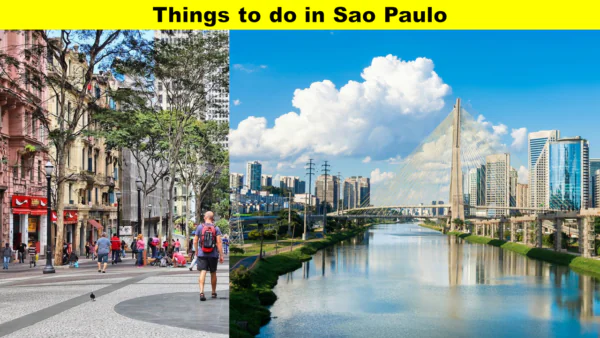
Things to do in Sao Paulo based on NeemTime research from most popular to just popular.
República, São Paulo
Overview: República is a lively central district of São Paulo known for its historic architecture, cultural venues, nightlife, and diverse urban atmosphere.
History: The area developed in the late 19th and early 20th centuries as São Paulo modernized, becoming a hub for politics, culture, and commerce.
Since When: República has existed as a recognized neighborhood since the late 1800s.
Review: Visitors find it vibrant and authentic, though busy, appreciating its energy, landmarks, and local life.
When to Go: It is best visited during daytime for sightseeing and early evening for culture and dining.
How to Go: Easily reachable by República Metro Station and multiple city bus routes.
What to Do: Explore Praça da República, admire historic buildings, visit theaters, and enjoy cafés and street life.
Free or Paid: Free to explore, with paid attractions depending on activities.
Ibirapuera Park, São Paulo
Overview: Ibirapuera Park is São Paulo’s most famous urban park, offering green spaces, museums, lakes, and cultural centers.
History: Designed by landscape architect Roberto Burle Marx and architect Oscar Niemeyer as part of São Paulo’s 400th anniversary celebrations.
Since When: The park officially opened in 1954.
Review: Highly rated for its beauty, cleanliness, cultural attractions, and suitability for all ages.
When to Go: Best visited early morning or late afternoon, especially on weekdays to avoid crowds.
How to Go: Accessible by bus, taxi, or ride-hailing services from anywhere in São Paulo.
What to Do: Walk or cycle, visit museums, attend events, relax by the lakes, and enjoy outdoor activities.
Free or Paid: Free entry, with some museums charging admission.
Mercado Municipal de São Paulo, São Paulo
Overview: Mercado Municipal is an iconic food market famous for its stained-glass windows and wide variety of fresh produce and local foods.
History: Built to support food distribution in the city, becoming a culinary landmark over time.
Since When: Opened in 1933.
Review: Visitors love the vibrant atmosphere, famous mortadella sandwiches, and fresh fruit tastings.
When to Go: Best visited in the morning for fresher produce and fewer crowds.
How to Go: Reachable by São Bento or Luz Metro stations followed by a short walk.
What to Do: Taste local foods, shop for ingredients, take photos, and dine at market restaurants.
Free or Paid: Free entry, food purchases are paid.
Parque Villa-Lobos, São Paulo
Overview: Parque Villa-Lobos is a spacious riverside park offering recreational areas, sports facilities, and cultural events.
History: Built on reclaimed land along the Pinheiros River to promote urban leisure and green spaces.
Since When: Opened to the public in 1994.
Review: Visitors appreciate its open spaces, bike paths, and quieter environment compared to other city parks.
When to Go: Ideal during mornings and late afternoons, especially on weekends for outdoor activities.
How to Go: Accessible by train via Villa-Lobos–Jaguaré Station or by car and bus.
What to Do: Cycle, jog, picnic, read, attend concerts, and enjoy outdoor fitness areas.
Free or Paid: Free entry.
Museum of Art of São Paulo Assis Chateaubriand, São Paulo
Overview: MASP is one of Latin America’s most important art museums, renowned for its bold architecture and global art collection.
History: Founded by Assis Chateaubriand to bring international art and culture to Brazil.
Since When: Established in 1947 and moved to its iconic building in 1968.
Review: Widely praised for its impressive exhibitions, unique display style, and cultural significance.
When to Go: Best visited on weekdays or during free-admission days to enjoy exhibits comfortably.
How to Go: Located on Avenida Paulista, easily accessible by Trianon-MASP Metro Station.
What to Do: Explore permanent and temporary exhibitions, learn art history, and enjoy Avenida Paulista nearby.
Free or Paid: Paid entry, with free admission on specific days.
Zoológico de São Paulo, São Paulo
Overview: Zoológico de São Paulo is the largest zoo in Brazil, set within Atlantic Forest remnants and home to hundreds of native and international animal species.
History: The zoo was created as part of São Paulo’s effort to promote wildlife conservation, education, and scientific research.
Since When: It has been open to the public since 1958.
Review: Visitors consistently praise the spacious enclosures, natural surroundings, and educational value, especially for families.
When to Go: The best time to visit is on weekday mornings when the weather is cooler and animals are more active.
How to Go: You can reach the zoo by metro and bus or by car via Avenida do Cursino.
What to Do: Observe animals, visit themed areas, attend educational programs, and enjoy shaded walking trails.
Free or Paid: Paid entry.
Hopi Hari, São Paulo
Overview: Hopi Hari is a large theme park offering roller coasters, family rides, and live entertainment themed as a fictional country.
History: The park was developed to create a world-class amusement destination inspired by international theme parks.
Since When: It officially opened in 1999.
Review: Visitors enjoy the thrilling rides and themed zones, though experiences vary depending on crowd levels.
When to Go: Visit on weekdays or outside school holidays for shorter queues and better ride access.
How to Go: Hopi Hari is accessible by car via Rodovia dos Bandeirantes or by shuttle services from São Paulo.
What to Do: Ride roller coasters, watch live shows, explore themed areas, and enjoy family attractions.
Free or Paid: Paid entry.
Parque da Independência, São Paulo
Overview: Parque da Independência is a historic park surrounding the Independence Monument, marking Brazil’s declaration of independence.
History: The park was designed to commemorate Brazil’s independence and highlight national pride and heritage.
Since When: It was inaugurated in 1922 during the centennial of Brazil’s independence.
Review: Visitors appreciate its historical significance, well-kept gardens, and peaceful atmosphere.
When to Go: Early mornings or late afternoons are ideal for walks and photography.
How to Go: Easily accessible by bus or metro via the Ipiranga area.
What to Do: Walk through the gardens, visit the Independence Monument, and explore nearby museums.
Free or Paid: Free.
Aquário de São Paulo, São Paulo
Overview: Aquário de São Paulo is a modern indoor aquarium featuring marine life, reptiles, mammals, and themed ecosystems.
History: It was created to promote environmental education and awareness of aquatic ecosystems.
Since When: The aquarium opened in 2006.
Review: Visitors highlight the clean facilities, diverse species, and engaging exhibits suitable for all ages.
When to Go: Weekday mornings are best to avoid crowds and enjoy exhibits comfortably.
How to Go: Reachable by car or public transport via Avenida do Estado.
What to Do: Explore aquatic tunnels, observe marine animals, and participate in educational activities.
Free or Paid: Paid entry.
Parque da Água Branca, São Paulo
Overview: Parque da Água Branca is a tranquil urban park known for green spaces, cultural activities, and traditional rural architecture.
History: The park was originally created to host agricultural exhibitions and promote farming culture.
Since When: It has been open since 1929.
Review: Visitors enjoy its calm environment, free-roaming animals, and cultural events.
When to Go: Best visited in the morning for fresh air and fewer visitors.
How to Go: Easily accessible by metro, bus, or car near Barra Funda.
What to Do: Walk through gardens, visit cultural buildings, attend fairs, and relax in open spaces.
Free or Paid: Free.
Bosque Maia, São Paulo
Overview: Bosque Maia is the largest urban park in Guarulhos, near São Paulo, offering green spaces, walking trails, playgrounds, and cultural areas ideal for relaxation and recreation.
History: The park was developed as part of Guarulhos’ urban planning initiatives to preserve green areas and provide residents with accessible public leisure space.
Since When: Bosque Maia has been open to the public since the late 1990s, gradually expanding its facilities and landscaping.
Review: Visitors generally praise the park for its cleanliness, safety, and family-friendly environment, making it a popular spot for daily walks and weekend outings.
When to Go: The best time to visit is early morning or late afternoon when the weather is cooler and the park is less crowded.
How to Go: Bosque Maia is easily accessible by car, bus, or rideshare services from central São Paulo and Guarulhos.
What to Do: You can walk, jog, picnic, attend cultural events, or let children enjoy the playgrounds and open lawns.
Free or Paid: Entry to Bosque Maia is completely free for all visitors.
Pinacoteca de São Paulo, São Paulo
Overview: Pinacoteca de São Paulo is one of Brazil’s most important art museums, showcasing an extensive collection of Brazilian art from the 19th century to contemporary works.
History: Founded in 1905, the museum is housed in a historic building designed by Ramos de Azevedo and has played a key role in Brazil’s cultural development.
Since When: The Pinacoteca has been welcoming visitors for over a century, with major renovations completed in the late 1990s.
Review: Visitors highly rate the museum for its thoughtful exhibitions, beautiful architecture, and well-curated permanent and temporary collections.
When to Go: Weekdays or early mornings are ideal to avoid crowds, especially during special exhibitions.
How to Go: The museum is located near Luz Station, making it easily reachable by metro, train, or bus.
What to Do: Explore permanent galleries, attend temporary exhibitions, participate in guided tours, and relax in the internal courtyard café.
Free or Paid: Entry is paid, but admission is free on certain days, typically Saturdays.
Mercado Municipal da Lapa, São Paulo
Overview: Mercado Municipal da Lapa is a traditional neighborhood market offering fresh produce, meats, spices, and local food stalls in a lively setting.
History: Established in the mid-20th century, the market was created to serve the daily needs of residents in the Lapa district.
Since When: The market has been operating since the 1950s, maintaining its role as a community shopping hub.
Review: Visitors appreciate its authentic local atmosphere, affordable prices, and variety of fresh foods.
When to Go: Mornings are the best time to visit for the freshest produce and a more vibrant market experience.
How to Go: The market is accessible by bus, train to Lapa station, or by car from central São Paulo.
What to Do: Shop for groceries, taste local snacks, and experience everyday life in a São Paulo neighborhood.
Free or Paid: Entry to the market is free, with costs only for purchases.
Parque Ibirapuera, São Paulo
Overview: Parque Ibirapuera is São Paulo’s most famous park, combining vast green spaces with museums, cultural centers, and recreational areas.
History: Opened in 1954 to celebrate São Paulo’s 400th anniversary, the park was designed by Oscar Niemeyer and landscape architect Burle Marx.
Since When: The park has been a central part of city life since the mid-20th century.
Review: It is widely loved for its diversity of activities, scenic beauty, and cultural institutions within the park grounds.
When to Go: Early mornings and weekdays are ideal to enjoy the park peacefully, while weekends are lively and social.
How to Go: Easily reachable by bus, metro plus a short walk, or taxi from most parts of São Paulo.
What to Do: Walk or bike, visit museums, attend cultural events, picnic, or relax by the lakes.
Free or Paid: Entry to the park is free, though some museums inside may charge admission.
Museu Catavento, São Paulo
Overview: Museu Catavento is an interactive science museum designed to make learning fun through hands-on exhibits focused on science, technology, and the environment.
History: The museum opened in a historic palace building that once served as the São Paulo government headquarters.
Since When: Museu Catavento has been operating since 2009 as an educational attraction for all ages.
Review: Visitors consistently praise it for being engaging, informative, and especially enjoyable for children and families.
When to Go: Weekday mornings are best for a quieter experience, especially for families with young children.
How to Go: The museum is accessible by metro, bus, or car, located near Dom Pedro II Park.
What to Do: Interact with science exhibits, participate in workshops, and explore themed sections like universe, biology, and technology.
Free or Paid: Entry is paid, with discounted or free admission on selected days.
Theatro Municipal de São Paulo, São Paulo
Overview: Theatro Municipal de São Paulo is an iconic early-20th-century opera house celebrated for its grand architecture, world-class acoustics, and central role in Brazil’s performing arts scene.
History: Inspired by European opera houses like the Paris Opéra, it was built during São Paulo’s coffee boom to symbolize the city’s cultural ambition and sophistication.
Since When: The theatre has been operating since 1911, serving as a major venue for opera, ballet, classical music, and theatrical performances.
Review: Visitors consistently praise its ornate interiors, guided tours, and high-quality performances, making it a must-visit cultural landmark.
When to Go: The best time to visit is in the evening for performances or during weekday mornings for guided tours with fewer crowds.
How to Go: It is easily accessible by São Bento or Anhangabaú metro stations, as well as by bus or taxi from anywhere in central São Paulo.
What to Do: Attend a live opera or concert, join a guided architectural tour, and admire the lavish halls and historical details.
Free or Paid: Guided tours are often free, but performances require paid tickets.
Museu do Ipiranga, São Paulo
Overview: Museu do Ipiranga is a grand historical museum dedicated to Brazil’s independence, set within a monumental palace and landscaped gardens.
History: The museum was built near the site where Brazil’s independence was declared in 1822 and later became a symbol of national identity.
Since When: It officially opened to the public in 1895 and was extensively renovated before reopening in 2022.
Review: Visitors admire its restored interiors, immersive exhibitions, and informative displays on Brazilian history and culture.
When to Go: Visit during weekdays or early mornings to avoid crowds, especially on weekends and public holidays.
How to Go: The museum can be reached by bus, rideshare, or taxi from central São Paulo, located in the Ipiranga district.
What to Do: Explore historical exhibitions, view iconic artworks, and relax in the surrounding Independence Park.
Free or Paid: Entry is generally paid, with free admission on specific days.
Beco do Batman, São Paulo
Overview: Beco do Batman is a vibrant open-air street art alley famous for its constantly changing murals and creative urban expression.
History: It gained popularity in the 1980s when graffiti artists began transforming the alley into a colorful artistic hub.
Since When: The area has been a recognized street art destination since the late 20th century.
Review: Tourists love its lively atmosphere, unique photo opportunities, and the ever-evolving artwork.
When to Go: The best time to visit is during daylight hours, especially weekends when the area is most lively.
How to Go: It is easily accessible by metro to Vila Madalena station followed by a short walk.
What to Do: Walk through the alley, photograph murals, and explore nearby cafés and shops.
Free or Paid: Visiting Beco do Batman is completely free.
Japan House São Paulo, São Paulo
Overview: Japan House São Paulo is a cultural center showcasing contemporary Japanese art, design, cuisine, and innovation.
History: It was established as part of a global initiative by the Japanese government to promote modern Japanese culture abroad.
Since When: Japan House São Paulo opened in 2017 on Paulista Avenue.
Review: Visitors appreciate its minimalist architecture, rotating exhibitions, and high-quality cultural programming.
When to Go: Weekdays or early afternoons are ideal for a quieter and more immersive visit.
How to Go: Located on Paulista Avenue, it is easily reached via Brigadeiro or Trianon-MASP metro stations.
What to Do: Explore exhibitions, attend cultural events, browse the design shop, and dine at the Japanese restaurant.
Free or Paid: Entry to exhibitions is generally free, while dining and workshops may be paid.
Paulista Avenue, São Paulo
Overview: Paulista Avenue is São Paulo’s most famous boulevard, known for its cultural institutions, shopping, nightlife, and financial importance.
History: Originally a residential area for wealthy coffee barons, it evolved into a major commercial and cultural corridor.
Since When: The avenue has been a central part of the city since its inauguration in 1891.
Review: Travelers enjoy its vibrant energy, museums, street performers, and variety of dining and shopping options.
When to Go: Sundays are especially popular when the avenue is closed to cars and open to pedestrians and cyclists.
How to Go: Multiple metro stations serve the avenue, including Paulista, Consolação, and Trianon-MASP.
What to Do: Visit museums, shop, dine, attend events, and enjoy street performances.
Free or Paid: Walking along the avenue is free, while attractions, shopping, and dining may be paid.
Sé Metropolitan Cathedral, Sao Paulo
Overview: Sé Metropolitan Cathedral is a grand neo-Gothic landmark in the heart of São Paulo, known for its massive green dome, stained-glass windows, and role as the city’s main Catholic church.
History: The cathedral was built on the site of earlier churches and completed in 1954 to mark São Paulo’s 400th anniversary, reflecting European Gothic influences blended with Brazilian elements.
Since When: Sé Metropolitan Cathedral has functioned in its current form since 1954, serving as the seat of the Archdiocese of São Paulo.
Review: Visitors generally praise its impressive architecture, peaceful interior, and central location, though some note crowds due to its busy downtown setting.
When to Go: The best time to visit is in the morning or late afternoon on weekdays to avoid crowds and enjoy the calm atmosphere.
How to Go: You can reach the cathedral easily by metro via Sé Station, which opens directly onto Sé Square.
What to Do: Inside, visitors can admire the altar, crypt with tombs of bishops, stained glass, and attend Mass or guided tours.
Free or Paid: Entry to Sé Metropolitan Cathedral is free, though donations are appreciated.
Horto Florestal – Parque Estadual Alberto Löfgren, Sao Paulo
Overview: Horto Florestal is a large urban forest park offering lakes, trails, picnic areas, and a refreshing natural escape from São Paulo’s busy city life.
History: The park was established in 1896 as a botanical and forestry research area, later becoming a public leisure space.
Since When: It has been open to the public as a recreational park since the early 20th century.
Review: Visitors highly rate it for its greenery, wildlife, and tranquility, especially for families and nature lovers.
When to Go: The best time to go is early morning or weekends during dry weather for walks and outdoor activities.
How to Go: The park is accessible by bus or car from northern São Paulo, with parking available near the entrance.
What to Do: Popular activities include walking, cycling, birdwatching, picnicking, and relaxing by the lakes.
Free or Paid: Entry to Horto Florestal is generally free.
Playcenter Family, Sao Paulo
Overview: Playcenter Family is an indoor amusement park designed mainly for children, featuring rides, games, and family-friendly attractions.
History: It was created as a modern continuation of the famous Playcenter brand, which was once one of São Paulo’s largest amusement parks.
Since When: Playcenter Family has been operating since the late 2010s in shopping mall locations.
Review: Families often enjoy its safe environment and variety of kids’ rides, though adults may find it limited.
When to Go: Weekday afternoons or mornings are ideal to avoid long lines and crowds.
How to Go: It is usually located inside major shopping malls and can be reached by metro, bus, or car depending on the branch.
What to Do: Children can enjoy rides, arcade games, birthday activities, and themed play zones.
Free or Paid: Entry is paid, with charges based on rides or play packages.
Sala São Paulo, Sao Paulo
Overview: Sala São Paulo is one of the world’s most acclaimed concert halls, renowned for its exceptional acoustics and classical music performances.
History: The hall was inaugurated in 1999 inside the restored Júlio Prestes railway station, transforming a historic building into a cultural icon.
Since When: Sala São Paulo has been operating as a concert hall since 1999.
Review: Visitors consistently rate it highly for sound quality, architecture, and the São Paulo State Symphony Orchestra performances.
When to Go: Evenings during concert seasons are best, especially when major orchestral performances are scheduled.
How to Go: It is accessible by metro and train via Luz Station, followed by a short walk.
What to Do: Attend classical concerts, guided tours, and cultural events held throughout the year.
Free or Paid: Entry is paid, though some rehearsals or special events may be free.
Parque do Povo, Sao Paulo
Overview: Parque do Povo is a modern urban park offering open green spaces, sports facilities, and walking paths in a central business area.
History: The park was revitalized and officially opened in 2008 as part of an urban renewal project along the Pinheiros River.
Since When: Parque do Povo has been open to the public since 2008.
Review: Visitors appreciate its cleanliness, safety, and suitability for exercise, though it is less shaded than older parks.
When to Go: Early mornings or late afternoons are ideal for walking, jogging, and avoiding strong sun.
How to Go: The park can be reached by bus, car, or via nearby train stations such as Cidade Jardim.
What to Do: Common activities include jogging, cycling, outdoor workouts, relaxing on lawns, and enjoying city views.
Free or Paid: Entry to Parque do Povo is free.
Lago Dos Patos, Sao Paulo
Overview: Lago dos Patos is a peaceful urban lake located within Parque do Carmo, offering scenic walking paths, calm waters, and a relaxing escape from the city’s bustle.
History: The lake was developed as part of the larger Parque do Carmo project to provide green recreational space for eastern São Paulo residents.
Since When: Lago dos Patos has been open to the public since the late 1970s along with the expansion of Parque do Carmo.
Review: Visitors generally praise the lake for its tranquility, family-friendly atmosphere, and suitability for walks, picnics, and photography.
When to Go: The best time to visit is during early mornings or late afternoons in the dry season from April to September for pleasant weather.
How to Go: You can reach Lago dos Patos by metro to Corinthians-Itaquera followed by a bus or taxi to Parque do Carmo.
What to Do: Visitors can enjoy walking, jogging, relaxing by the water, birdwatching, and spending quality time with family.
Free or Paid: Entry to Lago dos Patos is free.
Parque Zoológico Municipal “Quinzinho de Barros”, Sao Paulo
Overview: Parque Zoológico Municipal Quinzinho de Barros is a well-known zoo featuring diverse wildlife, spacious enclosures, and educational exhibits.
History: Established to promote wildlife conservation and education, the zoo has become one of the most respected zoological parks in Brazil.
Since When: The zoo has been operating since 1968, growing steadily in size and reputation.
Review: Visitors often commend the zoo for its cleanliness, animal care standards, and informative displays suitable for all ages.
When to Go: The ideal time to visit is on weekdays during the cooler months from May to August to avoid crowds.
How to Go: The zoo is accessible by car or bus from central São Paulo, with clear signage guiding visitors to the entrance.
What to Do: Guests can explore animal exhibits, attend educational talks, enjoy shaded walking trails, and take photos.
Free or Paid: Entry is paid, with ticket prices varying for adults, children, and students.
Farol Santander, Sao Paulo
Overview: Farol Santander is a cultural center housed in a historic skyscraper, offering exhibitions, panoramic views, and artistic experiences.
History: Originally built as the Banespa Building, it symbolized São Paulo’s financial power in the early 20th century.
Since When: It has functioned as Farol Santander since 2018 after extensive renovation.
Review: Visitors appreciate the mix of history, modern art, and breathtaking city views from the observation deck.
When to Go: The best time to visit is on clear days, preferably weekday mornings for a quieter experience.
How to Go: Farol Santander is easily reached by metro via São Bento Station in downtown São Paulo.
What to Do: Explore art exhibitions, learn about the building’s history, enjoy the café, and admire city views from above.
Free or Paid: Entry is paid, though some exhibitions may be free on special days.
São Paulo Botanical Garden, Sao Paulo
Overview: São Paulo Botanical Garden is a serene natural reserve showcasing native Brazilian flora, lakes, and forest trails.
History: The garden was created to support botanical research and preserve Atlantic Forest plant species.
Since When: It has been open to the public since 1938.
Review: Visitors often highlight its peaceful environment, well-maintained paths, and educational value.
When to Go: The best time to visit is in the morning during spring and summer when plants are in full bloom.
How to Go: The garden is accessible by bus or taxi from Jabaquara metro station.
What to Do: Walk through forest trails, visit greenhouses, photograph wildlife, and learn about native plants.
Free or Paid: Entry is paid, with discounted rates for students and seniors.
Parque da Mônica São Paulo, Sao Paulo
Overview: Parque da Mônica is an indoor theme park inspired by Brazil’s famous comic characters, designed especially for children and families.
History: The park was created based on Mauricio de Sousa’s beloved characters to offer safe and educational entertainment.
Since When: It has been operating in São Paulo since 2015 in its current location.
Review: Families rate the park highly for its cleanliness, engaging attractions, and child-friendly staff.
When to Go: The best time to visit is on weekdays outside school holidays to avoid long queues.
How to Go: Parque da Mônica is located in Shopping SP Market and can be reached by car, bus, or train to Jurubatuba Station.
What to Do: Children can enjoy rides, interactive games, shows, and character meet-and-greets.
Free or Paid: Entry is paid, with ticket packages depending on age and duration.
Praça Pôr do Sol, Sao Paulo
Overview: Praça Pôr do Sol is a popular hillside square in the Pinheiros neighborhood known for its open green space and panoramic sunset views over São Paulo’s skyline.
History: The square developed as a neighborhood leisure area as the surrounding residential zones expanded in the late 20th century, gradually becoming a cultural sunset spot.
Since When: Praça Pôr do Sol has been informally recognized as a sunset-viewing point since the 1990s.
Review: Visitors often praise its relaxed vibe, community atmosphere, and scenic views, though it can get crowded during evenings.
When to Go: The best time to visit is late afternoon to early evening, especially on clear days for sunset views.
How to Go: It is easily accessible by bus, rideshare, or car from central São Paulo, with nearby streets leading uphill to the square.
What to Do: You can relax on the grass, take photos of the sunset, picnic with friends, or simply enjoy the city panorama.
Free or Paid: Entry is completely free for all visitors.
Parque Maeda, Sao Paulo
Overview: Parque Maeda is a large recreational and cultural park offering fishing lakes, Japanese-themed gardens, and family-friendly attractions near São Paulo.
History: The park was established by the Maeda family as a leisure complex inspired by Japanese traditions and countryside recreation.
Since When: Parque Maeda has been open to the public since the late 20th century as a weekend retreat destination.
Review: Visitors appreciate its calm environment, variety of activities, and cultural ambiance, though it is considered best for full-day visits.
When to Go: The ideal time to visit is during weekends or holidays, preferably in the morning to enjoy all activities.
How to Go: It is best reached by car or tour transport from São Paulo, as it is located outside the city center.
What to Do: Activities include fishing, boating, walking through gardens, enjoying cultural shows, and dining on-site.
Free or Paid: Entry is paid, with ticket prices varying by day and activities.
PopHaus – Santo Amaro, Sao Paulo
Overview: PopHaus is an indoor inflatable amusement park offering energetic and interactive attractions for children, teens, and adults.
History: PopHaus was created as a modern entertainment concept inspired by inflatable parks popular worldwide.
Since When: The Santo Amaro unit has been operating since the late 2010s as part of the PopHaus expansion in São Paulo.
Review: Guests highlight its fun, safe, and colorful environment, making it a favorite for families and group outings.
When to Go: Weekdays are best for fewer crowds, while weekends are ideal for family visits with more activities running.
How to Go: It can be accessed easily by car, rideshare, or public transport within the Santo Amaro district.
What to Do: Visitors can jump, slide, climb inflatables, and participate in obstacle courses and games.
Free or Paid: Entry is paid, with timed tickets required for access.
Trianon – Tenente Siqueira Campos, Sao Paulo
Overview: Trianon Park is a historic urban forest park on Paulista Avenue, offering shaded trails and a natural escape amid skyscrapers.
History: The park was inaugurated in 1892 and later redesigned to preserve remnants of the Atlantic Forest.
Since When: It has been open to the public since the late 19th century as one of São Paulo’s oldest parks.
Review: Visitors enjoy its tranquility, central location, and greenery, though it is mainly suited for short walks.
When to Go: Morning and late afternoon are ideal times to enjoy cooler temperatures and a quieter atmosphere.
How to Go: The park is easily reached by metro (Trianon-MASP station) or bus along Paulista Avenue.
What to Do: You can walk along shaded paths, relax on benches, observe native plants, and take a break from city noise.
Free or Paid: Entry is free for all visitors.
Municipal Zoo of Guarulhos, Sao Paulo
Overview: The Municipal Zoo of Guarulhos is a compact zoological park focusing on Brazilian wildlife and environmental education.
History: The zoo was created as a conservation and educational initiative by the Guarulhos municipality.
Since When: It has been open to visitors since the early 2000s.
Review: Visitors appreciate its educational focus and calm setting, though it is smaller than major city zoos.
When to Go: The best time to visit is in the morning when animals are more active and the weather is cooler.
How to Go: It is accessible by car or local buses from Guarulhos and northern São Paulo areas.
What to Do: You can observe native animals, learn about conservation efforts, and enjoy a peaceful walk.
Free or Paid: Entry is free or very low-cost, depending on special programs or events.
Football (Soccer) Museum, Sao Paulo
Overview: Football (Soccer) Museum is an interactive cultural museum inside Pacaembu Stadium that celebrates Brazil’s deep passion for football through multimedia exhibits, memorabilia, and immersive storytelling.
History: The museum was created to preserve and showcase Brazil’s football heritage, highlighting legendary players, iconic matches, and the sport’s social impact on Brazilian identity.
Since When: Football (Soccer) Museum has been open to the public since 2008 as one of São Paulo’s most visited sports and culture attractions.
Review: Visitors generally praise the museum for its emotional, well-designed exhibits and engaging audiovisual experiences that appeal to both football fans and non-fans alike.
When to Go: The best time to visit is on weekdays or early mornings to avoid crowds, especially during weekends and match days.
How to Go: You can reach the museum easily by metro via Clínicas or Consolação stations followed by a short walk or taxi to Pacaembu Stadium.
What to Do: Explore interactive displays, watch historic match footage, learn about legendary players, and enjoy panoramic views of the stadium.
Free or Paid: It is a paid attraction, though free entry is often available on certain days or for specific groups.
Museu do Café, Sao Paulo
Overview: Museu do Café is a historic museum located in the former São Paulo Stock Exchange building, dedicated to showcasing Brazil’s coffee culture and economic history.
History: The museum was established in a grand early-20th-century building that once served as the center of Brazil’s coffee trade.
Since When: Museu do Café has been open to visitors since 1998, promoting awareness of coffee’s role in shaping Brazil.
Review: Visitors appreciate its elegant architecture, informative exhibits, and the café tasting experience that complements the historical displays.
When to Go: The best time to visit is in the morning or early afternoon when the museum is quieter and tastings are more enjoyable.
How to Go: It is easily accessible by train or metro, with São Bento and Luz stations located nearby.
What to Do: Learn about coffee production, explore historical documents, admire the building’s architecture, and sample premium Brazilian coffee.
Free or Paid: It is a paid museum, with discounted or free entry on select days.
Parque de Diversões Marisa, Sao Paulo
Overview: Parque de Diversões Marisa is a family-friendly amusement park offering classic rides, games, and entertainment for children and adults.
History: The park was developed as a recreational space aimed at providing affordable fun and leisure activities for families.
Since When: Parque de Diversões Marisa has been operating since the late 20th century as a local entertainment venue.
Review: Visitors describe it as simple and nostalgic, ideal for young children rather than thrill-seeking adults.
When to Go: The best time to visit is during weekends or holidays when all rides and attractions are fully operational.
How to Go: The park can be reached by public transport or car, depending on its seasonal or current operating location.
What to Do: Enjoy amusement rides, play carnival-style games, and spend relaxed family time.
Free or Paid: Entry and rides are paid, usually through tickets or ride passes.
Instituto Moreira Salles – IMS Paulista, Sao Paulo
Overview: Instituto Moreira Salles (IMS Paulista) is a modern cultural center on Paulista Avenue featuring photography, exhibitions, cinema, and literature.
History: IMS was founded by the Moreira Salles family to promote Brazilian arts, culture, and intellectual heritage.
Since When: The IMS Paulista building opened to the public in 2017, becoming a major cultural landmark in São Paulo.
Review: Visitors highly rate it for its free exhibitions, striking architecture, and peaceful atmosphere amid the busy avenue.
When to Go: The best time to visit is on weekdays or early afternoons for a quieter and more contemplative experience.
How to Go: It is easily accessible by metro via Consolação or Paulista stations on Avenida Paulista.
What to Do: View rotating art exhibitions, attend film screenings, read in the library, and enjoy city views from the terrace.
Free or Paid: Entry is generally free, with some special exhibitions or events requiring payment.
Praça da República, Sao Paulo
Overview: Praça da República is a historic public square in central São Paulo known for its greenery, cultural importance, and weekend artisan market.
History: The square dates back to the late 19th century and has long served as a social, political, and cultural gathering space.
Since When: Praça da República has existed in its current form since the early 1900s, evolving alongside the city.
Review: Visitors enjoy its lively atmosphere, market stalls, and central location, though some note it can be crowded.
When to Go: The best time to visit is on weekends when the craft fair is held, or during daytime hours for safety and comfort.
How to Go: It is easily reached by República metro station, which opens directly into the square.
What to Do: Walk through the park, browse artisan stalls, relax on benches, and observe daily city life.
Free or Paid: It is completely free to enter and explore.
Neo Geo, São Paulo
Overview: Neo Geo is a modern indoor entertainment center in São Paulo offering arcade games, virtual reality, bowling, and interactive attractions for all age groups.
History: The venue was developed as part of São Paulo’s growing trend toward high-tech leisure spaces inspired by international arcade and gaming complexes.
Since When: Neo Geo has been operating since the late 2010s as a contemporary gaming and entertainment hub.
Review: Visitors generally praise Neo Geo for its modern equipment, variety of games, and lively atmosphere, though prices can be slightly premium.
When to Go: The best time to visit is during weekdays or early hours on weekends to avoid crowds and long waiting times.
How to Go: Neo Geo is easily accessible by metro, bus, or taxi depending on its mall or commercial complex location within São Paulo.
What to Do: Visitors can enjoy arcade gaming, VR experiences, bowling lanes, and casual dining options within the complex.
Free or Paid: Entry is usually free, but all games and activities are paid individually or via recharge cards.
Casa das Rosas, São Paulo
Overview: Casa das Rosas is a cultural center dedicated to poetry, literature, and arts housed in a beautifully preserved historic mansion on Paulista Avenue.
History: Built in the 1930s, the mansion was designed by architect Ramos de Azevedo and later transformed into a public cultural space.
Since When: Casa das Rosas has functioned as a cultural and literary center since 2004.
Review: Visitors appreciate its peaceful ambiance, cultural programming, and contrast between historic architecture and modern city life.
When to Go: It is best visited during weekdays or afternoons when literary events and exhibitions are often scheduled.
How to Go: Casa das Rosas is conveniently located near Brigadeiro metro station on Paulista Avenue.
What to Do: Visitors can attend poetry readings, exhibitions, workshops, browse the library, or relax in the garden café.
Free or Paid: Entry is free, though some workshops or special events may require payment.
Instituto Itaú Cultural, São Paulo
Overview: Instituto Itaú Cultural is a prominent cultural institution showcasing Brazilian art, music, theater, cinema, and digital culture.
History: Founded by the Itaú bank, the institute was created to promote and preserve Brazilian cultural expressions.
Since When: It has been open to the public since 1987 as a major cultural reference point in São Paulo.
Review: The institute is widely praised for its high-quality exhibitions, educational programs, and free access.
When to Go: The best time to visit is during exhibition openings or cultural events, usually in the evenings or weekends.
How to Go: It is located on Paulista Avenue and easily reachable via Brigadeiro metro station.
What to Do: Visitors can explore exhibitions, attend concerts, watch performances, and participate in cultural talks.
Free or Paid: Most exhibitions and events are free of charge.
Cidade da Criança, São Paulo
Overview: Cidade da Criança is one of Brazil’s oldest amusement parks, designed especially for children with rides and family-friendly attractions.
History: Established as a pioneering children’s amusement park, it played an important role in leisure culture in São Paulo’s metropolitan area.
Since When: Cidade da Criança has been operating since 1968.
Review: Families enjoy its nostalgic charm and child-focused rides, though some facilities are considered traditional rather than modern.
When to Go: The ideal time to visit is on weekends or school holidays, preferably early in the day.
How to Go: It is located in São Bernardo do Campo and can be reached by car, bus, or ride-hailing services from São Paulo.
What to Do: Children can enjoy amusement rides, themed areas, playgrounds, and family entertainment shows.
Free or Paid: Entry is paid, with ticket options for rides or full-day access.
Villa Country, São Paulo
Overview: Villa Country is a famous country-music themed nightclub offering live shows, dancing, and a western-style atmosphere.
History: The venue was created to popularize Brazilian sertanejo and country culture in São Paulo’s nightlife scene.
Since When: Villa Country has been entertaining visitors since 2002.
Review: Guests often highlight its energetic concerts, themed décor, and vibrant nightlife experience.
When to Go: The best time to go is on Friday and Saturday nights when major live performances are scheduled.
How to Go: Villa Country is accessible by taxi, ride-hailing apps, or bus, and is located near Barra Funda.
What to Do: Visitors can enjoy live music, dance, socialize, and experience themed food and drinks.
Free or Paid: Entry is paid, with ticket prices varying based on events and performers.
Parque Ecológico do Tietê, Sao Paulo
Overview: Parque Ecológico do Tietê is a sprawling urban green space designed for ecological conservation and recreational activities along the Tietê River in São Paulo.
History: The park was developed to restore the natural environment of the Tietê River area and provide citizens with an ecological and educational recreational area.
Since When: It has been open to the public since 1982.
Review: Visitors praise it for its scenic walking trails, cycling paths, and abundance of wildlife, though some note occasional maintenance issues.
When to Go: Early mornings or weekends are ideal to enjoy birdwatching, cycling, and family activities.
How to Go: Accessible via car or public transport, including buses and taxis from central São Paulo, with parking available on-site.
What to Do: You can hike, bike, picnic, observe wildlife, and participate in environmental education programs.
Free or Paid: Entry is free, making it an accessible destination for families and nature enthusiasts.
Acqua Mundo, Sao Paulo
Overview: Acqua Mundo is a large interactive aquarium and marine education center offering close encounters with aquatic species in São Paulo.
History: It was created to promote marine conservation awareness and provide an immersive aquatic experience for visitors.
Since When: The aquarium has been operating since 1996.
Review: Visitors enjoy the hands-on exhibits and diversity of marine life, though it can get crowded during holidays.
When to Go: Weekdays are best to avoid crowds and fully explore exhibits.
How to Go: Located in São Paulo, it is reachable by car or public transport, with parking and nearby bus stops available.
What to Do: Observe marine animals, attend feeding sessions, and participate in educational workshops.
Free or Paid: Entry requires a paid ticket, with discounts available for children and seniors.
Mercado Municipal de Pinheiros, Sao Paulo
Overview: Mercado Municipal de Pinheiros is a bustling market featuring fresh produce, gourmet foods, and local delicacies in São Paulo.
History: The market was established to serve as a central hub for local farmers and specialty food vendors.
Since When: It has been in operation since the early 20th century.
Review: Shoppers appreciate the high-quality products and vibrant atmosphere, though it can be busy during peak hours.
When to Go: Mornings on weekdays offer the freshest selections and a quieter shopping experience.
How to Go: Easily accessible by public transport or car, with parking and nearby bus stops.
What to Do: Shop for fresh fruits, vegetables, artisanal products, and enjoy local street food.
Free or Paid: Entry is free; costs apply for purchases.
Pinacoteca do Estado de São Paulo, Sao Paulo
Overview: Pinacoteca do Estado de São Paulo is a premier art museum housing a significant collection of Brazilian and international art.
History: Founded to preserve and exhibit important works of art, it has grown into one of Brazil’s leading cultural institutions.
Since When: The museum was established in 1905.
Review: Visitors admire the architecture and diverse collections, although special exhibitions may require separate tickets.
When to Go: Weekdays or early mornings offer a more relaxed experience with fewer crowds.
How to Go: Centrally located in São Paulo, accessible by metro, bus, or taxi.
What to Do: Explore permanent collections, attend temporary exhibitions, and participate in workshops.
Free or Paid: General admission is paid, but certain days or hours offer free entry.
Municipal Park Corner Américo, Sao Paulo
Overview: Municipal Park Corner Américo is a serene urban park providing green space, walking trails, and recreational facilities in São Paulo.
History: Developed to offer a natural retreat within the urban environment and promote community wellness.
Since When: The park has been open since the late 20th century.
Review: Visitors appreciate the peaceful environment and well-maintained trails, though some areas are less shaded.
When to Go: Mornings and late afternoons are best for walking, jogging, or relaxing.
How to Go: Accessible by car or public transport with nearby parking and bus stops.
What to Do: Walk, jog, picnic, enjoy playgrounds, and participate in outdoor fitness activities.
Free or Paid: Entry is free, making it a popular spot for families and nature enthusiasts.
Campina’s Hill Lookout, Sao Paulo
Overview: Campina’s Hill Lookout is a scenic vantage point offering panoramic views of São Paulo’s sprawling cityscape and surrounding greenery.
History: The lookout was established to provide residents and tourists with a recreational spot to appreciate the city’s natural and urban landscape.
Since When: It has been accessible to the public since the late 20th century.
Review: Visitors enjoy the breathtaking views and photography opportunities, though some note limited facilities on-site.
When to Go: Sunrise or sunset provides the most stunning views and photography lighting.
How to Go: Reachable by car or taxi, with some public transport options and limited parking nearby.
What to Do: Sightseeing, photography, picnicking, and light hiking on surrounding trails.
Free or Paid: Entry is free.
Museu da Imigração do Estado de São Paulo, Sao Paulo
Overview: Museu da Imigração do Estado de São Paulo is a cultural museum documenting the history of immigrants who shaped São Paulo’s society.
History: Housed in a historic former Immigrant Hostel, the museum preserves documents, photographs, and artifacts of immigrant life.
Since When: The museum has been operating since 1986.
Review: Visitors find it highly educational and well-curated, though some sections are dense with information.
When to Go: Weekdays provide a quieter experience for exploring exhibits thoroughly.
How to Go: Accessible by metro and bus from central São Paulo, with nearby parking facilities.
What to Do: Explore exhibits, attend workshops, and participate in guided tours about immigration history.
Free or Paid: Paid entry with occasional free admission days.
Liberdade, Sao Paulo
Overview: Liberdade is São Paulo’s vibrant Japanese district, known for its Asian markets, restaurants, and cultural festivals.
History: Liberdade developed as the main settlement area for Japanese immigrants arriving in São Paulo in the early 20th century.
Since When: The district has been culturally significant since the 1910s.
Review: Visitors love the unique food, shops, and lively weekend street markets, though it can be crowded.
When to Go: Weekends are best for experiencing the open-air markets and cultural events.
How to Go: Easily accessible by metro (Liberdade station) or bus from central São Paulo.
What to Do: Explore shops, enjoy Japanese cuisine, attend cultural festivals, and photograph street art.
Free or Paid: Visiting the neighborhood is free; purchases at shops and restaurants are paid.
Museu da Língua Portuguesa, Sao Paulo
Overview: Museu da Língua Portuguesa is an interactive museum dedicated to the Portuguese language, exploring its history, literature, and cultural impact.
History: The museum was created to celebrate the richness and evolution of the Portuguese language in Brazil and worldwide.
Since When: Opened in 2006.
Review: Visitors praise the immersive and interactive exhibits, although it is occasionally crowded.
When to Go: Weekdays or early mornings offer a quieter experience for exploring the museum fully.
How to Go: Located at Estação da Luz, accessible by metro, bus, and taxi.
What to Do: Explore interactive exhibits, watch audiovisual presentations, and attend language-focused workshops.
Free or Paid: Paid entry, with discounted rates for students and seniors.
Instituto Tomie Ohtake, Sao Paulo
Overview: Instituto Tomie Ohtake is a contemporary art and architecture center showcasing rotating exhibitions of Brazilian and international artists.
History: Named after the renowned Japanese-Brazilian artist Tomie Ohtake, the institute promotes cultural and educational programs.
Since When: Opened in 2001.
Review: Visitors admire the innovative exhibitions and architecture, though some exhibitions can be crowded.
When to Go: Weekdays and mornings are best for a calm visit and uninterrupted viewing.
How to Go: Easily reachable by car, bus, or metro, with parking available nearby.
What to Do: Explore contemporary art exhibitions, attend workshops, and enjoy cultural events.
Free or Paid: Entry is paid, with occasional free days for special exhibitions.
Mosteiro de São Bento, Sao Paulo
Overview: Mosteiro de São Bento is a historic Benedictine monastery renowned for its stunning architecture, ornate interiors, and Gregorian chant performances.
History: Founded by Portuguese monks, the monastery has served as a religious and cultural landmark for São Paulo for centuries.
Since When: Established in 1598, it has been a center of monastic life and public worship for over 400 years.
Review: Visitors praise its serene ambiance, impressive art, and weekly organ concerts, though it can be crowded during mass.
When to Go: Weekdays or early morning on weekends provide a peaceful experience, while Sunday masses offer musical highlights.
How to Go: Accessible by metro (São Bento station) or bus, with limited nearby parking.
What to Do: Attend mass, enjoy Gregorian chants, explore the museum, and admire the architecture and artwork.
Free or Paid: Entry is free, with optional donations accepted.
Altino Arantes Building, Sao Paulo
Overview: Altino Arantes Building, also known as the Banespa Building, is an iconic skyscraper offering panoramic views of São Paulo from its observation deck.
History: Constructed as the headquarters of Banespa Bank, it became one of the tallest buildings in Brazil and a symbol of the city’s economic growth.
Since When: Completed in 1947.
Review: Visitors appreciate the breathtaking views and historic architecture, though the observation area can be crowded during peak hours.
When to Go: Late afternoon to sunset offers spectacular cityscape views.
How to Go: Located downtown, accessible by metro (São Bento or Sé stations) and taxi, with nearby paid parking.
What to Do: Enjoy city views from the observation deck, photograph the skyline, and learn about the building’s history.
Free or Paid: Paid entry for the observation deck.
Orquidário Municipal de Santos, Sao Paulo
Overview: Orquidário Municipal de Santos is a botanical garden specializing in orchids, butterflies, and local flora housed in a beautiful Art Nouveau greenhouse.
History: Established to conserve native orchids and educate the public on botanical biodiversity.
Since When: Opened in 1954.
Review: Visitors love the colorful orchids, serene gardens, and educational displays, though it can be crowded on weekends.
When to Go: Weekdays or early mornings offer the best experience for observing orchids and butterflies.
How to Go: Accessible by bus or car from central Santos, with parking on-site.
What to Do: Explore the orchid collections, butterfly house, ponds, and gardens while enjoying photography and guided tours.
Free or Paid: Free entry.
Museum of Zoology of the University of São Paulo, Sao Paulo
Overview: The Museum of Zoology of the University of São Paulo is a research and exhibition center showcasing diverse animal specimens from Brazil and around the world.
History: Founded as part of USP to promote research, conservation, and public education in zoology.
Since When: Established in 1894.
Review: Visitors find the collection impressive and educational, though some exhibits appear dated.
When to Go: Weekdays for quieter exploration and guided tours.
How to Go: Accessible by metro, bus, or car, with parking available nearby.
What to Do: Explore animal specimens, attend educational programs, and participate in guided tours about biodiversity.
Free or Paid: Free entry.
Templo – Bar de Fé, Sao Paulo
Overview: Templo – Bar de Fé is a unique religious-themed bar in São Paulo blending spiritual ambiance with social and entertainment experiences.
History: Designed to combine spirituality with social interaction, offering themed décor inspired by temples.
Since When: Opened in the early 2010s.
Review: Visitors enjoy the novelty, ambiance, and themed drinks, though some find the concept unusual.
When to Go: Evenings and weekends are best for social gatherings and entertainment.
How to Go: Accessible by car, taxi, or public transport within São Paulo, with nearby parking.
What to Do: Enjoy themed cocktails, socialize, participate in special events, and experience the unique décor.
Free or Paid: Paid entry, drinks and food are additional costs.
Square Exaggeration, Sao Paulo
Overview: Square Exaggeration is a vibrant public square in São Paulo known for its contemporary sculptures and lively urban atmosphere.
History: Developed as part of a city initiative to integrate public art and recreational spaces for residents and tourists.
Since When: Established in the early 2000s.
Review: Visitors appreciate its artistic installations and lively ambiance, though it can get crowded during weekends.
When to Go: Mornings or weekdays provide a quieter experience, while evenings are ideal for enjoying the social vibe.
How to Go: Easily accessible by metro, bus, or taxi from downtown São Paulo.
What to Do: Stroll through the square, photograph the sculptures, attend public events, and relax on benches.
Free or Paid: Free entry.
Museu Afro Brasil, Sao Paulo
Overview: Museu Afro Brasil is a museum dedicated to preserving and showcasing Afro-Brazilian history, culture, and art through diverse exhibits.
History: Created to celebrate African heritage in Brazil and promote cultural understanding.
Since When: Opened in 2004.
Review: Visitors praise its rich and educational exhibitions, though some find the museum large and requiring extended time to explore fully.
When to Go: Weekdays for a quieter visit and guided tours.
How to Go: Located in Ibirapuera Park, accessible by metro or bus with nearby parking.
What to Do: Explore Afro-Brazilian art, attend cultural events, and participate in educational programs.
Free or Paid: Paid entry.
Tokyo 東京, Sao Paulo
Overview: Tokyo is a Japanese cultural and dining district in São Paulo offering authentic cuisine, shops, and cultural experiences.
History: Developed as part of São Paulo’s Japanese immigrant community to preserve cultural traditions and provide social hubs.
Since When: Established in the 1950s alongside the Japanese community’s growth.
Review: Visitors enjoy authentic Japanese food and cultural immersion, though weekends can be very busy.
When to Go: Weekdays for a calm visit or evenings for lively dining experiences.
How to Go: Accessible via metro and bus, with parking available in nearby areas.
What to Do: Dine at Japanese restaurants, explore specialty shops, attend cultural festivals, and enjoy traditional events.
Free or Paid: Free to explore; dining and activities are paid.
Biquinha de Anchieta, Sao Paulo
Overview: Biquinha de Anchieta is a historic water spring and recreational spot in São Paulo, valued for its natural beauty and cultural heritage.
History: Traditionally used as a water source and gathering point, with local legends tied to its origins.
Since When: Known since colonial times and preserved as a historical site.
Review: Visitors appreciate the serene environment and historical significance, though facilities are basic.
When to Go: Early mornings or weekdays for a peaceful visit.
How to Go: Accessible by car or local bus, with limited on-site parking.
What to Do: Relax by the spring, enjoy nature walks, and learn about the site’s history.
Free or Paid: Free entry.