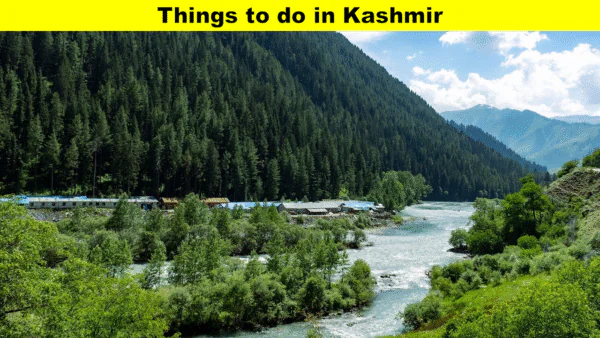
Things to do in Kashmir based on NeemTime research from most popular to just popular.
Vaishno Devi, Kashmir
Overview: Vaishno Devi is a revered Hindu pilgrimage site located in the Trikuta Mountains, known for its sacred cave temple dedicated to Goddess Vaishno Devi.
History: The temple has been a center of worship for centuries, attracting devotees from all over India.
Since when: The pilgrimage tradition dates back to ancient times, with documented visits from the 8th century onwards.
Review: Visitors praise the spiritual ambiance, scenic mountain trek, and the sense of devotion experienced during the journey.
When to go: Best visited between March and November to avoid harsh winter conditions on the trek.
How to go: Reachable by road to Katra, followed by a 12 km trek or pony/heli service to the temple.
What to do: Undertake the pilgrimage trek, offer prayers, and explore nearby viewpoints.
Free or paid: Free to enter the temple; charges apply for pony, helicopter, and accommodation services.
Ayubia National Park, Kashmir
Overview: Ayubia National Park is a protected forest area in the Pir Panjal range known for its rich biodiversity, scenic landscapes, and hiking trails.
History: Established to conserve the unique Himalayan flora and fauna, including rare species like the Himalayan black bear.
Since when: Declared a national park in 1984.
Review: Visitors enjoy the peaceful environment, wildlife spotting, and the famous 3 km circular trail at Ayubia.
When to go: Best visited from March to October for mild weather and clear trails.
How to go: Accessible by road from Abbottabad or Murree with guided tour options available.
What to do: Trekking, birdwatching, photography, and exploring the forest trails.
Free or paid: Entry fee applies for the park and guided trails.
Shalimar Garden, Kashmir
Overview: Shalimar Garden is a historic Mughal garden in Srinagar featuring terraced lawns, fountains, and chinar trees along Dal Lake.
History: Built by Mughal Emperor Jahangir in 1619 for his wife, reflecting classical Persian-style garden architecture.
Since when: Constructed in 1619 during the Mughal period.
Review: Tourists appreciate the serene ambiance, beautifully landscaped gardens, and historical architecture.
When to go: Best visited from March to October when the gardens are lush and flowers are in bloom.
How to go: Accessible by road or boat from Srinagar city; local guides available.
What to do: Stroll through terraces, enjoy scenic photography, and learn about Mughal history.
Free or paid: Paid entry for maintenance and preservation.
Nishat Garden, Kashmir
Overview: Nishat Garden is a terraced Mughal garden overlooking Dal Lake, famous for its floral designs and scenic views of the Zabarwan mountains.
History: Built by Asaf Khan in 1633 as a summer retreat during the Mughal era.
Since when: Constructed in 1633, representing Mughal garden artistry.
Review: Visitors enjoy the colorful flowerbeds, symmetrical layout, and panoramic lake vistas.
When to go: Ideal from March to October for pleasant weather and blooming flowers.
How to go: Reachable by road from Srinagar; often combined with a visit to Shalimar Garden.
What to do: Walk along terraces, enjoy picnics, and photograph the scenic lake and gardens.
Free or paid: Paid entry for garden maintenance.
Tulip Garden Srinagar, Kashmir
Overview: Tulip Garden Srinagar is Asia’s largest tulip garden, showcasing vibrant tulip varieties with the backdrop of the Zabarwan mountains.
History: Developed to promote tourism and horticulture in Kashmir, highlighting its floral diversity.
Since when: Opened in 2007 as part of the annual Tulip Festival.
Review: Visitors are captivated by the colorful tulip displays, well-organized layout, and seasonal photography opportunities.
When to go: Best visited in March and April during the Tulip Festival for peak bloom.
How to go: Accessible by road from Srinagar city; taxis and local buses are available.
What to do: Stroll among tulip beds, take photographs, and enjoy the festival’s cultural events.
Free or paid: Paid entry for garden and festival maintenance.
Hajan Valley, Kashmir
Overview: Hajan Valley is a scenic valley in Kashmir known for its lush landscapes, apple orchards, and serene rural ambiance.
History: Historically, the valley has been an agricultural hub and a local center for horticulture.
Since when: Settlements and farming activity in Hajan Valley date back several centuries.
Review: Visitors praise the tranquil environment, panoramic mountain views, and local hospitality.
When to go: Best visited between March and October for pleasant weather and greenery.
How to go: Accessible by road from Srinagar via Sopore, with local taxis or buses available.
What to do: Explore orchards, take nature walks, and photograph the scenic landscapes.
Free or paid: Free to visit; local transport and guided tours may have charges.
Chashme Shahi Garden, Kashmir
Overview: Chashme Shahi Garden is a small but beautifully designed Mughal garden featuring terraced lawns and a natural spring.
History: Constructed under the patronage of Shah Jahan and developed by Mughal governor Ali Mardan Khan.
Since when: Built in 1632 during the Mughal era.
Review: Tourists enjoy the peaceful ambiance, water features, and well-maintained flowerbeds.
When to go: Best visited from March to October when gardens are at their most vibrant.
How to go: Located near Srinagar; accessible by taxi or private vehicle.
What to do: Stroll through terraced gardens, enjoy photography, and relax by the spring.
Free or paid: Paid entry for garden maintenance.
Kongdoori Phase 1, Kashmir
Overview: Kongdoori Phase 1 is a residential and scenic area in Kashmir popular for its modern housing and natural surroundings.
History: Developed as part of urban expansion initiatives to accommodate growing residential demand.
Since when: Established in the late 20th century as a planned residential locality.
Review: Residents and visitors note its organized layout, greenery, and accessibility to city amenities.
When to go: Accessible year-round; spring and autumn offer the most pleasant weather.
How to go: Reachable by road from Srinagar city via local taxis or private vehicles.
What to do: Walk through scenic streets, enjoy local cafes, and explore nearby hills.
Free or paid: Free to visit; accommodation and dining incur charges.
Kashmir Point, Kashmir
Overview: Kashmir Point is a panoramic viewpoint offering breathtaking views of mountains, valleys, and surrounding landscapes.
History: Historically, it has served as a lookout and recreational spot for travelers and locals.
Since when: Recognized as a tourist viewpoint since the British colonial period.
Review: Visitors highly appreciate the sweeping vistas, peaceful environment, and photo opportunities.
When to go: Best visited in clear weather months from March to October.
How to go: Accessible by road from major towns, with taxis or private vehicles commonly used.
What to do: Sightseeing, photography, and enjoying picnics at scenic spots.
Free or paid: Free entry; parking may have a nominal fee.
Pari Mahal, Kashmir
Overview: Pari Mahal is a historic Mughal garden with terraced lawns and panoramic views over Dal Lake in Srinagar.
History: Built by Dara Shikoh, son of Mughal Emperor Shah Jahan, as a Persian-style garden and meditation retreat.
Since when: Constructed in the mid-17th century.
Review: Visitors praise its historical significance, peaceful gardens, and stunning lake views.
When to go: Best visited from March to October when the gardens are in full bloom.
How to go: Reachable by road from Srinagar city; guided tours are recommended.
What to do: Explore the terraced gardens, enjoy photography, and learn about Mughal architecture.
Free or paid: Paid entry for garden maintenance and preservation.
Shri Shankaracharya Temple, Kashmir
Overview: Shri Shankaracharya Temple is an ancient Hindu temple perched on Shankaracharya Hill, offering panoramic views of Srinagar and Dal Lake.
History: The temple is dedicated to Lord Shiva and has been a center of Hindu worship for centuries, associated with Adi Shankaracharya.
Since when: Believed to have been established in the 9th century AD.
Review: Visitors admire its serene location, spiritual significance, and breathtaking views of the surrounding valley.
When to go: Best visited early in the morning to avoid crowds and enjoy cooler weather.
How to go: Accessible by a steep uphill climb from Srinagar city or by hiring local taxis to the base of the hill.
What to do: Offer prayers, enjoy panoramic photography, and explore the hilltop surroundings.
Free or paid: Free entry; donations are optional.
Shah Kashmir Arts Emporium, Kashmir
Overview: Shah Kashmir Arts Emporium is a renowned gallery showcasing traditional Kashmiri handicrafts, textiles, and artworks.
History: Established to promote and preserve the rich artisanal heritage of Kashmir.
Since when: Operating since the late 20th century to support local artisans.
Review: Visitors appreciate the quality craftsmanship, variety of handicrafts, and friendly staff.
When to go: Open throughout the year; weekdays are less crowded than weekends.
How to go: Located in Srinagar city, easily accessible by taxi or on foot from central areas.
What to do: Shop for Kashmiri handicrafts, view art pieces, and interact with artisans.
Free or paid: Free entry; purchases are paid.
Pahalgam, Kashmir
Overview: Pahalgam is a picturesque hill station in Kashmir, known for lush meadows, pine forests, and the Lidder River.
History: Historically, it has served as a base for shepherding and later as a popular tourist and pilgrimage destination.
Since when: Attracting visitors since the 19th century, especially during the British colonial era.
Review: Travelers praise its natural beauty, tranquil environment, and adventure opportunities.
When to go: Best visited from April to October for pleasant weather and clear landscapes.
How to go: Reachable by road from Srinagar, approximately 90 km away, via private vehicle or bus.
What to do: Trekking, river rafting, horse riding, and exploring Betaab Valley and Aru Valley.
Free or paid: Free to visit; activities and transport may have charges.
Gulmarg Gondola, Kashmir
Overview: Gulmarg Gondola is one of the highest cable cars in the world, offering stunning views of snow-capped mountains and valleys.
History: Developed as part of Gulmarg’s transformation into a world-class ski and adventure destination.
Since when: Operational since 2005 as a major tourist attraction.
Review: Visitors enjoy the breathtaking views, thrilling ride, and easy access to higher-altitude skiing areas.
When to go: Best visited from December to March for snow and April to June for clear skies.
How to go: Accessible from Gulmarg town center, with tickets available at the Gondola station.
What to do: Skiing, snowboarding, photography, and enjoying the panoramic scenery.
Free or paid: Paid attraction.
Gulmarg Wildlife Sanctuary, Kashmir
Overview: Gulmarg Wildlife Sanctuary is a protected area known for its alpine forests, endemic species, and natural beauty.
History: Established to conserve native flora and fauna and promote eco-tourism.
Since when: Declared a sanctuary in 1987.
Review: Wildlife enthusiasts and nature lovers praise its scenic trails and opportunities to spot Himalayan wildlife.
When to go: Best visited from April to October for accessible trails and active wildlife.
How to go: Reachable by road from Gulmarg town; guided tours are recommended.
What to do: Trekking, bird watching, wildlife photography, and nature walks.
Free or paid: Free entry; guided tours may have fees.
Pindi Point (Chair Lift) Murree Hills, Kashmir
Overview: Pindi Point is a popular scenic viewpoint in Murree Hills, offering panoramic views of lush valleys and surrounding mountains, accessible via a thrilling chair lift ride.
History: It developed as a key tourist spot during the British colonial period for its natural beauty and cool climate.
Since when: The chair lift facility has been operational since the late 20th century, attracting adventure seekers and families.
Review: Visitors enjoy the breathtaking views, fun chair lift experience, and well-maintained picnic areas.
When to go: Best visited during spring and summer for clear views and pleasant weather.
How to go: Reachable via road from Murree town, with local transport or taxis available to the chair lift base.
What to do: Enjoy the chair lift ride, take photographs, relax in the viewpoint, and try local snacks.
Free or paid: Paid for the chair lift ride; the viewpoint area is free.
Jamia Masjid Srinagar, Kashmir
Overview: Jamia Masjid is a historic 14th-century mosque located in the heart of Srinagar, known for its Indo-Saracenic architecture and wooden pillars.
History: Built by Sultan Sikandar in the 14th century, it has been a center of Islamic worship and community gatherings for centuries.
Since when: Constructed in 1394 AD and restored multiple times over history.
Review: Visitors appreciate its serene ambiance, architectural beauty, and historical significance.
When to go: Best visited in the morning or late afternoon to avoid crowds.
How to go: Located in Srinagar’s old city, accessible by taxi or walking from nearby markets.
What to do: Explore the architecture, offer prayers, and photograph the mosque and courtyard.
Free or paid: Free entry; donations are optional.
Overa Aru Wildlife Sanctuary, Kashmir
Overview: Overa Aru Wildlife Sanctuary is a protected area in Kashmir, home to Himalayan flora and fauna, including musk deer and brown bears.
History: Established to conserve endangered species and preserve the fragile Himalayan ecosystem.
Since when: Designated as a wildlife sanctuary in 1981.
Review: Visitors praise the sanctuary for its peaceful environment, rich biodiversity, and trekking opportunities.
When to go: Best visited between April and October for pleasant weather and accessible trails.
How to go: Accessible by road from Pahalgam, with guided tours recommended for safety and wildlife spotting.
What to do: Trekking, bird watching, wildlife photography, and nature exploration.
Free or paid: Free entry; guided tours may incur charges.
Mandir Charan Paduka, Kashmir
Overview: Mandir Charan Paduka is a revered Hindu temple in Kashmir, dedicated to sacred footprints believed to be of a saint or deity.
History: The temple has been an important pilgrimage site for locals and travelers seeking spiritual blessings.
Since when: Dating back several centuries, exact origins are linked to local oral traditions.
Review: Visitors find the site spiritually uplifting, tranquil, and culturally significant.
When to go: Best visited during religious festivals or early morning for a peaceful experience.
How to go: Accessible by road from Srinagar or nearby towns, usually via local taxis or private transport.
What to do: Offer prayers, participate in rituals, and explore the temple premises.
Free or paid: Free entry; donations are optional.
Botanical Garden, Kokernag, Kashmir
Overview: The Botanical Garden in Kokernag is a beautifully landscaped garden showcasing diverse plant species, flowering plants, and serene walking trails.
History: Established to promote horticulture, preserve native species, and provide recreational space for visitors.
Since when: Opened in the late 20th century and gradually expanded to include exotic and native flora.
Review: Visitors admire the lush greenery, peaceful ambiance, and educational value for plant enthusiasts.
When to go: Best visited during spring and summer when flowers are in full bloom.
How to go: Reachable by road from Srinagar via private vehicle or local transport, approximately 55 km away.
What to do: Stroll through gardens, enjoy photography, picnic, and study diverse plant species.
Free or paid: Paid entry; small nominal fee for maintenance.
Hari Parbat, Kashmir
Overview: Hari Parbat is a historic hill overlooking Srinagar, featuring a fort, temples, mosque, and shrines, offering panoramic views of the city and Dal Lake.
History: The hill has served as a strategic location for rulers over centuries, with the fort built by Mughal Emperor Akbar in the late 16th century.
Since when: Fortifications and religious structures have been present since the 1590s.
Review: Visitors praise the blend of history, architecture, and scenic vistas that make it a must-visit in Srinagar.
When to go: Early morning or late afternoon for cooler temperatures and clear views.
How to go: Accessible by road from Srinagar city, with taxis or private vehicles recommended.
What to do: Explore the fort, temples, mosque, enjoy photography, and panoramic sightseeing.
Free or paid: Free to visit; some sections of the fort may have a nominal fee.
Baisaran Valley, Kashmir
Overview: Baisaran Valley, also known as Mini Switzerland of Kashmir, is a lush green meadow surrounded by pine forests near Pahalgam.
History: The valley has been a favorite picnic and camping spot for locals and tourists for decades.
Since when: Popular among visitors since the mid-20th century.
Review: Tourists rave about its scenic beauty, horse rides, and serene environment.
When to go: Best during spring to early autumn when the meadow is green and flowers bloom.
How to go: Accessible by road from Pahalgam, followed by a short trek or pony ride.
What to do: Trekking, horse riding, picnicking, photography, and enjoying the natural scenery.
Free or paid: Free to access; charges apply for horse rides.
Thandiani Top, Kashmir
Overview: Thandiani Top is a picturesque hill station in the Galyat region, known for snow-capped mountains, dense pine forests, and panoramic vistas.
History: It gained popularity during British colonial times as a summer retreat for officers.
Since when: Recognized as a hill station since the early 20th century.
Review: Visitors appreciate its untouched natural beauty, serene environment, and trekking opportunities.
When to go: Best from May to September for pleasant weather; winter is ideal for snow lovers.
How to go: Reachable by road from Abbottabad or Srinagar via private vehicles or local taxis.
What to do: Trekking, nature walks, photography, and enjoying local cuisine at small eateries.
Free or paid: Free entry; local guides and amenities may cost extra.
Dal Lake, Kashmir
Overview: Dal Lake is a famous freshwater lake in Srinagar, renowned for its houseboats, shikaras, and floating gardens.
History: The lake has been central to Srinagar’s culture and economy for centuries, with Mughal gardens along its banks.
Since when: Known since at least the 14th century and remains a key tourist attraction.
Review: Visitors love the serene boat rides, reflections of mountains, and unique floating markets.
When to go: Best from April to October for calm waters and pleasant weather.
How to go: Easily accessible from Srinagar city via road, with shikara services available at the lake.
What to do: Shikara rides, photography, visiting Mughal gardens, shopping at floating markets, and houseboat stays.
Free or paid: Paid for shikara rides and houseboat stays; lakeside sightseeing is free.
Umbrella Waterfall, Kashmir
Overview: Umbrella Waterfall is a hidden natural waterfall in the Kashmir region, known for its umbrella-shaped water spread and tranquil surroundings.
History: A natural feature, gaining popularity among trekkers and adventure enthusiasts over the last decade.
Since when: Recognized as a trekking attraction since the early 2010s.
Review: Trekkers and nature lovers admire its scenic beauty, calm atmosphere, and offbeat appeal.
When to go: Best visited during spring and summer when water flow is moderate and trekking trails are accessible.
How to go: Reachable via guided treks or local transport to nearby villages, followed by a short hike.
What to do: Trekking, nature photography, picnicking, and enjoying the serene waterfall setting.
Free or paid: Free to visit; guided treks or local services may have a fee.
Aru Valley, Kashmir
Overview: Aru Valley is a scenic valley near Pahalgam, renowned for lush meadows, pine forests, and adventure activities like trekking and camping.
History: The valley has traditionally been used by locals for grazing and has recently gained fame as a tourist destination.
Since when: It became popular with tourists in the late 20th century.
Review: Visitors praise its serene environment, panoramic landscapes, and opportunities for adventure sports.
When to go: Best from May to September for pleasant weather and clear trekking paths.
How to go: Accessible by road from Pahalgam followed by short walks or pony rides.
What to do: Trekking, camping, photography, horse riding, and nature walks.
Free or paid: Free entry; charges apply for pony rides or guided treks.
Harwan Garden, Kashmir
Overview: Harwan Garden is a Mughal-style terraced garden near Srinagar, featuring fountains, flowerbeds, and views of surrounding hills.
History: Built during the Mughal era, it was a royal retreat for emperors.
Since when: Established in the early 17th century under Mughal rule.
Review: Visitors appreciate its historical charm, peaceful ambiance, and floral beauty.
When to go: Spring and early summer are ideal for flowering season.
How to go: Reachable by road from Srinagar city via taxis or private vehicles.
What to do: Strolling, photography, enjoying Mughal architecture, and relaxing amidst nature.
Free or paid: Free to visit.
Akhnoor Fort, Kashmir
Overview: Akhnoor Fort is a historic hill fort overlooking the Chenab River, reflecting ancient military architecture.
History: Built by the Dogra rulers, it served as a strategic defense post during regional conflicts.
Since when: Constructed in the 18th century.
Review: Visitors admire the fort’s panoramic river views, historical significance, and rustic charm.
When to go: Spring and autumn are best for pleasant weather and scenic views.
How to go: Accessible by road from Jammu city using private vehicles or taxis.
What to do: Explore the fort, take photographs, and enjoy the river vista.
Free or paid: Free entry.
Shimla Pahari Park, Kashmir
Overview: Shimla Pahari Park is a hilltop urban park in Srinagar offering lush greenery, walking trails, and panoramic city views.
History: Developed as a recreational area for local residents and tourists in recent decades.
Since when: Opened in the late 20th century.
Review: Visitors praise its scenic viewpoints, clean environment, and peaceful atmosphere.
When to go: Best during spring and summer for pleasant weather and blooming flowers.
How to go: Reachable by road from Srinagar city via taxis or personal vehicles.
What to do: Walking, jogging, photography, and relaxing amidst nature.
Free or paid: Free entry.
Aharbal Waterfall, Kashmir
Overview: Aharbal Waterfall is a stunning waterfall in the Kulgam district, known for its gushing waters and lush surroundings.
History: The waterfall has been a natural attraction for locals and tourists, gaining popularity over recent decades.
Since when: Recognized as a tourist spot since the mid-20th century.
Review: Visitors love the scenic beauty, picnic spots, and the refreshing environment around the waterfall.
When to go: Best during spring and summer when water flow is optimal.
How to go: Accessible by road from Srinagar, followed by a short walk to the waterfall.
What to do: Sightseeing, trekking, photography, and picnicking.
Free or paid: Free to visit; local guides may charge for trekking assistance.