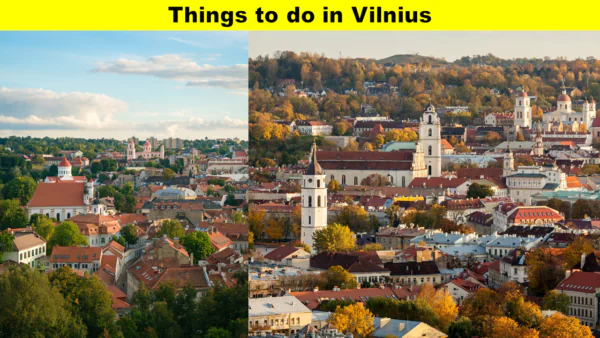
Things to do in Vilnius based on NeemTime research from most popular to just popular.
Trakai Island Castle, Vilnius
Overview: Trakai Island Castle is a picturesque 14th-century red-brick fortress located on an island in Lake Galvė, near Vilnius.
History: Built by Grand Duke Vytautas as a strategic defense structure and residence of Lithuanian rulers.
Since When: Constructed in the late 14th century and restored in the 20th century as a museum.
Review: Visitors admire its fairy-tale setting, well-preserved interiors, and scenic lake views.
When to Go: Late spring to early autumn for pleasant weather and boat rides on the lake.
How to Go: Reachable by car, bus, or train from Vilnius city center in about 30 minutes.
What to Do: Explore museum exhibits, walk around the island, take photos, and enjoy local Karaim cuisine nearby.
Free or Paid: Paid entry to the castle museum; island access is free.
Ozas, Vilnius
Overview: Ozas is one of the largest shopping and entertainment centers in Vilnius, offering retail stores, restaurants, and leisure activities.
History: Developed to provide a modern retail and entertainment hub for residents and tourists.
Since When: Opened in 2009.
Review: Visitors appreciate its wide variety of brands, cinema complex, and family-friendly attractions.
When to Go: Weekdays for quieter shopping or weekends for full activity and events.
How to Go: Accessible by car, taxi, or public buses from central Vilnius.
What to Do: Shop for fashion and electronics, dine at restaurants, and watch movies.
Free or Paid: Free entry; purchases and entertainment are paid.
Bernardine Garden, Vilnius
Overview: Bernardine Garden is a beautifully landscaped public park located along the Vilnia River in central Vilnius.
History: Established in the 19th century and renovated to preserve its historic design and botanical heritage.
Since When: Originally opened in 1886 and reopened after restoration in 2013.
Review: Visitors enjoy its fountains, flower beds, playgrounds, and peaceful atmosphere.
When to Go: Spring and summer for blooming flowers and outdoor relaxation.
How to Go: Easily accessible on foot from Vilnius Old Town.
What to Do: Walk along scenic paths, relax by fountains, and attend seasonal events.
Free or Paid: Free entry.
Vilnius Cathedral, Vilnius
Overview: Vilnius Cathedral is the main Roman Catholic cathedral of Lithuania, featuring neoclassical architecture and a prominent bell tower.
History: Built on a site of earlier pagan and Christian temples, the present structure dates back to the 18th century.
Since When: Current building completed in 1801.
Review: Visitors admire its grand façade, interior chapels, and historical significance.
When to Go: Year-round, with mornings ideal for sightseeing and services.
How to Go: Located in Cathedral Square, accessible by foot or public transport in Vilnius.
What to Do: Explore the cathedral interior, visit the crypts, and climb the bell tower.
Free or Paid: Free entry to the cathedral; bell tower and crypt visits are paid.
Vingis Park, Vilnius
Overview: Vingis Park is the largest park in Vilnius, offering vast green spaces, cycling paths, and event venues.
History: Developed in the 20th century as a recreational and cultural space for the city.
Since When: Opened to the public in the 1960s.
Review: Visitors appreciate its spacious layout, concert grounds, and opportunities for outdoor sports.
When to Go: Late spring to early autumn for outdoor activities and festivals.
How to Go: Accessible by car, bus, or bicycle from central Vilnius.
What to Do: Cycle, jog, picnic, attend concerts, and enjoy nature trails.
Free or Paid: Free entry; ticketed events are paid.
Etno Dvaras, Vilnius
Overview: Etno Dvaras is a traditional Lithuanian restaurant in Vilnius known for serving authentic local cuisine in a folk-inspired setting.
History: Established to preserve and promote Lithuanian culinary heritage through traditional recipes and décor.
Since When: Operating since the late 1990s.
Review: Visitors highly rate its hearty cepelinai, cozy atmosphere, and friendly service.
When to Go: Evenings for dinner or weekends for a lively traditional dining experience.
How to Go: Located in Vilnius Old Town and easily accessible on foot or by taxi.
What to Do: Taste traditional Lithuanian dishes, enjoy local beverages, and experience cultural ambiance.
Free or Paid: Free entry; food and drinks are paid.
Gates of Dawn, Vilnius
Overview: Gates of Dawn is a historic city gate and religious shrine housing the revered icon of the Virgin Mary.
History: Built in the 16th century as part of Vilnius’ defensive walls and later became a pilgrimage site.
Since When: Constructed between 1503 and 1522.
Review: Visitors appreciate its spiritual significance, historic architecture, and peaceful chapel.
When to Go: Early morning or during religious festivals for a meaningful experience.
How to Go: Located in Vilnius Old Town and reachable on foot or by public transport.
What to Do: Visit the chapel, admire the sacred icon, and explore nearby historic streets.
Free or Paid: Free entry.
Gediminas Castle, Vilnius
Overview: Gediminas Castle Tower is a historic hilltop fortress offering panoramic views over Vilnius.
History: Built in the 14th century by Grand Duke Gediminas as part of the city’s defensive system.
Since When: Dating back to around 1409, with restoration completed in the 20th century.
Review: Visitors love the scenic views, historical exhibits, and symbolic importance of the tower.
When to Go: Late afternoon for sunset views over the city.
How to Go: Accessible by walking up Gediminas Hill or via a funicular railway.
What to Do: Explore museum displays, take photos, and enjoy city panoramas.
Free or Paid: Paid entry to the tower museum.
Hill of Crosses, Vilnius
Overview: Hill of Crosses is a unique pilgrimage site covered with thousands of crosses symbolizing faith and resilience.
History: Originating in the 19th century, it became a symbol of Lithuanian resistance during foreign occupations.
Since When: Crosses have been placed there since the 1830s.
Review: Visitors describe it as a powerful and moving spiritual experience.
When to Go: Spring and summer for easier walking conditions.
How to Go: Reachable by car or tour from Vilnius, approximately 2–3 hours away.
What to Do: Walk among the crosses, reflect, and take photographs.
Free or Paid: Free entry.
Vilnius TV Tower, Vilnius
Overview: Vilnius TV Tower is the tallest structure in Lithuania, featuring an observation deck and revolving restaurant.
History: Built during the Soviet era as a broadcasting tower and later became a symbol of independence after the 1991 events.
Since When: Completed in 1980.
Review: Visitors praise the breathtaking city views and historical exhibitions inside the tower.
When to Go: Evening for illuminated city views and dining experiences.
How to Go: Accessible by car, taxi, or public bus from central Vilnius.
What to Do: Visit the observation deck, dine in the revolving restaurant, and explore memorial exhibits.
Free or Paid: Paid entry to observation areas.
Pavilnys Regional Park, Vilnius
Overview: Pavilnys Regional Park is a scenic protected area in Vilnius known for its rolling hills, forests, and panoramic viewpoints.
History: Established to preserve the natural landscape and cultural heritage sites surrounding the Vilnia River valley.
Since When: Designated as a regional park in 1992.
Review: Visitors appreciate its peaceful hiking trails, fresh air, and stunning city views.
When to Go: Spring and autumn for mild weather and colorful scenery.
How to Go: Accessible by car, train to Pavilnys station, or local buses from central Vilnius.
What to Do: Hike nature trails, enjoy scenic overlooks, and explore historical landmarks within the park.
Free or Paid: Free entry.
Halės Market, Vilnius
Overview: Halės Market is the oldest and most famous marketplace in Vilnius, offering fresh produce, local delicacies, and artisanal goods.
History: Built in 1906, it has served as a central trading hub for over a century.
Since When: Operating continuously since the early 20th century.
Review: Visitors enjoy its authentic atmosphere, traditional Lithuanian foods, and vibrant local culture.
When to Go: Morning hours for the freshest products and lively market energy.
How to Go: Located near the Old Town and easily reachable on foot or by public transport.
What to Do: Shop for fresh food, sample local specialties, and interact with local vendors.
Free or Paid: Free entry; purchases are paid.
Verkiai Regional Park, Vilnius
Overview: Verkiai Regional Park is a large natural reserve featuring forests, lakes, and the historic Verkiai Palace complex.
History: Created to protect the natural environment and architectural heritage in the northern part of Vilnius.
Since When: Established in 1992.
Review: Visitors praise its serene atmosphere, walking paths, and picturesque landscapes.
When to Go: Late spring through early autumn for outdoor recreation.
How to Go: Accessible by car, bicycle, or public bus from Vilnius city center.
What to Do: Explore palace grounds, hike forest trails, cycle paths, and enjoy nature photography.
Free or Paid: Free entry; certain exhibitions may be paid.
Palace of the Grand Dukes of Lithuania, Vilnius
Overview: The Palace of the Grand Dukes of Lithuania is a reconstructed historic palace showcasing Lithuania’s royal and political heritage.
History: Originally built in the 15th century, it served as the residence of Lithuanian rulers before being demolished and later rebuilt.
Since When: Reconstruction completed and opened to the public in 2013.
Review: Visitors appreciate its detailed exhibitions, historical artifacts, and immersive cultural displays.
When to Go: Year-round, with weekdays offering a quieter museum experience.
How to Go: Located in Cathedral Square and accessible on foot or by public transport.
What to Do: Explore museum galleries, attend cultural events, and learn about Lithuania’s grand ducal history.
Free or Paid: Paid entry.
Lukiškių kalėjimas 2.0, Vilnius
Overview: Lukiškių kalėjimas 2.0 is a former prison transformed into a cultural space hosting concerts, exhibitions, and creative events.
History: Originally built in 1904 as a detention facility, it operated as a prison until its closure in 2019 before being repurposed.
Since When: Reopened as a cultural venue in 2020.
Review: Visitors find its blend of historic architecture and modern creativity both unique and engaging.
When to Go: Evenings or during scheduled events for the full experience.
How to Go: Located in central Vilnius and accessible by foot, taxi, or public transport.
What to Do: Attend concerts, explore art installations, and take guided tours of the former prison complex.
Free or Paid: Entry varies; some events are free while others require paid tickets.
MO Museum, Vilnius
Overview: MO Museum is a modern art museum in Vilnius showcasing contemporary Lithuanian art and innovative exhibitions.
History: Founded by philanthropists Danguolė and Viktoras Butkus, the museum was created to house a private collection of modern Lithuanian artworks.
Since When: Opened to the public in 2018.
Review: Visitors praise its striking contemporary architecture, engaging exhibitions, and educational programs.
When to Go: Weekdays for a quieter visit or during special exhibition openings.
How to Go: Located near Vilnius Old Town and accessible by foot, taxi, or public transport.
What to Do: Explore modern art collections, attend workshops, and relax in the museum café.
Free or Paid: Paid entry; some events may be free.
Vincas Kudirka Square, Vilnius
Overview: Vincas Kudirka Square is a central public square dedicated to the Lithuanian national poet and author of the national anthem.
History: Developed as a civic space and named to honor Vincas Kudirka’s contribution to Lithuanian culture.
Since When: Established in the 20th century as a formal city square.
Review: Visitors appreciate its fountains, open space, and proximity to key government buildings.
When to Go: Spring and summer for pleasant weather and outdoor relaxation.
How to Go: Easily reachable on foot from central Vilnius or by public transport.
What to Do: Relax by the fountain, admire the monument, and attend occasional public events.
Free or Paid: Free entry.
Vichy Water Park, Vilnius
Overview: Vichy Water Park is a tropical-themed indoor water park offering slides, pools, and spa facilities.
History: Designed to provide year-round aquatic entertainment for families and visitors in Vilnius.
Since When: Opened in 2007.
Review: Visitors enjoy its exciting water slides, wave pools, and relaxing sauna areas.
When to Go: Weekdays for fewer crowds or winter months for indoor recreation.
How to Go: Accessible by car or bus from central Vilnius.
What to Do: Ride water slides, relax in spas, swim in pools, and enjoy family-friendly attractions.
Free or Paid: Paid entry.
Vilnius Old Town, Vilnius
Overview: Vilnius Old Town is a UNESCO-listed historic district known for its baroque architecture, cobblestone streets, and cultural landmarks.
History: Developed from the medieval period onward, it became a cultural and political center of Lithuania.
Since When: Established in the 13th century, with continuous development over centuries.
Review: Visitors love its charming streets, historic churches, and vibrant café culture.
When to Go: Late spring to early autumn for walking tours and outdoor dining.
How to Go: Easily accessible on foot or by public transport from anywhere in Vilnius.
What to Do: Explore historic churches, visit museums, dine in local restaurants, and shop for souvenirs.
Free or Paid: Free to explore; certain attractions and museums are paid.
Cat Cafe, Vilnius
Overview: Cat Cafe in Vilnius is a cozy café where guests can enjoy beverages while interacting with resident cats.
History: Established as a unique concept venue combining animal welfare awareness with a relaxing café environment.
Since When: Opened in the mid-2010s.
Review: Visitors appreciate the friendly cats, calming atmosphere, and quality coffee.
When to Go: Afternoons for a relaxed experience with fewer visitors.
How to Go: Located in central Vilnius and accessible by foot or public transport.
What to Do: Enjoy coffee and desserts, interact with cats, and unwind in a cozy setting.
Free or Paid: Entry fee or minimum purchase required.
Lithuanian National Opera and Ballet Theatre, Vilnius
Overview: Lithuanian National Opera and Ballet Theatre is the premier performing arts venue in Lithuania, hosting opera, ballet, and classical music performances.
History: Established during the Soviet era, it became a central institution for national cultural expression and artistic excellence.
Since When: Officially founded in 1920, with the current building opened in 1974.
Review: Visitors praise its world-class performances, elegant auditorium, and high production quality.
When to Go: Evenings during the performance season from autumn to spring.
How to Go: Located near the city center and accessible by foot, taxi, or public transport.
What to Do: Attend an opera or ballet performance and admire the theater’s architecture.
Free or Paid: Paid tickets required for performances.
Three Crosses Monument, Vilnius
Overview: Three Crosses Monument is a prominent hilltop landmark symbolizing Lithuanian faith and national identity.
History: Originally erected in the 17th century and later rebuilt in 1989 after Soviet demolition.
Since When: The current monument has stood since 1989.
Review: Visitors enjoy panoramic city views and the monument’s symbolic significance.
When to Go: Sunset for the most scenic views over Vilnius.
How to Go: Accessible by hiking up Kalnai Park trails from the Old Town.
What to Do: Climb the hill, take photographs, and enjoy the city skyline.
Free or Paid: Free entry.
Museum of Occupations and Freedom Fighters, Vilnius
Overview: Museum of Occupations and Freedom Fighters documents Lithuania’s experience under Nazi and Soviet occupations.
History: Housed in a former KGB headquarters, it preserves historical records and memorial spaces.
Since When: Opened in 1992.
Review: Visitors describe it as powerful, educational, and emotionally impactful.
When to Go: Weekdays for a quieter and more reflective visit.
How to Go: Located in central Vilnius and reachable by foot or public transport.
What to Do: Explore exhibits, view preserved prison cells, and learn about resistance movements.
Free or Paid: Paid entry.
Būsi trečias, Vilnius
Overview: Būsi trečias is a cozy pub-style restaurant in Vilnius known for its craft beers and relaxed atmosphere.
History: Established as a local gathering spot emphasizing Lithuanian brewing traditions and comfort food.
Since When: Operating since the early 2000s.
Review: Visitors appreciate its friendly vibe, hearty dishes, and wide beer selection.
When to Go: Evenings for a lively social atmosphere.
How to Go: Located in Vilnius Old Town and easily accessible on foot.
What to Do: Enjoy craft beers, taste traditional snacks, and socialize with locals.
Free or Paid: Free entry; food and drinks are paid.
Vilnius Museum of Illusions, Vilnius
Overview: Vilnius Museum of Illusions is an interactive attraction featuring optical illusions and mind-bending exhibits.
History: Created to provide educational entertainment combining science, art, and perception-based exhibits.
Since When: Opened in the mid-2010s.
Review: Visitors enjoy its fun photo opportunities, engaging displays, and family-friendly environment.
When to Go: Weekdays to avoid crowds and enjoy interactive exhibits comfortably.
How to Go: Situated in Vilnius Old Town and accessible by foot or public transport.
What to Do: Explore illusion rooms, take creative photos, and learn about visual perception.
Free or Paid: Paid entry.
Automuziejus Vilnius, Vilnius
Overview: Automuziejus Vilnius is a modern automobile museum showcasing classic, vintage, and historically significant vehicles.
History: Established to preserve and exhibit rare cars reflecting Lithuania’s automotive heritage and global motoring history.
Since When: Opened to the public in 2021.
Review: Visitors appreciate its well-curated exhibits, interactive displays, and impressive collection of restored cars.
When to Go: Weekdays for a quieter and more relaxed visit.
How to Go: Located in Vilnius and accessible by car, taxi, or public transport.
What to Do: Explore classic car exhibits, learn about automotive history, and take photographs.
Free or Paid: Paid entry.
Kartodromas Kartlandas Max, Vilnius
Overview: Kartodromas “Kartlandas Max” is an indoor go-kart racing track offering high-speed karting experiences for all ages.
History: Developed as a recreational motorsport venue to promote kart racing in Vilnius.
Since When: Operating since the 2010s.
Review: Visitors enjoy the adrenaline-filled racing sessions, modern facilities, and competitive atmosphere.
When to Go: Evenings or weekends for group races and events.
How to Go: Located at Savanorių pr. 178B and reachable by car or public transport.
What to Do: Race go-karts, compete with friends, and participate in organized tournaments.
Free or Paid: Paid per race session.
Zoopark, Vilnius
Overview: Zoopark is an indoor interactive zoo featuring small animals and educational exhibits suitable for families.
History: Created to provide hands-on wildlife experiences and promote animal awareness in a controlled environment.
Since When: Opened in the mid-2010s.
Review: Visitors appreciate the close-up animal encounters and child-friendly atmosphere.
When to Go: Weekdays for fewer crowds and better interaction opportunities.
How to Go: Accessible by car or public transport within Vilnius.
What to Do: Observe and interact with animals, attend educational sessions, and take photos.
Free or Paid: Paid entry.
King Mindaugas Bridge, Vilnius
Overview: King Mindaugas Bridge is a modern bridge crossing the Neris River, connecting key parts of central Vilnius.
History: Named after Lithuania’s only crowned king, the bridge was built to improve city traffic flow.
Since When: Opened in 2003.
Review: Visitors enjoy scenic river views and its proximity to Vilnius Cathedral and Old Town.
When to Go: Evening for illuminated views and photography.
How to Go: Easily accessible on foot, by bicycle, or by car in central Vilnius.
What to Do: Walk across the bridge, take photos, and explore nearby attractions.
Free or Paid: Free to use.
Energetikos ir technikos muziejus, Vilnius
Overview: Energetikos ir technikos muziejus is a science and technology museum located in a former power plant building.
History: Established to showcase Lithuania’s industrial heritage and advancements in energy and engineering.
Since When: Opened in 2003.
Review: Visitors praise its interactive exhibits, historic machinery displays, and educational programs.
When to Go: Weekdays or school holidays for engaging science experiences.
How to Go: Located near the Neris River and accessible by foot or public transport.
What to Do: Explore science exhibits, learn about energy production, and participate in interactive activities.
Free or Paid: Paid entry.