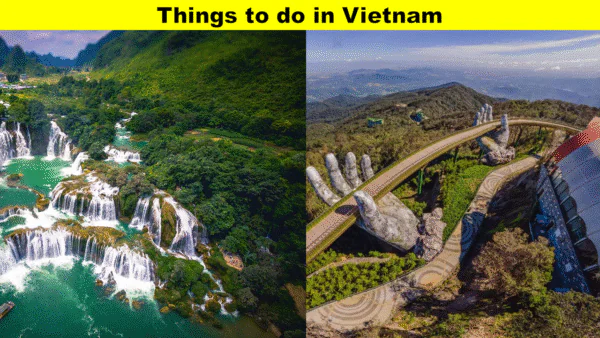
Things to do in Vietnam based on NeemTime research from most popular to just popular.
Ben Thanh Market, Vietnam
Overview: Ben Thanh Market is a bustling central marketplace in Ho Chi Minh City known for its variety of local goods, food, and souvenirs.
History: Established as a trading hub during the French colonial period, it has long served as a cultural and commercial center.
Since when: Opened in 1914.
Review: Visitors love the vibrant atmosphere, wide selection of products, and authentic Vietnamese street food.
When to go: Mornings for shopping and evenings for the night market experience.
How to go: Accessible by taxi, Grab, or walking from central Ho Chi Minh City areas.
What to do: Shop for souvenirs, sample local cuisine, and experience the lively market environment.
Free or paid: Free to enter; shopping and food are paid.
Ba Na Hills, Vietnam
Overview: Ba Na Hills is a hill station and resort area near Da Nang offering scenic views, French-style architecture, and entertainment facilities.
History: Developed by the French in the early 20th century as a mountain retreat for colonial officers.
Since when: Established in 1919.
Review: Visitors praise the picturesque views, cool climate, and range of activities for families and tourists.
When to go: Early mornings on weekdays to avoid crowds and enjoy cooler weather.
How to go: Reachable by car or shuttle bus from Da Nang city; a cable car ride is required to access the hill station.
What to do: Ride the cable car, explore gardens and pagodas, and visit the French-inspired village.
Free or paid: Paid entry.
Ba Na Hills SunWorld, Vietnam
Overview: SunWorld Ba Na Hills is an amusement and entertainment complex within Ba Na Hills featuring rides, gardens, and attractions like the Golden Bridge.
History: Developed to expand tourism and leisure facilities at Ba Na Hills, combining cultural and modern entertainment.
Since when: Opened in 2009.
Review: Highly rated for unique attractions, spectacular views, and family-friendly activities.
When to go: Weekdays in the dry season (February to August) for a less crowded experience.
How to go: Accessible via Da Nang by car or tour bus, with cable car access to SunWorld.
What to do: Explore the French village, ride amusement attractions, and walk the Golden Bridge.
Free or paid: Paid entry.
Tran Quoc Pagoda, Vietnam
Overview: Tran Quoc Pagoda is the oldest Buddhist temple in Hanoi, situated on a small island in West Lake and known for its historical and architectural significance.
History: Founded during the reign of Emperor Ly Nam De to serve as a center of Buddhist learning and worship.
Since when: Established in the 6th century.
Review: Visitors admire its serene lakeside location, striking architecture, and spiritual ambiance.
When to go: Early mornings or late afternoons for a peaceful experience.
How to go: Accessible by taxi, motorbike, or walking from central Hanoi.
What to do: Explore the temple grounds, photograph the pagoda, and participate in Buddhist rituals.
Free or paid: Free entry; donations welcome.
Independence Palace, Vietnam
Overview: Independence Palace, also known as Reunification Palace, is a landmark in Ho Chi Minh City symbolizing the end of the Vietnam War and featuring historical and political exhibits.
History: Built on the site of the former Norodom Palace and designed as the presidential palace of South Vietnam.
Since when: Completed in 1966.
Review: Visitors value the historical significance, preserved war rooms, and period furnishings.
When to go: Weekdays or early mornings to avoid crowds.
How to go: Accessible by taxi, Grab, or walking from central Ho Chi Minh City.
What to do: Tour the palace rooms, learn about Vietnam War history, and explore the gardens.
Free or paid: Paid entry.
War Remnants Museum, Vietnam
Overview: The War Remnants Museum in Ho Chi Minh City is a powerful institution showcasing Vietnam War history through photographs, military equipment, and personal stories.
History: Established to document the horrors of war and promote peace, it has become a key site for historical education.
Since when: Opened in 1975.
Review: Visitors find it eye-opening, educational, and emotionally impactful, though intense.
When to go: Weekdays in the morning to avoid crowds.
How to go: Easily accessible by taxi, Grab, or walking from District 1.
What to do: Explore exhibits, view historical photographs, and learn about Vietnam War history.
Free or paid: Paid entry.
Hue Historic Citadel, Vietnam
Overview: The Hue Historic Citadel is a sprawling complex of palaces, temples, and fortifications that served as the imperial capital of the Nguyen Dynasty.
History: Built under Emperor Gia Long as the political and cultural center of Vietnam.
Since when: Constructed in 1804.
Review: Visitors admire its impressive architecture, historic significance, and cultural exhibitions.
When to go: Early morning or late afternoon to enjoy cooler temperatures.
How to go: Accessible by taxi, motorbike, or guided tour from Hue city center.
What to do: Tour palaces, temples, and museums, and take photos of the ornate structures.
Free or paid: Paid entry.
The Marble Mountains, Vietnam
Overview: The Marble Mountains are a cluster of five limestone and marble hills in Da Nang famous for caves, Buddhist temples, and panoramic views.
History: Revered for centuries as a spiritual site and historically used as hideouts during wars.
Since when: Popular pilgrimage and tourist site for hundreds of years, formally recognized in modern tourism since the 20th century.
Review: Visitors enjoy exploring caves, climbing steps, and scenic views from the peaks.
When to go: Early morning or late afternoon to avoid heat and crowds.
How to go: Accessible by taxi, motorbike, or organized tour from Da Nang city.
What to do: Explore caves and temples, hike to viewpoints, and photograph the landscape.
Free or paid: Paid entry.
Hội An Night Market, Vietnam
Overview: Hội An Night Market is a lively evening market offering handicrafts, local food, lanterns, and souvenirs in the historic town of Hội An.
History: Developed as a hub for tourism, reflecting the town’s cultural heritage and artisan traditions.
Since when: Gained popularity among tourists since the early 2000s.
Review: Visitors love the vibrant atmosphere, colorful lanterns, and street food options.
When to go: Evenings after sunset when the market is fully active.
How to go: Walking distance from the town center or by taxi/motorbike from nearby hotels.
What to do: Shop for handicrafts, try local delicacies, and enjoy lantern displays.
Free or paid: Free to enter; purchases are paid.
Old Quarter, Vietnam
Overview: The Old Quarter of Hanoi is a historic neighborhood featuring narrow streets, traditional architecture, markets, and street food.
History: Established during the Ly Dynasty, it developed as a commercial and residential hub for artisans and traders.
Since when: Dates back over 1,000 years.
Review: Visitors enjoy its authentic ambiance, bustling markets, and vibrant street life.
When to go: Morning for shopping or evening for nightlife and street food.
How to go: Easily accessible on foot, by taxi, or Grab from central Hanoi.
What to do: Explore historic streets, shop for souvenirs, and try local cuisine.
Free or paid: Free to explore; shopping and food are paid.
Hoi An Ancient Town, Vietnam
Overview: Hoi An Ancient Town is a UNESCO World Heritage site renowned for its well-preserved architecture, lantern-lit streets, and rich cultural heritage.
History: Established as a major Southeast Asian trading port from the 15th to 19th centuries, it became a melting pot of Vietnamese, Chinese, and Japanese influences.
Since when: Officially recognized as a UNESCO World Heritage Site in 1999.
Review: Visitors praise its charming streets, historic buildings, and vibrant cultural atmosphere.
When to go: Early morning or late afternoon to avoid crowds and enjoy soft lighting.
How to go: Accessible by taxi, motorbike, or walking from nearby hotels in Hoi An.
What to do: Stroll historic streets, visit ancient houses, explore temples, and photograph lantern-lit evenings.
Free or paid: Paid entry to some historical houses and museums; walking around town is free.
Cu Chi Tunnels, Vietnam
Overview: The Cu Chi Tunnels are an extensive underground network used by the Viet Cong during the Vietnam War, now a major historical site and tourist attraction.
History: Constructed during the late 1940s and expanded through the Vietnam War as a strategic base for guerilla fighters.
Since when: Opened to visitors as a tourist site in the 1990s.
Review: Visitors find it educational, immersive, and a vivid glimpse into wartime ingenuity.
When to go: Early morning to avoid heat and large tour groups.
How to go: Accessible via organized tours or a 1.5-2 hour drive from Ho Chi Minh City.
What to do: Explore tunnels, learn about wartime history, and see historical artifacts.
Free or paid: Paid entry.
Thang Long Water Puppet Theatre, Vietnam
Overview: Thang Long Water Puppet Theatre in Hanoi presents traditional Vietnamese water puppet shows accompanied by live folk music and storytelling.
History: Water puppetry dates back to the 11th century, originating in the rice paddies of northern Vietnam.
Since when: The theatre has been active since 1969, preserving and promoting the art form.
Review: Audiences enjoy the colorful puppets, cultural stories, and musical accompaniment.
When to go: Evenings when performances are scheduled.
How to go: Located in central Hanoi and accessible on foot or by taxi.
What to do: Watch performances, enjoy cultural storytelling, and photograph the stage.
Free or paid: Paid entry.
Ho Chi Minh’s Mausoleum, Vietnam
Overview: Ho Chi Minh’s Mausoleum in Hanoi houses the preserved body of Vietnam’s revolutionary leader and is a symbol of national pride.
History: Built to honor Ho Chi Minh after his death and to serve as a focal point for visitors and citizens.
Since when: Opened in 1975.
Review: Visitors find it solemn, historic, and a place of deep cultural significance.
When to go: Mornings, as the mausoleum closes early in the afternoon.
How to go: Easily reachable by taxi, bus, or walking from central Hanoi.
What to do: Pay respects, observe the ceremonial guards, and explore nearby gardens.
Free or paid: Free entry.
Hoi An Market, Vietnam
Overview: Hoi An Market is a bustling marketplace offering fresh produce, local snacks, textiles, and souvenirs reflecting the town’s vibrant culture.
History: Established to serve local residents and traders, evolving over centuries into a tourist attraction.
Since when: Has existed in various forms for several centuries, with modern tourist adaptation in the 1990s.
Review: Visitors enjoy the lively atmosphere, variety of goods, and street food experience.
When to go: Early morning for fresh produce or evening for food and crafts.
How to go: Located in central Hoi An, reachable on foot or by bicycle from the town center.
What to do: Shop for local products, sample street food, and experience local culture.
Free or paid: Free to enter; purchases are paid.
An Bang Beach, Vietnam
Overview: An Bang Beach is a serene coastal destination near Hoi An known for its soft sand, clear waters, and relaxed atmosphere.
History: The beach has long been a local fishing and leisure spot before gaining popularity with tourists in recent decades.
Since when: Became widely known as a tourist destination in the early 2000s.
Review: Visitors praise its calm environment, scenic sunsets, and vibrant beachside cafes.
When to go: Morning or late afternoon to enjoy cooler temperatures and avoid midday sun.
How to go: Accessible by bicycle, motorbike, or taxi from Hoi An town center.
What to do: Sunbathe, swim, enjoy beachside dining, or try water sports.
Free or paid: Free entry; activities and rentals may be paid.
Imperial Citadel of Thang Long, Vietnam
Overview: The Imperial Citadel of Thang Long in Hanoi is a historic fortress complex showcasing Vietnam’s royal heritage and ancient architecture.
History: Constructed in the 11th century as the political center of northern Vietnam under the Ly, Tran, and Le dynasties.
Since when: Recognized as a UNESCO World Heritage Site in 2010.
Review: Visitors admire the archaeological ruins, historical exhibits, and cultural significance.
When to go: Morning or early afternoon for optimal lighting and fewer crowds.
How to go: Reachable by taxi, bus, or walking from central Hanoi.
What to do: Explore ancient gates, royal halls, and museum displays.
Free or paid: Paid entry.
Central Post Office, Vietnam
Overview: The Central Post Office in Ho Chi Minh City is a grand colonial-era building blending French architectural styles with Vietnamese motifs.
History: Designed by Gustave Eiffel in the late 19th century during French colonial rule.
Since when: Completed in 1891 and still functioning as a post office.
Review: Visitors enjoy its historical architecture, interior murals, and vibrant atmosphere.
When to go: Morning or early afternoon to avoid peak visitor times.
How to go: Located in central Ho Chi Minh City, accessible by taxi or on foot from Ben Thanh Market.
What to do: Admire architecture, send postcards, and shop for souvenirs.
Free or paid: Free entry.
Cu Chi Tunnel, Vietnam
Overview: The Cu Chi Tunnel complex near Ho Chi Minh City is an extensive underground network used during the Vietnam War, offering a hands-on historical experience.
History: Developed by the Viet Cong in the 1940s and expanded during the Vietnam War as a strategic base.
Since when: Opened to tourists in the 1990s.
Review: Visitors find it educational, immersive, and a powerful insight into wartime life.
When to go: Early morning to avoid heat and crowds.
How to go: Accessible via organized tours or by car from Ho Chi Minh City.
What to do: Explore tunnels, learn about guerrilla tactics, and see historical artifacts.
Free or paid: Paid entry.
Tam Coc – Bich Dong, Vietnam
Overview: Tam Coc – Bich Dong is a scenic area in Ninh Binh province known for limestone karst landscapes, rice paddies, and river boat rides.
History: The region has been an agricultural and cultural site for centuries, famed for its natural beauty and historical pagodas.
Since when: Open to tourism in the late 20th century, gaining popularity for eco-tourism.
Review: Visitors love the peaceful boat rides, breathtaking scenery, and photogenic landscapes.
When to go: Early morning or late afternoon for calm waters and soft light.
How to go: Accessible by taxi or motorbike from Ninh Binh city or via guided tours.
What to do: Take boat rides, hike to Bich Dong Pagoda, and photograph karst formations.
Free or paid: Paid for boat tours; walking around villages is free.
Sculpture Tunnel, Vietnam
Overview: Sculpture Tunnel is a creative and artistic space in Vietnam showcasing unique sculptures and immersive art installations.
History: Developed by local artists to promote contemporary sculpture and interactive exhibits.
Since when: Opened to the public in the 2010s.
Review: Visitors appreciate its innovative design, artistic creativity, and Instagram-worthy photo opportunities.
When to go: Weekdays or mornings to avoid crowds and enjoy a peaceful visit.
How to go: Accessible by taxi or motorbike from the nearest city center.
What to do: Walk through the tunnel, admire sculptures, and take photographs.
Free or paid: Paid entry.
Crazy House – Hang Nga Villa, Vietnam
Overview: Crazy House is an unconventional guesthouse in Da Lat known for its surreal architecture and organic, treehouse-like structures.
History: Designed by Vietnamese architect Dang Viet Nga, inspired by natural forms and Gaudi’s work.
Since when: Opened in 1990.
Review: Visitors are fascinated by its whimsical design, creative interiors, and unique atmosphere.
When to go: Morning or early afternoon to avoid peak tourist hours.
How to go: Reachable by taxi or motorbike from Da Lat city center.
What to do: Explore the winding paths, stairways, themed rooms, and take photos.
Free or paid: Paid entry.
Tao Dan Park, Vietnam
Overview: Tao Dan Park is a large urban green space in Ho Chi Minh City popular for walking, recreation, and cultural events.
History: Established during the French colonial period as a public park.
Since when: Opened to the public in the early 20th century.
Review: Visitors enjoy its lush trees, open spaces, and peaceful city escape.
When to go: Early morning or late afternoon to enjoy cooler temperatures.
How to go: Accessible by taxi, motorbike, or walking from central Ho Chi Minh City.
What to do: Stroll, exercise, relax, and attend occasional cultural events.
Free or paid: Free entry.
Vietnam Museum of Ethnology, Vietnam
Overview: The Vietnam Museum of Ethnology in Hanoi exhibits the diverse cultures, traditions, and artifacts of Vietnam’s 54 ethnic groups.
History: Founded to preserve and educate the public about Vietnam’s rich ethnic heritage.
Since when: Opened in 1997.
Review: Visitors appreciate the informative displays, outdoor village reconstructions, and cultural programs.
When to go: Morning to early afternoon for cooler temperatures and full museum access.
How to go: Reachable by taxi or bus from central Hanoi.
What to do: Explore indoor exhibits, outdoor village replicas, and attend cultural demonstrations.
Free or paid: Paid entry.
Lake of the Restored Sword (Hoan Kiem Lake), Vietnam
Overview: Hoan Kiem Lake in Hanoi is a scenic and historic lake featuring the Turtle Tower and Ngoc Son Temple, central to local culture and legends.
History: The lake is associated with the legend of Emperor Le Loi returning a magical sword to the Golden Turtle God.
Since when: Recognized as a cultural landmark for centuries, with Ngoc Son Temple built in the 18th century.
Review: Visitors love its tranquil atmosphere, scenic walks, and iconic Hanoi views.
When to go: Early morning or late afternoon for a peaceful ambiance and sunrise/sunset views.
How to go: Accessible by walking or taxi from the Old Quarter.
What to do: Stroll around the lake, visit Ngoc Son Temple, and enjoy photography.
Free or paid: Free entry; temple visit may have a small fee.
Thang Long Water Puppet Theatre, Vietnam
Overview: Thang Long Water Puppet Theatre in Hanoi is a cultural venue showcasing traditional Vietnamese water puppetry performances with music and storytelling.
History: Water puppetry originated in the rice paddies of northern Vietnam as a rural art form before moving to theater stages.
Since when: The theater was officially established in 1959 to preserve and promote water puppet art.
Review: Visitors praise its entertaining performances, cultural authenticity, and engaging music.
When to go: Evening shows are ideal for full performances.
How to go: Easily reachable by taxi, motorbike, or walking from central Hanoi.
What to do: Watch water puppet shows, enjoy traditional music, and take photos outside the theater.
Free or paid: Paid entry.
Ngoc Son Temple, Vietnam
Overview: Ngoc Son Temple is a picturesque temple located on a small island in Hoan Kiem Lake, Hanoi, dedicated to Confucian, Taoist, and Buddhist deities.
History: Built to honor national hero Tran Hung Dao and the legend of the returned sword.
Since when: Constructed in the 18th century.
Review: Visitors admire the serene setting, traditional architecture, and cultural significance.
When to go: Early morning or late afternoon to enjoy calm surroundings.
How to go: Accessible via a red wooden bridge from the lake shore in Hanoi’s Old Quarter.
What to do: Explore the temple, take photos, and learn about Vietnamese legends.
Free or paid: Paid entry.
Da Nang Downtown, Vietnam
Overview: Da Nang Downtown is the vibrant city center of Da Nang, offering shopping, dining, and entertainment along the Han River.
History: Developed as a commercial and cultural hub over the last century.
Since when: Gained prominence in the late 20th century.
Review: Visitors enjoy the lively atmosphere, river views, and variety of restaurants and shops.
When to go: Evening for nightlife or daytime for sightseeing.
How to go: Reachable by taxi, motorbike, or public transport within Da Nang.
What to do: Stroll along the riverfront, dine, shop, and view city landmarks.
Free or paid: Free to explore; shopping and attractions may require payment.
Ho Chi Minh Mausoleum, Vietnam
Overview: Ho Chi Minh Mausoleum in Hanoi is the monumental resting place of Vietnam’s revolutionary leader and former president.
History: Built to honor Ho Chi Minh’s legacy and leadership in Vietnam’s independence movement.
Since when: Completed in 1975.
Review: Visitors appreciate the solemn atmosphere, historical significance, and impressive architecture.
When to go: Morning visits are recommended to avoid crowds.
How to go: Accessible by taxi, bus, or walking from central Hanoi.
What to do: Observe the mausoleum, pay respects, and explore nearby monuments.
Free or paid: Free entry.
Halong Bay, Vietnam
Overview: Halong Bay is a UNESCO World Heritage site in northeastern Vietnam known for its emerald waters, limestone karsts, and scenic beauty.
History: Historically inhabited by fishing communities and celebrated in Vietnamese folklore.
Since when: Recognized as a World Heritage site in 1994.
Review: Visitors rave about the breathtaking landscapes, boat tours, and adventure activities.
When to go: Best from October to April for mild weather and calm seas.
How to go: Reachable by bus or private tour from Hanoi.
What to do: Cruise the bay, kayak, visit caves, and enjoy island excursions.
Free or paid: Paid tours and activities; sightseeing from viewpoints may be free.
Ben Nghe Street Food, Vietnam
Overview: Ben Nghe Street Food is a bustling street in Ho Chi Minh City known for its authentic Vietnamese street cuisine and vibrant local atmosphere.
History: The street evolved over decades as a hub for local vendors offering traditional dishes like pho, banh mi, and fresh seafood.
Since when: Popular among locals and tourists since the 1990s.
Review: Visitors praise the delicious food, lively energy, and affordable prices.
When to go: Evenings are best to experience the full street food vibe.
How to go: Accessible by taxi, motorbike, or walking from District 1.
What to do: Sample a variety of street foods, enjoy drinks, and experience local culinary culture.
Free or paid: Free to explore; food requires payment.
VinWonders Nha Trang, Vietnam
Overview: VinWonders Nha Trang is a large amusement and water park offering rides, shows, and entertainment for all ages.
History: Developed as part of VinGroup’s effort to boost tourism in Nha Trang.
Since when: Opened in 2018.
Review: Guests highlight the exciting rides, clean facilities, and family-friendly environment.
When to go: Weekdays or mornings to avoid crowds.
How to go: Reachable by taxi or shuttle from central Nha Trang.
What to do: Enjoy rides, water slides, animal shows, and themed attractions.
Free or paid: Paid entry.
Hue Imperial City (The Citadel), Vietnam
Overview: Hue Imperial City is a UNESCO World Heritage site featuring historic palaces, temples, and walls of the former Nguyen dynasty.
History: Built as the royal capital of Vietnam by Emperor Gia Long in the early 19th century.
Since when: Constructed in 1804.
Review: Visitors admire its architectural grandeur, historical importance, and cultural exhibits.
When to go: Early morning to late afternoon for sightseeing.
How to go: Accessible by taxi, motorbike, or bicycle from Hue city center.
What to do: Explore palaces, temples, gates, and museums within the citadel.
Free or paid: Paid entry.
VinKE & Thủy cung Times City, Vietnam
Overview: VinKE & Thủy cung Times City is an indoor amusement park and aquarium in Hanoi offering family-friendly entertainment and marine life exhibits.
History: Developed by VinGroup to provide modern entertainment and educational experiences.
Since when: Opened in 2014.
Review: Guests enjoy the interactive games, marine exhibits, and kid-friendly attractions.
When to go: Weekdays to avoid long queues, especially in the afternoon.
How to go: Accessible by taxi, bus, or private vehicle from Hanoi city center.
What to do: Play in amusement zones, view aquatic species, and enjoy educational shows.
Free or paid: Paid entry.
Temple of Literature & National University, Vietnam
Overview: The Temple of Literature in Hanoi is a historic Confucian temple and Vietnam’s first national university, reflecting ancient education and culture.
History: Built to honor Confucius and serve as a center of learning for mandarins and scholars.
Since when: Established in 1070.
Review: Visitors praise its serene gardens, historic architecture, and cultural significance.
When to go: Morning or early afternoon for cooler temperatures and fewer crowds.
How to go: Accessible by taxi, motorbike, or walking from Hanoi Old Quarter.
What to do: Explore courtyards, altars, statues, and learn about Vietnam’s educational history.
Free or paid: Paid entry.
My Son, Vietnam
Overview: My Son is a cluster of ancient Hindu Cham temples set in a lush valley, reflecting Vietnam’s rich cultural heritage.
History: Built by the Champa Kingdom between the 4th and 14th centuries as a religious and political center.
Since when: Constructed from the 4th century onward.
Review: Visitors admire its historical significance, intricate carvings, and scenic surroundings.
When to go: Early morning to avoid heat and crowds.
How to go: Reachable by taxi or tour from Hoi An or Da Nang.
What to do: Explore the temple ruins, take guided tours, and photograph the scenic landscape.
Free or paid: Paid entry.
Hoa Lo Prison, Vietnam
Overview: Hoa Lo Prison, also called the “Hanoi Hilton,” is a historical museum showcasing Vietnam’s colonial and war history.
History: Originally built by French colonists in 1896 to detain Vietnamese political prisoners.
Since when: Operated as a prison from 1896 and converted into a museum in the 1990s.
Review: Visitors find it educational, somber, and informative about Vietnam’s colonial past.
When to go: Mornings or weekdays to avoid crowds.
How to go: Accessible by taxi or walking from central Hanoi.
What to do: Explore exhibits, prison cells, and historical artifacts.
Free or paid: Paid entry.
Sung Sot Cave, Vietnam
Overview: Sung Sot Cave, or “Surprise Cave,” is a large limestone cave in Ha Long Bay famous for its spectacular stalactites and stalagmites.
History: Formed over thousands of years by natural geological processes in Ha Long Bay.
Since when: Known to locals for centuries and opened to tourists in the late 20th century.
Review: Tourists praise its awe-inspiring rock formations and panoramic views of the bay.
When to go: Morning or early afternoon for optimal lighting and cooler conditions.
How to go: Accessible by boat tours from Ha Long City.
What to do: Walk through the cave, take photographs, and enjoy the views from the top lookout.
Free or paid: Paid entry (included in boat tour tickets).
Ba Ri Tailor, Vietnam
Overview: Ba Ri Tailor is a renowned custom tailoring shop in Hoi An offering personalized suits, dresses, and traditional Vietnamese garments.
History: Established as part of Hoi An’s long-standing tailoring tradition serving locals and tourists.
Since when: Operating since the early 2000s.
Review: Customers appreciate the craftsmanship, friendly service, and quick turnaround.
When to go: Any day, but mornings are less crowded.
How to go: Accessible on foot or by bicycle within Hoi An Ancient Town.
What to do: Get measured, choose fabrics, and order custom-made clothing.
Free or paid: Paid services (tailoring costs apply).
Ban Gioc Waterfalls, Vietnam
Overview: Ban Gioc Waterfalls is a stunning multi-tiered waterfall on the Vietnam-China border surrounded by lush greenery.
History: Celebrated as one of Vietnam’s largest and most scenic waterfalls, attracting tourists for decades.
Since when: Popular as a tourist site since the mid-20th century.
Review: Visitors rave about its natural beauty, scenic landscapes, and peaceful environment.
When to go: Best visited during the rainy season (September–October) when water flow is strongest.
How to go: Accessible by bus, car, or motorbike from Cao Bang city.
What to do: Sightsee, take photos, and enjoy boat rides near the falls.
Free or paid: Free to view; small boat fees may apply.
Golden Bridge, Vietnam
Overview: Golden Bridge is an iconic pedestrian bridge held by giant stone hands in the Ba Na Hills, offering breathtaking mountain views.
History: Constructed as part of the Ba Na Hills SunWorld complex to attract tourists with its unique architecture.
Since when: Opened in 2018.
Review: Tourists love its surreal design, panoramic vistas, and photographic appeal.
When to go: Early morning to avoid crowds and enjoy cooler temperatures.
How to go: Accessible by cable car or taxi from Da Nang to Ba Na Hills.
What to do: Walk the bridge, take photos, and explore nearby gardens and attractions.
Free or paid: Paid entry (ticket includes bridge access).