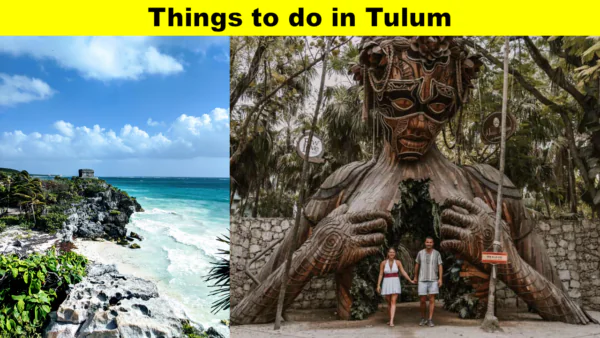
Things to do in Tulum based on NeemTime research from most popular to just popular.
Parque Nacional Tulum, Tulum
Overview: Parque Nacional Tulum is a protected coastal park in Tulum featuring stunning beaches, lush jungle, and Mayan archaeological sites.
History: Established to preserve the natural environment and the iconic Tulum ruins overlooking the Caribbean Sea.
Since When: The park has been officially protected since 1981.
Review: Visitors praise the breathtaking scenery, historic ruins, and well-maintained walking paths.
When to Go: Early mornings or late afternoons are best to avoid crowds and enjoy cooler temperatures.
How to Go: Accessible by car, taxi, or bike from Tulum town center.
What to Do: Explore the Mayan ruins, swim in the turquoise waters, and enjoy nature walks.
Free or Paid: Paid entry.
Tulum, Tulum
Overview: Tulum is a picturesque coastal town in Mexico known for its bohemian vibe, eco-resorts, and pristine beaches.
History: Originally a Mayan port city, Tulum has evolved into a popular tourist destination blending culture and modern amenities.
Since When: The modern town developed as a tourist hub in the 1970s.
Review: Visitors love the relaxed atmosphere, beach clubs, and cultural charm of the town.
When to Go: November to April is ideal for dry weather and beach activities.
How to Go: Accessible via car, bus, or shuttle from Cancun or Playa del Carmen.
What to Do: Relax on the beach, explore local shops and restaurants, and visit nearby cenotes.
Free or Paid: Free to explore the town; paid for specific attractions and tours.
Xel-Há, Tulum
Overview: Xel-Há is a natural aquatic park in Tulum featuring snorkeling, cenotes, and water-based activities surrounded by lush jungle.
History: Developed to provide eco-tourism experiences while preserving the natural lagoon and wildlife.
Since When: Opened to the public in 1997.
Review: Visitors praise its family-friendly activities, clear waters, and abundant marine life.
When to Go: Mornings are best for snorkeling and avoiding crowds.
How to Go: Reachable by car, taxi, or tour bus from Tulum town.
What to Do: Snorkel, swim in cenotes, enjoy zip-lines, and relax at the lagoon.
Free or Paid: Paid entry.
Zona arqueológica de Coba, Tulum
Overview: Zona arqueológica de Coba is an ancient Mayan city in Tulum known for its towering pyramids and extensive network of stone roads.
History: Once a major Mayan city with significant political and economic influence in the region.
Since When: Rediscovered in the late 19th century and partially restored for tourism.
Review: Visitors enjoy climbing the Nohoch Mul pyramid and exploring the vast jungle ruins.
When to Go: Early mornings are ideal to avoid heat and crowds.
How to Go: Accessible by car or tour from Tulum town; bicycles and tricycles are available for rent.
What to Do: Climb pyramids, explore the archaeological site, and cycle along ancient pathways.
Free or Paid: Paid entry.
Akumal Beach, Tulum
Overview: Akumal Beach is a beautiful white-sand beach near Tulum famous for snorkeling with sea turtles and crystal-clear waters.
History: Historically a small fishing village, it has grown into a popular eco-tourism destination.
Since When: Became widely known as a snorkeling destination in the 1980s.
Review: Visitors love the calm waters, snorkeling opportunities, and family-friendly atmosphere.
When to Go: Early morning is best for spotting sea turtles and avoiding crowds.
How to Go: Accessible by car, taxi, or bike from Tulum town.
What to Do: Snorkel with turtles, sunbathe on the sand, and enjoy local beachfront restaurants.
Free or Paid: Free for beach access; paid for snorkeling rentals and guided tours.
Casa Tortuga Tulum, Tulum
Overview: Casa Tortuga Tulum is a boutique hotel and eco-resort offering stylish accommodations with a focus on sustainability and tropical ambiance.
History: Developed to provide travelers with a luxurious yet environmentally conscious stay in Tulum.
Since When: Opened in the early 2010s.
Review: Guests consistently praise its serene atmosphere, beautiful design, and friendly staff.
When to Go: Year-round, with cooler mornings and evenings being the most comfortable.
How to Go: Reachable by taxi, bike, or car from Tulum town center.
What to Do: Relax by the pool, explore nearby beaches, and enjoy on-site dining and wellness activities.
Free or Paid: Paid stay.
Gran Cenote, Tulum
Overview: Gran Cenote is a spectacular natural freshwater cenote ideal for swimming, snorkeling, and observing stalactites and stalagmites.
History: Formed naturally through limestone erosion and long used by locals and Mayans for water.
Since When: Opened to the public as a tourist attraction in the 1980s.
Review: Visitors love the crystal-clear water, abundant fish, and peaceful atmosphere.
When to Go: Early morning or weekdays to avoid crowds.
How to Go: Accessible by car, taxi, or bike from Tulum; parking is available nearby.
What to Do: Swim, snorkel, and photograph the beautiful cave formations.
Free or Paid: Paid entry.
Two Eyes Cenote, Tulum
Overview: Two Eyes Cenote is a dual-cave cenote system featuring crystal-clear freshwater perfect for diving, snorkeling, and swimming.
History: Named for its two sinkhole openings that connect to underwater cave networks, historically used by Mayans for rituals.
Since When: Opened to tourists in the 1990s.
Review: Visitors praise the breathtaking clarity of the water and the adventurous dive experiences.
When to Go: Morning hours are ideal to enjoy calm waters and fewer crowds.
How to Go: Accessible via car, taxi, or tour from Tulum town; parking and guide services available.
What to Do: Snorkel, dive, and explore the unique cave formations.
Free or Paid: Paid entry.
Burrito Amor, Tulum
Overview: Burrito Amor is a popular eatery in Tulum known for its gourmet burritos made with fresh, locally sourced ingredients.
History: Established to provide a healthy, fast-casual dining option in Tulum’s vibrant food scene.
Since When: Opened in 2016.
Review: Visitors rave about the generous portions, unique flavors, and friendly service.
When to Go: Lunch and early evening are peak times for freshness and availability.
How to Go: Easily reached on foot, bike, or taxi within Tulum town.
What to Do: Enjoy customized burritos, smoothies, and local dishes.
Free or Paid: Paid dining.
Cenotes Dos Ojos, Tulum
Overview: Cenotes Dos Ojos is a famous twin-cenote system offering world-class snorkeling and diving in interconnected freshwater caves.
History: Discovered as part of an extensive underground river system, historically used by the Maya for water and rituals.
Since When: Opened to tourists in the 1990s.
Review: Visitors praise the clear waters, incredible underwater cave formations, and excellent snorkeling experiences.
When to Go: Early mornings are best to enjoy calm waters and avoid crowds.
How to Go: Accessible by car, taxi, or tour from Tulum town; parking is available on-site.
What to Do: Snorkel, scuba dive, and photograph the stunning natural formations.
Free or Paid: Paid entry.
Laguna de Kaan Luum, Tulum
Overview: Laguna de Kaan Luum is a stunning turquoise lagoon surrounded by lush jungle, known for its deep cenote in the center and serene swimming environment.
History: Historically revered by the Maya for its unique natural beauty and freshwater source.
Since When: Open to visitors in the late 20th century.
Review: Visitors praise its calm waters, natural beauty, and peaceful escape from crowded beaches.
When to Go: Early morning or weekdays for a tranquil experience.
How to Go: Accessible by car or taxi from Tulum town, with parking available nearby.
What to Do: Swim, kayak, and photograph the striking central cenote.
Free or Paid: Paid entry.
Playa Pescadores, Tulum
Overview: Playa Pescadores is a scenic public beach in Tulum, known for its calm waters, soft sand, and local fishing culture.
History: Traditionally used by local fishermen and gradually became a popular public beach.
Since When: Open to visitors since the mid-20th century.
Review: Visitors enjoy its laid-back vibe, clear waters, and local seafood offerings.
When to Go: Mornings or late afternoons for the best light and fewer crowds.
How to Go: Easily reachable by taxi, bike, or car from Tulum town center.
What to Do: Swim, sunbathe, and enjoy fresh seafood from nearby vendors.
Free or Paid: Free.
Playa Paraiso, Tulum
Overview: Playa Paraiso is a world-famous beach with powdery white sand, turquoise waters, and palm-lined shores.
History: Known for decades as one of the most beautiful beaches in the Riviera Maya, attracting tourists and photographers.
Since When: Open to visitors since the 1980s.
Review: Visitors praise its breathtaking views, soft sand, and crystal-clear water.
When to Go: Early morning or weekdays to avoid crowds.
How to Go: Accessible by car, taxi, or bike from Tulum town.
What to Do: Swim, sunbathe, relax, and take scenic photographs.
Free or Paid: Free.
Escultura Ven a la Luz, Tulum
Overview: Escultura Ven a la Luz is a striking contemporary art installation featuring a giant sculpture of intertwined female figures on Tulum beach.
History: Created by artist Daniel Popper to merge art with the natural environment.
Since When: Installed in 2018.
Review: Visitors admire its Instagram-worthy design and the unique integration with the beach landscape.
When to Go: Sunset is ideal for dramatic lighting and photography.
How to Go: Located near Playa Paraiso, accessible by taxi, bike, or car.
What to Do: Take photos, enjoy the art, and explore the nearby beach.
Free or Paid: Free.
Cenote Zacil-Ha, Tulum
Overview: Cenote Zacil-Ha is a small open-air cenote popular for swimming, cliff jumping, and zip-lining.
History: Developed as a recreational cenote to allow safe swimming and adventure activities.
Since When: Opened to the public in the early 2000s.
Review: Visitors enjoy its clear water, family-friendly atmosphere, and fun activities like zip-lining.
When to Go: Morning hours are best for calm waters and fewer visitors.
How to Go: Reachable by taxi, car, or bike from Tulum town; parking is available on-site.
What to Do: Swim, snorkel, cliff jump, and try the zip-line.
Free or Paid: Paid entry.
Playa Paraíso, Tulum
Overview: Playa Paraíso is a world-renowned beach in Tulum featuring pristine white sand, turquoise waters, and a palm-lined coastline ideal for relaxation and photography.
History: The beach has long been celebrated for its natural beauty and has been a popular destination for both locals and international tourists.
Since When: Open to the public since the 1980s.
Review: Visitors praise its breathtaking scenery, soft sand, and calm waters, often calling it one of the most beautiful beaches in the Riviera Maya.
When to Go: Early morning or weekdays are ideal to avoid crowds and enjoy the serene environment.
How to Go: Easily accessible by car, taxi, or bike from Tulum town center.
What to Do: Swim, sunbathe, relax, and capture stunning beach photos.
Free or Paid: Free.
Zona Arqueológica de Muyil, Tulum
Overview: Zona Arqueológica de Muyil is an ancient Mayan archaeological site set within a tropical forest near the Sian Ka’an Biosphere Reserve.
History: Muyil was an important trade hub in the Mayan civilization, connecting inland routes with coastal trade networks.
Since When: Excavations and public access began in the 20th century.
Review: Visitors appreciate its quiet, less crowded atmosphere and well-preserved structures surrounded by lush jungle.
When to Go: Early mornings for cooler temperatures and fewer tourists.
How to Go: Reachable by car or taxi from Tulum town, approximately 20–30 minutes away.
What to Do: Explore the ruins, hike the jungle trails, and enjoy guided tours explaining Mayan history.
Free or Paid: Paid entry.
Mayan Monkey Hostel Tulum, Tulum
Overview: Mayan Monkey Hostel is a vibrant, social accommodation in Tulum offering budget-friendly lodging, communal spaces, and easy access to nearby beaches and nightlife.
History: Established to cater to young travelers and backpackers seeking affordable stays and social experiences.
Since When: Operating since the early 2010s.
Review: Guests love the lively atmosphere, friendly staff, and convenient location close to Tulum town and beaches.
When to Go: Year-round, with peak social activity in the high tourist season (December–April).
How to Go: Located in central Tulum, accessible on foot, by taxi, or bike.
What to Do: Stay, meet other travelers, attend social events, and explore nearby attractions.
Free or Paid: Paid accommodation.
Yal-ku Lagoon, Tulum
Overview: Yal-ku Lagoon is a beautiful natural lagoon near Akumal, famous for snorkeling among colorful fish in calm, clear waters.
History: Once used by local Mayans, it is now a protected lagoon and eco-tourism spot.
Since When: Open to the public since the early 2000s.
Review: Visitors love the tranquil waters, excellent snorkeling conditions, and abundant marine life.
When to Go: Mornings are best for calm waters and optimal visibility.
How to Go: Reachable by car or taxi from Tulum town, about 20–25 minutes away.
What to Do: Swim, snorkel, kayak, and enjoy the serene natural surroundings.
Free or Paid: Paid entry.
ATIK TULUM PARK, Tulum
Overview: ATIK TULUM PARK is an adventure and water park offering zip lines, obstacle courses, and family-friendly outdoor activities in a jungle setting.
History: Developed to provide recreational and eco-adventure experiences for tourists visiting Tulum.
Since When: Opened in the mid-2010s.
Review: Visitors enjoy the mix of thrilling activities, safety standards, and the lush natural environment.
When to Go: Weekdays or early in the day to avoid crowds.
How to Go: Accessible by car, taxi, or organized tours from Tulum town.
What to Do: Zip-lining, obstacle courses, team activities, and adventure games.
Free or Paid: Paid entry.
Vesica Tulum | Cenote Club, Tulum
Overview: Vesica Tulum | Cenote Club is a vibrant cenote-based beach club offering unique swimming experiences, music, and relaxation in a natural sinkhole setting.
History: Created to combine eco-tourism with modern leisure, blending natural cenote beauty with a social club environment.
Since When: Opened in the late 2010s.
Review: Visitors enjoy the refreshing cenote waters, lively atmosphere, and scenic surroundings, making it a popular Instagram-worthy spot.
When to Go: Mornings and weekdays are ideal for fewer crowds and calmer waters.
How to Go: Accessible by car, taxi, or bike from Tulum town.
What to Do: Swim, lounge, enjoy drinks, and take photos.
Free or Paid: Paid entry.
Parque Dos Aguas, Tulum
Overview: Parque Dos Aguas is a recreational park featuring lush gardens, walking trails, and water features perfect for family outings and relaxation.
History: Developed as a community green space to provide leisure and nature experiences in Tulum.
Since When: Opened in the early 2010s.
Review: Visitors praise its cleanliness, peaceful atmosphere, and family-friendly environment.
When to Go: Early mornings or late afternoons to enjoy cooler temperatures.
How to Go: Reachable by car, bike, or taxi from central Tulum.
What to Do: Walk, picnic, relax, and explore the park’s gardens.
Free or Paid: Free entry.
Batey Mojito and Guarapo Bar, Tulum
Overview: Batey Mojito and Guarapo Bar is a lively bar in Tulum known for its handcrafted mojitos, sugarcane drinks, and energetic atmosphere.
History: Founded to celebrate local flavors and nightlife in the heart of Tulum.
Since When: Operating since the mid-2000s.
Review: Visitors enjoy the refreshing cocktails, vibrant music, and friendly staff.
When to Go: Evenings for nightlife vibes or late afternoons for relaxed drinks.
How to Go: Located in downtown Tulum, accessible on foot, bike, or taxi.
What to Do: Sip cocktails, socialize, and enjoy live music.
Free or Paid: Paid drinks.
Palma Central, Tulum
Overview: Palma Central is a central commercial and social hub in Tulum offering shops, eateries, and a meeting point for locals and tourists.
History: Established to create a focal point for Tulum’s downtown area.
Since When: Opened in the 2010s.
Review: Visitors like its convenience, variety of shops, and relaxed outdoor spaces.
When to Go: Daytime for shopping and evening for dining.
How to Go: Located in downtown Tulum, easily accessible by foot, bike, or taxi.
What to Do: Shop, eat, people-watch, and relax.
Free or Paid: Free entry; purchases are paid.
Cenote Calavera, Tulum
Overview: Cenote Calavera, also called the “Skull Cenote,” is a small, iconic sinkhole famous for cliff jumping and clear turquoise waters.
History: Named for its unique three-hole formation resembling a skull, it has long been a favorite for adventurous visitors.
Since When: Publicly accessible since the early 2000s.
Review: Visitors love its adventurous vibe, crystal-clear water, and photo opportunities.
When to Go: Mornings for calmer water and fewer tourists.
How to Go: Accessible by car, taxi, or bike from Tulum town, about 10–15 minutes away.
What to Do: Swim, snorkel, cliff jump, and take photos.
Free or Paid: Paid entry.
Encanto Cantina, Tulum
Overview: Encanto Cantina is a vibrant dining spot in Tulum offering traditional Mexican cuisine, fresh cocktails, and a lively atmosphere.
History: Established to showcase authentic regional dishes while creating a social and festive environment for locals and tourists.
Since When: Operating since the mid-2010s.
Review: Guests praise the flavorful dishes, colorful décor, and friendly staff.
When to Go: Evenings for dinner and nightlife vibes.
How to Go: Easily reachable by bike, car, or taxi from central Tulum.
What to Do: Dine, sip cocktails, and enjoy live music.
Free or Paid: Paid.
Yax-Muul, Tulum
Overview: Yax-Muul is an eco-conscious resort and wellness retreat in Tulum blending sustainable living with luxurious accommodation.
History: Created to offer travelers an eco-friendly and immersive experience in Tulum’s natural surroundings.
Since When: Opened in the late 2010s.
Review: Visitors appreciate its serene atmosphere, eco-design, and wellness offerings.
When to Go: Year-round; mornings for tranquility.
How to Go: Accessible by taxi or car from Tulum town.
What to Do: Stay overnight, enjoy wellness activities, and explore the grounds.
Free or Paid: Paid.
Aktun Chen, Tulum
Overview: Aktun Chen is a natural park in Tulum featuring caves, underground rivers, and wildlife for adventure seekers.
History: Developed as a protected natural reserve to showcase Tulum’s unique cave systems and biodiversity.
Since When: Open to visitors since the early 2000s.
Review: Visitors enjoy caving, zip-lining, and guided eco-tours in a lush environment.
When to Go: Mornings or weekdays for fewer crowds.
How to Go: Reachable by car, taxi, or organized tour from Tulum town.
What to Do: Explore caves, swim in underground rivers, zip-line, and take guided tours.
Free or Paid: Paid entry.
Akumal Monkey Sanctuary & Rescued Animals, Tulum
Overview: Akumal Monkey Sanctuary is a wildlife rescue center in Tulum providing care for monkeys and other rescued animals.
History: Founded to rehabilitate abandoned or injured animals and educate visitors about conservation.
Since When: Open since the 2010s.
Review: Visitors love the close animal encounters, educational tours, and conservation efforts.
When to Go: Mornings for cooler temperatures and more active animals.
How to Go: Accessible by car or taxi from Tulum town.
What to Do: Observe rescued animals, take photos, and learn about conservation programs.
Free or Paid: Paid entry.
Cenotes Sac Actun, Tulum
Overview: Cenotes Sac Actun is a vast underground river system in Tulum, perfect for snorkeling, diving, and exploring limestone caves.
History: Known for its archaeological significance and natural beauty, it has long been a sacred site for the Maya.
Since When: Open for recreational tourism since the early 2000s.
Review: Visitors rave about the crystal-clear waters, unique stalactite formations, and immersive cave experience.
When to Go: Early mornings for calm waters and fewer crowds.
How to Go: Accessible via guided tours from Tulum town.
What to Do: Snorkel, dive, swim, and explore the cave system.
Free or Paid: Paid entry.