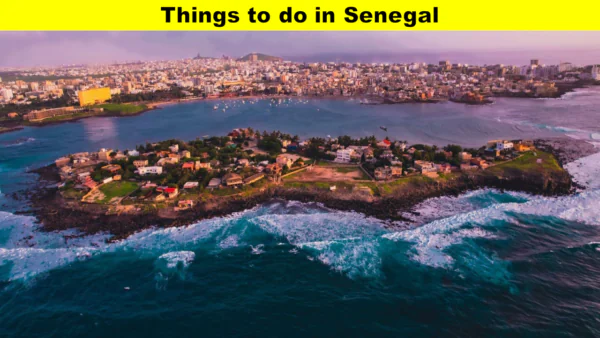
Things to do in Senegal based on NeemTime research from most popular to just popular.
African Renaissance Monument, Senegal
Overview: African Renaissance Monument, Senegal is a towering bronze statue symbolizing Africa’s emergence and cultural pride.
History: Constructed to celebrate Senegal’s independence and the continent’s progress, designed by Senegalese architect Pierre Goudiaby Atepa.
Since When: Completed and inaugurated in 2010, it has become a major landmark in Dakar.
Review: Visitors praise its impressive scale, panoramic views, and symbolic significance, though some note its controversial design.
When to Go: Best visited in the morning or late afternoon for optimal lighting and cooler temperatures.
How to Go: Accessible by taxi or organized tours from central Dakar.
What to Do: Take photos, enjoy the observation deck views, and learn about its historical and cultural context.
Free or Paid: Paid entry for observation deck access; monument grounds are free.
Marché, Senegal
Overview: Marché, Senegal is a bustling local market offering crafts, textiles, fresh produce, and vibrant cultural experiences.
History: Established as a central trading hub for locals and tourists seeking authentic Senegalese goods.
Since When: Operating since the mid-20th century as a cornerstone of Dakar commerce.
Review: Visitors enjoy the lively atmosphere, variety of products, and opportunity to interact with local vendors.
When to Go: Morning hours are best for fresh produce and less crowded shopping.
How to Go: Reachable via taxi or local bus from downtown Dakar.
What to Do: Shop for souvenirs, sample local foods, and explore traditional crafts.
Free or Paid: Free to enter; purchased items are paid.
Sea Plaza, Senegal
Overview: Sea Plaza, Senegal is a modern shopping mall featuring international brands, dining options, and entertainment facilities.
History: Developed to provide a contemporary retail experience for residents and tourists in Dakar.
Since When: Opened in the 2000s and remains one of the city’s premier shopping destinations.
Review: Shoppers appreciate its cleanliness, variety of stores, and family-friendly environment.
When to Go: Evenings and weekends are popular, though weekdays offer a quieter shopping experience.
How to Go: Easily accessible by taxi or private car from central Dakar.
What to Do: Shop, dine at restaurants, and enjoy leisure activities like cinemas and cafés.
Free or Paid: Free to enter; purchases and entertainment are paid.
Hann Zoological Park, Senegal
Overview: Hann Zoological Park, Senegal is a large zoo home to native and exotic wildlife with conservation and educational programs.
History: Originally opened as a public park and zoo to protect wildlife and educate visitors about biodiversity.
Since When: Established in the 1970s and continually modernized to improve animal habitats.
Review: Visitors enjoy seeing diverse species, well-kept enclosures, and engaging educational displays.
When to Go: Early morning or late afternoon when animals are most active.
How to Go: Accessible by taxi, bus, or organized tour from central Dakar.
What to Do: Observe animals, take guided tours, and learn about local conservation efforts.
Free or Paid: Paid entry.
Bandia Reserve, Senegal
Overview: Bandia Reserve, Senegal is a wildlife park offering safari-style experiences with giraffes, zebras, rhinos, and other African species.
History: Created to protect endangered animals and promote eco-tourism in Senegal.
Since When: Opened in 1990 and has grown as a premier wildlife destination near Dakar.
Review: Visitors enjoy close-up wildlife encounters, scenic landscapes, and guided safari experiences.
When to Go: Best visited early morning or late afternoon for animal activity and cooler temperatures.
How to Go: Reachable by car or organized tours from Dakar.
What to Do: Take guided safaris, photograph wildlife, and explore walking trails.
Free or Paid: Paid entry.
Royal Horizon Baobab, Senegal
Overview: Royal Horizon Baobab, Senegal is a luxury beachfront resort offering all-inclusive accommodations with pools, restaurants, and entertainment.
History: Developed to cater to international tourists seeking a premium seaside experience in Saly, Senegal.
Since When: Opened in the early 2000s and has been a top-rated resort destination since.
Review: Guests praise its spacious rooms, attentive service, and variety of leisure activities for families and couples.
When to Go: Best during the dry season from November to May for sunny weather and calm seas.
How to Go: Accessible by taxi or shuttle from Blaise Diagne International Airport.
What to Do: Enjoy swimming, water sports, spa treatments, and organized resort activities.
Free or Paid: Paid accommodations and resort services.
Place du Souvenir Africain, Senegal
Overview: Place du Souvenir Africain, Senegal is a commemorative plaza dedicated to African heritage and historical remembrance.
History: Constructed to honor the memory of Africa’s struggles and achievements throughout history.
Since When: Established in the late 20th century as a cultural landmark in Dakar.
Review: Visitors find it serene, reflective, and educational, often highlighted by local guides.
When to Go: Best visited during the day for clear views and photography opportunities.
How to Go: Accessible via taxi or walking if staying nearby in central Dakar.
What to Do: Observe monuments, take photographs, and learn about African history and heritage.
Free or Paid: Free entry.
La Plage de BCEAO, Senegal
Overview: La Plage de BCEAO, Senegal is a scenic public beach known for soft sand, calm waters, and relaxed atmosphere.
History: Developed as a recreational area for locals and tourists in Dakar.
Since When: Popular since the 1980s as a local swimming and leisure destination.
Review: Visitors appreciate its cleanliness, accessibility, and beautiful sunset views.
When to Go: Afternoons are ideal for sunbathing, while mornings are quieter for walks.
How to Go: Easily reached by taxi or public transportation from central Dakar.
What to Do: Swim, sunbathe, take beach walks, and enjoy local beachside snacks.
Free or Paid: Free entry.
Magic Land, Senegal
Overview: Magic Land, Senegal is a family-friendly amusement park featuring rides, attractions, and entertainment for all ages.
History: Established to provide recreational activities and amusement in Saly, Senegal.
Since When: Opened in the 2000s and has been popular with families and tourists since.
Review: Guests enjoy its variety of rides, safe environment, and lively atmosphere.
When to Go: Weekdays are less crowded, while weekends offer a vibrant atmosphere.
How to Go: Accessible via taxi or shuttle from nearby resorts in Saly.
What to Do: Ride attractions, play games, and enjoy shows and food stalls.
Free or Paid: Paid entry and ride tickets.
House of Slaves, Senegal
Overview: House of Slaves, Senegal is a historic museum and memorial documenting the Atlantic slave trade.
History: Built on Gorée Island as a holding site for enslaved Africans before their transport across the Atlantic.
Since When: Preserved and opened to the public in the 1960s as a site of education and remembrance.
Review: Visitors find it a moving, educational, and powerful reminder of history.
When to Go: Best visited in the morning to avoid crowds and the midday heat.
How to Go: Reachable by ferry from Dakar to Gorée Island.
What to Do: Tour the museum, reflect on historical exhibits, and explore the island.
Free or Paid: Paid entry.
Phare des Mamelles, Senegal
Overview: Phare des Mamelles is a striking red-and-white lighthouse perched atop the Mamelles hills in Dakar, offering breathtaking panoramic views of the Atlantic coastline.
History: Built in 1864 during the French colonial era, it has served as a crucial navigational landmark for ships approaching Dakar harbor.
Since When: The lighthouse has been guiding maritime traffic safely since its inauguration in 1864.
Review: Visitors praise the panoramic views, the well-maintained structure, and the invigorating climb to the top.
When to Go: The best time to visit is during the dry season from November to May for clear skies and scenic visibility.
How to Go: It is accessible by car or taxi from central Dakar, followed by a short hike to reach the lighthouse.
What to Do: Tourists can climb the spiral staircase, take photographs, and explore the surrounding Mamelles hills.
Free or Paid: Entry usually requires a small fee for maintenance and conservation of the lighthouse.
Leopold Sedar Senghor French Institute, Senegal
Overview: The Leopold Sedar Senghor French Institute is a cultural center in Dakar dedicated to promoting French language, arts, and Franco-Senegalese cultural collaboration.
History: Named after Senegal’s first president, a poet and statesman, the institute has been a hub for cultural exchange since its foundation in the 1970s.
Since When: It has actively organized cultural programs and educational courses since the 1970s.
Review: Visitors highlight its well-curated exhibitions, lively cultural events, and enriching French language courses.
When to Go: Weekdays are ideal to experience exhibitions, workshops, and language classes without crowds.
How to Go: The institute is reachable by taxi or public transport from Dakar city center, located in a central district.
What to Do: Attend art exhibitions, concerts, French language classes, and cultural workshops.
Free or Paid: Entry to exhibitions is sometimes free, but workshops and courses typically require payment.
Marché Soumbédioune, Senegal
Overview: Marché Soumbédioune is a vibrant open-air market in Dakar, famous for traditional crafts, fabrics, jewelry, and fresh seafood.
History: The market has been a central trading hub for local artisans and fishermen for decades, reflecting the daily life and culture of Senegal.
Since When: It has operated in its current location since the mid-20th century.
Review: Visitors love the lively atmosphere, authentic goods, and interactions with skilled local artisans.
When to Go: Early morning is best for fresh produce, authentic crafts, and to avoid crowds.
How to Go: Easily accessible by taxi, bus, or on foot from Dakar’s city center.
What to Do: Browse handmade crafts, taste fresh seafood, purchase souvenirs, and enjoy the bustling market vibe.
Free or Paid: Entry is free; purchases are paid separately.
Sandaga, Senegal
Overview: Sandaga is one of Dakar’s oldest and busiest markets, renowned for textiles, clothing, electronics, and traditional African goods.
History: Established during the colonial period, it has grown into a major commercial center for locals and tourists alike.
Since When: The market has been operational for over a century, evolving alongside Dakar’s urban development.
Review: Visitors appreciate the energetic atmosphere, variety of products, and the art of bargaining.
When to Go: Mornings are ideal to shop before the market becomes crowded.
How to Go: Accessible by taxi, public transport, or walking from central Dakar.
What to Do: Shop for fabrics, clothing, souvenirs, and explore the lively streets around the market.
Free or Paid: Entry is free; goods are purchased separately.
The Museum of Black Civilisations, Senegal
Overview: The Museum of Black Civilisations showcases African and African diaspora history, arts, and culture in a modern, well-designed facility in Dakar.
History: Opened in 2018, it was established to preserve, promote, and celebrate African heritage on a global scale.
Since When: It has welcomed the public since December 2018.
Review: Visitors praise its impressive architecture, extensive collections, and engaging educational exhibits.
When to Go: Weekdays are ideal for a quieter visit, while weekends offer cultural events and guided tours.
How to Go: Located in Dakar, it is accessible via taxi, private car, or local transport.
What to Do: Explore exhibitions, attend workshops, enjoy multimedia displays, and participate in cultural events.
Free or Paid: Entry requires a ticket, with fees varying for adults, students, and groups.
La Maison des Esclaves, Senegal
Overview: La Maison des Esclaves is a historic museum on Gorée Island that commemorates the transatlantic slave trade and the lives of enslaved Africans.
History: Built in the 18th century, it was used as a holding place for enslaved Africans before their forced departure to the Americas.
Since When: It has been preserved as a museum and memorial since the 1960s to educate visitors about slavery history.
Review: Visitors describe it as a deeply moving and emotional site that provides powerful insights into the horrors of slavery.
When to Go: Morning visits are recommended to avoid crowds and experience a quieter, reflective atmosphere.
How to Go: It is accessible by ferry from Dakar to Gorée Island, followed by a short walk to the museum.
What to Do: Tour the rooms, view historical artifacts, read informational displays, and reflect on the legacy of the slave trade.
Free or Paid: Entry requires a small ticket fee to support the museum’s maintenance.
Lake Retba, Senegal
Overview: Lake Retba, also known as Lac Rose, is a striking pink-colored salt lake located northeast of Dakar, famous for its unique hue caused by algae.
History: The lake has been a site for salt harvesting and local livelihoods for centuries, while also attracting tourists for its unusual color.
Since When: It has been recognized as a tourist attraction since the 19th century, with salt extraction continuing to the present day.
Review: Visitors are fascinated by the vivid pink waters, especially during the dry season, and the picturesque landscape.
When to Go: The best time to visit is during the dry season from November to May when the pink color is most vibrant.
How to Go: Reachable by car or guided tour from Dakar, with local guides available for lake excursions.
What to Do: Walk along the lake’s edge, take photographs, witness salt harvesting, and enjoy boat rides on the shallow waters.
Free or Paid: Entry is free, but guided tours or boat rides may require payment.
Gorée, Senegal
Overview: Gorée Island is a UNESCO World Heritage site known for its colonial architecture, historic sites, and role in the transatlantic slave trade.
History: Originally a trading post in the 15th century, it became infamous as a major hub for the deportation of enslaved Africans.
Since When: It has been a protected heritage site and tourist destination since the mid-20th century.
Review: Visitors praise its charm, historical significance, cobblestone streets, and reflective memorials.
When to Go: Early morning or weekdays are ideal to avoid the busiest tourist hours and enjoy a peaceful visit.
How to Go: Access is by ferry from Dakar, followed by walking tours across the island.
What to Do: Explore colonial buildings, visit La Maison des Esclaves, stroll along the coastline, and photograph the scenic streets.
Free or Paid: Entry to the island itself is free, but certain museums and historical buildings charge admission.
Kachikally Crocodile Pool, Senegal
Overview: The Kachikally Crocodile Pool is a sacred site in Bakau, where visitors can see and interact with tame crocodiles considered spiritual guardians.
History: The pool has been revered for generations by locals who believe it possesses fertility powers and spiritual significance.
Since When: It has been open to visitors as a cultural and tourist site since the 20th century.
Review: Tourists enjoy its unique combination of wildlife observation, cultural heritage, and interactive experience with the crocodiles.
When to Go: Mornings are best for visiting to see the crocodiles when they are most active.
How to Go: Accessible by car or taxi from nearby cities, with local guides available at the entrance.
What to Do: Walk around the pool, observe crocodiles, participate in rituals, and learn about local traditions.
Free or Paid: Entry requires a small fee to support maintenance and staff.
Mosque of the Divinity, Senegal
Overview: The Mosque of the Divinity is a notable religious site in Dakar known for its unique architectural design and spiritual significance.
History: Built in the mid-20th century, it has served as a center for worship and community gatherings.
Since When: The mosque has been active as a place of worship since its completion in the 1950s.
Review: Visitors and worshippers praise its serene atmosphere, impressive architecture, and peaceful surroundings.
When to Go: Visits are best outside prayer times to observe the mosque and its architecture.
How to Go: Accessible by taxi or public transport from central Dakar, located in a prominent district.
What to Do: Observe Islamic architectural features, attend services if welcomed, and photograph the mosque’s exterior.
Free or Paid: Entry is generally free for visitors, though donations are appreciated.
Promenade Thiessois, Senegal
Overview: Promenade Thiessois is a scenic walkway in Thiès that offers locals and tourists a relaxing space for walking, jogging, and enjoying the outdoors.
History: The promenade was developed to provide a community gathering space and promote urban greenery in Thiès.
Since When: It has been open to the public since the early 2000s.
Review: Visitors appreciate its peaceful environment, well-maintained paths, and the opportunity to observe daily life in Thiès.
When to Go: Early mornings or late afternoons are ideal for a cooler, more comfortable stroll.
How to Go: Easily accessible by taxi or local transport from central Thiès.
What to Do: Walk, jog, relax on benches, enjoy street food from nearby vendors, and take photographs of the surrounding scenery.
Free or Paid: Entry is free for all visitors.
Great Mosque of Medina Baye Kaolack, Senegal
Overview: The Great Mosque of Medina Baye is a prominent religious site in Kaolack, renowned for its Islamic architecture and spiritual significance in the Tijaniyya Sufi order.
History: Built in the 20th century, it has been a center for religious education, worship, and Sufi gatherings.
Since When: The mosque has been active since the 1930s, serving both local worshippers and visiting pilgrims.
Review: Visitors admire its serene atmosphere, intricate designs, and the vibrant cultural and religious activities held there.
When to Go: Non-prayer times are best for sightseeing, while Friday prayers offer a glimpse into local religious life.
How to Go: Accessible by taxi or local transport from Kaolack city center.
What to Do: Observe the mosque’s architecture, attend prayers if welcomed, learn about Sufi traditions, and photograph the surroundings.
Free or Paid: Entry is generally free, though donations are appreciated.