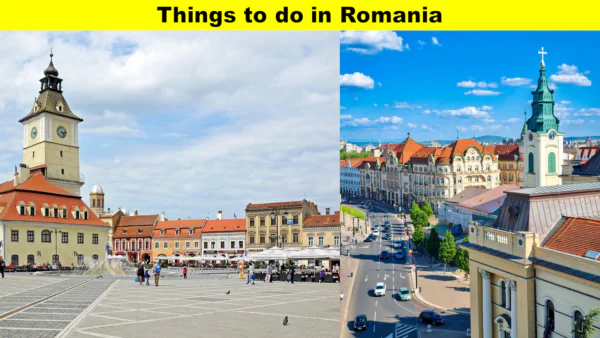
Things to do in Romania based on NeemTime research from most popular to just popular.
Bran Castle, Romania
Overview: Bran Castle, Romania is a historic fortress perched on a hill, famously linked to the Dracula legend and medieval architecture.
History: Constructed as a fortress to defend against invading forces and later became a royal residence.
Since When: Originally built in 1377.
Review: Visitors admire its dramatic architecture, museum exhibits, and panoramic views of the surrounding landscape.
When to Go: Spring and autumn are ideal to avoid peak tourist crowds.
How to Go: Accessible by car or guided tour from Brașov city.
What to Do: Explore the castle interior, visit the museum, and enjoy photography around the courtyard.
Free or Paid: Paid entry required.
Peleș Castle, Romania
Overview: Peleș Castle, Romania is a stunning Neo-Renaissance palace set against the Carpathian Mountains, showcasing royal art and architecture.
History: Commissioned by King Carol I as a summer residence for the Romanian royal family.
Since When: Built between 1873 and 1914.
Review: Visitors praise its ornate interiors, beautiful gardens, and historical significance.
When to Go: Spring and summer for pleasant weather and garden views.
How to Go: Reachable by train or car from Bucharest or Brașov.
What to Do: Tour the palace, explore the gardens, and admire royal art collections.
Free or Paid: Paid entry required.
King Michael I Park, Romania
Overview: “King Michael I” Park, Romania is a large urban park offering green spaces, walking trails, and recreational facilities for locals and tourists.
History: Developed to provide a modern recreational area in the heart of Bucharest.
Since When: Opened in 2016 after urban redevelopment.
Review: Visitors enjoy the peaceful environment, jogging paths, and family-friendly facilities.
When to Go: Morning or late afternoon for comfortable walks and exercise.
How to Go: Easily accessible by public transport or taxi from central Bucharest.
What to Do: Walk, cycle, picnic, and enjoy the park’s lakes and playgrounds.
Free or Paid: Free to visit.
Corvin Castle, Romania
Overview: Corvin Castle, Romania is a Gothic-Renaissance fortress famous for its towers, drawbridges, and medieval architecture.
History: Built as a fortress for the Hungarian noble family Hunyadi and later became a royal residence.
Since When: Constructed in the 15th century.
Review: Tourists admire its architectural grandeur, legends, and historical exhibits.
When to Go: Spring and autumn are ideal to enjoy the scenery and avoid heavy crowds.
How to Go: Accessible by car or bus from Hunedoara city center.
What to Do: Explore the castle’s halls, towers, and dungeons, and take guided tours.
Free or Paid: Paid entry required.
Cismigiu Gardens, Romania
Overview: Cismigiu Gardens, Romania is a historic public garden featuring lakes, walking paths, and landscaped greenery in the heart of Bucharest.
History: Designed in the 19th century as the city’s first public garden with Romantic-style landscaping.
Since When: Opened in 1847.
Review: Visitors enjoy its scenic pathways, boating activities, and seasonal flower displays.
When to Go: Spring and summer for blooming flowers and mild weather.
How to Go: Accessible by walking or public transport from central Bucharest.
What to Do: Stroll through gardens, row boats on the lake, and relax in shaded areas.
Free or Paid: Free to visit.
Tineretului Park, Romania
Overview: Tineretului Park, Romania is a large urban park in Bucharest offering lakes, sports facilities, and green spaces for recreation.
History: Developed to provide a modern recreational area for the local community and city visitors.
Since When: Opened in 1974.
Review: Visitors praise its extensive walking paths, playgrounds, and calm lakeside areas for relaxation.
When to Go: Weekdays or mornings for a quieter experience and leisure activities.
How to Go: Accessible by metro (Tineretului Station) or taxi from central Bucharest.
What to Do: Jog, cycle, picnic, row boats on the lake, and enjoy outdoor sports.
Free or Paid: Free to enter.
Alexandru Ioan Cuza Park, Romania
Overview: Alexandru Ioan Cuza Park, Romania is one of Bucharest’s largest parks with lakes, green lawns, and recreational facilities.
History: Originally created as part of urban development to provide residents with a natural retreat in the city.
Since When: Opened in 1972.
Review: Popular for jogging, picnicking, and leisurely walks, and it is considered family-friendly.
When to Go: Early morning or late afternoon for jogging or peaceful walks.
How to Go: Reachable by metro (Titan Station) or local buses from central Bucharest.
What to Do: Walk, cycle, picnic, boat on the lakes, and relax at café kiosks.
Free or Paid: Free to visit.
Dino Parc Râșnov, Romania
Overview: Dino Parc Râșnov, Romania is a dinosaur-themed amusement park with life-sized dinosaur models and interactive attractions.
History: Developed to combine education about dinosaurs with family-friendly entertainment.
Since When: Opened in 2015.
Review: Visitors enjoy the realistic dinosaur displays, adventure trails, and educational exhibits.
When to Go: Spring to autumn for the best outdoor experience.
How to Go: Accessible by car or local buses from Brașov city.
What to Do: Explore the dinosaur park, interactive exhibitions, and take photos with models.
Free or Paid: Paid entry required.
Salina Turda, Romania
Overview: Salina Turda, Romania is a historic salt mine transformed into an underground tourist attraction with recreational spaces.
History: Operated as a salt mine for centuries and later converted into a tourist destination with modern facilities.
Since When: Salt mining since Roman times; tourist attraction since 1992.
Review: Visitors admire the underground lake, Ferris wheel, and unique geological formations.
When to Go: Spring and summer for comfortable temperatures inside the mine.
How to Go: Reachable by car or bus from Cluj-Napoca.
What to Do: Explore underground chambers, boat on the lake, and enjoy amusement rides.
Free or Paid: Paid entry required.
Children’s Town Bucharest, Romania
Overview: Children’s Town Bucharest, Romania is a public park designed for children with playgrounds, rides, and family-friendly attractions.
History: Developed to provide a dedicated recreational space for children and families in the city.
Since When: Opened in 1969.
Review: Highly regarded by families for its safe and entertaining environment for children.
When to Go: Weekends or school holidays for full access to all activities.
How to Go: Accessible by public transport or taxi from central Bucharest.
What to Do: Play on swings and slides, enjoy rides, and attend seasonal events.
Free or Paid: Free to enter, some rides may have a small fee.
Cantacuzino Castle, Romania
Overview: Cantacuzino Castle, Romania is a Neo-Romanian style castle surrounded by beautiful gardens and scenic mountain views.
History: Built by Prince Gheorghe Grigore Cantacuzino as a summer residence and cultural venue for the aristocracy.
Since When: Construction completed in 1911.
Review: Visitors admire the intricate architecture, decorative interiors, and panoramic views of the Bucegi Mountains.
When to Go: Spring to autumn for pleasant weather and garden exploration.
How to Go: Reachable by car or bus from Bușteni town center.
What to Do: Tour the castle interior, walk through gardens, take photographs, and attend occasional exhibitions.
Free or Paid: Paid entry required.
Central Park Simion Bărnuțiu, Romania
Overview: Central Park Simion Bărnuțiu, Romania is a central urban park featuring walking paths, ponds, and recreational areas for locals and tourists.
History: Developed to provide a green recreational space in the heart of Cluj-Napoca.
Since When: Established in the early 20th century.
Review: Known for its peaceful environment, scenic ponds, and family-friendly amenities.
When to Go: Early morning or late afternoon for walks and relaxation.
How to Go: Easily accessible on foot from Cluj city center or via local buses.
What to Do: Walk, jog, relax by the ponds, and enjoy outdoor leisure activities.
Free or Paid: Free to enter.
The Council Square, Romania
Overview: The Council Square, Romania is a historic public square in Brașov surrounded by medieval architecture, cafes, and cultural landmarks.
History: Historically served as a marketplace and town gathering spot during medieval times.
Since When: Established in the 15th century.
Review: Visitors enjoy the lively atmosphere, colorful buildings, and historical significance.
When to Go: Spring and summer for vibrant street life and outdoor dining.
How to Go: Reachable on foot from Brașov city center or via local taxis.
What to Do: Sightsee, dine in cafes, attend events, and photograph historic architecture.
Free or Paid: Free to visit.
The Large Square, Romania
Overview: The Large Square, Romania is the central square of Sibiu featuring Gothic and Baroque architecture, cafes, and cultural events.
History: Developed as the main market and gathering place of the city in medieval times.
Since When: Established in the 14th century.
Review: Known for its lively cultural events, festive markets, and charming architecture.
When to Go: Spring to autumn for outdoor events and markets.
How to Go: Accessible by foot from Sibiu city center or via local transport.
What to Do: Explore historic buildings, attend events, dine at cafes, and take photographs.
Free or Paid: Free to enter.
Nicolae Romanescu Park, Romania
Overview: Nicolae Romanescu Park, Romania is one of Europe’s largest urban parks featuring lakes, bridges, and recreational facilities.
History: Designed by French architect Édouard Redont and donated to the city by Nicolae Romanescu.
Since When: Opened in 1903.
Review: Celebrated for its beautiful landscapes, unique suspension bridge, and family-friendly environment.
When to Go: Spring and summer for the best scenic experience.
How to Go: Reachable by car, taxi, or public transport from central Craiova.
What to Do: Stroll, picnic, row boats, visit playgrounds, and photograph nature and architecture.
Free or Paid: Free to enter.
Arcul de Triumf, Romania
Overview: Arcul de Triumf, Romania is a prominent triumphal arch commemorating Romania’s victories in World War I and national unity.
History: Commissioned to celebrate the achievements of the Romanian army and designed in the neoclassical style.
Since When: Completed in its current form in 1936.
Review: Visitors admire its impressive architecture, historical significance, and central location.
When to Go: Spring and autumn for comfortable weather and outdoor photos.
How to Go: Accessible via car, taxi, or public transport from central Bucharest.
What to Do: Photograph the monument, learn about its history, and enjoy nearby walking paths.
Free or Paid: Free to view from outside; climbing to the top may require a small fee.
Carol I Park, Romania
Overview: Carol I Park, Romania is a large urban park featuring gardens, fountains, monuments, and walking paths for leisure and recreation.
History: Established to honor King Carol I and designed in an English-style landscape garden format.
Since When: Opened in 1906.
Review: Popular for relaxation, jogging, picnics, and scenic walks around lakes and monuments.
When to Go: Spring and summer for blooming flowers and outdoor activities.
How to Go: Easily reachable by foot from Bucharest city center or via public transport.
What to Do: Stroll, picnic, visit monuments, and enjoy outdoor activities.
Free or Paid: Free to enter.
The Romanian Athenaeum, Romania
Overview: The Romanian Athenaeum, Romania is a grand concert hall and cultural landmark renowned for its neoclassical architecture and interior frescoes.
History: Built to host musical events and cultural activities, with support from public fundraising campaigns.
Since When: Completed in 1888.
Review: Highly praised for its exquisite architecture, acoustics, and cultural importance.
When to Go: Spring through autumn for guided tours or attending concerts.
How to Go: Accessible via taxi, metro, or bus from central Bucharest.
What to Do: Attend concerts, take guided tours, and admire the architecture and frescoes.
Free or Paid: Paid entry for concerts and guided tours.
Sibiu Zoological Garden, Romania
Overview: Sibiu Zoological Garden, Romania is a family-friendly zoo with a variety of animal species and educational exhibits.
History: Established to promote wildlife education and conservation in the Sibiu region.
Since When: Opened in 2007.
Review: Visitors appreciate the clean facilities, diverse animals, and interactive experiences for children.
When to Go: Spring to autumn for comfortable outdoor visits.
How to Go: Reachable by car or public transport from central Sibiu.
What to Do: Observe animals, attend feeding sessions, and enjoy educational programs.
Free or Paid: Paid entry required.
Zoo Brașov, Romania
Overview: Zoo Brașov, Romania is a zoological park featuring native and exotic animals in well-maintained habitats.
History: Created to provide educational experiences and wildlife conservation for local residents and tourists.
Since When: Established in 1955.
Review: Visitors praise the variety of animals and family-friendly atmosphere.
When to Go: Spring and summer for the best outdoor viewing experience.
How to Go: Accessible via car, taxi, or local bus from Brașov city center.
What to Do: Walk through exhibits, attend feeding sessions, and participate in educational programs.
Free or Paid: Paid entry required.
Cetatea Făgărașului, Romania
Overview: Cetatea Făgărașului, Romania is a historic medieval fortress renowned for its massive walls, towers, and rich history.
History: Built as a defensive stronghold and residence for local nobility during the Middle Ages.
Since When: Constructed in the 14th century and expanded in the 16th century.
Review: Visitors admire its impressive architecture, museum exhibits, and preserved medieval atmosphere.
When to Go: Spring through autumn for guided tours and photography.
How to Go: Accessible by car or bus from Făgăraș town center.
What to Do: Explore the castle’s courtyards, towers, and museum exhibitions.
Free or Paid: Paid entry required.
Dimitrie Brândză Botanical Garden, Romania
Overview: “Dimitrie Brândză” Botanical Garden, Romania is a large, beautifully landscaped garden featuring thousands of plant species from around the world.
History: Established for research, education, and conservation of plant biodiversity.
Since When: Founded in 1891.
Review: Visitors enjoy the peaceful environment, thematic gardens, and variety of flora.
When to Go: Spring and summer for blooming flowers and comfortable outdoor visits.
How to Go: Accessible via metro, taxi, or bus from central Bucharest.
What to Do: Walk through themed sections, take photos, and study plant species.
Free or Paid: Paid entry required.
Palatul Mogoșoaia, Romania
Overview: Palatul Mogoșoaia, Romania is a historical palace showcasing Romanian Brâncovenesc architectural style surrounded by expansive gardens.
History: Built as a residence for Prince Constantin Brâncoveanu and his family.
Since When: Completed in 1702.
Review: Praised for its stunning architecture, scenic gardens, and cultural exhibitions.
When to Go: Spring through autumn for garden walks and palace tours.
How to Go: Reachable by car or public transport from Bucharest.
What to Do: Explore the palace interior, stroll in the gardens, and enjoy cultural events.
Free or Paid: Paid entry required.
Astra National Museum Complex, Romania
Overview: “Astra” National Museum Complex, Romania is one of the largest open-air ethnographic museums in Europe, showcasing traditional Romanian village life.
History: Created to preserve and display Romania’s rural heritage, architecture, and crafts.
Since When: Established in 1963.
Review: Visitors enjoy the immersive experience, traditional houses, and cultural workshops.
When to Go: Spring to autumn for full outdoor exploration and festival events.
How to Go: Accessible by car or local transport from Sibiu city center.
What to Do: Walk through traditional villages, attend craft demonstrations, and explore cultural exhibitions.
Free or Paid: Paid entry required.
Aquatic Paradise, Romania
Overview: Aquatic Paradise, Romania is a water park featuring slides, pools, and family-friendly aquatic attractions.
History: Built to provide leisure and recreational activities for families and tourists.
Since When: Opened in the early 2000s.
Review: Popular for its clean facilities, fun water rides, and family-oriented atmosphere.
When to Go: Summer months for optimal swimming and water activities.
How to Go: Accessible by car or taxi from nearby towns or cities.
What to Do: Enjoy slides, swimming pools, and water games with family or friends.
Free or Paid: Paid entry required.
Anastasie Fătu Botanical Garden, Romania
Overview: Anastasie Fătu Botanical Garden, Romania is a historic and scenic garden showcasing a diverse collection of plants, trees, and flowers.
History: Founded to support botanical research, conservation, and public education in horticulture.
Since When: Established in 1856 by Anastasie Fătu.
Review: Visitors praise its tranquil environment, wide variety of flora, and beautifully maintained landscapes.
When to Go: Spring and summer for blooming plants and comfortable outdoor visits.
How to Go: Easily accessible by car, bus, or taxi from central Iași.
What to Do: Explore the themed gardens, learn about plant species, and enjoy walking paths.
Free or Paid: Paid entry required.
Bucharest Fountains, Romania
Overview: Bucharest Fountains, Romania is a collection of decorative and musical fountains located in public squares and parks throughout the city.
History: Developed as part of urban beautification projects to enhance public spaces in Bucharest.
Since When: Many fountains date back to the 20th century, with some modern installations added in recent years.
Review: Visitors enjoy the visual appeal, especially illuminated evening shows and relaxing ambiance.
When to Go: Evening hours in spring or summer for fountain light displays.
How to Go: Accessible by public transport, walking, or taxi in central Bucharest.
What to Do: View the fountains, take photos, and enjoy nearby cafes and public spaces.
Free or Paid: Free to visit.
Dimitrie Gusti National Village Museum, Romania
Overview: “Dimitrie Gusti” National Village Museum, Romania is an open-air ethnographic museum showcasing traditional Romanian village architecture and lifestyle.
History: Established to preserve and display rural culture, architecture, and crafts.
Since When: Founded in 1936 by Dimitrie Gusti.
Review: Visitors appreciate the immersive experience of authentic homes, churches, and workshops.
When to Go: Spring through autumn for full exploration of outdoor exhibits.
How to Go: Reachable via tram, bus, or taxi from central Bucharest.
What to Do: Walk among traditional houses, watch craft demonstrations, and attend cultural events.
Free or Paid: Paid entry required.
Sinaia Monastery, Romania
Overview: Sinaia Monastery, Romania is a historic Eastern Orthodox monastery featuring religious architecture, icons, and a peaceful environment.
History: Built by local monks to serve as a spiritual center for the region.
Since When: Established in 1695.
Review: Visitors admire the beautiful frescoes, serene atmosphere, and historical significance.
When to Go: Spring through autumn for pleasant weather and sightseeing.
How to Go: Accessible by train, bus, or car from Sinaia town center.
What to Do: Explore the monastery, attend religious services, and photograph the architecture.
Free or Paid: Free entry.
Zoo Târgu Mureș – Marosvásárhelyi Állatkert, Romania
Overview: Zoo Târgu Mureș, Romania is a family-friendly zoo housing a wide variety of local and exotic animals in well-maintained habitats.
History: Developed to provide education, conservation, and recreational activities for the public.
Since When: Opened in 1980.
Review: Visitors enjoy seeing diverse species, educational programs, and clean facilities.
When to Go: Spring through autumn for the best experience and comfortable weather.
How to Go: Reachable by car, taxi, or local bus from Târgu Mureș city center.
What to Do: Observe animals, attend feeding sessions, and participate in educational activities.
Free or Paid: Paid entry required.
Rupea Citadel, Romania
Overview: Rupea Citadel, Romania is a historic hilltop fortress offering panoramic views of the surrounding Transylvanian landscape.
History: Originally built as a Dacian fortress, it was expanded by medieval Saxons to serve as a defensive stronghold.
Since When: Established in the 14th century, with fortifications dating back to earlier centuries.
Review: Visitors praise its well-preserved walls, stunning views, and informative displays about medieval life.
When to Go: Spring through autumn for pleasant weather and clear vistas.
How to Go: Accessible by car or guided tour from Brașov or nearby towns.
What to Do: Explore the citadel, climb towers, and learn about local history and architecture.
Free or Paid: Paid entry required.
Cetățuia Park, Romania
Overview: Cetățuia Park, Romania is a hilltop park offering scenic views of Cluj-Napoca and surrounding areas with walking trails and gardens.
History: Developed around the historic Cetățuia fortress area to provide a recreational and panoramic spot for locals and tourists.
Since When: Opened as a public park in the 20th century.
Review: Visitors enjoy the peaceful ambiance, city views, and picnic areas.
When to Go: Year-round, with spring and autumn being ideal for outdoor activities.
How to Go: Accessible by car, taxi, or walking from central Cluj-Napoca.
What to Do: Walk the trails, enjoy city views, and relax in green spaces.
Free or Paid: Free to visit.
Apuseni Natural Park, Romania
Overview: Apuseni Natural Park, Romania is a vast protected area in the Apuseni Mountains renowned for caves, gorges, and rich biodiversity.
History: Established to conserve the unique flora, fauna, and geological formations of the Apuseni region.
Since When: Designated as a natural park in 2000.
Review: Visitors love its hiking trails, caves, and scenic beauty.
When to Go: Late spring to early autumn for hiking and outdoor exploration.
How to Go: Accessible by car from nearby towns like Cluj-Napoca or Alba Iulia.
What to Do: Hike, explore caves, enjoy wildlife watching, and photography.
Free or Paid: Free access, but guided tours may require fees.
Sâmbăta de Sus Monastery, Romania
Overview: Sâmbăta de Sus Monastery, Romania is a serene Orthodox monastery set amidst picturesque Transylvanian landscapes.
History: Founded as a religious center to serve the spiritual needs of the local Orthodox community.
Since When: Established in 1696 and rebuilt in the 19th century.
Review: Visitors admire its peaceful surroundings, beautiful architecture, and spiritual atmosphere.
When to Go: Spring through autumn for comfortable weather and scenic views.
How to Go: Reachable by car or local bus from Făgăraș or Brașov.
What to Do: Explore the monastery grounds, attend religious services, and photograph the architecture.
Free or Paid: Free entry.
The Clock Tower, Romania
Overview: The Clock Tower, Romania is an iconic medieval tower overlooking Sibiu’s historic city center and houses a small museum.
History: Originally built as part of the city fortifications to guard and monitor the town.
Since When: Constructed in the 13th century with renovations over the centuries.
Review: Visitors enjoy climbing the tower for panoramic views and learning about its history.
When to Go: Spring through autumn for clear city views.
How to Go: Easily reachable on foot from Sibiu’s central squares.
What to Do: Climb the tower, view the cityscape, and explore the museum exhibits.
Free or Paid: Paid entry required.
Adventure Park Brasov, Romania
Overview: Adventure Park Brasov, Romania is an outdoor recreational park offering zip lines, climbing walls, rope courses, and family-friendly adventure activities.
History: Developed to provide an active and entertaining outdoor experience for both locals and tourists in the scenic Carpathian region.
Since When: Opened in 2012 and has expanded its activities over the years.
Review: Visitors praise its well-maintained facilities, variety of courses, and safety measures.
When to Go: Spring to autumn for optimal weather conditions.
How to Go: Accessible by car or taxi from Brașov city center.
What to Do: Participate in zip-lining, rope courses, climbing activities, and family adventure challenges.
Free or Paid: Paid entry required.
Rock Sculpture of Decebalus, Romania
Overview: The Rock Sculpture of Decebalus, Romania is the tallest rock relief in Europe, depicting the last Dacian king carved into a cliff along the Danube River.
History: Carved to commemorate the historical figure Decebalus and Dacian heritage in the 1990s.
Since When: Completed in 2004 after more than a decade of work.
Review: Tourists admire its sheer size, intricate details, and its cultural significance.
When to Go: Spring and summer offer the best views and weather.
How to Go: Accessible by car from Orșova, or via boat tours on the Danube River.
What to Do: View the sculpture, take photographs, and enjoy the surrounding natural scenery.
Free or Paid: Free to view from public areas.
National Museum of Art, Romania
Overview: The National Museum of Art, Romania is the country’s premier art museum, housing Romanian and international masterpieces across multiple periods.
History: Formed to preserve and exhibit the artistic heritage of Romania in a dedicated museum setting.
Since When: Established in 1948 in the former Royal Palace of Bucharest.
Review: Visitors praise its extensive collection, organized exhibits, and beautiful architecture.
When to Go: Year-round, with weekdays being less crowded.
How to Go: Accessible by metro, bus, or taxi to the Royal Palace area in central Bucharest.
What to Do: Explore Romanian and European art collections, attend temporary exhibitions, and enjoy guided tours.
Free or Paid: Paid entry required.