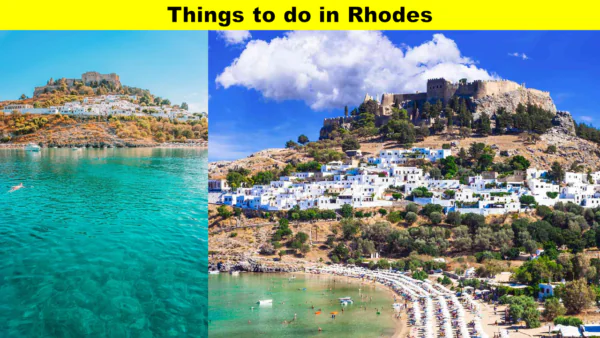
Things to do in Rhodes based on NeemTime research from most popular to just popular.
Lindos Acropolis, Rhodes
Overview: Lindos Acropolis is a dramatic ancient citadel perched high above the whitewashed village of Lindos, offering panoramic views of the Aegean Sea and remarkable classical ruins.
History: The site flourished in antiquity as a major religious and defensive center, dominated by the Temple of Athena Lindia and later fortified by Byzantine and medieval powers.
Since When: Human activity dates back to around the 6th century BC, with major structures developed during the Classical Greek period.
Review: Visitors consistently praise the breathtaking views and historical atmosphere, though the uphill walk and summer heat can be challenging.
When to Go: The best time to visit is early morning or late afternoon from April to October to avoid crowds and intense heat.
How to Go: Lindos Acropolis is reachable by bus or car from Rhodes Town, followed by a walk or donkey ride up the hill.
What to Do: Explore ancient ruins, photograph sweeping coastal views, and wander through the charming village of Lindos below.
Free or Paid: Entry is paid, with a ticket required to access the archaeological site.
Palace of the Grand Master of the Knights of Rhodes, Rhodes
Overview: This imposing medieval palace in Rhodes Old Town showcases Gothic architecture and serves as one of the best-preserved crusader castles in Europe.
History: Built in the 14th century by the Knights Hospitaller, it later served as an Ottoman fortress and was restored during Italian rule.
Since When: The palace has stood on this site since the 14th century, replacing an earlier Byzantine fortress.
Review: Travelers admire its grand halls, mosaics, and fortifications, calling it a highlight of Rhodes’ medieval heritage.
When to Go: Visit year-round, but spring and autumn offer the most comfortable weather and fewer crowds.
How to Go: The palace is easily accessible on foot within Rhodes Old Town near the main entrance.
What to Do: Tour museum galleries, explore courtyards, and learn about the Crusader history of the island.
Free or Paid: Entry is paid, with discounted tickets available for students and children.
Medieval City of Rhodes, Rhodes
Overview: The Medieval City of Rhodes is a UNESCO World Heritage Site featuring fortified walls, cobbled streets, and centuries-old architecture.
History: Developed mainly during the rule of the Knights Hospitaller, it reflects layers of Byzantine, Ottoman, and Italian influence.
Since When: The city has been continuously inhabited since antiquity, with medieval fortifications dating from the 14th century.
Review: Visitors love its immersive atmosphere, historic streets, and abundance of shops, cafes, and landmarks.
When to Go: Late spring and early autumn are ideal for pleasant weather and lively yet manageable crowds.
How to Go: Located in Rhodes Town, it is accessible by foot, taxi, or local bus.
What to Do: Walk along the Street of the Knights, visit museums, shop for souvenirs, and dine in historic courtyards.
Free or Paid: Entry to the city itself is free, though individual attractions inside may charge fees.
Butterflies Valley, Rhodes
Overview: Butterflies Valley is a tranquil nature reserve famous for thousands of colorful butterflies that gather during summer months.
History: The area has long been protected due to its unique ecosystem and rare butterfly species.
Since When: It has been recognized as a protected natural site since the early 20th century.
Review: Visitors describe it as peaceful and scenic, especially magical when butterflies cover trees and rocks.
When to Go: The best time is from June to September when butterflies are most abundant.
How to Go: The valley is accessible by car or bus from Rhodes Town, followed by walking trails.
What to Do: Walk shaded paths, observe butterflies quietly, and enjoy the natural surroundings.
Free or Paid: Entry is paid, with a small conservation fee required.
Kallithea Springs, Rhodes
Overview: Kallithea Springs is a beautifully restored seaside complex known for its Art Deco architecture and crystal-clear waters.
History: Originally developed in the 1920s during Italian rule as a thermal spa and leisure retreat.
Since When: The springs officially opened in 1929 and were later restored in the early 21st century.
Review: Tourists highlight its elegant design, swimming spots, and relaxing atmosphere as standout features.
When to Go: Visit from May to October for swimming and warm weather enjoyment.
How to Go: Easily reached by car, taxi, or bus from Rhodes Town along the east coast.
What to Do: Swim, snorkel, explore architectural details, and relax by the sea.
Free or Paid: Entry is paid, with additional costs for sunbeds and facilities.
Mandraki Marina & Port, Rhodes
Overview: Mandraki Marina & Port is the historic and picturesque harbor of Rhodes, famous for its windmills, deer statues, and role as the legendary site of the Colossus of Rhodes.
History: The port served as Rhodes’ main naval harbor since ancient Greek times and later flourished under the Knights of St. John as a strategic maritime hub.
Since When: Mandraki has been actively used as a port since at least the 4th century BCE, continuing its maritime importance to this day.
Review: Visitors praise Mandraki for its scenic walks, sunset views, and blend of ancient history with modern yachts and cafes.
When to Go: The best time to visit is late afternoon to evening, especially from May to October when the weather is pleasant and sunsets are spectacular.
How to Go: Mandraki Port is easily reachable on foot from Rhodes Old Town or by local bus and taxi from anywhere on the island.
What to Do: Walk along the pier, photograph the iconic deer statues, admire luxury yachts, and enjoy nearby cafés and seaside restaurants.
Free or Paid: Entry to the port area is completely free, with optional paid activities such as boat tours and dining.
Seven Springs (Epta Piges), Rhodes
Overview: Seven Springs is a lush natural oasis where freshwater springs flow through a forested valley into a scenic lake.
History: The area has long been valued as a natural water source for local villages and irrigation systems over centuries.
Since When: Seven Springs has been naturally flowing for thousands of years, becoming a recognized visitor site in the 20th century.
Review: Travelers love the cool shaded paths, tunnel walk, and refreshing escape from Rhodes’ summer heat.
When to Go: The best time to visit is spring or early summer when water flow is strong and greenery is at its peak.
How to Go: Seven Springs can be reached by car or organized tour, located about 30 km south of Rhodes Town.
What to Do: Walk through the narrow tunnel, hike forest trails, relax by the lake, and spot peacocks roaming freely.
Free or Paid: Entry is free, though nearby cafés and refreshments are paid.
Elli Beach, Rhodes
Overview: Elli Beach is a popular urban beach known for its golden sand, clear waters, and lively atmosphere near Rhodes Town.
History: The beach developed alongside modern Rhodes during the Italian period and became a key leisure spot in the 20th century.
Since When: Elli Beach has been a designated public beach since the early 1900s.
Review: Visitors appreciate its clean waters, beach bars, and proximity to hotels and nightlife.
When to Go: June to September is ideal for swimming and sunbathing, with mornings being calmer and less crowded.
How to Go: Elli Beach is within walking distance from Rhodes Town center and easily accessible by bus or taxi.
What to Do: Swim, sunbathe, try water sports, or enjoy cocktails at beachfront bars.
Free or Paid: Beach access is free, while sunbeds, umbrellas, and water sports require payment.
Village of Lindos, Rhodes
Overview: Lindos is a charming whitewashed village crowned by an ancient acropolis overlooking turquoise bays.
History: Founded around the 10th century BCE, Lindos was a major ancient city-state and later flourished under Byzantine and medieval rule.
Since When: Lindos has been continuously inhabited for over 3,000 years.
Review: Tourists adore its postcard-perfect streets, historical depth, and breathtaking viewpoints.
When to Go: Visit early morning or late afternoon from April to October to avoid crowds and intense heat.
How to Go: Lindos is accessible by car, bus, or organized tour, about 50 km south of Rhodes Town.
What to Do: Explore the Acropolis, stroll cobbled alleys, shop for local crafts, and swim at St. Paul’s Bay.
Free or Paid: The village is free to explore, but entry to the Acropolis requires a paid ticket.
Tsambika Beach, Rhodes
Overview: Tsambika Beach is a stunning sandy beach backed by hills, famous for its crystal-clear waters and natural beauty.
History: The beach takes its name from the nearby Tsambika Monastery, an important religious site for locals.
Since When: Tsambika Beach has long existed naturally and became a popular tourist destination in the late 20th century.
Review: Visitors highlight its clean sand, shallow waters, and relaxed, unspoiled atmosphere.
When to Go: The best time is June to September, with early mornings offering quieter conditions.
How to Go: Tsambika Beach is best reached by car or taxi, located between Rhodes Town and Lindos.
What to Do: Swim, sunbathe, snorkel, or relax at beach tavernas offering local food and drinks.
Free or Paid: Beach access is free, while sunbeds, umbrellas, and refreshments are paid.
Lindos Beach, Rhodes
Overview: Lindos Beach is a sheltered, crystal-clear sandy bay beneath the whitewashed village of Lindos, ideal for swimming, families, and relaxed seaside views.
History: The beach has served for centuries as a natural harbor for Lindos, supporting ancient trade and daily life below the acropolis.
Since When: Lindos Beach has been used since antiquity, gaining modern tourist popularity from the mid-20th century.
Review: Visitors consistently praise its calm waters, scenic backdrop, and convenient tavernas, though it can feel crowded in peak summer.
When to Go: The best time to visit is May–June or September–October for warm seas and fewer crowds.
How to Go: You can reach Lindos Beach by bus or car from Rhodes Town, followed by a short walk downhill.
What to Do: Swim, snorkel, sunbathe, enjoy boat rentals, or dine at beachfront restaurants with Acropolis views.
Free or Paid: Access is free, but sunbeds, umbrellas, and water sports are paid.
Acropolis of Lindos, Rhodes
Overview: The Acropolis of Lindos is a dramatic ancient citadel perched above the sea, offering sweeping views and monumental ruins.
History: Originally fortified in the 4th century BC, it was later enhanced by Byzantine and Knights Hospitaller constructions.
Since When: The site has been active since ancient Greek times, with continuous historical significance for over 2,300 years.
Review: Travelers admire the views and historical depth, though the steep climb and crowds require some patience.
When to Go: Early morning or late afternoon visits are ideal to avoid heat and heavy tourist traffic.
How to Go: Reach Lindos village by bus or car, then walk uphill or ride a donkey taxi to the entrance.
What to Do: Explore temple ruins, defensive walls, take panoramic photos, and learn about ancient Greek history.
Free or Paid: Entry is paid, with reduced fees for students and seniors.
Castle of Monolithos, Rhodes
Overview: Castle of Monolithos is a rugged medieval fortress dramatically set atop a rocky outcrop overlooking the Aegean Sea.
History: Built by the Knights of St. John in the 15th century, it served as a strategic defensive lookout.
Since When: The castle has stood since around 1476, remaining largely untouched by later development.
Review: Visitors love its wild scenery and quiet atmosphere, though ruins are limited and access is steep.
When to Go: Visit in spring or autumn afternoons for cooler temperatures and golden light views.
How to Go: Drive from Rhodes Town toward Monolithos village, then hike a short but steep path to the castle.
What to Do: Hike, photograph dramatic landscapes, and enjoy uninterrupted sea views.
Free or Paid: Entry is free.
Acropolis of Rhodes, Rhodes
Overview: The Acropolis of Rhodes is an open archaeological site featuring ancient temples, a stadium, and panoramic city views.
History: Dating back to the Hellenistic period, it functioned as a religious and cultural center of ancient Rhodes.
Since When: The acropolis has existed since at least the 3rd century BC.
Review: Visitors appreciate the spacious layout and historical atmosphere, though signage is limited.
When to Go: Morning or late afternoon is best for pleasant weather and photography.
How to Go: Located near Rhodes Town, it is accessible by car, taxi, or local bus.
What to Do: Walk among ruins, visit the Temple of Apollo, and enjoy city and sea viewpoints.
Free or Paid: Entry is free.
Rhodes, Rhodes
Overview: Rhodes is a historic Greek island blending medieval architecture, beaches, and vibrant modern tourism.
History: Influenced by ancient Greeks, Romans, Byzantines, Ottomans, and Crusader knights, Rhodes has a rich layered past.
Since When: The island has been continuously inhabited for over 4,000 years.
Review: Travelers praise its diversity of attractions, welcoming atmosphere, and well-preserved Old Town.
When to Go: April–June and September–October offer the best balance of weather and fewer crowds.
How to Go: Rhodes is reachable by international flights or ferries from mainland Greece and nearby islands.
What to Do: Explore Old Town, relax on beaches, visit archaeological sites, and enjoy local cuisine.
Free or Paid: The island itself is free to explore, while specific attractions may require paid entry.
Anthony Quinn Bay, Rhodes
Overview: Anthony Quinn Bay is a scenic cove known for its crystal-clear waters, dramatic cliffs, and tranquil atmosphere ideal for swimming and snorkeling.
History: The bay is named after Hollywood actor Anthony Quinn, who fell in love with the area while filming “The Guns of Navarone” in the 1960s.
Since When: It has been a popular tourist attraction since the 1960s.
Review: Visitors frequently praise the bay for its natural beauty, serene waters, and perfect snorkeling conditions.
When to Go: The best time to visit is during late spring to early autumn when the weather is warm and water conditions are ideal.
How to Go: You can reach Anthony Quinn Bay by car or bus from Rhodes Town, followed by a short walk down to the cove.
What to Do: Activities include swimming, snorkeling, sunbathing, photography, and exploring the surrounding rocky cliffs.
Free or Paid: Free to access.
WaterPark, Rhodes
Overview: Rhodes WaterPark is a large aquatic amusement park featuring slides, pools, and family-friendly attractions for all ages.
History: The park was established to provide entertainment and water-based fun for locals and tourists.
Since When: It has been operating since 2004.
Review: Visitors highlight it as a great spot for families, with well-maintained slides and diverse attractions.
When to Go: Best to visit during the summer months for warm weather and full water activities.
How to Go: Accessible by car, taxi, or bus from major towns on the island.
What to Do: Enjoy water slides, wave pools, lazy rivers, sunbathing, and snack bars.
Free or Paid: Paid entry.
Agia Agathi Beach (Golden Sand), Rhodes
Overview: Agia Agathi Beach is a picturesque sandy beach with golden sands and turquoise waters, ideal for swimming and relaxing.
History: The beach has long been a favorite among locals and tourists due to its natural beauty and calm waters.
Since When: Popular since the late 20th century.
Review: Visitors often praise its cleanliness, clear waters, and stunning surroundings.
When to Go: The best time is from May to September for warm weather and pleasant sea conditions.
How to Go: Reachable by car or bus from Lindos or Rhodes Town, with parking nearby.
What to Do: Swimming, sunbathing, beach sports, snorkeling, and enjoying nearby tavernas.
Free or Paid: Free to access, with optional paid sunbeds.
Archaeological Museum of Rhodes, Rhodes
Overview: The Archaeological Museum of Rhodes houses artifacts from ancient Rhodes, including sculptures, pottery, and inscriptions from the Classical, Hellenistic, and Roman periods.
History: The museum is located in a medieval building that was originally the Hospital of the Knights of Saint John.
Since When: Opened as a museum in 1948.
Review: Visitors admire its rich collection and historical architecture, making it a cultural highlight on the island.
When to Go: Open year-round, best visited in the morning to avoid crowds.
How to Go: Accessible on foot from Rhodes Old Town or by taxi/bus.
What to Do: Explore exhibits, learn about the island’s ancient history, and photograph the medieval building.
Free or Paid: Paid entry.
Sea Gate, Rhodes
Overview: Sea Gate is the main historical entrance to Rhodes Old Town, featuring medieval architecture and fortifications by the Knights of Saint John.
History: Constructed in the 15th century as part of the city’s defensive walls during the Knights’ era.
Since When: Has stood since the 15th century, preserving the medieval gateway appearance.
Review: Tourists praise it as an iconic historical landmark and great photo opportunity.
When to Go: Open year-round, with morning or late afternoon being ideal for photography.
How to Go: Easily reached on foot from Rhodes Town or via taxi.
What to Do: Walk through the gate, explore the surrounding Old Town, and appreciate the medieval fortifications.
Free or Paid: Free to access.
Medieval City, Rhodes
Overview: The Medieval City of Rhodes is a UNESCO World Heritage Site featuring cobblestone streets, medieval walls, and historic architecture reflecting centuries of Knights of Saint John influence.
History: Built and fortified by the Knights of Saint John during the 14th and 15th centuries, it served as a strategic military and administrative center.
Since When: Established in the early 14th century and preserved through modern times.
Review: Visitors admire its historic charm, well-preserved streets, and atmospheric medieval architecture.
When to Go: Best visited in spring and autumn to avoid the summer crowds and enjoy pleasant weather.
How to Go: Accessible on foot from Rhodes Town or via taxi from nearby areas.
What to Do: Explore the streets, visit museums, shop for souvenirs, dine in traditional tavernas, and photograph the historic architecture.
Free or Paid: Free to enter, with some museums inside requiring paid tickets.
Socratous Garden, Rhodes
Overview: Socratous Garden is a peaceful urban green space in Rhodes Town, offering shaded areas, benches, and a quiet escape from the bustling city.
History: Created as a public garden to provide leisure space for locals and visitors amidst the historic city.
Since When: Opened in the 20th century.
Review: Visitors enjoy it for its tranquility, greenery, and central location in the old town.
When to Go: Best in spring and summer for pleasant weather and blooming plants.
How to Go: Easily accessible on foot within Rhodes Old Town.
What to Do: Relax on benches, stroll through shaded pathways, and enjoy quiet reading or picnics.
Free or Paid: Free to access.
Hippocrates Square, Rhodes
Overview: Hippocrates Square is a central plaza in Rhodes Town, named after the father of medicine, surrounded by historic buildings and cafés.
History: The square has historically served as a public gathering spot and marketplace for locals.
Since When: Dates back to medieval times, with modern updates over the centuries.
Review: Visitors appreciate its lively atmosphere, outdoor cafés, and historical significance.
When to Go: Anytime during the day, with evening visits ideal for dining and socializing.
How to Go: Located within walking distance in Rhodes Old Town.
What to Do: Sit at cafés, people-watch, photograph surrounding architecture, and enjoy street performances.
Free or Paid: Free to access.
Kritinia Castle, Rhodes
Overview: Kritinia Castle is a hilltop fortress offering panoramic views of the surrounding coastline and countryside of Rhodes.
History: Built by the Knights of Saint John in the 15th century as a defensive stronghold against pirate attacks.
Since When: Constructed around 1472.
Review: Visitors praise the castle for its breathtaking views, historical architecture, and relatively peaceful atmosphere.
When to Go: Best visited in spring or early autumn for comfortable weather and clear views.
How to Go: Reachable by car or taxi from Rhodes Town, followed by a short hike to the fortress.
What to Do: Explore the ruins, take photographs, hike around the hill, and enjoy the scenic vistas.
Free or Paid: Free to access.
Colossus of Rhodes, Rhodes
Overview: The Colossus of Rhodes was an ancient statue of the sun god Helios, considered one of the Seven Wonders of the Ancient World.
History: Constructed by Chares of Lindos after Rhodes’ victory over Cyprus to celebrate the city’s strength and unity.
Since When: Built around 292–280 BC and destroyed by an earthquake in 226 BC.
Review: Modern visitors admire it through historical accounts and artistic reconstructions, appreciating its legendary scale and historical importance.
When to Go: Any time, as it is viewed through museum exhibits and site markers rather than the original structure.
How to Go: Accessible by visiting archaeological sites and museums in Rhodes Town that feature exhibits about the Colossus.
What to Do: Learn about ancient history, view models and illustrations, and photograph the surrounding area.
Free or Paid: Free to view from the surrounding areas, with museums charging admission.
Mitsis Selection Alila, Rhodes
Overview: Mitsis Selection Alila is a luxury beachfront resort in Rhodes offering modern accommodations, private beach access, and extensive leisure facilities.
History: Established to cater to upscale tourism on the island, blending contemporary design with Mediterranean charm.
Since When: Opened in the 21st century, with recent renovations enhancing amenities.
Review: Guests praise its attentive service, spacious rooms, pools, and proximity to the beach.
When to Go: Ideal from late spring to early autumn for warm weather and sea activities.
How to Go: Accessible via taxi or shuttle from Rhodes Town or Diagoras International Airport.
What to Do: Relax on the beach, swim in pools, enjoy spa treatments, dine at on-site restaurants, and participate in water sports.
Free or Paid: Paid, with accommodation and resort facilities included in booking.
Aquarium of Rhodes – Hydrobiological Station HCMR, Rhodes
Overview: The Aquarium of Rhodes displays marine species of the Aegean Sea and provides educational insight into local marine biodiversity.
History: Established as part of the Hydrobiological Station to promote marine research and public education.
Since When: Opened in 1937.
Review: Visitors appreciate the informative exhibits and the opportunity to see native marine life up close.
When to Go: Best visited in the morning for quieter exploration and educational programs.
How to Go: Located near Rhodes Town, reachable by taxi or local bus.
What to Do: Observe marine species, attend educational talks, and photograph aquarium displays.
Free or Paid: Paid, with a small admission fee.
Archaeological Site of Kamiros, Rhodes
Overview: Kamiros is an ancient city ruins site featuring classical Greek urban planning, temples, and houses.
History: Founded in the 7th century BC, it was one of the three important ancient cities on Rhodes.
Since When: Excavations began in the early 20th century, revealing the city layout and artifacts.
Review: Visitors admire the historical significance, scenic views, and well-preserved ruins.
When to Go: Spring and autumn offer the best weather for walking and exploring.
How to Go: Reachable by car or bus from Rhodes Town, with parking nearby.
What to Do: Explore ancient streets, study architectural remains, and photograph panoramic views.
Free or Paid: Paid, with a modest entrance fee.
Holy Monastery of the Virgin Mary Tsambika (Kyra Psili), Rhodes
Overview: The Monastery of Tsambika is a hilltop religious site dedicated to the Virgin Mary, renowned for its panoramic views and pilgrimage significance.
History: Built to honor the Virgin Mary, it became a center for local religious devotion and tourism.
Since When: Established in the 15th century, with subsequent renovations over time.
Review: Visitors praise the peaceful atmosphere, scenic vistas, and spiritual experience.
When to Go: Best in spring and early autumn to avoid summer heat during the climb.
How to Go: Accessible by car or taxi, followed by a climb of approximately 300 steps.
What to Do: Attend religious services, explore the monastery, enjoy views, and photograph the landscape.
Free or Paid: Free to enter, with optional donations.
Agios Pavlos Beach, Rhodes
Overview: Agios Pavlos Beach is a secluded sandy beach in Rhodes known for crystal-clear waters, calm waves, and natural beauty.
History: Historically a fishing and local leisure spot, now popular with tourists seeking a quieter beach experience.
Since When: Gained recognition as a tourist destination in the late 20th century.
Review: Visitors enjoy the tranquil environment, pristine waters, and relaxed ambiance.
When to Go: Best from May to September for swimming and sunbathing.
How to Go: Accessible by car or taxi from Lindos or nearby villages, with limited parking.
What to Do: Swim, sunbathe, snorkel, relax on the sand, and enjoy the natural surroundings.
Free or Paid: Free access, with optional beach amenities for a small fee.