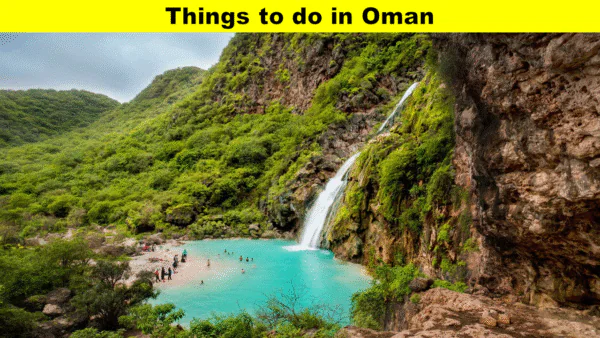
Things to do in Oman based on NeemTime research from most popular to just popular.
Mutrah Souq, Oman
Overview: Mutrah Souq is one of Oman’s oldest traditional markets, offering a labyrinth of narrow alleys filled with spices, textiles, antiques, jewelry, and souvenirs that reflect Omani culture.
History: The souq has served as a central trading hub for centuries, connecting merchants from coastal Oman with inland traders and travelers.
Since When: Operational since at least the 19th century, it has been a cornerstone of Muscat’s commercial and cultural life.
Review: Visitors admire its vibrant atmosphere, the friendliness of shopkeepers, and the opportunity to experience authentic Omani culture, though it can get crowded.
When to Go: Best visited in the mornings or late afternoons to avoid midday heat and enjoy a more relaxed shopping experience.
How to Go: Located in Mutrah, Muscat, it is accessible by taxi, private car, or guided city tours.
What to Do: Shop for souvenirs, spices, and traditional Omani clothing, take photos of the historic architecture, and explore the nearby corniche.
Free or Paid: Free entry, costs only apply to purchases.
Sultan Qaboos Grand Mosque, Oman
Overview: The Sultan Qaboos Grand Mosque is a stunning architectural marvel in Muscat, known for its intricate Islamic design, massive prayer hall, and one of the world’s largest hand-woven carpets.
History: Commissioned by Sultan Qaboos bin Said to symbolize Omani heritage and Islamic devotion, the mosque reflects a blend of traditional and modern architectural styles.
Since When: Completed in 2001, it has become a central place of worship and a major tourist attraction.
Review: Visitors are awed by the mosque’s grandeur, exquisite artistry, and peaceful ambiance, with photography allowed in designated areas.
When to Go: Best visited in the early morning or late afternoon for cooler temperatures and a less crowded experience.
How to Go: Located in Muscat, easily reachable by taxi, private car, or guided city tours.
What to Do: Admire the architecture, explore the prayer hall and gardens, and learn about Islamic art and culture.
Free or Paid: Free entry.
Qurum Natural Park, Oman
Overview: Qurum Natural Park is a sprawling green oasis in Muscat featuring walking paths, lakes, playgrounds, and landscaped gardens, ideal for relaxation and family outings.
History: Developed by the Omani government as part of urban planning efforts to provide residents with recreational and green spaces.
Since When: Opened in the late 20th century and continuously maintained as a key recreational area in Muscat.
Review: Visitors appreciate its peaceful environment, well-kept lawns, and scenic walking trails, though weekends can be busy.
When to Go: Early mornings or evenings are ideal for walking, jogging, or picnicking.
How to Go: Accessible by taxi, private car, or local buses, located in the Qurum area of Muscat.
What to Do: Stroll along the pathways, enjoy picnics, visit the playgrounds, and take photos of the lakes and gardens.
Free or Paid: Free entry.
Nizwa Fort, Oman
Overview: Nizwa Fort is a historic fortress in the city of Nizwa, famous for its massive circular tower, strategic defensive architecture, and panoramic views of the surrounding mountains and town.
History: Built during the reign of Imam Sultan Bin Saif Al Ya’rubi in the 17th century as a military stronghold and administrative center.
Since When: Constructed in the 1650s, it remains one of Oman’s most iconic historical sites.
Review: Visitors admire its robust architecture, interactive exhibits, and rooftop views, offering both educational and scenic experiences.
When to Go: Mornings or late afternoons are ideal to avoid midday heat and enjoy better lighting for photography.
How to Go: Reachable by car or guided tours from Muscat or other major cities in Oman.
What to Do: Explore the fort’s towers and courtyards, visit the museum, and enjoy views of Nizwa and the surrounding landscape.
Free or Paid: Paid entry.
Al Sahwa Public Park, Oman
Overview: Al Sahwa Public Park is a serene urban park in Oman featuring landscaped gardens, walking paths, playgrounds, and shaded seating areas for relaxation and leisure activities.
History: Established by local authorities to provide recreational space for families and community events.
Since When: Developed in the early 21st century as part of Oman’s efforts to enhance public green spaces.
Review: Visitors enjoy the clean environment, family-friendly amenities, and tranquil atmosphere, though it can get crowded during weekends.
When to Go: Best visited in the morning or late afternoon for cooler temperatures and peaceful surroundings.
How to Go: Accessible by private car, taxi, or public transport within the local area.
What to Do: Walk along pathways, enjoy picnics, use playgrounds, and relax amidst landscaped gardens.
Free or Paid: Free entry.
Nizwa Central Souq, Oman
Overview: Nizwa Central Souq is a bustling traditional market known for its vibrant displays of Omani handicrafts, silver jewelry, spices, pottery, and local produce.
History: The souq has been a focal point of commerce and culture in Nizwa for centuries, serving as a hub for local traders and visiting merchants.
Since When: Operational since at least the early 20th century, it continues to preserve Omani trading traditions.
Review: Visitors praise its authentic atmosphere, friendly vendors, and the opportunity to experience Omani culture firsthand, though it can be crowded on weekends.
When to Go: Early mornings or weekdays are ideal to avoid the heat and heavy crowds.
How to Go: Located in central Nizwa, accessible by car, taxi, or guided tours from Muscat and surrounding cities.
What to Do: Shop for souvenirs, explore traditional Omani crafts, enjoy local foods, and photograph the historic architecture.
Free or Paid: Free entry; purchases are paid.
Bimmah Sinkhole, Oman
Overview: Bimmah Sinkhole is a natural limestone depression filled with clear turquoise water, ideal for swimming and nature photography.
History: Formed by the collapse of limestone due to geological processes, it is a unique natural landmark along Oman’s coast.
Since When: Known to locals for centuries, it has become a popular tourist attraction in recent decades.
Review: Visitors admire its striking beauty and refreshing swimming experience, though it can get crowded during weekends.
When to Go: Early morning or weekdays are best for a peaceful visit and swimming.
How to Go: Located in Hawiyat Najm Park near the coast, reachable by car or taxi from Muscat or Sur.
What to Do: Swim in the clear waters, relax by the edge, take photographs, and enjoy a picnic.
Free or Paid: Free entry.
Al Alam Palace, Oman
Overview: Al Alam Palace is the ceremonial palace of Sultan Haitham bin Tariq, featuring a stunning blue and gold facade and grand architectural design.
History: Originally built in the 1970s, it has served as the official ceremonial palace for Omani sultans.
Since When: Opened in 1972 as a symbol of modern Omani monarchy and governance.
Review: Visitors admire its vibrant exterior, well-maintained surroundings, and historical significance, though entry inside is restricted.
When to Go: Visit during daytime for the best views and to explore the exterior gardens.
How to Go: Located in Old Muscat, accessible by taxi, private car, or guided city tours.
What to Do: Photograph the palace exterior, stroll the gardens, and learn about Omani history.
Free or Paid: Free to view from outside; interior access is restricted.
Al Mouj Marina مارينا الموج مسقط, Oman
Overview: Al Mouj Marina is a modern waterfront complex offering luxury yachts, dining, shopping, and leisure activities along Muscat’s coastline.
History: Developed as part of Muscat’s urban development plan to provide recreational and commercial waterfront space.
Since When: Opened in the 2010s as a premier marina destination in Oman.
Review: Visitors enjoy the scenic views, upscale restaurants, and lively ambiance, though it can be busy during holidays.
When to Go: Evenings are ideal for dining, sunset views, and a stroll along the marina.
How to Go: Accessible via taxi, private car, or nearby public transport in Muscat.
What to Do: Dine at waterfront restaurants, enjoy yacht tours, take photos, and relax by the marina.
Free or Paid: Free to enter; costs apply for dining and activities.
Mutrah Corniche, Oman
Overview: Mutrah Corniche is a picturesque waterfront promenade in Muscat offering stunning sea views, walking paths, and access to cafes and the Mutrah Souq.
History: Developed alongside the growth of Muscat’s port to serve as a recreational and commercial waterfront area.
Since When: Established in the mid-20th century and continuously enhanced as a public promenade.
Review: Visitors enjoy the scenic strolls, fresh sea breeze, and vibrant atmosphere, especially during sunset.
When to Go: Late afternoons and evenings are best for sunset views and lively atmosphere.
How to Go: Easily reachable by taxi, private car, or guided city tours in Muscat.
What to Do: Walk along the promenade, enjoy seaside dining, shop at nearby Mutrah Souq, and take photographs.
Free or Paid: Free entry; costs only for dining and shopping.
National Museum of Oman, Oman
Overview: The National Museum of Oman is a modern cultural institution showcasing Oman’s rich heritage, including artifacts, art, and historical exhibits.
History: Established to preserve and display the nation’s cultural, historical, and artistic legacy, the museum represents Oman’s commitment to heritage conservation.
Since When: Opened in 2016 as the country’s premier museum.
Review: Visitors praise its state-of-the-art design, comprehensive exhibits, and informative displays that offer a deep insight into Omani culture.
When to Go: Best visited during weekdays to avoid large crowds and enjoy a quiet exploration.
How to Go: Located in Muscat, accessible by taxi, private car, or guided tours.
What to Do: Explore the exhibitions, view traditional artifacts, learn about Omani history, and attend special events or workshops.
Free or Paid: Paid entry.
Oman Aquarium, Oman
Overview: Oman Aquarium is a marine facility exhibiting native and exotic aquatic species from Omani waters and around the world.
History: Created to educate the public about marine life and promote conservation efforts.
Since When: Opened in the early 2000s and has since expanded its collection.
Review: Visitors enjoy seeing diverse fish, interactive displays, and the educational marine programs offered.
When to Go: Weekdays are ideal for a quieter visit and educational tours.
How to Go: Located in Muscat, accessible by car or taxi.
What to Do: Observe marine species, learn about ocean ecosystems, participate in interactive activities, and take photographs.
Free or Paid: Paid entry.
Mutrah Fort, Oman
Overview: Mutrah Fort is a historic fort in Muscat that offers panoramic views of the city, port, and Mutrah Corniche.
History: Built in the 16th century and restored over time, the fort was part of Oman’s coastal defense system.
Since When: Originally constructed in the 16th century and maintained for historical preservation.
Review: Visitors appreciate its strategic location, historic architecture, and the scenic vistas of the harbor.
When to Go: Late afternoon or early evening is ideal for sightseeing and sunset photography.
How to Go: Accessible by car or taxi from central Muscat.
What to Do: Explore the fort grounds, take panoramic photos, and learn about Omani military history.
Free or Paid: Free entry.
Bahla Fort, Oman
Overview: Bahla Fort is a UNESCO World Heritage site and an impressive example of traditional Omani architecture made from mud-brick construction.
History: Built between the 12th and 15th centuries, it served as a stronghold for the Banu Nebhan tribe.
Since When: Construction dates back to the 13th century, with ongoing preservation efforts.
Review: Visitors admire its massive walls, historical significance, and cultural heritage value.
When to Go: Early mornings or late afternoons for cooler temperatures and better lighting for photos.
How to Go: Located in Bahla, accessible by car or guided tour from Nizwa or Muscat.
What to Do: Explore the fort, photograph the historic structures, and learn about Omani history and architecture.
Free or Paid: Paid entry.
Al Hoota Cave, Oman
Overview: Al Hoota Cave is a natural underground limestone cave system featuring stalactites, stalagmites, and an underground lake.
History: Discovered in the late 20th century, it has been developed for tourism with walkways and guided tours.
Since When: Opened to the public in 2006 as a major geotourism site.
Review: Visitors enjoy the guided tour, unique geological formations, and the informative displays about the cave ecosystem.
When to Go: Weekdays are ideal for a quieter experience and guided tour availability.
How to Go: Located near Nizwa, accessible by car or organized tour from Muscat.
What to Do: Take the guided tour, admire the cave formations, photograph the underground scenery, and visit the museum.
Free or Paid: Paid entry.
Hay Al-Ward Park, Oman
Overview: Hay Al-Ward Park is a well-maintained urban park in Muscat offering green spaces, walking paths, and recreational facilities for families.
History: Developed by local authorities to provide a community space for relaxation, outdoor activities, and social gatherings.
Since When: Opened in the early 2000s as part of Muscat’s urban development projects.
Review: Visitors enjoy its peaceful environment, playgrounds, and landscaped gardens.
When to Go: Early mornings or late afternoons are ideal to enjoy cooler temperatures and fewer crowds.
How to Go: Accessible by car or taxi from central Muscat.
What to Do: Walk or jog along the trails, enjoy picnics, relax on benches, and use playgrounds.
Free or Paid: Free entry.
Wadi Dayqah Dam, Oman
Overview: Wadi Dayqah Dam is a large earth-fill dam surrounded by scenic mountains and a reservoir ideal for sightseeing and outdoor activities.
History: Constructed to provide water for irrigation, drinking, and hydroelectric purposes in the region.
Since When: Completed in 2009 as one of Oman’s major modern water projects.
Review: Visitors appreciate the panoramic views, tranquil waters, and opportunities for photography.
When to Go: Weekdays and mornings are best to avoid crowds and enjoy cooler weather.
How to Go: Accessible by car from Muscat, about 45 minutes’ drive to the site.
What to Do: Sightsee, take photographs, picnic by the water, and enjoy the surrounding landscape.
Free or Paid: Free entry.
Falaj Daris Park, Oman
Overview: Falaj Daris Park is a community park in Nizwa featuring traditional irrigation systems, gardens, and leisure areas.
History: Developed to preserve the heritage of Omani falaj irrigation systems while providing recreational space for locals.
Since When: Opened in the 2010s as part of heritage preservation and public park initiatives.
Review: Visitors enjoy its cultural significance, lush landscaping, and tranquil environment.
When to Go: Early mornings or late afternoons are ideal for cooler temperatures and peaceful visits.
How to Go: Accessible by car from Nizwa city center.
What to Do: Explore the falaj systems, walk through gardens, relax, and enjoy family-friendly facilities.
Free or Paid: Free entry.
Ghubrah Lake Park, Oman
Overview: Ghubrah Lake Park is a scenic park in Muscat featuring a central lake, walking trails, and recreational spaces for families and visitors.
History: Developed to enhance urban green spaces and provide a community hub for outdoor activities.
Since When: Opened in the early 2000s as part of Muscat’s urban planning projects.
Review: Visitors praise the relaxing atmosphere, jogging paths, and scenic lake views.
When to Go: Early mornings or evenings are best to enjoy cooler weather and avoid crowds.
How to Go: Accessible by car or taxi from Muscat city center.
What to Do: Walk, jog, picnic, feed the ducks, and enjoy lake-side leisure.
Free or Paid: Free entry.
Ras Al Jinz Turtle Reserve, Oman
Overview: Ras Al Jinz Turtle Reserve is a protected coastal area dedicated to the conservation of endangered green sea turtles and their nesting sites.
History: Established by the Ministry of Environment and Climate Affairs to protect nesting habitats and promote eco-tourism.
Since When: Opened in 1996 as Oman’s first turtle conservation reserve.
Review: Visitors highly appreciate the guided night tours to observe nesting turtles and the educational programs.
When to Go: Nighttime during nesting season (May to September) is best to see turtles laying eggs.
How to Go: Accessible by car or guided tour from Sur or Muscat.
What to Do: Take guided night tours, learn about turtle conservation, photograph the coastline, and visit the visitor center.
Free or Paid: Paid entry.
Royal Opera House, Oman
Overview: The Royal Opera House in Muscat is a premier performing arts venue showcasing international and Omani music, theater, and cultural events.
History: Commissioned by Sultan Qaboos to promote cultural development and arts appreciation in Oman.
Since When: Opened in 2011 as Oman’s first world-class opera house.
Review: Visitors praise its stunning architecture, acoustics, and diverse cultural performances.
When to Go: Attend performances in the evening for a full cultural experience.
How to Go: Accessible by car or taxi from central Muscat.
What to Do: Attend concerts, opera, theater shows, explore the art galleries, and dine at on-site restaurants.
Free or Paid: Paid for performances; building access may have limited free entry.
Nakhal Fort, Oman
Overview: Nakhal Fort is a historic hilltop fortress with commanding views, traditional Omani architecture, and a museum showcasing local history.
History: Built to protect the region from invasions and as a strategic defensive structure.
Since When: Dates back to the pre-Islamic era with extensive renovations during the 17th century.
Review: Visitors admire its well-preserved structure, panoramic views, and historical exhibits.
When to Go: Early mornings or late afternoons to avoid heat and enjoy scenic photography.
How to Go: Reachable by car from Muscat, approximately 1.5 hours’ drive.
What to Do: Explore the fort, take photographs, learn about local history, and enjoy the surrounding oasis.
Free or Paid: Paid entry.
Hawana Aqua Park, Oman
Overview: Hawana Aqua Park is a family-friendly water park featuring slides, pools, and entertainment suitable for all ages.
History: Developed as a leisure destination to attract families and tourists to the Hawana Resort area.
Since When: Opened in the 2010s as part of Oman’s growing recreational infrastructure.
Review: Visitors enjoy the variety of water attractions, cleanliness, and family-friendly environment.
When to Go: Weekdays or early mornings to avoid large crowds.
How to Go: Accessible by car from Muscat or nearby resorts.
What to Do: Swim, slide, relax by pools, and participate in water-based activities.
Free or Paid: Paid entry.
FunZone, Oman
Overview: FunZone is an indoor amusement center offering arcade games, rides, and family entertainment.
History: Established to provide an indoor recreational space for children and families in Oman.
Since When: Opened in the 2010s to cater to local and tourist family leisure needs.
Review: Visitors appreciate the variety of games, safe environment, and fun activities for children.
When to Go: Afternoons or weekends for a lively atmosphere.
How to Go: Accessible by car or taxi from Muscat city center.
What to Do: Play arcade games, enjoy rides, and participate in interactive entertainment.
Free or Paid: Paid entry for games and rides.
Jabreen Castle, Oman
Overview: Jabreen Castle is a beautifully restored historical fortress known for its intricate Islamic architecture and cultural exhibits.
History: Built as a defensive and residential fortress by Imam Bil’arab bin Sultan in the 17th century.
Since When: Constructed in 1675 and restored in the 20th century for tourism.
Review: Visitors praise its architecture, painted ceilings, historical significance, and informative guided tours.
When to Go: Morning to early afternoon for cooler temperatures and good lighting for photography.
How to Go: Accessible by car from Nizwa, approximately 40 minutes’ drive.
What to Do: Tour the castle, view historical artifacts, photograph the architecture, and learn about Omani heritage.
Free or Paid: Paid entry.
Wadi Shab, Oman
Overview: Wadi Shab is a scenic canyon featuring turquoise pools, waterfalls, and hidden caves, making it a popular natural adventure destination.
History: Traditionally used by local communities for agriculture and freshwater, later gaining popularity as a tourist spot.
Since When: Has been a known local attraction for centuries, gaining international attention in the 2000s.
Review: Visitors praise its breathtaking scenery, hiking trails, and rewarding swimming spots.
When to Go: Early mornings or weekdays to avoid crowds and enjoy cooler temperatures.
How to Go: Accessible by car from Muscat, followed by a short hike and boat crossing.
What to Do: Hike, swim in natural pools, explore caves, and enjoy picnics by the water.
Free or Paid: Free access; minimal charges for boat crossing may apply.
Ayn Korr, Oman
Overview: Ayn Korr is a picturesque spring surrounded by palm groves, offering a serene natural escape for visitors.
History: Served historically as a freshwater source for nearby villages and agriculture.
Since When: Known locally for centuries, recently promoted as a tourist destination.
Review: Visitors enjoy its peaceful atmosphere, natural pools, and lush scenery.
When to Go: Mornings or late afternoons for optimal light and cooler temperatures.
How to Go: Accessible by car via the main roads from Muscat or nearby towns.
What to Do: Relax, swim in the spring, take photos, and explore the surrounding palm groves.
Free or Paid: Free entry.
Qurum Beach, Oman
Overview: Qurum Beach is a popular urban beach in Muscat, ideal for walking, swimming, and picnicking along the coastline.
History: Historically part of Muscat’s coastal leisure areas, now a well-maintained urban recreational spot.
Since When: Open to the public since the late 20th century as a municipal beach.
Review: Visitors appreciate its clean sand, calm waters, and scenic sunset views.
When to Go: Late afternoons or evenings to enjoy cooler weather and sunsets.
How to Go: Accessible by car or taxi from central Muscat.
What to Do: Swim, sunbathe, walk along the shore, and enjoy seaside cafes.
Free or Paid: Free entry.
Nizwa Fort, Oman
Overview: Nizwa Fort is a historic fortress with imposing towers, intricate architecture, and a museum showcasing Omani heritage.
History: Built by Imam Sultan bin Saif Al Ya’arubi in the 17th century to defend the city and control trade routes.
Since When: Constructed in 1650 and has since been restored for public access.
Review: Visitors admire its strategic design, panoramic views, and cultural exhibitions.
When to Go: Morning or early afternoon to avoid crowds and heat.
How to Go: Reachable by car from Muscat, approximately 1.5–2 hours.
What to Do: Explore the fort, climb the towers, visit the museum, and take photographs.
Free or Paid: Paid entry.
Trampo Extreme Ghala, Oman
Overview: Trampo Extreme Ghala is an indoor trampoline park offering fun, exercise, and recreational activities for all ages.
History: Established as part of Oman’s growing trend of indoor recreational and fitness facilities.
Since When: Opened in the late 2010s to cater to family entertainment and fitness.
Review: Visitors enjoy the safe environment, variety of trampoline activities, and fun for children.
When to Go: Afternoons or weekends for a lively atmosphere and group activities.
How to Go: Accessible by car from Muscat city center.
What to Do: Jump on trampolines, play dodgeball, practice stunts, and participate in fitness sessions.
Free or Paid: Paid entry.