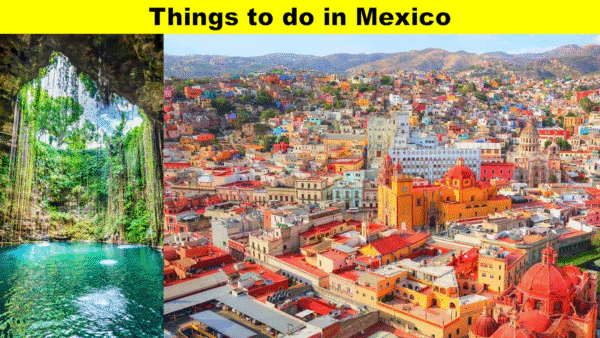
Things to do in Mexico based on NeemTime research from most popular to just popular.
Constitution Plaza, Mexico
Overview: Constitution Plaza, commonly known as El Zócalo, is Mexico City’s immense central square that serves as the political, cultural, and ceremonial heart of the nation.
History: The plaza was built atop the ancient ceremonial center of Tenochtitlán and has evolved through Spanish colonial rule to become Mexico’s primary civic space.
Since when: It has served as Mexico’s main public square since the early 16th century following the Spanish conquest.
Review: Visitors admire its grand scale, historic architecture, and constant cultural activity, though it can be very crowded.
When to go: Best visited in the morning or during major cultural events when the square is most lively yet manageable.
How to go: Easily accessible via Metro Line 2, local buses, or a short walk from the Historic Center.
What to do: Explore the National Palace and Metropolitan Cathedral, watch cultural performances, and enjoy the surrounding historic district.
Free or paid: Free to visit, with optional paid attractions nearby.
Bosque de Chapultepec, Mexico
Overview: Bosque de Chapultepec is one of the largest urban parks in the Western Hemisphere, offering museums, lakes, gardens, and historic monuments.
History: Originating as a sacred area for Aztec rulers, it was transformed into a public park during the 19th century and expanded over time.
Since when: Officially opened to the public in 1530 and later developed into its modern form throughout the 1800s and 1900s.
Review: Visitors praise the park’s vast greenery, world-class museums, and peaceful escape from the city’s bustle.
When to go: Best visited on weekdays to avoid weekend crowds and enjoy cooler morning temperatures.
How to go: Reachable via Metro Line 1 (Chapultepec Station) or by taxi and bus routes from central Mexico City.
What to do: Visit Chapultepec Castle, explore lakes and museums, enjoy nature walks, and relax in picnic areas.
Free or paid: Entrance to the park is free, while specific attractions such as museums and the castle require paid tickets.
Palacio de Bellas Artes, Mexico
Overview: Palacio de Bellas Artes is a stunning cultural palace known for its Art Nouveau and Art Deco architecture, murals, and world-class performances.
History: Construction began in 1904 but faced delays due to revolution and architectural challenges, eventually completing in the 1930s.
Since when: Officially inaugurated in 1934 as Mexico’s premier cultural venue.
Review: Visitors admire its breathtaking interior, impressive murals, and diverse artistic performances ranging from ballet to opera.
When to go: Ideal to visit in the afternoon for a museum tour or in the evening for live performances.
How to go: Easily reached via Metro Bellas Artes (Lines 2 and 8).
What to do: Attend performances, view famous murals, explore the museum, and photograph the iconic building.
Free or paid: Viewing the exterior is free, while museum entry and performances require paid tickets.
Chichén Itzá, Mexico
Overview: Chichén Itzá is a world-famous archaeological complex featuring the iconic pyramid El Castillo, showcasing Maya civilization’s architectural and astronomical mastery.
History: Founded around the 5th century AD, it became a major political and religious center of the Maya-Toltec world by the 10th century.
Since when: Known to the world for centuries but officially excavated and opened as a major heritage site in the early 20th century.
Review: Visitors praise its awe-inspiring structures, well-preserved ruins, and historical significance, though it is often crowded.
When to go: Best visited early in the morning or late afternoon to avoid heat and tour groups.
How to go: Accessible by bus, rental car, or guided tours from Cancún, Mérida, or Valladolid.
What to do: Explore El Castillo, the Great Ball Court, the Observatory, and nearby cenotes.
Free or paid: Entry is paid, with additional fees for guides and parking.
Xcaret Park, Mexico
Overview: Xcaret Park is an eco-archaeological theme park in Riviera Maya combining natural attractions, wildlife encounters, cultural shows, and water-based activities.
History: Opened as a tourism and cultural project built around natural cenotes and Mayan archaeological remains.
Since when: Operational since 1990 and continuously expanded with new attractions.
Review: Visitors appreciate its high-quality experiences, well-maintained facilities, and spectacular nighttime cultural show.
When to go: Best visited during weekdays and cooler months (November–April) to enjoy outdoor attractions comfortably.
How to go: Reachable via shuttle, taxi, or tour buses from Cancún or Playa del Carmen.
What to do: Swim in underground rivers, visit wildlife exhibits, explore beaches and lagoons, and attend the “Xcaret México Espectacular” show.
Free or paid: Fully paid park with optional add-ons such as dining and special activities.
Museo Nacional de Antropología, Mexico
Overview: The Museo Nacional de Antropología is Mexico’s most important museum, showcasing extensive archaeological and ethnographic collections that illustrate the origins and cultures of Mesoamerica.
History: Built in the 1960s, the museum was designed by architect Pedro Ramírez Vázquez to present and preserve Mexico’s indigenous heritage.
Since when: It officially opened to the public in 1964 and has since become a national cultural icon.
Review: Visitors consistently praise its vast, well-organized exhibits—including the Aztec Sun Stone—and regard it as a must-see for history enthusiasts.
When to go: Best visited in the morning on weekdays to avoid crowds and allocate enough time for its expansive galleries.
How to go: Easily accessible via Metro Line 7 (Auditorio Station) or by taxi and public buses running through Chapultepec.
What to do: Explore archaeological halls, view iconic artifacts, visit the outdoor gardens, and learn about ancient civilizations.
Free or paid: Entrance is paid for adults, but free for Mexican citizens on Sundays.
Chapultepec Castle, Mexico
Overview: Chapultepec Castle is a historic palace atop Chapultepec Hill offering panoramic city views and beautifully curated exhibits on Mexican history.
History: Originally built in the late 18th century as a summer residence, it later served as an imperial home, presidential residence, and national museum.
Since when: Open to the public as the National Museum of History since 1944.
Review: Visitors love its magnificent architecture, lush surroundings, and rich historical displays, calling it one of Mexico City’s highlights.
When to go: Visit early in the day, especially on weekdays, to enjoy cooler weather and fewer crowds.
How to go: Reachable by walking uphill from Chapultepec Park or taking internal park transport from nearby entrances.
What to do: Tour the grand halls, enjoy rooftop views, explore museum exhibits, and stroll through the surrounding gardens.
Free or paid: Entrance is paid, with free entry for Mexican citizens on Sundays.
Chapultepec Zoo, Mexico
Overview: Chapultepec Zoo is a major urban zoological park known for its diverse species, conservation programs, and family-friendly environment.
History: Founded in the 1920s by biologist Alfonso Herrera, it was inspired by pre-Hispanic animal husbandry traditions.
Since when: Open to visitors since 1924 and continuously expanded and modernized over time.
Review: Visitors appreciate its large variety of animals—including pandas—and the fact that it’s well-maintained and free.
When to go: Best visited on weekday mornings to avoid the heavy weekend crowds.
How to go: Located within Chapultepec Park and easily accessed via Metro Line 1 (Chapultepec Station) or nearby bus stops.
What to do: See exotic animals, enjoy educational exhibits, and stroll through shaded pathways in the surrounding park.
Free or paid: Free to enter, with optional paid amenities like food stalls and special exhibits.
Parque Nacional Tulum, Mexico
Overview: Parque Nacional Tulum is a protected coastal reserve famous for its archaeological ruins perched above turquoise Caribbean waters.
History: Established to preserve both the Tulum archaeological zone and the surrounding natural ecosystems of jungle and coastline.
Since when: Declared a national park in 1981.
Review: Visitors love its combination of beautiful beaches, wildlife, and well-preserved Mayan ruins set in a breathtaking seaside location.
When to go: Best visited early in the morning to enjoy cooler temperatures and quieter pathways.
How to go: Accessible by car, bicycle, or shuttle from Tulum town or nearby Riviera Maya resorts.
What to do: Explore the Tulum ruins, swim at beaches, observe wildlife, and take nature walks along scenic trails.
Free or paid: Entry to the park and ruins is paid, while beach access may vary by area.
Tulum, Mexico
Overview: Tulum is a coastal town blending ancient Mayan heritage with modern eco-tourism, known for its beaches, ruins, and bohemian atmosphere.
History: Originally a fortified Mayan port city, Tulum evolved into a popular destination for travelers seeking nature, culture, and relaxation.
Since when: Recognized as an archaeological site since the early 20th century and as a tourist hotspot since the late 1990s.
Review: Visitors celebrate its stunning beaches, relaxed vibe, and rich history, though it can be expensive and crowded in peak season.
When to go: Best visited from November to April for pleasant weather and calm seas.
How to go: Reachable by bus, rental car, or shuttle from Cancún or Playa del Carmen via Highway 307.
What to do: Visit the Tulum Ruins, swim in cenotes, enjoy beaches, explore boutique shops, and dine in beachfront restaurants.
Free or paid: Beaches vary (some free, some paid), while major attractions like ruins and cenotes require paid entry.
Grutas Tolantongo, Mexico
Overview: Grutas Tolantongo is a natural hot-spring resort nestled in a dramatic Hidalgo canyon, featuring warm turquoise pools, caves, waterfalls, and scenic mountain views.
History: The area was developed by local cooperatives to protect the natural environment while creating sustainable tourism infrastructure.
Since when: It has operated as a community-managed eco-tourism site since the 1970s.
Review: Visitors consistently praise its stunning thermal pools, unique cave formations, and relaxing atmosphere, although it can become very crowded on weekends.
When to go: Best visited on weekdays and early mornings for calmer pools and cooler temperatures.
How to go: Reachable by car or bus from Mexico City via Ixmiquilpan, followed by local transport directly to the resort entrance.
What to do: Soak in hot springs, explore caves, hike trails, swim in rivers, and enjoy panoramic viewpoints.
Free or paid: Entry is paid, and additional amenities such as zip lines and parking also carry fees.
Xel-Há, Mexico
Overview: Xel-Há is a large natural aquatic park in the Riviera Maya known for its crystal-clear inlet where visitors can snorkel, swim, and explore lush tropical ecosystems.
History: The site was originally a Mayan port and ceremonial area before being transformed into an eco-adventure park.
Since when: The park opened to the public in 1995.
Review: Visitors praise its all-inclusive format, excellent snorkeling, and beautiful landscape, making it ideal for families and nature lovers.
When to go: Best visited early in the day and outside peak holiday seasons to enjoy quieter waters.
How to go: Accessible via car or shuttle along Highway 307, located between Tulum and Playa del Carmen.
What to do: Snorkel in the lagoon, float down rivers, bike through jungle paths, relax in hammocks, and enjoy all-inclusive dining.
Free or paid: Entry is paid with all-inclusive packages.
Xcaret, Mexico
Overview: Xcaret is a sprawling eco-archaeological theme park blending natural attractions, cultural performances, wildlife encounters, and historical sites along the Riviera Maya coastline.
History: Created by Mexican entrepreneurs, the park was built around existing archaeological remains and natural caves to promote culture and environmental conservation.
Since when: It opened in 1990 and has become one of Mexico’s most iconic attractions.
Review: Visitors appreciate its diverse activities and impressive evening show, though the park can feel large and busy.
When to go: Best visited on weekdays and outside national holidays to avoid heavy crowds.
How to go: Easily reached by car, tours, or shuttle services from Cancun, Playa del Carmen, or Tulum.
What to do: Float through underground rivers, visit wildlife exhibits, enjoy cultural shows, relax on the beach, and explore archaeological ruins.
Free or paid: Entry is paid, with additional charges for optional activities.
Frida Kahlo Museum, Mexico
Overview: The Frida Kahlo Museum, also known as La Casa Azul, is the vibrant former home of the iconic artist where her personal belongings, artworks, and memorabilia are displayed.
History: The house was built by Frida’s family and later converted into a museum to honor her artistic legacy and life.
Since when: It opened to the public as a museum in 1958.
Review: Visitors admire its intimate atmosphere and emotional insight into Frida’s world, though entry lines can be long.
When to go: Best visited early in the morning on weekdays, with pre-booked tickets.
How to go: Located in Coyoacán and accessible via Metro (General Anaya or Coyoacán stations) plus a short walk or taxi ride.
What to do: Explore exhibitions, view Frida’s studio, stroll through the garden, and learn about her life and artistic process.
Free or paid: Entry is paid with optional additional fees for photography.
Templo Mayor Museum, Mexico
Overview: The Templo Mayor Museum showcases the archaeological remains and artifacts of the Aztec capital Tenochtitlan, located beside the Zócalo in Mexico City.
History: The ruins were uncovered in the 1970s during urban construction, prompting major excavations and the creation of a museum to preserve the findings.
Since when: The museum has been open since 1987.
Review: Visitors appreciate its detailed exhibits, impressive Aztec artifacts, and the opportunity to walk through the excavation site itself.
When to go: Best visited in the morning to avoid mid-day heat and crowds.
How to go: Easily accessible by Metro to Zócalo Station or by walking from central historic district landmarks.
What to do: Explore indoor galleries, walk through the outdoor ruins, learn about Aztec rituals, and view monumental sculptures.
Free or paid: Entrance is paid, with free entry for Mexican citizens on Sundays.
Tulum Archaeological Site, Mexico
Overview: Tulum Archaeological Site is a striking Mayan cliffside ruin overlooking the Caribbean Sea, offering a rare blend of ancient architecture and coastal scenery.
History: The site served as a fortified Mayan trading port and religious center during the late Postclassic period.
Since when: It has been accessible to the public as an archaeological attraction since the early 20th century.
Review: Visitors praise its dramatic ocean views and well-preserved structures, though it can become extremely crowded during peak tourism hours.
When to go: Best visited early morning for cooler temperatures and fewer crowds.
How to go: Reachable by car, colectivos, or bus from Playa del Carmen or Cancun, followed by a short walk from the entrance.
What to do: Explore temples, walk along the ancient walls, enjoy scenic viewpoints, and relax on the adjacent beach.
Free or paid: Entry is paid with optional fees for parking and shuttles.
Xplor Park, Mexico
Overview: Xplor Park is an adventure-themed attraction featuring ziplines, underground rivers, amphibious vehicles, and jungle activities in the Riviera Maya.
History: Developed as part of the Xcaret group’s expansion into adventure tourism, it was built around natural caverns and forests.
Since when: The park opened in 2009.
Review: Visitors love its thrilling activities and excellent safety standards, although lines can form during busy seasons.
When to go: Best visited on weekdays or in the late afternoon to avoid peak crowd times.
How to go: Located near Playa del Carmen and accessible by car, taxi, or shuttle services from regional hotels.
What to do: Zipline through the canopy, paddle underground rivers, drive amphibious vehicles, and float through caves.
Free or paid: Entry is paid with all-inclusive access to activities and food.
Quinta Avenida, Mexico
Overview: Quinta Avenida in Playa del Carmen is a bustling pedestrian street lined with shops, restaurants, nightlife venues, and cultural attractions.
History: Originally a small coastal road, it expanded rapidly with Playa del Carmen’s rise as a major tourist destination.
Since when: It has been a central visitor hub since the 1990s tourism boom.
Review: Visitors enjoy its lively atmosphere and variety of dining and shopping options, though prices can be higher than elsewhere.
When to go: Best visited in the evening when the street comes alive with music and energy.
How to go: Easily reached on foot from most Playa del Carmen hotels or by taxi from surrounding areas.
What to do: Shop for souvenirs, dine at local eateries, enjoy nightlife, and stroll along the vibrant promenade.
Free or paid: Walking the avenue is free, but purchases and activities cost accordingly.
Chichen Itza, Mexico
Overview: Chichen Itza is one of the most famous ancient Mayan cities, known for its monumental pyramid El Castillo and extensive archaeological complexes.
History: Founded around the 5th century, it became a powerful political and religious center in the northern Yucatán.
Since when: Recognized as a major archaeological site since the early 1900s, it became a UNESCO World Heritage Site in 1988.
Review: Visitors admire its incredible architecture and historical significance, though the site can be extremely hot and crowded.
When to go: Best visited early morning to avoid heat and tour groups.
How to go: Accessible by car, tour bus, or ADO bus from Cancun, Valladolid, or Mérida.
What to do: Explore pyramids, temples, ball courts, cenotes, and learn about Mayan astronomy and culture.
Free or paid: Entry is paid with an additional cultural tax for foreign visitors.
Pyramid of the Sun, Mexico
Overview: The Pyramid of the Sun is the largest structure in Teotihuacan and one of the most iconic ancient monuments in the Americas.
History: Built around the 2nd century CE, it played a central ceremonial role in the mysterious Teotihuacan civilization.
Since when: It has been a major archaeological site and tourist attraction since excavations began in the early 1900s.
Review: Visitors appreciate its immense scale and panoramic views, although climbing access may be restricted at times.
When to go: Best visited early in the morning to avoid strong sun and large crowds.
How to go: Reachable via bus from Mexico City’s North Bus Terminal, guided tours, or by car.
What to do: Explore the pyramid base, walk down the Avenue of the Dead, visit surrounding temples, and tour the onsite museum.
Free or paid: Entry is paid as part of the Teotihuacan archaeological zone admission.
Parque Los Fundadores, Mexico
Overview: Parque Los Fundadores is a lively beachfront plaza in Playa del Carmen known for its iconic Portal Maya sculpture, cultural performances, and oceanfront atmosphere.
History: The park developed as part of Playa del Carmen’s early urban layout, becoming a central gathering spot as tourism expanded.
Since when: It has been a public cultural space since the late 20th century, with major enhancements added over the years.
Review: Visitors enjoy its open atmosphere, free performances, and scenic coastline, though it can be very busy throughout the day.
When to go: Best visited in the late afternoon or early evening when cultural shows often take place.
How to go: Easily reached on foot from central Playa del Carmen or by taxi from surrounding neighborhoods.
What to do: Watch traditional dance shows, photograph the Maya sculpture, relax by the beach, and explore the nearby ferry terminal area.
Free or paid: The park is free to visit.
Playa Norte, Mexico
Overview: Playa Norte on Isla Mujeres is a pristine white-sand beach known for its calm turquoise waters and relaxed tropical ambiance.
History: Originally a quiet fishing area, it grew into a major beach destination as Isla Mujeres tourism increased in recent decades.
Since when: It has been recognized as one of Mexico’s top beaches since the early 2000s.
Review: Visitors praise its crystal-clear shallow waters and soft sand, though beach clubs can fill up during peak season.
When to go: Best visited in the morning for quieter conditions or at sunset for spectacular views.
How to go: Accessible by ferry from Cancun followed by a short walk or taxi ride to the beach.
What to do: Swim in calm waters, rent loungers, enjoy beach bars, and take part in snorkeling or paddleboarding.
Free or paid: Beach access is free, but chairs, umbrellas, and club services are paid.
Parque México, Mexico
Overview: Parque México is a lush Art Deco–style urban park in Mexico City’s Condesa neighborhood, offering shaded paths, fountains, and a relaxed local vibe.
History: Built in the 1920s as part of Condesa’s planned development, it was designed to reflect European-inspired garden aesthetics.
Since when: It has been a public park since its inauguration in 1927.
Review: Visitors appreciate its peaceful environment, pet-friendly areas, and beautiful design, though it can be busy on weekends.
When to go: Best visited in the morning or late afternoon for pleasant temperatures and lighter crowds.
How to go: Reachable by metro (Chilpancingo or Sevilla stations) or by taxi from anywhere in central Mexico City.
What to do: Stroll shaded paths, relax by fountains, enjoy local cafés around the park, and watch residents walking dogs or exercising.
Free or paid: The park is free to visit.
Hierve el Agua, Mexico
Overview: Hierve el Agua is a natural wonder in Oaxaca featuring petrified waterfalls, mineral pools, and dramatic mountain views.
History: The site was considered sacred by pre-Hispanic Zapotec communities, who used its mineral springs for rituals and irrigation.
Since when: It has been a tourist attraction since the 1990s, with expanded infrastructure over time.
Review: Visitors love its surreal landscape and infinity-like pools, though the drive to the site can be rough.
When to go: Best visited early morning or weekdays to enjoy cooler temperatures and avoid crowds.
How to go: Accessible by shared taxi, organized tour, or private car from Oaxaca City.
What to do: Swim in mineral pools, photograph the the petrified waterfalls, hike nearby trails, and enjoy panoramic vistas.
Free or paid: Entry is paid, with small additional charges for local community access.
Museo Nacional de Antropologia, Mexico
Overview: The Museo Nacional de Antropología in Mexico City is the country’s premier museum for archaeology and ethnography, housing priceless artifacts from Mexico’s ancient civilizations.
History: Designed by architect Pedro Ramírez Vázquez, the museum was established to showcase pre-Hispanic heritage and opened as a landmark cultural institution.
Since when: It has been open since 1964.
Review: Visitors acclaim its vast, world-class collections—especially the Aztec Sun Stone—though the museum is so large it can take an entire day to explore.
When to go: Best visited in the morning on weekdays for the fewest crowds.
How to go: Easily reached by metro (Auditorio or Chapultepec stations), taxi, or ride services.
What to do: Explore galleries dedicated to Maya, Aztec, Olmec, and other civilizations, view iconic artifacts, and enjoy the central courtyard.
Free or paid: Entry is paid, though some days may offer free admission to Mexican citizens.
Archaeological Zone Tepozteco, Mexico
Overview: The Archaeological Zone Tepozteco is a mountaintop Aztec temple site overlooking Tepoztlán, offering panoramic views and a rewarding hiking experience.
History: Built in honor of the Aztec god Tepoztecatl, the temple served as a ceremonial center for local pre-Hispanic communities.
Since when: The site dates back to the 12th–15th centuries and has been open to visitors since the mid-20th century.
Review: Travelers praise the stunning views and cultural significance, though the steep climb can be physically demanding.
When to go: Best visited early in the morning to avoid heat and crowds.
How to go: Accessible by hiking from central Tepoztlán, with trail entrances clearly marked.
What to do: Hike to the summit, explore the ancient temple ruins, and enjoy the panoramic valley scenery.
Free or paid: Entry requires a small paid fee.
Xel-Ha Park by Xcaret, Mexico
Overview: Xel-Ha Park is a vast natural aquatic eco-park near Tulum known for its lagoons, snorkeling, lazy rivers, and all-inclusive experiences.
History: Developed as part of the Xcaret Group’s eco-tourism expansion, the park preserves natural marine habitats while offering recreational activities.
Since when: It has been open to visitors since 1995.
Review: Visitors love the crystal-clear water, abundant marine life, and all-inclusive food options, though prices can be high.
When to go: Best visited on weekdays and early mornings for a calmer environment.
How to go: Reachable by bus, taxi, or tour shuttle from Cancun, Playa del Carmen, or Tulum.
What to do: Snorkel in natural lagoons, float the river, zip-line, bike forest trails, and enjoy buffet restaurants.
Free or paid: Entry is paid and typically includes all-inclusive services.
Zona Arqueológica Palenque, Mexico
Overview: The Zona Arqueológica Palenque is a jungle-surrounded ancient Maya city famed for its intricate architecture and well-preserved temples.
History: Palenque thrived between the 7th and 10th centuries as an influential Maya political and cultural center.
Since when: The site has been accessible to modern visitors since archaeological excavations began in the 19th century.
Review: Visitors admire its mystical atmosphere, detailed carvings, and lush jungle setting, though humidity can be intense.
When to go: Best visited early morning for cooler weather and to hear jungle wildlife.
How to go: Accessible by bus or taxi from Palenque town, with tours available from San Cristóbal de las Casas or Villahermosa.
What to do: Explore temples and palaces, walk jungle paths, visit the museum, and observe wildlife like howler monkeys.
Free or paid: Entry is paid, with an additional conservation area fee.
Coco Bongo Cancun, Mexico
Overview: Coco Bongo Cancun is a famous nightlife venue combining acrobatics, live shows, music, and immersive entertainment in a high-energy environment.
History: Established as part of Cancun’s booming entertainment scene, it evolved into one of the city’s most iconic club experiences.
Since when: Operating since the late 1990s, it has grown into an international entertainment brand.
Review: Visitors rave about the impressive shows and lively atmosphere, though it can be crowded and expensive.
When to go: Best visited late evening on weekends for the full party experience.
How to go: Easily accessible by taxi, shuttle, or bus within the Cancun Hotel Zone.
What to do: Watch themed performances, dance, enjoy open-bar service, and experience theatrical acrobatics.
Free or paid: Entry is paid and varies depending on ticket type.
Catedral Basílica de Zacatecas, Mexico
Overview: The Catedral Basílica de Zacatecas is a grand baroque cathedral known for its intricate pink-stone façade and historic religious significance.
History: Constructed during the 18th century, it was built to reflect Zacatecas’ wealth during the silver-mining boom.
Since when: The cathedral was completed and consecrated in 1772.
Review: Visitors admire its stunning architecture and ornate interior, though some areas may be closed during religious services.
When to go: Best visited during daylight to appreciate the detailed stonework.
How to go: Located in Zacatecas’ historic center, it is easily reached on foot or by taxi from anywhere in the city.
What to do: Admire the façade, tour the interior chapels, and enjoy the surrounding historic plaza.
Free or paid: Entry is free.
Malecón Boardwalk, Mexico
Overview: The Malecón Boardwalk is a vibrant coastal promenade lined with sculptures, shops, restaurants, and ocean views that create a lively cultural and recreational hub.
History: Originally built as a simple seawall, it evolved over decades into a major tourist attraction through continuous expansions and beautification projects.
Since when: The modern version of the Malecón has been open since the early 2000s after significant renovations.
Review: Visitors love its energetic atmosphere, scenic sunsets, and diverse street performances, though it can get crowded during peak hours.
When to go: Best visited at sunset or in the evening when entertainment and nightlife are at their peak.
How to go: Easily accessible on foot or by taxi from central Puerto Vallarta areas.
What to do: Walk the boardwalk, enjoy public art, shop, dine, watch performances, and take photos by the sea.
Free or paid: Free to visit.
Plaza de las Tres Culturas, Mexico
Overview: Plaza de las Tres Culturas is a symbolic square in Mexico City representing the coexistence of pre-Hispanic, colonial, and modern architecture in one space.
History: Built on the ancient city of Tlatelolco, it later incorporated Spanish colonial structures and was eventually surrounded by modern buildings.
Since when: It has existed in its current form since the 1960s after urban redevelopment efforts.
Review: Visitors appreciate its cultural importance and historical layers, though some note the somber atmosphere due to past tragic events.
When to go: Best visited during daylight for safer and clearer exploration.
How to go: Accessible by Metro (Tlatelolco station), bus, or taxi within Mexico City.
What to do: Explore the archaeological site, visit the church, and learn about modern history through onsite plaques and museums.
Free or paid: Free to visit.
Plaza de las Tres Centurias, Mexico
Overview: Plaza de las Tres Centurias is a historic and recreational complex in Aguascalientes featuring fountains, gardens, and restored railway buildings.
History: Created to honor three centuries of the Mexican railway system, the plaza repurposed former train facilities into cultural spaces.
Since when: Opened to the public in 2005 after extensive restoration.
Review: Visitors enjoy the peaceful ambiance, historical exhibits, and family-friendly environment, though it is quieter than other attractions.
When to go: Best visited in the afternoon or early evening when temperatures are pleasant.
How to go: Reachable by car, taxi, or local bus from central Aguascalientes.
What to do: Walk through gardens, explore railway exhibits, relax by fountains, and attend occasional cultural events.
Free or paid: Free to visit.
Akumal Beach, Mexico
Overview: Akumal Beach is a pristine bay famous for snorkeling with sea turtles and enjoying calm turquoise waters.
History: Originally a quiet fishing village, Akumal became a protected marine area due to its rich biodiversity and coral reefs.
Since when: Tourism to the beach grew significantly from the 1980s onward.
Review: Visitors love the snorkeling and wildlife encounters, though some restrictions apply to protect sea turtles.
When to go: Best visited early morning for clear water and better chances of spotting marine life.
How to go: Accessible by bus, taxi, colectivo, or rental car from Playa del Carmen or Tulum.
What to do: Snorkel with turtles, swim, relax on the beach, or join eco-guided tours.
Free or paid: Beach access is free, but snorkeling zones and parking may require paid fees.
The Arch of Cabo San Lucas, Mexico
Overview: The Arch of Cabo San Lucas is a dramatic natural rock formation at Land’s End where the Pacific Ocean meets the Sea of Cortez.
History: Formed naturally over millions of years by erosion, it has become a defining symbol of Cabo San Lucas tourism.
Since when: Recognized as a landmark since the early 20th century, it became a major attraction with the rise of Cabo tourism in the 1970s.
Review: Visitors rave about its stunning scenery and wildlife sightings, though boat tours can vary in cost and quality.
When to go: Best visited in the morning for calmer waters and better visibility.
How to go: Reachable by water taxi, glass-bottom boat, or private tour from Cabo San Lucas Marina.
What to do: Take boat tours, photograph the arch, view sea lions, and explore nearby beaches like Lover’s Beach.
Free or paid: Viewing from land is free, but boat tours are paid.
Palacio de Iturbide, Mexico
Overview: Palacio de Iturbide is an ornate 18th-century Baroque palace in Mexico City functioning today as a major cultural exhibition space.
History: Built between 1779 and 1785 for the Marquis of Jaral de Berrio, it later gained historical relevance as Agustín de Iturbide’s residence during his brief reign.
Since when: It has operated as a public cultural center since its restoration and reopening in 2004.
Review: Visitors praise its grand architecture and high-quality rotating art exhibitions, though some note limited permanent displays.
When to go: Best visited in the morning to avoid crowds and enjoy peaceful gallery viewing.
How to go: Easily accessible by Metro (Bellas Artes or Allende), bus, or on foot from the historic center.
What to do: Explore art exhibitions, admire the architecture, and photograph the intricately detailed façade.
Free or paid: Free to enter.
Cenote Azul, Mexico
Overview: Cenote Azul is a large open freshwater sinkhole near Playa del Carmen known for its crystal-clear blue water and natural swimming areas.
History: Formed naturally over thousands of years through limestone erosion, it has long been revered in Maya culture for its purity and spiritual value.
Since when: It became a popular tourist swimming spot in the late 20th century as Riviera Maya tourism expanded.
Review: Visitors love the refreshing water, fish encounters, and relaxing environment, though it can get busy on weekends.
When to go: Best visited early morning for quieter swimming conditions and clearer water visibility.
How to go: Reachable by taxi, colectivo, or rental car along the highway between Playa del Carmen and Tulum.
What to do: Swim, snorkel, cliff-jump, relax on rocks, and enjoy shaded natural pools.
Free or paid: Paid entry.
Portal Maya, Mexico
Overview: Portal Maya is a towering beachfront sculpture in Playa del Carmen symbolizing unity and Mayan cultural heritage.
History: Installed in 2012 to commemorate 20 years of Playa del Carmen becoming a municipality, it was created by sculptor Arturo Tavarez.
Since when: Open to the public since its unveiling in 2012 at Parque Fundadores.
Review: Visitors admire its impressive design and beachfront location, though the surrounding area can be crowded with vendors.
When to go: Best visited at sunrise or sunset for cooler weather and iconic photo lighting.
How to go: Easily accessible on foot from Playa del Carmen’s Fifth Avenue or by taxi from anywhere in town.
What to do: Take photos, enjoy the beachfront park, watch performances, and explore nearby shops and attractions.
Free or paid: Free to visit.
La Isla, Mexico
Overview: La Isla is a modern open-air shopping village in Cancun featuring boutiques, restaurants, entertainment venues, and lagoon views.
History: Opened as part of Cancun’s tourism development strategy, it was built to offer a premium retail experience with waterfront design elements.
Since when: Operating since 1997, with expansions added over the years.
Review: Visitors enjoy the variety of shops, eateries, and relaxed atmosphere, though prices can be higher than in non-tourist areas.
When to go: Best visited in the late afternoon or evening when the temperatures are cooler and lights enhance the ambiance.
How to go: Accessible by hotel zone buses, taxi, or rental car along Cancun’s Boulevard Kukulcán.
What to do: Shop, dine, stroll by the lagoon, enjoy entertainment venues, and visit the onsite attractions.
Free or paid: Free to enter, with costs only for shopping and activities.