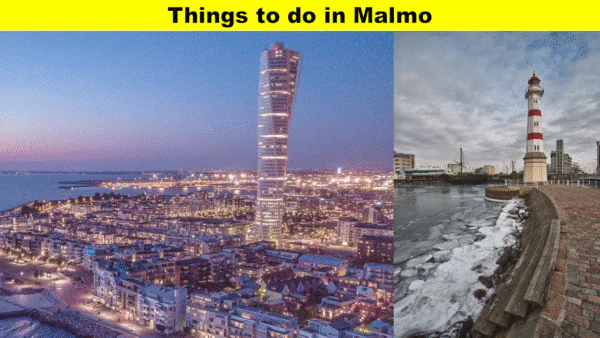
Things to do in Malmo based on NeemTime research from most popular to just popular.
Den Blå Planet, Malmo
Overview: Den Blå Planet, often associated with visits from Malmö due to its close proximity across the Öresund, is Northern Europe’s largest aquarium featuring immersive underwater tunnels and diverse marine habitats.
History: It was established to create a world-class marine education and conservation facility showcasing global aquatic ecosystems.
Since when: Opened in 2013.
Review: Visitors praise its stunning architecture, engaging exhibits, and impressive variety of marine species.
When to go: Weekday mornings offer fewer crowds and a more relaxed experience.
How to go: From Malmö, travelers can take the train to Copenhagen Airport and then a short walk or bus ride to the aquarium.
What to do: Explore underwater tunnels, watch marine feedings, and learn about ocean conservation.
Free or paid: Paid entry.
Emporia Shopping Center, Malmo
Overview: Emporia Shopping Center is one of Sweden’s largest and most modern malls, offering hundreds of shops, restaurants, and a rooftop park.
History: Built as part of Malmö’s urban expansion in the Hyllie district to create a major retail and social hub.
Since when: Opened in 2012.
Review: Visitors enjoy its wide store selection, striking design, and convenient layout.
When to go: Weekday afternoons are best for avoiding heavy crowds.
How to go: Easily reached by train to Hyllie Station or by local buses and cars.
What to do: Shop, dine, relax on the rooftop garden, and explore lifestyle and fashion stores.
Free or paid: Free entry.
Triangeln, Malmo
Overview: Triangeln is a bustling commercial and transit district centered around a modern shopping mall and a major underground train station.
History: It developed as a key commercial zone supporting Malmö’s growth and transportation network.
Since when: The current mall reopened in 2013.
Review: Visitors appreciate its central location, diverse shops, and easy connectivity.
When to go: Late mornings and early evenings offer a pleasant shopping environment.
How to go: Accessible directly via Triangeln Station, buses, bicycles, or on foot from central Malmö.
What to do: Shop, dine, transit, and explore the surrounding city center.
Free or paid: Free entry.
Malmö Castle, Malmo
Overview: Malmö Castle is a historic fortress housing multiple museums and offering deep insight into Scandinavian history and culture.
History: Originally built by Danish royalty in the 16th century as a defensive stronghold and administrative center.
Since when: Standing in its current form since 1530s.
Review: Visitors love its combination of medieval architecture, museum exhibits, and scenic surroundings.
When to go: Spring and summer provide the best experience with pleasant weather for exploring the grounds.
How to go: Reachable by walking, bus, or bike from central Malmö.
What to do: Tour the museums, explore the castle, and enjoy the adjacent parks and waterways.
Free or paid: Paid entry.
Mobilia, Malmo
Overview: Mobilia is a large shopping and lifestyle center in Malmö offering retail stores, restaurants, and entertainment facilities.
History: Originally developed as an industrial site, it was transformed into a modern commercial complex to serve the growing city population.
Since when: Reopened as a fully modernized shopping center in the early 2010s.
Review: Visitors appreciate its spacious layout, diverse shops, and convenient services.
When to go: Afternoons on weekdays are ideal for relaxed shopping.
How to go: Easily accessible by bus, bicycle, or car from various parts of Malmö.
What to do: Shop, dine, attend events, and enjoy leisure activities.
Free or paid: Free entry.
Øresund Bridge, Malmo
Overview: Øresund Bridge is an architecturally iconic combined bridge–tunnel structure connecting Malmö with Copenhagen, serving as a vital link for commuters, tourists, and international trade.
History: Constructed as part of a major bilateral infrastructure project between Denmark and Sweden to strengthen regional integration across the Øresund region.
Since when: Open to traffic since 2000.
Review: Visitors admire its impressive engineering, scenic views over the strait, and the seamless travel experience it enables.
When to go: Clear, sunny days offer the best visibility for scenic drives or train rides.
How to go: Accessible by car or train directly from Malmö Central Station to Copenhagen.
What to do: Enjoy panoramic views, cross between two countries, and capture photos of the bridge’s dramatic design.
Free or paid: Toll applies for cars; train rides are paid.
Turning Torso, Malmo
Overview: Turning Torso is a striking neo-futuristic skyscraper and Malmö’s tallest structure, famed for its unique twisting design by architect Santiago Calatrava.
History: Commissioned by the housing cooperative HSB to transform Malmö’s skyline and symbolize the city’s shift toward innovation and sustainable urban development.
Since when: Completed in 2005.
Review: Visitors appreciate its architectural brilliance and photogenic appearance, though access inside is limited.
When to go: Visit during daylight hours for the best exterior views and photography.
How to go: Can be reached by bus, bike, or on foot from central Malmö to the Västra Hamnen district.
What to do: Photograph the tower, stroll around the waterfront, and explore the modern neighborhood.
Free or paid: Free to view from outside.
Folkets Park Malmö, Malmo
Overview: Folkets Park is one of Sweden’s oldest public parks, offering lively green spaces, playgrounds, cafés, and event areas for families and visitors.
History: Established as a community gathering space promoting social and cultural activities for Malmö residents.
Since when: Founded in 1893.
Review: Visitors enjoy its vibrant atmosphere, diverse entertainment options, and family-friendly layout.
When to go: Summer and weekends are best for lively events and outdoor activities.
How to go: Accessible by bus, bike, or walking from central Malmö.
What to do: Attend festivals, relax in green spaces, visit playgrounds, and enjoy casual dining.
Free or paid: Free entry.
Pildammsparken, Malmo
Overview: Pildammsparken is a vast and tranquil urban park featuring forests, lakes, gardens, and walking paths ideal for relaxation and recreation.
History: Originally constructed for the 1914 Baltic Exhibition and later developed into one of Malmö’s largest public parks.
Since when: The park has existed in its modern form since the early 20th century.
Review: Visitors love its peaceful atmosphere, scenic ponds, and spacious walking areas.
When to go: Spring and summer offer the best floral displays and comfortable weather.
How to go: Easily reached by bus, bike, or foot from nearby neighborhoods.
What to do: Walk, jog, picnic, photograph nature, and explore its historic exhibition structures.
Free or paid: Free entry.
Malmö Arena, Malmo
Overview: Malmö Arena is a major indoor venue hosting concerts, sports events, exhibitions, and international competitions.
History: Built to provide Malmö with a world-class multifunctional arena capable of accommodating large-scale events.
Since when: Opened in 2008.
Review: Visitors praise its modern facilities, good seating, and efficient event organization.
When to go: Visit during major concerts, hockey games, or entertainment events for the full experience.
How to go: Accessible by train to Hyllie Station, as well as by bus, car, or bike.
What to do: Attend live events, enjoy food stalls, and explore the surrounding Hyllie district.
Free or paid: Paid entry depending on event.
Malmo Museum, Malmo
Overview: Malmo Museum is a comprehensive cultural and historical institution showcasing regional history, natural science, technology, and art within a historic castle complex.
History: The museum is housed in Malmöhus Castle, a Renaissance fortress originally built by Danish rulers and later converted into a museum.
Since when: The museum has operated in the castle since the early 20th century.
Review: Visitors appreciate its diverse exhibits, educational displays, and the unique blend of history and architecture.
When to go: Weekdays and mornings offer quieter visits with more time to explore exhibits.
How to go: Easily reachable by bus, bike, or on foot from Malmö Central Station.
What to do: Explore castle rooms, learn about regional history, view natural science exhibits, and enjoy rotating art collections.
Free or paid: Paid entry.
Malmö Foodhall, Malmo
Overview: Malmö Foodhall is a modern culinary marketplace offering gourmet foods, local specialties, artisan products, and a vibrant dining environment.
History: Created as part of Malmö’s urban revitalization efforts to foster local gastronomy and communal dining spaces.
Since when: Opened in 2016.
Review: Visitors love its high-quality food stalls, stylish atmosphere, and wide variety of global and local cuisine.
When to go: Lunchtime and early evenings provide the liveliest experience.
How to go: Conveniently accessible by foot, bike, or public transport within Malmö’s city center.
What to do: Sample diverse dishes, shop for gourmet ingredients, and enjoy casual meals with friends.
Free or paid: Free entry; food purchases are paid.
Øresund Bridge – Öresund Bridge, Malmo
Overview: The Øresund Bridge is a world-renowned combined bridge-tunnel link connecting Malmö to Copenhagen, serving as a major engineering marvel and international transport corridor.
History: Built through a Danish-Swedish collaboration to enhance cross-border mobility, economic growth, and cultural exchange.
Since when: In operation since 2000.
Review: Travelers admire its impressive structure, smooth transit, and sweeping views of the Øresund strait.
When to go: Clear days provide the most scenic crossing experience.
How to go: Reachable by car via the E20 or by train from Malmö Central Station.
What to do: Enjoy the scenic journey, cross between two countries, and photograph the iconic architecture.
Free or paid: Toll for cars; train fare required.
Öresundsbron Viewpoint, Malmo
Overview: Öresundsbron Viewpoint offers a scenic and accessible vantage spot to admire the Øresund Bridge and surrounding coastal landscapes.
History: Established to give locals and visitors a dedicated space for photographing and observing the bridge’s architectural grandeur.
Since when: Open to the public since the early 2000s.
Review: Visitors praise the peaceful setting and excellent photo opportunities.
When to go: Sunset and clear afternoons deliver the most striking views.
How to go: Reachable by car, bike, or public transport to coastal paths near the bridge.
What to do: Take photos, enjoy seaside walks, and watch the bridge’s lights during evening hours.
Free or paid: Free.
St. Peter’s Church, Malmo
Overview: St. Peter’s Church is a grand Gothic-style brick church renowned for its intricate medieval frescoes and towering architecture.
History: Constructed by the medieval Danish kingdom as Malmö’s principal church and expanded over centuries.
Since when: Originally built in the 14th century.
Review: Visitors admire its atmospheric interior, historic artwork, and beautifully preserved Gothic details.
When to go: Daytime visits allow the best viewing of interior frescoes in natural light.
How to go: Located in central Malmö, easily accessible on foot or by public transport.
What to do: Explore the nave, view medieval murals, and appreciate Gothic craftsmanship.
Free or paid: Free entry.
Kungsparken, Malmö, Malmo
Overview: Kungsparken is Malmö’s oldest public park, featuring lush greenery, winding paths, a serene lake, and beautifully landscaped gardens that create a peaceful urban retreat.
History: Established in the late 19th century during the city’s expansion, it was designed in English Romantic style to offer a refined green space for residents.
Since when: The park has been open to the public since 1872.
Review: Visitors love its tranquil environment, scenic walkways, and abundant shade perfect for relaxation and picnics.
When to go: Spring and summer provide the most vibrant floral displays and pleasant weather for strolling.
How to go: Easily accessible by walking, biking, or taking local buses from Malmö city center.
What to do: Enjoy picnics, stroll along ponds, admire historic trees, and relax in the peaceful surroundings.
Free or paid: Free.
Malmö Opera, Malmo
Overview: Malmö Opera is a grand performing arts venue known for its world-class productions of opera, musicals, and dance in an architecturally impressive building.
History: Built as part of Malmö’s cultural development initiative, it has served as a major Scandinavian performance hub for decades.
Since when: Open since 1944.
Review: Audiences praise its exceptional acoustics, modern staging, and high-quality performances.
When to go: Evenings during scheduled performances offer the best cultural experience.
How to go: Reachable by bus, bike, or on foot from central Malmö.
What to do: Attend opera performances, musicals, concerts, and enjoy pre-show dining.
Free or paid: Paid entry for performances.
Filmstaden, Malmo
Overview: Filmstaden Malmö is a modern cinema complex offering multiple screens, advanced audiovisual technology, and a comfortable movie-watching experience.
History: Part of Sweden’s major national cinema chain, it was established to bring state-of-the-art film entertainment to Malmö.
Since when: Operating since the early 2000s.
Review: Moviegoers appreciate its clean facilities, quality sound systems, and wide selection of international and Swedish films.
When to go: Evenings and weekends provide the fullest movie lineup.
How to go: Conveniently accessed via public transport or short walks from central Malmö.
What to do: Watch new film releases, enjoy snacks, and relax in modern screening rooms.
Free or paid: Paid.
Malmö – Lilla Torg, Malmo
Overview: Lilla Torg is a charming historic square known for its cobblestone streets, vibrant restaurants, lively cafés, and beautifully preserved buildings.
History: Established in the 16th century as a trading square, it evolved into one of Malmö’s central social and culinary hubs.
Since when: Functioning as a public square since the late 1500s.
Review: Visitors love its cozy atmosphere, bustling outdoor dining, and picturesque architecture.
When to go: Evenings and summer months offer the liveliest dining and social atmosphere.
How to go: Easily walkable from Malmö Central Station and central attractions.
What to do: Dine at outdoor cafés, explore historic streets, and enjoy people-watching.
Free or paid: Free entry; dining is paid.
Boulebar, Malmo
Overview: Boulebar Malmö is a lively social venue combining French-inspired dining with indoor and outdoor pétanque courts for a fun, interactive experience.
History: Created to introduce a modern, urban twist on the traditional French game while offering a social dining environment.
Since when: Operating since the mid-2010s.
Review: Guests enjoy its casual ambiance, friendly competition, and great food and drinks.
When to go: Late afternoons and evenings provide the most energetic atmosphere.
How to go: Easily reached by walking, biking, or taking public transit from central Malmö.
What to do: Play pétanque, enjoy French-style food, and socialize with friends.
Free or paid: Paid for games and dining.
Möllevångstorget, Malmo
Overview: Möllevångstorget is a vibrant public square known for its multicultural atmosphere, daily produce markets, lively cafés, and dynamic city life.
History: Developed in the early 20th century, the square became a central meeting point for workers, traders, and Malmö’s growing international community.
Since when: It has served as a market square since around 1904.
Review: Visitors praise its energetic vibe, diverse food options, and authentic local character.
When to go: Mornings and late afternoons are best for market activity and enjoying nearby eateries.
How to go: Easily accessible on foot, by bike, or via Malmö’s city buses.
What to do: Browse fresh produce stalls, explore ethnic restaurants, and enjoy people-watching in the bustling square.
Free or paid: Free to visit; purchases are paid.
Ribersborgs open-air bath, Malmo
Overview: Ribersborgs open-air bath is a historic seaside bathing facility featuring saunas, wooden piers, and cold-water swimming with panoramic ocean views.
History: Built in 1898, it has long been a popular wellness destination for locals seeking traditional Scandinavian bathing culture.
Since when: Open to the public since the late 19th century.
Review: Guests love its tranquil environment, relaxing saunas, and refreshing sea swims.
When to go: Early mornings or sunsets offer peaceful experiences and scenic views.
How to go: Reachable by bike, walking, or local buses from central Malmö.
What to do: Enjoy sauna sessions, take cold dips, sunbathe on the pier, and unwind by the sea.
Free or paid: Paid entry.
First Camp Sibbarp – Malmö, Malmo
Overview: First Camp Sibbarp is a beachfront camping and holiday park offering cabins, tent spaces, and recreational activities beside the Öresund coast.
History: Established as part of Malmö’s seaside leisure facilities, it has catered to vacationers for decades.
Since when: Operating since the mid-20th century.
Review: Visitors appreciate its peaceful natural environment, family-friendly amenities, and proximity to the beach.
When to go: Summer months provide ideal weather for camping and outdoor activities.
How to go: Accessible by car, bike, or bus from Malmö city center.
What to do: Camp, swim, barbecue, rent bikes, and enjoy waterfront walks.
Free or paid: Paid.
Finnlines Malmö – Travemünde, Check in., Malmo
Overview: The Finnlines Malmö–Travemünde check-in area serves as the passenger gateway for ferry travel between Sweden and Germany.
History: Established to support international maritime travel, it has operated as a major transport link for both tourists and commercial travelers.
Since when: The route has been functioning since the mid-20th century.
Review: Travelers find the check-in process efficient and the ferry service comfortable and reliable.
When to go: Arrive well before scheduled departures to avoid queues and ensure smooth boarding.
How to go: Reachable by car, taxi, or port shuttle services from Malmö.
What to do: Complete check-in formalities, board the ferry, and enjoy onboard dining and relaxation during the voyage.
Free or paid: Paid as part of ferry ticketing.
Scaniaparken, Malmo
Overview: Scaniaparken is a coastal urban park offering wide green spaces, seaside walking paths, swimming spots, and panoramic views of the Öresund Bridge.
History: Created during Malmö’s waterfront redevelopment, the park transformed former industrial land into a recreational public space.
Since when: Open to the public since the early 2000s.
Review: Visitors love its peaceful coastal atmosphere, clean open areas, and refreshing sea breeze.
When to go: Best enjoyed during warm, sunny days or evenings for seaside relaxation.
How to go: Easily reachable by walking, biking, or taking public transport toward Västra Hamnen.
What to do: Walk or cycle along the shore, swim, picnic, and enjoy stunning sunsets over the water.
Free or paid: Free.
Disgusting Food Museum, Malmo
Overview: The Disgusting Food Museum showcases a global collection of unusual, culturally significant, and provocative foods designed to challenge visitors’ perceptions of taste and edibility.
History: Founded to explore the anthropology of food, the museum was created to highlight how cultural differences shape what societies consider edible or taboo.
Since when: It has been open to the public since 2018.
Review: Visitors find it fascinating, educational, and sometimes shocking, praising its interactive displays and sensory experiences.
When to go: Weekdays or early afternoons are ideal for avoiding crowds and spending more time with each exhibit.
How to go: It can be reached easily by Malmö public buses, bike routes, or a short taxi ride from the city center.
What to do: Explore global food exhibits, smell unusual samples, and learn about food culture, sustainability, and culinary traditions worldwide.
Free or paid: Paid.
Øresund Bridge Toll Station, Malmo
Overview: The Øresund Bridge Toll Station serves as the payment and processing hub for vehicles crossing between Malmö and Copenhagen via the iconic Øresund Bridge.
History: Created as part of the Øresund fixed link project, the toll station has been integral to managing cross-border traffic since the bridge’s construction.
Since when: Operational since the bridge opened in 2000.
Review: Drivers describe it as efficient and well-organized, though often noting the toll costs are relatively high.
When to go: Non-peak hours are recommended for smoother and quicker passage.
How to go: Accessed by car via the E20 motorway leading directly to the toll area.
What to do: Pay the toll, pass through checkpoints, and continue the journey across the bridge to Denmark.
Free or paid: Paid.
Beijer’s Park, Malmo
Overview: Beijer’s Park is a peaceful green space featuring walking paths, open lawns, playgrounds, and shaded areas ideal for quiet relaxation in central Malmö.
History: The park was donated by merchant Frans Suell Beijer, who aimed to create accessible green areas for Malmö residents.
Since when: Opened to the public in 1885.
Review: Visitors praise its calm environment, family-friendly layout, and clean, well-maintained grounds.
When to go: Mornings and late afternoons offer the most pleasant temperatures and serene atmosphere.
How to go: Easily accessible by walking, cycling, or local buses serving the surrounding neighborhoods.
What to do: Stroll through tree-lined paths, relax on the grass, have a picnic, or enjoy the playgrounds.
Free or paid: Free.
Bulltofta Park, Malmo
Overview: Bulltofta Park is a large recreational green space built on a former airport site, offering walking trails, sports areas, lakes, and nature-rich environments.
History: Created after Bulltofta Airport closed, the city redeveloped the land into a vast public park promoting outdoor activities and ecological renewal.
Since when: The park opened in the 1980s.
Review: Locals appreciate its expansive layout, peaceful natural areas, and variety of outdoor facilities.
When to go: Best enjoyed in spring and summer when the greenery and water features are at their most vibrant.
How to go: Reachable by car, bike, or city buses that run to the former airport area.
What to do: Walk, jog, bike, birdwatch, use sports fields, and relax near ponds and grassy lawns.
Free or paid: Free.
Alnarp Manor & Parks, Malmo
Overview: Alnarp Manor & Parks is a historic estate and botanical landscape featuring expansive gardens, rare plants, research facilities, and scenic walking areas.
History: Built as part of the Swedish University of Agricultural Sciences, the estate has been a center for horticultural study and botanical preservation.
Since when: Developed in the 1860s and open to public visitation for many decades.
Review: Visitors value its tranquil atmosphere, beautifully curated gardens, and educational significance.
When to go: Late spring and summer are ideal for viewing blooming plants and enjoying lush greenery.
How to go: Accessible by car, bus, or cycling routes from Malmö toward the village of Alnarp.
What to do: Explore botanical gardens, walk scenic pathways, observe plant species, and enjoy picnics in the serene landscape.
Free or paid: Free.