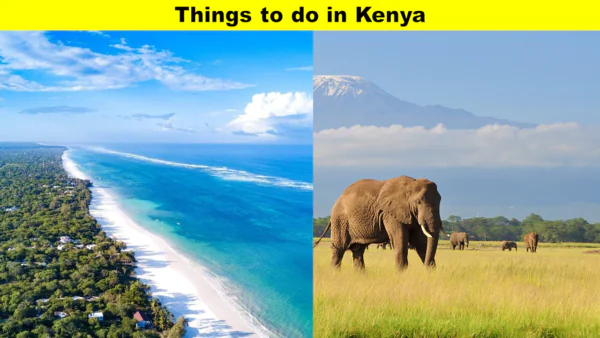
Things to do in Kenya based on NeemTime research from most popular to just popular.
Two Rivers Mall, Kenya
Overview: Two Rivers Mall is one of Kenya’s largest shopping and entertainment complexes, offering retail, dining, and leisure options.
History: Developed to provide a modern commercial and social hub for Nairobi residents and visitors.
Since When: Opened in 2017.
Review: Visitors appreciate the wide variety of shops, restaurants, and family-friendly entertainment options.
When to Go: Weekdays to avoid crowds or weekends for a lively atmosphere.
How to Go: Accessible by car or taxi from Nairobi city center.
What to Do: Shopping, dining, catching movies, and enjoying entertainment zones.
Free or Paid: Free entry; costs apply for shopping, dining, and entertainment.
Uhuru Park, Kenya
Overview: Uhuru Park is a large public park in Nairobi offering green spaces, recreational areas, and lakeside views.
History: Established as a public park to provide urban residents with open space and leisure opportunities.
Since When: Opened in 1969.
Review: Visitors enjoy walking, picnicking, boating, and social gatherings.
When to Go: Mornings or weekends for leisure activities.
How to Go: Accessible via public transport, taxi, or car from Nairobi city center.
What to Do: Stroll around the park, enjoy boat rides, relax, and people-watch.
Free or Paid: Free entry.
Giraffe Centre, Kenya
Overview: The Giraffe Centre is a conservation and education center dedicated to the endangered Rothschild giraffe.
History: Established to protect the species and educate the public about giraffe conservation.
Since When: Opened in 1983.
Review: Visitors love feeding giraffes, learning about conservation, and close wildlife encounters.
When to Go: Early mornings for better animal activity and fewer crowds.
How to Go: Accessible by car or taxi from Nairobi city center.
What to Do: Feed and interact with giraffes, take photos, and explore the educational center.
Free or Paid: Paid entry.
National Museum of Kenya, Kenya
Overview: The National Museum of Kenya showcases Kenya’s cultural heritage, natural history, and art collections.
History: Established to preserve and present Kenya’s history, culture, and biodiversity.
Since When: Opened in 1924.
Review: Visitors appreciate its comprehensive exhibits, informative displays, and historical artifacts.
When to Go: Weekdays for quieter exploration or weekends for family visits.
How to Go: Accessible by car, taxi, or public transport from Nairobi city center.
What to Do: Explore exhibitions, learn about Kenyan history and wildlife, and attend educational programs.
Free or Paid: Paid entry.
Nairobi National Park, Kenya
Overview: Nairobi National Park is a unique wildlife reserve located just outside Nairobi city, home to diverse African fauna.
History: Established to protect wildlife while offering educational and safari experiences near the city.
Since When: Opened in 1946.
Review: Visitors enjoy spotting lions, giraffes, rhinos, and other wildlife against the city skyline.
When to Go: Early mornings for optimal wildlife viewing.
How to Go: Accessible by car, tour operators, or organized safari trips from Nairobi.
What to Do: Game drives, photography, wildlife observation, and guided tours.
Free or Paid: Paid entry.
Fort Jesus Museum, Kenya
Overview: Fort Jesus Museum is a historic coastal fortress in Mombasa showcasing Portuguese military architecture and Kenyan history.
History: Built by the Portuguese to protect their trade route and demonstrate military power along the East African coast.
Since When: Constructed between 1593 and 1596.
Review: Visitors praise its well-preserved fortifications, exhibits on Swahili culture, and panoramic ocean views.
When to Go: Early mornings or weekdays to avoid large tour groups.
How to Go: Accessible by car or taxi from Mombasa city center.
What to Do: Explore the fort, visit museum exhibitions, enjoy photography, and learn about local history.
Free or Paid: Paid entry.
Mikumi National Park, Kenya
Overview: Mikumi National Park is a wildlife reserve in Tanzania near the Kenyan border, famous for safari experiences and diverse fauna.
History: Established to conserve wildlife and promote eco-tourism in the region.
Since When: Declared a national park in 1964.
Review: Visitors enjoy game drives, spotting elephants, lions, zebras, and experiencing African savannah landscapes.
When to Go: Dry season from June to October for better wildlife visibility.
How to Go: Accessible by organized safari tours or car from nearby towns and Dar es Salaam.
What to Do: Game drives, wildlife photography, birdwatching, and guided nature walks.
Free or Paid: Paid entry.
The Nairobi Arboretum, Kenya
Overview: The Nairobi Arboretum is a botanical garden and forest reserve preserving over 350 species of indigenous and exotic trees.
History: Established to promote tree conservation, research, and public education.
Since When: Opened in 1932.
Review: Visitors enjoy serene walking trails, birdwatching, and nature photography.
When to Go: Early mornings or weekends for a peaceful visit.
How to Go: Accessible by car or public transport from Nairobi city center.
What to Do: Walking, jogging, picnicking, birdwatching, and guided nature tours.
Free or Paid: Paid entry.
Sheldrick Wildlife Trust, Kenya
Overview: Sheldrick Wildlife Trust is a sanctuary for orphaned elephants and rhinos, focused on rescue, rehabilitation, and conservation.
History: Founded to protect endangered wildlife and promote anti-poaching initiatives in Kenya.
Since When: Established in 1977.
Review: Visitors appreciate close encounters with elephants, educational programs, and conservation efforts.
When to Go: Visiting hours are generally in the morning for the best interaction experience.
How to Go: Accessible by car or taxi from Nairobi city center.
What to Do: Observe feeding sessions, learn about wildlife conservation, and adopt an elephant.
Free or Paid: Paid entry.
Tsavo East National Park, Kenya
Overview: Tsavo East National Park is a vast wildlife reserve known for its red-dusted elephants, savannah landscapes, and large predator populations.
History: Established to protect wildlife and provide safari experiences in southeastern Kenya.
Since When: Designated a national park in 1948.
Review: Visitors love game drives, spotting big cats, elephants, and experiencing the iconic African wilderness.
When to Go: June to October during the dry season for optimal wildlife viewing.
How to Go: Accessible via car, safari tours, or flights to nearby airstrips.
What to Do: Safari drives, wildlife photography, camping, and guided tours.
Free or Paid: Paid entry.
Nairobi Animal Orphanage, Kenya
Overview: Nairobi Animal Orphanage is a sanctuary for rescued and abandoned wildlife, providing care and rehabilitation within Nairobi National Park.
History: Established to support the conservation of injured, orphaned, and rescued animals in Kenya.
Since When: Opened in 1964.
Review: Visitors appreciate the close interaction with animals and educational displays on wildlife conservation.
When to Go: Early mornings or weekdays to avoid crowds and enjoy active animal feeding times.
How to Go: Accessible by car or taxi from Nairobi city center, located within Nairobi National Park.
What to Do: Observe rescued animals, take guided tours, learn about wildlife rescue, and participate in feeding sessions.
Free or Paid: Paid entry.
Haller Park, Kenya
Overview: Haller Park is a nature park and rehabilitation area turned into a thriving ecosystem with wildlife and plant conservation initiatives.
History: Originally a limestone quarry transformed into a green haven under ecological restoration efforts.
Since When: Established as a rehabilitation park in the 1950s and opened to the public in 1986.
Review: Visitors enjoy walking trails, giraffe feeding, and seeing a wide variety of rehabilitated animals and plants.
When to Go: Mornings or late afternoons for cooler temperatures and active wildlife.
How to Go: Accessible by car or taxi from Mombasa city center.
What to Do: Walking, wildlife observation, guided tours, and photography.
Free or Paid: Paid entry.
Nairobi Safari Walk, Kenya
Overview: Nairobi Safari Walk is an educational conservation trail that allows visitors to experience African wildlife in a semi-natural habitat.
History: Developed to educate the public on conservation while providing naturalistic exhibits for rescued animals.
Since When: Opened in 2005.
Review: Visitors enjoy the immersive safari experience, close animal encounters, and educational displays.
When to Go: Mornings for active animals and fewer crowds.
How to Go: Located near Nairobi National Park, accessible by car or taxi from Nairobi city center.
What to Do: Walk along the trails, view wildlife, take photos, and attend educational programs.
Free or Paid: Paid entry.
Mount Kenya National Park, Kenya
Overview: Mount Kenya National Park is a UNESCO World Heritage site protecting Kenya’s highest peak, diverse flora, and wildlife.
History: Established to preserve the unique alpine ecosystem and wildlife around Mount Kenya.
Since When: Designated a national park in 1949 and UNESCO World Heritage Site in 1997.
Review: Visitors rave about hiking, breathtaking mountain views, and diverse wildlife sightings.
When to Go: June to October during the dry season for trekking and optimal visibility.
How to Go: Accessible by car or organized tours from Nairobi or Nanyuki town.
What to Do: Hiking, mountaineering, wildlife spotting, birdwatching, and photography.
Free or Paid: Paid entry.
Lake Nakuru National Park, Kenya
Overview: Lake Nakuru National Park is famous for its flamingo populations, diverse bird species, and wildlife including rhinos and lions.
History: Created to protect the flamingo habitat and surrounding ecosystems.
Since When: Established in 1961.
Review: Visitors enjoy stunning birdwatching opportunities, safari drives, and scenic lake views.
When to Go: June to September for dry season wildlife viewing and best flamingo concentrations.
How to Go: Accessible by car from Nairobi, approximately 2–3 hours drive, or via organized safari tours.
What to Do: Safari drives, birdwatching, photography, and guided nature walks.
Free or Paid: Paid entry.
Sheldrick Wildlife Trust Nursery, Kenya
Overview: Sheldrick Wildlife Trust Nursery is a renowned elephant orphanage in Nairobi that rehabilitates and cares for abandoned baby elephants.
History: Founded by Dame Daphne Sheldrick to rescue and conserve orphaned elephants and rhinos in Kenya.
Since When: Established in 1977.
Review: Visitors highly praise the opportunity to interact with baby elephants and learn about conservation efforts.
When to Go: Best visited in the morning during feeding times for the most engaging experience.
How to Go: Accessible by car or taxi from Nairobi city center.
What to Do: Observe and feed elephants, learn about wildlife conservation, and take guided tours.
Free or Paid: Paid entry.
Bomas Of Kenya, Kenya
Overview: Bomas of Kenya is a cultural center showcasing traditional Kenyan villages, dances, and arts.
History: Established to preserve and promote Kenya’s diverse cultural heritage through performances and exhibitions.
Since When: Opened in 1971.
Review: Visitors enjoy live cultural performances, traditional homesteads, and immersive cultural experiences.
When to Go: Afternoons or evenings when live dance and music shows are scheduled.
How to Go: Accessible by car or taxi from Nairobi city center.
What to Do: Watch cultural performances, tour traditional homesteads, and shop for crafts.
Free or Paid: Paid entry.
Maasai Market, Kenya
Overview: Maasai Market is a vibrant open-air market where local artisans sell handmade crafts, jewelry, and textiles.
History: Created to support Maasai communities by providing a platform to sell their traditional goods.
Since When: Established in the early 1980s.
Review: Visitors enjoy the colorful displays, bargaining culture, and authentic Kenyan souvenirs.
When to Go: Best visited in the morning for fresh stock and fewer crowds.
How to Go: Accessible by car, taxi, or matatu from Nairobi city center; locations rotate by day.
What to Do: Shop for handmade crafts, take photos, and interact with local artisans.
Free or Paid: Free to enter; purchases are paid.
Amboseli National Park, Kenya
Overview: Amboseli National Park is famed for its large elephant herds and stunning views of Mount Kilimanjaro.
History: Established to protect wildlife in the Amboseli ecosystem and maintain a natural habitat for elephants.
Since When: Declared a national park in 1974.
Review: Visitors rave about game drives, elephant sightings, and photographic opportunities with Kilimanjaro in the background.
When to Go: June to October during the dry season for the best wildlife sightings.
How to Go: Accessible by car or safari tours from Nairobi, approximately 4–5 hours drive.
What to Do: Game drives, birdwatching, photography, and guided wildlife tours.
Free or Paid: Paid entry.
August 7th Memorial Park, Kenya
Overview: August 7th Memorial Park is a solemn memorial in Nairobi honoring victims of the 1998 U.S. Embassy bombing.
History: Built to commemorate the lives lost in the terrorist attack and provide a place for reflection.
Since When: Established in 1999.
Review: Visitors appreciate the park for its serene atmosphere and educational significance.
When to Go: Open year-round during daylight hours for peaceful visits.
How to Go: Accessible by car, taxi, or public transport from Nairobi city center.
What to Do: Pay respects, reflect, and learn about the historical event through plaques and displays.
Free or Paid: Free entry.
Aberdare National Park, Kenya
Overview: Aberdare National Park is a scenic wildlife reserve in central Kenya known for its montane forests, waterfalls, and diverse wildlife including elephants and leopards.
History: Established to protect the Aberdare mountain ecosystem and its unique flora and fauna.
Since When: Declared a national park in 1950.
Review: Visitors praise its beautiful landscapes, wildlife sightings, and peaceful forest environment.
When to Go: Best visited during the dry season from June to October for easier wildlife spotting.
How to Go: Accessible by car or guided safari tours from Nairobi, approximately 2–3 hours away.
What to Do: Game drives, nature walks, birdwatching, and photography.
Free or Paid: Paid entry.
Karen Country Club, Kenya
Overview: Karen Country Club is an exclusive leisure and sports club in Nairobi offering golf, tennis, and fine dining.
History: Established to provide recreational facilities and social events for Nairobi’s residents.
Since When: Founded in 1927.
Review: Visitors and members highlight its serene environment, well-maintained facilities, and professional service.
When to Go: Open year-round, ideal for daytime sports and social gatherings.
How to Go: Accessible by car or taxi from Nairobi city center.
What to Do: Play golf or tennis, dine in the restaurant, and attend social events.
Free or Paid: Paid entry; membership required for full access.
Uhuru Gardens, Kenya
Overview: Uhuru Gardens is a public park and historical site in Nairobi commemorating Kenya’s independence.
History: Built to celebrate Kenya’s independence in 1963 and host national celebrations.
Since When: Opened in 1963.
Review: Visitors enjoy the open spaces, monuments, and educational significance of the site.
When to Go: Open year-round during daylight hours; weekends are best for events and leisure visits.
How to Go: Accessible by car, taxi, or public transport from Nairobi city center.
What to Do: Explore monuments, take photos, relax, and learn about Kenya’s independence history.
Free or Paid: Free entry.
Hells Gate National Park, Kenya
Overview: Hells Gate National Park is a geothermal and wildlife park near Naivasha, famous for its cliffs, gorges, and wildlife including zebras and buffalo.
History: Named for its geothermal activity and dramatic scenery, it has been a protected area to conserve wildlife and natural formations.
Since When: Gazetted as a national park in 1984.
Review: Visitors love cycling and hiking in the park while encountering wildlife up close.
When to Go: Best during the dry season from June to October.
How to Go: Accessible by car or guided tours from Nairobi, about a 2-hour drive.
What to Do: Hiking, cycling, rock climbing, wildlife spotting, and photography.
Free or Paid: Paid entry.
Funcity Gardens Utawala, Kenya
Overview: Funcity Gardens Utawala is a family-friendly amusement park offering rides, games, and recreational activities for children and adults.
History: Established to provide entertainment and leisure activities for families in Nairobi.
Since When: Opened in the 2010s.
Review: Visitors enjoy the wide variety of rides and fun environment suitable for families.
When to Go: Best visited on weekends or holidays when all attractions are operating.
How to Go: Accessible by car, taxi, or public transport from Nairobi city center.
What to Do: Enjoy rides, games, and leisure activities suitable for all ages.
Free or Paid: Paid entry; individual rides may have separate fees.
Ngong Hills Forest Reserve, Kenya
Overview: Ngong Hills Forest Reserve is a scenic ridge near Nairobi offering panoramic views, hiking trails, and rich biodiversity.
History: The area has been a protected forest reserve to conserve indigenous flora and fauna while providing recreational space for locals and tourists.
Since When: Designated as a forest reserve in 1967.
Review: Visitors praise its breathtaking views, fresh air, and variety of outdoor activities such as hiking and picnicking.
When to Go: Best visited early morning or late afternoon to enjoy cooler temperatures and stunning sunsets.
How to Go: Accessible by car or guided tour from Nairobi, approximately 30–45 minutes’ drive.
What to Do: Hiking, nature walks, photography, birdwatching, and picnics.
Free or Paid: Paid entry for non-residents; locals may have reduced fees.
Tsavo West National Park, Kenya
Overview: Tsavo West National Park is a vast wildlife sanctuary known for its elephants, lions, volcanic landscapes, and Mzima Springs.
History: Established to protect Kenya’s diverse wildlife and unique ecosystems in the Tsavo region.
Since When: Gazetted as a national park in 1948.
Review: Visitors highlight its stunning scenery, abundant wildlife, and adventurous safari experiences.
When to Go: Best visited during the dry season from June to October for optimal wildlife viewing.
How to Go: Accessible by road from Nairobi, approximately a 5–6 hour drive, or by air via nearby airstrips.
What to Do: Safari drives, birdwatching, photography, and exploring natural springs and gorges.
Free or Paid: Paid entry; safari fees vary.
Karen Blixen Museum, Kenya
Overview: The Karen Blixen Museum is the former home of the Danish author, showcasing her life, works, and colonial-era architecture.
History: Karen Blixen, author of Out of Africa, lived in this farmhouse which has been preserved as a museum.
Since When: Converted into a museum in 1986.
Review: Visitors appreciate the historical ambiance, beautiful gardens, and insights into Karen Blixen’s life.
When to Go: Open year-round; mornings are quieter for tours.
How to Go: Located in Karen suburb of Nairobi, accessible by car or taxi.
What to Do: Guided tours of the house, explore gardens, learn about Blixen’s life and colonial Kenya.
Free or Paid: Paid entry.
Maasai Mara National Reserve, Kenya
Overview: Maasai Mara National Reserve is a world-renowned safari destination famous for its abundant wildlife and annual wildebeest migration.
History: Established to protect Kenya’s savannah ecosystem and its iconic wildlife populations.
Since When: Gazetted as a national reserve in 1961.
Review: Visitors rave about exceptional safari experiences, abundant wildlife, and stunning landscapes.
When to Go: Best visited from July to October for the Great Migration.
How to Go: Accessible by road or air from Nairobi; several lodges and safari operators provide transport.
What to Do: Game drives, hot air balloon safaris, photography, and cultural Maasai visits.
Free or Paid: Paid entry; safari fees apply.
Karura Forest – Sigiria, Kenya
Overview: Karura Forest is an urban forest in Nairobi offering walking trails, waterfalls, caves, and picnic areas.
History: Protected as a forest reserve to conserve Nairobi’s indigenous flora and provide recreational space.
Since When: Declared a forest reserve in 1932.
Review: Visitors enjoy its tranquil environment, well-maintained trails, and abundant wildlife such as monkeys and birds.
When to Go: Best visited early morning or late afternoon to enjoy cooler temperatures and avoid crowds.
How to Go: Accessible by car or public transport from Nairobi; multiple entry points available.
What to Do: Walking, jogging, cycling, picnicking, birdwatching, and photography.
Free or Paid: Paid entry; affordable for general public.