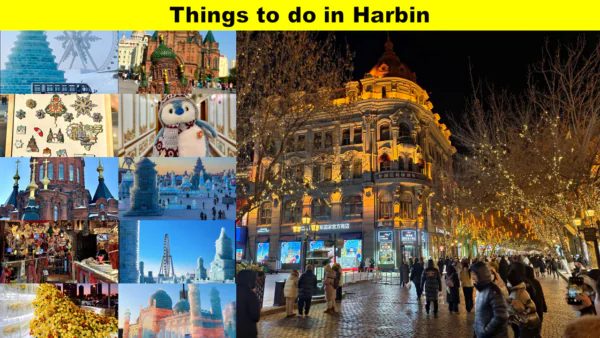
Things to do in Harbin based on NeemTime research from most popular to just popular.
Shangzhi, Harbin
Overview: Shangzhi is a county-level city administered by Harbin in Heilongjiang Province known for its forested landscapes, agricultural production, and historical revolutionary heritage.
History: The region developed as a settlement area during the Qing Dynasty and later gained importance during twentieth-century revolutionary movements in northeastern China.
Since When: Shangzhi officially became a county-level city under Harbin’s administration in 1988, although the settlement history of the area dates back centuries.
Review: Visitors and locals appreciate Shangzhi for its quiet environment, rural scenery, and its connection to regional history and winter tourism routes near Harbin.
When to Go: The best time to visit Shangzhi is during summer for pleasant weather or winter to experience the snowy landscapes typical of Heilongjiang Province.
How to Go: Travelers usually reach Shangzhi by train, highway bus, or car from central Harbin which lies roughly 100 kilometers to the northwest.
What to Do: Visitors explore local forests, learn about revolutionary history museums, enjoy countryside scenery, and experience traditional northeastern Chinese culture.
Free or Paid: Most natural areas and city attractions are free to explore while certain museums or organized activities may require an entrance fee.
Shuangcheng District, Harbin
Overview: Shuangcheng District is an administrative district of Harbin recognized for its agricultural heritage, expanding urban development, and cultural landmarks.
History: Historically the area was an agricultural settlement during the Qing era and gradually evolved into a strategic regional town as Harbin expanded.
Since When: Shuangcheng officially became a district of Harbin in 2014 after administrative restructuring within Heilongjiang Province.
Review: Residents value the district for its blend of rural traditions and growing infrastructure connected to the metropolitan area of Harbin.
When to Go: Spring and summer are ideal for visiting as the weather is mild and local parks and farmlands are at their most vibrant.
How to Go: Travelers can reach Shuangcheng District by highway, train, or regional buses departing from central Harbin.
What to Do: Visitors explore local temples, parks, cultural sites, and experience regional cuisine typical of northeastern China.
Free or Paid: Many public spaces such as parks are free while museums or special attractions may charge admission fees.
Harbin Ice and Snow World, Harbin
Overview: Harbin Ice and Snow World is a massive seasonal winter theme park famous for its enormous illuminated ice sculptures, frozen architecture, and snow attractions.
History: The attraction originated as part of the famous Harbin International Ice and Snow Festival, which began showcasing large ice sculptures created from blocks of frozen Songhua River ice.
Since When: Harbin Ice and Snow World officially opened in 1999 and has since grown into one of the largest ice and snow art exhibitions in the world.
Review: Tourists consistently describe the park as a magical winter wonderland with glowing ice castles, creative sculptures, and exciting cold-weather entertainment.
When to Go: The best time to visit is during winter from late December to February when the sculptures are fully built and illuminated at night.
How to Go: Visitors can reach the park by taxi, public buses, or guided tours from downtown Harbin.
What to Do: Guests walk through ice palaces, admire massive sculptures, watch performances, slide down ice slides, and take photographs of illuminated structures.
Free or Paid: Entry to Harbin Ice and Snow World requires a paid admission ticket.
Zhongyang Pedestrian Street, Harbin
Overview: Zhongyang Pedestrian Street is the most famous commercial and cultural street in Harbin known for its European-style architecture, shops, cafés, and lively atmosphere.
History: The street developed in the early twentieth century when Harbin became an international trading hub influenced by Russian and European architectural styles.
Since When: Zhongyang Street has functioned as a central commercial avenue since the early 1900s and later became a pedestrian-only street to enhance tourism.
Review: Visitors love the street for its historic buildings, vibrant shopping scene, and the opportunity to taste Harbin’s famous Russian-influenced cuisine and ice cream.
When to Go: The street can be visited year-round, but winter evenings during the Ice and Snow Festival create an especially festive environment.
How to Go: Zhongyang Pedestrian Street is located in central Harbin and can easily be reached by metro, bus, taxi, or on foot from nearby hotels.
What to Do: Travelers stroll along the cobblestone street, shop for souvenirs, enjoy restaurants and bakeries, and photograph historic European-style buildings.
Free or Paid: Walking along the pedestrian street is free although shopping, dining, and entertainment activities require payment.