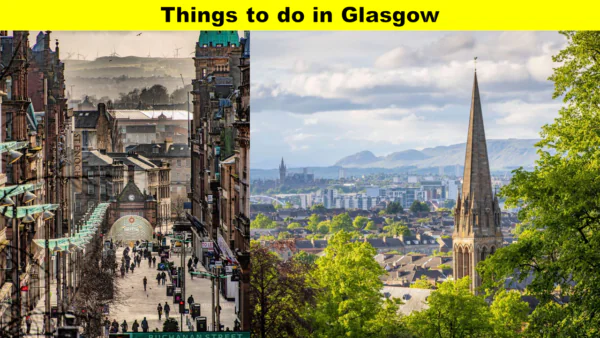
Things to do in Glasgow based on NeemTime research from most popular to just popular.
Kelvingrove Art Gallery and Museum, Glasgow
Overview: Kelvingrove Art Gallery and Museum is a prominent cultural institution in Glasgow housing a diverse collection of art, natural history, and historical artifacts.
History: The museum was established to provide public access to art and cultural collections and promote education in Glasgow.
Since When: Kelvingrove Museum opened in 1901.
Review: Visitors consistently praise its grand architecture, extensive exhibits, and family-friendly attractions.
When to Go: Weekdays are ideal to avoid weekend crowds and enjoy a quieter experience.
How to Go: The museum is accessible by subway, bus, or taxi from central Glasgow.
What to Do: Visitors can explore art galleries, natural history exhibits, attend temporary exhibitions, and enjoy interactive displays.
Free or Paid: Entry is free, with optional paid tours and donations.
George Square, Glasgow
Overview: George Square is the central public square in Glasgow, surrounded by historic buildings, statues, and civic landmarks.
History: The square has been the city’s focal point for political, social, and cultural events since the 18th century.
Since When: George Square was officially laid out in 1781.
Review: Visitors enjoy its open space, historic monuments, and frequent public events and festivals.
When to Go: Daytime visits are best for sightseeing and photography.
How to Go: The square is accessible by subway, bus, or on foot from central Glasgow.
What to Do: Visitors can stroll, take photos, admire statues, and attend seasonal events or public gatherings.
Free or Paid: Visiting George Square is free.
Riverside Museum, Glasgow
Overview: Riverside Museum is Glasgow’s museum of transport and travel, showcasing historic vehicles, locomotives, and interactive displays.
History: The museum was created to preserve Glasgow’s industrial and transport heritage and educate the public.
Since When: Riverside Museum opened in 2011 on the banks of the River Clyde.
Review: Visitors praise its modern design, engaging exhibits, and hands-on displays for all ages.
When to Go: Weekdays or mornings are ideal to avoid crowds and enjoy interactive activities.
How to Go: The museum is accessible by subway, bus, or taxi along the Clyde waterfront.
What to Do: Visitors can explore vintage cars, trains, bicycles, and interactive exhibits on transport history.
Free or Paid: Entry is free.
Braehead Shopping Centre, Glasgow
Overview: Braehead Shopping Centre is a major retail and entertainment complex in Glasgow, featuring shops, restaurants, cinemas, and leisure facilities.
History: The centre was developed to serve the shopping and entertainment needs of Glasgow’s west end and surrounding areas.
Since When: Braehead Shopping Centre opened in 1999.
Review: Visitors appreciate its wide range of stores, food options, and family-friendly amenities, though weekends can be crowded.
When to Go: Weekday afternoons are ideal for a quieter shopping experience.
How to Go: The centre is accessible by car, bus, or taxi from Glasgow city centre.
What to Do: Visitors can shop, dine, watch movies, and enjoy leisure and entertainment activities.
Free or Paid: Entry is free, while shopping, dining, and cinema are paid.
St. Enoch Centre, Glasgow
Overview: St. Enoch Centre is a large shopping mall in central Glasgow offering retail stores, dining, and entertainment facilities.
History: The mall was built to provide a modern shopping experience in the heart of Glasgow.
Since When: St. Enoch Centre opened in 1989.
Review: Visitors appreciate its central location, variety of shops, and modern amenities, though it can be busy during peak hours.
When to Go: Weekday mornings or early afternoons are best for a relaxed visit.
How to Go: The centre is accessible by subway, bus, or taxi in central Glasgow.
What to Do: Visitors can shop, dine, attend events, and enjoy leisure facilities.
Free or Paid: Entry is free, while shopping and dining are paid.
Ibrox Stadium, Glasgow
Overview: Ibrox Stadium is the iconic home ground of Rangers Football Club, renowned for its passionate football atmosphere and historic architecture.
History: The stadium was originally built to host football matches for Rangers F.C. and has undergone multiple renovations to modernize its facilities.
Since When: Ibrox Stadium opened in 1899.
Review: Visitors and fans praise the stadium for its electrifying matchday experience, rich football history, and guided tours.
When to Go: Match days provide the best atmosphere, while non-match days are ideal for stadium tours.
How to Go: The stadium is accessible by subway, bus, or taxi from central Glasgow.
What to Do: Visitors can watch football matches, take guided tours, visit the museum, and explore club memorabilia.
Free or Paid: Entry is paid for tours and match tickets.
Celtic Park, Glasgow
Overview: Celtic Park is the historic stadium of Celtic Football Club, known as one of Scotland’s largest football arenas and a hub of fan culture.
History: Built to host Celtic F.C. matches, the stadium has been upgraded over decades to accommodate large crowds and modern facilities.
Since When: Celtic Park opened in 1892.
Review: Visitors enjoy its impressive size, vibrant matchday atmosphere, and detailed stadium tours.
When to Go: Match days for football excitement, or weekdays for quieter guided tours.
How to Go: The stadium is accessible by subway, bus, or taxi from Glasgow city centre.
What to Do: Visitors can attend matches, take guided tours, visit the museum, and explore club history.
Free or Paid: Entry is paid for matches and stadium tours.
Glasgow Botanic Gardens, Glasgow
Overview: Glasgow Botanic Gardens is a scenic public garden featuring glasshouses, rare plants, walking paths, and peaceful green spaces.
History: The gardens were developed to promote botanical education, conservation, and public enjoyment.
Since When: Glasgow Botanic Gardens opened in 1842.
Review: Visitors appreciate its tranquility, diverse plant collections, and picturesque landscapes, ideal for relaxation and photography.
When to Go: Spring and summer mornings are best to enjoy flowers in full bloom and pleasant weather.
How to Go: The gardens are accessible by subway, bus, or taxi, located in the West End of Glasgow.
What to Do: Visitors can walk through gardens, explore glasshouses, attend educational programs, and picnic in open areas.
Free or Paid: Entry is free, though special exhibitions may have a small fee.
Buchanan Galleries, Glasgow
Overview: Buchanan Galleries is a modern shopping mall in central Glasgow offering a wide variety of retail stores, dining options, and leisure facilities.
History: The mall was developed to provide a central, convenient shopping experience for Glasgow residents and visitors.
Since When: Buchanan Galleries opened in 1999.
Review: Visitors appreciate its central location, range of stores, and family-friendly amenities, although it can be busy on weekends.
When to Go: Weekday mornings or early afternoons are best for a relaxed shopping experience.
How to Go: The mall is accessible by subway, bus, or on foot from Glasgow city centre.
What to Do: Visitors can shop, dine, enjoy cafes, and attend occasional events or exhibitions.
Free or Paid: Entry is free, while shopping and dining are paid.
Kelvingrove Park, Glasgow
Overview: Kelvingrove Park is a historic urban park in Glasgow offering green spaces, walking paths, statues, and recreational areas for locals and tourists.
History: The park was designed as part of 19th-century urban planning to provide a public leisure area and connect cultural landmarks.
Since When: Kelvingrove Park has been open since 1852.
Review: Visitors enjoy its spacious lawns, scenic river walks, and proximity to Kelvingrove Art Gallery and Museum.
When to Go: Spring and summer mornings or afternoons are best for walking, picnics, and outdoor activities.
How to Go: The park is accessible by subway, bus, taxi, or on foot from central and West End Glasgow.
What to Do: Visitors can walk, jog, cycle, picnic, admire statues, and enjoy seasonal events.
Free or Paid: Entry is free.
Loch Lomond & The Trossachs National Park, Glasgow
Overview: Loch Lomond & The Trossachs National Park is a vast scenic area near Glasgow featuring lochs, mountains, forests, and outdoor recreational activities.
History: The park was established to protect natural landscapes, wildlife, and provide public access to Scotland’s natural beauty.
Since When: It was officially designated as a national park in 2002.
Review: Visitors praise its stunning scenery, hiking trails, and opportunities for boating, wildlife spotting, and photography.
When to Go: Spring and summer are ideal for outdoor activities and enjoying clear weather.
How to Go: The park is accessible by car, organized tours, or train and bus services from Glasgow.
What to Do: Visitors can hike, cycle, boat, picnic, fish, and explore charming villages around the lochs.
Free or Paid: Entry to the park is free, while certain activities like boat trips are paid.
Silverburn, Glasgow
Overview: Silverburn is a large modern shopping mall in Glasgow featuring retail stores, restaurants, cinemas, and entertainment facilities.
History: The mall was developed to meet the commercial and lifestyle needs of Glasgow’s southwest population.
Since When: Silverburn opened in 2007.
Review: Visitors enjoy its wide range of shops, convenient layout, and family-friendly atmosphere, though weekends can be crowded.
When to Go: Weekday mornings or afternoons are best for a quieter shopping experience.
How to Go: Silverburn is accessible by car, bus, or taxi from Glasgow city centre.
What to Do: Visitors can shop, dine, watch movies, and enjoy leisure activities in the mall.
Free or Paid: Entry is free, while shopping, dining, and cinema are paid.
Glasgow Green, Glasgow
Overview: Glasgow Green is Glasgow’s oldest public park, featuring open green spaces, statues, monuments, and riverside paths.
History: The park was created as a public recreational area for Glasgow residents and has hosted historical events and gatherings.
Since When: Glasgow Green has been open since the 15th century.
Review: Visitors appreciate its historic charm, riverside views, and suitability for walking, jogging, and outdoor relaxation.
When to Go: Spring and summer mornings or afternoons are ideal for walks and picnics.
How to Go: The park is accessible by subway, bus, taxi, or on foot from central Glasgow.
What to Do: Visitors can walk, jog, cycle, picnic, attend events, and admire monuments and sculptures.
Free or Paid: Entry is free.
The Riverside Museum of Transport and Travel, Glasgow
Overview: The Riverside Museum of Transport and Travel is Glasgow’s modern museum showcasing historic vehicles, locomotives, and interactive transport exhibits.
History: The museum was created to preserve the city’s industrial and transport heritage while providing educational experiences.
Since When: Riverside Museum opened in 2011 on the River Clyde waterfront.
Review: Visitors praise its striking architecture, engaging exhibits, and family-friendly interactive displays.
When to Go: Weekdays or mornings are ideal to avoid crowds and enjoy exhibits at leisure.
How to Go: The museum is accessible by subway, bus, or taxi along the Clyde waterfront.
What to Do: Visitors can explore historic vehicles, trams, bicycles, and interactive transport exhibits.
Free or Paid: Entry is free.
Glasgow Cathedral, Glasgow
Overview: Glasgow Cathedral is a medieval Gothic cathedral in the city center, renowned for its architecture, stained glass, and historical significance.
History: The cathedral was built to serve religious worship and has survived centuries of Scotland’s turbulent history.
Since When: The current cathedral structure has been in use since the 12th century.
Review: Visitors admire its stunning Gothic architecture, peaceful interior, and rich historical context.
When to Go: Weekday mornings are best for a quiet visit and photography.
How to Go: The cathedral is accessible by subway, bus, taxi, or on foot in Glasgow city centre.
What to Do: Visitors can explore the nave, chapels, cloisters, attend services, and photograph stained glass and architecture.
Free or Paid: Entry is free, though donations are encouraged.
Pollok Country Park, Glasgow
Overview: Pollok Country Park is a large urban park in Glasgow featuring woodlands, gardens, walking trails, and cultural attractions like Pollok House.
History: The park was developed on the historic Pollok Estate to provide recreational space and preserve natural landscapes.
Since When: Pollok Country Park opened to the public in 1966.
Review: Visitors appreciate its scenic beauty, extensive walking trails, and family-friendly attractions, making it a favorite for relaxation.
When to Go: Spring and summer days are ideal for walking, picnics, and outdoor activities.
How to Go: The park is accessible by bus, car, or taxi from central Glasgow.
What to Do: Visitors can walk, cycle, picnic, explore Pollok House, visit the Highland cattle, and enjoy gardens.
Free or Paid: Entry is free, though Pollok House and certain exhibitions may require paid tickets.
Glasgow Science Centre, Glasgow
Overview: Glasgow Science Centre is a hands-on science museum featuring interactive exhibits, a planetarium, and an IMAX cinema for all ages.
History: The center was established to promote science education and public engagement with technology and innovation.
Since When: Glasgow Science Centre opened in 2001.
Review: Visitors praise its interactive exhibits, educational programs, and entertainment value for families and students.
When to Go: Weekday mornings are ideal to avoid crowds, while weekends are busier with school groups and families.
How to Go: The centre is accessible by subway, bus, or taxi in the Clyde Waterfront area.
What to Do: Visitors can explore science exhibits, attend planetarium shows, watch IMAX films, and participate in workshops.
Free or Paid: Entry is paid, with separate fees for IMAX and special exhibitions.
Òran Mór, Glasgow
Overview: Òran Mór is a vibrant arts and entertainment venue in Glasgow offering live music, theater, comedy, dining, and a historic converted church setting.
History: The venue was converted from a 19th-century church to a cultural hub while preserving its architectural heritage.
Since When: Òran Mór has been operating as an arts venue since 2012.
Review: Visitors enjoy its unique atmosphere, live performances, and combination of food and culture.
When to Go: Evenings and weekends are best for live shows and social dining experiences.
How to Go: The venue is accessible by subway, bus, or taxi in the West End of Glasgow.
What to Do: Visitors can attend concerts, comedy shows, theater performances, dine at the restaurant, and enjoy bar events.
Free or Paid: Entry is paid for events, while dining and bar access are paid.
Princes Square, Glasgow
Overview: Princes Square is a stylish shopping and leisure complex in central Glasgow featuring boutique stores, cafes, and modern architecture.
History: The building was redeveloped from a historic arcade to a modern shopping destination while retaining ornate details.
Since When: Princes Square reopened as a shopping center in 1988.
Review: Visitors appreciate its elegant design, boutique shops, and central location, though it can be busy on weekends.
When to Go: Weekday mornings or early afternoons are ideal for a quieter shopping experience.
How to Go: The center is accessible on foot, by subway, bus, or taxi in central Glasgow.
What to Do: Visitors can shop, dine, enjoy cafes, and admire architectural details.
Free or Paid: Entry is free, while shopping and dining are paid.
Buchanan Street, Glasgow
Overview: Buchanan Street is Glasgow’s premier shopping street, renowned for high-street stores, street performers, and vibrant city life.
History: The street has been a commercial and social hub for Glasgow since the 19th century.
Since When: Buchanan Street has been a key shopping area since the 1800s.
Review: Visitors love its lively atmosphere, variety of stores, and street performances, though it can be crowded at peak times.
When to Go: Weekday mornings or afternoons are best to avoid heavy crowds.
How to Go: The street is easily accessible on foot, by subway, bus, or taxi from central Glasgow.
What to Do: Visitors can shop, dine, watch street performances, and explore nearby landmarks.
Free or Paid: Visiting the street is free, while shopping and dining are paid.
M&D’s Scotland’s Theme Park, Glasgow
Overview: M&D’s Scotland’s Theme Park is a family-oriented amusement park near Glasgow featuring roller coasters, water rides, and arcade attractions.
History: The park was developed to provide entertainment and recreational options for families and visitors to the region.
Since When: M&D’s Theme Park opened in 1993.
Review: Visitors praise its wide variety of rides, family-friendly atmosphere, and value for money, though it can be busy during holidays.
When to Go: Weekdays or early mornings are ideal to avoid crowds and long queues.
How to Go: The park is accessible by car or bus from central Glasgow.
What to Do: Visitors can enjoy roller coasters, water rides, arcade games, and seasonal events.
Free or Paid: Entry and rides are paid.
The Pot Still, Glasgow
Overview: The Pot Still is a historic whisky bar in Glasgow, renowned for its extensive selection of single malts and traditional Scottish ambiance.
History: The bar was established to celebrate Scottish whisky culture and provide a gathering place for enthusiasts.
Since When: The Pot Still has been operating since 1947.
Review: Visitors love its cozy atmosphere, knowledgeable staff, and wide whisky selection, though it can get crowded on weekends.
When to Go: Evenings or weekdays are ideal for a relaxed experience.
How to Go: The bar is accessible by taxi, bus, or on foot from central Glasgow.
What to Do: Visitors can taste single malt whiskies, learn about whisky varieties, and enjoy Scottish pub culture.
Free or Paid: Entry is free, while drinks are paid.
Barrowland Ballroom, Glasgow
Overview: Barrowland Ballroom is a historic music venue and dance hall in Glasgow known for live concerts, events, and its iconic neon sign.
History: The ballroom was built to host dances and entertainment, becoming a central part of Glasgow’s music scene.
Since When: Barrowland Ballroom opened in 1934.
Review: Visitors appreciate its lively atmosphere, excellent acoustics, and historic charm, though it can be crowded during concerts.
When to Go: Evenings, especially during scheduled concerts or dance events, are ideal.
How to Go: The venue is accessible by subway, bus, or taxi in east Glasgow.
What to Do: Visitors can attend live concerts, dance events, and photograph the historic exterior.
Free or Paid: Entry is free for public areas, while concerts and events are paid.
Bellahouston Park, Glasgow
Overview: Bellahouston Park is a large public park in Glasgow offering green spaces, walking trails, sports facilities, and scenic views.
History: The park was established to provide recreational space for Glasgow residents and host public events.
Since When: Bellahouston Park has been open to the public since 1896.
Review: Visitors enjoy its expansive lawns, recreational facilities, and peaceful walking paths.
When to Go: Spring and summer days are ideal for walking, jogging, sports, and picnics.
How to Go: The park is accessible by subway, bus, taxi, or car from central Glasgow.
What to Do: Visitors can walk, jog, cycle, picnic, play sports, and attend outdoor events.
Free or Paid: Entry is free.
SWG3 Glasgow, Glasgow
Overview: SWG3 Glasgow is a contemporary arts and event space hosting exhibitions, concerts, festivals, and creative workshops.
History: The venue was converted from a historic warehouse into a multi-purpose cultural hub for Glasgow’s creative community.
Since When: SWG3 has been operating since 2006.
Review: Visitors praise its industrial-chic ambiance, diverse programming, and vibrant creative events.
When to Go: Evenings or weekends are best for concerts, exhibitions, and festivals.
How to Go: SWG3 is accessible by subway, bus, or taxi in the Finnieston area of Glasgow.
What to Do: Visitors can attend concerts, art exhibitions, workshops, and cultural festivals.
Free or Paid: Entry is free for some events, while concerts and exhibitions are paid.
The Necropolis, Glasgow
Overview: The Necropolis is a Victorian cemetery in Glasgow renowned for its elaborate monuments, historic graves, and panoramic views of the city.
History: Built as a burial ground for Glasgow’s elite, it reflects 19th-century funerary architecture and social history.
Since When: The Necropolis opened in 1833.
Review: Visitors admire its historic charm, impressive sculptures, and tranquil atmosphere, though it can feel eerie in certain areas.
When to Go: Daytime visits are best for safety and to appreciate architecture and city views.
How to Go: The Necropolis is accessible on foot from Glasgow Cathedral or by bus and taxi.
What to Do: Visitors can explore monuments, photograph Victorian architecture, enjoy panoramic city views, and learn local history.
Free or Paid: Entry is free.
People’s Palace, Glasgow
Overview: The People’s Palace is a museum and glasshouse in Glasgow’s East End showcasing the city’s social history, culture, and heritage.
History: It was established to document the lives of Glasgow’s working-class communities and provide educational exhibitions.
Since When: The museum opened in 1898.
Review: Visitors value its informative exhibits, historic displays, and interactive storytelling about Glasgow’s social evolution.
When to Go: Weekday mornings are ideal for quieter exploration and guided tours.
How to Go: The museum is accessible by subway, bus, or taxi near Glasgow Green.
What to Do: Visitors can explore exhibitions, learn about local history, enjoy the glasshouse, and attend educational programs.
Free or Paid: Entry is free.
Queen’s Park, Glasgow
Overview: Queen’s Park is a large public park in Glasgow featuring woodlands, recreational spaces, panoramic city views, and sports facilities.
History: The park was designed to provide leisure space and preserve natural landscapes for city residents.
Since When: Queen’s Park has been open since 1857.
Review: Visitors enjoy its scenic walking trails, sports areas, and family-friendly outdoor environment.
When to Go: Spring and summer days are ideal for walking, picnicking, and sports activities.
How to Go: The park is accessible by subway, bus, or taxi from central Glasgow.
What to Do: Visitors can walk, jog, cycle, picnic, play sports, and enjoy scenic viewpoints.
Free or Paid: Entry is free.
Hollywood Bowl Springfield Quay, Glasgow
Overview: Hollywood Bowl Springfield Quay is a family-friendly bowling and entertainment center in Glasgow offering bowling lanes, arcade games, and dining.
History: The venue was established to provide recreational indoor entertainment for families and groups.
Since When: Hollywood Bowl Springfield Quay has been operating since the early 2000s.
Review: Visitors appreciate its fun atmosphere, well-maintained lanes, and variety of games for all ages.
When to Go: Evenings or weekends are best for group activities, though weekdays are quieter.
How to Go: The venue is accessible by car, taxi, or bus in the Springfield Quay entertainment complex.
What to Do: Visitors can bowl, play arcade games, dine in restaurants, and celebrate events.
Free or Paid: Entry is free, while bowling and games are paid.
Seven Lochs Wetland Park, Glasgow
Overview: Seven Lochs Wetland Park is a large urban nature reserve in Glasgow featuring lochs, wetlands, walking trails, and wildlife habitats.
History: The park was created to protect local ecosystems, promote biodiversity, and provide recreational green space.
Since When: Seven Lochs Wetland Park officially opened in 2015.
Review: Visitors enjoy its scenic trails, birdwatching opportunities, and tranquil natural environment.
When to Go: Spring and summer mornings are best for walking, wildlife spotting, and photography.
How to Go: The park is accessible by car, bike, or public transport from Glasgow city centre.
What to Do: Visitors can walk, cycle, picnic, birdwatch, and explore natural trails.
Free or Paid: Entry is free.