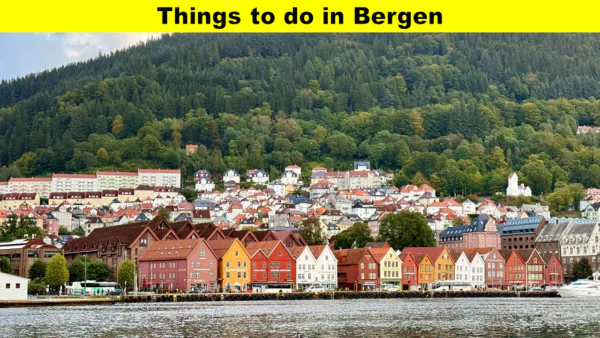
Things to do in Bergen based on NeemTime research from most popular to just popular.
Flåmsbana, Bergen
Overview: Flåmsbana is a world-famous scenic railway connecting Flåm and Myrdal, offering passengers dramatic views of waterfalls, steep valleys, tunnels, and fjord landscapes within western Norway.
History: Construction of the railway began in 1923 and it officially opened in 1940 as a remarkable engineering project linking the remote Aurlandsfjord area to the Bergen Line.
Since When: Flåmsbana has been in operation since 1940 and has grown into one of Norway’s most popular tourist rail experiences.
Review: Visitors consistently describe the journey as breathtaking and well-organized, though ticket prices are considered relatively high during peak travel seasons.
When to Go: The best time to ride is between May and September for lush green scenery, while winter offers dramatic snow-covered mountain views.
How to Go: From Bergen, travelers can take the Bergen Line train to Myrdal and transfer directly to the Flåmsbana for the scenic descent to Flåm.
What to Do: Passengers can enjoy narrated views, photograph waterfalls such as Kjosfossen, explore Flåm village, and combine the trip with a fjord cruise.
Free or Paid: The railway experience requires purchasing a train ticket.
Fishmarket in Bergen, Bergen
Overview: The Fishmarket in Bergen is a historic harbor-side marketplace offering fresh seafood, Norwegian specialties, and local produce in both outdoor and indoor sections.
History: The market dates back to the 1200s when Bergen became a major trading center during the Hanseatic League period.
Since When: It has functioned for over 800 years as one of Norway’s oldest continuously operating markets.
Review: Visitors enjoy sampling salmon, shrimp, and traditional fish soup, although many note that prices are higher due to its central tourist location.
When to Go: Summer months provide the liveliest atmosphere with full vendor participation and pleasant harbor weather.
How to Go: Located beside Vågen harbor in central Bergen, it is easily accessible on foot from Bryggen and nearby hotels.
What to Do: Guests can taste fresh seafood dishes, buy packaged local products, take harbor photos, and interact with vendors.
Free or Paid: Entry is free, but food and purchases require payment.
Mount Fløyen and Fløibanen, Bergen
Overview: Mount Fløyen is one of Bergen’s most accessible scenic peaks, reached by the Fløibanen funicular, offering sweeping panoramic views of the city, fjords, and surrounding mountains.
History: The Fløibanen funicular opened in 1918 to provide convenient access to Mount Fløyen as part of Bergen’s growing tourism infrastructure.
Since When: The funicular has been transporting residents and visitors to Mount Fløyen since 1918.
Review: Travelers praise the spectacular viewpoints and well-maintained hiking trails, though queues may occur during cruise ship arrivals.
When to Go: Clear days from late spring to early autumn offer the best visibility and comfortable hiking conditions.
How to Go: The lower station of the Fløibanen is located near Bryggen in central Bergen and can be reached easily on foot or by public transport.
What to Do: Visitors can ride the funicular, hike forest trails, visit the summit café, relax at viewpoints, and take panoramic photographs.
Free or Paid: The funicular ride requires a paid ticket, while hiking is free.
Bergenhus Fortress, Bergen
Overview: Bergenhus Fortress is a historic medieval fortress complex located at the entrance of Bergen harbor, featuring stone halls, towers, and scenic waterfront grounds.
History: Built in the 13th century during the reign of King Håkon Håkonsson, it served as a royal residence and defensive stronghold in medieval Norway.
Since When: The fortress has stood since the 1200s and remains one of Norway’s oldest preserved fortifications.
Review: Visitors appreciate exploring historic buildings such as Håkon’s Hall and Rosenkrantz Tower, though indoor exhibits may have seasonal opening hours.
When to Go: Late spring through summer is ideal when guided tours and interior sections are fully open.
How to Go: Situated near Bryggen and the harbor, it is easily accessible on foot from central Bergen.
What to Do: Guests can tour medieval halls, attend cultural events, walk along the fortress grounds, and enjoy harbor views.
Free or Paid: The fortress grounds are free to enter, while certain buildings require paid admission.
Akvariet i Bergen, Bergen
Overview: Akvariet i Bergen, known as the National Aquarium, is a marine attraction showcasing seals, penguins, tropical fish, and educational exhibits focused on ocean ecosystems.
History: Opened in 1960, the aquarium was established to promote marine research awareness and public education about Norway’s coastal biodiversity.
Since When: It has welcomed visitors since 1960 and has been expanded and modernized over the decades.
Review: Families and children particularly enjoy the animal feeding sessions and interactive exhibits, though the aquarium is smaller compared to larger international facilities.
When to Go: Visiting during scheduled feeding times in spring or summer enhances the overall experience.
How to Go: Located on the Nordnes peninsula, it can be reached by bus, taxi, or a scenic walk from central Bergen.
What to Do: Visitors can watch seal and penguin feedings, explore marine exhibits, participate in educational activities, and enjoy waterfront views.
Free or Paid: Admission requires purchasing an entrance ticket.
Fishmarket in Bergen, Bergen
Overview: The Fish Market in Bergen is a historic waterfront marketplace offering fresh seafood, local delicacies, and traditional Norwegian products in both indoor and outdoor areas.
History: The market dates back to the 1200s when Bergen became a major trading hub under the Hanseatic League.
Since When: It has operated continuously for over 800 years, making it one of Norway’s oldest markets.
Review: Visitors enjoy tasting salmon, shrimp, and traditional fish soup, though prices are higher due to its prime tourist location.
When to Go: Summer months are best for a lively atmosphere, full vendor participation, and pleasant harbor weather.
How to Go: Located beside Vågen harbor in central Bergen, it is easily accessible on foot from Bryggen and surrounding hotels.
What to Do: Guests can sample fresh seafood, buy packaged local products, take photos of the harbor, and interact with vendors.
Free or Paid: Entry is free, while food and purchases require payment.
Galleriet, Bergen
Overview: Galleriet is a multi-level modern shopping center in central Bergen featuring fashion stores, beauty shops, cafés, and specialty boutiques.
History: Opened in 1988, Galleriet was developed to provide a contemporary retail hub in the heart of Bergen.
Since When: It has been serving shoppers since 1988 and remains one of the city’s busiest commercial centers.
Review: Shoppers appreciate its convenient location and variety of stores, though weekends can be crowded during sales.
When to Go: Weekday mornings are ideal for a quieter and more relaxed shopping experience.
How to Go: Situated on Torgallmenningen square, it is easily reachable on foot or via public transport within central Bergen.
What to Do: Visitors can shop for clothing and accessories, enjoy café breaks, and browse Scandinavian brands.
Free or Paid: Entrance is free, while shopping and dining require payment.
Thon Senter Bergen, Bergen
Overview: Thon Senter Bergen is a centrally located mall offering retail shops, dining options, and service outlets in a convenient urban setting.
History: Developed as part of the Thon Group’s retail expansion, it was established to enhance Bergen’s commercial infrastructure in the late 20th century.
Since When: It has been operating since 1989 as a key shopping destination in the city center.
Review: Visitors value its practical selection of stores and accessibility, though it is smaller compared to larger regional malls.
When to Go: Weekdays are best to avoid peak shopping crowds.
How to Go: Located near Strandgaten in central Bergen, it is accessible by foot, bus, or taxi from various parts of the city.
What to Do: Guests can shop for essentials, dine at casual eateries, and run errands conveniently in one place.
Free or Paid: Entrance is free, while shopping and dining require payment.
Bryggen Hanseatic Wharf, Bergen
Overview: Bryggen Hanseatic Wharf is a row of colorful wooden merchant houses along Bergen’s harbor that reflects the city’s medieval trading heritage.
History: The wharf dates back to the 14th century when German Hanseatic merchants established Bergen as a major trading post.
Since When: It has existed for over 700 years, though it has been rebuilt several times following fires while maintaining its historic layout.
Review: Visitors admire the narrow alleyways, preserved wooden buildings, and vibrant harbor views, making it one of Bergen’s most photographed sites.
When to Go: Summer provides the best weather for walking tours and enjoying nearby outdoor cafés.
How to Go: Situated along the waterfront in central Bergen, it is accessible on foot from the Fish Market and city center.
What to Do: Tourists can explore small museums, browse artisan shops, dine in traditional restaurants, and learn about Hanseatic history.
Free or Paid: Walking around the wharf is free, while museums and shops require payment.
Bryggen, Bergen
Overview: Bryggen is Bergen’s historic harbor district, famous for its colorful wooden buildings and designation as a UNESCO World Heritage Site.
History: Established in the 12th century and later dominated by Hanseatic merchants, it became the commercial heart of medieval Bergen.
Since When: The area has existed since the 1100s and remains a preserved symbol of Bergen’s maritime and trading legacy.
Review: Visitors consistently rank Bryggen as a must-visit attraction for its authentic atmosphere, picturesque streets, and cultural significance.
When to Go: Late spring and summer are best for walking tours and enjoying the waterfront in pleasant weather.
How to Go: Located directly along Bergen harbor, it is easily accessible on foot from central hotels and transport hubs.
What to Do: Visitors can stroll historic alleyways, visit museums, take guided tours, shop for crafts, and photograph the waterfront.
Free or Paid: Exploring the district is free, while guided tours, museums, and dining experiences are paid.
Fløibanen, Bergen
Overview: Fløibanen is a historic funicular railway that carries passengers from central Bergen to the summit of Mount Fløyen, offering panoramic views of the city, fjords, and surrounding mountains.
History: The funicular officially opened in 1918 to provide easy access to Mount Fløyen for residents and tourists seeking recreation and scenic viewpoints.
Since When: Fløibanen has been operating continuously since 1918 and has become one of Bergen’s most popular attractions.
Review: Visitors praise the short but scenic ride and spectacular summit views, though queues can form during cruise season and peak tourism periods.
When to Go: Clear days in late spring and summer are best for panoramic views, while early mornings and evenings offer fewer crowds.
How to Go: The lower station is located near Bryggen and the Fish Market, easily reachable on foot or via public transport within central Bergen.
What to Do: Guests can ride the funicular, hike forest trails, visit the summit café, relax at viewing platforms, and take panoramic photographs.
Free or Paid: The funicular ride requires a paid ticket, though hiking the surrounding trails is free.
Fløibanen Upper Station, Bergen
Overview: Fløibanen Upper Station is the mountaintop arrival point of the funicular, serving as a gateway to scenic viewpoints, hiking trails, and recreational areas on Mount Fløyen.
History: Built alongside the Fløibanen funicular in 1918, the upper station has been updated over the years to improve visitor facilities and accessibility.
Since When: It has welcomed visitors since 1918 as the primary access point to Mount Fløyen’s summit attractions.
Review: Visitors appreciate the well-maintained viewing platforms, playground, and summit café, although it can become crowded during peak tourist season.
When to Go: Early mornings or late afternoons provide the best lighting for photos and fewer crowds.
How to Go: Accessible via the Fløibanen funicular from central Bergen.
What to Do: Activities include panoramic photography, starting scenic hikes, relaxing at the café, and enjoying the playground and nature trails.
Free or Paid: Access to the station area is included with the paid funicular ticket, while hiking is free.
Ulriksbanen, Bergen
Overview: Ulriksbanen is a modern cable car that transports visitors to the summit of Mount Ulriken, offering sweeping views of Bergen, the surrounding fjords, and mountains.
History: Opened in 1961 and modernized in 2021, the cable car was designed to improve access to Norway’s highest mountain in Bergen for tourists and locals.
Since When: Ulriksbanen has been operating since 1961 as a major scenic attraction.
Review: Visitors praise the dramatic views, modern cabins, and mountaintop facilities, though ticket prices are higher than other local attractions.
When to Go: Clear weather days between May and September are ideal for panoramic views and hiking.
How to Go: Located in the Haukeland area, it is reachable by bus, taxi, or car from Bergen city center.
What to Do: Guests can ride the cable car, dine at the mountaintop restaurant, hike trails such as the Vidden trail, and take photographs of fjords and mountains.
Free or Paid: The cable car ride requires a paid ticket, though hiking access is free.
Bergen Kino, Bergen
Overview: Bergen Kino is a modern cinema complex in the city center offering Norwegian and international films across multiple screening halls.
History: Established in 1913, Bergen Kino is one of Norway’s oldest cinema institutions and has evolved to include digital projection and modern facilities.
Since When: It has been operating since 1913 as a key entertainment venue in Bergen.
Review: Visitors appreciate its comfortable seating, wide film selection, and convenient location, though ticket prices reflect typical Norwegian cinema costs.
When to Go: Evenings and weekends are most popular for new releases, while weekday afternoons are quieter.
How to Go: Located near Engen in central Bergen, it is easily accessible on foot or by public transport.
What to Do: Guests can watch films, attend special screenings, and enjoy snacks and drinks from the concession stands.
Free or Paid: Entry requires purchasing a movie ticket.
Olivia Zachariasbryggen, Bergen
Overview: Olivia Zachariasbryggen is an Italian restaurant located along Bergen’s historic waterfront, known for its wood-fired pizzas and cozy harbor views.
History: Part of the Olivia restaurant chain founded in 2006, the Zachariasbryggen branch was opened to bring authentic Italian dining to Bergen’s harbor district.
Since When: It has been serving guests since the 2000s as part of the expanding Olivia brand in Norway.
Review: Diners praise the quality of the pizzas and pasta, as well as the scenic waterfront location, though reservations are recommended during busy seasons.
When to Go: Dinner during summer evenings provides a lively atmosphere with extended daylight views of the harbor.
How to Go: Situated at Zachariasbryggen near Bryggen, it is easily reachable on foot from central Bergen attractions.
What to Do: Guests can enjoy Italian cuisine, relax with drinks by the waterfront, and take in views of the historic harbor district.
Free or Paid: Dining requires payment according to menu selections.
Hansakvarteret Bryggen, Bergen
Overview: Hansakvarteret Bryggen is a historic complex of Hanseatic merchant buildings in Bergen, showcasing traditional wooden architecture and narrow alleyways along the waterfront.
History: Established in the 14th century by German Hanseatic traders, the quarter served as a hub for trade and commerce during medieval Bergen.
Since When: It has stood for over 700 years, with several reconstructions after fires while preserving its original Hanseatic layout.
Review: Visitors admire the historic charm, picturesque streets, and cultural authenticity, making it a top destination for photography and history enthusiasts.
When to Go: Summer and early autumn provide the best weather for exploring on foot and enjoying outdoor cafés.
How to Go: Located along Bergen harbor, it is accessible on foot from the Fish Market, Bryggen, and central Bergen hotels.
What to Do: Guests can stroll historic alleys, visit museums, shop for artisan crafts, dine in traditional restaurants, and photograph the colorful buildings.
Free or Paid: Walking around is free, while museums and certain attractions require paid entry.
Pingvinen, Bergen
Overview: Pingvinen is a cozy, popular Norwegian pub and restaurant in Bergen, known for traditional local dishes such as fish cakes, lamb, and craft beers.
History: Established in 2009, Pingvinen was founded to celebrate Bergen’s culinary heritage and provide a casual dining experience with local flavors.
Since When: It has been serving guests since 2009 and has grown in popularity among both locals and tourists.
Review: Visitors praise its hearty traditional meals, friendly atmosphere, and affordable prices, though it can be crowded during dinner hours.
When to Go: Lunch and dinner times are best, with weekdays offering a quieter dining experience than weekends.
How to Go: Located near Marken in central Bergen, it is accessible on foot or via public transport from the city center.
What to Do: Guests can enjoy traditional Norwegian food, taste local beers, and experience the warm, casual pub atmosphere.
Free or Paid: Dining requires payment according to menu selections.
Trekroneren, Bergen
Overview: Trekroneren is a hilltop restaurant in Bergen offering panoramic views of the city, fjords, and surrounding mountains alongside classic Norwegian cuisine.
History: Established in the mid-20th century, it was designed to combine fine dining with a scenic vantage point for tourists and locals.
Since When: Trekroneren has been welcoming guests since the 1950s as one of Bergen’s iconic hilltop restaurants.
Review: Visitors appreciate the breathtaking views, elegant atmosphere, and traditional menu, though prices are higher than casual eateries.
When to Go: Sunset hours during summer provide the most memorable vistas and photographic opportunities.
How to Go: Accessible by car, taxi, or a moderate hike from central Bergen, with limited parking at the site.
What to Do: Guests can enjoy a meal while admiring panoramic views, take photographs, and relax in the scenic surroundings.
Free or Paid: Dining requires payment according to the menu.
Fantoft Stave Church, Bergen
Overview: Fantoft Stave Church is a reconstructed medieval Norwegian wooden stave church known for its unique architecture and historic significance.
History: Originally built in 1150 in Fortun, it was relocated to Fantoft in 1883, destroyed by arson in 1992, and meticulously reconstructed to preserve its traditional design.
Since When: The church has existed at its current Fantoft location since 1883, with the current reconstructed version standing since 1997.
Review: Visitors admire the intricate woodwork, stave design, and cultural importance, though some note it is smaller than other historic stave churches in Norway.
When to Go: Late spring through early autumn offers pleasant weather for exploring the grounds and photographing the church.
How to Go: Located in the Fantoft district, it is accessible by bus, car, or taxi from central Bergen.
What to Do: Guests can tour the exterior and grounds, take photographs, learn about stave church architecture, and attend occasional cultural events.
Free or Paid: Visiting the exterior and grounds is free, though guided tours may require payment.
Grieghallen, Bergen
Overview: Grieghallen is Bergen’s main concert and convention hall, renowned for hosting symphony concerts, cultural performances, and major events.
History: Opened in 1978 and named after composer Edvard Grieg, it was constructed to provide a modern venue for music and cultural gatherings.
Since When: Grieghallen has been serving as Bergen’s premier concert venue since 1978.
Review: Visitors and concertgoers praise its excellent acoustics, modern design, and central location, though parking can be limited during major events.
When to Go: Event schedules dictate visits, but summer concerts and cultural festivals offer the most lively experiences.
How to Go: Located near the city center, it is accessible on foot, by bus, or by taxi from central Bergen hotels.
What to Do: Guests can attend concerts, cultural performances, exhibitions, and special events, or explore the surrounding harbor area.
Free or Paid: Entrance depends on the event; general attendance to performances requires ticket purchase.
Festplassen, Bergen
Overview: Festplassen is a large open square and event venue in Bergen, hosting concerts, festivals, fairs, and public gatherings in the city center.
History: The site was developed in the early 20th century as a civic square and later became the primary location for large outdoor events in Bergen.
Since When: Festplassen has been actively used for public and cultural events since the 1920s.
Review: Visitors praise its central location and versatility for major events, though it can become crowded and noisy during festivals.
When to Go: The best times to visit are during scheduled events, summer festivals, or public gatherings.
How to Go: Located in central Bergen near the Bergenhus Fortress and city center, it is easily accessible on foot or by public transport.
What to Do: Guests can attend concerts, festivals, fairs, and seasonal events, or simply enjoy the open square and surrounding architecture.
Free or Paid: Entry is free, though events may require ticket purchases.
Brasilia Bergen, Bergen
Overview: Brasilia Bergen is a vibrant Brazilian-themed restaurant and bar offering traditional Brazilian dishes, cocktails, and live music in a festive atmosphere.
History: Founded in the 2000s, it was established to bring Brazilian cuisine and culture to Bergen’s dining scene.
Since When: It has been operating since the early 2000s as a popular spot for locals and tourists seeking Brazilian flavors.
Review: Guests enjoy the authentic food, lively ambiance, and live music nights, though the space can be crowded during weekends.
When to Go: Evenings, particularly on weekends, are best for experiencing live music and the full festive atmosphere.
How to Go: Located in central Bergen, it is accessible on foot from the city center or by taxi.
What to Do: Guests can enjoy Brazilian cuisine, cocktails, live music performances, and themed events.
Free or Paid: Dining and entertainment require payment according to menu and event pricing.
Outland Bergen, Bergen
Overview: Outland Bergen is a specialty store for comics, tabletop games, collectibles, and pop culture merchandise, catering to fans of fantasy, sci-fi, and gaming.
History: Established to provide a dedicated space for comic and game enthusiasts, it quickly became a local hub for nerd culture in Bergen.
Since When: Outland Bergen has been operating since the early 2000s as a leading pop culture and gaming store.
Review: Customers appreciate the wide selection of comics, board games, and collectibles, though it can be busy during weekends and new releases.
When to Go: Weekdays are ideal for a quieter shopping experience, while weekends are better for special events and releases.
How to Go: Located on Strandgaten in central Bergen, it is easily accessible on foot or via public transport.
What to Do: Visitors can browse comics, tabletop games, collectibles, attend signings, and participate in gaming events.
Free or Paid: Entry is free, but purchases of merchandise require payment.
Citybox Bergen, Bergen
Overview: Citybox Bergen is a modern, budget-friendly hotel in central Bergen offering self-service check-in, compact rooms, and contemporary amenities.
History: Opened to cater to budget-conscious travelers, Citybox Bergen focused on providing efficient, no-frills accommodations in a central location.
Since When: The hotel has been operating since the late 2010s as a convenient city-center lodging option.
Review: Guests appreciate its central location, clean rooms, and affordability, though some note the minimalistic approach may not suit all preferences.
When to Go: Year-round stays are suitable, with summer and festival periods offering proximity to events but higher occupancy.
How to Go: Located near the city center, it is accessible on foot from Bergen railway station or via taxi.
What to Do: Guests can stay comfortably while exploring Bergen’s central attractions, restaurants, and cultural sites.
Free or Paid: Accommodation requires payment according to room rates.
Troldhaugen, Bergen
Overview: Troldhaugen is the former home of composer Edvard Grieg, now a museum showcasing his life, works, and historic residence in scenic surroundings.
History: Built in 1885, Troldhaugen served as Grieg’s residence and composing retreat, later converted into a museum to preserve his legacy.
Since When: It has welcomed visitors as a museum since 1928, offering insight into Grieg’s music and lifestyle.
Review: Visitors praise the well-preserved home, the concert hall, and the surrounding gardens, though guided tours can be crowded during peak season.
When to Go: Late spring through early autumn offers pleasant weather for touring the house and gardens.
How to Go: Located in the Fana district of Bergen, it is accessible by bus, car, or taxi from the city center.
What to Do: Guests can tour Grieg’s home, attend concerts in the on-site hall, stroll the gardens, and learn about his life and music.
Free or Paid: Museum entry and concerts require a paid ticket.
Apollon Platebar, Bergen
Overview: Apollon Platebar is a trendy Bergen restaurant specializing in sharing platters, modern European cuisine, and a vibrant casual dining atmosphere.
History: The restaurant was founded to provide a contemporary dining experience that combines high-quality dishes with a social, shared-plate concept.
Since When: Apollon Platebar has been serving guests since the mid-2010s and has become popular among locals and tourists.
Review: Guests praise the creative menu, stylish ambiance, and friendly service, though it can get busy during weekends.
When to Go: Evenings, particularly on weekdays, offer a quieter dining experience, while weekends are lively.
How to Go: Located in central Bergen, it is easily accessible on foot from the city center or by taxi.
What to Do: Visitors can enjoy shared plates, sample seasonal dishes, socialize with friends, and experience modern Norwegian dining.
Free or Paid: Dining requires payment according to the menu.
Leo’s Lekeland, Bergen
Overview: Leo’s Lekeland is an indoor play center for children featuring slides, ball pits, climbing structures, and interactive activities designed for family fun.
History: It was established as part of the Leo’s Lekeland franchise to provide safe, indoor recreational spaces for children in Norway.
Since When: The Bergen branch has been operating since the 2010s, serving as a popular destination for local families.
Review: Parents and children appreciate the fun and safe environment, though it can be crowded during school holidays and weekends.
When to Go: Weekdays are ideal for fewer crowds, while weekends are lively and full of energy.
How to Go: Located in central Bergen, it is accessible by car, bus, or taxi.
What to Do: Children can enjoy climbing, sliding, playing in ball pits, and participating in interactive games, while parents can relax in seating areas.
Free or Paid: Entry requires a paid ticket per child or visitor.
VilVite – Bergen Science Center, Bergen
Overview: VilVite is Bergen’s interactive science center featuring hands-on exhibits, experiments, and educational displays for children and adults.
History: Founded to promote science education and public engagement, VilVite provides interactive learning experiences in technology, physics, and natural sciences.
Since When: VilVite has been welcoming visitors since 2004, continually expanding exhibits to include modern science demonstrations.
Review: Visitors enjoy the hands-on activities, educational workshops, and interactive learning opportunities, especially for families with children.
When to Go: Weekdays or mornings during school holidays provide a less crowded experience.
How to Go: Located near the city center, it is accessible by bus, car, or on foot from nearby attractions.
What to Do: Guests can explore science exhibits, participate in experiments, attend workshops, and engage in interactive STEM activities.
Free or Paid: Entry requires a paid ticket.
Mount Ulriken and the cable car, Bergen
Overview: Mount Ulriken is the highest of Bergen’s seven mountains, and the cable car provides panoramic views of the city, fjords, and surrounding landscapes.
History: The Ulriksbanen cable car was opened in 1961 and modernized in 2021 to enhance access and comfort for tourists and locals.
Since When: It has been operating since 1961 as a major scenic and recreational attraction in Bergen.
Review: Visitors praise the dramatic vistas, modern cable car cabins, and mountaintop facilities, though tickets are relatively expensive.
When to Go: Clear weather days between May and September provide the best visibility and comfortable hiking conditions.
How to Go: Located in the Haukeland area, it is reachable by bus, taxi, or car from Bergen city center.
What to Do: Guests can ride the cable car, hike the Vidden trail, dine at the mountaintop restaurant, and photograph panoramic fjord and city views.
Free or Paid: The cable car ride requires a paid ticket, while hiking is free.
Magic Ice Bar, Bergen
Overview: Magic Ice Bar is a unique attraction where visitors can experience a frozen bar environment with ice sculptures, cocktails served in ice glasses, and immersive Arctic-themed decor.
History: Opened as part of the international Magic Ice Bar franchise, it was created to provide a novel entertainment experience combining art, ice, and beverages.
Since When: The Bergen branch has been operating since the mid-2010s as a specialty nightlife attraction.
Review: Visitors enjoy the novelty of the ice environment, artistic sculptures, and creative cocktails, though the cold interior requires warm clothing.
When to Go: Evenings are ideal for a social, relaxed experience, especially on weekends.
How to Go: Located near the city center, it is accessible on foot from central Bergen or by taxi.
What to Do: Guests can explore ice sculptures, enjoy cocktails in ice glasses, take photos, and experience the Arctic-themed atmosphere.
Free or Paid: Entry and drinks require payment.