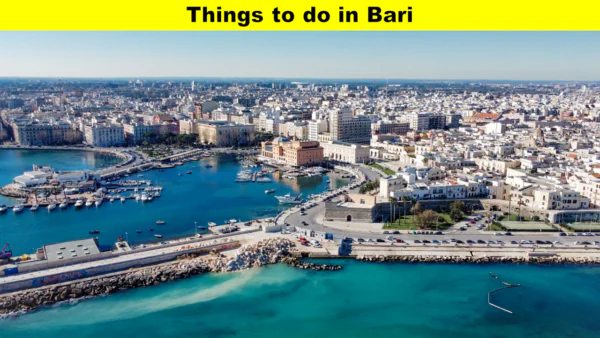
Things to do in Bari based on NeemTime research from most popular to just popular.
Grotte di Castellana, Bari
Overview: Grotte di Castellana is an extensive underground cave complex famous for its spectacular limestone formations, vast chambers, and guided subterranean tours.
History: The caves were officially explored and opened to the public after their discovery by speleologist Franco Anelli in the early 20th century.
Since When: They have been accessible to visitors since 1938.
Review: Visitors consistently rate the caves highly for their breathtaking natural beauty and informative guided tours, though the walk can be physically demanding.
When to Go: Spring and autumn are ideal for comfortable temperatures and fewer crowds.
How to Go: The site is reachable by car or train from Bari to Castellana Grotte, followed by a short taxi or bus ride.
What to Do: Join guided cave tours, admire stalactites and stalagmites, and learn about geological formations.
Free or Paid: Entry is paid with different ticket options based on tour length.
Castel del Monte, Bari
Overview: Castel del Monte is a UNESCO World Heritage Site known for its unique octagonal design and mysterious medieval architecture.
History: Built by Emperor Frederick II in the 13th century, the castle reflects a blend of scientific, cultural, and symbolic influences.
Since When: Construction was completed around 1240.
Review: Visitors admire its symmetry, panoramic views, and historical intrigue, though interior furnishings are minimal.
When to Go: Late spring and early autumn offer pleasant weather and clear views.
How to Go: Accessible by car from Bari or by train to Andria followed by a shuttle or taxi.
What to Do: Explore the castle interior, enjoy countryside views, and photograph its iconic structure.
Free or Paid: Paid entry with discounted rates for eligible visitors.
Basilica San Nicola, Bari
Overview: Basilica San Nicola is an important Romanesque church and pilgrimage site dedicated to Saint Nicholas.
History: The basilica was built to house the relics of Saint Nicholas, brought from Myra to Bari by sailors.
Since When: It has stood as a place of worship since 1087.
Review: Visitors appreciate its spiritual atmosphere, historic crypt, and architectural simplicity.
When to Go: Mornings or non-festival days are best for a quiet visit.
How to Go: Located in Bari Vecchia and easily reached on foot or by public transport.
What to Do: Visit the crypt, attend mass, and explore the historic old town nearby.
Free or Paid: Entry is free, with donations welcome.
La Cantina dello Zio, Bari
Overview: La Cantina dello Zio is a traditional Italian restaurant known for authentic Apulian cuisine and a cozy atmosphere.
History: The restaurant was established to preserve and serve regional recipes passed down through generations.
Since When: It has been operating since the late 20th century.
Review: Diners praise the homemade dishes, local wines, and friendly service, though seating can be limited.
When to Go: Evenings are ideal for a relaxed dining experience, especially on weekdays.
How to Go: Easily accessible by car, taxi, or walking within central Bari.
What to Do: Enjoy traditional pasta, seafood specialties, and regional wines.
Free or Paid: Paid dining establishment.
Parco 2 Giugno, Bari
Overview: Parco 2 Giugno is a large urban park offering green spaces, walking paths, and recreational facilities for locals and visitors.
History: The park was created to provide a modern recreational area during Bari’s urban expansion.
Since When: It has been open to the public since the late 20th century.
Review: Visitors enjoy its cleanliness, open lawns, and family-friendly environment, though it can be busy on weekends.
When to Go: Early mornings or late afternoons are best for walking and relaxation.
How to Go: Accessible by bus, car, or taxi from central Bari.
What to Do: Walk, jog, picnic, relax, and let children enjoy play areas.
Free or Paid: Entry is free.
Teatro Petruzzelli, Bari
Overview: Teatro Petruzzelli is one of Italy’s largest and most prestigious opera houses, renowned for its grand architecture and world-class performances in opera, ballet, and concerts.
History: Originally inaugurated in 1903, the theater became a cultural symbol of Bari before being destroyed by a devastating fire in 1991 and later meticulously reconstructed.
Since When: The theater has been operating since 1903, with its modern rebirth officially reopening to the public in 2009 after restoration.
Review: Visitors consistently praise Teatro Petruzzelli for its stunning interiors, excellent acoustics, and high-quality artistic programming.
When to Go: The best time to visit is in the evening during performance seasons, particularly from autumn to spring.
How to Go: It is centrally located in Bari and easily reachable on foot, by local bus, or taxi from Bari Centrale railway station.
What to Do: Attend an opera or concert, admire the interior design, or join a guided tour to learn about its history.
Free or Paid: Entry is paid for performances, while guided tours may have a separate ticket fee.
Lungomare Araldo di Crollalanza, Bari
Overview: Lungomare Araldo di Crollalanza is a scenic seaside promenade offering panoramic views of the Adriatic Sea and Bari’s elegant waterfront.
History: Developed in the early 20th century, the promenade was designed to showcase Bari’s modernization and connection to the sea.
Since When: The lungomare has been an integral part of Bari’s urban landscape since the 1920s.
Review: Visitors love the relaxing atmosphere, beautiful sea views, and the chance to experience local life.
When to Go: Early mornings and sunsets are ideal times for walking and photography.
How to Go: It is easily accessible from Bari city center on foot, by bicycle, or via public transport.
What to Do: Take a leisurely walk, enjoy sea breezes, photograph the coastline, or relax on nearby benches.
Free or Paid: Access to the promenade is completely free.
Cathedral of Saint Sabinus, Bari
Overview: The Cathedral of Saint Sabinus is a Romanesque masterpiece and one of Bari’s most important religious and architectural landmarks.
History: Built in the late 12th century on the ruins of an earlier Byzantine church, it reflects Norman influence in southern Italy.
Since When: The cathedral has stood as a place of worship since its completion in the 12th century.
Review: Visitors admire its serene atmosphere, crypt, and historical significance.
When to Go: Morning hours are best for quiet exploration and attending Mass.
How to Go: Located in Bari Vecchia, it can be reached easily by walking through the old town.
What to Do: Explore the interior, visit the crypt, and learn about Bari’s religious heritage.
Free or Paid: Entrance is generally free, with donations appreciated.
Lido San Francesco, Bari
Overview: Lido San Francesco is a popular beach area combining sandy shores with clear waters close to Bari’s urban center.
History: The beach developed as a recreational seaside spot as Bari expanded along the coast in the 20th century.
Since When: It has been used as a public bathing area for several decades.
Review: Visitors enjoy its accessibility, clean facilities, and relaxed beach vibe.
When to Go: Summer months from June to September are ideal for swimming and sunbathing.
How to Go: Reachable by bus, car, or bicycle from central Bari.
What to Do: Swim, sunbathe, enjoy beachside refreshments, or relax by the sea.
Free or Paid: Some sections are free, while equipped areas require a paid entrance fee.
Pane e Pomodoro, Bari
Overview: Pane e Pomodoro is Bari’s most famous urban beach, known for its lively atmosphere and local charm.
History: The beach was redeveloped in the 1990s to provide a clean and accessible seaside space for residents and tourists.
Since When: It has been officially open to the public since the late 1990s.
Review: Visitors appreciate its free access, proximity to the city, and authentic local feel.
When to Go: Late spring to early autumn is best, especially during warm sunny days.
How to Go: Easily accessible on foot, by bike, or by public transport from the city center.
What to Do: Swim, relax on the beach, watch locals, and enjoy seaside walks.
Free or Paid: Access is completely free.
Aquapark Egnazia, Bari
Overview: Aquapark Egnazia is a large family-friendly water park near Bari offering pools, slides, and leisure areas designed for both thrill-seekers and relaxed visitors.
History: The park was developed as part of the coastal tourism expansion in Puglia to provide modern recreational attractions alongside traditional seaside tourism.
Since When: Aquapark Egnazia has been operating since the early 2000s, growing steadily in popularity among locals and tourists.
Review: Visitors generally praise the park for its variety of water rides, cleanliness, and suitability for children, though peak summer crowds are common.
When to Go: The best time to visit is between June and September, preferably on weekdays to avoid long queues and heavy crowds.
How to Go: It can be reached from Bari by car via the SS16 highway or by regional trains and local transport to nearby Fasano.
What to Do: Enjoy water slides, wave pools, children’s play zones, sunbathing areas, and on-site food facilities.
Free or Paid: Entry is paid, with different ticket prices for adults, children, and seasonal promotions.
Panificio Fiore Bari, Bari
Overview: Panificio Fiore is a historic bakery in Bari Vecchia renowned for its traditional focaccia barese and wood-fired bread.
History: The bakery has been family-run for generations, preserving authentic Apulian baking techniques and recipes.
Since When: Panificio Fiore has been serving locals since 1912, making it one of the oldest bakeries in Bari.
Review: Customers consistently rate it highly for flavor, freshness, and authenticity, often calling it a must-visit food stop.
When to Go: The best time to visit is in the morning when bread and focaccia are freshly baked and most varieties are available.
How to Go: It is easily reached on foot within Bari’s old town or by bus to the historic center.
What to Do: Buy and taste focaccia, pizza, and traditional breads while experiencing local food culture.
Free or Paid: Entry is free, but food purchases are paid.
Castello Svevo di Bari, Bari
Overview: Castello Svevo di Bari is a massive medieval fortress dominating the old town and serving as a major historical landmark.
History: Originally built by the Normans in the 12th century, it was later expanded and fortified by Emperor Frederick II.
Since When: The castle has stood since around 1132, with several reconstructions over the centuries.
Review: Visitors appreciate its imposing architecture, exhibitions, and panoramic views, though some find interiors minimally furnished.
When to Go: Spring and autumn are ideal for visiting due to mild weather and fewer tourists.
How to Go: The castle is accessible by walking from Bari Centrale or via local buses to the old city.
What to Do: Explore historical exhibitions, walk along the walls, and learn about Bari’s medieval past.
Free or Paid: Entry is paid, with reduced fees for students and free days on special occasions.
Direzione regionale Musei, Bari
Overview: The Direzione regionale Musei in Bari oversees and promotes state museums and cultural heritage sites across the Puglia region.
History: It was established as part of Italy’s cultural heritage administration to improve museum management and accessibility.
Since When: The regional museum directorate has operated in its current form since administrative reforms in the 2010s.
Review: It is well regarded for coordinating exhibitions and conservation efforts, though it is mainly of professional interest.
When to Go: Visits are best during official opening hours on weekdays for administrative or informational purposes.
How to Go: It is reachable by public transport or on foot from central Bari locations.
What to Do: Seek information on museums, exhibitions, and cultural initiatives throughout the region.
Free or Paid: Entry to the office is free, while associated museums may be paid.
Città Vecchia – Bari, Bari
Overview: Città Vecchia, also known as Bari Vecchia, is the historic heart of the city characterized by narrow streets, churches, and local life.
History: The old town dates back to ancient Roman times and developed through Byzantine, Norman, and medieval periods.
Since When: Bari Vecchia has been continuously inhabited for over two thousand years.
Review: Travelers love its authentic atmosphere, street food, and historic charm, though it can feel crowded in peak seasons.
When to Go: Early mornings or evenings are ideal to enjoy the ambiance without heavy tourist traffic.
How to Go: It is easily accessible on foot from Bari Centrale or by local buses to the historic center.
What to Do: Walk the alleys, visit churches, watch locals making pasta, and enjoy traditional cuisine.
Free or Paid: Entry is free, with costs only for food, museums, or guided tours.
Teatro Margherita, Bari
Overview: Teatro Margherita is an iconic waterfront cultural venue in Bari, originally built over the sea and now serving as a contemporary exhibition and arts space reflecting the city’s creative spirit.
History: Constructed in the early 20th century, it was Bari’s first reinforced-concrete building and symbolized the city’s modernization and cultural ambitions.
Since When: The theater was inaugurated in 1914 and later restored and reopened as a cultural center in the 21st century.
Review: Visitors praise its unique sea-facing architecture, rotating art exhibitions, and its role as a vibrant cultural hub in the city center.
When to Go: The best time to visit is during daytime for exhibitions or in the evening when nearby waterfront areas are lively and atmospheric.
How to Go: Teatro Margherita is easily reachable on foot from Bari Vecchia or by local buses stopping near Lungomare Nazario Sauro.
What to Do: Explore art exhibitions, attend cultural events, and enjoy photography of the building and surrounding seafront.
Free or Paid: Entry is generally paid for exhibitions, though some events or areas may be free depending on the program.
The Ciclatera Under the Sea, Bari
Overview: The Ciclatera under the sea is a scenic coastal cycling path offering cyclists a unique experience alongside Bari’s Adriatic shoreline.
History: Developed as part of Bari’s urban mobility and sustainability initiatives, it highlights the city’s push toward eco-friendly transport.
Since When: The cycling route has been progressively developed and promoted since the late 2010s.
Review: Cyclists and walkers appreciate the smooth path, sea views, and relaxing atmosphere away from heavy traffic.
When to Go: Early mornings or late afternoons are ideal to avoid heat and enjoy cooler breezes and scenic light.
How to Go: Access points are available along Bari’s waterfront, reachable by foot, bike, or public transport.
What to Do: Cycle, jog, walk, or stop to admire the Adriatic Sea and take photos along the coast.
Free or Paid: The cycling path is completely free and open to the public.
Velo Service, Bari
Overview: Velo Service in Bari provides bicycle rental and repair services, supporting sustainable travel and tourism in the city.
History: Established to encourage cycling culture, it aligns with Bari’s growing network of bike paths and eco-mobility projects.
Since When: The service has been operating since the late 2010s as cycling infrastructure expanded across the city.
Review: Users highlight the convenience, affordability, and friendly service, especially for tourists wanting to explore Bari by bike.
When to Go: The service is best used during spring and autumn when cycling conditions are comfortable.
How to Go: Velo Service locations are accessible by public transport or on foot within central Bari.
What to Do: Rent a bicycle, get quick repairs, and explore Bari’s historic center and coastline sustainably.
Free or Paid: Bicycle rentals and services are paid, with prices varying by duration and service type.
AcquaPark Bari, Bari
Overview: AcquaPark Bari is a family-friendly water park featuring slides, pools, and recreational areas designed for summer fun.
History: Created to provide seasonal entertainment, it became a popular leisure destination for locals and visitors.
Since When: The park has been operating since the late 20th century with periodic upgrades to attractions.
Review: Families enjoy the variety of water rides and pools, though it can be crowded during peak summer months.
When to Go: The best time to visit is during weekdays in summer to avoid large crowds.
How to Go: AcquaPark Bari is reachable by car or local buses from Bari city center.
What to Do: Enjoy water slides, relax in pools, and spend a full day of aquatic entertainment.
Free or Paid: Entry is paid, with ticket prices depending on age and season.
Palazzo Mincuzzi, Bari
Overview: Palazzo Mincuzzi is an elegant early 20th-century building in central Bari, known for its Liberty-style architecture and historic commercial role.
History: Built in 1928 as a luxury department store, it symbolized Bari’s economic growth and architectural refinement.
Since When: The palace has stood since the late 1920s and remains a landmark of Bari’s urban heritage.
Review: Visitors admire its ornate façade, grand interiors, and its significance as a historic shopping destination.
When to Go: Daytime visits are best to appreciate architectural details and nearby shopping streets.
How to Go: Palazzo Mincuzzi is centrally located and easily accessible by foot or public transport from Bari Centrale station.
What to Do: Observe architectural details, shop in nearby stores, and photograph this iconic city landmark.
Free or Paid: Viewing the exterior is free, while shopping inside depends on individual store pricing.
Bari Centrale, Bari
Overview: Bari Centrale is the city’s main railway hub, serving as a vital transport gateway connecting Bari with major Italian cities and regional destinations.
History: The station was originally inaugurated in the late 19th century as part of southern Italy’s railway expansion to support trade and mobility.
Since When: Bari Centrale has been operational since 1864, with multiple renovations modernizing it over time.
Review: Visitors generally appreciate its central location and connectivity, though it can be crowded during peak travel hours.
When to Go: The best time to use the station is early morning or late evening to avoid heavy commuter traffic.
How to Go: It is easily reachable by city buses, taxis, or on foot from Bari’s city center.
What to Do: Travelers can shop, dine, or use it as a base to explore Bari and nearby coastal towns.
Free or Paid: Entry to the station is free, but train tickets and services are paid.
Il Fortino di Sant’Antonio, Bari
Overview: Il Fortino di Sant’Antonio is a historic seaside fort offering panoramic views of the Adriatic Sea and Bari’s old harbor.
History: The fort was built in the 16th century to protect the city from naval attacks and later restored as a cultural site.
Since When: It has existed since the early 1500s, with restoration completed in the 20th century.
Review: Visitors praise its scenic views and peaceful atmosphere, especially at sunset.
When to Go: Late afternoon or sunset is ideal for photography and sea views.
How to Go: It is accessible on foot from Bari Vecchia or by local buses.
What to Do: Walk along the fort walls, take photos, and enjoy coastal views.
Free or Paid: Entry is free.
Parco Due Giugno, Bari
Overview: Parco Due Giugno is a large urban green space popular with families, joggers, and locals seeking relaxation.
History: The park was developed in the late 20th century as part of Bari’s urban expansion and modernization.
Since When: It has been open to the public since the 1980s.
Review: The park is well-reviewed for its cleanliness, walking paths, and calm environment.
When to Go: Spring and early mornings or evenings are the most pleasant times to visit.
How to Go: Reachable by bus, car, or bicycle from central Bari neighborhoods.
What to Do: Enjoy walking, picnicking, jogging, or spending time with children.
Free or Paid: Entry is free.
IndianaPark Castellana Grotte, Bari
Overview: IndianaPark Castellana Grotte is an adventure park offering zip lines, rope courses, and outdoor fun near Bari.
History: The park was established to promote eco-tourism and outdoor recreational activities in the region.
Since When: It has been operating since the early 2010s.
Review: Visitors enjoy the adrenaline-filled activities and family-friendly setup.
When to Go: The best time to visit is from spring to early autumn in good weather.
How to Go: Accessible by car from Bari, often combined with a visit to Castellana Caves.
What to Do: Try climbing courses, zip lines, and team adventure challenges.
Free or Paid: Entry and activities are paid.
eXcape Bari – Escape Room, Bari
Overview: eXcape Bari is a popular indoor escape room venue offering immersive puzzle-solving experiences.
History: It was created as part of the global escape room trend to provide interactive entertainment.
Since When: The venue has been operating since the mid-2010s.
Review: Participants rate it highly for creative themes, challenging puzzles, and friendly staff.
When to Go: Evenings and weekends are popular, but weekdays are quieter.
How to Go: Easily reachable by taxi, bus, or walking from central Bari areas.
What to Do: Solve themed puzzles, work in teams, and enjoy a thrilling indoor activity.
Free or Paid: Participation is paid.
Varco della Vittoria, Bari
Overview: Varco della Vittoria is a monumental seaside gate and promenade in Bari that symbolizes the city’s connection to the Adriatic Sea and offers scenic views along the historic waterfront.
History: It was built in the early 20th century during urban redevelopment projects aimed at modernizing Bari and enhancing its coastal identity.
Since When: Varco della Vittoria has been open to the public since the 1920s as part of Bari’s expanded lungomare.
Review: Visitors often praise it for its elegant architecture, relaxing sea breeze, and suitability for photography and evening strolls.
When to Go: The best time to visit is early morning or sunset when the light reflects beautifully on the sea and temperatures are pleasant.
How to Go: It is easily reachable on foot from Bari Vecchia or by local buses and taxis from Bari Centrale.
What to Do: You can walk along the promenade, enjoy sea views, take photos, and relax while observing daily local life.
Free or Paid: Entry and access to Varco della Vittoria are completely free.
Pinacoteca Metropolitana di Bari, Bari
Overview: Pinacoteca Metropolitana di Bari is an important art museum housing a rich collection of Apulian paintings, sculptures, and decorative arts from the medieval to modern periods.
History: The museum was established in the 1920s and later housed in the Palazzo della Provincia to preserve and showcase regional artistic heritage.
Since When: It has been open to the public since 1928, evolving over time with expanded collections and exhibitions.
Review: Visitors appreciate its well-curated galleries, calm atmosphere, and insightful presentation of southern Italian art history.
When to Go: The ideal time to visit is on weekdays or mornings to avoid crowds and enjoy the exhibits quietly.
How to Go: The museum is located near the seafront and can be reached by walking from the city center or via local public transport.
What to Do: You can explore permanent collections, temporary exhibitions, and learn about Apulia’s artistic and cultural evolution.
Free or Paid: Entry is generally paid, though discounts or free admission may apply on special cultural days.