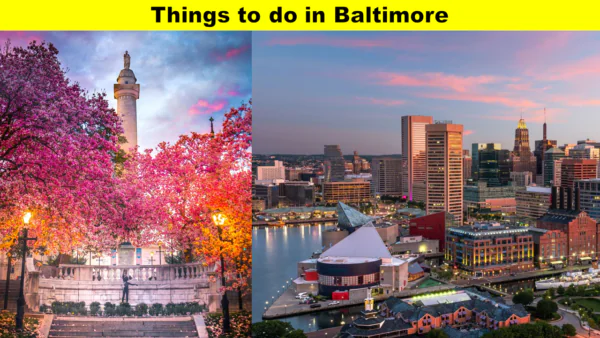
Things to do in Baltimore based on NeemTime research from most popular to just popular.
National Aquarium, Baltimore
Overview: The National Aquarium is a renowned marine life attraction featuring diverse aquatic species, immersive exhibits, and interactive displays.
History: Established to educate the public about marine ecosystems and conservation efforts.
Since When: Opened in 1981.
Review: Visitors praise the engaging exhibits, large variety of marine life, and family-friendly environment.
When to Go: Weekdays and early mornings are ideal to avoid crowds.
How to Go: Easily accessible by car, public transit, or walking from downtown Baltimore.
What to Do: Guests can explore aquariums, attend animal shows, and participate in educational programs.
Free or Paid: Paid.
Horseshoe Casino, Baltimore
Overview: Horseshoe Casino is a modern gaming and entertainment complex offering slots, table games, and live events.
History: Developed to bring a premium casino experience to Baltimore residents and visitors.
Since When: Opened in 2014.
Review: Patrons enjoy the vibrant atmosphere, diverse gaming options, and on-site dining.
When to Go: Evenings and weekends are popular, though weekdays are less crowded.
How to Go: Accessible via car, rideshare, and public transport.
What to Do: Visitors can gamble, enjoy live entertainment, dine, and attend events.
Free or Paid: Paid (entry is free, games are paid).
Oriole Park at Camden Yards, Baltimore
Overview: Oriole Park at Camden Yards is the iconic home stadium of the Baltimore Orioles featuring modern facilities and a classic baseball atmosphere.
History: Built to combine modern amenities with traditional ballpark charm, revitalizing downtown Baltimore.
Since When: Opened in 1992.
Review: Visitors and fans praise its architecture, fan experience, and historical significance.
When to Go: Best during baseball season from April to September.
How to Go: Accessible by car, MARC train, light rail, or walking from downtown.
What to Do: Attend baseball games, take stadium tours, and enjoy food concessions.
Free or Paid: Paid (ticketed events).
Horseshoe Casino Baltimore – A Caesars Rewards Destination, Baltimore
Overview: This Caesars-affiliated casino offers gaming, live entertainment, and exclusive loyalty rewards for visitors.
History: Part of the Horseshoe brand expansion to provide premium gaming in Baltimore.
Since When: Opened in 2014.
Review: Guests appreciate the loyalty programs, modern gaming floor, and upscale amenities.
When to Go: Evenings and weekends attract the largest crowds.
How to Go: Easily reachable by car, taxi, or public transit.
What to Do: Play casino games, attend live shows, and enjoy on-site restaurants.
Free or Paid: Paid (entry is free; games and amenities require payment).
M&T Bank Stadium, Baltimore
Overview: M&T Bank Stadium is a premier football stadium hosting the Baltimore Ravens and major events with modern facilities.
History: Constructed to provide a state-of-the-art venue for NFL games and other large events.
Since When: Opened in 1998.
Review: Visitors admire the stadium’s design, fan engagement, and game-day atmosphere.
When to Go: NFL season from September to February is the prime time to visit.
How to Go: Accessible by car, MARC train, light rail, or walking from downtown Baltimore.
What to Do: Attend football games, concerts, and stadium tours.
Free or Paid: Paid (ticketed events).
The Maryland Zoo in Baltimore, Baltimore
Overview: The Maryland Zoo in Baltimore is a family-friendly zoological park featuring over 1,500 animals across diverse habitats.
History: Established to promote wildlife conservation, education, and public engagement with animals.
Since When: Opened in 1876, making it one of the oldest zoos in the United States.
Review: Visitors frequently praise the well-maintained exhibits, interactive experiences, and educational programs.
When to Go: Spring and fall offer mild weather and fewer crowds, making them ideal times to visit.
How to Go: Easily reachable by car, rideshare, and public transit from downtown Baltimore.
What to Do: Explore animal exhibits, attend feeding sessions, and participate in family-friendly programs.
Free or Paid: Paid.
Breakout Games, Baltimore
Overview: Breakout Games is an immersive escape room venue offering themed puzzle challenges for groups and families.
History: Founded to provide interactive entertainment that combines teamwork, problem-solving, and fun.
Since When: Opened in Baltimore in 2014.
Review: Visitors enjoy the creative themes, challenging puzzles, and engaging group experiences.
When to Go: Evenings and weekends are popular, though weekday slots are less crowded.
How to Go: Accessible by car, rideshare, or public transit within Baltimore city.
What to Do: Solve puzzles, complete themed missions, and enjoy group competitions.
Free or Paid: Paid.
Fort McHenry National Monument and Historic Shrine, Baltimore
Overview: Fort McHenry is a historic coastal fortress famous for inspiring the U.S. national anthem and preserving American heritage.
History: Constructed to defend Baltimore Harbor during the War of 1812 and preserve national security.
Since When: Built between 1798 and 1800, with its iconic role in 1814.
Review: Visitors admire its rich history, well-preserved structures, and scenic waterfront views.
When to Go: Spring through fall offers the best weather for exploring the fort and grounds.
How to Go: Accessible by car, public transit, or water taxi from downtown Baltimore.
What to Do: Tour the fort, attend reenactments, and learn about U.S. history at the museum.
Free or Paid: Paid (entrance fee applies).
Patapsco Valley State Park – Hollofield Area, Baltimore
Overview: Patapsco Valley State Park is a sprawling natural area offering hiking, picnicking, and outdoor recreation along the Patapsco River.
History: Established to preserve natural landscapes and provide public access to outdoor activities near Baltimore.
Since When: Designated as a state park in 1907.
Review: Visitors enjoy its scenic trails, river views, and family-friendly outdoor spaces.
When to Go: Spring through fall for ideal weather and fully accessible trails.
How to Go: Reachable by car from Baltimore, with parking available near the Hollofield Area.
What to Do: Hike, bike, picnic, birdwatch, and explore nature trails.
Free or Paid: Paid (small vehicle or entrance fee may apply).
Power Plant Live!, Baltimore
Overview: Power Plant Live! is a vibrant entertainment district featuring bars, restaurants, live music, and nightlife attractions.
History: Developed on the historic site of the old Baltimore Power Plant to revitalize downtown entertainment.
Since When: Opened in 2001 as a mixed-use entertainment complex.
Review: Visitors enjoy the lively atmosphere, variety of dining and nightlife options, and central location.
When to Go: Evenings and weekends are the most active times for nightlife and events.
How to Go: Accessible by car, rideshare, and nearby public transit stations.
What to Do: Dine, enjoy live music, attend events, and explore nightlife venues.
Free or Paid: Free entry; individual activities and dining are paid.
Patterson Park, Baltimore
Overview: Patterson Park is a historic urban park offering walking trails, sports fields, playgrounds, and a scenic lake.
History: Established to provide Baltimore residents with green space and recreational opportunities in the 19th century.
Since When: Opened in 1827, making it one of the city’s oldest public parks.
Review: Visitors praise its well-maintained paths, community events, and family-friendly atmosphere.
When to Go: Spring and fall provide the most comfortable weather for outdoor activities.
How to Go: Accessible by car, bicycle, rideshare, and nearby public transit routes.
What to Do: Walk, jog, picnic, play sports, attend festivals, and explore the Pagoda.
Free or Paid: Free.
Druid Hill Park, Baltimore
Overview: Druid Hill Park is a sprawling public park featuring woodlands, lakes, walking trails, and historic monuments.
History: Developed in the 1860s as one of the first landscaped public parks in the United States.
Since When: Opened in 1860, serving Baltimore for over 160 years.
Review: Visitors enjoy the serene environment, recreational facilities, and scenic views.
When to Go: Spring and summer are ideal for enjoying outdoor activities and festivals.
How to Go: Easily accessible by car, public transit, or bicycle from downtown Baltimore.
What to Do: Hike, bike, attend concerts, explore gardens, and visit the Maryland Zoo nearby.
Free or Paid: Free.
Hippodrome Theatre at the France-Merrick Performing Arts Center, Baltimore
Overview: The Hippodrome Theatre is a historic performing arts venue hosting Broadway shows, concerts, and live performances.
History: Built in the early 20th century as a grand movie palace and later renovated for live theatre.
Since When: Opened in 1914 and restored in 2004 for modern performances.
Review: Visitors appreciate its ornate architecture, excellent acoustics, and variety of performances.
When to Go: Showtimes vary; evenings and weekends are the most popular.
How to Go: Accessible by car, rideshare, and public transit in downtown Baltimore.
What to Do: Attend Broadway shows, concerts, and special events.
Free or Paid: Paid.
Hyper Kidz Baltimore, Baltimore
Overview: Hyper Kidz is an indoor entertainment center designed for children, featuring inflatables, arcade games, and play areas.
History: Established to provide safe, interactive, and fun activities for families with young children.
Since When: Opened in Baltimore in 2015.
Review: Parents and kids enjoy the clean, safe environment and variety of engaging activities.
When to Go: Weekdays are less crowded, while weekends are popular for family outings.
How to Go: Easily reachable by car or rideshare from the Baltimore area.
What to Do: Play on inflatables, enjoy arcade games, and participate in organized activities.
Free or Paid: Paid.
The Walters Art Museum, Baltimore
Overview: The Walters Art Museum houses an extensive collection of art spanning ancient to modern works, including sculptures, paintings, and decorative arts.
History: Established through the private collection of William T. Walters and later expanded for public access.
Since When: Opened to the public in 1934.
Review: Visitors praise its diverse exhibits, free admission, and informative guided tours.
When to Go: Weekdays are quieter, while weekends offer special programs and exhibitions.
How to Go: Accessible by car, rideshare, or public transit in Baltimore’s Mount Vernon neighborhood.
What to Do: Explore art galleries, attend lectures, and participate in family programs.
Free or Paid: Free.
Inner Harbor, Baltimore
Overview: Inner Harbor is a vibrant waterfront area featuring shops, restaurants, museums, and entertainment venues.
History: It was redeveloped in the 1970s from an industrial port into a major tourist and cultural hub.
Since When: Opened as a public attraction in the late 1970s.
Review: Visitors praise its lively atmosphere, scenic waterfront views, and variety of attractions.
When to Go: Spring through fall offers the best weather and outdoor activities.
How to Go: Accessible by car, rideshare, water taxi, and public transportation.
What to Do: Shop, dine, visit museums, take harbor cruises, and enjoy live events.
Free or Paid: Mostly free, some attractions require paid entry.
Port Discovery Children’s Museum, Baltimore
Overview: Port Discovery is an interactive children’s museum with hands-on exhibits designed to encourage learning through play.
History: Established to provide an educational and fun environment for children and families in Baltimore.
Since When: Opened in 1998.
Review: Families love its creative exhibits, engaging activities, and educational programs.
When to Go: Weekdays are less crowded, while weekends are busier with family groups.
How to Go: Easily reachable via car, rideshare, and public transit near Inner Harbor.
What to Do: Explore interactive exhibits, participate in workshops, and attend special events.
Free or Paid: Paid.
B&O Railroad Museum, Baltimore
Overview: The B&O Railroad Museum showcases the history of American railroads with vintage trains and exhibits.
History: Founded to preserve and celebrate the legacy of the Baltimore & Ohio Railroad.
Since When: Opened in 1953.
Review: Visitors appreciate its historical locomotives, informative displays, and family-friendly exhibits.
When to Go: Spring to fall provides good weather for exploring outdoor train displays.
How to Go: Accessible by car, rideshare, and public transit from downtown Baltimore.
What to Do: Tour historic trains, learn about railroad history, and participate in interactive exhibits.
Free or Paid: Paid.
American Visionary Art Museum, Baltimore
Overview: This museum features self-taught and visionary art in a highly creative and unconventional setting.
History: Founded to celebrate outsider art and artists outside the mainstream art world.
Since When: Opened in 1995.
Review: Visitors love its unique, colorful exhibits and thought-provoking installations.
When to Go: Weekdays are quieter, while weekends host workshops and public programs.
How to Go: Easily accessible by car, rideshare, and public transit in the Federal Hill area.
What to Do: Explore unique art exhibits, attend workshops, and enjoy seasonal events.
Free or Paid: Paid.
Federal Hill Park, Baltimore
Overview: Federal Hill Park is a historic urban park with panoramic views of Baltimore’s Inner Harbor.
History: Originally a Revolutionary War fort, it later became a public park offering city vistas and recreational space.
Since When: Established as a public park in the 1880s.
Review: Visitors enjoy its scenic overlooks, picnic areas, and historical significance.
When to Go: Sunset hours provide the best views for photography and relaxation.
How to Go: Accessible by car, rideshare, and public transit near Federal Hill neighborhood.
What to Do: Walk, picnic, take photos, and learn about its Civil War history.
Free or Paid: Free.
Baltimore Museum of Art, Baltimore
Overview: The Baltimore Museum of Art houses an extensive collection of 19th-century, modern, and contemporary art.
History: It was established to provide public access to fine art and support art education in Baltimore.
Since When: Opened in 1914.
Review: Visitors praise its impressive collections, serene galleries, and family-friendly programs.
When to Go: Weekdays are quieter, and special exhibitions often attract larger crowds.
How to Go: Accessible by car, rideshare, and public transit from central Baltimore.
What to Do: Explore permanent and temporary exhibitions, attend workshops, and enjoy sculpture gardens.
Free or Paid: Free for general admission, some special exhibitions may require a fee.
Canton Waterfront Park, Baltimore
Overview: Canton Waterfront Park is a scenic urban park with views of the Patapsco River and walking paths.
History: Developed to revitalize Baltimore’s waterfront and provide recreational space for locals.
Since When: Established in the early 2000s.
Review: Visitors enjoy its tranquil atmosphere, walking trails, and picnic areas.
When to Go: Early mornings and evenings are ideal for walks and photography.
How to Go: Reachable by car, rideshare, or bicycle from nearby neighborhoods.
What to Do: Walk, jog, picnic, take photos, and enjoy river views.
Free or Paid: Free.
Fell’s Point, Baltimore
Overview: Fell’s Point is a historic waterfront neighborhood with cobblestone streets, shops, restaurants, and nightlife.
History: Founded in 1763 as a shipping and shipbuilding hub.
Since When: One of Baltimore’s oldest neighborhoods, continuously active since the 18th century.
Review: Visitors love its charming streets, lively bars, and maritime history.
When to Go: Evenings and weekends are best for dining and entertainment.
How to Go: Accessible by car, rideshare, water taxi, or public transit from downtown Baltimore.
What to Do: Explore shops, dine at restaurants, enjoy pubs, and take walking tours.
Free or Paid: Free to explore, individual attractions may have fees.
Baltimore Farmers’ Market, Baltimore
Overview: The Baltimore Farmers’ Market offers local produce, artisanal goods, and live entertainment every Sunday.
History: Established to support local farmers and promote community engagement in Baltimore.
Since When: Operating since 1998.
Review: Visitors appreciate the fresh produce, vibrant atmosphere, and family-friendly activities.
When to Go: Sunday mornings for the full market experience.
How to Go: Accessible by car, rideshare, and public transit at the downtown location.
What to Do: Shop for fresh food, enjoy live music, and sample local treats.
Free or Paid: Free entry, purchase of goods is paid.
Maryland Cruise Terminal, Baltimore
Overview: Maryland Cruise Terminal is the main departure point for cruise ships visiting Baltimore.
History: Built to support Baltimore’s growing cruise tourism and maritime industry.
Since When: Opened in 2005.
Review: Travelers praise its convenient location, efficient check-in, and harbor views.
When to Go: During cruise boarding times or port visits for sightseeing.
How to Go: Accessible by car, rideshare, and public transit from central Baltimore.
What to Do: Board cruise ships, enjoy harbor views, and explore nearby attractions.
Free or Paid: Free to access, cruise tickets are paid.
Angel Park, Baltimore
Overview: Angel Park is a peaceful urban park featuring walking paths, greenery, and recreational areas for families and visitors.
History: Created to provide a green oasis in Baltimore’s urban landscape for relaxation and community gatherings.
Since When: Established in the late 20th century.
Review: Visitors appreciate its clean, serene environment and well-maintained walking trails.
When to Go: Mornings and late afternoons are ideal for walking and exercise.
How to Go: Accessible by car, bicycle, or public transit from nearby neighborhoods.
What to Do: Walk, jog, picnic, and enjoy nature photography.
Free or Paid: Free.
Edgar Allan Poe’s Grave, Baltimore
Overview: Edgar Allan Poe’s Grave is a historic site marking the final resting place of the renowned American writer.
History: The grave commemorates Poe’s literary contributions and his life in Baltimore.
Since When: Edgar Allan Poe was buried here in 1849.
Review: Visitors find it a poignant, reflective spot for fans of literature and history.
When to Go: Weekdays are quieter for contemplation and photography.
How to Go: Reachable by car, rideshare, or public transit near Westminster Hall and Burying Ground.
What to Do: Pay respects, take photographs, and explore the surrounding historic cemetery.
Free or Paid: Free.
Cylburn Arboretum, Baltimore
Overview: Cylburn Arboretum is a 200-acre urban oasis with gardens, woodland trails, and educational programs.
History: Developed to preserve Baltimore’s natural environment and provide public access to horticulture.
Since When: Opened as a public arboretum in 1954.
Review: Visitors praise its scenic beauty, diverse plant collections, and peaceful walking paths.
When to Go: Spring and summer are best for blooming flowers and outdoor programs.
How to Go: Accessible by car, rideshare, and public transit from central Baltimore.
What to Do: Walk trails, explore gardens, attend educational workshops, and photograph nature.
Free or Paid: Free.
Baltimore Museum of Industry, Baltimore
Overview: The Baltimore Museum of Industry showcases the city’s industrial heritage through interactive exhibits and artifacts.
History: Established to preserve Baltimore’s manufacturing, shipping, and industrial history.
Since When: Opened in 1981.
Review: Visitors enjoy its hands-on exhibits, engaging storytelling, and family-friendly activities.
When to Go: Weekdays or early weekends to avoid crowds.
How to Go: Accessible by car, rideshare, and public transit from downtown Baltimore.
What to Do: Explore exhibits, attend workshops, and enjoy interactive demonstrations.
Free or Paid: Paid admission.
Urban Pirates, Baltimore
Overview: Urban Pirates offers themed pirate cruises on Baltimore’s Inner Harbor with interactive entertainment.
History: Founded to provide unique, family-friendly harbor tours with a pirate adventure theme.
Since When: Operating since 2007.
Review: Visitors enjoy the engaging crew, fun activities, and scenic harbor views.
When to Go: Afternoon and evening cruises are most popular.
How to Go: Departures are from Baltimore’s Inner Harbor, accessible by car, rideshare, or public transit.
What to Do: Join themed cruises, interact with performers, and enjoy the harbor scenery.
Free or Paid: Paid.