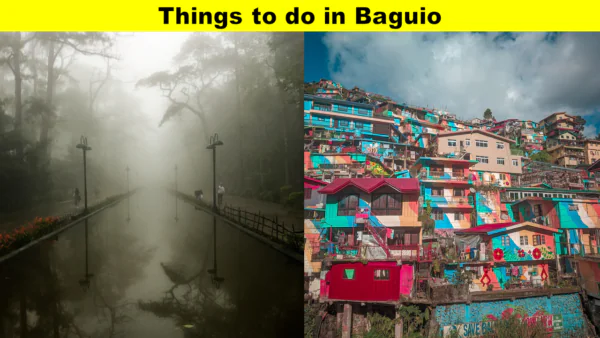
Things to do in Baguio based on NeemTime research from most popular to just popular.
Burnham Park, Baguio
Overview: Burnham Park is a 32-hectare urban green space in the heart of Baguio featuring a scenic man-made lake, landscaped gardens, skating rink, bike lanes, and open recreational areas ideal for families and tourists seeking relaxation.
History: The park was designed by American architect Daniel Burnham in 1905 as part of his master plan to develop Baguio into a hill station and summer capital during the American colonial period.
Since When: Burnham Park has been open to the public since the early 1900s, serving as a central leisure and cultural venue in Baguio for over a century.
Review: Visitors appreciate its cool climate, boating activities, and accessible location, though it can become crowded during peak seasons and holidays.
When to Go: The best time to visit is early morning or late afternoon between November and May when the weather is cool and pleasant with less rainfall.
How to Go: The park is centrally located along Kisad Road and Harrison Road and can be easily reached by jeepney, taxi, or on foot from most downtown Baguio hotels.
What to Do: You can rent a paddle boat at Burnham Lake, ride bikes, picnic on the lawns, skate, or simply enjoy walking through the Rose Garden.
Free or Paid: Entrance to Burnham Park is free, but certain activities such as boat rentals and bike rides require a small fee.
SM City Baguio, Baguio
Overview: SM City Baguio is a large open-air shopping mall offering retail stores, restaurants, cinemas, and a panoramic view deck overlooking the mountains.
History: Opened in 2003 by SM Prime Holdings, the mall was designed with an open structure to blend with Baguio’s cool climate and reduce the need for air conditioning.
Since When: SM City Baguio has been operating since November 2003 and remains one of the city’s primary commercial hubs.
Review: Visitors praise its convenient location near Session Road and the bus terminals, as well as its scenic sunset views, although it can be busy on weekends.
When to Go: Weekday mornings or late afternoons are ideal to avoid crowds while enjoying the terrace views.
How to Go: Located along Luneta Hill near Upper Session Road, it is accessible by jeepney, taxi, or a short uphill walk from downtown.
What to Do: You can shop for souvenirs and clothing, dine at local and international restaurants, watch a movie, or relax at the Sky Terrace.
Free or Paid: Entry to the mall is free, but shopping, dining, and entertainment activities are paid.
Mines View Observation Deck, Baguio
Overview: Mines View Observation Deck is a popular viewpoint in Baguio offering panoramic views of the Cordillera mountains and the old mining town of Itogon.
History: The site became a tourist attraction during the American era when Benguet’s mining industry was thriving and visitors were drawn to overlook the gold and copper mines.
Since When: Mines View has been welcoming tourists since the early 20th century as mining activities expanded in Benguet province.
Review: Tourists enjoy the cool breeze, scenic vistas, and souvenir shops, though the area can be crowded during peak travel seasons.
When to Go: Early morning is the best time to visit for clearer mountain views and fewer crowds.
How to Go: It is located about 4 kilometers from downtown Baguio and can be reached by jeepney bound for Mines View or by taxi.
What to Do: Visitors can take photos in traditional Cordilleran attire, buy local handicrafts, taste local delicacies, and enjoy the mountain scenery.
Free or Paid: There is a minimal entrance fee charged to visitors.
Baguio City Market, Baguio
Overview: Baguio City Market is a bustling public market known for fresh vegetables, fruits, flowers, local delicacies, and affordable souvenirs.
History: Established during the early 1900s as part of Baguio’s urban development, the market has long served as the primary trading center for highland agricultural products.
Since When: The market has been operating for more than a century and continues to support local farmers from the Cordillera region.
Review: Visitors appreciate the freshness and low prices of goods, although navigating the crowded aisles can be challenging.
When to Go: Morning is the best time to shop for the freshest produce and avoid heavy foot traffic.
How to Go: Located along Magsaysay Avenue near Session Road, it is easily accessible by jeepney, taxi, or on foot from central Baguio.
What to Do: You can buy strawberries, ukay-ukay clothes, native crafts, coffee, and pasalubong items while experiencing authentic local commerce.
Free or Paid: Entrance is free, and you only pay for the goods you purchase.
Baguio Night Market, Baguio
Overview: Baguio Night Market is a lively evening street market along Harrison Road famous for affordable street food and ukay-ukay clothing stalls.
History: The night market developed as a local initiative to provide small vendors with business opportunities and has grown into a major nighttime attraction.
Since When: It has been operating nightly for many years, expanding significantly in the 2010s as tourism in Baguio increased.
Review: Visitors love the budget-friendly finds and vibrant atmosphere, though it can become very crowded late at night.
When to Go: Arrive early in the evening around 9 PM to comfortably browse before peak crowds arrive.
How to Go: It is located along Harrison Road near Burnham Park and can be reached easily by walking from downtown or taking a short taxi ride.
What to Do: You can shop for second-hand clothes, enjoy street foods like barbecue and kwek-kwek, and explore bargain deals.
Free or Paid: There is no entrance fee, but you pay for the food and items you purchase.
Baguio Botanical Garden, Baguio
Overview: Baguio Botanical Garden is a serene landscaped park showcasing diverse indigenous plants, colorful flower beds, and cultural features that reflect the rich heritage of the Cordillera region.
History: The garden was established in 1970 and later renamed Centennial Park before becoming widely known as Baguio Botanical Garden to highlight the city’s commitment to environmental preservation and cultural appreciation.
Since When: It has been open to the public since 1970 and has continually evolved with added attractions and improvements over the decades.
Review: Visitors enjoy the peaceful ambiance, traditional Cordilleran huts, and photo spots, although some note that certain areas may need maintenance during peak seasons.
When to Go: The best time to visit is early morning or late afternoon during the dry months from November to May for cooler weather and comfortable walking conditions.
How to Go: Located along Leonard Wood Road, it can be reached by jeepney bound for Pacdal or by taxi from downtown Baguio within minutes.
What to Do: Guests can explore landscaped trails, take photos with native-inspired structures, admire ornamental plants, and purchase local crafts from small stalls.
Free or Paid: There is a minimal entrance fee collected for maintenance and upkeep of the garden.
Wright Park, Baguio
Overview: Wright Park is a scenic public park known for its long reflecting pool, tall pine trees, and horseback riding activities set against Baguio’s cool mountain backdrop.
History: The park was named after American Governor-General Luke Edward Wright and developed during the American colonial period as part of Baguio’s urban plan.
Since When: Wright Park has been a public recreational area since the early 1900s when Baguio was being established as a hill station.
Review: Tourists appreciate its relaxing environment and horse-riding experiences, though prices for rides may vary depending on duration.
When to Go: Visiting in the morning provides a quieter atmosphere and cooler temperatures ideal for outdoor activities.
How to Go: It is located along Gibraltar Road near The Mansion and can be reached by jeepney, taxi, or private vehicle from the city center.
What to Do: Visitors can rent horses for guided rides, stroll along the reflecting pool, take scenic photos, and enjoy the pine-scented air.
Free or Paid: Entrance to the park is free, but horseback riding and other activities require payment.
Baguio Cathedral and Diocesan Shrine of Our Lady of the Atonement, Baguio
Overview: Baguio Cathedral, officially known as the Baguio Cathedral and Diocesan Shrine of Our Lady of the Atonement, is a pink-hued hilltop church overlooking Session Road and serving as a major religious landmark in the city.
History: Built in 1936 by Belgian missionaries of the Congregatio Immaculati Cordis Mariae, the cathedral survived World War II and later became the seat of the Diocese of Baguio.
Since When: The cathedral has been serving Catholic faithful since its completion in 1936 and was elevated as a diocesan shrine in later years.
Review: Visitors admire its neo-Gothic architecture, peaceful prayer spaces, and panoramic city views, especially during religious celebrations.
When to Go: Early mornings or late afternoons are ideal for quiet reflection, while Sundays are best for attending Mass.
How to Go: Located on Mount Mary Hill along Session Road, it can be accessed by climbing the stairs from downtown or by taking a short taxi ride.
What to Do: Guests can attend Mass, light candles, pray in the chapel, and enjoy scenic views of Baguio from the church grounds.
Free or Paid: Entrance is free, though donations are welcome.
Lion’s Head, Baguio
Overview: Lion’s Head is a towering 40-foot limestone sculpture carved into a mountainside along Kennon Road, symbolizing Baguio as the Summer Capital of the Philippines.
History: The monument was built in 1972 by members of the Lions Clubs International as a tribute to the city and their civic service legacy.
Since When: It has stood as a welcoming landmark for travelers entering Baguio via Kennon Road since 1972.
Review: Travelers consider it a classic photo stop before reaching the city, though parking can be limited during busy travel periods.
When to Go: It is best visited during daylight hours for clearer photos and safer roadside viewing.
How to Go: The landmark is accessible by private vehicle or bus passing through Kennon Road, with a designated stop for photo opportunities.
What to Do: Visitors typically take souvenir photos and enjoy the cool mountain breeze while pausing from their journey.
Free or Paid: Viewing and taking photos at the Lion’s Head is free of charge.
Igorot Stone Kingdom Inc., Baguio
Overview: Igorot Stone Kingdom Inc. is a cultural theme park featuring impressive stone terraces and structures inspired by the traditional craftsmanship of the Igorot people.
History: The attraction was developed in the 2020s by a local family to honor Igorot heritage and showcase indigenous engineering similar to ancient rice terraces.
Since When: It opened to the public in 2021 and quickly gained popularity as a new tourist destination in Baguio.
Review: Visitors praise its unique stone architecture and Instagram-worthy views, though the uphill pathways can be physically demanding.
When to Go: Morning visits are recommended to avoid crowds and fully enjoy the scenic surroundings.
How to Go: Located in Pinsao Proper, it can be reached by taxi or private vehicle from downtown Baguio within approximately 15–20 minutes.
What to Do: Guests can explore stone stairways, take panoramic photos, learn about Igorot culture, and relax in designated viewing areas.
Free or Paid: Entrance requires a paid admission fee for maintenance and cultural preservation.
La Trinidad Strawberry Farm, Baguio
Overview: La Trinidad Strawberry Farm, popularly associated with Baguio tourism and known as the home of the Giant Strawberry Cake, is a vibrant agricultural site where visitors can pick fresh strawberries and enjoy cool highland scenery.
History: The farm was developed by local farmers in the 1980s with support from government agricultural programs to promote strawberry production in Benguet’s fertile soil.
Since When: It has been open to tourists for strawberry picking since the 1980s and gained wider fame through the annual Strawberry Festival launched in 1981.
Review: Visitors enjoy the hands-on fruit picking experience and fresh strawberry products, although harvest availability depends heavily on the season.
When to Go: The best time to visit is from November to May, particularly during peak harvest months from February to March.
How to Go: Located in La Trinidad about 30 minutes from Baguio City, it can be reached by jeepney bound for La Trinidad or by taxi and private vehicle.
What to Do: Guests can pick and weigh strawberries, buy strawberry taho and jams, and try the famous Giant Strawberry Cake from Vizco’s Restaurant and Cake Shop.
Free or Paid: Entrance is generally free, but visitors pay for the strawberries they pick and any products they purchase.
BenCab Museum, Baguio
Overview: BenCab Museum is a contemporary art museum nestled in the hills of Asin Road, showcasing the works of National Artist Benedicto Cabrera along with indigenous and modern Filipino art collections.
History: Founded by Benedicto Cabrera in 2009, the museum was established to provide a space for his artworks and to promote Philippine contemporary and Cordilleran art.
Since When: The museum has been open to the public since 2009 and has become one of Baguio’s premier cultural attractions.
Review: Visitors praise its well-curated galleries, serene garden setting, and mountain views, though the distance from downtown requires extra travel time.
When to Go: Weekday mornings are ideal for a quieter viewing experience and leisurely exploration of the galleries and gardens.
How to Go: It is located along Asin Road and can be accessed by taxi, private vehicle, or arranged tour from Baguio’s city center.
What to Do: Guests can explore art exhibits, view Cordillera artifacts, stroll through landscaped gardens, and dine at the museum café.
Free or Paid: Admission requires a paid entrance fee, with discounts often available for students and seniors.
Baguio Country Club, Baguio
Overview: Baguio Country Club is an exclusive mountain resort offering golf courses, leisure facilities, and elegant accommodations amid pine-covered surroundings.
History: Established in 1905 during the American colonial era, the club was created as a recreational retreat for American officials and affluent residents.
Since When: It has operated continuously since 1905 and remains one of the oldest and most prestigious private clubs in the Philippines.
Review: Members and guests commend its well-maintained golf course and refined atmosphere, though access is limited to members and accredited visitors.
When to Go: The cool dry months from November to May are ideal for golfing and outdoor leisure activities.
How to Go: Located along Country Club Road near Camp John Hay, it is accessible by private vehicle or taxi from central Baguio.
What to Do: Activities include golfing, swimming, dining, attending social events, and enjoying seasonal attractions like Christmas Village.
Free or Paid: Access and amenities are paid and generally exclusive to members or registered guests.
Tam-awan Village, Baguio
Overview: Tam-awan Village is an artistic and cultural village that recreates traditional Cordilleran huts on a hillside setting combined with art galleries and scenic views.
History: Founded in 1998 by the Chanum Foundation artists, the village was created to preserve indigenous architecture and promote local art in Baguio.
Since When: It has welcomed visitors since 1998 as a space dedicated to cultural education and artistic expression.
Review: Visitors appreciate the authentic native houses and tranquil ambiance, although the uphill paths may require moderate physical effort.
When to Go: Morning visits are recommended for cooler temperatures and better lighting for photography.
How to Go: Situated along Long Long Road in Pinsao Proper, it can be reached by taxi or private vehicle from downtown Baguio.
What to Do: Guests can tour traditional huts, view art exhibits, sketch landscapes, and relax while learning about Cordilleran culture.
Free or Paid: A minimal entrance fee is charged for maintenance and cultural programs.
Bell Church, Baguio
Overview: Bell Church is a colorful Taoist temple complex featuring ornate pagodas, dragon sculptures, and peaceful gardens overlooking the city.
History: Built in 1960 by the Filipino-Chinese community in Baguio, the temple was established as a center for Taoist worship and cultural activities.
Since When: The church has been open to devotees and visitors since 1960 and remains an active religious site.
Review: Tourists admire its intricate architecture and serene environment, though respectful attire and behavior are expected.
When to Go: Late mornings or early afternoons on weekdays are ideal for a quieter and more reflective visit.
How to Go: Located in Barangay Guisad, it can be accessed by jeepney, taxi, or private vehicle from the city proper.
What to Do: Visitors can explore the temple grounds, light incense, pray, take photographs of the architecture, and enjoy panoramic views.
Free or Paid: Entrance is generally free, although donations are appreciated.
Valley of Colors, Baguio
Overview: Valley of Colors is a vibrant hillside community in La Trinidad featuring rows of houses painted in bright rainbow hues, creating a striking visual landmark visible from afar.
History: The area was transformed in 2016 through a community-led beautification project supported by local government units to promote tourism and civic pride.
Since When: It has attracted visitors since 2016 when the large-scale mural painting initiative was completed.
Review: Visitors enjoy the panoramic photo opportunities and colorful scenery, though it is primarily a viewing spot rather than a full tourist complex.
When to Go: The best time to visit is during clear mornings or late afternoons for better lighting and cooler temperatures.
How to Go: Located along the main road of La Trinidad about 20–30 minutes from Baguio, it can be reached by jeepney bound for La Trinidad or by taxi.
What to Do: Guests typically take photos from designated viewpoints and explore nearby local shops and eateries.
Free or Paid: Viewing the Valley of Colors is free of charge.
La Trinidad Strawberry Farm, Baguio
Overview: La Trinidad Strawberry Farm is a well-known agricultural attraction near Baguio where visitors can experience strawberry picking and purchase fresh produce directly from farmers.
History: Established as a government-supported farming initiative in the 1980s, the farm boosted Benguet’s strawberry industry and agri-tourism sector.
Since When: The farm has been open to public strawberry picking since the 1980s and continues to operate seasonally.
Review: Tourists appreciate the fresh berries and authentic farm setting, though availability of strawberries depends on harvest cycles.
When to Go: The peak season from December to March is ideal for strawberry picking due to abundant harvests.
How to Go: It is accessible via jeepneys heading to La Trinidad or by taxi and private vehicle from Baguio City.
What to Do: Visitors can pick strawberries, buy jams and souvenirs, taste strawberry taho, and enjoy the cool Benguet climate.
Free or Paid: Entrance is free, but visitors pay per kilogram for strawberries they harvest.
Good Shepherd Convent, Baguio
Overview: Good Shepherd Convent is a peaceful religious retreat in Baguio renowned for producing ube jam and other delicacies sold to support charitable missions.
History: Established in 1956 by the Religious of the Good Shepherd, the convent was founded to provide spiritual guidance and livelihood programs for women and marginalized communities.
Since When: It has been operating since 1956 and remains both a religious center and a popular stop for local products.
Review: Visitors highly recommend its famous ube jam and tranquil surroundings, although queues can be long during peak tourist seasons.
When to Go: Morning visits are best to secure freshly stocked products before they sell out.
How to Go: Located near Mines View Park along Gibraltar Road, it can be reached by jeepney, taxi, or private vehicle.
What to Do: Guests can purchase ube jam and other treats, visit the small chapel, and enjoy scenic viewpoints.
Free or Paid: Entrance is free, while food products and souvenirs are paid.
Mirador Heritage and Eco-Spirituality Park, Baguio
Overview: Mirador Heritage and Eco-Spirituality Park is a mountaintop sanctuary combining historical ruins, meditation gardens, and scenic trails overlooking Baguio.
History: The site was developed by the Jesuits in the Philippines around the retreat house and former seminary grounds to promote ecology and spiritual reflection.
Since When: It officially opened to the public as a heritage and eco-park in 2012 and has expanded its features over the years.
Review: Visitors appreciate its peaceful ambiance, bamboo gardens, and panoramic views, though walking trails may require comfortable footwear.
When to Go: Early mornings or late afternoons are recommended for cooler weather and fewer visitors.
How to Go: Situated along Mirador Hill near Lourdes Grotto, it can be reached by taxi or private vehicle from downtown Baguio.
What to Do: Guests can explore meditation spaces, heritage ruins, bamboo groves, and scenic viewing decks.
Free or Paid: A minimal entrance fee is collected for maintenance and environmental programs.
Mines View Park, Baguio
Overview: Mines View Park is a famous scenic park offering sweeping views of Benguet’s mountains and former mining sites along with souvenir stalls.
History: The park gained prominence during the American colonial period when mining operations flourished in nearby Itogon, attracting visitors to the viewpoint.
Since When: It has served as a tourist destination since the early 1900s as part of Baguio’s development as a hill station.
Review: Visitors enjoy the cool breeze and photo spots, though the area can become crowded during weekends and holidays.
When to Go: Early morning visits provide clearer mountain views and a more relaxed atmosphere.
How to Go: Located about 4 kilometers from downtown Baguio, it is accessible by jeepney bound for Mines View or by taxi.
What to Do: Tourists can take scenic photos, try traditional Igorot attire, shop for souvenirs, and sample local snacks.
Free or Paid: A small entrance fee is charged to visitors.
Porta Vaga Mall, Baguio
Overview: Porta Vaga Mall is a centrally located commercial complex along Session Road offering retail shops, restaurants, offices, and service centers.
History: Opened in the early 2000s, the mall was developed to provide a modern commercial space within Baguio’s main business district.
Since When: It has been operating since 2003 and remains a convenient shopping and dining destination in the city center.
Review: Shoppers appreciate its accessibility and variety of services, though it is smaller compared to larger malls in Baguio.
When to Go: Weekdays are ideal for a less crowded shopping experience along busy Session Road.
How to Go: Located directly on Session Road, it is easily accessible on foot, by jeepney, or by taxi within downtown Baguio.
What to Do: Visitors can shop for essentials, dine in cafés and restaurants, process documents in offices, and relax in air-conditioned comfort.
Free or Paid: Entrance is free, but purchases and services require payment.