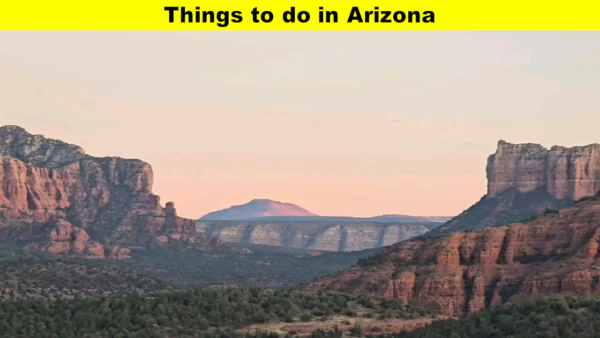
Things to do in Arizona based on NeemTime research from most popular to just popular.
Grand Canyon National Park, Arizona
Overview: Grand Canyon National Park, Arizona is a vast UNESCO World Heritage site featuring breathtaking views of layered red rock formations carved by the Colorado River.
History: The area has been inhabited for thousands of years by Native American tribes and was designated a national park to preserve its unique geological and cultural heritage.
Since When: Grand Canyon National Park was officially established in 1919 to protect its natural beauty and promote tourism.
Review: Visitors consistently praise the park for its awe-inspiring vistas, extensive hiking trails, and photographic opportunities.
When to Go: Spring and fall are ideal for avoiding extreme temperatures while enjoying hiking, sightseeing, and photography.
How to Go: The park is accessible by car, shuttle buses, or guided tours from nearby cities like Flagstaff, Phoenix, and Las Vegas.
What to Do: Activities include hiking, river rafting, helicopter tours, camping, and visiting scenic viewpoints like Mather Point and Desert View.
Free or Paid: Entry requires a fee for vehicles or individuals, while certain trails and viewpoints are included with the pass.
Grand Canyon Visitor Center, Arizona
Overview: Grand Canyon Visitor Center, Arizona serves as the main hub for park information, maps, exhibits, and educational resources for visitors.
History: The center was established to provide travelers with guidance, safety instructions, and cultural context about the Grand Canyon.
Since When: The current Visitor Center has been operational since the 1960s and continuously updated for modern tourist needs.
Review: Tourists find the center helpful for planning their visit, learning about geology and wildlife, and accessing guided tours.
When to Go: Morning hours are best to avoid crowds and get first-hand information from rangers.
How to Go: The center is accessible via the park’s shuttle system or by car from the South Rim entrance.
What to Do: Visitors can explore exhibits, watch educational videos, speak with park rangers, and plan hiking or sightseeing activities.
Free or Paid: Entry to the Visitor Center is free, though some tours or park access require a fee.
Grand Canyon West Skywalk, Arizona
Overview: Grand Canyon West Skywalk, Arizona is a horseshoe-shaped glass bridge extending over the canyon, offering panoramic views of the Colorado River far below.
History: Developed to provide a unique tourist experience, the Skywalk was built in partnership with the Hualapai Tribe to showcase their land.
Since When: The Skywalk officially opened to the public in 2007.
Review: Visitors are thrilled by the thrilling glass-bottom experience and the unmatched perspective of the canyon, though some find the fee steep.
When to Go: Early mornings or late afternoons are best for cooler temperatures and clearer photographs.
How to Go: Visitors typically reach the Skywalk via shuttle tours from Las Vegas or by driving to Grand Canyon West.
What to Do: Tourists can walk on the glass platform, take photographs, and learn about Hualapai culture at nearby exhibits.
Free or Paid: Access to the Skywalk is paid and includes a parking fee and shuttle service in most cases.
Arizona Mills, Arizona
Overview: Arizona Mills, Arizona is a large outlet shopping center featuring retail stores, restaurants, entertainment venues, and a movie theater.
History: The mall was developed to provide a comprehensive shopping and entertainment destination for both locals and tourists in the Phoenix area.
Since When: Arizona Mills opened its doors in 1997 as part of a Simon Property Group initiative.
Review: Shoppers enjoy the wide variety of stores, family-friendly attractions, and convenient location near major highways.
When to Go: Weekdays are ideal to avoid crowds, while weekends offer full entertainment and dining options.
How to Go: The mall is easily reachable by car via the I-10 freeway, rideshare services, or local public transport.
What to Do: Visitors can shop for discounted brands, dine at restaurants, watch movies, and enjoy indoor attractions.
Free or Paid: Entry is free, but purchases and entertainment options require payment.
Phoenix Zoo, Arizona
Overview: Phoenix Zoo, Arizona is a renowned wildlife park housing hundreds of animal species and offering interactive exhibits, educational programs, and conservation initiatives.
History: Established to support animal conservation and public education, the zoo has grown into one of the largest privately owned non-profit zoos in the United States.
Since When: The Phoenix Zoo officially opened in 1962.
Review: Visitors praise the zoo for its diverse animal collection, engaging exhibits, and family-friendly environment.
When to Go: Early mornings are ideal for animal activity and avoiding midday heat.
How to Go: The zoo can be accessed by car, rideshare, or public transit from central Phoenix.
What to Do: Activities include observing wildlife, attending educational programs, feeding select animals, and exploring themed habitats.
Free or Paid: Entry is paid, with additional fees for special activities and animal encounters.
Grand Canyon South Rim, Arizona
Overview: Grand Canyon South Rim, Arizona is the most visited section of the Grand Canyon, offering iconic panoramic views of the canyon’s vast landscape and the Colorado River below.
History: This rim has been a focal point for exploration, tourism, and preservation since the Grand Canyon was designated a national park in 1919.
Since When: The South Rim has been open to visitors since the early 1900s, becoming increasingly accessible with the development of roads and visitor facilities.
Review: Visitors consistently praise the South Rim for its breathtaking viewpoints, well-maintained trails, and educational exhibits.
When to Go: Spring and fall are ideal for mild weather, fewer crowds, and optimal hiking conditions.
How to Go: The South Rim is accessible by car, shuttle bus, or guided tours from nearby cities like Flagstaff and Las Vegas.
What to Do: Popular activities include hiking, photography, visiting viewpoints like Mather Point, taking helicopter tours, and attending ranger programs.
Free or Paid: Entry requires a national park pass or individual vehicle fee, while some guided tours and special programs are separately paid.
Desert Botanical Garden, Arizona
Overview: Desert Botanical Garden, Arizona is a sprawling garden showcasing thousands of desert plant species from the Sonoran Desert and other arid regions.
History: The garden was established to promote the study, conservation, and enjoyment of desert flora.
Since When: It officially opened to the public in 1939 and has grown into a major botanical attraction.
Review: Visitors praise its educational exhibits, scenic walking trails, seasonal displays, and themed events.
When to Go: Early morning or late afternoon visits are ideal to enjoy cooler temperatures and avoid crowds.
How to Go: Located in Papago Park, the garden is accessible by car, rideshare, or public transportation from central Phoenix.
What to Do: Activities include guided tours, photography, attending workshops, exploring themed gardens, and seasonal events.
Free or Paid: Entry is paid, with additional fees for special exhibits or programs.
Casino Arizona, Arizona
Overview: Casino Arizona, Arizona is a premier gaming and entertainment venue featuring slot machines, table games, dining options, and live events.
History: Operated by the Salt River Pima-Maricopa Indian Community, the casino was established to generate revenue and support local economic development.
Since When: Casino Arizona opened its doors in 1998 and has since expanded to include multiple entertainment and dining venues.
Review: Guests enjoy the lively atmosphere, variety of gaming options, and quality of the restaurants and entertainment offerings.
When to Go: Evenings and weekends are popular for shows and live entertainment, though weekdays are less crowded.
How to Go: The casino is easily accessible by car from downtown Phoenix and nearby neighborhoods, with ample parking available.
What to Do: Visitors can gamble, dine at on-site restaurants, attend live shows, and participate in special events and promotions.
Free or Paid: Entry is free, but gaming, shows, and some dining options require payment.
Scottsdale Fashion Square, Arizona
Overview: Scottsdale Fashion Square, Arizona is a luxury shopping mall featuring high-end brands, diverse dining, and entertainment venues.
History: The mall was developed as a premier retail destination for Scottsdale and the greater Phoenix area, attracting both locals and tourists.
Since When: Opened in 1961, it has undergone multiple expansions and renovations to maintain its upscale appeal.
Review: Shoppers praise its extensive brand selection, modern amenities, and convenient layout.
When to Go: Weekdays are best for a quieter shopping experience, while weekends offer full events and entertainment.
How to Go: Accessible via car, rideshare, or public transit, with ample parking facilities on-site.
What to Do: Activities include luxury shopping, dining at restaurants, watching movies, and attending seasonal events.
Free or Paid: Entry is free, but purchases and entertainment experiences are paid.
OdySea Aquarium, Arizona
Overview: OdySea Aquarium, Arizona is one of the largest aquariums in the Southwest, featuring interactive exhibits and a wide range of marine life.
History: The aquarium was developed to educate the public about marine conservation while providing an immersive visitor experience.
Since When: It opened in 2016 and quickly became a popular family attraction.
Review: Guests appreciate the hands-on exhibits, diverse marine species, and engaging educational programs.
When to Go: Weekdays are ideal to avoid crowds, with early mornings perfect for interactive programs.
How to Go: Located in Scottsdale, the aquarium is accessible by car, rideshare, or public transportation.
What to Do: Visitors can explore aquariums, attend feeding sessions, participate in interactive touch pools, and watch live shows.
Free or Paid: Entry is paid, with additional costs for special experiences and tours.
Meteor Crater Natural Landmark, Arizona
Overview: Meteor Crater Natural Landmark, Arizona is a massive and well-preserved impact crater created by a meteorite strike, offering dramatic geological views.
History: The crater was formed approximately 50,000 years ago when a nickel-iron meteorite collided with Earth, leaving one of the best-preserved craters in the world.
Since When: The site has been recognized as a scientific landmark and tourist attraction since the early 20th century.
Review: Visitors praise the impressive scale, informative exhibits, and guided rim tours for an educational experience.
When to Go: Morning or late afternoon visits are best to avoid midday heat and enjoy optimal lighting for photography.
How to Go: Accessible by car from Flagstaff or Winslow, with well-marked signage and parking on-site.
What to Do: Activities include walking along the crater rim, visiting the museum, watching documentaries, and participating in guided tours.
Free or Paid: Entry is paid, including access to the museum and observation areas.
Tonto National Forest, Arizona
Overview: Tonto National Forest, Arizona is a vast forest area offering diverse landscapes, including deserts, canyons, rivers, and mountainous terrain.
History: Established to preserve natural resources and provide recreational opportunities, it has long been a hub for outdoor enthusiasts.
Since When: The forest was officially designated as a National Forest in 1905.
Review: Visitors enjoy its scenic beauty, hiking trails, camping facilities, and opportunities for fishing, boating, and wildlife observation.
When to Go: Spring and fall offer the most comfortable temperatures for outdoor activities.
How to Go: Accessible by car from Phoenix or surrounding towns, with multiple trailheads and recreational sites.
What to Do: Hiking, camping, fishing, birdwatching, and off-road vehicle adventures are popular activities.
Free or Paid: Most areas are free to enter, though some campgrounds and recreation sites may require a fee.
Horseshoe Bend, Arizona
Overview: Horseshoe Bend, Arizona is a dramatic meander of the Colorado River, forming a horseshoe-shaped curve visible from a cliff overlook.
History: This natural formation has existed for thousands of years as part of the Colorado River’s erosion of Navajo sandstone.
Since When: It became a popular tourist viewpoint in the early 2000s as social media and guidebooks highlighted its beauty.
Review: Visitors highly rate the stunning vistas, ease of access, and photo opportunities, though it can be crowded.
When to Go: Early morning or late afternoon is ideal for cooler temperatures and the best lighting.
How to Go: Reachable by car from Page, Arizona, with a short hike from the parking area to the overlook.
What to Do: Hiking, photography, and simply enjoying panoramic views of the Colorado River are the main activities.
Free or Paid: Entry requires a small parking fee; the overlook itself is free.
Desert View Watchtower, Arizona
Overview: Desert View Watchtower, Arizona is a historic stone tower offering panoramic views of the Grand Canyon and surrounding desert landscape.
History: Designed by Mary Colter in 1932 for the Santa Fe Railroad, it incorporates Native American-inspired architectural elements.
Since When: The watchtower has been open to visitors since its completion in 1932.
Review: Visitors appreciate the intricate murals, authentic design, and breathtaking observation decks.
When to Go: Morning or late afternoon visits are ideal for photography and cooler temperatures.
How to Go: Located on the East Rim of the Grand Canyon, accessible by car or shuttle from Grand Canyon Village.
What to Do: Climb the tower, explore exhibits, enjoy panoramic canyon views, and take photos.
Free or Paid: Entry is included with the Grand Canyon National Park admission fee.
Petrified Forest National Park, Arizona
Overview: Petrified Forest National Park, Arizona is renowned for its extensive deposits of fossilized trees, colorful badlands, and ancient archaeological sites.
History: The park preserves both natural and cultural history, including fossils dating back over 200 million years and evidence of ancient human habitation.
Since When: Designated a national park in 1962, it has long been a site of scientific study and tourism.
Review: Visitors praise its unique geological formations, scenic drives, and interpretive visitor centers.
When to Go: Spring and fall are the best seasons for comfortable temperatures and clear skies.
How to Go: Accessible by car from Interstate 40, with visitor centers and scenic overlooks along the park loop road.
What to Do: Hiking, photography, exploring fossil sites, and attending ranger-led programs are popular activities.
Free or Paid: Entry requires a national park fee per vehicle or individual visitor.
Papago Park, Arizona
Overview: Papago Park, Arizona is a desert park known for its unique sandstone formations, hiking trails, and scenic picnic areas.
History: The park was developed in the 1930s as part of the region’s efforts to provide recreational spaces for the growing Phoenix metropolitan area.
Since When: Papago Park has been open to the public since the early 1930s.
Review: Visitors praise its easy trails, family-friendly environment, and picturesque views of the desert landscape.
When to Go: Early morning or late afternoon is ideal to avoid the intense midday heat and enjoy better lighting for photography.
How to Go: Accessible by car via local streets in Phoenix and Tempe, with multiple parking areas near trailheads.
What to Do: Hiking, biking, picnicking, visiting the Desert Botanical Garden, and exploring the Hole-in-the-Rock formation.
Free or Paid: General park access is free, though specific attractions like the Desert Botanical Garden have an entry fee.
Wildlife World Zoo, Aquarium & Safari Park, Arizona
Overview: Wildlife World Zoo, Aquarium & Safari Park, Arizona is a large wildlife park combining a zoo, aquarium, and safari experience featuring exotic and native animals.
History: Established to provide education, conservation, and entertainment, the park has expanded over decades to include diverse exhibits and attractions.
Since When: It has been open to the public since 1984.
Review: Visitors enjoy the close-up animal encounters, variety of species, and interactive exhibits suitable for all ages.
When to Go: Weekdays during cooler months provide the best experience and fewer crowds.
How to Go: Accessible by car from Phoenix with ample on-site parking.
What to Do: Explore the zoo, walk through the aquarium, take safari tours, and enjoy animal shows and feedings.
Free or Paid: Entry is paid, with additional costs for safari rides or special exhibits.
Montezuma Castle National Monument, Arizona
Overview: Montezuma Castle National Monument, Arizona is an ancient cliff dwelling site showcasing the preserved homes of the Sinagua people built into limestone cliffs.
History: The Sinagua culture constructed these dwellings around 700 years ago, making it one of the best-preserved examples of pre-Columbian architecture in North America.
Since When: The site has been protected as a national monument since 1906.
Review: Visitors are impressed by the sheer cliffside construction, historical significance, and informative visitor center exhibits.
When to Go: Morning or late afternoon visits are best to avoid heat and enjoy clear visibility for photography.
How to Go: Reachable by car from Camp Verde, Arizona, with parking available at the monument entrance.
What to Do: Walk the accessible trails, view the cliff dwellings, visit the museum, and attend ranger talks.
Free or Paid: Entry requires a small paid fee per vehicle or individual.
Arizona-Sonora Desert Museum, Arizona
Overview: Arizona-Sonora Desert Museum, Arizona is a combined zoo, botanical garden, and natural history museum focusing on the Sonoran Desert ecosystem.
History: Founded to educate the public on desert ecology, the museum blends indoor and outdoor exhibits with live animal displays and native plants.
Since When: It has been open since 1952.
Review: Visitors praise its immersive exhibits, naturalistic enclosures, and interactive educational programs.
When to Go: Early morning or late afternoon visits are ideal to avoid heat and see animals when they are most active.
How to Go: Accessible by car from Tucson, Arizona, with on-site parking and shuttle services during peak times.
What to Do: Walk trails, observe desert wildlife, attend animal demonstrations, and explore botanical gardens.
Free or Paid: Entry is paid, with additional charges for special programs or tours.
Chapel of the Holy Cross, Arizona
Overview: Chapel of the Holy Cross, Arizona is a striking modern chapel built into the red rock cliffs of Sedona, offering spiritual and architectural appeal.
History: Designed by Marguerite Brunswig Staude in 1956, the chapel is inspired by the principles of modernist architecture integrated into natural landscapes.
Since When: The chapel has been open to the public since 1956.
Review: Visitors admire its stunning design, panoramic views, and serene atmosphere for reflection or photography.
When to Go: Early morning or late afternoon provides softer light for photography and fewer crowds.
How to Go: Accessible by car from Sedona, Arizona, with a parking lot and short walking path to the entrance.
What to Do: Explore the chapel interior, enjoy the panoramic vistas of Sedona’s red rocks, and meditate or pray.
Free or Paid: Entry to the chapel is free, with optional donations accepted.
South Mountain Park and Preserve, Arizona
Overview: South Mountain Park and Preserve, Arizona is one of the largest municipal parks in the U.S., offering desert landscapes, hiking trails, and scenic overlooks of Phoenix.
History: The park was established to protect the unique Sonoran Desert environment and provide recreational space for residents of Phoenix.
Since When: South Mountain Park has been officially open since 1924.
Review: Visitors appreciate the breathtaking vistas, variety of trails, and opportunities for wildlife viewing and photography.
When to Go: Early morning or late afternoon is ideal to avoid extreme heat and enjoy cooler temperatures.
How to Go: Accessible by car from Phoenix via South Mountain Park Road, with multiple parking lots near trailheads.
What to Do: Hiking, mountain biking, horseback riding, scenic drives, and taking in panoramic views from Dobbins Lookout.
Free or Paid: General park access is free.
Arizona Party Bike, Arizona
Overview: Arizona Party Bike, Arizona is a group cycling experience where participants pedal a multi-passenger party bike while enjoying drinks and sightseeing.
History: Created as a social and recreational activity, it has become a popular urban tour in Phoenix and surrounding areas.
Since When: Arizona Party Bike tours have been operating since the early 2010s.
Review: Guests enjoy the lively atmosphere, guided city tours, and interactive social experience.
When to Go: Evening or weekend tours are best for nightlife and cooler temperatures.
How to Go: Participants typically meet at a central Phoenix location or can book private tours with pickup options.
What to Do: Pedal along city streets, enjoy beverages, socialize, and explore Phoenix landmarks in a group setting.
Free or Paid: Paid experience, with group tour rates or private bookings.
Grand Canyon Railway, Arizona
Overview: Grand Canyon Railway, Arizona is a historic train service that takes visitors from Williams to the South Rim of the Grand Canyon with scenic views and onboard entertainment.
History: Opened in 1901, the railway played a crucial role in tourism and transportation to the Grand Canyon.
Since When: It has been operating for over a century, with continuous tourist service since its revival in 1989.
Review: Passengers praise the nostalgic experience, knowledgeable guides, and scenic ride through Arizona landscapes.
When to Go: Morning departures are ideal for daytime arrival at the Grand Canyon and optimal sightseeing.
How to Go: Accessible by car to Williams, Arizona, where parking and train boarding are available.
What to Do: Enjoy onboard entertainment, dining, sightseeing, and access the Grand Canyon South Rim upon arrival.
Free or Paid: Paid experience, with ticket prices varying by class and season.
Antelope Canyon, Arizona
Overview: Antelope Canyon, Arizona is a world-famous slot canyon known for its wave-like structure and dramatic light beams that attract photographers globally.
History: Formed over thousands of years by flash flooding and erosion, it has been a sacred site for the Navajo Nation.
Since When: Guided tours for visitors have been available since the 1980s.
Review: Visitors rave about the unique rock formations, light photography opportunities, and the spiritual ambiance of the canyon.
When to Go: Late morning to early afternoon is ideal to capture the signature light beams within the canyon.
How to Go: Accessible by guided tour only, typically departing from Page, Arizona, with Navajo guides providing transportation to the canyon.
What to Do: Take guided tours, photograph rock formations, learn about Navajo culture, and enjoy the natural beauty of the slot canyon.
Free or Paid: Paid tours, with pricing determined by canyon section and guide services.
Castles N’ Coasters, Arizona
Overview: Castles N’ Coasters, Arizona is a family amusement park featuring roller coasters, mini-golf, arcade games, and water rides in Phoenix.
History: Opened to provide entertainment and recreational activities for families and tourists, it has become a staple amusement destination in Phoenix.
Since When: The park has been operating since 1991.
Review: Visitors enjoy the variety of rides, well-maintained attractions, and kid-friendly entertainment options.
When to Go: Weekdays or early evenings are best to avoid long lines and hot midday temperatures.
How to Go: Accessible by car from central Phoenix, with on-site parking available.
What to Do: Ride roller coasters, play mini-golf, enjoy arcade games, and experience casual dining.
Free or Paid: Entry is paid, with ride tickets purchased separately or as part of a pass.
Saguaro National Park, Arizona
Overview: Saguaro National Park, Arizona is renowned for its iconic giant saguaro cacti and diverse desert landscapes, offering hiking, wildlife viewing, and scenic drives.
History: Established to preserve the unique Sonoran Desert ecosystem and the saguaro cactus, the park has been a center for conservation and research.
Since When: The park was officially designated in 1994, though protected lands existed as early as 1933.
Review: Visitors praise the breathtaking desert vistas, well-maintained trails, and the opportunity to experience Arizona’s native flora and fauna.
When to Go: Early morning or late afternoon is best to avoid extreme heat and enjoy soft lighting for photography.
How to Go: Accessible by car via park entrances near Tucson, with parking available at major trailheads.
What to Do: Hiking, birdwatching, scenic driving, photography, and visiting the visitor centers for educational exhibits.
Free or Paid: Paid, with a standard vehicle entrance fee applicable.
Standin’ on The Corner Foundation, Arizona
Overview: Standin’ on The Corner Foundation, Arizona is a commemorative landmark in Winslow celebrating the Eagles’ song and local culture.
History: Created to honor the famous lyric from the 1972 song “Take It Easy” and promote tourism in Winslow.
Since When: The foundation and plaza have existed since 1999.
Review: Visitors enjoy the quirky, photogenic site and the connection to American rock music history.
When to Go: Daytime visits are best for photography and walking around the plaza.
How to Go: Easily accessible on Route 66 in downtown Winslow, with street parking available nearby.
What to Do: Take photos, enjoy murals, visit souvenir shops, and explore nearby Route 66 attractions.
Free or Paid: Free to visit.
Hurricane Harbor Phoenix, Arizona
Overview: Hurricane Harbor Phoenix, Arizona is a large water park featuring slides, wave pools, and family-friendly water attractions.
History: Developed as part of the Six Flags amusement brand to provide recreational water fun in the Phoenix area.
Since When: Opened in 2018.
Review: Guests enjoy the variety of rides, clean facilities, and entertaining water attractions for all ages.
When to Go: Summer months are ideal, preferably early in the day to avoid crowds and midday heat.
How to Go: Accessible by car from central Phoenix, with ample on-site parking.
What to Do: Swim, ride water slides, relax by the pool, and enjoy snack bars and entertainment areas.
Free or Paid: Paid entry, with individual or group ticket options.
Riparian Preserve at Water Ranch, Arizona
Overview: Riparian Preserve at Water Ranch, Arizona is a 110-acre wetland habitat offering birdwatching, hiking trails, and environmental education.
History: Created to support wildlife conservation and provide recreational space for the community.
Since When: Established in 1999.
Review: Visitors praise the abundance of wildlife, serene walking paths, and excellent opportunities for photography and nature study.
When to Go: Early morning or late afternoon is best for birdwatching and avoiding midday heat.
How to Go: Accessible by car via main entrances in Gilbert, Arizona, with parking and visitor facilities.
What to Do: Birdwatching, walking, photography, educational programs, and enjoying the peaceful natural setting.
Free or Paid: Free to enter.
Butterfly Wonderland, Arizona
Overview: Butterfly Wonderland, Arizona is a large indoor butterfly conservatory and educational attraction featuring thousands of exotic butterflies.
History: Created to provide immersive experiences in entomology and conservation for families and tourists.
Since When: Opened in 2011.
Review: Visitors love the interactive exhibits, tropical butterfly habitat, and educational programs.
When to Go: Weekdays and mornings are ideal for smaller crowds and optimal viewing.
How to Go: Accessible by car in Scottsdale, Arizona, with on-site parking available.
What to Do: Walk among butterflies, participate in educational programs, photograph the species, and explore interactive exhibits.
Free or Paid: Paid entry, with ticket prices varying by age and activity packages.