Michel Fugain based on NeemTime research
Who is Michel Fugain (Biography / Personal Details)
Michel Fugain is one of France’s best-known popular singers, celebrated for turning everyday emotions into memorable songs filled with warmth, movement and optimism.
Born on May 12, 1942, in Grenoble, France, he became a major figure in French chanson and variety music during the 1960s and 1970s.
His best-known hits include “Une belle histoire,” “Fais comme l’oiseau” and “Attention, mesdames et messieurs,” songs that have remained familiar to generations of French-speaking listeners.
Fugain is also known for creating the Big Bazar, an energetic musical troupe that combined singing, dancing, theatrical performance and a strong sense of collective celebration.
Unlike performers who built their reputations around a single musical identity, he moved between solo singing, songwriting, composition and large-scale stage productions.
His work often celebrates freedom, love, solidarity and the pleasure of living, giving his catalogue an unmistakably uplifting character.
He became particularly associated with the musical spirit of the 1970s, when his colourful performances offered an alternative to more conventional singer-songwriter shows.
Although his greatest commercial breakthroughs came decades ago, his songs have continued to circulate through radio, television, live performances and nostalgic music programmes.
His career has also included periods of reinvention, as he returned to the stage with new projects rather than relying exclusively on his early successes.
Michel Fugain’s lasting appeal lies in the combination of catchy melodies, theatrical energy and a repertoire that invites audiences to sing along.
Michel Fugain Height, Appearance, Fitness & How to Get a Body Like Michel Fugain
Michel Fugain is recognized primarily for his expressive face, animated stage presence and energetic performances rather than for a publicly documented physique or fitness identity.
His exact height has not been reliably confirmed in an authoritative public source, so figures circulated by celebrity-profile websites should be treated as unverified estimates.
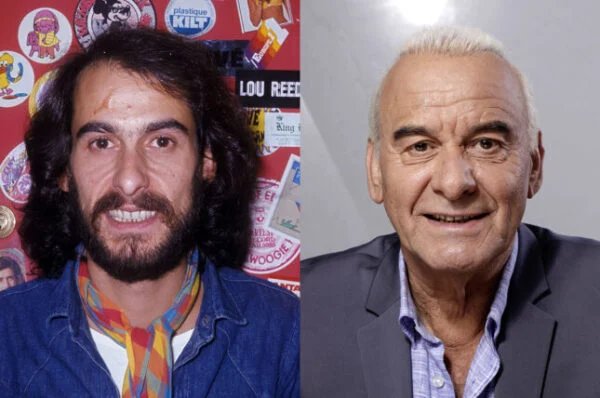
Photographs from different decades show his changing appearance, reflecting the natural effects of ageing rather than establishing a particular fitness routine.
During the Big Bazar years, colourful clothing, movement and lively group choreography became part of his visual identity.
His performances depended heavily on vocal expression, timing and interaction with fellow musicians, making stage energy more important to his public image than bodybuilding or athletic definition.
There is no reliable public record establishing a specific weight, body-fat percentage or formal exercise programme for him.
Fugain has continued to perform as an older artist, but this alone does not prove that he follows a particular diet or workout plan.
Anyone inspired by his energetic stage style can develop general fitness through regular walking, suitable cardiovascular exercise and strength training adapted to their abilities.
A balanced diet, adequate sleep and consistency are more useful starting points than attempting to copy a celebrity’s unverified habits.
The realistic lesson from Fugain’s career is to build sustainable health and confidence, not to assume that a famous performer’s appearance reveals a secret fitness formula.
Michel Fugain Family
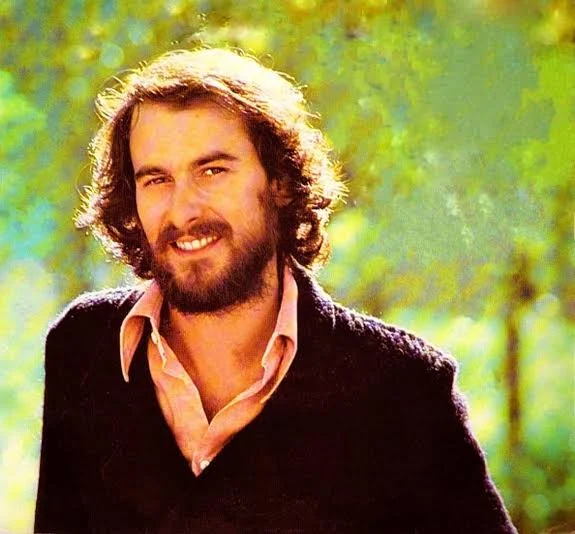
Michel Fugain Family 5
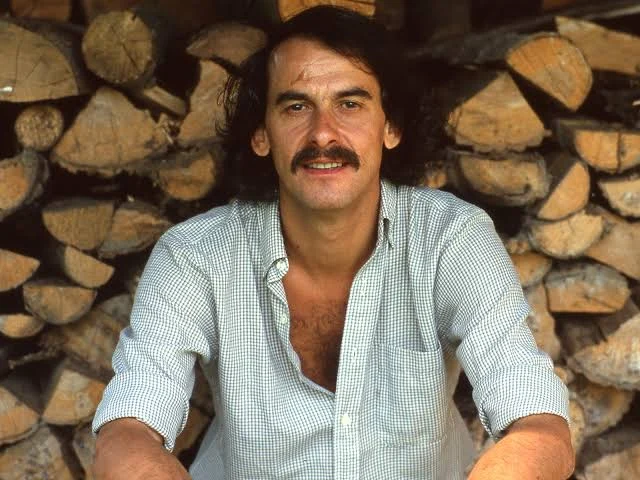
Michel Fugain Family 4
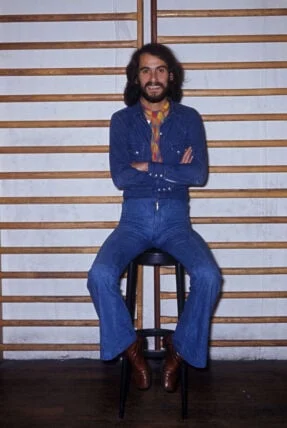
Michel Fugain Family 2
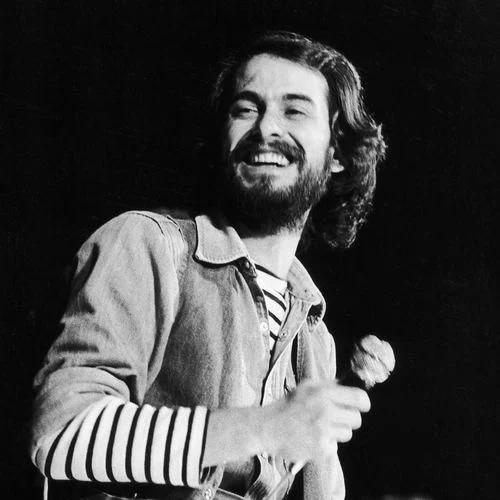
Michel Fugain Family
Michel Fugain Family 3
Early Life, Childhood, Education & Family Background of Michel Fugain
Michel Fugain’s route to French pop stardom began with a family shaped by political commitment, medicine and a childhood away from the music industry.
He was born on May 12, 1942, in Grenoble, in southeastern France, during the Second World War.
His father, Pierre Fugain, was a physician and a member of the French Resistance, and his political convictions helped shape the atmosphere in which Michel grew up.
The family later lived in Voreppe, a small community near Grenoble, where his father continued working as a doctor.
Fugain grew up surrounded by discussions and ideas that extended beyond ordinary family routines, giving him early exposure to social and political concerns.
He attended secondary school in Grenoble, including the Lycée Champollion, before beginning medical studies in an attempt to follow his father’s professional path.
Medicine, however, did not become his vocation, because his growing fascination with cinema pulled him in another direction.
In 1963, he left Grenoble for Paris to pursue work in filmmaking and began gaining experience as an assistant director.
That decision brought him into contact with young performers, including Michel Sardou, whose own interest in singing helped redirect Fugain towards music.
His early career therefore developed through an unexpected sequence of medical studies, cinema work and musical friendships rather than a conventional conservatory education.
Personal Life Highlights of Michel Fugain (Family Members)
Behind Michel Fugain’s cheerful public repertoire lies a family story marked by affection, separation and profound loss.
He is the son of Pierre Fugain, a physician and Resistance figure whose life combined medical work with political activism.
Michel’s sister, Claude Fugain, pursued a medical career, giving the family another connection to healthcare.
Fugain has four publicly reported children: Sophie, Marie, Laurette and Alexis.
His daughter Sophie was born before his marriage to Stéphanie Fugain, and her existence became publicly known much later.
Marie, born in 1973, developed a career as an actress and performer, following a path connected to the entertainment world.
Laurette, born in 1979, was diagnosed with leukaemia in 2001 and died in 2002 after a serious illness.
Her death became a defining family tragedy and helped inspire a lasting public campaign supporting people affected by blood cancers.
Alexis, born in 1993, is the youngest of the four children commonly identified in published accounts of Fugain’s family.
Although Fugain’s musical career is associated with celebration and optimism, his family’s experience of grief and remembrance reveals a much more complex personal history.
Michel Fugain Partners, Relationships & Dating History
Michel Fugain’s relationship history is best understood through his documented marriages and family life rather than unverified celebrity gossip.
He was married to Stéphanie Fugain, a dancer and actress who became associated with the Big Bazar musical troupe.
The couple met in the early 1970s, when Stéphanie was involved in the same creative environment that helped define Michel’s breakthrough years.
They married in 1973 and built a family while his music career and large-scale stage productions demanded considerable time and energy.
Their children included Marie, Laurette and Alexis, while Michel’s older daughter Sophie was born before the marriage.
Stéphanie later became widely known for founding the Laurette Fugain association after their daughter Laurette died from leukaemia in 2002.
The couple eventually separated, and their marriage ended in divorce after many years together.
Michel later married Sanda on October 2, 2014, according to publicly available biographical records.
He and Sanda have lived in Corsica, where he has spoken about enjoying a quieter life away from the constant demands of Paris.
Beyond these documented relationships, there is no reliable reason to treat unconfirmed dating claims circulating on entertainment-profile websites as established facts.
Michel Fugain Career Journey, Breakthroughs, Achievements & Awards
Michel Fugain’s career took an unusual turn when a young man who had gone to Paris to work in cinema discovered that songwriting could become his life’s work.
In the mid-1960s, he signed with the Barclay music world and began composing songs for established performers, including Dalida, Hugues Aufray and Marie Laforêt.
His breakthrough as a recording artist arrived in 1967 with “Je n’aurai pas le temps,” written to lyrics by Pierre Delanoë.
The song became one of his signature works and later reached a wider audience through an English-language adaptation.
In 1972, he created the Big Bazar, a troupe whose singers, dancers and musicians transformed his songs into colourful collective spectacles.
The group’s early successes included “Une belle histoire,” “Fais comme l’oiseau” and “Attention, mesdames et messieurs.”
Its popularity helped establish Fugain as a leading figure in French variety music, with a sound that mixed catchy melodies, theatrical presentation and optimistic themes.
After the troupe’s peak years, he continued recording as a solo artist and explored different musical influences, including Brazilian rhythms and more reflective songwriting.
His later projects included the seasonal song collection Bon An, Mal An, the collective stage project Projet Pluribus and the 2017 tribute album Chante la vie chante.
Rather than being defined by a single formal award, his achievement rests on a long-running catalogue of songs, influential stage concepts and an enduring place in French popular music.
Current Life Highlights of Michel Fugain (Career / Other Work)
At 84, Michel Fugain remains professionally active, with recent work showing that he has not treated his classic hits as the end of his creative story.
His album La Vie, l’Amour, Etc…, released in 2024, marked a return to writing and composing new material after a period in which he appeared less frequently on record.
The project reaffirmed his interest in songs about human relationships, everyday life and the emotions that accompany growing older.
He has continued to present the show built around this newer repertoire alongside the songs that made him famous.
Concert listings include performances scheduled for late 2026 and early 2027, indicating that live music remains part of his professional calendar.
One of the most distinctive chapters of his later life has been his long-standing connection with Corsica, where he has lived with his wife, Sanda.
His home there offers a contrast to the busy Paris entertainment scene that shaped much of his earlier career.
Rather than relying solely on nostalgia, Fugain has continued to combine familiar audience favourites with material from later stages of his career.
His musical identity remains closely tied to the idea of a shared experience, whether through ensemble arrangements or audiences singing along to well-known choruses.
His current chapter is therefore less about recreating the 1970s exactly and more about continuing to perform on his own terms while preserving the songs that audiences still recognize.
Michel Fugain Most Popular Movies, TV Shows, Media Appearances & Other Work
Michel Fugain’s best-known work is musical, but his career has also included cinema, television productions and appearances as a guest performer.
His 1967 recording “Je n’aurai pas le temps” became an early signature song and introduced listeners to the melodic style that would define much of his career.
The Big Bazar era brought his music to television and major concert stages, where colourful group performances made the songs especially memorable.
“Une belle histoire” became one of his most enduring recordings, while “Fais comme l’oiseau” and “Attention, mesdames et messieurs” remain among his most recognizable hits.
He also worked on the television musical Un enfant dans la ville, released in 1971, combining his interest in storytelling with his growing musical career.
In 1975, he appeared in the musical film Un jour, la fête, for which he also contributed as a writer and composer.
His songs and compositions have featured in numerous film and television productions, including the French crime film Mesrine: Public Enemy No. 1 from 2008.
He has appeared on French entertainment programmes such as Vivement dimanche and Cette année-là, where established performers revisit music and popular culture.
His later musical projects, including Projet Pluribus, brought ensemble performance back to the centre of his stage work.
For audiences discovering him today, the strongest introduction remains his combination of classic recordings, theatrical performances and the more recent album La Vie, l’Amour, Etc….
Michel Fugain Most Popular News, Controversies, Career Debates / Why Michel Fugain Is Popular
Michel Fugain’s public story combines major musical success with outspoken opinions and a personal tragedy that reshaped his family’s life.
His biggest career breakthrough came with the Big Bazar in the early 1970s, when the troupe’s communal spirit and upbeat songs captured the mood of a generation.
The group also raised questions about whether a large musical ensemble could maintain an ideal of collective equality while operating within the pressures of the entertainment business.
Fugain has spoken about the difficulty of sustaining a genuinely collaborative structure, acknowledging that hierarchies could reappear even when the group sought to work as equals.
In 2008, he attracted attention for blunt criticism of several younger French singers, including Cali, Bénabar, Matthieu Chedid and Benjamin Biolay.
His remarks focused on what he considered a shortage of strong melodies and overly self-centred songwriting, provoking debate about generational differences in French music.
The comments reinforced his reputation as a direct speaker who was willing to challenge trends rather than praise every new artist.
A far more personal public story followed the death of his daughter Laurette from leukaemia in 2002, a loss that deeply affected the family.
Stéphanie Fugain established the Laurette Fugain association in the same year to support blood-cancer research and encourage blood, platelet and bone-marrow donations.
Fugain’s continued popularity comes from the contrast between his exuberant songs, his frank public opinions and the difficult experiences that have shaped his life.
Michel Fugain Known Unknown Facts, Trivia + People Also Ask / Search & Answers
Michel Fugain’s career contains several surprising turns, including an early ambition that had little to do with becoming a singer.
Before pursuing music professionally, he studied medicine and then moved to Paris in 1963 to work in cinema.
His friendship with Michel Sardou helped open the door to songwriting, illustrating how personal connections can redirect an entire career.
Fugain composed for established performers before becoming a star in his own right, so his early success involved writing for other voices as well as his own.
The Big Bazar was more than a backing group; it was conceived as a colourful collective combining musicians, singers, dancers and theatrical presentation.
His song “Fais comme l’oiseau” adapts a Brazilian composition by Antônio Carlos and Jocafi, reflecting the Latin American influences that entered his music.
He created the song “Le Chiffon rouge” for a major 1977 event in Le Havre, showing that his repertoire could also take on a social and political dimension.
His daughter Laurette’s illness and death became the inspiration for a continuing family connection to public awareness of blood-cancer treatment and donations.
He later returned to writing new songs with La Vie, l’Amour, Etc…, released in 2024, rather than relying exclusively on his greatest hits.
At 84, with performances listed into 2027, Fugain remains a living link between the golden era of French variety music and its present-day audience.
How old is Michel Fugain? He was born on May 12, 1942, and turned 84 in May 2026.
Where was Michel Fugain born? He was born in Grenoble, in the Isère region of southeastern France.
What is Michel Fugain famous for? He is best known for his French pop songs and for creating the musical troupe Big Bazar.
What are Michel Fugain’s most famous songs? His best-known songs include “Une belle histoire,” “Fais comme l’oiseau,” “Je n’aurai pas le temps” and “Attention, mesdames et messieurs.”
How tall is Michel Fugain? No reliably confirmed official height was located, so online figures should be treated as unverified estimates.
Who is Michel Fugain’s wife? He married Sanda in October 2014, following his earlier marriage to Stéphanie Fugain.
How many children does Michel Fugain have? Public biographical accounts identify four children: Sophie, Marie, Laurette and Alexis.
What happened to Michel Fugain’s daughter Laurette? She died from leukaemia in 2002 after being diagnosed with the disease in 2001.
What is Michel Fugain’s latest album? His 2024 album La Vie, l’Amour, Etc… is his most recent widely documented studio album.
Is Michel Fugain still performing? Yes, concert listings include performances in late 2026 and January 2027, although schedules can change.