Lara Fabian based on NeemTime research
Who Is Lara Fabian (Biography / Personal Details)
Lara Fabian is a Belgian-born singer whose extraordinary vocal range and emotionally powerful performances have made her one of the most recognised voices in French-language pop music.
Born Lara Crokaert on January 9, 1970, in Etterbeek, Brussels, Belgium, she built an international career singing in French, English, Italian and several other languages.
Her musical identity combines pop, chanson, romantic ballads and theatrical vocal expression, allowing her to connect with audiences across different cultures.
Fabian holds Belgian and Canadian national identities and has Italian family roots through her mother, giving her career a distinctive European and North American dimension.
She first attracted wider European attention at the 1988 Eurovision Song Contest, where she represented Luxembourg with the song “Croire” and finished fourth.
Her breakthrough in French-speaking markets came through albums such as Carpe Diem and Pure, which established her as a major recording artist.
The international success of “Je t’aime,” “Tout” and “Adagio” helped turn her powerful interpretations into defining features of her public image.
Her English-language album Lara Fabian introduced her to a broader international audience, particularly through the dance-pop hit “I Will Love Again.”
Beyond recording, she has worked as a songwriter, performer, vocal mentor and television personality, extending her influence beyond album sales.
With a career spanning decades, Fabian remains particularly celebrated for the emotional intensity, technical control and multilingual versatility that distinguish her performances.
Lara Fabian Height, Appearance, Fitness & How to Get a Body Like Lara Fabian
Lara Fabian is best known for her expressive stage presence and powerful voice rather than for promoting a particular fitness or beauty routine.
Her height is commonly reported as approximately 5 feet 5 inches, or 1.65 metres, although a definitive official measurement is not readily established.
She has appeared with different hairstyles and fashion choices throughout her career, moving between glamorous evening gowns, understated outfits and dramatic concert styling.
Her stage image often emphasises elegance and emotional expression, matching the romantic and theatrical character of many of her best-known songs.
Unlike celebrities who build a public identity around fitness, Fabian has not established a widely documented personal training programme for fans to follow.
There is no reliable basis for claiming that a specific diet, exercise schedule or weight-management method explains her appearance.
Anyone hoping to develop a healthy physique can start with consistent physical activity, including walking, strength exercises and activities suited to their ability.
A balanced eating pattern with adequate protein, vegetables, fruit, whole grains and sufficient water can support general health without requiring celebrity-inspired restrictions.
Regular sleep, realistic goals and gradual progress are more useful than trying to reproduce another person’s body shape or appearance.
Fabian’s most distinctive performance asset remains her voice, demonstrating that stage presence and a memorable public image depend on much more than physical appearance.
Lara Fabian Family
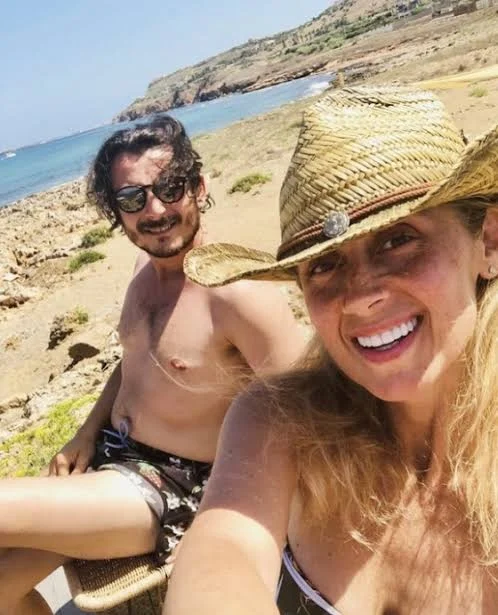
Lara Fabian Family 5
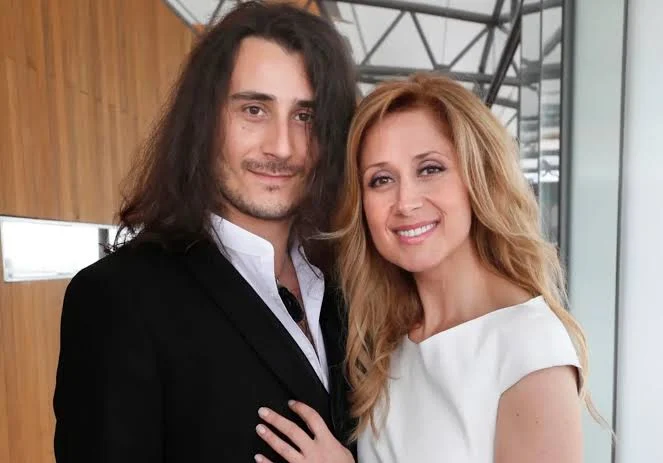
Lara Fabian Family 4
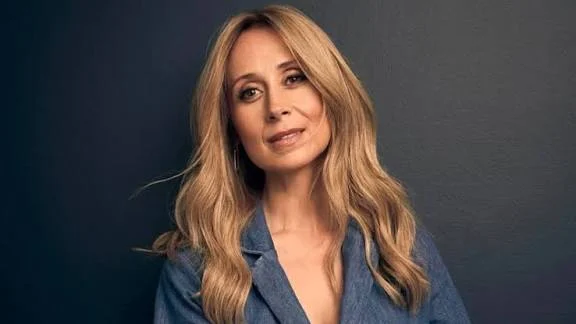
Lara Fabian Family 3
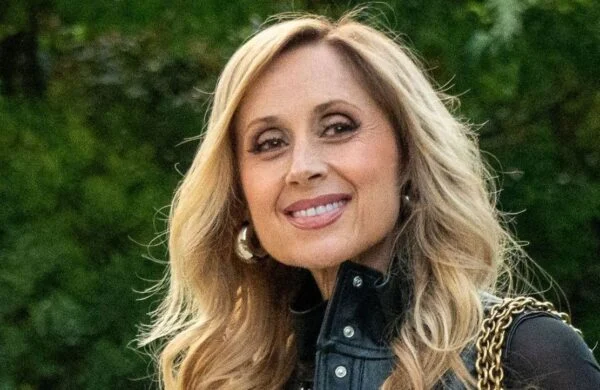
Lara Fabian Family 2
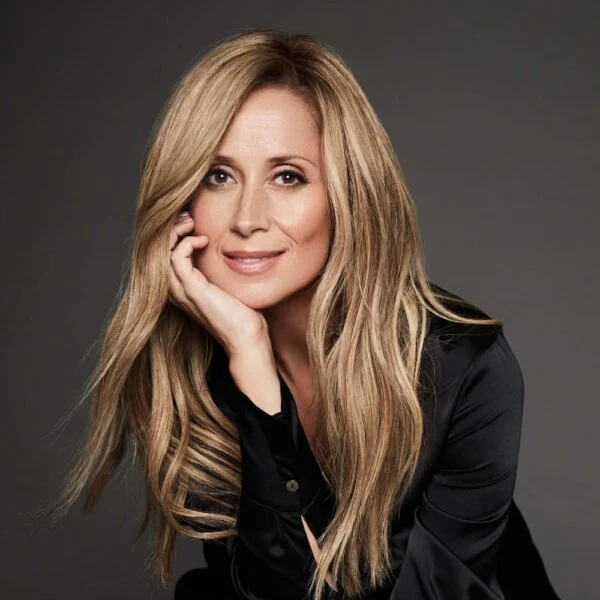
Lara Fabian Family
Early Life, Childhood, Education & Family Background of Lara Fabian
Lara Fabian’s early life brought together Belgian, Italian and musical influences that later became central to her international identity.
She was born in Etterbeek, Brussels, on January 9, 1970, to Belgian father Pierre Crokaert and Italian mother Maria Luisa Serio.
Her family spent part of her childhood in Sicily, where she experienced Italian language and culture alongside her Belgian background.
Italian was her first language, a detail that helps explain her later comfort performing across several European languages.
Fabian began studying music at a young age and entered the Royal Conservatory of Brussels when she was eight.
Her training included classical vocal development and music theory, giving her a technical foundation that would support her demanding vocal performances.
As a child, she showed an interest in singing and performance, while her parents supported her musical development.
She began appearing in public performances while still young, gaining practical experience beyond formal classroom instruction.
Her early exposure to both classical training and popular music helped shape a style capable of moving between intimate ballads and powerful vocal climaxes.
These formative experiences laid the groundwork for a career that would connect French-speaking audiences with listeners across Europe, Canada and other international markets.
Personal Life Highlights of Lara Fabian (Family Members)
Although Lara Fabian’s career has unfolded publicly, she has generally kept many details of her family life away from constant media attention.
Her father, Pierre Crokaert, is Belgian, while her mother, Maria Luisa Serio, is Italian and helped connect Fabian to her family’s Italian heritage.
The combination of these backgrounds contributed to the multilingual environment that later became an important part of her artistic identity.
Fabian became a mother in 2007 when her daughter, Lou, was born from her relationship with French director and composer Gérard Pullicino.
Motherhood has been a significant part of her personal story, although she has not made her daughter a constant feature of her public career.
Fabian married Italian magician Gabriel Di Giorgio in 2013, establishing a family relationship that she has occasionally acknowledged publicly.
Her husband works in entertainment but maintains a professional identity distinct from her recording career.
Fabian’s life between European and Canadian cultural settings has also shaped how she describes her sense of home and belonging.
She has continued to balance international performances with personal commitments, though the precise details of her private family arrangements are not always publicly documented.
Her family story is best understood through confirmed relationships and cultural influences rather than speculation about private matters.
Lara Fabian Partners, Relationships & Dating History
Lara Fabian’s relationship history includes a long-running creative partnership that became romantic and a later marriage to an Italian performer.
During the early stages of her career, she worked closely with French songwriter and producer Rick Allison, who helped shape her first major French-language recordings.
Their professional collaboration was central to the development of her sound, and their relationship was also romantic for a period.
The pair worked together on music that helped establish Fabian in Quebec and other French-speaking markets during the 1990s.
After their personal relationship ended, their earlier creative partnership remained an important part of the story of her rise to fame.
Fabian later entered a relationship with French director and composer Gérard Pullicino, with whom she had her daughter, Lou, in 2007.
Pullicino’s work in music and television placed him within the wider entertainment world, although he pursued his own professional career.
In 2013, Fabian married Gabriel Di Giorgio, an Italian magician who performs professionally and maintains a lower public profile than his wife.
The couple have generally kept their relationship relatively private, with limited reliable information about their day-to-day life together.
Claims about additional partners should be treated cautiously because an appearance together or an unverified celebrity-profile listing is not proof of a relationship.
Lara Fabian Career Journey, Breakthroughs, Achievements & Awards
Lara Fabian’s career began with early musical training, but a Eurovision performance helped introduce her voice to audiences beyond Belgium.
In 1988, she represented Luxembourg at Eurovision with “Croire,” finishing fourth and gaining valuable international exposure.
She moved to Quebec in 1991 and released her self-titled French-language debut, beginning the phase of her career most closely associated with French pop.
Her 1994 album Carpe Diem strengthened her position in Canada, while the 1997 album Pure became a major commercial breakthrough in French-speaking markets.
The success of “Je t’aime” helped make her a distinctive presence in French music, with its demanding vocals and emotionally direct delivery.
She received the 1998 Victoires de la Musique award for French-language revelation of the year, reflecting the impact of Pure and its songs.
Fabian subsequently pursued an English-language career, releasing the album Lara Fabian around the turn of the millennium.
“I Will Love Again” became a notable international dance-pop success, reaching the top of the US Billboard Dance Club Songs chart.
Her catalogue expanded through albums including Nue, 9, Toutes les femmes en moi, Le Secret, Ma vie dans la tienne and Papillon.
Her career has also included television coaching, songwriting collaborations and extensive touring, demonstrating a lasting ability to move between recording, live performance and mentoring.
Current Life Highlights of Lara Fabian (Career / Other Work)
As of October 2026, Lara Fabian is continuing her live career with the Je suis là tour, which brings her back to major venues across Europe.
The announced autumn schedule includes performances in Paris on October 15, 16 and 17, followed by Esch-sur-Alzette on October 18.
Further dates include Nantes, Chartres and Lille in October, with Limoges, Pau, Montpellier, Geneva and Brussels scheduled for November.
The tour revisits songs from across her career, giving long-time listeners a chance to hear familiar material in refreshed live arrangements.
Fabian has also returned to French television as a coach on the 2026 season of The Voice, alongside other established artists.
Her role on the programme highlights her experience in vocal technique, interpretation and helping performers communicate emotion through a song.
In March 2026, she discussed her newer single “Je veux danser,” describing its upbeat musical character as a contrast to its serious reflections on life and mortality.
The song involved songwriter Vitaa and producer-songwriter Renaud Rebillaud, bringing contemporary French pop collaborators into her musical world.
Her recent public interviews have also addressed personal resilience, the pressure of public judgement and lessons drawn from difficult periods earlier in her life.
Together, her touring, television work and new music show that Fabian remains an active performer rather than relying solely on the catalogue that made her famous.
Lara Fabian Most Popular Movies, TV Shows, Media Appearances & Other Work
Lara Fabian is primarily known as a singer and songwriter, but her career has also included television, soundtrack work and vocal performances connected to screen productions.
One of her notable early screen-related projects was the French-language version of Disney’s The Hunchback of Notre Dame, released in 1996, in which she performed songs associated with Esmeralda.
Her song “Que mon cœur lâche” and other music videos helped extend her artistic identity beyond album covers and concert stages.
The English-language single “I Will Love Again” became an important crossover track, receiving attention in dance clubs and on international music charts.
Her ballads “Je t’aime,” “Adagio,” “Tout” and “Immortelle” remain among the performances most closely associated with her name.
Fabian has appeared as a coach on The Voice France, using her experience to advise contestants on vocal expression, interpretation and stage confidence.
She has also worked with The Voice Belgique, bringing her expertise to a different national version of the singing competition.
In 2024, she coached on The Voice Kids France, where her team member Tim won the season, adding a notable mentoring achievement to her television career.
In 2025, she appeared in French television programming including Star Académie in Quebec, where she shared feedback with developing singers.
Her television interviews and live appearances have become another way for audiences to discover her beyond the recordings that established her reputation.
Lara Fabian Most Popular News, Controversies, Career Debates / Why Lara Fabian Is Popular
Lara Fabian’s career has attracted admiration for her voice, but public discussion has also focused on the cost of fame and the pressure placed on women performers.
In 2025, she spoke publicly about serious emotional struggles, eating disorders and suicidal thoughts during difficult periods of her life, helping audiences understand the personal toll behind her public success.
She also recalled being mocked in French entertainment media for her powerful singing style and physical appearance, experiences that affected how she felt about herself.
In March 2025, comedian Laurent Baffie publicly expressed regret over insulting remarks he had made about Fabian on television years earlier, bringing renewed attention to the treatment she received.
Another major debate resurfaced in January 2026 when claims appeared that Céline Dion had obstructed Fabian’s attempt to enter the American market in the late 1990s.
Those claims were disputed by Fabian’s former manager and partner Rick Allison, who rejected the account and said he knew of no such effort to block her career.
Fabian herself had previously rejected the idea of a personal war with Dion, describing the supposed rivalry as a story that had harmed both singers and their audiences.
The disagreement remains a disputed account of past music-industry events, not an established finding that Dion deliberately sabotaged Fabian.
Her popularity also comes from the contrast between intimate, vulnerable ballads and technically demanding performances that require considerable vocal control.
The combination of musical longevity, candid discussion of difficult experiences and an ongoing touring career continues to keep Fabian in public conversation.
Lara Fabian Known Unknown Facts, Trivia + People Also Ask / Search & Answers
Lara Fabian’s Eurovision performance came before the albums that made her a star, meaning many listeners discovered her through her later recordings without knowing her early contest history.
She represented Luxembourg in 1988 with “Croire,” while Canadian singer Céline Dion won that year’s contest for Switzerland with “Ne partez pas sans moi.”
Fabian grew up with Belgian and Italian cultural influences, and her early use of Italian helped prepare her for a multilingual recording career.
Her repertoire spans French pop, English-language dance music, Italian songs and interpretations designed for live performance.
She studied at the Royal Conservatory of Brussels from childhood, developing musical skills before her commercial breakthrough.
How old is Lara Fabian? She was born on January 9, 1970, and is 56 years old in October 2026.
What is Lara Fabian’s most famous song? “Je t’aime” is among her signature French-language hits, while “I Will Love Again” is one of her best-known English-language successes.
Is Lara Fabian married? Yes, she married Italian magician Gabriel Di Giorgio in 2013.
Does Lara Fabian have children? Yes, she has a daughter named Lou, born in 2007, from her relationship with Gérard Pullicino.
Is Lara Fabian touring in 2026? Yes, her Je suis là tour includes European dates scheduled for autumn 2026.