Francois Fillon based on NeemTime research
Who Is François Fillon (Biography / Personal Details)
François Fillon rose to the highest level of French government, but his political legacy is now inseparable from a major public-funds scandal.
Born on March 4, 1954, in Le Mans, France, he became prime minister under President Nicolas Sarkozy in May 2007.
He held the premiership until May 2012, making him the only prime minister to serve throughout Sarkozy’s five-year presidential term.
A member of France’s traditional conservative right, Fillon built his career through parliamentary work, ministerial appointments and party leadership.
Before becoming prime minister, he held portfolios covering higher education, telecommunications, social affairs, labour and national education.
His political reputation was associated with pension reform, fiscal restraint and a preference for reducing the role of the state in the economy.
In 2016, he unexpectedly won the centre-right primary to become the Republicans’ presidential candidate for the 2017 election.
His campaign initially presented him as a disciplined conservative alternative, but allegations concerning his wife’s parliamentary employment soon dominated headlines.
He lost the presidential race before the runoff, finishing third in the first round behind Emmanuel Macron and Marine Le Pen.
His later business activities and legal troubles have kept him in public debate long after his departure from frontline electoral politics.
François Fillon Height, Appearance, Fitness & How to Get a Body Like François Fillon
François Fillon is known for a restrained public image shaped by formal suits, measured speech and the traditional presentation of a senior French politician.
His height is commonly listed by entertainment databases as approximately 5 feet 9 inches, or 1.75 metres, but this is not an official government measurement.
Photographs of Fillon at public events generally show a conservative wardrobe suited to parliamentary debates, diplomatic meetings and televised interviews.
Unlike celebrities whose public identities depend on fashion or physical transformation, his appearance has remained relatively consistent throughout his political career.
His interests have included endurance and outdoor activities, with profiles mentioning running, hiking, skiing and mountain biking.
He has also been associated with historic motor racing, an interest that connects his public life with France’s motorsport culture.
There is no reliable public record establishing a specific current workout programme, daily diet or body-maintenance routine.
Anyone seeking to improve fitness can use general approaches such as regular aerobic activity, strength training, balanced meals and adequate sleep.
Exercise should be adapted to individual health, age and ability rather than copied from a politician’s reported hobbies.
Fillon’s public image has ultimately been defined by political discipline and controversy, not by a documented fitness brand or celebrity body standard.
Francois Fillon Family
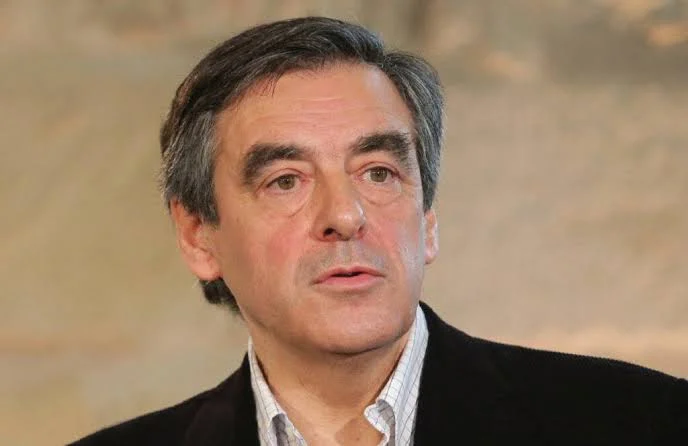
Francois Fillon Family 5
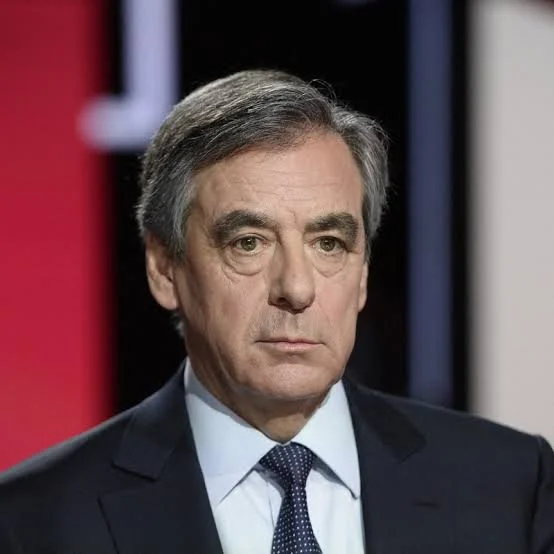
Francois Fillon Family 4
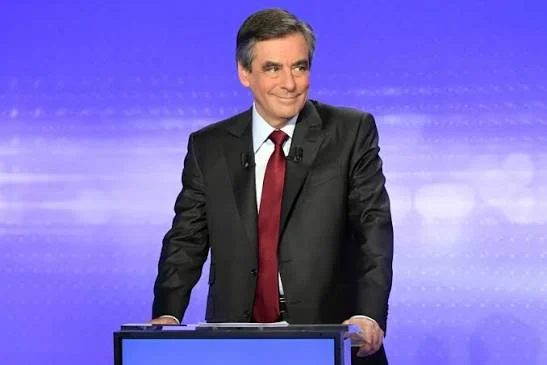
Francois Fillon Family 3
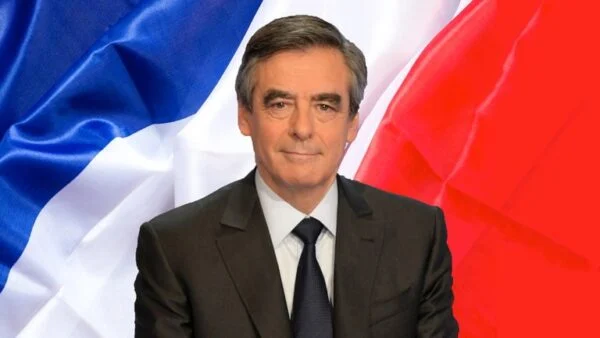
Francois Fillon Family 2
Francois Fillon Family
Early Life, Childhood, Education & Family Background of François Fillon
François Fillon was born in Le Mans, in western France’s Sarthe department, into a family with strong professional and intellectual interests.
His father, Michel Fillon, worked as a civil-law notary, while his mother, Anne Fillon, was a history professor.
Growing up in a household connected to law and education gave him early exposure to public affairs and academic life.
He completed his secondary education and earned the French baccalauréat in 1972.
He then studied at the University of Maine in Le Mans, graduating with a master’s degree in public law in 1976.
In 1977, he completed a postgraduate diploma in public law at what is now Paris Descartes University.
Rather than entering politics through a national celebrity profile, he began with parliamentary staff work in his home region.
In 1976, he became an assistant to Joël Le Theule, a politician who would later serve as a government minister.
Fillon progressed to a senior staff role in Le Theule’s office, gaining experience in transport and defence policy before seeking elected office.
His early combination of legal education, political apprenticeship and regional connections prepared him for a long career in France’s conservative establishment.
Personal Life Highlights of François Fillon (Family Members)
François Fillon’s family has been a prominent part of his public story, especially because his wife’s employment became central to his legal troubles.
He married Pénélope Clarke, a Welsh-born woman, on June 28, 1980, and the couple have five children.
Their children are commonly identified as Marie, Charles, Antoine, Édouard and Arnaud, although the family generally keeps personal details private.
Pénélope Fillon trained in law but became publicly known mainly through her marriage and the controversy over her reported parliamentary work.
The couple have long been associated with the Sarthe region, where Fillon built his early political career.
His father, Michel, worked as a notary, while his mother, Anne, taught history and had Basque ancestry.
His younger brother Pierre Fillon became president of the Automobile Club de l’Ouest, the organisation responsible for the 24 Hours of Le Mans.
Another brother, Dominique Fillon, is a pianist and jazz musician, giving the family a connection to the arts as well as public life.
The family’s public profile increased sharply during the 2017 presidential campaign, when questions about employment contracts and public money overshadowed campaign policy.
Despite that scrutiny, the children’s private lives have largely remained outside the centre of French political reporting.
François Fillon Partners, Relationships & Dating History
François Fillon’s publicly documented relationship history is centred on his long marriage to Pénélope Clarke.
The couple married on June 28, 1980, and have remained publicly associated for more than four decades.
Pénélope, who was born in Wales, became part of Fillon’s political life as he rose from local representation to national office.
Their relationship attracted extraordinary media attention during the 2017 presidential campaign, when reports questioned whether she had performed paid parliamentary work.
Investigators examined contracts under which she had been paid as a parliamentary assistant to her husband and later as a collaborator for other politicians.
The case focused on whether the work was genuine and whether the payments were justified, rather than on the couple’s romantic relationship.
Fillon denied wrongdoing during the scandal and defended his wife’s work, while the case proceeded through the French courts.
The legal proceedings became a defining public test of the couple’s account of their professional and family arrangements.
There is no reliable public record establishing a separate dating timeline or other confirmed romantic partners for Fillon.
His marriage remains the only consistently documented long-term relationship in his public biography.
François Fillon Career Journey, Breakthroughs, Achievements & Awards
François Fillon entered public service in the 1970s as an assistant to Joël Le Theule, learning the mechanics of government before running for office.
In 1981, at age 27, he was elected deputy for Sarthe and became one of the youngest members of the National Assembly.
He later led the Sarthe departmental council, strengthening his regional political base before reaching national ministerial office.
Under Prime Minister Édouard Balladur, he served as minister for higher education and research from 1993 to 1995.
He subsequently held government roles covering information technology, telecommunications and space, then social affairs, labour and solidarity.
As social affairs minister from 2002 to 2004, he led a significant pension reform that became a defining policy achievement.
He became minister of national education in 2004 and pursued a school reform law aimed at changing the French education system.
President Nicolas Sarkozy appointed him prime minister on May 17, 2007, and Fillon remained in office until May 2012.
In 2016, he defeated Alain Juppé and former president Nicolas Sarkozy in the Republicans’ presidential primary.
His 2017 presidential bid collapsed amid the parliamentary-employment scandal, transforming a once-promising political ascent into a prolonged legal and reputational crisis.
Current Life Highlights of François Fillon (Career / Other Work)
François Fillon’s life after government has been shaped by private-sector roles, international business connections and continuing legal consequences.
After leaving frontline electoral politics, he pursued corporate opportunities that drew attention because of his experience as France’s former prime minister.
In 2021, he joined the board of Russia’s state-owned oil company Zarubezhneft and the board of petrochemical group Sibur.
Following Russia’s full-scale invasion of Ukraine in February 2022, he announced his resignation from both boards.
He said Vladimir Putin was responsible for launching the war and that he could not continue serving on the companies’ boards under those circumstances.
Since then, his public profile has been dominated less by new political projects than by the consequences of the Penelopegate case.
In June 2025, a Paris appeals court imposed a four-year suspended prison sentence, a €375,000 fine and five years of ineligibility for public office.
He withdrew his appeal in February 2026, making those penalties final.
In August 2026, France suspended his Legion of Honour and National Order of Merit distinctions for ten years following his definitive conviction.
His current public standing is therefore defined by his former government service, corporate career and the lasting impact of the legal case.
François Fillon Most Popular Movies, TV Shows, Media Appearances & Other Work
François Fillon is a political figure rather than an entertainer, so his most significant media appearances concern government, elections and public controversy.
His years as prime minister made him a regular presence on French television news and political interview programmes.
During Nicolas Sarkozy’s presidency, Fillon frequently addressed parliamentary policy, economic reform and the government’s legislative priorities.
His ministerial work on pensions and education also placed him at the centre of national debates covered extensively by French broadcasters.
The 2016 Republicans’ presidential primary brought him renewed media attention after he defeated Alain Juppé and Nicolas Sarkozy.
His 2017 presidential campaign generated extensive television coverage, initially because of his conservative programme and later because of the parliamentary-employment allegations.
The documentary record of his career includes official government biographies, parliamentary archives and televised interviews rather than a conventional filmography.
He has also appeared in political satire, including the French programme Les Guignols de l’info, which caricatured leading public figures through puppets.
After Russia invaded Ukraine, his resignation from the boards of Zarubezhneft and Sibur became a major international news story in February 2022.
More recently, reporting about his final sentence and the suspension of his national honours has kept him in the news.
François Fillon Most Popular News, Controversies, Career Debates / Why François Fillon Is Popular
François Fillon’s most consequential controversy, known as Penelopegate, erupted during France’s 2017 presidential campaign.
Investigative reporting questioned whether his wife, Pénélope Fillon, had performed genuine parliamentary-assistant work for which she received public money.
The revelations damaged his campaign, despite his earlier victory in the Republicans’ presidential primary.
Fillon denied wrongdoing and defended his wife’s employment, but prosecutors pursued the case through several stages of the French judicial system.
In 2020, a court found the couple guilty in the public-funds case, triggering appeals and further proceedings over the penalties.
In June 2025, an appeals court sentenced Fillon to four years in prison, all suspended, a €375,000 fine and five years of ineligibility.
He withdrew his appeal in February 2026, making the sentence final; the European Court of Human Rights had already rejected his complaint in October 2025.
The case became a defining political scandal because it undermined public confidence in a presidential candidate who had campaigned on probity and fiscal discipline.
A separate controversy followed his appointments to Russian corporate boards, which he left after Russia invaded Ukraine in February 2022.
In August 2026, France suspended his Legion of Honour and National Order of Merit distinctions for ten years, further cementing the scandal’s impact on his legacy.
François Fillon Known Unknown Facts, Trivia + People Also Ask / Search & Answers
François Fillon was only 27 when he entered France’s National Assembly as a deputy for Sarthe in 1981.
His early political mentor, Joël Le Theule, gave him experience in government before Fillon won elected office.
His younger brother Pierre leads the Automobile Club de l’Ouest, the organisation responsible for the 24 Hours of Le Mans.
Fillon has long been interested in motorsport and has participated in historic-car racing events, including the Le Mans Classic.
He won the 2016 Republicans’ presidential primary after defeating two high-profile rivals, Nicolas Sarkozy and Alain Juppé.
When was François Fillon prime minister of France? He served from May 2007 to May 2012 under President Nicolas Sarkozy.
Who is François Fillon’s wife? He married Pénélope Clarke in 1980, and they have five children.
What is Penelopegate? It is the public-funds scandal involving payments to Pénélope Fillon for parliamentary-assistant work that became a central issue in the 2017 election.
What was François Fillon’s final sentence? In 2025, he received four years of suspended imprisonment, a €375,000 fine and five years of ineligibility; he withdrew his appeal in February 2026.
Why were François Fillon’s honours suspended in 2026? France suspended his Legion of Honour and National Order of Merit distinctions for ten years following his definitive conviction in the public-funds case.