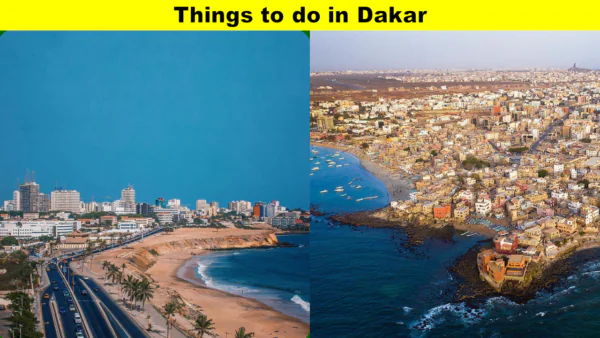
Things to do in Dakar based on NeemTime research from most popular to just popular.
African Renaissance Monument, Dakar
Overview: African Renaissance Monument is a towering bronze statue symbolizing Africa’s emergence and progress, standing prominently over Dakar.
History: Built by the Senegalese government to commemorate the continent’s independence and future aspirations.
Since When: Inaugurated in 2010.
Review: Visitors admire its impressive scale, symbolic meaning, and panoramic city views from the top.
When to Go: Morning or late afternoon for cooler weather and better visibility.
How to Go: Accessible by taxi or car from central Dakar.
What to Do: Climb to the viewing platform, take photos, and learn about its symbolism.
Free or Paid: Paid entry for interior access; exterior viewing is free.
Marché Sandaga, Dakar
Overview: Marché Sandaga is a bustling traditional market offering textiles, crafts, and everyday goods in the heart of Dakar.
History: Historically served as a central trading hub reflecting Senegal’s vibrant commerce and culture.
Since When: Operating since the early 20th century.
Review: Visitors enjoy the lively atmosphere, though it can be crowded and chaotic.
When to Go: Morning hours for a more manageable shopping experience.
How to Go: Located in central Dakar, reachable by taxi or public transport.
What to Do: Shop for souvenirs, fabrics, and local goods while experiencing local culture.
Free or Paid: Free entry; purchases are paid.
Pullman Dakar Teranga, Dakar
Overview: Pullman Dakar Teranga is a luxury hotel offering modern rooms, sea views, and upscale amenities.
History: Part of the international Pullman brand expansion into West Africa’s hospitality sector.
Since When: Opened in the late 2000s.
Review: Guests praise its comfort, service quality, and convenient location.
When to Go: Year-round, with peak stays during business and tourist seasons.
How to Go: Accessible by taxi or private transfer from Dakar Airport.
What to Do: Stay in luxury, enjoy dining, relax by the pool, and attend business events.
Free or Paid: Paid accommodation and services.
Sea Plaza, Dakar
Overview: Sea Plaza is a modern shopping and entertainment complex featuring international brands, restaurants, and leisure facilities.
History: Developed to provide a contemporary retail and lifestyle destination in Dakar.
Since When: Opened in 2010.
Review: Visitors appreciate its clean environment, variety of shops, and oceanfront location.
When to Go: Afternoon or evening for shopping and dining.
How to Go: Reachable by taxi or car from central Dakar.
What to Do: Shop, dine, watch movies, and enjoy ocean views.
Free or Paid: Free entry; shopping and entertainment are paid.
Hann Zoological Park, Dakar
Overview: Hann Zoological Park is a large green space combining a zoo and botanical garden, showcasing wildlife and plant species.
History: Established during the colonial period as part of Dakar’s environmental and recreational planning.
Since When: Opened in 1903.
Review: Visitors enjoy its natural setting and variety of animals, though facilities can vary in quality.
When to Go: Morning hours for cooler temperatures and active animals.
How to Go: Accessible by taxi or local transport from Dakar city center.
What to Do: مشاهده animals, walk through gardens, and relax in nature.
Free or Paid: Paid entry.
C.I.C.E.S, Dakar
Overview: C.I.C.E.S (Centre International du Commerce Extérieur du Sénégal) is a major exhibition and trade fair complex hosting international events and conferences.
History: Established to promote Senegal’s trade, commerce, and international partnerships through large-scale exhibitions.
Since When: Operating since 1974.
Review: Visitors find it spacious and important for business events, though facilities can vary depending on the event.
When to Go: During major fairs like the Dakar International Trade Fair for the best experience.
How to Go: Accessible by taxi or car from central Dakar.
What to Do: Attend exhibitions, business events, and cultural fairs.
Free or Paid: Entry depends on the event, usually paid.
Dakar Port, Dakar
Overview: Dakar Port is a vital maritime hub serving as a key gateway for trade and transportation in West Africa.
History: Developed during the colonial era and expanded over time to handle modern shipping demands.
Since When: Operational since the early 20th century.
Review: Visitors note its economic importance, though access is limited due to security restrictions.
When to Go: Daytime for observing port activities from nearby viewpoints.
How to Go: Reachable by taxi or car, with restricted access areas.
What to Do: View ships, observe harbor activity, and take photos from permitted areas.
Free or Paid: Free to view from outside; restricted areas require permission.
Bandia Reserve, Dakar
Overview: Bandia Reserve is a wildlife sanctuary offering safari experiences with African animals in a natural setting.
History: Created to reintroduce and protect native wildlife species in Senegal.
Since When: Established in 1990.
Review: Visitors enjoy close encounters with animals like giraffes and rhinos in a well-managed environment.
When to Go: Morning or late afternoon for the best wildlife viewing.
How to Go: Located about an hour from Dakar, accessible by car or guided tour.
What to Do: Take a safari tour, photograph wildlife, and learn about conservation efforts.
Free or Paid: Paid entry.
Place du Souvenir Africain, Dakar
Overview: Place du Souvenir Africain is a cultural memorial site honoring African history, heritage, and diaspora contributions.
History: Built to celebrate African identity and historical memory through exhibitions and cultural events.
Since When: Opened in the 2000s.
Review: Visitors appreciate its cultural significance and peaceful atmosphere.
When to Go: Morning or afternoon for a relaxed visit.
How to Go: Accessible by taxi or car from central Dakar.
What to Do: Explore exhibits, attend cultural events, and reflect on African heritage.
Free or Paid: Mostly free; some events may charge fees.
La Plage de BCEAO, Dakar
Overview: La Plage de BCEAO is a popular beach known for its clean sands, clear waters, and relaxing seaside atmosphere.
History: Developed as part of Dakar’s coastal leisure areas for locals and visitors.
Since When: Popular since the late 20th century.
Review: Visitors enjoy its calm environment, though it can get busy on weekends.
When to Go: Late afternoon or weekends for a lively beach experience.
How to Go: Reachable by taxi or car from Dakar city center.
What to Do: Swim, sunbathe, relax, and enjoy beachside refreshments.
Free or Paid: Free entry; services may be paid.
Magic Land, Dakar
Overview: Magic Land is a colorful amusement park in Dakar offering rides, games, and family-friendly entertainment.
History: Developed to provide a recreational space for children and families within the city.
Since When: Operating since the early 2000s.
Review: Visitors enjoy the fun rides and lively environment, though maintenance can vary.
When to Go: Evening or weekends for a vibrant atmosphere.
How to Go: Accessible by taxi or car from central Dakar.
What to Do: Enjoy rides, play games, and spend time with family.
Free or Paid: Paid entry and rides.
House of Slaves, Dakar
Overview: House of Slaves is a historic museum symbolizing the transatlantic slave trade and its human impact.
History: Built in the 18th century, it served as a holding point for enslaved Africans before transportation overseas.
Since When: Dating back to 1776.
Review: Visitors describe it as a powerful and emotional experience with deep historical significance.
When to Go: Morning hours for a quieter and reflective visit.
How to Go: Reachable by ferry from Dakar to Gorée Island.
What to Do: Explore exhibits, learn history, and visit the Door of No Return.
Free or Paid: Paid entry.
L’Adresse Dakar, Dakar
Overview: L’Adresse Dakar is a trendy restaurant offering a fusion of international and local cuisine in a stylish setting.
History: Established to bring modern dining experiences to Dakar’s evolving food scene.
Since When: Operating since the 2010s.
Review: Guests praise its ambiance, quality dishes, and attentive service.
When to Go: Evening for dinner and a lively atmosphere.
How to Go: Accessible by taxi or car within Dakar.
What to Do: Enjoy gourmet meals, socialize, and relax in a chic environment.
Free or Paid: Paid.
Phare des Mamelles, Dakar
Overview: Phare des Mamelles is a historic lighthouse perched on a hill offering panoramic views of Dakar and the Atlantic Ocean.
History: Built by the French during the colonial period to guide ships along the coast.
Since When: Constructed in 1864.
Review: Visitors appreciate the scenic views and peaceful surroundings.
When to Go: Sunset for the best views and photography.
How to Go: Reachable by taxi or car from Dakar city center.
What to Do: Climb to the viewpoint, take photos, and enjoy the landscape.
Free or Paid: Small entrance fee may apply.
Adventureland, Dakar
Overview: Adventureland is a recreational park offering games, rides, and activities for families and children.
History: Created to expand Dakar’s leisure and entertainment options.
Since When: Operating since the 2010s.
Review: Families enjoy its engaging activities, though facilities may vary.
When to Go: Weekends and evenings for full activity availability.
How to Go: Accessible by taxi or car within Dakar.
What to Do: Participate in games, enjoy rides, and spend leisure time.
Free or Paid: Paid entry and activities.
Leopold Sedar Senghor French Institute, Dakar
Overview: Leopold Sedar Senghor French Institute is a prominent cultural center promoting French language, arts, and intellectual exchange in Dakar.
History: Established through Franco-Senegalese cooperation to strengthen cultural and educational ties.
Since When: Operating since the mid-20th century.
Review: Visitors appreciate its rich cultural programs, exhibitions, and learning opportunities.
When to Go: During scheduled events, exhibitions, or workshops.
How to Go: Accessible by taxi or car within Dakar city.
What to Do: Attend cultural events, exhibitions, language classes, and film screenings.
Free or Paid: Some events are free while others are paid.
Grand Théâtre National de Dakar, Dakar
Overview: Grand Théâtre National de Dakar is a large modern performance venue hosting concerts, plays, and cultural events.
History: Built with international collaboration to showcase Senegal’s performing arts and cultural heritage.
Since When: Opened in 2011.
Review: Visitors admire its grand architecture, spacious halls, and vibrant performances.
When to Go: Evenings during scheduled shows and cultural events.
How to Go: Reachable by taxi or car from central Dakar.
What to Do: Watch performances, attend cultural events, and explore the venue.
Free or Paid: Paid entry for most events.
Marché Soumbédioune, Dakar
Overview: Marché Soumbédioune is a lively coastal market known for handicrafts, souvenirs, and fresh fish.
History: Developed as a traditional fishing and artisan hub reflecting Dakar’s coastal culture.
Since When: Operating since the 20th century.
Review: Visitors enjoy its authentic atmosphere and variety of local crafts.
When to Go: Morning for fresh fish or afternoon for craft shopping.
How to Go: Accessible by taxi or local transport within Dakar.
What to Do: Shop for souvenirs, observe fishermen, and experience local life.
Free or Paid: Free entry; purchases are paid.
Sandaga Market, Dakar
Overview: Sandaga Market is one of Dakar’s busiest traditional markets offering textiles, electronics, and everyday goods.
History: A historic trading center that has long been central to Dakar’s commerce.
Since When: Established in the early 20th century.
Review: Visitors find it vibrant and diverse, though often crowded and bustling.
When to Go: Morning for easier navigation and shopping.
How to Go: Located in central Dakar, reachable by taxi or public transport.
What to Do: Shop for goods, bargain with vendors, and explore local culture.
Free or Paid: Free entry; purchases are paid.
The Museum of Black Civilisations, Dakar
Overview: The Museum of Black Civilisations is a major cultural institution dedicated to showcasing African history, art, and heritage.
History: Conceptualized to celebrate and preserve the global contributions of Black civilizations.
Since When: Opened in 2018.
Review: Visitors praise its modern design, informative exhibits, and cultural significance.
When to Go: Morning or early afternoon for a quieter experience.
How to Go: Accessible by taxi or car from Dakar city center.
What to Do: Explore exhibitions, learn about African heritage, and view artworks.
Free or Paid: Paid entry.
Marché Grand Yoff, Dakar
Overview: Marché Grand Yoff is a vibrant local market offering a wide range of textiles, food items, and everyday goods in a bustling neighborhood setting.
History: Developed as a community trading hub serving residents of the Grand Yoff district.
Since When: Operating since the late 20th century.
Review: Visitors appreciate its authenticity and variety, though it can be crowded and busy.
When to Go: Morning hours for a more comfortable shopping experience.
How to Go: Accessible by taxi or local transport within Dakar.
What to Do: Shop for fabrics, groceries, and local products while experiencing daily life.
Free or Paid: Free entry; purchases are paid.
Lake Retba, Dakar
Overview: Lake Retba, also known as the Pink Lake, is famous for its unique pink-colored waters caused by algae and high salt content.
History: The lake has long been used for traditional salt harvesting by local communities.
Since When: Known for centuries, with tourism increasing in the late 20th century.
Review: Visitors are fascinated by its unusual color and cultural significance.
When to Go: Dry season for the most vibrant pink color.
How to Go: Located حوالي 30 km from Dakar, accessible by car or guided tour.
What to Do: Observe salt harvesting, take photos, and enjoy the scenic surroundings.
Free or Paid: Free to view; guided experiences may be paid.
La Maison des Esclaves, Dakar
Overview: La Maison des Esclaves is a historic house and museum symbolizing the transatlantic slave trade and its legacy.
History: Built in the 18th century, it served as a holding center for enslaved Africans before departure.
Since When: Dating back to 1776.
Review: Visitors describe it as a deeply moving and educational experience.
When to Go: Morning for a quieter and reflective visit.
How to Go: Reachable by ferry from Dakar to Gorée Island.
What to Do: Explore exhibits, learn history, and visit the Door of No Return.
Free or Paid: Paid entry.
La Pampa Dakar, Dakar
Overview: La Pampa Dakar is a popular steakhouse offering grilled meats and international cuisine in a relaxed setting.
History: Established to bring South American-style barbecue dining to Dakar.
Since When: Operating since the 2000s.
Review: Guests praise its quality meats, generous portions, and welcoming atmosphere.
When to Go: Evening for dinner and a lively dining experience.
How to Go: Accessible by taxi or car within Dakar.
What to Do: Enjoy grilled dishes, socialize, and experience international flavors.
Free or Paid: Paid dining.
Churrascaria Brasil Dakar, Dakar
Overview: Churrascaria Brasil is a Brazilian-style restaurant offering all-you-can-eat grilled meats and a vibrant dining atmosphere.
History: Opened to introduce authentic Brazilian churrasco dining to Dakar’s food scene.
Since When: Operating since the 2010s.
Review: Visitors enjoy the variety of meats, lively service, and unique dining experience.
When to Go: Evening for the full churrascaria experience.
How to Go: Reachable by taxi or car within Dakar.
What to Do: Taste multiple grilled meats, enjoy buffet options, and dine socially.
Free or Paid: Paid dining.
Pathé Dakar, Dakar
Overview: Pathé Dakar is a modern multiplex cinema offering the latest international and local films with advanced viewing technology.
History: Established as part of the global Pathé cinema chain’s expansion into West Africa.
Since When: Opened in the late 2010s.
Review: Visitors praise its comfortable seating, high-quality screens, and clean environment.
When to Go: Evenings or weekends for a full movie-going experience.
How to Go: Accessible by taxi or car within Dakar.
What to Do: Watch movies, enjoy snacks, and relax in a modern entertainment setting.
Free or Paid: Paid tickets.
Mosque of the Divinity, Dakar
Overview: Mosque of the Divinity is a beautiful seaside mosque known for its unique architecture and peaceful oceanfront setting.
History: Built as a religious and cultural landmark reflecting Senegal’s Islamic heritage.
Since When: Completed in the late 1990s.
Review: Visitors admire its serene atmosphere, scenic location, and architectural beauty.
When to Go: Early morning or sunset for a tranquil experience.
How to Go: Reachable by taxi or car from Dakar city center.
What to Do: Pray, admire the architecture, and enjoy ocean views nearby.
Free or Paid: Free entry.
Central Fish Market, Dakar
Overview: Central Fish Market is a bustling marketplace where fresh seafood is traded daily, reflecting Dakar’s coastal lifestyle.
History: Developed as a primary hub for fishermen and seafood vendors in the city.
Since When: Operating since the 20th century.
Review: Visitors find it lively and authentic, though busy and sometimes intense.
When to Go: Early morning to see peak activity and freshest catches.
How to Go: Accessible by taxi or local transport within Dakar.
What to Do: Observe fish trading, explore local culture, and take photographs.
Free or Paid: Free entry; purchases are paid.