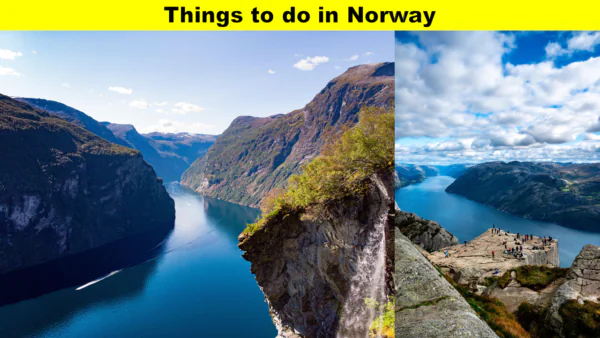
Things to do in Norway based on NeemTime research from most popular to just popular.
The Vigeland Park, Norway
Overview: The Vigeland Park is a renowned sculpture park in Oslo featuring over 200 bronze, granite, and cast iron sculptures by Gustav Vigeland.
History: Conceived by Gustav Vigeland and designed to showcase his artistic vision of the human experience through sculpture.
Since When: Officially opened to the public in 1949.
Review: Visitors praise its artistic grandeur, serene walking paths, and impressive variety of sculptures.
When to Go: Spring and summer offer pleasant weather and optimal outdoor experiences.
How to Go: Easily accessible by tram, bus, or car from central Oslo.
What to Do: Stroll through the park, admire sculptures, and photograph iconic statues like the Monolith.
Free or Paid: Free.
Frognerparken, Norway
Overview: Frognerparken is Oslo’s largest public park, featuring open lawns, fountains, and the famous Vigeland installation of sculptures.
History: Developed in the early 20th century as a recreational space for Oslo’s citizens.
Since When: Officially opened in 1900.
Review: Visitors enjoy the combination of art, nature, and spacious areas perfect for leisure.
When to Go: Ideal during spring and summer for walking, picnics, and outdoor activities.
How to Go: Accessible by tram, bus, or walking from Oslo city center.
What to Do: Explore the Vigeland sculptures, walk pathways, and relax in green spaces.
Free or Paid: Free.
Akershus Fortress, Norway
Overview: Akershus Fortress is a historic medieval castle and fortress overlooking Oslo’s harbor, offering history and panoramic views.
History: Constructed to defend Oslo and serve as a royal residence and military base.
Since When: Built in 1299, with continuous renovations and restorations over centuries.
Review: Visitors appreciate its rich history, stunning architecture, and harbor views.
When to Go: Late spring through early autumn provides the best weather for exploring.
How to Go: Accessible via tram, bus, or a short walk from central Oslo.
What to Do: Tour the fortress, visit museums, enjoy guided tours, and photograph scenic vistas.
Free or Paid: Free to walk the grounds; museums may charge admission.
Flåmsbana, Norway
Overview: Flåmsbana is one of the world’s steepest and most scenic railway lines, offering spectacular views of Norway’s fjords.
History: Built to connect Flåm to the Bergen Line, showcasing engineering feats in mountainous terrain.
Since When: Completed and opened in 1940.
Review: Travelers rave about its breathtaking scenery, waterfalls, and fjord vistas.
When to Go: Summer months are optimal for clear views and pleasant weather.
How to Go: Reach Flåm via train from Myrdal or by road from Bergen or Oslo.
What to Do: Enjoy the scenic train ride, photograph landscapes, and explore Flåm village.
Free or Paid: Paid.
Fishmarket in Bergen, Norway
Overview: The Fishmarket in Bergen is a bustling market offering fresh seafood, local delicacies, and a taste of Norwegian culinary culture.
History: Established as a central hub for Bergen’s fishing trade, connecting locals and tourists to fresh catch.
Since When: Operating since the 1200s in various forms, with the modern market structure dating to the 19th century.
Review: Visitors enjoy the lively atmosphere, seafood variety, and waterfront views.
When to Go: Morning to early afternoon ensures the freshest catch and active market.
How to Go: Accessible by foot from Bergen city center or by bus and taxi.
What to Do: Sample fresh seafood, shop for local products, and experience the harbor ambiance.
Free or Paid: Free to enter; purchases are paid.
The Fram Museum, Norway
Overview: The Fram Museum is dedicated to Norwegian polar exploration, showcasing the famous polar ship Fram and artifacts from Arctic and Antarctic expeditions.
History: Built to honor Norway’s polar explorers, particularly Fridtjof Nansen, Roald Amundsen, and Otto Sverdrup.
Since When: Opened to the public in 1936.
Review: Visitors praise its immersive exhibits, historical ships, and educational displays about polar exploration.
When to Go: Spring to autumn is ideal for comfortable weather and scenic waterfront views.
How to Go: Accessible by ferry, bus, or car from central Oslo.
What to Do: Explore the Fram ship, interactive exhibits, and learn about polar history.
Free or Paid: Paid.
Holmenkollbakken, Norway
Overview: Holmenkollbakken is the world-famous ski jumping hill and sports arena in Oslo offering panoramic views of the city and fjord.
History: Established as a premier ski jumping venue and national symbol for winter sports in Norway.
Since When: Originally built in 1892, with several reconstructions, latest in 2010.
Review: Visitors love its stunning views, ski history, and adrenaline-inducing jumping competitions.
When to Go: Winter for ski events or summer for sightseeing and panoramic city views.
How to Go: Reachable by metro, bus, or car from Oslo city center.
What to Do: Visit the ski museum, climb the observation deck, and attend competitions.
Free or Paid: Paid for the museum and observation deck; surrounding area is free.
Mount Floyen and the Funicular, Norway
Overview: Mount Floyen is a scenic viewpoint in Bergen accessible via a historic funicular railway offering stunning views over the city and fjords.
History: Developed as a tourist destination with the funicular built to ease access to the summit.
Since When: The funicular opened in 1918.
Review: Visitors enjoy panoramic vistas, hiking trails, and family-friendly activities at the summit.
When to Go: Spring through autumn for pleasant hiking conditions and clear views.
How to Go: Take the Fløibanen funicular from Bergen city center.
What to Do: Ride the funicular, hike trails, visit cafes, and photograph city and fjord landscapes.
Free or Paid: Paid for the funicular ride; hiking trails are free.
Vøringsfossen, Norway
Overview: Vøringsfossen is one of Norway’s most famous waterfalls, plunging 182 meters into the Måbødalen valley.
History: Known as a natural landmark, it has inspired travelers, artists, and geologists for centuries.
Since When: Documented as a tourist attraction since the 19th century.
Review: Visitors are awed by its breathtaking height, misty spray, and scenic viewpoints.
When to Go: Late spring to early autumn for accessible trails and optimal viewing conditions.
How to Go: Reachable by car or bus from Eidfjord or Hardanger regions.
What to Do: Walk to viewing platforms, photograph the waterfall, and explore nearby hiking paths.
Free or Paid: Free.
Viking Ship Museum, Norway
Overview: The Viking Ship Museum in Oslo displays well-preserved Viking ships and artifacts, offering insight into Norway’s seafaring history.
History: Built to preserve and showcase Viking-era ships discovered in burial mounds across Norway.
Since When: Opened to the public in 1926.
Review: Visitors admire the craftsmanship of the ships, historical artifacts, and educational exhibits.
When to Go: Year-round, but spring and summer offer more comfortable sightseeing weather.
How to Go: Accessible by tram, bus, or walking from central Oslo.
What to Do: Explore Viking ships, artifacts, exhibitions, and learn about Viking history.
Free or Paid: Paid.
The Botanical Garden, Norway
Overview: The Botanical Garden in Oslo showcases a diverse collection of plants, flowers, and trees, providing a tranquil escape in the heart of the city.
History: Established to support botanical research and education while offering public recreational space.
Since When: Opened in 1814 and has been expanding its plant collections ever since.
Review: Visitors praise its serene atmosphere, well-maintained gardens, and educational value.
When to Go: Late spring to early autumn is best for viewing the peak blooms.
How to Go: Easily accessible by tram, bus, or car from central Oslo.
What to Do: Stroll through themed gardens, attend seasonal exhibitions, and enjoy photography.
Free or Paid: Free entry.
Stegastein, Norway
Overview: Stegastein is a dramatic viewing platform overlooking the Aurlandsfjord, offering one of Norway’s most iconic fjord vistas.
History: Built to enhance tourism along the Norwegian Scenic Route Aurlandsfjellet.
Since When: Opened in 2006 as part of the scenic route project.
Review: Visitors rave about the breathtaking fjord views and modern architectural design.
When to Go: Summer months provide clear views and safer road conditions.
How to Go: Reachable by car or guided tours along the Aurlandsfjellet Scenic Route.
What to Do: Take photos, enjoy panoramic views, and relax at the observation deck.
Free or Paid: Free.
Vigeland Museum, Norway
Overview: Vigeland Museum houses the life and works of sculptor Gustav Vigeland, showcasing his drawings, models, and sculptures.
History: Built to honor Vigeland’s artistic legacy and provide a cultural space for art enthusiasts.
Since When: Opened to the public in 1947.
Review: Visitors appreciate the insight into Vigeland’s creative process and his contribution to Norwegian art.
When to Go: Spring to autumn for a pleasant visit and possible park strolls nearby.
How to Go: Accessible by bus or tram from central Oslo.
What to Do: Explore exhibits, attend guided tours, and photograph sculptures.
Free or Paid: Paid.
Fish Market, Norway
Overview: The Fish Market in Bergen is a bustling seafood market and tourist attraction offering fresh fish, local delicacies, and artisanal products.
History: Established as a central hub for Bergen’s fishing industry and local commerce.
Since When: Operating since the 1200s, with its current location since 1877.
Review: Visitors enjoy the vibrant atmosphere, fresh seafood, and cultural immersion.
When to Go: Morning to early afternoon for the freshest seafood and best market activity.
How to Go: Accessible by walking from Bergen city center or public transport.
What to Do: Sample seafood, shop for local produce, and interact with vendors.
Free or Paid: Free to browse; food items are paid.
Fram Museum, Norway
Overview: The Fram Museum is dedicated to Norwegian polar exploration, displaying the polar ship Fram and artifacts from Arctic and Antarctic expeditions.
History: Built to honor the achievements of explorers like Fridtjof Nansen and Roald Amundsen.
Since When: Opened in 1936.
Review: Visitors praise its interactive displays, historic ships, and educational exhibits.
When to Go: Spring through autumn offers the best weather and viewing experience.
How to Go: Reachable by ferry, bus, or car from central Oslo.
What to Do: Explore the Fram ship, participate in interactive exhibits, and learn polar history.
Free or Paid: Paid.
The Norwegian National Opera & Ballet, Norway
Overview: The Norwegian National Opera & Ballet is Norway’s premier venue for opera, ballet, and contemporary performing arts, featuring striking modern architecture along the Oslo waterfront.
History: Constructed to consolidate Norway’s opera and ballet companies into a single iconic cultural center.
Since When: Opened to the public in 2008.
Review: Visitors admire the innovative architecture, high-quality performances, and the scenic harbor location.
When to Go: Year-round, with evening performances offering the best experience.
How to Go: Accessible via public transport including tram, bus, or a short walk from Oslo Central Station.
What to Do: Attend a performance, explore the rooftop terrace, and enjoy guided tours of the building.
Free or Paid: Entry is free for the building and terrace; performances are paid.
Bryggen Hanseatic Wharf, Norway
Overview: Bryggen Hanseatic Wharf is a UNESCO World Heritage Site famous for its colorful wooden buildings and historical significance as a trading hub.
History: Established by the Hanseatic League as a center for trade and commerce in medieval Norway.
Since When: The area has been active since the 14th century, with current preserved buildings reconstructed after fires.
Review: Visitors love its historic charm, museums, and picturesque waterfront for photography.
When to Go: Spring and summer offer pleasant weather and vibrant cultural activities.
How to Go: Accessible by walking from Bergen city center or by local bus.
What to Do: Explore museums, shop for souvenirs, and enjoy waterfront dining.
Free or Paid: Free to walk around; museum entries are paid.
Lindesnes Lighthouse, Norway
Overview: Lindesnes Lighthouse is Norway’s southernmost lighthouse, offering panoramic coastal views and a maritime museum.
History: Built to guide ships safely along the rugged southern coast of Norway and serve as a coastal navigation landmark.
Since When: Established in 1655, with modern upgrades completed in 1915.
Review: Visitors praise the scenic views, informative exhibits, and historical significance.
When to Go: Summer months provide the clearest views and better accessibility.
How to Go: Reachable by car or guided tours from Kristiansand or nearby towns.
What to Do: Explore the lighthouse, visit the maritime museum, and walk along coastal trails.
Free or Paid: Paid entry.
Vigeland Park, Norway
Overview: Vigeland Park is Oslo’s largest sculpture park, featuring over 200 bronze and granite works by Gustav Vigeland.
History: Designed and sculpted by Gustav Vigeland as a comprehensive artistic vision depicting human life.
Since When: Opened to the public in 1940.
Review: Visitors appreciate the park’s unique sculptures, serene pathways, and cultural significance.
When to Go: Late spring to early autumn for pleasant weather and full outdoor enjoyment.
How to Go: Accessible via tram, bus, or car from central Oslo.
What to Do: Stroll the park, photograph sculptures, and attend occasional guided tours.
Free or Paid: Free entry.
Chasing Lights, Norway
Overview: Chasing Lights is a guided Northern Lights tour company offering aurora borealis viewing experiences in Tromsø and surrounding areas.
History: Founded to provide tourists with expert-led Northern Lights adventures in northern Norway.
Since When: Operating since 2013.
Review: Visitors rave about knowledgeable guides, high success rates for aurora sightings, and immersive experiences.
When to Go: Late autumn through early spring, particularly between September and March.
How to Go: Tours depart from Tromsø city center; transport is included in most packages.
What to Do: Chase and photograph the Northern Lights, learn aurora science, and enjoy winter landscapes.
Free or Paid: Paid.
Bryggen, Norway
Overview: Bryggen is a historic UNESCO World Heritage wooden wharf in Bergen, showcasing colorful buildings and Norway’s medieval trading heritage.
History: It was originally built by the Hanseatic League as a center of commerce and has been rebuilt multiple times after fires.
Since When: Bryggen has been an active trading area since the 14th century, with current structures dating mainly from the 18th century.
Review: Visitors love its vibrant architecture, historic ambiance, and small shops offering local crafts.
When to Go: Spring through autumn is ideal for walking tours and photography.
How to Go: Accessible by walking from Bergen city center or via local bus.
What to Do: Explore museums, shop for souvenirs, and enjoy waterfront cafes.
Free or Paid: Free to walk around; museums and guided tours are paid.
The Flam Railway, Norway
Overview: The Flam Railway is one of the world’s steepest standard-gauge railway lines, offering dramatic views of fjords and mountains.
History: Constructed to connect the Flåm valley with the Bergen Line and boost tourism in western Norway.
Since When: Opened in 1940.
Review: Tourists praise the breathtaking scenery, smooth train experience, and informative guides.
When to Go: Summer months provide the clearest views and best weather for sightseeing.
How to Go: Trains depart from Flåm station, which is reachable by bus or car from Bergen or Oslo.
What to Do: Take a scenic train ride, photograph waterfalls and cliffs, and enjoy local guided commentary.
Free or Paid: Paid.
Hunderfossen Adventure Park, Norway
Overview: Hunderfossen Adventure Park is a family theme park offering rides, fairy tale attractions, and interactive experiences.
History: Established to create a magical outdoor experience based on Norwegian folklore.
Since When: Opened in 1984.
Review: Visitors appreciate its family-friendly atmosphere, unique fairy tale elements, and range of attractions.
When to Go: Summer and winter holidays are the most active times for visitors.
How to Go: Accessible by car or bus from Lillehammer town center.
What to Do: Ride roller coasters, explore fairy tale zones, and enjoy seasonal events.
Free or Paid: Paid.
Norsk Folkemuseum, Norway
Overview: Norsk Folkemuseum is an open-air museum showcasing traditional Norwegian architecture, cultural history, and folk art.
History: Founded to preserve Norway’s heritage through historic buildings and exhibitions from across the country.
Since When: Established in 1894.
Review: Visitors enjoy immersive exhibits, historic buildings, and live demonstrations of traditional crafts.
When to Go: Spring through autumn for the best experience with open-air exhibits.
How to Go: Reachable via bus or tram from central Oslo.
What to Do: Explore historic buildings, attend craft demonstrations, and visit the stave church.
Free or Paid: Paid.
Flydalsjuvet, Norway
Overview: Flydalsjuvet is a dramatic viewpoint overlooking the Geirangerfjord, offering spectacular panoramic fjord views.
History: Developed as a scenic stop for tourists traveling through the Geirangerfjord region.
Since When: Became a recognized viewpoint in the 20th century.
Review: Visitors praise the breathtaking scenery and iconic photo opportunities of the fjord.
When to Go: Summer months provide the clearest skies and best visibility.
How to Go: Accessible by car or guided tour buses from Geiranger village.
What to Do: Take photographs, enjoy the views, and hike nearby trails.
Free or Paid: Free.
Geilo, Norway
Overview: Geilo is a scenic mountain town in Norway renowned for its ski resorts, outdoor activities, and natural beauty.
History: Geilo developed in the 19th century as a mountain retreat and gradually became a major ski destination.
Since When: The town has been a recognized tourist destination since the late 1800s.
Review: Visitors praise its excellent skiing conditions, charming town center, and year-round outdoor adventures.
When to Go: Winter is ideal for skiing, while summer is perfect for hiking and mountain biking.
How to Go: Accessible by train or car from Oslo or Bergen.
What to Do: Ski, snowboard, hike, cycle, and enjoy local restaurants and cafes.
Free or Paid: Free to explore the town; activities like skiing and bike rentals are paid.
The National Museum, Norway
Overview: The National Museum in Oslo houses Norway’s largest collection of art, architecture, and design, featuring both historic and contemporary works.
History: Formed by merging multiple Norwegian museums to consolidate national collections of art and cultural heritage.
Since When: The current museum building opened in 2022.
Review: Visitors appreciate its vast collections, modern architecture, and well-curated exhibitions.
When to Go: Open year-round, weekdays are less crowded than weekends.
How to Go: Accessible via public transport or taxi from Oslo city center.
What to Do: Explore art galleries, attend special exhibitions, and enjoy museum cafes.
Free or Paid: Paid entry.
The Kon-Tiki Museum, Norway
Overview: The Kon-Tiki Museum is dedicated to Thor Heyerdahl’s expeditions, including the famous Kon-Tiki raft journey across the Pacific.
History: Built to preserve the rafts, artifacts, and documentation of Heyerdahl’s research and expeditions.
Since When: Established in 1949.
Review: Visitors find it highly educational, inspiring, and a fascinating glimpse into adventure and exploration history.
When to Go: Best visited during weekdays to avoid crowds.
How to Go: Easily accessible by tram or bus from central Oslo.
What to Do: View original rafts, explore exhibitions, and learn about Thor Heyerdahl’s voyages.
Free or Paid: Paid entry.
Viking Valley, Norway
Overview: Viking Valley is a themed attraction showcasing Viking history, culture, and interactive experiences for all ages.
History: Developed to provide an educational and entertaining insight into Norway’s Viking heritage.
Since When: Opened in the early 21st century.
Review: Visitors enjoy the immersive Viking village, live shows, and interactive exhibits.
When to Go: Summer months offer the best experience with outdoor demonstrations.
How to Go: Accessible by car or organized tours from Oslo city center.
What to Do: Participate in Viking activities, watch live reenactments, and explore exhibits.
Free or Paid: Paid entry.
Akershus Castle and Fortress (Akershus Slott og Festning), Norway
Overview: Akershus Castle is a medieval fortress in Oslo offering historical exhibits, stunning views, and cultural insights.
History: Built in the late 13th century to protect Oslo and the royal family from foreign invasions.
Since When: Construction began in 1299, with expansions and restorations over the centuries.
Review: Visitors admire the castle’s rich history, scenic views of the Oslofjord, and well-preserved architecture.
When to Go: Spring through autumn for pleasant weather and guided tours.
How to Go: Easily reachable by walking from Oslo city center or via local bus.
What to Do: Take guided tours, visit museums within the fortress, and enjoy panoramic views.
Free or Paid: Free to explore exterior grounds; museums and guided tours are paid.