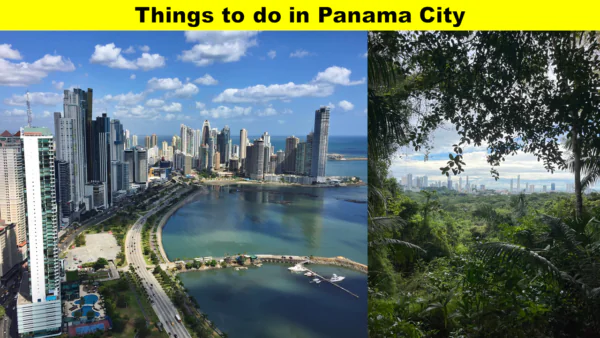
Things to do in Panama City based on NeemTime research from most popular to just popular.
Albrook Mall, Panama City
Overview: Albrook Mall is one of the largest shopping centers in Panama City offering retail, dining, and entertainment options.
History: Built to centralize retail activities and serve both locals and tourists in the city.
Since When: Opened in 2002 and has been a premier shopping destination since then.
Review: Visitors praise its variety of shops, restaurants, and convenient amenities.
When to Go: Weekdays are less crowded, while weekends offer a livelier atmosphere.
How to Go: Easily accessible by taxi, bus, or private vehicle from anywhere in the city.
What to Do: Shop for international and local brands, dine, watch movies, and enjoy entertainment zones.
Free or Paid: Free to enter; shopping and entertainment activities are paid.
Multiplaza Panamá, Panama City
Overview: Multiplaza Panamá is a luxury shopping mall featuring high-end international brands and fine dining.
History: Developed to cater to Panama’s growing affluent and tourist population.
Since When: Opened in 2004 and has since been a symbol of upscale shopping in the city.
Review: Visitors enjoy the premium brands, modern facilities, and variety of restaurants.
When to Go: Afternoons and evenings during weekdays provide a pleasant shopping experience.
How to Go: Reachable via taxi, Uber, or public transport from central Panama City.
What to Do: Shop for luxury goods, dine, and enjoy entertainment events.
Free or Paid: Free entry; purchases and services are paid.
Miraflores Visitor’s Center, Panama City
Overview: Miraflores Visitor’s Center offers educational exhibits and viewing platforms of the Panama Canal operations.
History: Established to educate tourists about the history and engineering of the Panama Canal.
Since When: Opened in 1997 and remains a top tourist attraction.
Review: Visitors appreciate interactive exhibits, observation decks, and informative displays.
When to Go: Mornings are ideal to watch busy canal traffic and avoid crowds.
How to Go: Accessible via car, taxi, or organized tour buses from Panama City.
What to Do: Watch ships transit, explore museum exhibits, and enjoy panoramic views.
Free or Paid: Paid entry.
Parque Omar, Panama City
Overview: Parque Omar is a large urban park popular for sports, picnics, and family activities.
History: Developed to provide recreational green space in the heart of Panama City.
Since When: Established in 1986 and has been a central hub for leisure ever since.
Review: Visitors enjoy the jogging paths, sports facilities, and open spaces for relaxation.
When to Go: Early mornings for jogging or weekends for family outings.
How to Go: Easily reachable by taxi, bus, or personal vehicle.
What to Do: Jog, cycle, picnic, play sports, and attend community events.
Free or Paid: Free entry.
Pier Park, Panama City
Overview: Pier Park is a modern shopping and entertainment complex with stores, restaurants, and leisure facilities.
History: Developed to cater to both locals and tourists seeking retail and recreational experiences.
Since When: Opened in 2010 and has grown in popularity since then.
Review: Visitors enjoy the variety of shops, dining options, and family-friendly atmosphere.
When to Go: Afternoons on weekdays or weekends for shopping and leisure activities.
How to Go: Accessible via taxi, Uber, or private vehicle from central Panama City.
What to Do: Shop, dine, watch movies, and enjoy recreational facilities.
Free or Paid: Free to enter; shopping and entertainment are paid.
Panama Canal, Panama City
Overview: Panama Canal is a world-renowned artificial waterway connecting the Atlantic and Pacific Oceans, crucial for global maritime trade.
History: Constructed to facilitate international shipping and reduce travel time between oceans, it involved massive engineering feats.
Since When: Completed in 1914 and has been operational for over a century.
Review: Visitors are fascinated by its scale, engineering, and the sight of massive ships passing through.
When to Go: Weekdays in the morning are best to avoid crowds and see active shipping traffic.
How to Go: Accessible via taxi, bus, or organized canal tours from Panama City.
What to Do: Observe ships transit, explore visitor centers, take boat tours, and learn about canal history.
Free or Paid: Paid tours and visitor center entry; the canal itself is viewable for free from certain vantage points.
Causeway Amador, Panama City
Overview: Causeway Amador is a scenic bridge and leisure area connecting four islands, offering restaurants, shops, and water activities.
History: Built using excavated material from the Panama Canal, transforming small islands into a connected recreational zone.
Since When: Opened in the 1960s and has since become a top tourist and local attraction.
Review: Visitors love the walking paths, ocean views, and dining options along the causeway.
When to Go: Late afternoons and evenings are ideal for sunset views and dining.
How to Go: Reachable via taxi, Uber, or private car from central Panama City.
What to Do: Walk or cycle, dine at restaurants, shop, and enjoy water sports.
Free or Paid: Free to walk or cycle; dining and rentals are paid.
Miraflores Locks, Panama City
Overview: Miraflores Locks is a key section of the Panama Canal where ships are raised and lowered, featuring observation decks and a visitor center.
History: Built as part of the Panama Canal to manage ship transit between ocean levels.
Since When: Operational since 1914 and open to visitors with educational facilities.
Review: Highly recommended for its educational exhibits and close-up views of massive ships.
When to Go: Mornings and weekdays for fewer crowds and active lock operations.
How to Go: Accessible via taxi, bus, or organized canal tours from Panama City.
What to Do: Watch ship operations, explore exhibits, and take panoramic photos.
Free or Paid: Paid entry to visitor center; viewing areas outside may be free.
Casco Viejo, Panama City
Overview: Casco Viejo is Panama City’s historic district, famous for colonial architecture, plazas, churches, and cultural attractions.
History: Established after the destruction of old Panama City in 1671, it became a UNESCO World Heritage site.
Since When: Dating back to the late 17th century and preserved as a cultural hub.
Review: Visitors enjoy charming streets, vibrant cafes, and historical landmarks.
When to Go: Mornings or late afternoons to explore before crowds arrive.
How to Go: Accessible by taxi, Uber, or walking from nearby hotels in Panama City.
What to Do: Explore streets, visit museums and churches, dine, and take photos.
Free or Paid: Free to explore; attractions inside buildings may have entrance fees.
St. Andrews State Park, Panama City
Overview: St. Andrews State Park is a coastal park known for beaches, camping, hiking, and wildlife in a natural setting.
History: Developed to preserve coastal habitats and provide recreational access to locals and tourists.
Since When: Opened in 1935 and remains a popular destination for nature lovers.
Review: Visitors praise its pristine beaches, outdoor activities, and scenic views.
When to Go: Weekdays and early mornings for quieter experiences and wildlife spotting.
How to Go: Accessible via car, taxi, or organized tours from Panama City.
What to Do: Swim, hike, picnic, birdwatch, and camp overnight.
Free or Paid: Paid entry to the park; some facilities may have additional fees.
Old Panama, Panama City
Overview: Old Panama is the original site of Panama City, featuring ruins that reflect its colonial history and early Spanish settlements.
History: Founded in 1519, it was attacked by pirates in 1671, leading to the relocation of the city to its current site.
Since When: The ruins have existed since the late 17th century after the city was moved.
Review: Visitors find the site historically fascinating, though modest in size, offering insight into Panama’s colonial past.
When to Go: Mornings are best to avoid heat and crowds while exploring the ruins.
How to Go: Reachable via taxi or organized historical tours from Panama City.
What to Do: Explore the ruins, take photos, and learn about early colonial history.
Free or Paid: Entry is typically free.
Biomuseo, Panama City
Overview: Biomuseo is a colorful, modern museum dedicated to Panama’s biodiversity and natural heritage.
History: Designed by architect Frank Gehry, it educates visitors on Panama’s unique ecosystems and species.
Since When: Opened in 2014 and has become a key cultural and educational landmark.
Review: Visitors praise its vibrant design, interactive exhibits, and educational content.
When to Go: Weekdays and mornings are ideal for fewer crowds and better engagement with exhibits.
How to Go: Accessible by taxi, Uber, or public transit from Panama City.
What to Do: Explore exhibits, participate in educational activities, and take photos of the architecture.
Free or Paid: Paid entry for museum access.
Plaza de Francia, Panama City
Overview: Plaza de Francia is a historic square honoring French efforts to build the Panama Canal, offering scenic views of the city and canal.
History: Built to commemorate French engineers and workers who began canal construction in the late 19th century.
Since When: Established in the early 20th century after French canal efforts ended.
Review: Visitors enjoy its open spaces, monuments, and views of the Pacific entrance to the canal.
When to Go: Late afternoon for cooler temperatures and sunset views.
How to Go: Reachable via taxi or walking from Casco Viejo in Panama City.
What to Do: Walk around the plaza, admire monuments, and photograph the surroundings.
Free or Paid: Free to visit.
Pacific Lookout, Panama City
Overview: Pacific Lookout is a scenic vantage point providing panoramic views of the Pacific Ocean and Panama Canal.
History: Developed to give visitors a visual experience of the canal’s Pacific entrance and surrounding landscapes.
Since When: Established as a tourist viewpoint in the 20th century.
Review: Visitors highly rate the lookout for its sweeping views and photo opportunities.
When to Go: Early mornings or late afternoons for the best lighting and fewer crowds.
How to Go: Accessible by car, taxi, or organized tours from central Panama City.
What to Do: Take photos, enjoy the views, and learn about canal operations.
Free or Paid: Typically free to visit.
Miraflores Visitor Center, Panama City
Overview: Miraflores Visitor Center offers interactive exhibits and observation decks to watch Panama Canal operations up close.
History: Established to educate the public on canal operations, engineering, and history.
Since When: Opened shortly after the canal became a major global shipping route, now a central tourist attraction.
Review: Visitors appreciate the educational displays, live ship transit views, and guided tours.
When to Go: Weekdays in the morning for optimal viewing of active canal operations.
How to Go: Reachable via taxi, bus, or organized canal tours from Panama City.
What to Do: Explore exhibits, watch ships pass through locks, and take panoramic photos.
Free or Paid: Paid entry for full visitor center access; outside viewing may be free.
Parque Nacional Camino de Cruces, Panama City
Overview: Parque Nacional Camino de Cruces is a lush rainforest park preserving Panama’s natural flora and fauna along a historic trail.
History: The park follows the route used during colonial times to transport gold and goods from the Pacific to the Caribbean.
Since When: Protected as a national park since 1984 to conserve its biodiversity and cultural heritage.
Review: Visitors praise its hiking trails, wildlife sightings, and serene natural atmosphere.
When to Go: Early mornings are best to enjoy cooler temperatures and active wildlife.
How to Go: Accessible by car or taxi from Panama City, with marked trail entrances.
What to Do: Hike along trails, birdwatch, and explore the historic colonial route.
Free or Paid: Entry is free.
Attenza Duty Free, Panama City
Overview: Attenza Duty Free is a popular shopping destination offering tax-free products ranging from luxury goods to local souvenirs.
History: Developed to cater to international travelers and tourists seeking duty-free shopping experiences.
Since When: Opened in the early 2000s alongside Panama City’s growing commercial sector.
Review: Visitors enjoy its wide selection of products and convenient location near the airport.
When to Go: Weekdays or mornings for a less crowded shopping experience.
How to Go: Reachable via taxi or private transport from central Panama City or the airport.
What to Do: Shop for electronics, perfumes, clothing, and local Panamanian products.
Free or Paid: Free to enter; shopping is paid.
Photo Parador – Cinta Costera, Panama City
Overview: Photo Parador – Cinta Costera is a scenic waterfront viewpoint ideal for photography and panoramic city views.
History: Developed as part of Panama City’s Cinta Costera coastal improvement project.
Since When: Opened to the public in the 2000s along the newly developed coastal belt.
Review: Visitors love its unobstructed views, perfect for sunrise, sunset, and skyline photography.
When to Go: Early morning or late afternoon for the best light and cooler temperatures.
How to Go: Accessible on foot, bike, or by taxi from central Panama City.
What to Do: Walk along the promenade, take photos, and enjoy views of the ocean and skyline.
Free or Paid: Free to visit.
Metropolitan Natural Park, Panama City
Overview: Metropolitan Natural Park is a tropical forest reserve within Panama City offering hiking trails, wildlife, and city viewpoints.
History: Established to protect urban biodiversity and provide a green space for city residents.
Since When: Opened as a protected urban park in 1988.
Review: Visitors enjoy the hiking paths, panoramic city views, and sightings of monkeys and exotic birds.
When to Go: Early mornings or late afternoons to avoid the heat and crowds.
How to Go: Accessible by taxi or private vehicle from downtown Panama City.
What to Do: Hike trails, observe wildlife, and take panoramic photos of the city.
Free or Paid: Small entrance fee applies.
The Westin Playa Bonita Panama, Panama City
Overview: The Westin Playa Bonita Panama is a luxury beachfront resort offering upscale amenities, ocean views, and recreational activities.
History: Developed as part of Panama’s push to expand high-end tourism and hospitality.
Since When: Opened in 2005 and has been a popular resort destination since.
Review: Guests appreciate its scenic location, modern facilities, and quality service.
When to Go: Year-round, though dry season (December to April) offers optimal weather.
How to Go: Accessible by taxi or private car from Panama City’s center or airport.
What to Do: Relax on the beach, enjoy water sports, dine at resort restaurants, and use spa facilities.
Free or Paid: Paid; accommodation and services require fees.
ZooWorld, Panama City
Overview: ZooWorld is a modern zoological park in Panama City featuring exotic and native animals in spacious, naturalistic habitats.
History: Established to provide wildlife education and conservation awareness for the local community and tourists.
Since When: Opened in 2014 as one of Panama’s premier private zoos.
Review: Visitors praise the well-maintained enclosures, interactive exhibits, and friendly staff.
When to Go: Weekdays in the morning are ideal for cooler temperatures and active animal viewing.
How to Go: Accessible via taxi, private vehicle, or ride-hailing apps from central Panama City.
What to Do: Observe wildlife, take guided tours, and participate in educational programs.
Free or Paid: Paid entry.
Soho City Center, Panama City
Overview: Soho City Center is a bustling urban shopping complex offering retail, dining, and entertainment options.
History: Developed to cater to Panama City’s growing commercial and social scene.
Since When: Opened in 2010 as a modern retail destination.
Review: Visitors enjoy the variety of shops, restaurants, and convenient location.
When to Go: Weekdays or early mornings for a less crowded experience.
How to Go: Accessible via taxi, bus, or private car from Panama City center.
What to Do: Shop, dine, and attend events or entertainment shows.
Free or Paid: Free to enter; shopping and dining require payment.
Parque Municipal Summit, Panama City
Overview: Parque Municipal Summit is a combined zoo and botanical garden showcasing Panama’s rich biodiversity.
History: Originally a botanical garden, it later expanded to include wildlife exhibits and conservation projects.
Since When: Established in the 1960s and opened to the public as a full zoo and park in the 1980s.
Review: Visitors appreciate the mix of botanical beauty and animal exhibits, along with educational programs.
When to Go: Mornings are best to see animals active and enjoy cooler temperatures.
How to Go: Reachable by taxi or private vehicle from downtown Panama City.
What to Do: Explore gardens, observe wildlife, and participate in guided tours.
Free or Paid: Paid entry.
Agua Clara Locks Visitor Center, Panama City
Overview: Agua Clara Locks Visitor Center offers an up-close view of the Panama Canal’s lock operations and engineering marvels.
History: Built to provide public education on the canal’s expansion and operational mechanics.
Since When: Opened in 2016 following the expansion of the Panama Canal locks.
Review: Visitors enjoy observing large ships pass through the locks and learning about canal engineering.
When to Go: Weekdays during operating hours to avoid crowds and get better views.
How to Go: Accessible by taxi or private car from Panama City.
What to Do: Watch lock operations, take guided tours, and learn about canal history.
Free or Paid: Free entry.
El Nispero Zoo, Panama City
Overview: El Nispero Zoo is a family-friendly zoo with a focus on Central American wildlife and environmental education.
History: Established to protect native species and provide an educational experience for visitors.
Since When: Opened in 1980 as one of Panama’s first zoological attractions.
Review: Visitors enjoy the variety of animals and the informative signage throughout the zoo.
When to Go: Mornings are best to see animals active and avoid the midday heat.
How to Go: Accessible via taxi, private car, or local bus routes from central Panama City.
What to Do: Observe animals, participate in feeding programs, and explore nature trails.
Free or Paid: Paid entry.
Hilton Panama, Panama City
Overview: Hilton Panama is a luxury hotel offering modern accommodations, fine dining, and panoramic views of the Panama City skyline.
History: Developed to provide high-end lodging for business travelers and tourists visiting Panama City.
Since When: Opened in 1998 as part of Hilton’s global network in Central America.
Review: Guests praise the spacious rooms, attentive service, and central location near key attractions.
When to Go: Best visited year-round; business travelers may prefer weekdays for convenience.
How to Go: Accessible via taxi, ride-hailing services, or private vehicles from Tocumen International Airport or city center.
What to Do: Relax in luxury rooms, dine at on-site restaurants, and enjoy rooftop or pool amenities.
Free or Paid: Paid accommodation.
Gamboa Rainforest Reserve, Panama City
Overview: Gamboa Rainforest Reserve is a tropical wildlife sanctuary offering canopy tours, boat trips, and encounters with exotic animals.
History: Established to conserve Panama’s rainforest ecosystem while providing eco-tourism opportunities.
Since When: Opened in 1966, later expanded to include guided tours and eco-lodges.
Review: Visitors enjoy the lush rainforest, wildlife sightings, and immersive canopy experiences.
When to Go: Mornings or early afternoons are ideal to see active wildlife.
How to Go: Reachable by car or taxi from central Panama City; organized tours often provide transport.
What to Do: Canopy walks, wildlife photography, guided boat trips, and nature hikes.
Free or Paid: Paid entry.
Amador Causeway (Calzada de Amador), Panama City
Overview: Amador Causeway is a scenic coastal promenade connecting four islands with parks, restaurants, and bike paths.
History: Constructed using rocks from the Panama Canal excavation to provide recreational space and connectivity.
Since When: Opened in 1962 and has evolved into a major tourist attraction.
Review: Visitors appreciate the stunning ocean views, cycling paths, and lively dining options.
When to Go: Afternoons or evenings are perfect for sunset views and cooler temperatures.
How to Go: Accessible by taxi, private car, or organized tours from Panama City.
What to Do: Walk or cycle along the promenade, dine in waterfront restaurants, and visit nearby attractions.
Free or Paid: Free to enter; activities and dining are paid.
Plaza Simón Bolívar, Panama City
Overview: Plaza Simón Bolívar is a historic public square honoring the South American liberator Simón Bolívar, featuring statues and cultural monuments.
History: Established as a tribute to Bolívar and as a gathering space for civic events.
Since When: Dating back to the mid-20th century as part of city urban planning.
Review: Visitors enjoy its historical significance and relaxed atmosphere in the city center.
When to Go: Mornings or weekends are ideal for walking tours and photography.
How to Go: Easily reached by taxi, walking, or local bus from central Panama City.
What to Do: Explore monuments, take photographs, and enjoy public events or leisure walks.
Free or Paid: Free entry.
WonderWorks Panama City Beach, Panama City
Overview: WonderWorks Panama City Beach is an interactive indoor amusement park featuring over 100 science-based exhibits and thrill rides.
History: Designed to combine education with entertainment, appealing to families and students.
Since When: Opened in 2011 as part of the WonderWorks chain of experiential museums.
Review: Visitors rave about the engaging hands-on exhibits, 4D theater, and adventure rides.
When to Go: Weekdays or mornings are best to avoid long queues.
How to Go: Accessible via taxi, ride-hailing services, or personal vehicles from Panama City or nearby hotels.
What to Do: Explore interactive science exhibits, experience simulated rides, and attend educational shows.
Free or Paid: Paid entry.