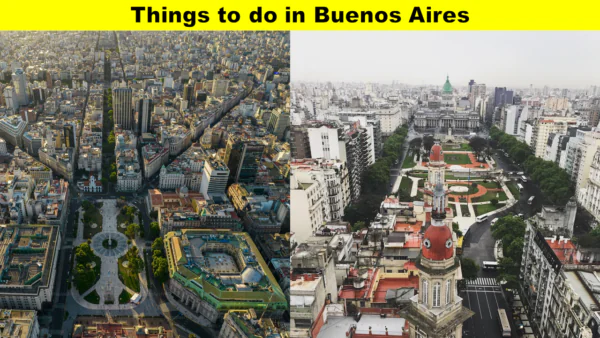
Things to do in Buenos Aires based on NeemTime research from most popular to just popular.
Obelisk of Buenos Aires, Buenos Aires
Overview: The Obelisk of Buenos Aires is an iconic 67-meter monument located on Avenida 9 de Julio and serves as one of the most recognizable landmarks of the city.
History: It was constructed to commemorate the 400th anniversary of the founding of Buenos Aires and quickly became a symbol of the city’s cultural and historical identity.
Since When: The monument was inaugurated on May 23, 1936.
Review: Visitors admire its towering presence, central location, and the vibrant city atmosphere surrounding the landmark.
When to Go: Evening is ideal when the monument and surrounding avenues are beautifully illuminated.
How to Go: Easily reachable by subway lines B, C, and D, public buses, taxis, or by walking from central Buenos Aires.
What to Do: Take photos, explore nearby theaters and shops, and experience the bustling city life around Avenida Corrientes.
Free or Paid: Free to visit and photograph from the outside.
Plaza de Mayo, Buenos Aires
Overview: Plaza de Mayo is the historic central square of Buenos Aires surrounded by important political and historical buildings.
History: The square has been the stage for major political events, protests, and celebrations since Argentina’s colonial period.
Since When: Established in 1580 when the city of Buenos Aires was founded.
Review: Visitors appreciate its historical significance, monuments, and the surrounding landmarks such as the Casa Rosada.
When to Go: Morning or late afternoon for comfortable sightseeing and photography.
How to Go: Accessible by subway lines A, D, and E or by bus from anywhere in Buenos Aires.
What to Do: Walk through the square, see historic monuments, and explore nearby government buildings and museums.
Free or Paid: Free entry.
Jardín Japonés, Buenos Aires
Overview: Jardín Japonés is a beautifully landscaped Japanese-style garden featuring ponds, bridges, and traditional cultural elements.
History: The garden was built by the Japanese community in Argentina to commemorate the visit of Japanese Emperor Akihito and Empress Michiko.
Since When: Opened in 1967.
Review: Visitors praise its tranquil atmosphere, scenic landscaping, and cultural exhibitions.
When to Go: Spring and early summer when flowers and trees are in full bloom.
How to Go: Located in Palermo and accessible by bus, taxi, or subway line D.
What to Do: Walk through gardens, feed koi fish, visit the cultural center, and enjoy Japanese cuisine in the garden restaurant.
Free or Paid: Paid entry.
Iguazu Falls, Buenos Aires
Overview: Iguazu Falls is one of the world’s largest and most spectacular waterfall systems located within Iguazú National Park.
History: Formed millions of years ago through volcanic activity and erosion, the falls became an internationally protected natural site.
Since When: Recognized as a national park in 1934 and later designated a UNESCO World Heritage Site in 1984.
Review: Visitors describe it as breathtaking due to its immense scale, powerful cascades, and surrounding rainforest wildlife.
When to Go: March to May or August to October for comfortable weather and fewer crowds.
How to Go: Reachable by flight from Buenos Aires to Puerto Iguazú followed by a short drive to the national park.
What to Do: Walk along viewing platforms, take boat rides near the falls, and explore rainforest trails.
Free or Paid: Paid entry to the national park.
Parque Centenario, Buenos Aires
Overview: Parque Centenario is a large urban park in Buenos Aires known for its lake, walking paths, and cultural spaces.
History: Designed by renowned landscape architect Carlos Thays to celebrate the centennial of Argentina’s May Revolution.
Since When: Opened to the public in 1910.
Review: Visitors enjoy its peaceful green spaces, weekend markets, and family-friendly environment.
When to Go: Morning or late afternoon for relaxing walks and outdoor activities.
How to Go: Accessible by subway line B or various city buses.
What to Do: Walk or jog around the lake, attend cultural events, and explore the nearby Natural Sciences Museum.
Free or Paid: Free entry.
El Ateneo Grand Splendid, Buenos Aires
Overview: El Ateneo Grand Splendid is a famous bookstore housed inside a beautifully restored historic theater and is often considered one of the most beautiful bookstores in the world.
History: The building originally opened as the Teatro Grand Splendid in 1919 before being converted into a bookstore while preserving its ornate architecture.
Since When: Operating as a bookstore since 2000.
Review: Visitors praise its stunning frescoed ceiling, theater balconies filled with books, and the unique café located on the former stage.
When to Go: Weekday mornings or afternoons are ideal to avoid large crowds.
How to Go: Located on Avenida Santa Fe and accessible by subway Line D, bus, taxi, or walking from central Buenos Aires.
What to Do: Browse books, admire the preserved theater interior, relax in the café, and take photographs.
Free or Paid: Free entry; books and café items are paid.
Reserva Ecológica Costanera Sur, Buenos Aires
Overview: Reserva Ecológica Costanera Sur is a large ecological reserve along the Río de la Plata offering wetlands, walking trails, and wildlife habitats.
History: The reserve formed accidentally in the 1970s when construction debris created land where nature gradually reclaimed the area.
Since When: Officially designated as an ecological reserve in 1986.
Review: Visitors enjoy its peaceful natural environment, birdwatching opportunities, and scenic cycling paths.
When to Go: Early morning or late afternoon for cooler temperatures and wildlife activity.
How to Go: Reachable by taxi, bus, or walking from Puerto Madero.
What to Do: Walk or cycle along trails, observe birds and wildlife, and enjoy views of the river.
Free or Paid: Free entry.
Puente de la Mujer, Buenos Aires
Overview: Puente de la Mujer is a modern rotating pedestrian bridge located in the Puerto Madero district and designed to resemble a couple dancing tango.
History: Designed by Spanish architect Santiago Calatrava as part of the redevelopment of the Puerto Madero waterfront area.
Since When: Opened to the public in 2001.
Review: Visitors admire its sleek contemporary design and its scenic setting along the waterfront promenade.
When to Go: Evening for illuminated views and lively waterfront atmosphere.
How to Go: Accessible on foot from Puerto Madero or by taxi and bus from central Buenos Aires.
What to Do: Walk across the bridge, take photos, and explore nearby restaurants and docks.
Free or Paid: Free to cross and visit.
Teatro Colón, Buenos Aires
Overview: Teatro Colón is one of the world’s most renowned opera houses known for its exceptional acoustics and grand architecture.
History: Designed by several European architects, the theater became a cultural landmark for opera, ballet, and classical music performances in Argentina.
Since When: Inaugurated in 1908.
Review: Visitors consistently praise its magnificent interior, outstanding acoustics, and high-quality performances.
When to Go: Evenings during opera or ballet seasons for the full cultural experience.
How to Go: Located near Plaza Lavalle and accessible by subway lines B, C, and D or by taxi.
What to Do: Attend performances, join guided tours, and admire the ornate architecture.
Free or Paid: Paid entry for performances and guided tours.
Domingo Faustino Sarmiento Palace, Buenos Aires
Overview: Domingo Faustino Sarmiento Palace, also known as the Pizzurno Palace, is an elegant government building housing Argentina’s Ministry of Education.
History: Built in the late 19th century, it was originally intended as a school before becoming an administrative center.
Since When: Completed in 1888.
Review: Visitors appreciate its ornate architecture, historical importance, and beautiful interior halls.
When to Go: Weekdays during open visiting hours or guided tours.
How to Go: Located on Calle Pizzurno and reachable by subway, bus, or taxi from central Buenos Aires.
What to Do: Admire the architecture, explore exhibitions, and learn about Argentine educational history.
Free or Paid: Free entry for certain public visits and exhibitions.
Jardín Botánico Carlos Thays, Buenos Aires
Overview: Jardín Botánico Carlos Thays is a beautiful botanical garden in the Palermo district featuring thousands of plant species and elegant landscaped sections.
History: Designed by French-Argentine landscape architect Carlos Thays to promote botanical research and public appreciation of plant diversity.
Since When: Officially opened to the public in 1898.
Review: Visitors appreciate its peaceful atmosphere, diverse plant collections, and charming sculptures scattered throughout the garden.
When to Go: Spring and early summer when many flowers are in bloom.
How to Go: Accessible by subway Line D to Plaza Italia or by bus and taxi from central Buenos Aires.
What to Do: Walk through themed gardens, observe rare plants, and relax in quiet green surroundings.
Free or Paid: Free entry.
Parque Lezama, Buenos Aires
Overview: Parque Lezama is a historic public park in the San Telmo area known for its terraces, monuments, and shaded pathways.
History: The park was once part of a private estate before being transformed into a public park in the late 19th century.
Since When: Opened to the public in 1894.
Review: Visitors enjoy its relaxed atmosphere, historical sculptures, and lively weekend markets.
When to Go: Late afternoon or weekends when the park becomes lively with visitors and street performers.
How to Go: Reachable by bus, taxi, or walking from the San Telmo neighborhood.
What to Do: Walk along paths, admire statues, relax on benches, and visit nearby historic sites.
Free or Paid: Free entry.
República de los Niños, Buenos Aires
Overview: República de los Niños is a large educational theme park designed as a miniature city where children can learn about civic life and government institutions.
History: Created by the provincial government to combine education and entertainment through scaled-down buildings representing real-world institutions.
Since When: Opened in 1951.
Review: Visitors praise its imaginative architecture, family-friendly attractions, and educational value for children.
When to Go: Weekends or school holidays for full park activities and events.
How to Go: Located in La Plata and accessible by car, bus, or train from Buenos Aires.
What to Do: Explore miniature buildings, ride attractions, and participate in educational activities.
Free or Paid: Entry is free; some rides and activities require payment.
Plaza del Congreso, Buenos Aires
Overview: Plaza del Congreso is a grand public square located in front of Argentina’s National Congress building.
History: The plaza was designed as part of an urban plan to create a monumental civic space highlighting the legislative palace.
Since When: Completed in 1910 during celebrations of Argentina’s centennial.
Review: Visitors appreciate its fountains, monuments, and impressive views of the National Congress building.
When to Go: Daytime for sightseeing and photography.
How to Go: Accessible via subway Line A to Congreso station or by city buses and taxis.
What to Do: Walk around the plaza, admire sculptures and fountains, and photograph the Congress building.
Free or Paid: Free entry.
El Rosedal Garden, Buenos Aires
Overview: El Rosedal Garden is a famous rose garden in Palermo featuring thousands of rose bushes, lakes, and picturesque bridges.
History: Designed by landscape architect Benito Carrasco as part of the Palermo Parks expansion.
Since When: Opened in 1914.
Review: Visitors love its colorful roses, romantic atmosphere, and scenic walking paths.
When to Go: October to November during peak rose blooming season.
How to Go: Accessible by subway Line D to Plaza Italia or by bus and taxi.
What to Do: Walk among rose gardens, rent pedal boats on the nearby lake, and take photographs.
Free or Paid: Free entry.
Centro Cultural Recoleta, Buenos Aires
Overview: Centro Cultural Recoleta is a vibrant arts and cultural center known for exhibitions, performances, and creative events.
History: The complex originated as a Franciscan convent in the 18th century and was later redesigned as a cultural venue by architects Clorindo Testa, Jacques Bedel, and Luis Benedit.
Since When: Opened as a cultural center in 1980.
Review: Visitors appreciate its dynamic exhibitions, artistic atmosphere, and lively youth-oriented cultural programs.
When to Go: Weekends or evenings when exhibitions and cultural activities are most active.
How to Go: Located in the Recoleta neighborhood and accessible by subway Line H, buses, or taxi.
What to Do: Explore art galleries, attend workshops or concerts, and relax in nearby plazas and cafés.
Free or Paid: Free entry for most exhibitions; some special events may require tickets.
Parque de los Niños, Buenos Aires
Overview: Parque de los Niños is a spacious riverside park offering recreational areas, playgrounds, and scenic views of the Río de la Plata.
History: Developed to provide families and children with a large open recreational space along the northern waterfront of Buenos Aires.
Since When: Opened in the early 2000s.
Review: Visitors enjoy its clean environment, picnic areas, and excellent views of the river.
When to Go: Spring and summer for outdoor picnics and family activities.
How to Go: Accessible by car, taxi, or city buses traveling toward the northern waterfront.
What to Do: Fly kites, cycle, picnic, and relax while enjoying riverfront scenery.
Free or Paid: Free entry.
Puerto Madero, Buenos Aires
Overview: Puerto Madero is a modern waterfront district known for luxury apartments, restaurants, and contemporary architecture.
History: Originally built as a port area in the late 19th century, it was redeveloped in the 1990s into a vibrant urban neighborhood.
Since When: Major redevelopment began in 1991.
Review: Visitors praise its stylish promenades, upscale dining options, and scenic waterfront views.
When to Go: Evening for lively restaurants, illuminated bridges, and pleasant riverside walks.
How to Go: Reachable by bus, taxi, or walking from downtown Buenos Aires.
What to Do: Walk along the docks, dine at restaurants, visit museums, and enjoy nightlife.
Free or Paid: Free to explore; dining and attractions are paid.
Tres de Febrero Park, Buenos Aires
Overview: Tres de Febrero Park is a vast urban park in Palermo featuring lakes, gardens, and extensive recreational areas.
History: Designed by landscape architect Carlos Thays to transform former estates into public green space.
Since When: Opened in 1875.
Review: Visitors enjoy its wide walking paths, lakeside scenery, and peaceful outdoor atmosphere.
When to Go: Morning or late afternoon for walking, cycling, and enjoying nature.
How to Go: Accessible by subway Line D to Plaza Italia or by bus and taxi.
What to Do: Jog, cycle, rent paddle boats, and relax among gardens and monuments.
Free or Paid: Free entry.
Usina del Arte, Buenos Aires
Overview: Usina del Arte is a cultural complex housed in a former power plant that hosts concerts, exhibitions, and artistic events.
History: Built in 1916 as an electrical power station before being renovated and transformed into a cultural venue.
Since When: Reopened as a cultural center in 2012.
Review: Visitors appreciate its impressive industrial architecture, excellent acoustics, and diverse cultural programming.
When to Go: Weekends or evenings when concerts and events are usually scheduled.
How to Go: Located in the La Boca neighborhood and accessible by bus or taxi from central Buenos Aires.
What to Do: Attend concerts, explore exhibitions, and participate in cultural workshops.
Free or Paid: Many events are free while some concerts require paid tickets.
Café Tortoni, Buenos Aires
Overview: Café Tortoni is the most famous historic café in Buenos Aires, celebrated for its elegant Belle Époque interior, literary heritage, and traditional Argentine coffeehouse culture.
History: Founded in 1858 by French immigrant Jean Touan, the café became a gathering place for artists, writers, and intellectuals including members of the famous literary group La Peña.
Since When: Operating since 1858 as one of the oldest cafés in Argentina.
Review: Visitors praise its nostalgic atmosphere, classic décor, live tango performances, and the chance to experience an iconic Buenos Aires tradition.
When to Go: Late morning or evening is ideal to enjoy coffee, desserts, or a cultural show without long waiting lines.
How to Go: Located on Avenida de Mayo in central Buenos Aires and easily reachable by subway Line A, buses, or taxi.
What to Do: Enjoy coffee and pastries, watch a tango performance, explore the historic interior, and take photos of the vintage ambiance.
Free or Paid: Entry is free but food, drinks, and tango shows require payment.
Museo de Arte Latinoamericano de Buenos Aires, Buenos Aires
Overview: Museo de Arte Latinoamericano de Buenos Aires is a renowned museum dedicated to modern and contemporary Latin American art.
History: Established by businessman and art collector Eduardo Costantini to showcase an important private collection of Latin American masterpieces.
Since When: Opened to the public in 2001.
Review: Visitors admire the museum’s impressive collection, well-curated exhibitions, and modern architectural design.
When to Go: Weekday mornings are best for a quieter museum experience.
How to Go: Located in the Palermo district and accessible by bus, taxi, or subway followed by a short walk.
What to Do: Explore galleries featuring paintings, sculptures, and temporary exhibitions from leading Latin American artists.
Free or Paid: Paid entry with occasional free admission days.
National Museum of Fine Arts, Buenos Aires
Overview: The National Museum of Fine Arts is one of the most important art museums in South America with a vast collection of Argentine and European masterpieces.
History: Founded in 1895 and later relocated to its current building in the Recoleta district.
Since When: Operating as a public museum since 1895.
Review: Visitors appreciate its extensive art collection featuring works from artists such as Rembrandt, Goya, and Argentine masters.
When to Go: Weekday afternoons are ideal for exploring galleries without large crowds.
How to Go: Located in Recoleta and reachable by bus, taxi, or nearby subway stations.
What to Do: View classic and modern artworks, attend exhibitions, and learn about Argentine art history.
Free or Paid: Free entry for permanent collections.
Parque Saavedra, Buenos Aires
Overview: Parque Saavedra is a large neighborhood park known for its open lawns, jogging paths, and family-friendly atmosphere.
History: The park was created in the early 20th century as part of urban development in the Saavedra district.
Since When: Established in 1873 and gradually expanded over time.
Review: Visitors enjoy the calm environment, spacious greenery, and weekend markets held nearby.
When to Go: Early morning or evening for walking, exercise, and relaxing outdoor time.
How to Go: Accessible by city buses, train services to Saavedra station, or taxi.
What to Do: Jog, cycle, picnic, or watch local sports and community activities.
Free or Paid: Free entry.
Plaza Dorrego, Buenos Aires
Overview: Plaza Dorrego is a historic square in the San Telmo district known for its lively atmosphere, antique markets, and street tango performances.
History: Dating back to the 18th century, the plaza has long served as a central gathering place for merchants and local residents.
Since When: Established in 1822 as a formal public square.
Review: Visitors love the vibrant cultural vibe, antique stalls, cafés, and spontaneous tango dancing.
When to Go: Sundays are best when the famous San Telmo antique market takes place.
How to Go: Located in the San Telmo neighborhood and reachable by bus, taxi, or subway followed by a short walk.
What to Do: Browse antiques, watch tango dancers, enjoy cafés, and explore the surrounding historic streets.
Free or Paid: Free to visit, though purchases at markets and cafés are paid.
Ecoparque, Buenos Aires
Overview: Ecoparque is an urban ecological park in Buenos Aires that combines wildlife exhibits, botanical gardens, and educational programs.
History: Originally opened as the Buenos Aires Zoo, it was transformed into Ecoparque in 2016 to promote conservation and environmental education.
Since When: Operating as Ecoparque since 2016.
Review: Visitors appreciate the focus on sustainability, spacious animal habitats, and interactive learning experiences.
When to Go: Weekday mornings are best to avoid crowds and enjoy a peaceful visit.
How to Go: Located in Palermo, easily accessible by subway Line D, buses, or taxi.
What to Do: Explore wildlife exhibits, walk the botanical areas, and participate in educational programs.
Free or Paid: Paid entry.
Hipodromo Argentino de Palermo, Buenos Aires
Overview: Hipódromo Argentino de Palermo is the premier horse racing track in Buenos Aires, hosting major national races and social events.
History: Established as a central venue for thoroughbred racing in Argentina, attracting enthusiasts and celebrities alike.
Since When: Opened in 1876 and has been a major racing hub since then.
Review: Visitors enjoy the excitement of horse racing, the lively atmosphere, and on-site restaurants.
When to Go: Race days, especially weekends, provide the best experience.
How to Go: Located in Palermo and accessible by bus, taxi, or nearby subway stations.
What to Do: Watch horse races, place bets, dine at trackside restaurants, and explore the facilities.
Free or Paid: Paid entry, with some areas requiring tickets.
Casino Buenos Aires, Buenos Aires
Overview: Casino Buenos Aires is the largest casino in Argentina offering a wide range of gaming options, dining, and live entertainment.
History: Established to provide upscale gaming and leisure facilities for residents and tourists.
Since When: Operating since 1997 as a premier gaming destination.
Review: Visitors highlight the luxurious interior, variety of games, and lively entertainment options.
When to Go: Evenings and weekends are the liveliest times to visit.
How to Go: Located in Costanera Norte and reachable by car, taxi, or bus.
What to Do: Gamble on table games and slot machines, enjoy live shows, and dine at on-site restaurants.
Free or Paid: Entry is free, but gaming and entertainment require payment.
Siga La Vaca, Buenos Aires
Overview: Siga La Vaca is a popular parrilla (Argentine steakhouse) offering an all-you-can-eat buffet of premium meats and traditional Argentine dishes.
History: Founded to provide an authentic Argentine dining experience with a focus on high-quality beef and local flavors.
Since When: Operating since the early 2000s.
Review: Visitors praise the abundant meat selection, friendly service, and vibrant dining atmosphere.
When to Go: Evenings are best for a full dinner experience.
How to Go: Located in Puerto Madero, accessible by taxi, bus, or walking from nearby attractions.
What to Do: Enjoy a meat-centric buffet, taste traditional Argentine sides, and experience local dining culture.
Free or Paid: Paid entry for the buffet.
Floralis Generica, Buenos Aires
Overview: Floralis Generica is a giant metal flower sculpture in Buenos Aires that opens during the day and closes at night, symbolizing hope and renewal.
History: Designed by Argentine architect Eduardo Catalano as a modern landmark for the city.
Since When: Installed in 2002 in Plaza de las Naciones Unidas.
Review: Visitors love its unique design, interactive concept, and picturesque surroundings.
When to Go: Daytime is ideal to see the flower fully open.
How to Go: Located in Recoleta and accessible via bus, taxi, or a short walk from nearby subway stations.
What to Do: Observe the flower’s movement, take photos, and relax in the surrounding park.
Free or Paid: Free to visit.
Palacio Barolo, Buenos Aires
Overview: Palacio Barolo is a historic office building in Buenos Aires inspired by Dante’s Divine Comedy, blending architectural symbolism with eclectic design.
History: Designed by architect Mario Palanti and completed as a monument to literature and commerce in the early 20th century.
Since When: Opened in 1923.
Review: Visitors admire its unique architecture, symbolic design, and panoramic views from the lighthouse.
When to Go: Weekdays in the morning are best to enjoy guided tours without crowds.
How to Go: Located in Avenida de Mayo, accessible by subway Line A, bus, or taxi.
What to Do: Take guided tours, photograph the ornate interiors, and enjoy views from the top.
Free or Paid: Paid entry for guided tours.
La Recoleta Cemetery, Buenos Aires
Overview: La Recoleta Cemetery is an iconic burial ground featuring elaborate mausoleums, historical tombs, and impressive sculptures.
History: Established as the main cemetery for Buenos Aires’ elite, showcasing Argentina’s rich cultural and political history.
Since When: Opened in 1822.
Review: Visitors find it fascinating, serene, and full of artistic and historical significance.
When to Go: Early mornings or late afternoons for a quieter experience.
How to Go: Located in the Recoleta neighborhood, reachable by subway, bus, or taxi.
What to Do: Explore famous tombs, admire architectural details, and learn about notable Argentine figures.
Free or Paid: Free entry.
Teatro Colon, Buenos Aires
Overview: Teatro Colón is a world-renowned opera house celebrated for its exceptional acoustics, grand architecture, and cultural performances.
History: Built to establish Buenos Aires as a major cultural center and a hub for opera and classical music.
Since When: Opened in 1908.
Review: Visitors are awed by the ornate interiors, acoustics, and rich cultural heritage.
When to Go: Attend performances or guided tours during weekdays.
How to Go: Located in downtown Buenos Aires, accessible by subway, bus, or taxi.
What to Do: Take guided tours, attend opera or ballet performances, and admire the architecture.
Free or Paid: Paid entry for tours and performances.
Costanera Norte, Buenos Aires
Overview: Costanera Norte is a scenic waterfront promenade along the Río de la Plata, perfect for walking, cycling, and enjoying local cuisine.
History: Developed to provide public recreational space and leisure activities along the riverbank.
Since When: Opened in the late 20th century as a recreational area.
Review: Visitors appreciate the riverside views, recreational facilities, and outdoor ambiance.
When to Go: Late afternoons or weekends for the best atmosphere.
How to Go: Accessible by car, bus, or taxi from central Buenos Aires.
What to Do: Walk, cycle, enjoy riverside dining, and take in scenic views.
Free or Paid: Free entry.
La Cabrera, Buenos Aires
Overview: La Cabrera is a renowned Argentine steakhouse offering premium meats and traditional parrilla dining in a cozy setting.
History: Established to highlight Argentina’s beef culture and provide an authentic culinary experience.
Since When: Operating since 2003.
Review: Visitors rave about the generous portions, flavorful meats, and lively ambiance.
When to Go: Evenings are ideal for a full dining experience.
How to Go: Located in Palermo, accessible by taxi, bus, or walking from nearby attractions.
What to Do: Enjoy grilled meats, traditional sides, and Argentine wines.
Free or Paid: Paid dining.
Museo de los Niños Abasto, Buenos Aires
Overview: Museo de los Niños Abasto is an interactive children’s museum offering hands-on learning experiences in science, culture, and arts.
History: Established to provide an educational and entertaining space for kids within the Abasto shopping complex.
Since When: Opened in 2000.
Review: Families enjoy the immersive exhibits, workshops, and interactive activities.
When to Go: Weekdays in the morning for smaller crowds and more engagement.
How to Go: Located inside Abasto Shopping Center, accessible by subway Line B, bus, or taxi.
What to Do: Participate in interactive exhibits, workshops, and creative play zones.
Free or Paid: Paid entry.
Recoleta, Buenos Aires
Overview: Recoleta is an upscale neighborhood known for its French-inspired architecture, cultural sites, and vibrant street life.
History: Developed as an elite residential district in the 19th century with European architectural influences.
Since When: Prominent since the 1800s.
Review: Visitors appreciate its historic charm, cafés, and cultural landmarks.
When to Go: Morning or late afternoon for sightseeing and photography.
How to Go: Easily accessible by subway Line D, buses, or walking from central Buenos Aires.
What to Do: Explore streets, visit museums, dine at cafés, and enjoy boutique shopping.
Free or Paid: Free to explore public areas; paid entry for museums.
Hilton Buenos Aires, Buenos Aires
Overview: Hilton Buenos Aires is a luxury hotel offering high-end accommodations, amenities, and waterfront views near Puerto Madero.
History: Built to cater to business travelers and tourists seeking luxury stays in Buenos Aires.
Since When: Opened in 2000.
Review: Guests praise its service, modern facilities, and prime location.
When to Go: Ideal for any season depending on travel plans.
How to Go: Located in Puerto Madero, reachable by taxi, bus, or private transport.
What to Do: Stay, dine, enjoy spa services, and explore nearby attractions.
Free or Paid: Paid accommodation.
Plaza Francia, Buenos Aires
Overview: Plaza Francia is a public square in Recoleta featuring green spaces, weekend artisan markets, and cultural monuments.
History: Developed to provide a community space for recreation and cultural events in the heart of Recoleta.
Since When: Established in the early 20th century.
Review: Visitors enjoy the open spaces, weekend crafts, and people-watching.
When to Go: Weekends are best for artisan markets and street performances.
How to Go: Accessible by subway Line D, buses, or walking from nearby Recoleta landmarks.
What to Do: Stroll the square, shop local crafts, and relax in the gardens.
Free or Paid: Free entry.
Parque Mujeres Argentinas, Buenos Aires
Overview: Parque Mujeres Argentinas is a modern riverside park honoring the contributions of Argentine women with open spaces and walking paths.
History: Developed as part of Buenos Aires’ urban revitalization along the Rio de la Plata waterfront.
Since When: Opened in 2012.
Review: Visitors appreciate its scenic views, public art, and peaceful environment.
When to Go: Late afternoons for sunset views and walks.
How to Go: Accessible via bus, taxi, or walking from nearby Puerto Madero.
What to Do: Walk, jog, view art installations, and enjoy riverside relaxation.
Free or Paid: Free entry.
Museo Nacional de Arte Decorativo, Buenos Aires
Overview: Museo Nacional de Arte Decorativo is an elegant museum showcasing European and Argentine decorative arts, furniture, and fine collections.
History: Housed in a French-style mansion, it was established to preserve artistic and cultural heritage.
Since When: Opened in 1911.
Review: Visitors admire the lavish interiors, antique collections, and guided tours.
When to Go: Weekdays for quieter exploration and better photo opportunities.
How to Go: Accessible by taxi, bus, or subway; located in the Recoleta neighborhood.
What to Do: Tour exhibitions, explore period rooms, and enjoy temporary art displays.
Free or Paid: Paid entry.
Calle Defensa, Buenos Aires
Overview: Calle Defensa is a historic street in San Telmo famous for its colonial architecture, street markets, and cultural vibrancy.
History: Dating back to the 17th century, it has been a central hub for commerce and local culture.
Since When: Established in the early 1600s.
Review: Visitors enjoy its lively atmosphere, antique shops, and weekend street fairs.
When to Go: Sundays are best for the famous San Telmo flea market.
How to Go: Accessible by subway Line C, buses, or walking from central San Telmo.
What to Do: Shop for antiques, enjoy street performances, and dine at local cafés.
Free or Paid: Free to explore; purchases and some museum entries are paid.
Holy Land, Buenos Aires
Overview: Holy Land is a religious-themed park depicting biblical scenes with miniature models and interactive exhibits.
History: Created to educate visitors about biblical history and culture through immersive displays.
Since When: Opened in the 1980s.
Review: Families and school groups enjoy the detailed models and storytelling experience.
When to Go: Weekdays for fewer crowds and better interaction with guides.
How to Go: Reachable by taxi or private car; located near western Buenos Aires.
What to Do: Explore biblical scenes, learn about history, and attend educational programs.
Free or Paid: Paid entry.
Caminito, Buenos Aires
Overview: Caminito is a colorful pedestrian street in La Boca renowned for its vibrant murals, tango performances, and artistic culture.
History: Developed to preserve the traditional working-class neighborhood and showcase local arts.
Since When: Became a cultural attraction in the 1950s.
Review: Visitors love the lively atmosphere, street performers, and photo opportunities.
When to Go: Afternoons are best to catch tango shows and outdoor art.
How to Go: Accessible by bus or taxi; nearby La Boca subway stations provide limited access.
What to Do: Stroll the street, enjoy live tango, shop for souvenirs, and photograph murals.
Free or Paid: Free to explore; performances and galleries may have fees.
Museo Moderno, Buenos Aires
Overview: Museo Moderno houses a collection of 20th- and 21st-century Argentine and international modern art.
History: Founded to promote modern artistic movements and provide a space for contemporary exhibitions.
Since When: Opened in 1956.
Review: Art enthusiasts appreciate its innovative exhibitions and modern architecture.
When to Go: Weekdays for quieter viewing and guided tours.
How to Go: Accessible via subway Line B, buses, or taxi; located in San Telmo.
What to Do: View modern art collections, attend temporary exhibitions, and participate in workshops.
Free or Paid: Paid entry.
Puerto Cristal, Buenos Aires
Overview: Puerto Cristal is a scenic waterfront area offering stunning river views, walking paths, and recreational spaces.
History: Developed to revitalize Buenos Aires’ riverfront and promote urban leisure activities.
Since When: Established in the early 2000s.
Review: Visitors enjoy the peaceful ambiance, photography opportunities, and proximity to restaurants.
When to Go: Late afternoons for sunset views and a relaxed atmosphere.
How to Go: Accessible via taxi, bus, or private car; parking is available nearby.
What to Do: Walk along the river, take photos, and enjoy local cafés.
Free or Paid: Free to explore.
Museo Nacional del Cabildo, Buenos Aires
Overview: Museo Nacional del Cabildo showcases Buenos Aires’ colonial history through artifacts, documents, and period rooms.
History: Housed in the historic Cabildo building, once the city’s colonial government seat.
Since When: Opened as a museum in 1942.
Review: Visitors appreciate the informative exhibits and well-preserved architecture.
When to Go: Weekdays for quieter exploration.
How to Go: Reachable by subway Line A or taxi; located in Plaza de Mayo.
What to Do: Explore exhibitions, guided tours, and historical archives.
Free or Paid: Paid entry.
San Telmo Market, Buenos Aires
Overview: San Telmo Market is a vibrant indoor market offering antiques, local food, and artisanal products.
History: Established to serve the historic San Telmo neighborhood and preserve local trade culture.
Since When: Opened in 1897.
Review: Visitors enjoy the lively atmosphere, variety of goods, and authentic Argentine cuisine.
When to Go: Sundays for the largest crowd and street market festivities.
How to Go: Accessible via subway Line C or bus; located in San Telmo.
What to Do: Shop for antiques, taste local food, and enjoy street performances.
Free or Paid: Free to enter; purchases are paid.
Mercat Villa Crespo, Buenos Aires
Overview: Mercat Villa Crespo is a contemporary market combining gourmet food stalls, boutique shops, and artisan crafts.
History: Created to promote local producers and support small businesses in the Villa Crespo neighborhood.
Since When: Established in 2010.
Review: Visitors praise the quality food offerings, artisanal products, and friendly vendors.
When to Go: Weekends for the full market experience.
How to Go: Reachable via subway Line B or taxi; parking available nearby.
What to Do: Taste gourmet foods, shop for handmade goods, and enjoy live entertainment.
Free or Paid: Free to enter; purchases are paid.
National Historic Museum, Buenos Aires
Overview: National Historic Museum presents Argentina’s political and cultural history through art, documents, and memorabilia.
History: Established to preserve national heritage and educate the public on historical events.
Since When: Opened in 1889.
Review: Visitors appreciate the extensive collections and historical insight.
When to Go: Weekdays for a quieter museum experience.
How to Go: Accessible by subway Line A or taxi; located near Plaza de Mayo.
What to Do: Explore exhibitions, attend educational programs, and view period artifacts.
Free or Paid: Paid entry.
Buenos Aires Playa, Buenos Aires
Overview: Buenos Aires Playa is a seasonal urban beach featuring sand, sun loungers, and recreational activities in the city.
History: Created to provide a summer leisure space for locals and tourists in the urban setting.
Since When: Established in 2009.
Review: Visitors enjoy the relaxed atmosphere, beach games, and family-friendly environment.
When to Go: Summer months, December to February.
How to Go: Accessible via public transport, taxi, or bike; located in the city center.
What to Do: Sunbathe, play beach volleyball, and enjoy food stalls.
Free or Paid: Free entry.