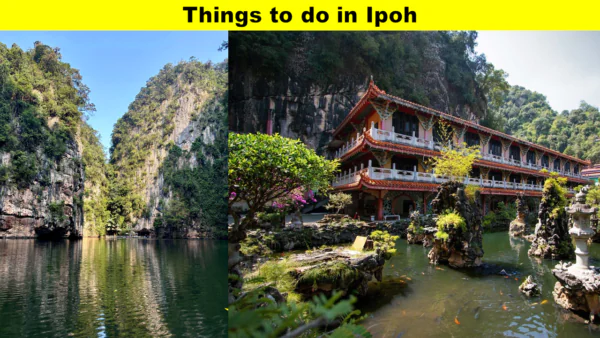
Things to do in Ipoh based on NeemTime research from most popular to just popular.
Kellie’s Castle, Ipoh
Overview: Kellie’s Castle, Ipoh is an unfinished Moorish-style mansion built on a hilltop, famous for its mysterious ambiance and colonial-era architecture.
History: The castle was commissioned by Scottish planter William Kellie Smith in 1915 as a gift for his wife, but construction stopped after his sudden death in 1926.
Since When: Construction began in 1915 and has remained incomplete ever since.
Review: Visitors find the castle fascinating for its blend of romance, tragedy, hidden tunnels, and rumored ghost stories.
When to Go: Morning or late afternoon is ideal to avoid heat and enjoy better lighting for photography.
How to Go: It is accessible by car or taxi about 30 minutes from Ipoh city center.
What to Do: Explore the unfinished rooms, climb to the rooftop for panoramic views, and learn about its colonial history.
Free or Paid: Paid entry is required.
Gunung Lang Recreational Park, Ipoh
Overview: Gunung Lang Recreational Park, Ipoh is a scenic lakeside park surrounded by limestone hills offering a peaceful natural retreat.
History: The area was developed by the Ipoh City Council to transform former mining land into a recreational space.
Since When: Officially opened to the public in 2000.
Review: Visitors appreciate its tranquil atmosphere, boat rides, and well-maintained gardens.
When to Go: Early morning or evening for cooler weather and pleasant views.
How to Go: Reachable by car or taxi within 10–15 minutes from Ipoh city center.
What to Do: Take a boat ride across the lake, stroll through landscaped gardens, and relax at picnic spots.
Free or Paid: Free entry, with small fees for boat rides.
Taiping Lake Gardens, Ipoh
Overview: Taiping Lake Gardens, Ipoh is a beautifully landscaped public park featuring lakes, century-old rain trees, and scenic walking paths set against limestone hills.
History: The park was created on an abandoned tin mining site during British colonial rule, transforming industrial land into Malaysia’s first public garden.
Since When: It has been open to the public since 1880.
Review: Visitors admire the arching rain trees, peaceful lakes, and well-maintained jogging and cycling tracks.
When to Go: Early morning for exercise or late afternoon for cooler temperatures and scenic sunset views.
How to Go: It is accessible by car or bus, approximately one hour’s drive from Ipoh city center.
What to Do: Walk, jog, cycle, picnic, photograph landscapes, and visit nearby attractions such as the Taiping Zoo.
Free or Paid: Free entry.
Lost World of Tambun, Ipoh
Overview: Lost World of Tambun, Ipoh is a multi-attraction theme park featuring water slides, hot springs, wildlife zones, and adventure activities surrounded by limestone cliffs.
History: The park was developed to boost tourism in Perak by combining natural hot springs with modern amusement facilities.
Since When: It has been operating since 2004.
Review: Visitors praise its family-friendly attractions, clean facilities, and relaxing natural hot spring pools.
When to Go: Weekdays are best to avoid crowds, while evenings are ideal for enjoying the illuminated hot springs.
How to Go: Located about 15 minutes by car from Ipoh city center and easily reachable by taxi or private vehicle.
What to Do: Enjoy water rides, relax in hot springs, watch animal shows, and participate in adventure park activities.
Free or Paid: Paid entry with various ticket packages available.
Lata Iskandar, Ipoh
Overview: Lata Iskandar, Ipoh is a scenic roadside waterfall nestled within lush rainforest along the route to Cameron Highlands.
History: The waterfall has long served as a natural rest stop for travelers journeying between Ipoh and the highlands.
Since When: It has been recognized as a local attraction for several decades due to its accessible roadside location.
Review: Visitors enjoy the refreshing cascades, cool mountain air, and small roadside stalls selling local produce and snacks.
When to Go: Visit in the morning or after light rainfall when the water flow is stronger but safe.
How to Go: Accessible by car along the main road connecting Ipoh and Cameron Highlands.
What to Do: Relax near the waterfall, take photographs, enjoy the cool waters, and browse local fruit and snack stalls.
Free or Paid: Free entry.
Kek Lok Tong Cave Temple, Ipoh
Overview: Kek Lok Tong Cave Temple, Ipoh is a serene cave temple set within a limestone hill, featuring Buddhist statues, landscaped gardens, and a tranquil lake.
History: The cave was used as a place of worship since the early 20th century before being developed into a more organized temple complex.
Since When: It has been open to the public as a temple site since the 1920s.
Review: Visitors appreciate the peaceful atmosphere, impressive natural cave formations, and beautifully maintained garden area.
When to Go: Morning or late afternoon is ideal for cooler temperatures and softer natural lighting inside the cave.
How to Go: It is accessible by car or taxi about 15–20 minutes from Ipoh city center.
What to Do: Explore the cave chambers, admire limestone formations, walk around the garden lake, and take photographs.
Free or Paid: Free entry, though donations are welcomed.
Ipoh Tong Sui Kai, Ipoh
Overview: Ipoh Tong Sui Kai, Ipoh is a lively evening food street famous for local desserts and traditional Malaysian street food.
History: The street evolved organically as hawkers began gathering there decades ago to serve late-night snacks and sweet soups.
Since When: It has been operating as a popular food spot since the late 20th century.
Review: Visitors enjoy the authentic flavors, affordable prices, and vibrant night market atmosphere.
When to Go: Best visited in the evening after 7 PM when most stalls are open.
How to Go: Located in central Ipoh and easily reachable by walking, car, or taxi.
What to Do: Taste local tong sui (sweet soups), try satay and noodles, and experience Ipoh’s night food culture.
Free or Paid: Free to enter, pay only for food purchased.
D R Seenivasagam Recreational Park, Ipoh
Overview: D R Seenivasagam Recreational Park, Ipoh is a family-friendly urban park featuring lakes, playgrounds, and open green spaces.
History: The park was developed to provide a public recreational area within the growing city of Ipoh.
Since When: It has served residents and visitors for several decades.
Review: Visitors appreciate its jogging paths, children’s play areas, and peaceful lakeside scenery.
When to Go: Early morning or evening for exercise and cooler weather.
How to Go: Centrally located and accessible by car, taxi, or short walk from parts of the city center.
What to Do: Jog, picnic, paddle boat, relax by the lake, and let children enjoy the playground.
Free or Paid: Free entry.
TUI BLUE The Haven Ipoh, Ipoh
Overview: TUI BLUE The Haven Ipoh, Ipoh is a luxury lakeside resort offering spacious suites, wellness facilities, and scenic limestone hill views.
History: The property was developed as a premium eco-resort blending natural surroundings with modern hospitality.
Since When: It has been operating since the early 2010s.
Review: Guests praise the spacious accommodations, infinity pool, and tranquil natural setting.
When to Go: Suitable year-round, with weekends popular for short luxury getaways.
How to Go: Located about 15 minutes by car from Ipoh city center.
What to Do: Relax at the infinity pool, enjoy spa treatments, explore nearby caves, and dine at the in-house restaurant.
Free or Paid: Paid accommodation and facility access.
Toddscent, Ipoh
Overview: Toddscent, Ipoh is a specialty fragrance boutique offering handcrafted perfumes and personalized scent experiences.
History: The boutique was established to introduce custom-blended fragrances to the local Ipoh market.
Since When: It has been operating in recent years as a niche lifestyle store.
Review: Customers appreciate the unique scents, personalized service, and elegant presentation.
When to Go: Visit during regular retail hours, preferably weekdays for personalized consultation time.
How to Go: Located within Ipoh city and accessible by car or taxi.
What to Do: Explore fragrance collections, create custom scents, and purchase unique perfume gifts.
Free or Paid: Free to browse, paid for products and custom services.
Dataran Bandaraya Ipoh, Ipoh
Overview: Dataran Bandaraya Ipoh, Ipoh is a central city square known for its iconic Ipoh sign, open lawns, and proximity to historical buildings.
History: The square was developed as part of Ipoh’s urban beautification efforts to create a civic gathering and event space.
Since When: It has served as a public landmark since the late 20th century.
Review: Visitors enjoy taking photographs with the large Ipoh signage and relaxing in the well-maintained open area.
When to Go: Evening is ideal for cooler weather and illuminated views of surrounding colonial architecture.
How to Go: Located in central Ipoh and easily accessible by car, taxi, or on foot.
What to Do: Take photos, attend public events, relax on the lawn, and explore nearby heritage buildings.
Free or Paid: Free entry.
Gua Tempurung, Ipoh
Overview: Gua Tempurung, Ipoh is one of the largest limestone cave systems in Peninsular Malaysia, offering guided adventure tours through vast chambers.
History: The cave has existed for millions of years and was once used by locals for guano collection before being developed for tourism.
Since When: Opened to visitors for organized tours in the 1990s.
Review: Visitors praise the impressive stalactites, stalagmites, and thrilling wet and dry cave exploration options.
When to Go: Visit during dry weather to ensure safer trekking conditions inside the cave.
How to Go: Accessible by car about 30 minutes south of Ipoh city center.
What to Do: Join guided cave tours, explore underground chambers, and learn about geological formations.
Free or Paid: Paid guided tour packages are required.
Perak Cave Temple, Ipoh
Overview: Perak Cave Temple, Ipoh is a striking Buddhist cave temple set within a limestone hill, featuring murals, statues, and a panoramic hilltop viewpoint.
History: Founded by a Buddhist monk in the late 19th century, it gradually expanded with additional halls and artwork.
Since When: Established in 1890.
Review: Visitors admire the colorful wall paintings, peaceful shrine halls, and scenic climb to the cave’s summit.
When to Go: Morning or late afternoon for cooler temperatures and softer natural lighting.
How to Go: Located about 10 minutes by car from Ipoh city center.
What to Do: Explore the cave temple, view murals, climb to the top for city views, and offer prayers.
Free or Paid: Free entry with optional donations.
Sultan Abdul Aziz Recreation Park, Ipoh
Overview: Sultan Abdul Aziz Recreation Park, Ipoh is a spacious public park featuring lakes, jogging tracks, and family-friendly facilities.
History: The park was developed to provide residents with a green recreational space within the expanding urban area.
Since When: It has been open to the public for several decades.
Review: Visitors appreciate its peaceful environment, swan-shaped paddle boats, and ample open spaces for exercise.
When to Go: Early morning for jogging or evening for family outings.
How to Go: Easily accessible by car or taxi within Ipoh city.
What to Do: Jog, picnic, paddle boat, relax by the lake, and enjoy outdoor activities.
Free or Paid: Free entry, with small fees for certain recreational activities.
Dataran KTMB Ipoh, Ipoh
Overview: Dataran KTMB Ipoh, Ipoh is a historic railway square located in front of the iconic Ipoh Railway Station, often called the “Taj Mahal of Ipoh.”
History: The square developed alongside the colonial-era railway station built during British rule.
Since When: It has existed since the railway station’s completion in 1917.
Review: Visitors enjoy the grand colonial architecture and open space ideal for photography.
When to Go: Late afternoon for better lighting and cooler weather.
How to Go: Situated in central Ipoh and reachable by car, taxi, or train.
What to Do: Photograph the railway station, relax in the square, and explore nearby heritage attractions.
Free or Paid: Free entry.
Bandar Meru Raya, Ipoh
Overview: Bandar Meru Raya, Ipoh is a rapidly developing township known for government buildings, shopping outlets, and modern residential areas.
History: The area was planned as part of Ipoh’s expansion strategy to decentralize commercial and administrative activities from the old city center.
Since When: Development began in the early 2000s and continues to grow.
Review: Visitors and residents appreciate its wide roads, newer infrastructure, and convenient access to shopping complexes like Mydin Mall.
When to Go: Suitable year-round, especially during business hours for government offices and evenings for shopping and dining.
How to Go: Accessible by car or taxi about 15–20 minutes from central Ipoh.
What to Do: Shop, dine at local restaurants, visit government complexes, and explore nearby attractions.
Free or Paid: Free to explore, with paid services for shopping and dining.
Sam Poh Tong Temple, Ipoh
Overview: Sam Poh Tong Temple, Ipoh is one of Malaysia’s oldest and most famous cave temples, set within a limestone hill and surrounded by landscaped gardens.
History: Founded by a Chinese monk in 1890, the temple became an important spiritual site for the local Chinese community.
Since When: Established in 1890.
Review: Visitors admire its serene ambiance, natural cave formations, and tranquil tortoise pond garden.
When to Go: Morning hours for peaceful exploration and cooler cave temperatures.
How to Go: Located about 10 minutes by car from Ipoh city center.
What to Do: Explore the cave shrine, view Buddhist statues, stroll through gardens, and offer prayers.
Free or Paid: Free entry with optional donations.
Ipoh Night Market, Ipoh
Overview: Ipoh Night Market, Ipoh is a lively evening bazaar offering street food, clothing, accessories, and local products.
History: Night markets in Ipoh developed as part of Malaysia’s traditional pasar malam culture, rotating between neighborhoods.
Since When: Operating for several decades as a community marketplace.
Review: Visitors enjoy the affordable food options, vibrant atmosphere, and variety of local goods.
When to Go: Evening hours, typically after 6 PM on designated market days.
How to Go: Locations vary by day, accessible by car or taxi within Ipoh.
What to Do: Taste local snacks, shop for bargains, and experience local night market culture.
Free or Paid: Free entry, pay only for purchases.
Cititel Express Ipoh, Ipoh
Overview: Cititel Express Ipoh, Ipoh is a modern budget-friendly hotel offering comfortable rooms in a central city location.
History: The hotel was established to provide affordable yet quality accommodation for business and leisure travelers.
Since When: It has been operating since the mid-2010s.
Review: Guests appreciate its clean rooms, convenient location, and value for money.
When to Go: Suitable year-round for short stays and business trips.
How to Go: Centrally located and accessible by car or taxi from Ipoh Railway Station or Sultan Azlan Shah Airport.
What to Do: Stay comfortably while exploring nearby attractions, eateries, and heritage sites.
Free or Paid: Paid accommodation.
The Banjaran Hotsprings Retreat, Ipoh
Overview: The Banjaran Hotsprings Retreat, Ipoh is a luxury wellness resort set amidst limestone hills, offering private villas and natural geothermal hot springs.
History: Developed as an eco-luxury retreat to combine wellness, nature, and premium hospitality in Perak.
Since When: Opened in 2009.
Review: Guests praise its tranquil setting, spa treatments, cave dining experience, and exclusive atmosphere.
When to Go: Ideal year-round, especially for romantic getaways or relaxing retreats.
How to Go: Located about 15 minutes by car from Ipoh city center.
What to Do: Soak in private hot springs, enjoy spa therapies, dine in a cave restaurant, and relax in luxury villas.
Free or Paid: Paid accommodation and spa services.
Sunway Lost World of Tambun, Ipoh
Overview: Sunway Lost World Theme Park : Hot Springs & Night Park, Ipoh is a popular integrated theme park featuring water attractions, wildlife areas, adventure rides, and natural hot springs that transform into a vibrant night park experience.
History: Developed by the Sunway Group to enhance tourism in Perak, the park blends natural limestone landscapes with modern entertainment facilities.
Since When: It has been operating since 2004, with the Night Park concept introduced later as an added attraction.
Review: Visitors praise the variety of activities, relaxing hot spring pools, and the unique nighttime ambiance with colorful lighting.
When to Go: Weekdays are best for fewer crowds, while evenings are ideal for enjoying the illuminated hot springs and night attractions.
How to Go: Located about 15 minutes by car from Ipoh city center and easily accessible by taxi or private vehicle.
What to Do: Enjoy water slides, soak in geothermal hot springs, watch animal shows, explore adventure zones, and experience the Night Park.
Free or Paid: Paid entry with separate ticket options for day and night access.
Gerbang Malam Ipoh, Ipoh
Overview: Gerbang Malam Ipoh, Ipoh is a lively night market area offering street food, clothing, accessories, and budget-friendly shopping.
History: The area evolved into a night shopping hub to revitalize Ipoh’s downtown commercial activity after business hours.
Since When: It has operated as a night bazaar since the early 2000s.
Review: Visitors enjoy the affordable goods, local snacks, and energetic evening atmosphere.
When to Go: Best visited after 7 PM when most stalls are open and active.
How to Go: Centrally located in Ipoh and accessible by walking, car, or taxi.
What to Do: Shop for bargains, taste local street food, and experience the local night market vibe.
Free or Paid: Free entry, pay only for purchases.
HOGA Gaharu Tea Valley Gopeng, Ipoh
Overview: HOGA, Gaharu Tea Valley Gopeng, Ipoh is a serene plantation and eco-tourism attraction showcasing gaharu (agarwood) trees and herbal tea products.
History: Established as part of a commercial gaharu cultivation project, it later opened to visitors to promote eco-tourism and herbal wellness.
Since When: It has welcomed visitors since the late 2000s.
Review: Visitors appreciate the peaceful plantation scenery, educational tours, and unique herbal tea tasting experiences.
When to Go: Morning visits are ideal for cooler weather and guided plantation tours.
How to Go: Accessible by car approximately 30–40 minutes from Ipoh toward Gopeng.
What to Do: Tour the plantation, learn about agarwood cultivation, sample herbal teas, and enjoy panoramic hill views.
Free or Paid: Paid entry for tours and product purchases.
OLDTOWN White Coffee @ Ipoh Padang, Ipoh
Overview: OLDTOWN White Coffee @ Ipoh Padang, Ipoh is a popular café outlet serving Ipoh’s signature white coffee and traditional Malaysian dishes in a heritage setting.
History: The OLDTOWN brand originated from Ipoh’s coffee culture and expanded nationwide while maintaining its classic flavors.
Since When: The brand was established in 1999, with this outlet serving customers for many years.
Review: Customers enjoy the nostalgic atmosphere, consistent coffee quality, and variety of local meals.
When to Go: Morning for breakfast and coffee or evening for casual dining.
How to Go: Located near Padang Ipoh and easily accessible by walking, car, or taxi in central Ipoh.
What to Do: Enjoy white coffee, taste traditional Malaysian dishes, and relax in a heritage-inspired café setting.
Free or Paid: Free to enter, pay for food and beverages.
Padang Ipoh, Ipoh
Overview: Padang Ipoh, Ipoh is a historic open field surrounded by colonial-era buildings, serving as a civic and recreational landmark in the city.
History: The field dates back to British colonial times when it was used for official ceremonies, cricket matches, and public gatherings.
Since When: It has existed since the late 19th century.
Review: Visitors admire the surrounding heritage architecture and enjoy the spacious green area for relaxation.
When to Go: Evening is ideal for a leisurely stroll and photography of illuminated historic buildings.
How to Go: Centrally located and accessible by car, taxi, or on foot within Ipoh Old Town.
What to Do: Walk around the field, photograph colonial buildings, relax on the grass, and explore nearby heritage sites.
Free or Paid: Free entry.
Ipoh World at Han Chin Pet Soo, Ipoh
Overview: Ipoh World at Han Chin Pet Soo, Ipoh is a heritage museum showcasing the history of Ipoh’s tin mining industry and the Hakka miners’ club culture.
History: The building originally functioned as a private Hakka miners’ club in the late 19th century before being restored into a museum.
Since When: It was opened to the public as a museum in 2015.
Review: Visitors appreciate its well-preserved interiors, informative guided tours, and deep insights into Ipoh’s colonial-era tin boom.
When to Go: Morning or early afternoon is ideal to join scheduled guided tours.
How to Go: Located in Ipoh Old Town and accessible by walking, car, or taxi.
What to Do: Join a guided tour, explore historical exhibits, and learn about tin mining heritage.
Free or Paid: Paid entry with guided tour included.
Travelodge Ipoh, Ipoh
Overview: Travelodge Ipoh, Ipoh is a modern mid-range hotel offering comfortable rooms and convenient access to city attractions.
History: The property was rebranded under the Travelodge name as part of an international hotel expansion strategy.
Since When: It has operated under the Travelodge brand since the late 2010s.
Review: Guests praise its clean rooms, strategic location, and value-for-money accommodations.
When to Go: Suitable year-round for business trips and leisure stays.
How to Go: Accessible by car or taxi within minutes from Ipoh city center and major roads.
What to Do: Stay comfortably while exploring nearby shopping centers, eateries, and heritage sites.
Free or Paid: Paid accommodation.
Tambun Pomelo GoChin Agro Farm, Ipoh
Overview: Tambun Pomelo GoChin Agro Farm, Ipoh is a local agricultural farm famous for cultivating and selling fresh Tambun pomelos.
History: The farm was established by local growers to promote Tambun’s renowned pomelo variety.
Since When: It has been operating for several decades as part of Ipoh’s agricultural heritage.
Review: Visitors enjoy tasting fresh pomelo samples and purchasing high-quality fruit directly from the source.
When to Go: Best visited during pomelo harvest seasons for the freshest produce.
How to Go: Located in the Tambun area and accessible by car about 20 minutes from Ipoh center.
What to Do: Sample pomelos, learn about cultivation, and buy fresh fruits as souvenirs.
Free or Paid: Free entry, pay for fruit purchases.
Little India Ipoh, Ipoh
Overview: Little India Ipoh | லிட்டல் இந்தியா, ஈப்போ, Ipoh is a vibrant cultural district known for Indian textiles, jewelry shops, temples, and authentic South Indian cuisine.
History: The area developed during the colonial period when Indian migrants settled in Ipoh to work in railways and plantations.
Since When: It has existed as a cultural enclave since the late 19th century.
Review: Visitors appreciate the colorful storefronts, aromatic spices, traditional music, and festive atmosphere.
When to Go: Evenings or during Indian festivals for the most lively cultural experience.
How to Go: Located in central Ipoh and easily reachable by walking, car, or taxi.
What to Do: Shop for sarees and jewelry, enjoy Indian meals, visit temples, and explore cultural stores.
Free or Paid: Free to explore, pay for shopping and dining.
Mural Art’s Lane, Ipoh
Overview: Mural Art’s Lane, Ipoh is a creative alleyway featuring vibrant street art and murals that reflect Ipoh’s culture and history.
History: The murals were introduced as part of a city revitalization project to promote tourism and local art.
Since When: It has gained popularity since the 2010s.
Review: Visitors enjoy photographing the interactive murals and discovering hidden artistic corners.
When to Go: Daytime is best for clear photos and comfortable walking conditions.
How to Go: Situated in Ipoh Old Town and accessible by walking or short taxi ride.
What to Do: Take creative photos, explore nearby cafés, and admire local street art.
Free or Paid: Free entry.